REVIEW · SALZBURG
Celtic Heritage Expereince: Hallstatt & Sacred Alpine Sites
Book on GetYourGuide →Operated by Be Special Tours · Bookable on GetYourGuide
That UNESCO postcard feeling is only half the story. This private 8-hour Celtic heritage day pairs Hallstatt’s UNESCO cliffs with underground “white gold” salt history, plus sacred nature sites that make the whole region feel purposeful. I especially like the chance to see the Salzkammergut area at a human pace and the way the guide connects sites through archaeology and storytelling; for me, that’s what turns photos into understanding. One consideration: salt mine access and the exact mix of stops change with the season, so check timing if underground time matters most.
You’ll start in the Salzburg area and ride in a climate-controlled minivan. The best part is that it’s not a rigid bus tour: it’s built for your rhythm, with an expert local driver-guide (Bernard is one name that pops up), and built-in time to walk rather than just point and move on.
In This Review
- Key Points You’ll Care About
- A Celtic Route Built Around Hallstatt’s Salt Power
- Price and Value for a Private Group
- Salzburg Pickup to Salzkammergut Views: How the Day Gets Set Up
- Hallstatt Village Time: UNESCO, Cliffs, and a Real Walking Pace
- A fair drawback
- Descending into Ancient Salt Mines: The “White Gold” Story Makes Sense Underground
- Golling Waterfalls and the Sacred Gorge: Celtic Reverence in Motion
- Gosauseen and the Drive Toward Hallein: When the Views Breathe
- Seasonal Plan: April to November vs Late November to Early April
- Guide Style and Private Rhythm: Why It Feels Personal
- What’s Actually Included (and What You Must Plan For)
- Who This Tour Suits Best
- Should You Book Celtic Heritage Experience: Hallstatt & Sacred Alpine Sites?
- FAQ
- Where does pickup happen?
- How long is the tour?
- Is this a private tour?
- What is the maximum group size?
- What languages are available for the live guide?
- What season is best for descending into the salt mines?
- Is there a different plan in winter?
- Are salt mine entrance fees included?
- Are meals included?
- Is hotel pickup and drop-off included?
- Is the tour suitable for mobility impairments?
Key Points You’ll Care About
- UNESCO Hallstatt, with guided walking time so you don’t just “see it,” you get oriented fast
- Celtic salt-mine descent in April to November (and a winter swap to the Hallein Salt Mines)
- Sacred-nature stops tied to Celtic reverence for water, stone, and dramatic gorges
- Private group up to 6 people, ideal for families, couples, or small friend groups
- Seasonal variety: lake-district views in fair weather, snowy Hallstatt and frozen waterfall scenery in winter
A Celtic Route Built Around Hallstatt’s Salt Power
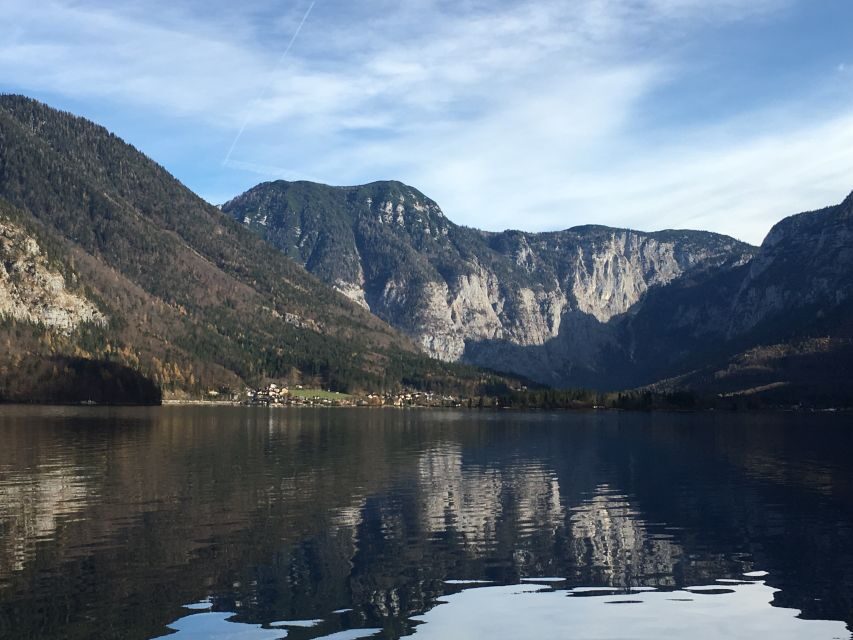
This tour’s core idea is simple: follow the same logic the Celts used. If you want a place where “why here?” makes sense, Hallstatt is a great starting point. Long before today’s visitors arrived for views, the area was famous for salt—often called white gold in Europe’s ancient economy. That salt helped fund influence, trade, and power, and the whole region grew around this resource.
What I like is that the tour doesn’t treat Hallstatt as a museum town that you sprint through. Instead, it links village life to the underground world that fed it. You’ll hear how the Celts mined salt and how those economic roots connect to the spiritual way they watched their surroundings—mountains, water, and the kind of dramatic geology that feels like it was designed to inspire rituals.
You can also read our reviews of more historical tours in Salzburg
Price and Value for a Private Group
The price is listed as $1,036 per group (up to 6) for an 8-hour private tour. That can sound high at first—until you price the same day as separate services: private transport, a guiding component, and the timed access to key sites without the usual hassle.
Here’s the practical value math for most people:
- If you’re traveling as a couple, you’re paying for a premium experience and convenience.
- If you’re traveling with a small group (up to 6), it starts to look like good value because the cost is shared across everyone.
- You also get hotel-area pickup and drop-off in Salzburg, which saves time and energy (and keeps your day from turning into logistics homework).
Two items to plan for: meals and salt mine entrance fees aren’t included, so budget extra for tickets and lunch/snacks if you need them. The tour does include bottled water, which is a small thing that still matters on a full-day outing.
Salzburg Pickup to Salzkammergut Views: How the Day Gets Set Up
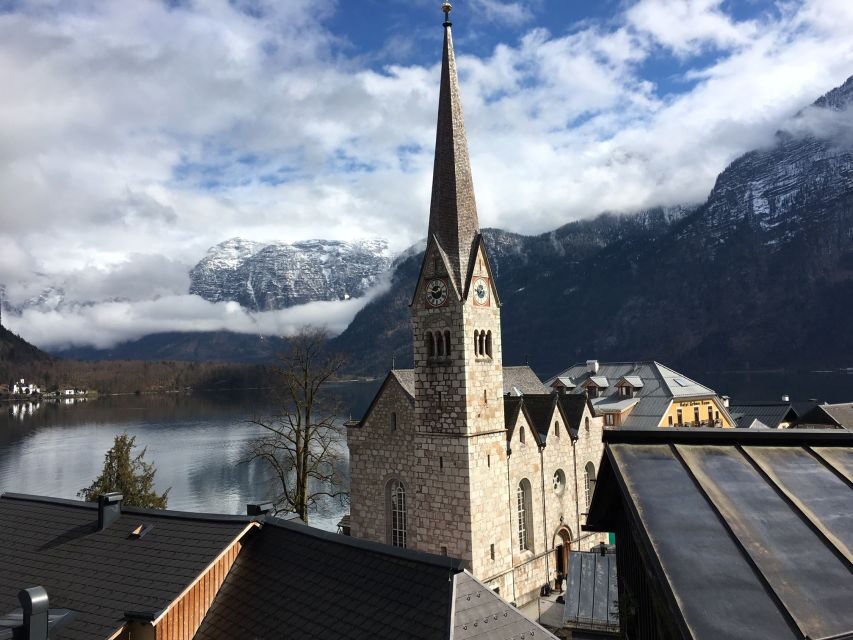
The day starts with pickup in the Salzburg area—hotel, train station, or airport—so you’re not juggling trains or meeting points mid-stress. Then you’re in a minivan ride (about 40 minutes to the first viewing area), with a climate-controlled setup for warm weather and heated comfort in winter.
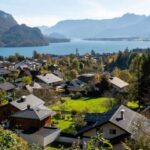
The first timed stop is a photo moment plus a guided look in the Salzkammergut region (about 25 minutes). It’s short enough to keep energy up, but long enough for your guide to set the stage: this is a lake-district region where the water isn’t scenery—it’s part of the story. Next comes Bad Ischl (about 15 minutes), a quick context stop that helps you understand where the “classic Austria” look comes from without turning the day into a checklist.
If you’re the type who hates standing around waiting for everyone else, this is a good sign. The routing breaks up the drive with just enough time to reset.
Hallstatt Village Time: UNESCO, Cliffs, and a Real Walking Pace
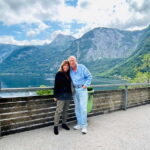
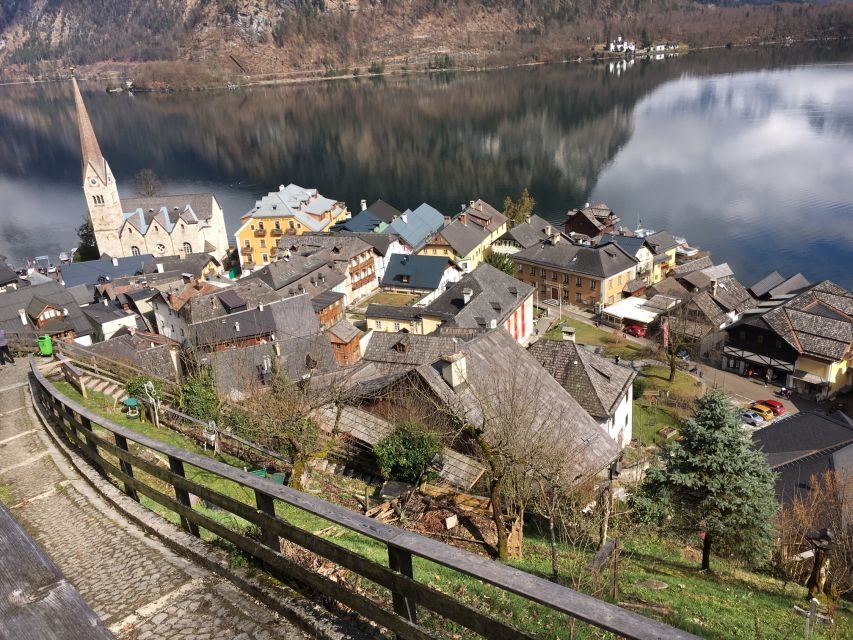
Hallstatt is the big name here, and you’ll get real time there (about 2 hours). That includes a mix of a guided tour, walking, and sightseeing. It’s also a UNESCO World Heritage village perched dramatically above the water, so even your first minute gives you a strong sense of place.
What’s valuable is the order of how you’ll experience it. You get guided context first, then you walk. That prevents the common problem: arriving in a postcard town and only noticing what’s on the surface. With a guide, you’re more likely to notice patterns—how the town sits against the cliffs, how the waterfront shapes movement, and how the village’s identity ties back to the salt economy.
Practical tip: wear comfortable shoes. Hallstatt involves walking, and your schedule assumes you can do that without rushing.
A fair drawback
Hallstatt is famous and visually intense. If you’re expecting zero crowds and quiet, you might still feel the village’s popularity. The upside is that your guide’s pacing helps you move through with less friction than an independent visit.


Descending into Ancient Salt Mines: The “White Gold” Story Makes Sense Underground
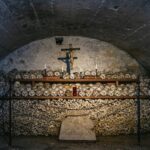
If you’re visiting between April and November, one of the highlights is the chance to descend into the salt mines where Celtic miners worked centuries ago—over 2,500 years of history tied to that underground craft. You’ll stand in chambers carved by ancient hands, and the cool, still air is part of the impact you can’t fully copy from photos.
This is where the tour earns its name as heritage travel for the curious. Hallstatt becomes more than a view when you can connect:
- salt extraction to political and trade power,
- resource wealth to village development,
- and the physical effort behind the region’s fame.
You should also know what’s not included: salt mine entrance fees aren’t included. The good news is the experience is designed to help you avoid ticket-line hassle, since the tour mentions skipping the ticket line.
If you love architecture-by-nature—big spaces shaped by human work—this part is usually the moment people remember most after the day ends.
Golling Waterfalls and the Sacred Gorge: Celtic Reverence in Motion
Celtic sacred landscapes aren’t always temples with clear walls. In this region, reverence shows up in water, stone, and dramatic geography.
You’ll be taken to the Golling Waterfalls, described as a sanctuary where water and stone connect in a kind of elemental force. You’ll also hear the idea that mist and water touched by the air were part of the ancient rituals tied to the site. It’s the sort of place where you can see why people would treat it as holy ground, even if you’re not trying to prove anything academically.
Then the route continues toward the Lammer River Canyon, a gorge with sheer rock walls and a churning river below. The tour framing here matters: it’s not just a pretty canyon stop. You’ll get the viewpoint that Celts honored it as sacred—almost like a natural cathedral, with druids gathering where the raw energy of the place felt tangible.
A small reality check: this is still a day tour. You’ll see powerful nature, but you won’t have hours of free wandering. Still, the guided explanation helps you get more out of the time you do have.
Gosauseen and the Drive Toward Hallein: When the Views Breathe
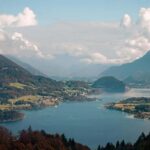
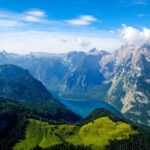
After Hallstatt, you’ll have a photo stop at Gosauseen (about 20 minutes). This is the kind of stop that works well right after a heavy history segment. Your eyes get a break, and the lake district feel reminds you why this region has attracted travelers for ages.
Then you’ll ride for about 70 minutes before reaching Hallein for another quick photo stop (about 10 minutes). Even these shorter segments help because they keep your focus on the bigger theme: water and stone repeatedly show up as central elements of Celtic meaning here.
You return to Salzburg after additional driving time (the remaining time totals your full day).
Seasonal Plan: April to November vs Late November to Early April
This tour’s design includes a winter adaptation, and that matters because you’re not getting the same experience year-round.
Between April and November, the emphasis is on descending into the legendary salt mines, with the Celtic salt-mining connection at the center of the day. In this season, you’re also more likely to feel the day move between village history and outdoor sacred sites in warmer conditions.
During late November through early April, the experience adapts:
- You shift to the Hallein Salt Mines rather than the other mine descent.
- You’ll explore scenes like frozen waterfalls—described as transformed into crystalline sculptures.
- You’ll also see Hallstatt village draped in snow, which can feel very different from the classic cliff-and-lake postcard.
If you’re planning in winter, bring the mindset for colder conditions and for photogenic ice effects. If you’re planning in shoulder seasons, you’ll want to prioritize comfortable layers and good walking shoes.
Guide Style and Private Rhythm: Why It Feels Personal
This is a private group tour, so you’re not squeezed into the “follow the leader” rhythm. The tour description emphasizes being at your rhythm, and that shows up in the way stops are timed with walking and guided segments rather than nonstop driving.
The guide component is also a big deal. One review specifically called out Bernard as fantastic and very prepared. That matches the core value here: the guide isn’t just reciting dates. You’re getting explanations tied to archaeology and why these locations mattered then—and still resonate now.
That’s what makes this feel like more than a sightseeing day. It’s heritage travel for the intellectually curious. You’re trying to understand why the Celts chose these exact spots, not just collect images of famous places.
What’s Actually Included (and What You Must Plan For)
Included:
- Private tour
- Expert local driver-guide
- Hotel pickup and drop-off in the Salzburg area
- Air-conditioned minivan (or warmed in winter)
- Complimentary bottled water
Not included:
- Meals
- Salt mine entrance fees
Included “nice-to-know”:
- Skip the ticket line is mentioned, which can save real time at major attractions.
- Languages offered: English, German, Italian.
- Duration: 8 hours.
One more practical note: comfortable shoes are required. The tour also isn’t suitable for people with mobility impairments.
Who This Tour Suits Best
This tour is a good fit if:
- you want meaning behind scenery, not just famous stops,
- you like when history is explained through physical places (salt mines, waterfalls, gorges),
- you prefer a guided pace and a smaller group,
- you’re visiting Hallstatt but want more than the obvious photo spots.
It may not suit you if:
- you need a fully accessible route (it’s noted as not suitable for mobility impairments),
- you hate walking,
- or you want a stop-by-stop “free time only” style day.
Should You Book Celtic Heritage Experience: Hallstatt & Sacred Alpine Sites?
I’d book it if you like your travel with context. The day is built around the logic of “salt first, meaning always.” With a private rhythm, a focused guided approach, and a seasonally adjusted plan for salt mines and winter scenery, it offers better value than many “name your stops” tours.
Before you book, do two quick checks:
- Decide what matters most: underground salt time (April–Nov) or the winter mine and snow scenes (late Nov–early April).
- Budget for meals and salt mine entrance fees, since those are on you.
If that fits your travel style, this is a strong way to experience Hallstatt and the Salzkammergut region with a story you can actually carry home.
FAQ
Where does pickup happen?
Pickup is included from your hotel, train station, or airport anywhere in the Salzburg area. You share your location and the tour meets you there.
How long is the tour?
The duration is 8 hours.
Is this a private tour?
Yes. It’s a private group for your party.
What is the maximum group size?
The price is per group up to 6 people.
What languages are available for the live guide?
The live tour guide is available in English, German, and Italian.
What season is best for descending into the salt mines?
From April through November, the experience includes descending into the salt mines.
Is there a different plan in winter?
Yes. During late November through early April, the experience adapts with visits to the Hallein Salt Mines and winter scenes like frozen waterfalls and Hallstatt in snow.
Are salt mine entrance fees included?
No. Meals and entrance fees to the salt mines are not included.
Are meals included?
No. Meals are not included.
Is hotel pickup and drop-off included?
Yes. Hotel pickup and drop-off are included in the Salzburg area.
Is the tour suitable for mobility impairments?
No, it’s not suitable for people with mobility impairments.