REVIEW · SALZBURG
Private Customized Salzburg City and Country Tour
Book on Viator →Operated by Salzburg Private Tours · Bookable on Viator
Salzburg is best when you can move at your speed. This private day strings together the city’s top landmarks with hotel pickup and a flexible plan. I really like the customizable itinerary that lets you linger where you care most, like fortress views or Mozart stops. One thing to plan for: several attractions may cost extra on the day, and the mountain portion depends on visibility.
This tour also has a smart, no-stress rhythm for a full day of walking and short drives. The guide team can handle real-life details, and I’ve seen examples like Michael making sure a group had time for a quick meal stop before getting going. You’ll also get built-in context at the big sites, so you’re not just looking at buildings, you’re understanding why they matter.
Key points worth knowing before you go
- Private by default: your group goes with a guide/driver only for you (up to 7 people).
- Hotel pickup and drop-off inside Salzburg city keeps the day efficient.
- Mirabell + Sound of Music spots set the tone fast, with time in the gardens.
- Fortress Hohensalzburg is a major highlight, but the main ticketed attraction is optional and extra.
- Hellbrunn water tricks are included as a highlight stop, with optional palace access.
- Mountain views need good weather: Untersberg is optional, and Gaisberg can be the backup.
In This Review
- A private Salzburg route that keeps the day from feeling rushed
- Mirabell Palace & Mirabell Gardens: your Sound of Music warm-up
- Fortress Hohensalzburg, Residenz interiors, and Franziskanerkirche details
- Wandering medieval streets with a guide who can flex
- Hellbrunn Palace and its wasserspiele: practical jokes, real fun
- Salzburg Cathedral, Collegiate Church, and the Franciscan-Gothic story
- Felsenreitschule and the Salzburg Festival stage you can tour
- Mozart’s Birthplace, plus the viewpoint stops that connect the dots
- Lake districts beyond the center: Leopoldskroner Weiher, St Gilgen, and Mondsee
- Untersberg and Gaisberg: when the views depend on the sky
- Rosewood Schloss Fuschl and a quick Red Bull architecture photo stop
- How the tour handles tickets, pacing, and extra costs
- Price and logistics: when $879.78 per group makes sense
- Who should book this private Salzburg tour?
- Should you book a private Salzburg city and country tour?
- FAQ
- Is this a private tour for just my group?
- How long is the Salzburg city and country tour?
- Does the tour include hotel pickup and drop-off?
- Are tickets for attractions included?
- Is food or drinks included?
- Can you customize the itinerary?
A private Salzburg route that keeps the day from feeling rushed
Salzburg can be intense. The historic center is gorgeous, but if you’re bouncing between stops on your own, time disappears. This is designed to avoid that problem: you start with pickup from your hotel or another location in Salzburg, then move through key sights with a guide who can adjust the pacing.
The “private” part is not a gimmick. With just your party, you’re not stuck waiting while other groups argue about photo angles. That flexibility matters most when you hit places like Mirabell Gardens or the fortress viewpoints, where a few minutes more can make the difference between a quick look and a proper moment.
One practical tip I’d follow: bring comfortable walking shoes, and plan your expectations around a full-day rhythm. This is for moderate physical fitness. Some portions involve walking on uneven streets and stair climbs, especially if you choose the optional fortress or mountain segments.
Mirabell Palace & Mirabell Gardens: your Sound of Music warm-up
The day often starts at Schloss Mirabell and Mirabellgarten, and it’s a great first stop because it’s visually rewarding without requiring big ticket decisions. The Mirabell palace and gardens date to the early 1600s under Wolf Dittrich von Reitenau, a figure described as controversial in the tour context. The point isn’t just name-dropping; it helps you see the gardens as part of Salzburg’s power story, not only as pretty scenery.
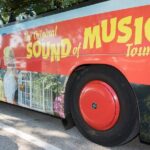
This is also tied directly to The Sound of Music, which makes the area hit two audiences at once: fans recognize the cues quickly, and everyone else still gets a strong Salzburg introduction. You’ll have about 20 minutes here, and it notes that admission is free for this stop.
What I like about choosing Mirabell early: it gives you an easy win before the heavier sightseeing (cathedral, fortress, museums, optional excursions). If your schedule feels busy, this is the stop where you can set the tone with relaxed wandering and photos.
You can also read our reviews of more city tours in Salzburg

Fortress Hohensalzburg, Residenz interiors, and Franziskanerkirche details
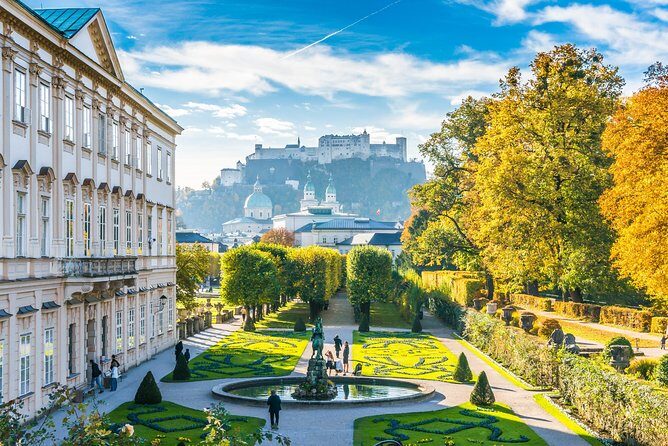
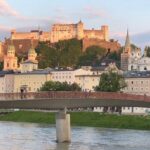
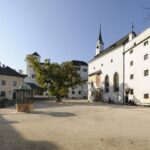
Next comes Fortress Hohensalzburg, one of Europe’s largest medieval castles. The tour frames its size in clear terms—about 250 meters long and 150 meters wide—and adds a useful altitude detail around 506 meters above sea level. That matters because the fortress experience is partly about the climb and partly about how the city looks from above.
Hohensalzburg begins in 1077 under Archbishop Gebhard von Helfenstein, and the fort’s original purpose is straightforward: defense during wartime. If you can picture the political tension of those centuries, the fortress stops being just a viewpoint and starts feeling like a survival machine built in stone.
Here’s the key practical thing: fortress time is optional and ticketed, about 1 hour 30 minutes, with admission not included. If you want the skyline and you don’t mind paying extra, it’s worth it. If you’d rather keep the day lighter, you can still enjoy the area and choose how much time to spend.
From there, the tour includes Residenzgalerie Salzburg (optional, about 30 minutes; admission not included). This is where you can see the Czernin Collection, and it helps connect Salzburg’s religious leadership to art and power. Then you have the Franziskanerkirche (Franciscan Church) for a quick Gothic/Roman stop (about 10 minutes, admission free). Even in a short visit, these churches help you “read” Salzburg: different styles, different eras, same city identity.
Wandering medieval streets with a guide who can flex
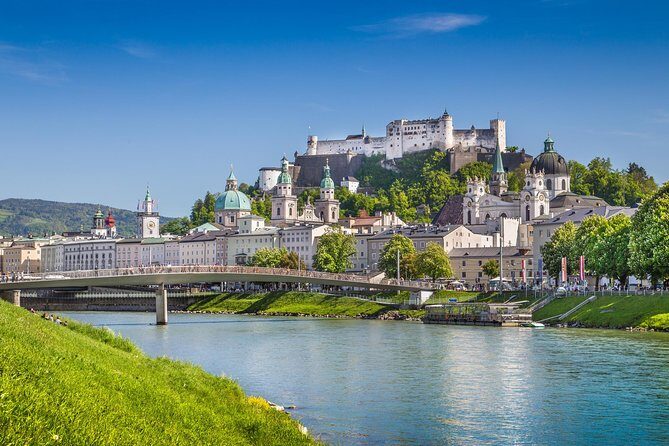
A big part of the charm here is that you’re not only hitting big-ticket attractions. There’s time walking through medieval streets, which is where Salzburg feels like Salzburg—tight lanes, historic facades, and little sightlines that you’d miss if you were sprinting from museum to museum.
The private format lets you do something simple but powerful: adjust. If your group is into architecture, you can slow down. If you just want views and photos, your guide can steer you efficiently. That’s the real value of a customizable itinerary, because it protects your energy on a long day.
If you tend to get cold or hot easily, pay attention to the tour’s altitude note. Even in summer, you might want a jacket when you’re higher up (especially around 1,972 meters for the Untersberg portion). Salzburg can feel mild at street level and cooler on the mountain.
Hellbrunn Palace and its wasserspiele: practical jokes, real fun
Schloss Hellbrunn is one of those stops that feels different from the rest of the day. Built in 1618, it’s famous for its wasserspiele—trick water fountains in the grounds. The tour frames it as a place for practical jokes designed by Markus Sittikus, so you’re not just looking at water features, you’re getting the story behind the humor.
The visit is about 1 hour, and palace interior access is optional (ticket not included). The water games are popular in summer months, and it’s easy to see why: it’s playful, photogenic, and breaks up the more solemn religious and fortress sites earlier in the day.
A quick advice from how these attractions usually work: wear shoes you don’t mind getting splashed, even if it’s not pouring rain. The tour also includes Wasserspiele Hellbrunn as a later highlight stop (about 50 minutes; admission ticket not included), so you’ll likely have more than one chance to enjoy the atmosphere.
Salzburg Cathedral, Collegiate Church, and the Franciscan-Gothic story
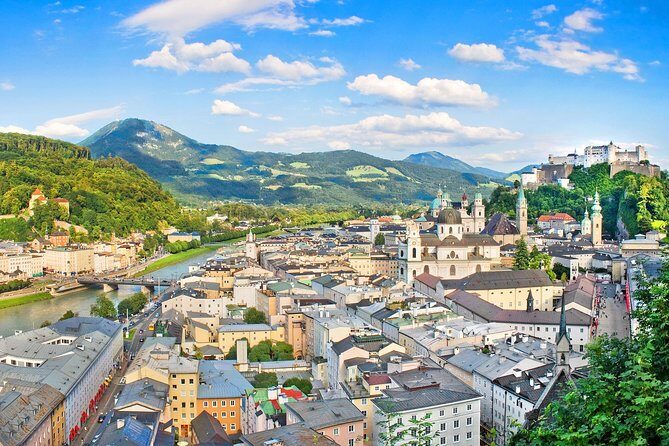
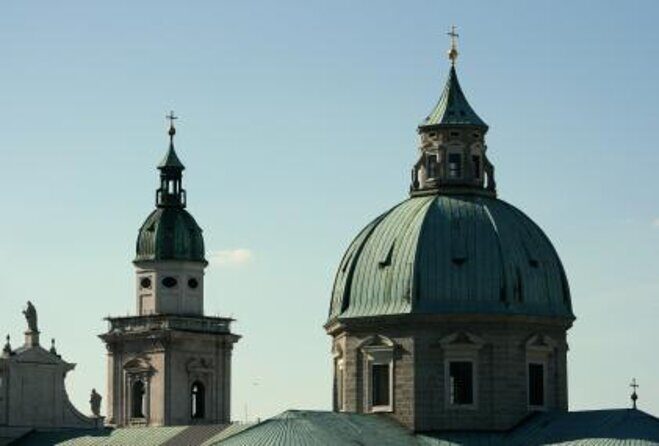
If you want the day to feel grounded (not only scenic), this stretch helps. The tour includes Salzburg Cathedral, built first centuries earlier and completed in its current baroque form in 1628. The guide context also notes rebuilding after destruction during World War II and a later rebuild completed in 1959. In other words, you’re seeing architecture layered with history, not a “single moment in time.”
The cathedral’s cellar has Roman ruins you can still see, which is a detail worth paying attention to because it links the baroque building to older roots. Admission here is noted as free, with about 30 minutes.
Then you add Kollegienkirche (Collegiate Church), the University Church (about 10 minutes, admission free). Even a short stop works because these buildings shape the feel of the center. You learn to recognize which Salzburg buildings are tied to learning, which ones represent church power, and which ones are about civic identity.
You can also read our reviews of more private tours in Salzburg
Felsenreitschule and the Salzburg Festival stage you can tour
One of the more interesting included moments is Felsenreitschule. Dating from 1926, it’s tied to Salzburg Festival performances, and it sits in a way that makes the setting feel dramatic. The tour includes a guided theater tour (about 35 minutes), and admission is listed as included here.
The tour context also mentions that the visit includes a peek at the big opera house and the small opera house. Even if you’re not planning to attend a festival performance, seeing the spaces helps you understand why Salzburg feels so linked to music and opera.
If you love performance spaces or stage design, don’t rush this one. It’s one of those stops where 15 extra minutes can help the whole day click.
Mozart’s Birthplace, plus the viewpoint stops that connect the dots
You’ll also hit Mozart’s Birthplace, where Mozart was born on January 27, 1756. Museum admission is not included, and the suggested time is about 30 minutes. This is a practical stop for fans, but also useful for anyone who wants to anchor Salzburg’s identity beyond churches and palaces.
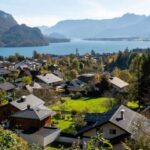
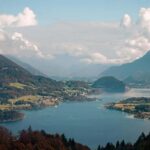
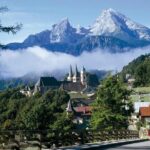
Then the day shifts into viewpoint territory with stops like Mozartblick. This one is short—about 5 minutes—but it’s positioned as a scenic “opening scene” area tied to The Sound of Music, with views above Lake Wolfgang and the town of St. Gilgen. You also see the Schafberg area in the visual story the tour describes, including the train idea from the film opening sequence.
Short stops matter here. They give you variety without draining your legs, and they keep the day from turning into back-to-back museums.
Lake districts beyond the center: Leopoldskroner Weiher, St Gilgen, and Mondsee
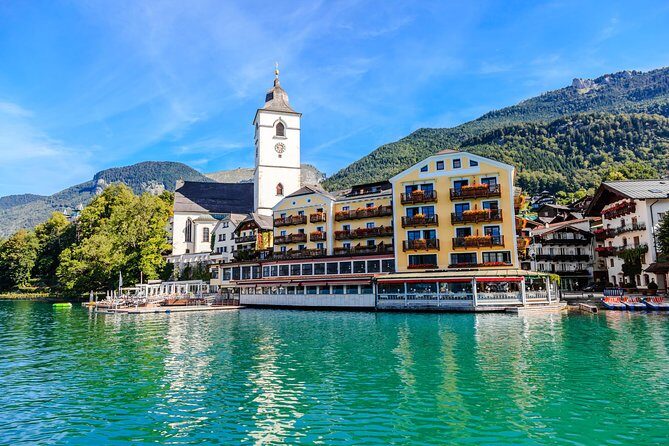
Salzburg looks like a city, but it’s also a gateway to lakes and nearby towns. This tour leans into that.
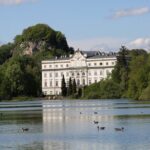
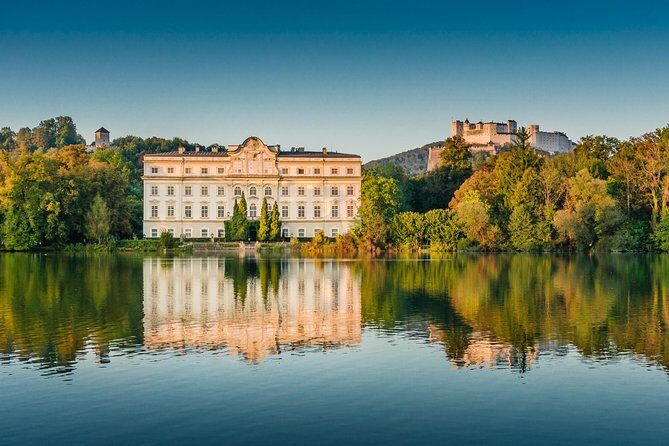
It includes Leopoldskroner Weiher, with the palace connection: Schloss Leopoldskron is described as a rococo palace and a national historic monument. It sits on the lake Leopoldskroner Weiher and comes with about 15 minutes and free admission.
Next is St Gilgen Mozartplatz for about 20 minutes. The tour highlights the town hall, Mozart fountain, and the birthplace of Mozart’s mother. Even if you don’t go deep into the town, it’s enough time to get the feel and collect a few easy photos.
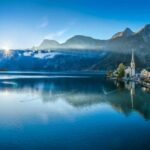
Finally there’s Basilika St. Michael in Mondsee, about 20 minutes. The tour ties it to the famous basilica and frames Mondsee as part of the lake district visit.
If you like your sightseeing to include both city textures and lake-air breathing room, these are the stops that make the day feel “bigger” than Salzburg old town.
Untersberg and Gaisberg: when the views depend on the sky
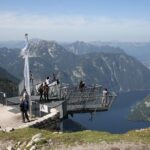
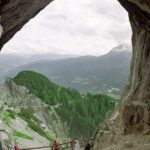
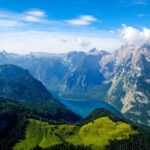
This is the part where planning matters most. The tour offers Untersbergbahn—a cable car to the top of Untersberg, about 1 hour 30 minutes. Admission isn’t included. The tour notes the top is around 1,972 meters and that it’s the border between Austria and Germany.
The big condition: this highlight is only recommended with good visibility, and it advises good walking shoes. If the weather turns or clouds block the view, your best move might be to skip the cable car portion and take the alternative.
That alternative is Gaisberg, listed as a free option around 30 minutes. The tour describes it as giving a bird’s-eye view from Salzburg and specifically notes it’s an option if visibility at Untersberg is poor. Gaisberg is a classic backup plan, and I appreciate that the itinerary thinks in terms of reality rather than hoping for perfect weather.
Rosewood Schloss Fuschl and a quick Red Bull architecture photo stop
The route also includes a couple of offbeat, easy-interest stops that break up the heavy historical pattern.
Rosewood Schloss Fuschl is a lakeside former hunting lodge built in 1450 by a prince archbishop, and it’s now a luxury resort. It’s a short stop—about 15 minutes—and admission is listed as free. Even if you’re not a luxury traveler, the architectural setting by the water can be a nice pause.
Then there’s a two-minute Red Bull Global Headquarters picture stop. It’s described as home to the energy drink, and the tour calls out the architecture. If you like seeing how modern Salzburg ties into global brands, it’s worth the quick stop. If you prefer strictly traditional sites, you’ll still lose very little time.
How the tour handles tickets, pacing, and extra costs
One reason private tours can feel either great value or expensive is how they handle admissions. This one is a mixed model: some stops are free, some are optional, and some have admissions listed as not included.
Examples from the plan:
- Mirabell Gardens is free.
- Franziskanerkirche is free.
- Salzburg Cathedral is free.
- Kollegienkirche is free.
- Felsenreitschule’s guided theater tour is included.
- Hohensalzburg fortress is optional and admission not included.
- Residenzgalerie optional, ticket not included.
- Mozart’s Birthplace optional museum, ticket not included.
- Hellbrunn water games/palace interior are not included for admission.
- Untersbergbahn not included, and strongly tied to visibility.
So yes, your final day cost can rise if you choose multiple optional ticketed attractions. But there’s a silver lining: you’re not paying for a fixed “everyone must do everything” structure. You can decide what’s worth extra money based on your group’s priorities.
Also note: food and drinks are not included. The itinerary is packed enough that it helps to plan your own snack strategy. If your group is hungry, that’s when having a guide who handles small logistics smoothly can really matter.
Price and logistics: when $879.78 per group makes sense
The price is $879.78 per group for up to 7 people, for about 8 hours. If you’re traveling as a family or a small group of friends, that can be strong value compared to paying for multiple individual tickets and repeating transit on your own.
The “why this number can work” logic:
- You get hotel pickup and drop-off inside Salzburg city.
- You get a professional guide for the full day.
- You get a private experience for your group only, so time isn’t lost to other schedules.
- You also get flexibility to customize rather than following a rigid loop.
Where the price feels less ideal: if you’re traveling as just one person or a couple who won’t use the flexibility, you might find the cost per person less persuasive. But if your group is up to 7, the math often gets friendlier fast—especially with multiple paid admissions optional on top.
Who should book this private Salzburg tour?
I’d consider this tour if you want:
- A big Salzburg highlights day without the stress of routing and timing.
- Mozart, Sound of Music, fortress views, and major landmark stops in one itinerary.
- Customization. If you know you’ll prefer viewpoints or churches or lake towns, this format gives you leverage.
You might choose something else if:
- Your top priority is only museums and you want everything ticketed and scheduled tightly.
- You’re traveling with very limited mobility and you want to avoid walking on medieval streets or stairs, even though the tour notes moderate fitness.
For families: it’s useful to know there are notes about EU law and child car seat requirements for kids under 12 or shorter than 150 cm. If that applies, plan ahead so the day stays easy.
Should you book a private Salzburg city and country tour?
If you want a full-day highlights plan that still feels personal, I think this is a smart way to spend your time in Salzburg. The biggest strengths are the private format and the way the day mixes city icons (Mirabell, cathedral, fortress, Mozart) with lakeside and regional stops (St Gilgen, Mondsee, Leopoldskroner Weiher). Add the flexibility to customize, and you’re more likely to leave Salzburg feeling like you saw what you cared about.
Book it if your group is 3 to 7 people, you like good guides, and you can handle a full day of walking. Consider skipping or swapping the mountain portion if weather visibility is uncertain, and budget for optional admissions like Hohensalzburg or Untersberg.
If you want Salzburg’s best moments with less friction, this tour is built for that.
FAQ
Is this a private tour for just my group?
Yes. It’s a private tour/activity, and only your group participates with the guide/driver.
How long is the Salzburg city and country tour?
The duration is about 8 hours.
Does the tour include hotel pickup and drop-off?
Yes. Hotel pickup and drop-off are included, and pickup can be from your hotel or any other location in Salzburg city.
Are tickets for attractions included?
Some are included and some aren’t. For example, admission is listed as free for several sights like Mirabell Gardens, Franziskanerkirche, Salzburg Cathedral, and Collegiate Church. Felsenreitschule’s guided theater tour is included. Other stops list admission as not included, such as Fortress Hohensalzburg, Hellbrunn (water games), and Untersberg cable car.
Is food or drinks included?
No. Food and drinks are not included.
Can you customize the itinerary?
Yes. The tour is described as flexible so you can customize the itinerary to your preferences.