Three towns, one efficient day.
This private Salzburg tour strings together Mondsee, St. Gilgen, and Hallstatt with a door-to-door private car and enough time in each place to actually enjoy the setting, not rush through it.
I also like how the route can shift for practical reasons like weather and sun. One drawback to know up front: the driver is an English-speaking driver (not a licensed guide), and tickets for specific attractions are not included—so you’ll plan entry fees and breaks on your own.
In This Review
- Key points before you go
- How the Salzburg-to-Salzkammergut day actually runs
- Mondsee: St. Michael’s Wedding Basilica and a lakeside pause
- St. Gilgen: Mozart connections and the Zwölferhorn viewpoint
- Hallstatt: UNESCO streets, salt-mines views, and crowds you can’t ignore
- Driver flexibility that makes the day feel smarter
- Price and logistics: when it feels like a bargain (and when it doesn’t)
- What to do with your two hours in each town
- Who this tour fits best
- Should you book this private tour to Mondsee, St. Gilgen, and Hallstatt?
- FAQ
- How long is the private tour from Salzburg to Mondsee, St. Gilgen, and Hallstatt?
- About how much time do we get in each town?
- Is pickup available from my hotel or address in Salzburg?
- Is there an actual licensed guide on the tour?
- Are attraction tickets included in the price?
- What’s included in the tour cost?
- What language is the tour offered in?
- Is this tour really private?
- Is there a mobile ticket?
- Can I get a full refund if I cancel?
Key points before you go
- Door-to-door pickup in an air-conditioned car: you pick the address and time, and you get bottled water in the vehicle.
- Route flexibility that can save your day: the driver may adjust the order and even find alternatives when something is closed or under construction.
- Mondsee’s St. Michael’s Wedding Basilica is a real anchor stop: 12th-century Gothic architecture, plus the story tied to The Sound of Music.
- St. Gilgen mixes spa-town charm with Mozart family history: the town includes a museum in the birthplace of Wolfgang Amadeus Mozart’s mother.
- Hallstatt is UNESCO-level famous—and that affects your timing: queues happen, especially around facilities and busy shops/food spots.
- About two hours per stop: perfect for highlights, but not for deep, museum-heavy days.
How the Salzburg-to-Salzkammergut day actually runs
This is a private transfer-style day trip, not a fast “drive-by” tour. Expect roughly 9 to 10 hours total, with about two hours in each town: Mondsee, St. Gilgen, and Hallstatt. You’re moving between locations in a clean, air-conditioned vehicle, and you get bottled water along the way.
Your pickup matters here. You share your pick-up address and desired pick-up time up front, and the driver meets you wherever you want within that plan. That’s a big deal if you’re staying outside the tight center areas—less hassle means more time sightseeing.
One more practical note: this trip is led by a friendly, English-speaking driver who shares knowledge, but he’s not a licensed guide. So if you love museum-level commentary with official guiding credentials, you’ll want to count on self-guided exploration once you arrive.
You can also read our reviews of more private tours in Salzburg
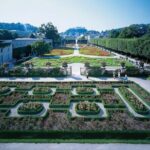
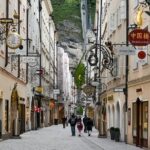
Mondsee: St. Michael’s Wedding Basilica and a lakeside pause
Mondsee is the calm start button for the day. It sits between lakes Mondsee and Irrsee, in the Salzkammergut region where water views are never far away. The main “walkable wow” is St. Michael’s Wedding Basilica—a 12th-century church that became Mondsee’s symbol.
Here’s what makes it more than just a photo stop:
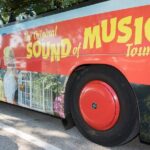
- The basilica’s fame is tied to The Sound of Music, because Maria and Captain von Trapp’s wedding is connected to this place.
- Since that movie-era spotlight, more than 400 weddings have taken place here.
- The church’s rich decoration was added around the turn of the 17th and 18th centuries, but the site’s roots go back earlier: a monastery was founded here in 748.
- After 800, the Mondsee Matthew was written—the oldest translation of the Bible into German that’s connected to the monastery.
- After the monastery was dissolved in 1791, the building was turned into a castle and now operates as a hotel.
You’ll get about two hours at this stop. For me, that’s just enough time to go inside (if open during your visit), take in the architecture details, and still enjoy a slower lakeside stroll. Bonus: the lake is considered one of the warmest in the Salzkammergut area, which means the vibe can feel gentler—even on cooler days, the atmosphere tends to be inviting.
Possible consideration: because Mondsee is a smaller town, your experience can vary a lot with the season. During holiday periods, shops and services may run limited hours, so plan around what’s open when you’re there.
St. Gilgen: Mozart connections and the Zwölferhorn viewpoint
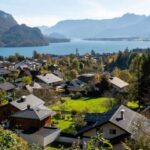
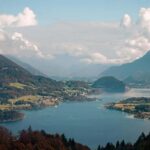
After Mondsee, St. Gilgen feels like a change in pace. It’s set on the shores of Lake Wolfgang, and it has a spa-town feel—more strolling, views, and “slow tourism” energy than pure museum immersion.
Two highlights define the stop:
1) Mozart’s mother connection
St. Gilgen includes the birthplace of Wolfgang Amadeus Mozart’s mother, and that building has been converted into a museum. Even if you’re not a serious classical-music scholar, it’s a meaningful way to connect the town to a very specific Mozart thread instead of generic “Mozart everywhere” tourism.
2) The Zwölferhorn viewpoint
Overlooking the town is Zwölferhorn, and you reach it via cable car. The top sits at 1,522 m, so you’re not just looking at the lake—you’re getting big regional views. The viewpoint can stretch across the lake area toward Upper Austria and the Dachstein mountains near Hallstatt.
You’ll also have about two hours here, which is a good window for either:
- strolling town streets first, then using that time gap to decide whether to go up, or
- heading for the cable car early so you’re not worrying about timing if clouds roll in later.
Practical tip: cable-car plans are the kind of thing you should sanity-check before you arrive, because weather can change quickly in mountainous regions. If you see thick cloud cover, you might get more value spending extra time in town instead of waiting.
Hallstatt: UNESCO streets, salt-mines views, and crowds you can’t ignore
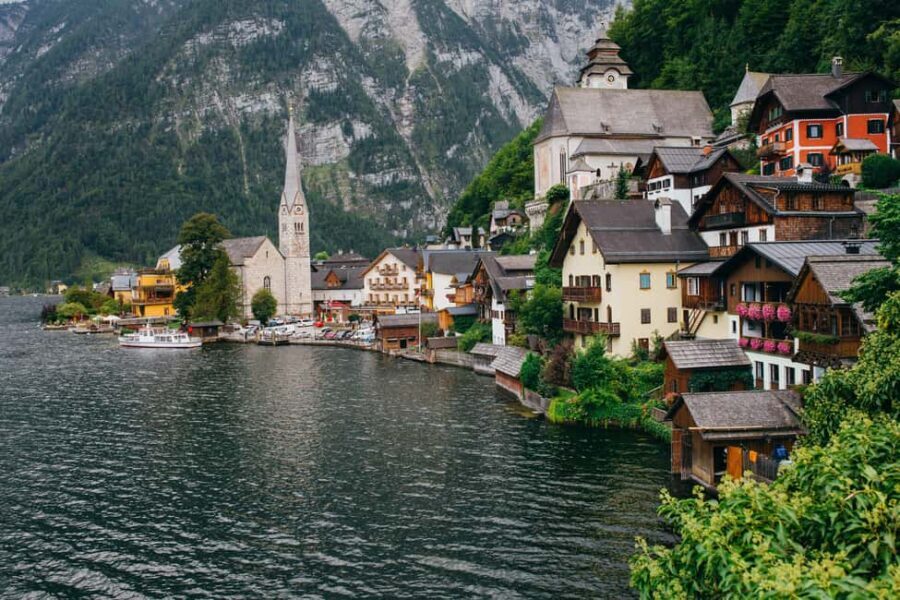
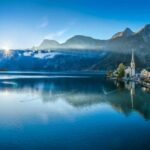
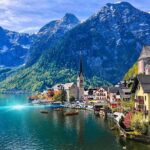
Hallstatt is the headline stop. It’s a UNESCO World Heritage Site and a town built around the story—and reality—of salt. You get the full “wow factor” quickly: a picturesque lake setting, famous wooden houses, and the kind of postcard streets that make it feel like the town is always busy.
What you can focus on once you arrive:
- Salt mining history: Hallstatt is tied to the oldest salt mines in the world.
- UNESCO street scenes: wooden houses sit on stilts, and walking the lanes gives you those classic views right away.
- Activities and experiences: you might find options like sailing, ice cave visits, salt slide experiences, and hiking in mountain areas for peak views.
- Hallstatt culture: archaeology linked to the region is so important it gave its name to the “Hallstatt culture,” and you can see related finds in the local museum.
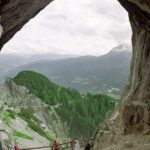
- Salt mine skywalk photo moment: just above Hallstatt, you can visit the world’s oldest salt mine with a skywalk designed for photos.
Your Hallstatt time is about two hours. That’s enough for one strong “anchor” experience plus a walk. But Hallstatt’s popularity means you have to plan for people. A common friction point is queues around facilities and the cluster of shops and places to eat—especially during peak seasons or holiday periods.
A useful detail from how drivers handle reality: if a specific attraction is affected—like cable-car disruptions—you should know that a good driver may adjust to help you still get views from nearby options. In winter visits, drivers also tend to be more cautious with roads and timing, which matters because the Salzkammergut can feel slick even when the weather looks calm.
If you want the best experience in your time limit:
- Treat Hallstatt like a “pick two” day: one must-do (salt mine skywalk area, museum focus, or a major viewpoint) plus one easy wander loop.
- Build in time buffers for lines, even if you’re early.
Driver flexibility that makes the day feel smarter
This is where the private format really pays off. A bus tour moves on a schedule. A private car can adapt to what your day actually needs.
The driver experience is also not just about steering. The best drivers—like Eduard, Daniel, or Peter, depending on who you get—tend to do three things well:
- Timing and order changes for sun and weather: if the light is better in one town earlier or later, they may flip the order.
- Real-time problem solving: if an attraction is closed or under construction, they can sometimes route you toward a close-by alternative that still delivers views.
- Confidence in tricky conditions: especially in winter, you want someone cautious and steady with driving.
And because this tour is private, you don’t need to negotiate the group consensus. You can make micro-decisions—walk a little longer here, cut short there—without holding up others.

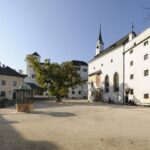
Price and logistics: when it feels like a bargain (and when it doesn’t)
The price is $332.40 per person for this private, air-conditioned day trip. What’s included matters a lot:
- private two-way transfer in a clean, air-conditioned vehicle
- an English-speaking driver
- bottled water
- all fees and taxes included
What’s not included:
- attraction tickets (for the places you choose to enter)
- meals and refreshments
So the value comes down to how you’ll use your time. If you’re the type who hates waiting, hates crowded rides, and wants the freedom to spend the exact amount of time you want in Mondsee, St. Gilgen, and Hallstatt, then paying for privacy can feel fair. If you’re mainly planning to stand in the same lines as everyone else and won’t use the flexibility, then you might feel like you’re overpaying for transportation.
My advice: think of this as buying stress reduction. You’re paying to avoid the hassle of sorting out trains, buses, transfers, and parking across three towns.
For budgeting, don’t forget:
- You may want paid entries for some attractions (the trip itself doesn’t include tickets).
- In Hallstatt, crowded conditions can make food and rest stops slower than you expect.
What to do with your two hours in each town
With only about two hours per stop, the trick is to avoid “try everything” syndrome. Instead, choose a priority and use the rest of the time for walking and photos.
Mondsee (2 hours)
- Make the basilica your anchor.
- Use the remaining time for an easy lakeside circuit and architecture photos.
St. Gilgen (2 hours)
- Decide early: museum first, or viewpoint first.
- If you plan on Zwölferhorn, treat that as the big time holder so you don’t rush the town stroll afterward.
Hallstatt (2 hours)
- Choose one main “salt” experience: skywalk area, salt mine focus, or related salt-themed activity.
- Then do a short walking loop through the UNESCO streets before lines get worse.
If you’re visiting in winter or during busy holidays, your “two hours” can shrink fast because lines and weather both slow people down. A flexible driver can help, but your best defense is choosing fewer targets.
Who this tour fits best
This works especially well if you’re:
- doing your first trip to Salzburg and want a clean taste of the Salzkammergut without logistics stress
- traveling as a small group that benefits from sharing a private vehicle
- interested in the big, specific anchors: St. Michael’s Wedding Basilica in Mondsee, Mozart family history in St. Gilgen, and UNESCO salt-town Hallstatt
It may be less ideal if you:
- want a fully guided, licensed expert who narrates every stop like a walking lecture
- plan to spend long hours deep in multiple museums and attractions within each town (two hours is highlights time)
Good news: the tour is offered in English, and most travelers can participate. Service animals are allowed too.
Should you book this private tour to Mondsee, St. Gilgen, and Hallstatt?
I’d book it if you want a high-efficiency, low-hassle day that hits the region’s best-known icons in a way that still leaves room to wander. The included private car, bottled water, and all-in vehicle costs help keep the day simple, and the possibility of route adjustments is the kind of detail that often makes the difference between a “fine” day and a memorable one.
I’d hesitate if you’re trying to minimize personal spending on entry tickets and meals, or if you hate crowds and know you’ll only feel happy if you can take your time in Hallstatt without any waiting. In those cases, you might prefer a slower plan with fewer stops.
If you want my practical rule: book this when you care most about making the day work smoothly and you’re okay treating each town as a highlight chapter.
FAQ
How long is the private tour from Salzburg to Mondsee, St. Gilgen, and Hallstatt?
It runs about 9 to 10 hours total (approx.).
About how much time do we get in each town?
You typically get around 2 hours in each stop: Mondsee, St. Gilgen, and Hallstatt.
Is pickup available from my hotel or address in Salzburg?
Yes. You provide your pick-up address and desired pick-up time, and the private English-speaking driver will meet you wherever you wish.
Is there an actual licensed guide on the tour?
No. The included person is a friendly English-speaking driver, not a licensed guide, though he’s happy to share knowledge.
Are attraction tickets included in the price?
No. Any tickets are not included. You’ll need to buy or check availability online or at the place.
What’s included in the tour cost?
Included are private two-way transfer in a clean, air-conditioned vehicle, a friendly English-speaking driver, bottled water, and all fees and taxes.
What language is the tour offered in?
The driver is available in English.
Is this tour really private?
Yes. It’s a private tour/activity, so only your group participates.
Is there a mobile ticket?
Yes. The tour includes a mobile ticket.
Can I get a full refund if I cancel?
Yes. There’s free cancellation up to 24 hours before the experience start time for a full refund.