REVIEW · SPANISH RIDING SCHOOL
Vienna: Spanish Riding School Training
Book on GetYourGuide →Operated by Spanische Hofreitschule · Bookable on GetYourGuide
Lipizzaners are better in training than on posters. At the Spanish Riding School you get an up-close look at how the horses and riders stay sharp in the Winter Riding Academy, with classical Viennese music and focused practice. I especially like the pace and purpose of the session, because it’s not just showy, it’s about athletic health. I also like that you see both basics and the fine-tuning that makes haute école possible. One possible drawback: it’s not the full performance, so you might not see the school jumps on every visit.
The session lasts about one hour, and for roughly $20 per person it’s an efficient way to experience a major Vienna institution without committing to a later, more expensive show. If you come for the horses, you’ll still get that jaw-drop factor when multiple stallion-rider teams move through their work.
Finally, plan around the rules and the room. There’s no photography or video inside, and the arena layout plus stairs can be a factor if you’re sensitive to crowds or viewing angles.
In This Review
- Key Points to Know Before You Go
- Walking Into the Winter Riding Academy for Morning Practice
- What You’ll See During the One-Hour Session
- Relaxation, muscle work, and movement refinement
- Might you see the famous jumps like levade and courbette?
- Reining, ridden work, and possibly ground work
- Best Seats and Viewing Angles Inside the Arena
- Standing vs seated: what to expect
- The narration and music balance
- The Lipizzaners: Why Daily Training Looks Different From a Performance
- Stallions training almost every day
- Focused goals: athleticism, health, muscle readiness
- You’ll see the bond in action
- Rules Inside: Photography, Phones, and What to Wear
- Plan for crowds and movement
- Stairs and the no-elevator reality
- Price and Value: Is $20 Worth It Without the Full Show?
- Who This Training Session Fits Best
- Tickets, Entry, and What to Do When Plans Change
- Should You Book the Spanish Riding School Training in Vienna?
- FAQ
- Where do I exchange my voucher for a ticket?
- How long is the Spanish Riding School Training session?
- Can I take photos or record video inside the arena?
- Are pets allowed?
- Are children allowed, and do they pay?
- Is there an elevator for wheelchair users?
- When can I pick up my tickets?
- What is the cancellation policy?
Key Points to Know Before You Go
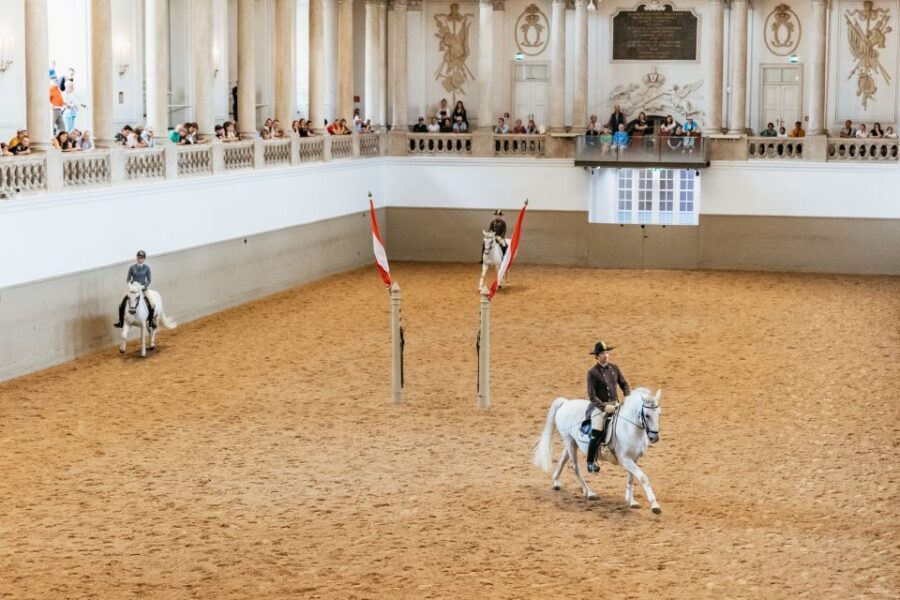
- It’s training, not the nightly show: you’ll see groundwork, repeated exercises, and the build-up needed for haute école.
- Classical music sets the rhythm: expect Viennese classical music during the morning exercise.
- Jumps are occasional: levade, courbette, and capriole are famous, but not practiced daily, so don’t count on them.
- You’ll watch multiple horse-and-rider teams: often more than one group is working during the hour.
- Sound and sight vary by seat: higher up can mean leaning and harder-to-hear narration.
- Photos and video are off-limits: the staff will enforce it, even when other people don’t.
Walking Into the Winter Riding Academy for Morning Practice
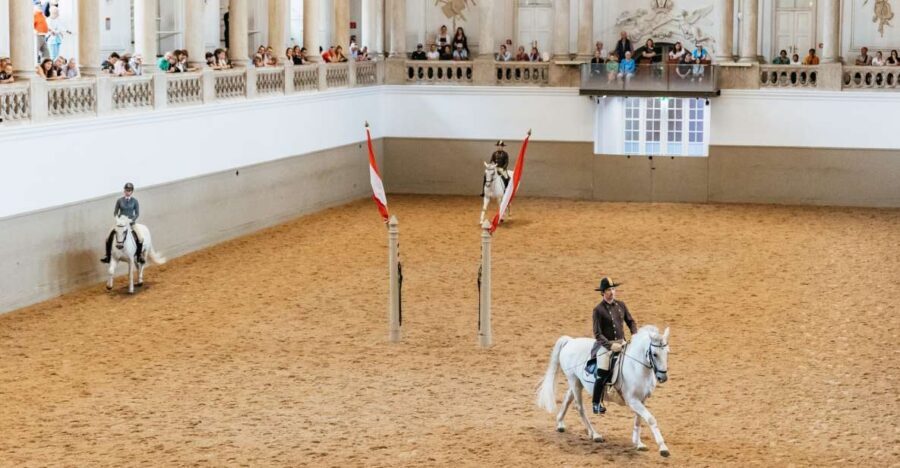
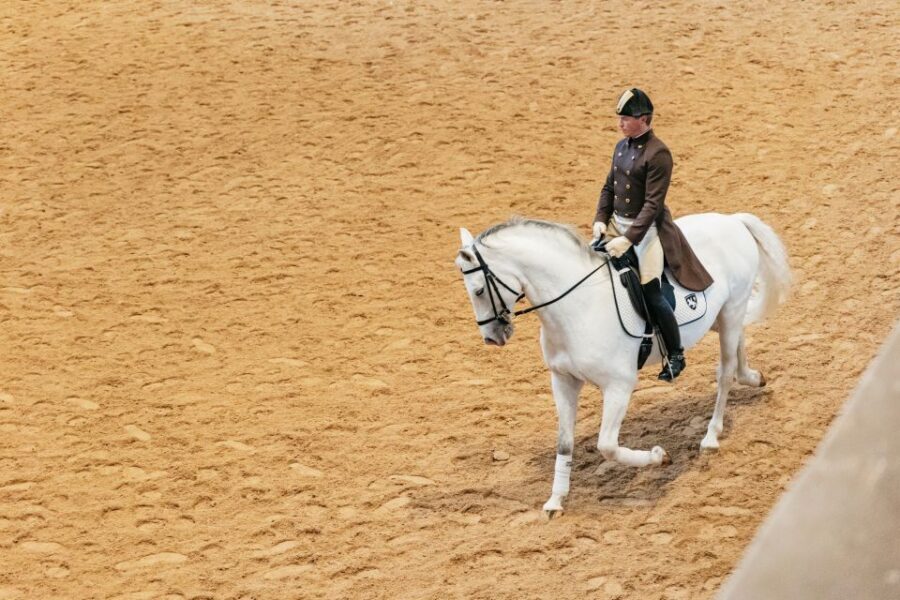
The Spanish Riding School training session is one of those rare tourism deals where the “main event” is the process, not the finale. You enter a baroque sand ring where history and routine live side by side, and you watch riders work the way you’d expect at the highest level: patiently, repeatedly, and with clear training goals.
The setting matters. The Winter Riding Academy isn’t a generic arena. It’s ornate and old-world, and you feel like you’re peeking into a working tradition that has outlasted centuries of trends. That atmosphere elevates even the smaller movements, because everything is part of a long training pipeline.
You also get a built-in cultural layer: the horses’ morning exercise is accompanied by classical Viennese music. That does two things for your experience. It makes the whole hour feel calmer than you might expect in a sport setting, and it also helps you track the tempo of the riders’ communication with the horse.
You can also read our reviews of more tours and experiences in Spanish Riding School.
What You’ll See During the One-Hour Session
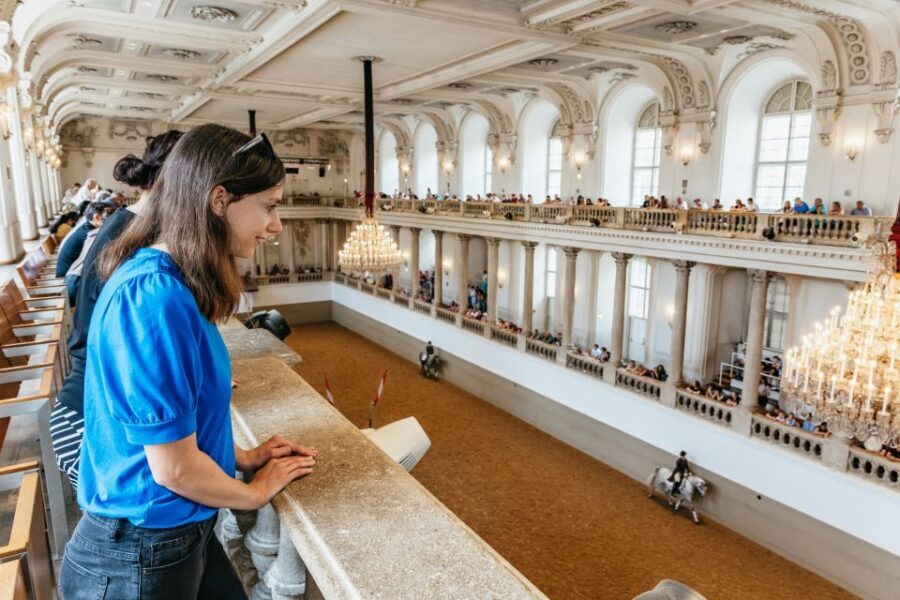
This is a training watch, so the strongest moments are the ones that show how precision is built.
Relaxation, muscle work, and movement refinement
The morning exercise includes relaxation exercises and then moves into refining and perfecting movement. You’ll also see training aimed at strengthening certain muscles—important because haute école isn’t just about style. It’s athletic work that depends on balance, control, and a horse that can sustain demanding movement without strain.
A useful way to think about it: the session is less about “look what they can do” and more about “keep the body ready to do it.” That’s the primary objective of the morning exercise—maintaining the horses’ athleticism and health while building muscle groups required for the top-level movements.
Might you see the famous jumps like levade and courbette?
The famous school jumps—levade, courbette, and capriole—aren’t practiced every day as part of routine training. Sometimes you may catch them during the morning exercise, but they are not guaranteed. So if you’re traveling with a checklist mindset, accept that the hour is more consistent with the fundamentals and the daily training rhythm.
Reining, ridden work, and possibly ground work
Expect to see a mix of exercises aimed at both training stages and movement control. On many visits, you’ll observe multiple horse-and-rider teams working through different parts of their training. Some sessions include both ridden work and ground work, which can make the hour feel more educational—especially if you’re not a lifelong equestrian.
One more thing: since the training includes both senior horses/riders and learners at different stages, you may notice differences in intensity. Some teams may be working toward skills with more frequent corrections and tighter guidance than others. That’s not a downside; it’s part of how the school keeps the tradition going.
Best Seats and Viewing Angles Inside the Arena
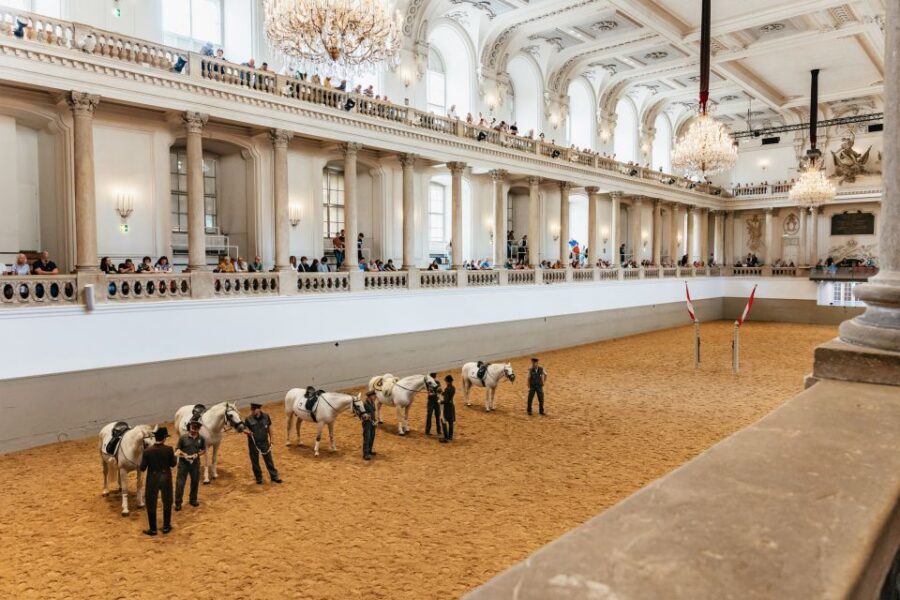
Where you watch from can change your experience more than you’d think. The Winter Riding Academy is designed for viewing, but there’s not one perfect seat for everyone.
Standing vs seated: what to expect
If you’re on standing-room tickets, you’ll likely have a clearer sense of the arena’s action because you can lean and adjust. But you’ll still be working around the fact that you’re watching across a large ring and through the movement of other horses and riders.
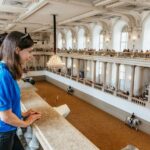
If you’re seated, especially on higher levels, you might need to lean just to see cleanly over the arena edge. Some seats also limit your view of one side of the ring, meaning you might miss a team that’s working while you’re focused on the other half.
The narration and music balance
Classical music is part of the session. There’s also commentary, but it isn’t always easy to hear depending on where you sit. If your goal is to catch the explanations (history and training notes), I’d prioritize a spot where sound carries better—often closer to the middle rather than at the very top.
A practical tip: arrive a bit early and scan your options if you have any flexibility on where to stand or sit. You’re not just trying to get comfortable; you’re trying to line up with the horse teams as they change direction.
The Lipizzaners: Why Daily Training Looks Different From a Performance
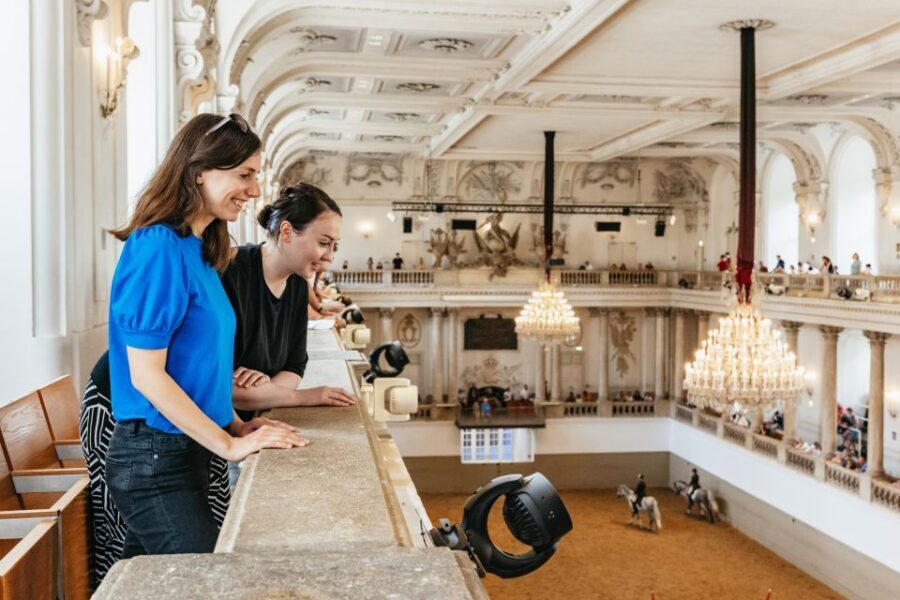
When people think of the Spanish Riding School, they picture a full performance with dramatic set pieces. Training is different. It’s quieter in feel, and the movements are often broken down into controlled components.
Stallions training almost every day
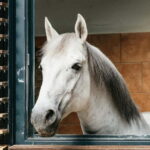
The white Lipizzaner stallions are put through their paces by their riders almost every day. That daily repetition is one of the best reasons to choose the training session if you can’t get tickets to the show. You’re watching the work that sustains the ability to perform the big moments later.
Focused goals: athleticism, health, muscle readiness
The horses aren’t doing random exercises. The session is designed to maintain health and prepare the horse’s body for haute école—especially the strength and coordination needed for advanced movement. You may see riders working on things that look simple at first glance—turns, transitions, and controlled movement patterns—because those are the building blocks of the show moves.
You’ll see the bond in action
One of the most compelling aspects of watching training is how “relationship-based” it feels. Riders use consistent cues, and you can sense that calm, mutual understanding is part of the process. It’s not theatrical. It’s professional and focused—and that’s why it feels authentic.
Rules Inside: Photography, Phones, and What to Wear
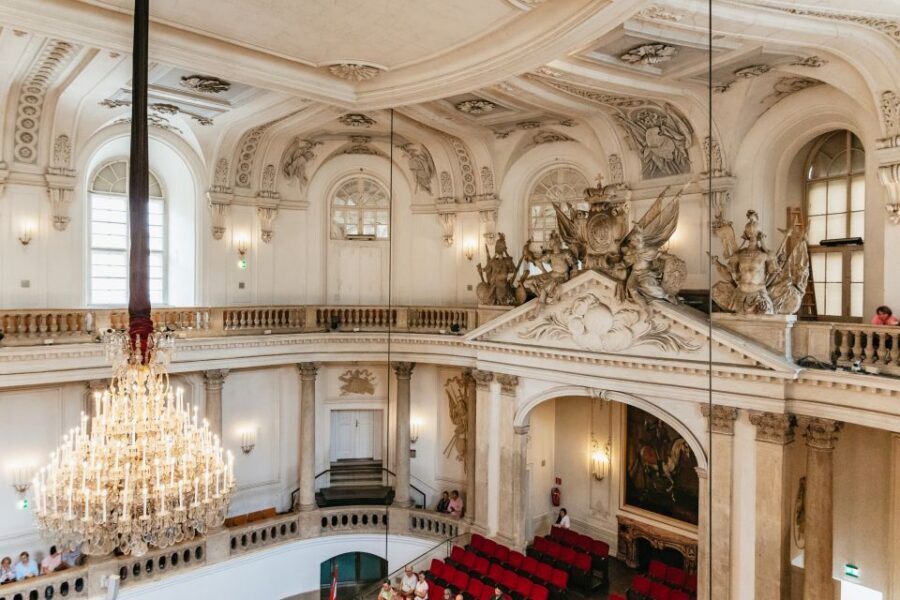
The Spanish Riding School is strict about behavior inside the arena. That affects your experience in a good way, because it keeps attention on the horses rather than on screens.
- No video recording and no photography inside
- No pets
Even if you’re tempted to take a quick clip, don’t. Enforcement is part of the culture here. I recommend keeping your phone away once you’re seated or standing; it makes it easier to respect the rules and stay focused on what’s happening in front of you.
Plan for crowds and movement
The session is popular, so the space can get busy. If you’re traveling with kids, it helps to expect some waiting and some jostling as people take spots for a full hour.
Stairs and the no-elevator reality
There’s no elevator due to monument protection. If you use a wheelchair or have walking difficulties, plan on stairs and send a request in advance if you need help. Even if you’re not mobility-limited, be ready for a fair amount of stair-climbing as part of reaching the viewing areas.
Price and Value: Is $20 Worth It Without the Full Show?
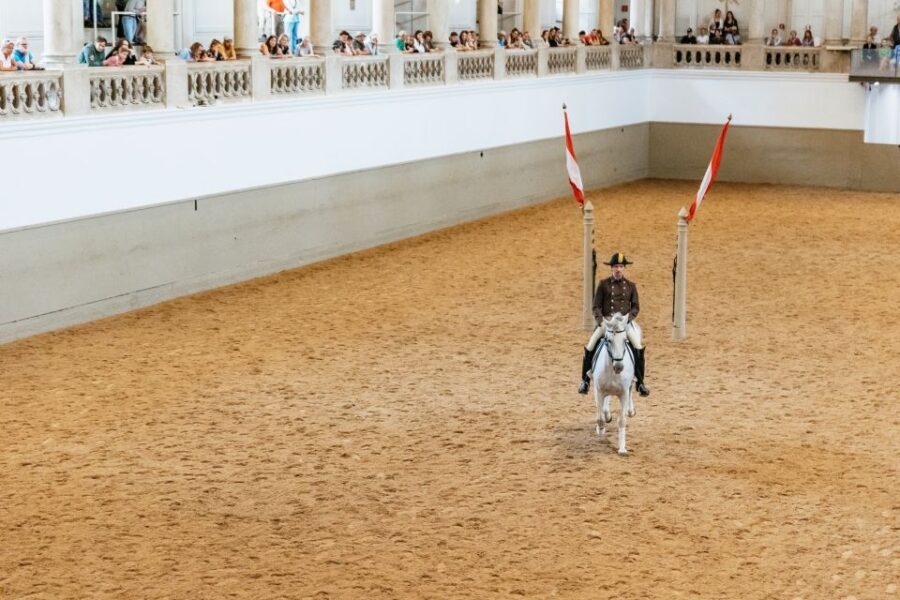
At about $20 per person, this training session is a strong value if your goal is to experience the Spanish Riding School environment and watch Lipizzaners work. It’s also a smart backup plan when you can’t get tickets to the full performances.
The main value isn’t only the horse factor—it’s the cost-to-time ratio. You’re buying one hour in a world-class historic arena, and the format gives you repeated practice movements rather than a single concentrated set piece.
That said, adjust your expectations. This isn’t a replacement for a performance if you want guaranteed big moments like the signature school jumps. It’s more like seeing the engine room of the show—less drama, more training logic. If you’re okay with that trade-off, it’s an excellent use of your Vienna time.
Who This Training Session Fits Best
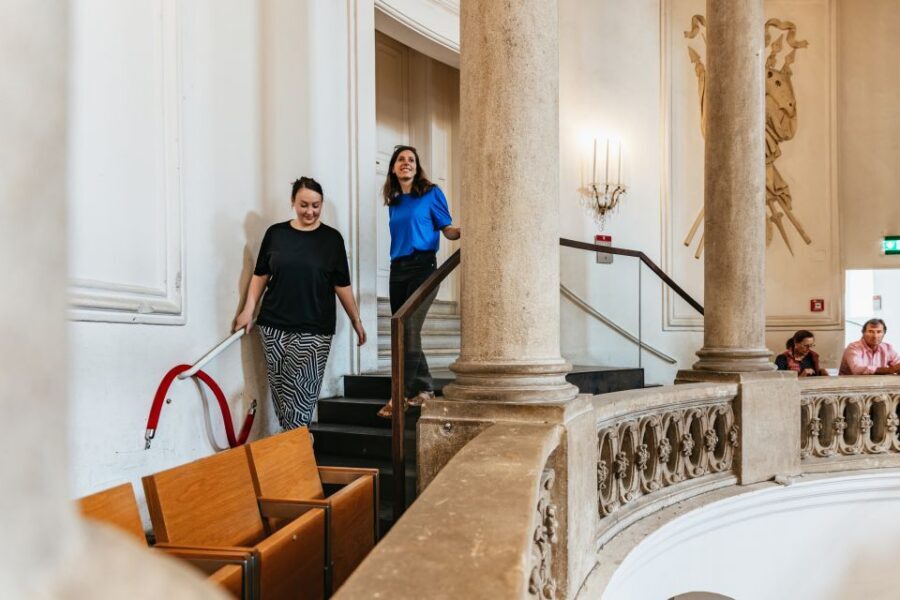
This experience suits a few types of travelers especially well:
- Horse lovers who want more than a one-time spectacle
Training shows repetition, skill-building, and the daily maintenance work behind the big moves.
- People who missed the full performance but still want the Spanish Riding School
The training session is a practical way to still see the horses and riders in action.
- Visitors who like educational value
Commentary and the structure of the exercises can add context, though sound quality varies by seat.
- Families with older kids
Children aged 3 to 5 get free admission if they sit on an adult’s lap. Ages 6 to 18 receive discounted admission. Under 3 is not permitted.
If you’re the type who needs the absolute biggest show elements every time, you may leave wishing for more of the dramatic set moves. If you’re happy watching the craft behind the show, you’ll likely feel you got your money’s worth.
Tickets, Entry, and What to Do When Plans Change
The session runs at set starting times, and you’ll check availability to choose the right slot. Your voucher needs to be exchanged for a ticket at the Spanish Riding School entrance.
A detail worth planning for: you can pick up your tickets at the earliest one hour before the activity. Also note the program can change, so don’t be surprised if the exact sequence differs from what you hoped to see.
If you’re coordinating timing around other Vienna plans, keep the one-hour duration in mind. This is not a long wandering tour. You’re going to arrive, exchange, find your viewing position, and then settle in for the hour.
Should You Book the Spanish Riding School Training in Vienna?
I’d book it if you want an authentic look at what makes the Spanish Riding School special: the daily discipline behind the performance. For the price, you’re getting a historic arena, classical music, and real training you can actually learn from—especially if you like seeing horses and riders working together in a structured way.
I’d skip or reconsider if you’re only interested in guaranteed haute école jumps like levade/courbette/capriole, because those aren’t practiced every day and may not show up in your session. Also think twice if you strongly depend on clear narration from the seats you’d most likely buy; sound can be tricky depending on where you’re positioned.
If you want the working side of the Spanish Riding School in one hour, this is a smart, cost-effective way to experience it.
FAQ
Where do I exchange my voucher for a ticket?
Present your voucher at the Spanish Riding School entrance to exchange it for a ticket.
How long is the Spanish Riding School Training session?
The training session lasts 1 hour.
Can I take photos or record video inside the arena?
No. Video recording and photography inside are not allowed.
Are pets allowed?
No, pets are not allowed.
Are children allowed, and do they pay?
Children aged 3 to 5 get free admission if they must sit on an adult’s lap. Children aged 6 to 18 receive discounted admission. Admission is not permitted for children under age 3.
Is there an elevator for wheelchair users?
There is no elevator due to monument protection. Wheelchair users and people with walking difficulties should send a request in advance.
When can I pick up my tickets?
You can pick up your tickets at the earliest 1 hour before the activity.
What is the cancellation policy?
Free cancellation is available up to 24 hours in advance for a full refund.