REVIEW · VIENNA
Vienna Spanish Riding School Guided Tour
Book on GetYourGuide →Operated by Spanische Hofreitschule · Bookable on GetYourGuide
Lipizzaners have a lot of mystery.
In this 55-minute behind-the-scenes tour, you’ll walk through the Winter Riding School, the Summer Riding School, and Vienna’s Stallburg complex, learning how the tradition has stayed alive for centuries.
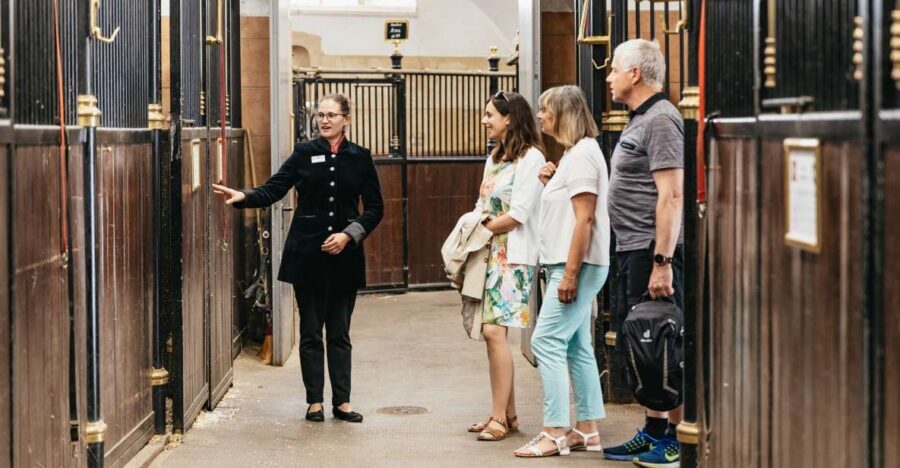
I especially love the focus on what happens day to day, not just the postcard version. The guides I saw mentioned, like Natasha and Sisi, bring the equestrian world into plain language and leave room for questions. One trade-off: it can be a big group, so hearing your guide in every moment can take a little positioning.
In This Review
- Key highlights worth planning around
- Spanish Riding School in 55 Minutes: The Real Point of This Tour
- Michaelerplatz Check-In: Show Up With Your Voucher Ready
- Winter Riding School: Baroque Rooms and Classical Training Space
- Summer Riding School: See the Oval Walker and How Work Continues
- Stallburg Courtyard: Vienna’s Renaissance Horse Heart
- Tack Room and Arena Time: Where the Craft Becomes Visible
- Lipizzaner Rules: No Touching, No Cameras, Respect the Horses
- Guides in English or German: What Makes the Tour Feel Worth It
- Price and Value: Is $28 a Good Deal?
- Seasonal Timing: Horses May Be on Break, But the Tour Still Works
- Who Should Book This Tour (and Who Might Skip)
- Should You Book the Spanish Riding School Guided Tour?
- FAQ
- How long is the Vienna Spanish Riding School guided tour?
- Where do I meet for the tour?
- Is this tour wheelchair accessible?
- Are cameras or video recordings allowed?
- Does the tour include morning exercise tickets?
- What languages are the guided tours offered in?
Key highlights worth planning around
- Winter + Summer schools in one loop so you see how the operation works across seasons
- Stallburg’s Renaissance architecture plus the arcade courtyard built around the horses
- The Summer Riding School’s oval horse walker where training happens away from the main arena
- Tack Room access that shows the real equipment used by riders and grooms
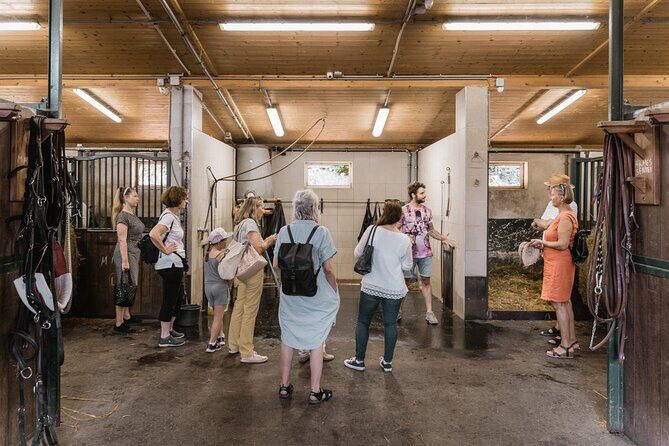
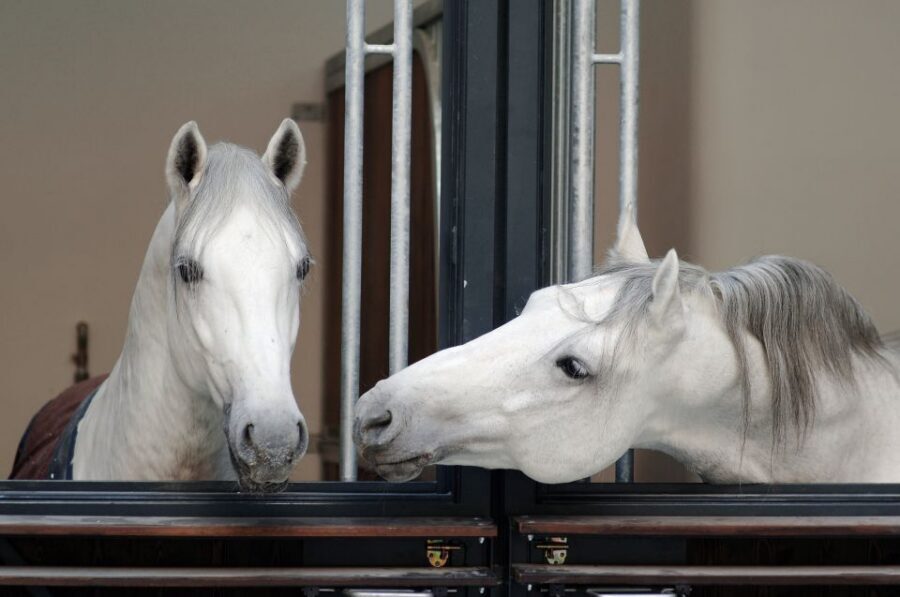
- Lipizzaner stables close up while rules keep it respectful (no touching)
- Little animal sightings such as mouser cats in the stables area
Spanish Riding School in 55 Minutes: The Real Point of This Tour
This is a short visit, so it works best when you want the structure behind the glamour. You’re not just looking at buildings. You’re seeing the spaces where classical training happens and learning why the school is so particular about routine.
You’ll cover both the Winter Riding School and the Summer Riding School, then move through Stallburg, Vienna’s key Renaissance site tied to the Lipizzaners. That mix matters because the Spanish Riding School isn’t one room or one moment. It’s a whole system.
The value is strong for the price because it includes a live guide for the full 55 minutes. At $28, you’re paying mainly for access and context: the “how it works” story you won’t get from wandering outside.
You can also read our reviews of more guided tours in Vienna
Michaelerplatz Check-In: Show Up With Your Voucher Ready
Meet at Michaelerplatz 1, at the main entrance of the Spanish Riding School. You’ll exchange your mobile voucher for a ticket at the cashier’s desk, so don’t arrive with a phone full of apps and no patience.
One practical tip: plan to be there early enough to get your ticket without rushing. You can pick up tickets up to 1 hour before the activity, which is helpful if you’re pairing this with other sights in the area.
Also note the rule set is strict. Cameras and video recording are not permitted, and the tour is not wheelchair accessible. If either of those affects your expectations, adjust your plan before you go.
Winter Riding School: Baroque Rooms and Classical Training Space
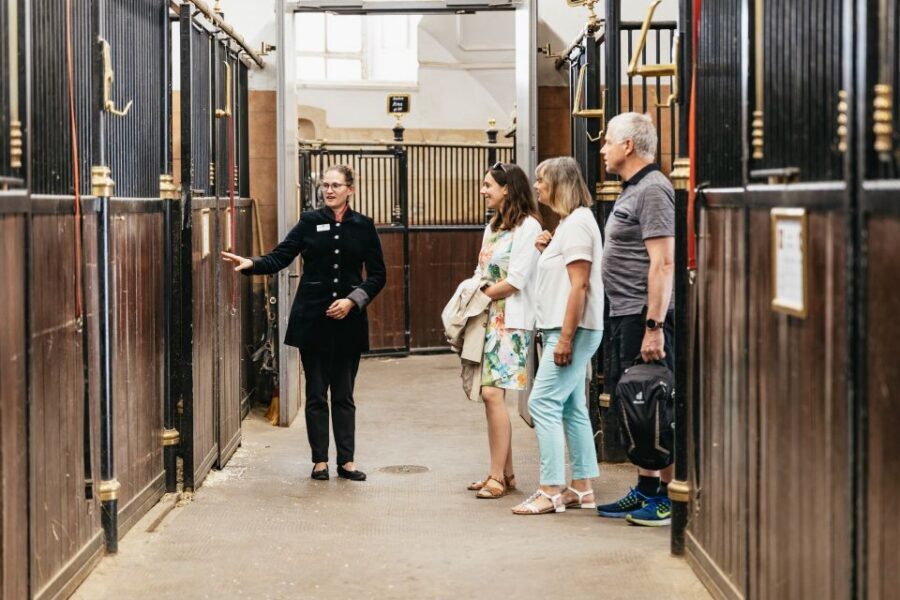
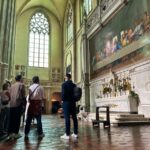
The tour includes time in the Winter Riding School, described as a Baroque architectural gem. In real terms, that means you’re stepping into a space built to frame movement, sound, and discipline. The room isn’t just pretty. It’s part of how the school’s culture forms.
This stop is where the “Renaissance tradition” story becomes tangible. The school has operated for more than 450 years, and the guide will connect the history to how classical equitation is taught and protected.
If you’re hoping for a peak behind-the-curtain moment, this is usually where the guide explains the logic of the training setup. Expect lots of talk about the horses and riders as a team, not as separate stars.
Summer Riding School: See the Oval Walker and How Work Continues
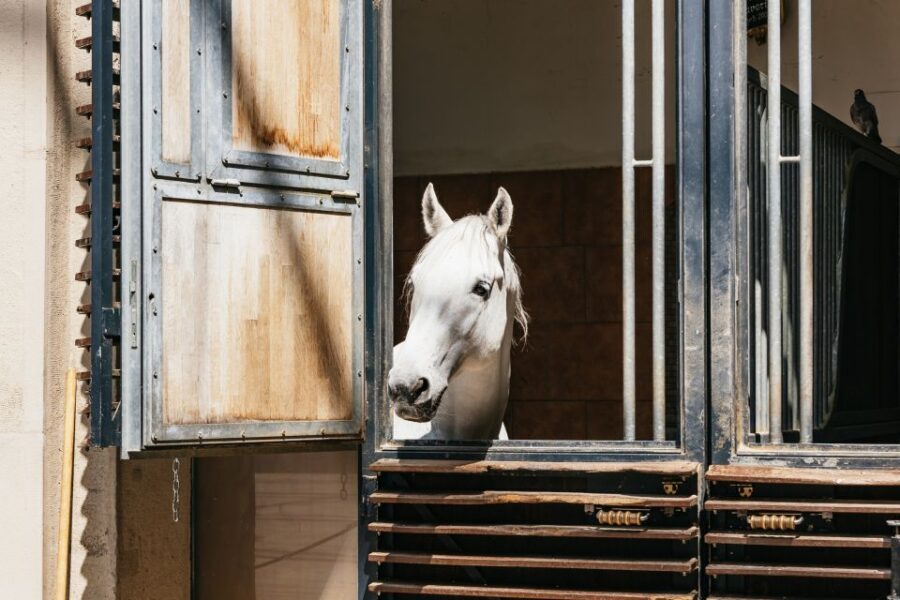
Next comes the Summer Riding School, which houses the world’s largest oval horse walker. That detail is easy to miss if you only think of riding arenas. But the walker is where routine training can happen, and it changes how you picture the day.
This is also a spot where the tour helps you understand that equestrian work is not just about one grand performance. It’s scheduling, equipment, pacing, and care, done consistently.
One seasonal reality to keep in mind: even when horses aren’t doing full training at the exact time you visit, you can still see the stables areas and the structure of the operation. Several people noted that horses may be on break during certain periods, so your experience may feel more “infrastructure + care” than “live exercise.”
Stallburg Courtyard: Vienna’s Renaissance Horse Heart
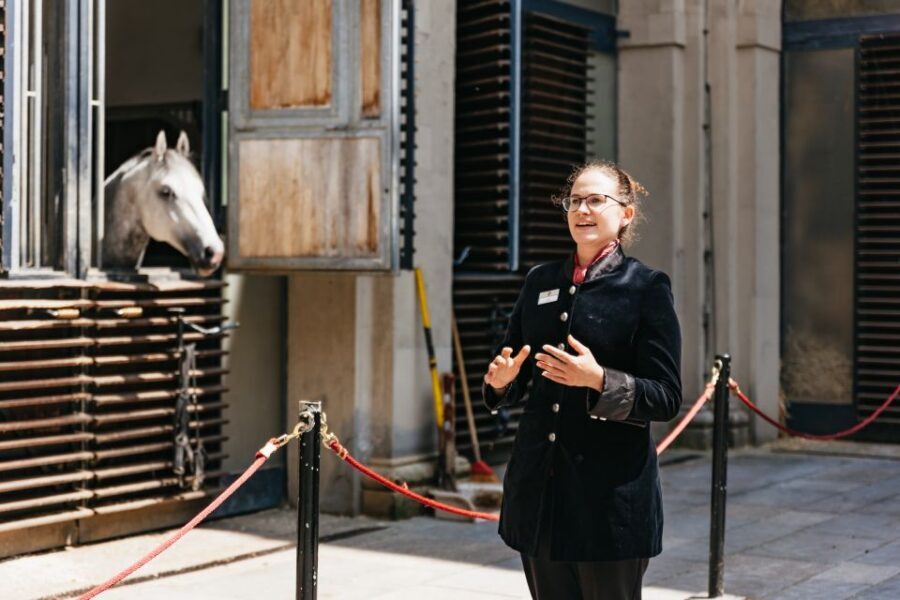
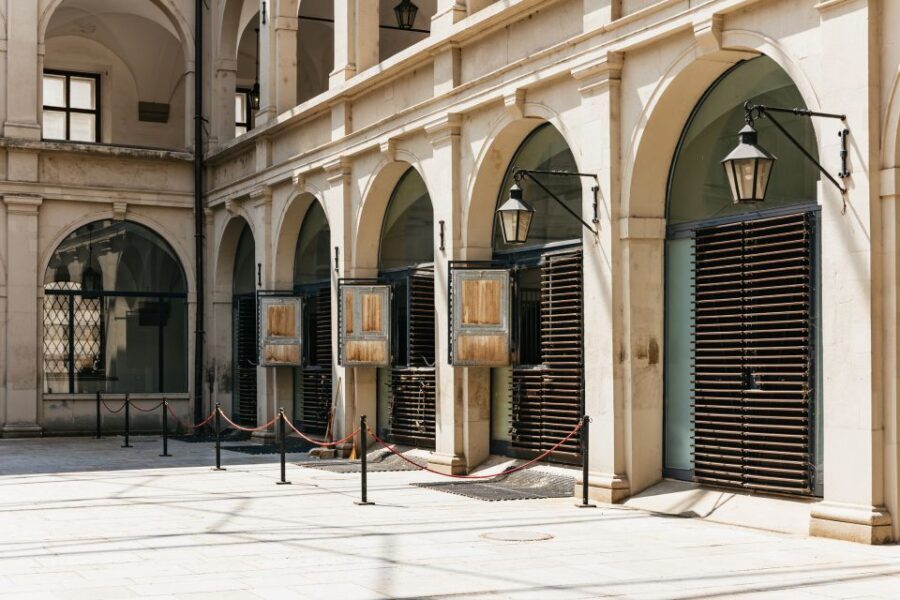
The tour culminates in Stallburg, Vienna’s most significant Renaissance building in this complex. You’ll see the arcade courtyard and the historical stables connected with the Lipizzaner stallions.
This stop is worth your attention if you like architecture with purpose. The Stallburg isn’t just a backdrop. It’s part of the identity of the school, a physical reminder that tradition here isn’t casual.
Reviews also highlight how close you can get within the rules. You may not be able to act like a tourist with a selfie stick, but you can get a stronger sense of scale and routine. And you’ll learn what makes these horses special within the Lipizzaner lineage.


Tack Room and Arena Time: Where the Craft Becomes Visible
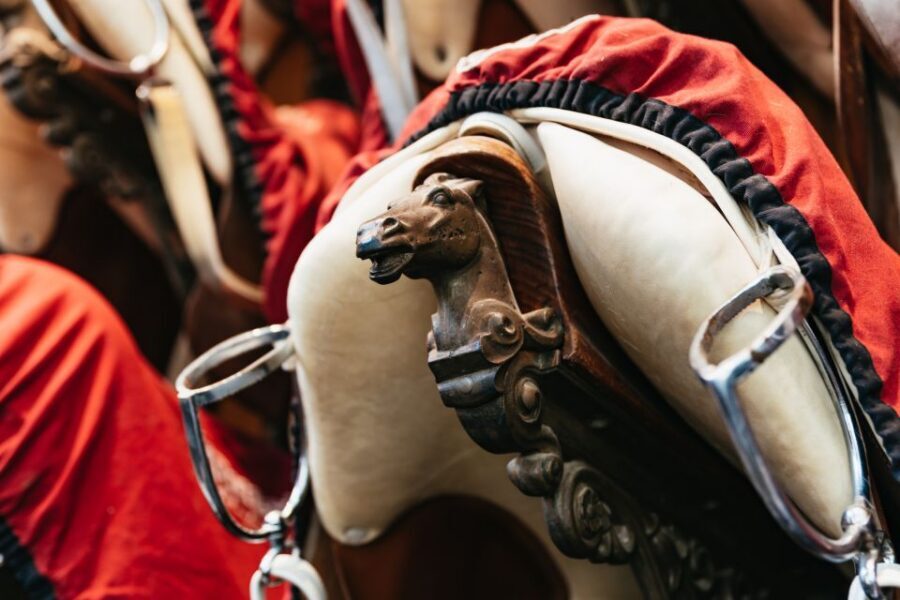
A big reason this tour scores so highly is that it doesn’t stop at buildings. It takes you into the training world, including the tack room and the show or performance area spaces.
In the tack room, you’ll see the kind of equipment used for training and presentation. It’s the place where you start understanding the vocabulary of the stable: why gear exists, how it’s used, and how riders prepare for accuracy rather than just style.
Some guides, like Natasha and Sisi, are praised specifically for history plus practical day-to-day context. That combination is exactly what makes the tack room feel more than a quick photo-op. You walk out with a mental map of how the pieces fit together.
Lipizzaner Rules: No Touching, No Cameras, Respect the Horses
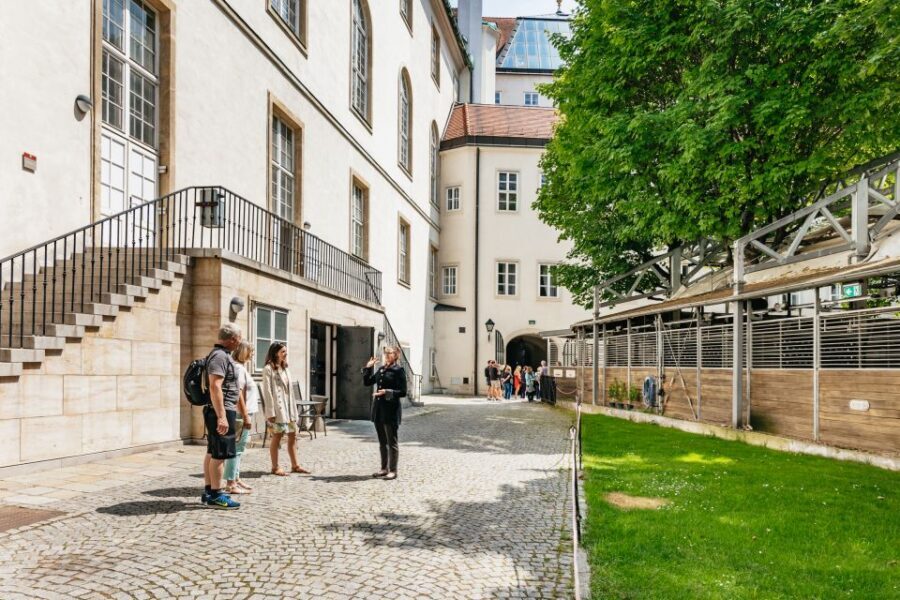
The Spanish Riding School keeps a tight rule set for a reason. No touching and no cameras/videos are part of protecting both the horses and the calm routine around them. There’s also a clear note that pets aren’t allowed, and children under 3 can’t join guided tours.
Plan mentally for a different kind of connection. This is an up-close look, but it’s not a meet-and-greet where you pet a horse. If you’re going for that, you might leave wanting something more interactive.
On the bright side, the rules make the experience feel serious in the best way. You’re watching an operation that treats discipline as care. And in the stables area, people have mentioned seeing mouser cats that appear unfazed by the crowd, which adds a quietly funny moment to a very formal setting.
Guides in English or German: What Makes the Tour Feel Worth It
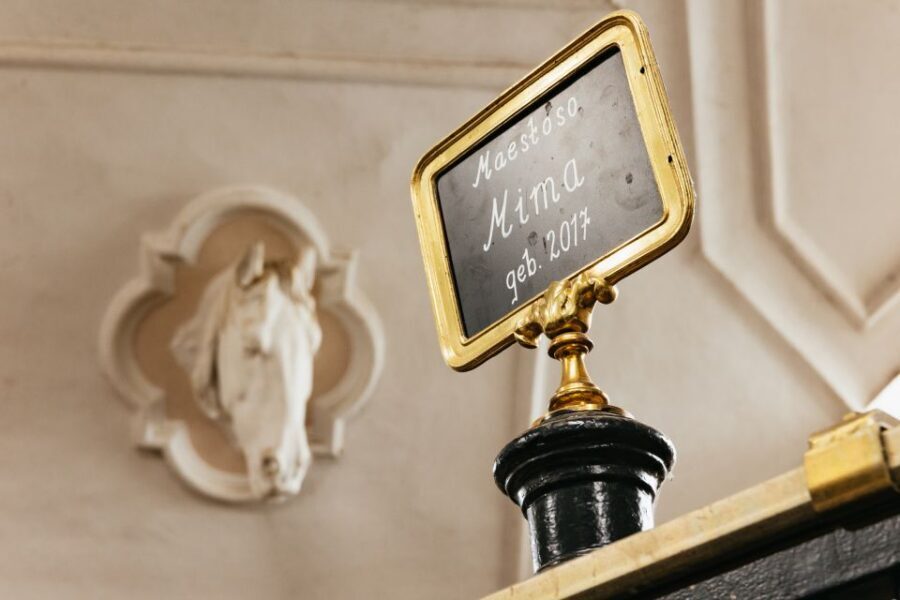
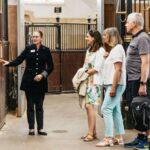
This tour runs with live guides in English and German. People have praised the guides not only for facts, but for how they handle questions. Names that came up include Natasha, Sisi, Lorelai, Inga, Isabelle, and a guide described as Guy from Kazakhstan.
That matters because the Spanish Riding School is full of terms that can feel opaque if you don’t get them explained. When the guide can answer equestrian questions clearly, your visit turns from sight-seeing into real understanding.
One caution from experience shared by others: with a larger group, hearing the guide can be hard at times. My advice is simple. Position yourself where you can see your guide and listen early. If you’re sensitive to sound, arrive with a plan to stay near the front.
Price and Value: Is $28 a Good Deal?
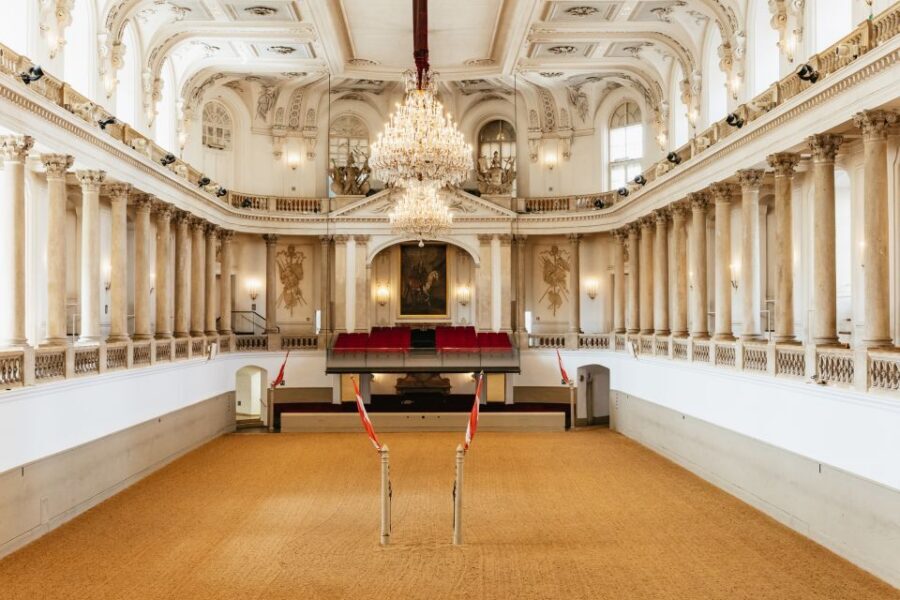
For $28, you’re not paying for a show ticket. You’re paying for a guided, behind-the-scenes walkthrough of high-value spaces: Winter and Summer Riding Schools plus Stallburg.
The standout value here is that the tour includes more than one location and a meaningful architecture stop. Many short tours in Vienna are either building-focused or people-focused. This one is both.
It also includes a live guide for the full 55 minutes, which is the time window most first-timers need to feel like they saw something real without burning half a day. The overall rating is 4.7 from 6,765 reviews, which lines up with the most repeated themes: the guides, the horses, and the stables close up.
Seasonal Timing: Horses May Be on Break, But the Tour Still Works
A few people noted that during times when horses are on summer holiday or break, the stables visit can still be worthwhile, because you see stallions in residence and tour the spaces used for training and care.
Still, this tour does not include morning exercise tickets. It’s also not a substitute for a performance. So if your dream is watching the horses in action at a full training session, you’ll likely need to add a separate ticket on another day.
Think of this tour as the “how it all runs” layer. Then, if you can, pair it with a performance when the horses are actually in the rhythm of public training.
Who Should Book This Tour (and Who Might Skip)
This is a great fit if:
- you love horses but also care about the systems behind performance
- you want architecture with a reason, not just pretty facades
- you like tours where the guide answers questions and keeps things clear
- you’re short on time and still want Winter + Summer in one visit
It may be a weaker fit if:
- you need wheelchair accessibility (the tour is not accessible by wheelchair)
- you’re hoping for photo or video moments (cameras aren’t permitted)
- you want the morning exercise experience (not included)
If you’re a first-time Vienna visitor, this tour can also be a fast confidence-builder. It helps you understand why the Spanish Riding School is more than a tourist attraction.
Should You Book the Spanish Riding School Guided Tour?
I think you should book this tour if you want the honest spine of the Spanish Riding School. The Winter + Summer combo, the Stallburg courtyard setting, and the tack room stop give you more than one angle on the Lipizzaner world.
Skip it only if your top goal is action on horseback at a full training or show level during your visit, because this tour does not include morning exercise tickets. Also, if you’re bringing a camera habit, accept the rules up front and plan to rely on your eyes and memory.
Bottom line: for $28 and 55 minutes, this is one of the cleaner, more focused ways to see why this tradition still matters in Vienna.
FAQ
How long is the Vienna Spanish Riding School guided tour?
The tour lasts 55 minutes.
Where do I meet for the tour?
Meet at Michaelerplatz 1, Vienna, at the main entrance of the Spanish Riding School.
Is this tour wheelchair accessible?
No. The guided tours are not accessible by wheelchair.
Are cameras or video recordings allowed?
No. Cameras and video recording are not permitted.
Does the tour include morning exercise tickets?
No. Morning exercise tickets are not included.
What languages are the guided tours offered in?
The tour guides operate in English and German.