REVIEW · VIENNA
Vienna: Educational Walk Exploring Homelessness
Book on GetYourGuide →Operated by SHADES TOURS · Bookable on GetYourGuide
Vienna can look perfect at street level. This 2-hour walk turns that polish into a real-world lesson on homelessness. I like that it’s guided by someone who has lived it, mixing personal stories with facts instead of lecturing from a distance. I also enjoy the built-in contrast: you’ll move through parts of Vienna where the city’s splendor sits right next to the realities of poverty.
One thing to consider: this is not classic sightseeing. It’s an outdoor walk focused on social issues, led in German, and the tone can get heavy—so comfortable shoes and a weather-ready layer matter.
In This Review
- Key points you’ll remember from this homelessness education walk
- Why this Vienna walk about homelessness feels different
- Where it starts: Bäckerstraße 18 and the right first impression
- The first stretch: Vienna’s splendor vs. the reality you can’t ignore
- What you learn on the walk: complexity without clichés
- The line between poverty and welfare: where the conversation gets practical
- Stops and pauses: how the route likely teaches you to look differently
- Outdoors for two hours: what to wear and how to handle rain
- Price and value: why $29 can make sense for this kind of learning
- Who should book this homelessness walk in Vienna
- Respectful viewing: what this tour will not do (and why that matters)
- The guides you might meet: openness, empathy, and humor
- Should you book the Vienna Educational Walk Exploring Homelessness?
- FAQ
- Where do I meet for the tour?
- How long is the homelessness educational walk?
- Is the tour guided in German or another language?
- Is this tour a typical sightseeing tour with historical background?
- Does the tour visit homeless shelters or show people experiencing homelessness?
- Is the tour outdoors, and what should I wear?
- What happens if it rains heavily?
- Is it wheelchair accessible?
Key points you’ll remember from this homelessness education walk
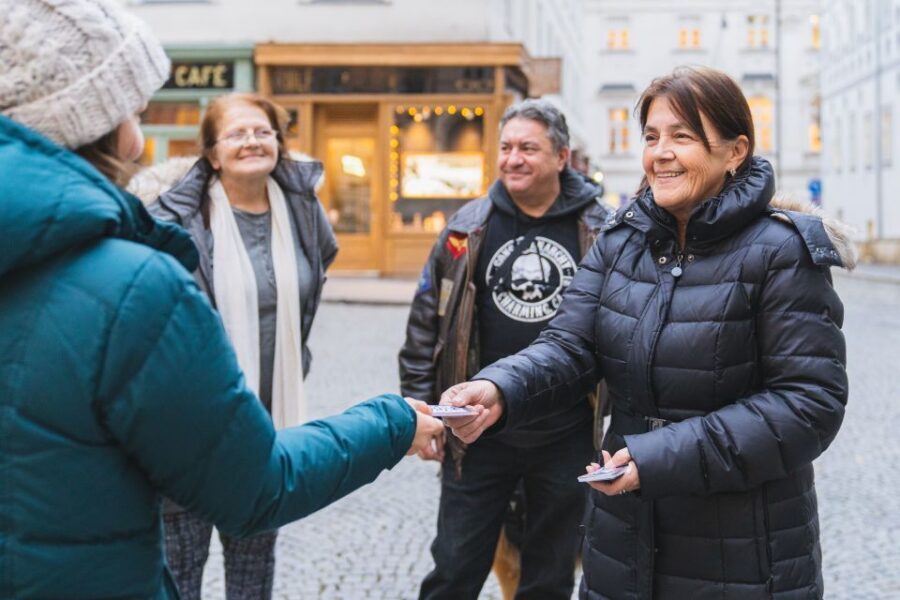
- A guide with lived experience explains what statistics can’t
- Facts plus personal stories keep the topic grounded and human
- Vienna’s contrast in plain view helps you connect the issue to the city you’re seeing
- Respectful approach: no homeless people on display, no shelter stop
- A thoughtful discussion style where you can ask questions and talk causes and solutions
- Outdoor pacing for 2 hours with a plan if heavy rain hits
Why this Vienna walk about homelessness feels different
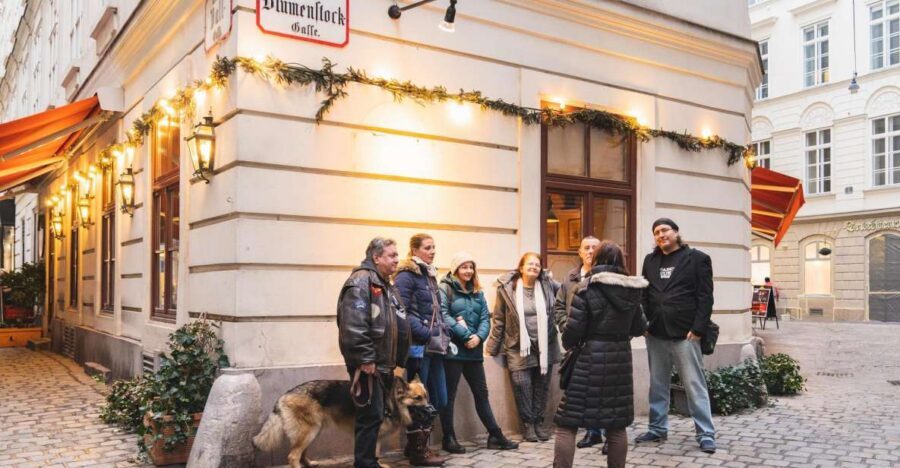
If you’ve spent any time in Vienna, you already know the city has a special kind of order. The architecture, the neat streets, the sense that everything runs smoothly. This tour takes that comfort and asks you to look closer. Not with sensationalism, and not by turning people into props. Instead, it uses city spaces tied to homelessness to help you understand how complex the issue is—and why it shows up even in a place many people call highly livable.
What makes it work is the teaching method. You’re not just shown problem areas; you’re guided through the why: causes, the often confusing line between poverty and welfare, and what solutions might look like. The strongest moments come when facts meet real experience. In recent groups, guides such as Tamara, Peter, and Josef have been praised for being open and approachable, with humor or an easy back-and-forth that makes questions feel normal rather than awkward.
And yes, the contrast is striking. You may catch yourself thinking, How does this coexist with all that beauty? That moment matters, because it’s where the conversation stops being abstract and starts becoming specific.
You can also read our reviews of more walking tours in Vienna


Where it starts: Bäckerstraße 18 and the right first impression
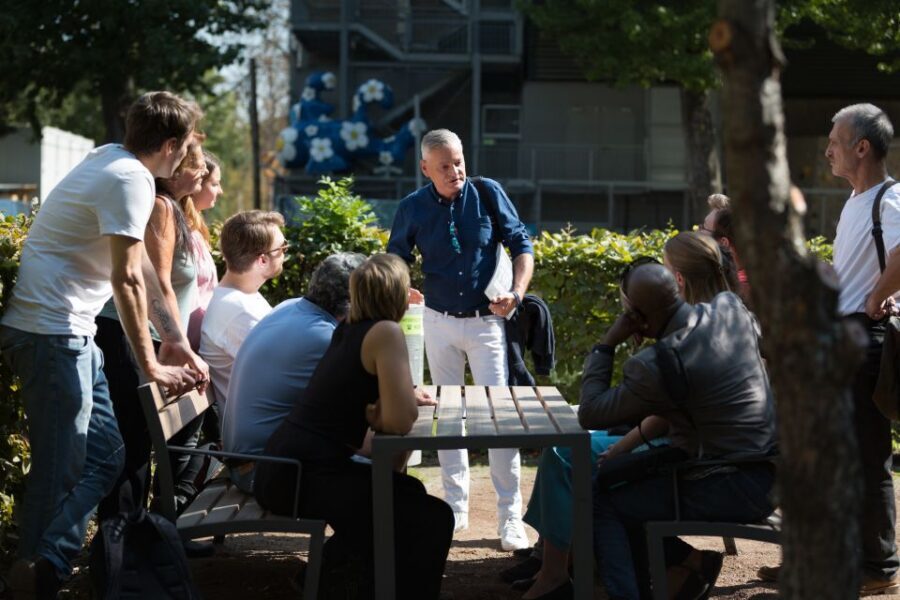
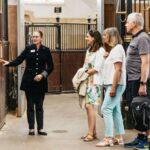
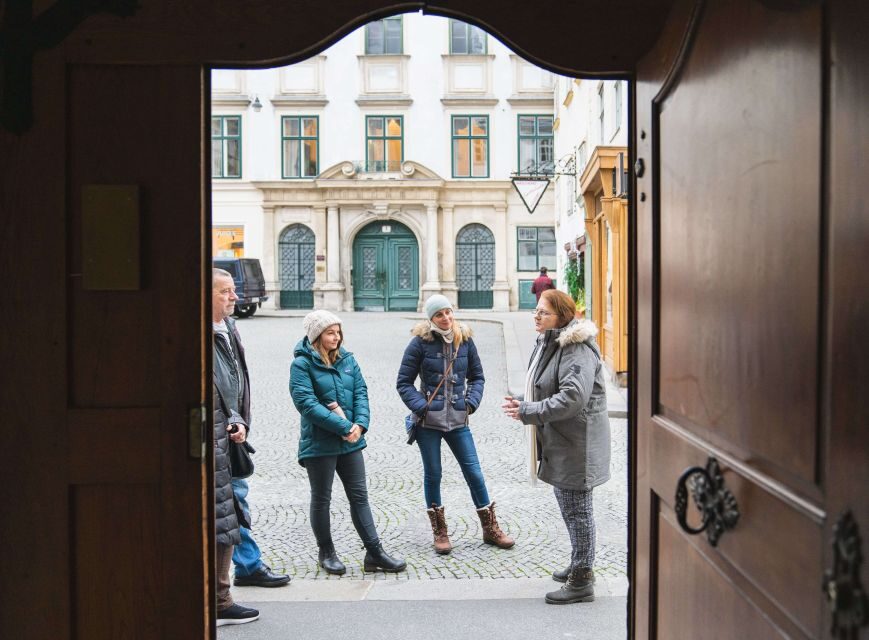
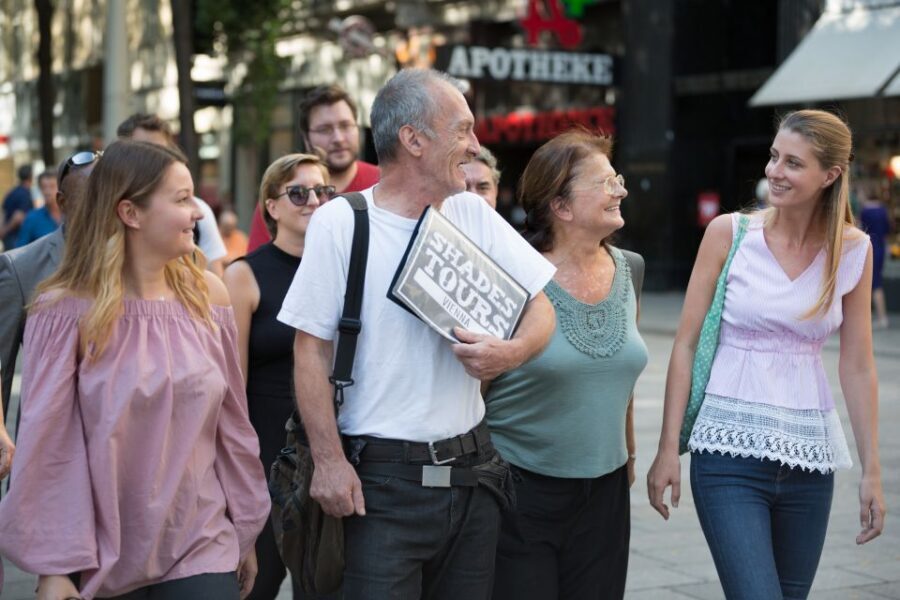
You meet at Bäckerstraße 18, 1010 Wien, in front of restaurant INIGO. The guide is easy to spot: look for the SHADES TOURS guide holding a folder.
This matters more than it sounds. Tours about sensitive topics can either feel clinical or feel human. Starting with a clear meeting point, a recognized guide, and a defined walk sets the expectation that this is structured teaching, not a casual stroll. It also helps you get oriented quickly in the city center before the first discussion kicks in.
Expect the guide to set the tone early: what you will and won’t do, how the walk is meant to educate, and how respectful observation fits into the bigger lesson. The tour specifically avoids turning homelessness into a spectacle—no putting anyone on display, no shelter visits, and no showing people as an object lesson.
The first stretch: Vienna’s splendor vs. the reality you can’t ignore
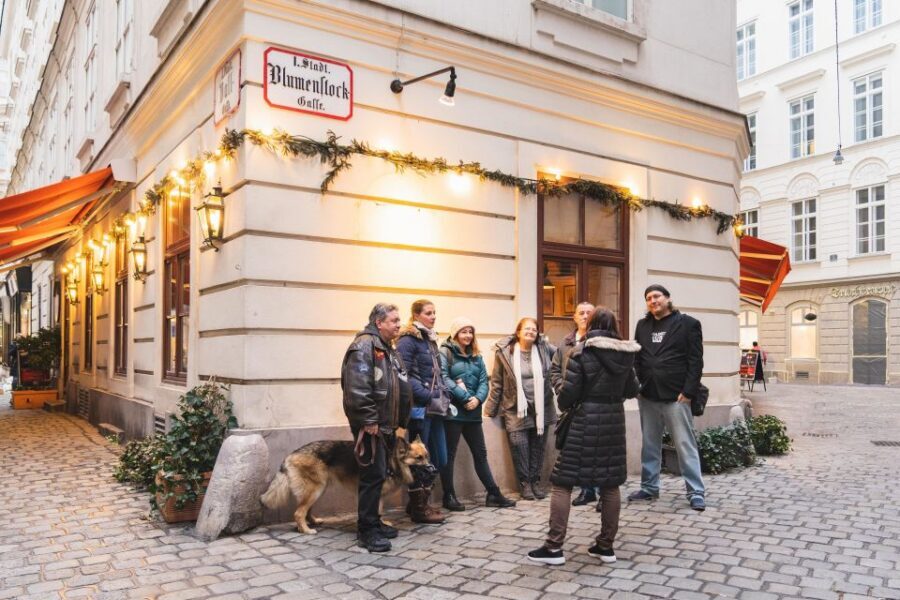
The walk is built around contrast. You’ll see parts of Vienna connected to homelessness while also experiencing the city’s other face—its elegance, comfort, and polish. That juxtaposition is not random. It’s the core teaching tool.
Here’s what you’ll likely pick up right away: homelessness isn’t just a single cause or a single kind of person. It’s shaped by systems, life events, and gaps in support. Your guide’s mix of facts and personal story helps you understand why simple explanations rarely fit. You’re encouraged to ask questions, and the walk design leaves room for real conversation, not just one-way talking.
I particularly like how this approach changes your visual attention. Instead of only looking for symptoms, you learn to notice context: how the city works, where people might fall through services, and why welfare and poverty don’t always line up neatly. The more the guide talks, the less homelessness becomes an invisible background issue—and the more it becomes something you can connect to real policy, real consequences, and real choices.
What you learn on the walk: complexity without clichés
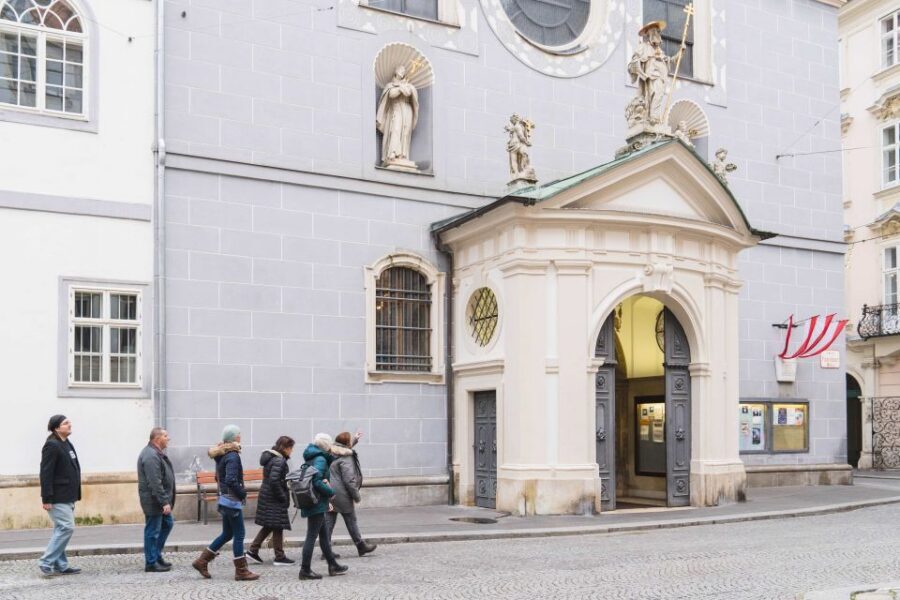
This isn’t a sightseeing tour. It doesn’t provide historical background, it doesn’t visit facilities, and it doesn’t stop at shelters. Instead, the “stops” are sites chosen to explain the complex reality of homelessness. That change in format is the whole point.
You’ll get an education that tries to answer questions you may not have thought to ask:
- What does homelessness look like in different situations?
- Why can it be hard to tell the difference between someone in poverty and someone receiving welfare support?
- How do social systems contribute to both prevention and crisis?
- Why are causes layered rather than single?
The guide’s lived experience tends to make these topics land in a grounded way. People often praise the guides’ empathy and competence because the stories aren’t used as shock value. Instead, they’re used as explanation. In some groups, guides like Josef have been noted for telling their story with humor, which can make a difficult topic easier to hold without losing seriousness.
Still, you should be prepared for emotional content. This is an eye-opening tour designed to help you reflect on an important social issue. If you’re the type who wants only pleasant distractions while on vacation, this may not be your best match.
The line between poverty and welfare: where the conversation gets practical
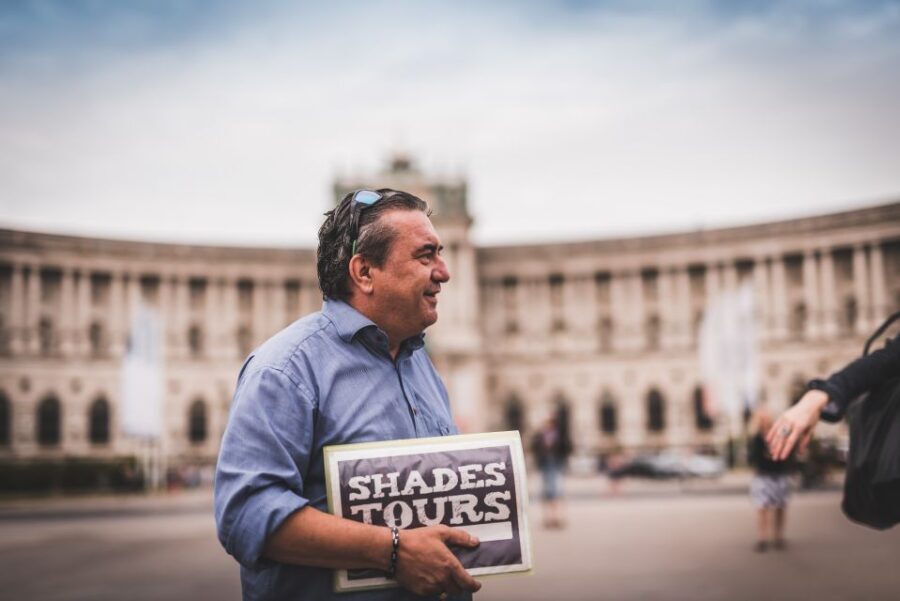
One of the tour’s key themes is the line between poverty and welfare. That phrase can sound like a debate topic, but on the walk it becomes a way to understand how support systems function in real life.
Here’s what this typically means for what you’ll hear:
- People can face instability without becoming what society labels as a clear case of homelessness.
- Support can be complicated to access or navigate when life is already unstable.
- Even when help exists, it may not arrive in time, may not fit the person’s situation, or may not address the full set of needs.
You’ll also be invited to ask questions. That’s one reason the tour rating stays high: it’s not designed as a monologue. It’s designed as a guided conversation where you can push for clarity—especially around what causes homelessness, and what solutions might actually reduce it.
This is also where you can learn to avoid lazy conclusions. Vienna’s livability can trick you into assuming the problem must be small, rare, or simple. The tour challenges that assumption gently but firmly by teaching how complicated the situation really is.




Stops and pauses: how the route likely teaches you to look differently
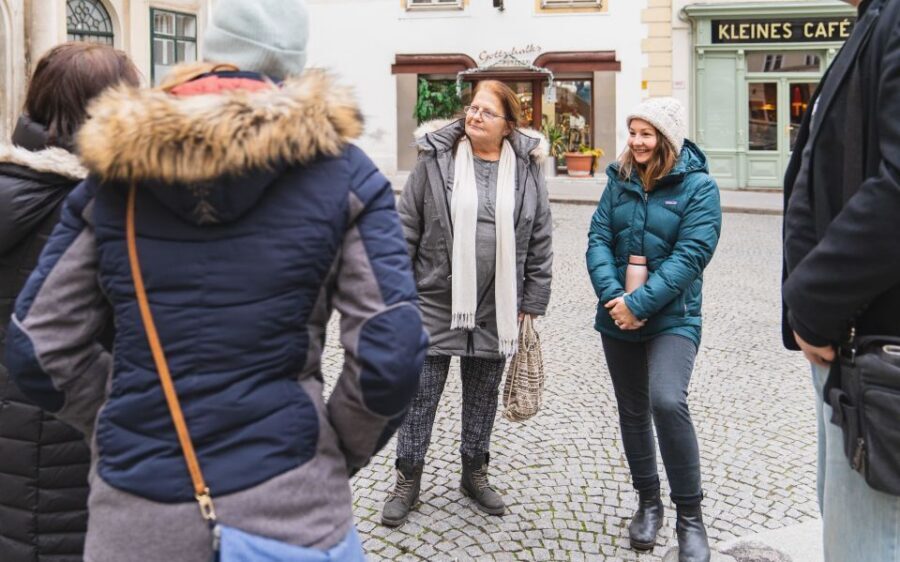
Even without a traditional list of landmarks, the walk still has structure. Think of it as several short “teaching zones,” each tied to a theme your guide wants you to understand. Between those zones, you’re simply walking through Vienna and letting the city do what it does best: show you contrasts.
So rather than expecting famous sights, expect focused pauses. At each relevant site, the guide can explain how that location connects to the homelessness issue—whether through visibility, services, access, or the way public space becomes part of the story.
Two practical benefits of this style:
- You’ll remember ideas, not just places. Your brain links a concept to something you saw and discussed.
- You’ll get a better feel for Vienna as a living system. This isn’t the city as postcard. It’s the city as a place where social challenges exist inside everyday life.
A drawback to mention: if you’re craving the standard “this is what we’re seeing and why it matters historically” vibe, you might feel slightly unmoored. The tour is about social understanding, not museum facts.
Outdoors for two hours: what to wear and how to handle rain
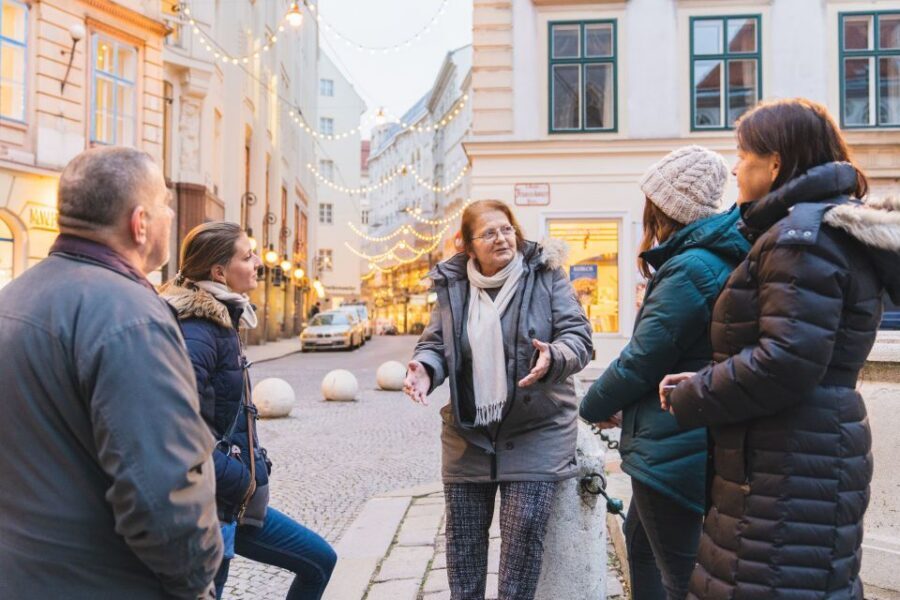
This walk takes place outdoors and runs about 2 hours. Wear comfortable shoes—you’ll want steady footing for longer-than-you-think city walking. Also plan for weather. The tour is designed for typical conditions, but if it rains heavily, your guide will ask whether you’d like to continue in a nearby coffee house.
That coffee house pivot is useful for two reasons. First, it protects the experience from bad weather turning into misery. Second, it keeps the conversation going in a warmer, quieter setting when conditions get unpleasant.
If you’re traveling in colder months or in seasons known for sudden showers, I’d treat a weatherproof layer as part of your packing checklist—not an optional extra.
Price and value: why $29 can make sense for this kind of learning
At $29 per person for a 2-hour guided walk, the value depends on what you want from your trip. If you’re only looking for big-name sights, you might compare it to other tours and feel it’s not “worth it.” But for what this tour is—education led by someone with lived experience—it’s priced reasonably.
The cost isn’t paying for an attraction ticket. It’s paying for:
- a live guide
- guided questioning and discussion
- a careful, respectful approach that doesn’t turn homelessness into performance
- a structured way to learn about causes and solutions
In other words, you’re buying understanding, not just sightseeing time. And that’s the kind of value that can follow you after the tour ends—because the conversation changes how you interpret what you see around the city.
Who should book this homelessness walk in Vienna
This tour is a great fit if you:
- want more than classic museum and palace days
- like guides who can answer questions directly
- appreciate learning from lived experience
- are comfortable with a social-issue topic on vacation
It’s also ideal for visitors who want to see Vienna as a real place with real challenges, not only a polished destination. The tour’s emphasis on education and reflection makes it especially meaningful if you’re traveling with people who enjoy thoughtful discussions.
I’d hesitate if you:
- only want light, purely sightseeing experiences
- dislike outdoor walks
- need English-language guiding (the tour is listed as German)
Respectful viewing: what this tour will not do (and why that matters)
This is one of the most important parts of the experience. The tour is explicit that it is not a typical sightseeing format. It does not visit shelters. It does not put homeless people on display. And it doesn’t treat individuals as props for your photos or your pity.
That boundary is not just “nice.” It changes how you behave on the walk. You’re more likely to listen than stare. You’re more likely to think in systems rather than in stereotypes.
When guides handle sensitive topics well, it shows in how they frame the issue. The fact that this tour is designed around teaching sites tied to homelessness—not turning people into exhibits—makes it a safer, more ethical way to learn while you’re away from home.
The guides you might meet: openness, empathy, and humor
The strongest feedback about the tour centers on the guide. In recent groups, guides such as Tamara, Peter, and Josef have been singled out for a few consistent strengths:
- openness and an easy, friendly way of interacting
- empathy that makes the topic feel human
- a strong mix of personal experience and factual context
- humor that helps keep the mood thoughtful rather than bleak
That combination matters. If you’re going to walk and talk about homelessness, you need a guide who can hold complexity without turning it into guilt. You also need someone who can answer questions without getting defensive. These guide styles are exactly what helps the tour land as education you can trust.
Should you book the Vienna Educational Walk Exploring Homelessness?
I’d book it if you want Vienna beyond the postcard layer—and you’re open to a respectful, question-friendly lesson on a tough social issue. The price is modest for a two-hour guided experience, and the lived-experience guidance is the main reason it’s worth your time.
Skip it if you want only classic sightseeing, if German-only guiding is a problem, or if you strongly dislike outdoor walking. In that case, you’ll probably feel the tour’s focus on learning more than the city’s famous sights.
If you’re on the fence, go with your trip style: this is for travelers who like their holidays to leave them thinking—and who don’t mind a little discomfort in exchange for real insight.
FAQ
Where do I meet for the tour?
You meet at Bäckerstraße 18, 1010 Wien, in front of restaurant INIGO. The guide is recognizable by the folder they are holding.
How long is the homelessness educational walk?
The tour lasts 2 hours.
Is the tour guided in German or another language?
The tour has a live guide in German.
Is this tour a typical sightseeing tour with historical background?
No. It is not a typical sightseeing tour. It doesn’t provide historical information, doesn’t visit facilities, and doesn’t put homeless people on display.
Does the tour visit homeless shelters or show people experiencing homelessness?
No. It explicitly does not visit shelters and does not put homeless people on display.
Is the tour outdoors, and what should I wear?
Yes, it takes place outdoors. Wear comfortable shoes and weatherproof clothing.
What happens if it rains heavily?
If it rains heavily, your guide will ask if you’d like to continue in a nearby coffee house.
Is it wheelchair accessible?
Yes, the tour is listed as wheelchair accessible.