REVIEW · VIENNA
Belvedere Palace and Museum Tour
Book on Viator →Operated by Insight Cities · Bookable on Viator
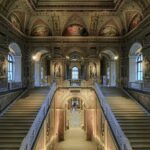
Belvedere isn’t just pretty architecture; it is a story you can walk through. This small-group tour pairs an art historian guide with time in the grounds and the museum, so you see why Vienna’s Habsburg power and Gustav Klimt’s golden period belong together.
Two big things I like here: first, you get context that makes the gardens feel intentional, not accidental. Second, the museum visit is guided in a way that turns big-name paintings into something you can actually place in time and place.
One thing to plan for: museum admission is not included, so you’ll want the tickets sorted before you start moving through the galleries.
In This Review
- Key moments that make this tour worth your time
- Belvedere Palace gardens: where geometry becomes atmosphere
- Prince Eugene Savoy’s Vienna: power, taste, and art all in one frame
- Moving into the museum: how the tour balances highlights and time
- Klimt at Belvedere: seeing The Kiss and Judith as part of a bigger network
- What you actually get for the $181.02: guide value and the admission gap
- Timing and pacing: why 2.5 hours often feels right
- Who this Belvedere tour is best for (and who should skip it)
- Should you book this Belvedere Palace and Museum Tour?
- FAQ
- Is museum admission included in the tour price?
- What’s the tour length?
- How many people are in the group?
- Is hotel pickup or drop-off included?
- Where does the tour start and end?
- What language is the tour offered in?
- Does the tour include a guide?
- Is there a mobile ticket?
- Is the tour suitable for most travelers?
- What is the cancellation policy?
- Where can I meet the guide?
Key moments that make this tour worth your time
- Belvedere gardens with purpose: you learn how the formal layout reflects classical ideas.
- A palace that explains itself: Baroque design, aristocratic ambition, and Habsburg influence come alive.
- Klimt with context: you see his major works as part of a larger artistic world.
- Small-group pace: questions and photos fit in without feeling like a rushed sprint.
- Guides who connect art to Vienna: you get historical and political background along with the paintings.
Belvedere Palace gardens: where geometry becomes atmosphere
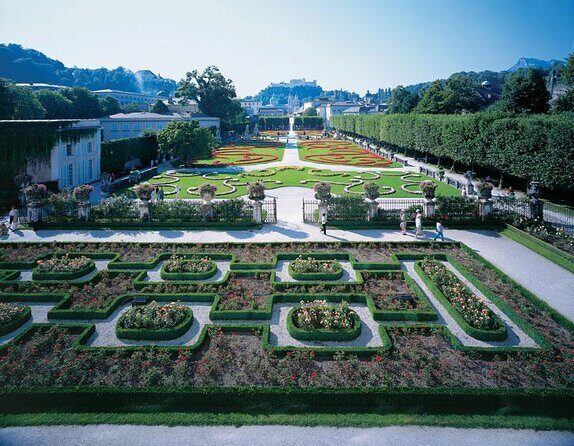
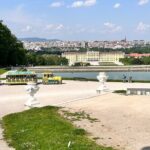
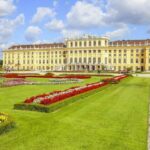
Start at the Belvedere complex and you’ll feel the shift from busy Vienna streets into a controlled, designed world. The Belvedere grounds were created as a summer residence for Prince Eugene of Savoy, a key figure in Austrian military history and one of the most successful commanders in modern European history. That matters, because the estate wasn’t built just to look elegant. It was built to project status, order, and harmony.
What you’ll notice as you walk is how the gardens behave like stage sets. Paths, sightlines, and the formal structure guide your attention the way a curator guides yours in a museum. The gardens were inspired by classical antiquity, so even if you are not a garden person, the design language clicks once your guide explains what it’s doing.
This is also where a good guide earns their fee. Instead of reciting dates, they help you read the place. You begin to understand the relationship between the palace’s Baroque drama and the grounds’ sense of composed balance. And when the weather cooperates, the views can make the whole place feel like an outdoor gallery.
You can also read our reviews of more museum experiences in Vienna

Prince Eugene Savoy’s Vienna: power, taste, and art all in one frame
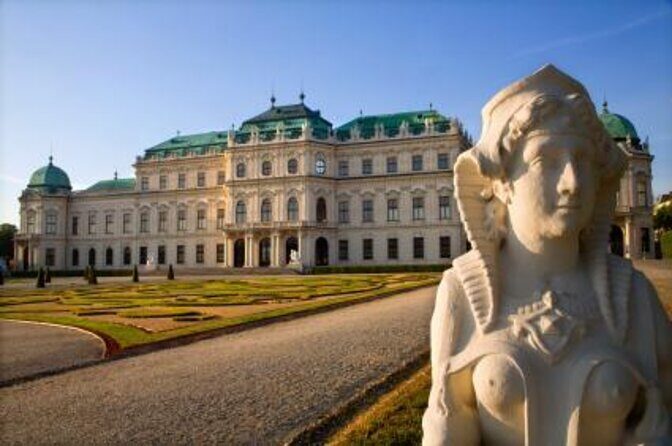
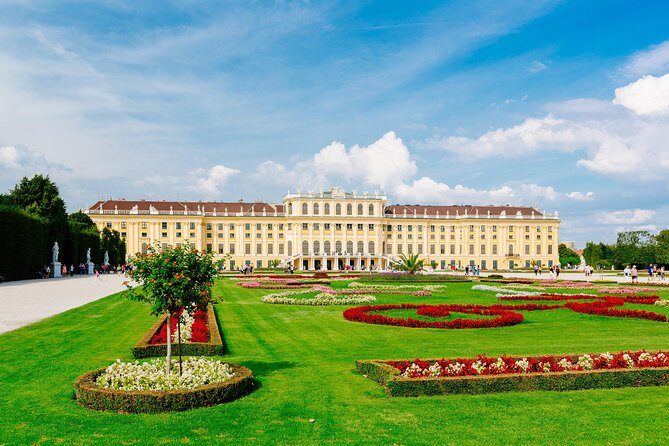
Belvedere is tied to the Habsburg era, and that background helps you understand what you’re seeing. The Upper Belvedere palace is a Baroque statement—grand, confident, and designed to impress. You’re not just looking at architecture; you’re looking at an idea of authority.
Your guide can point out how the estate’s ambition connects to the broader mood of the time: aristocratic splendor, political influence, and the way art and collecting signaled cultural leadership. In the best moments, you stop thinking of history as trivia and start feeling it as a reason things were made this way.
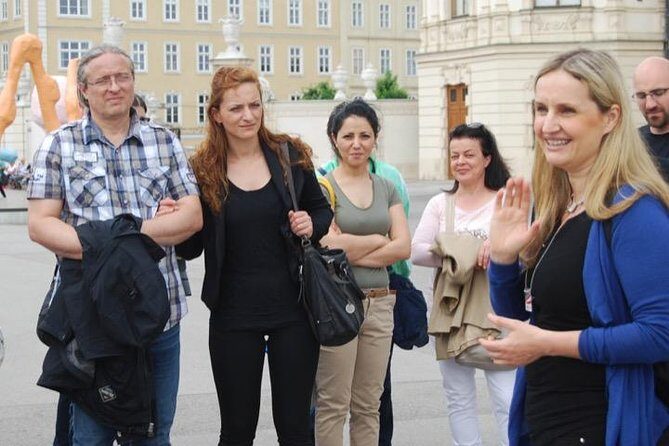
If you want a Vienna experience that goes beyond postcard sights, this part delivers. Several English-speaking art historian guides connected with the tour, including Stephen and Barbara, are specifically praised for making the stories behind the building and artworks feel alive. That means you’re less likely to walk away thinking you saw a famous place and more likely to remember why it mattered.
Moving into the museum: how the tour balances highlights and time
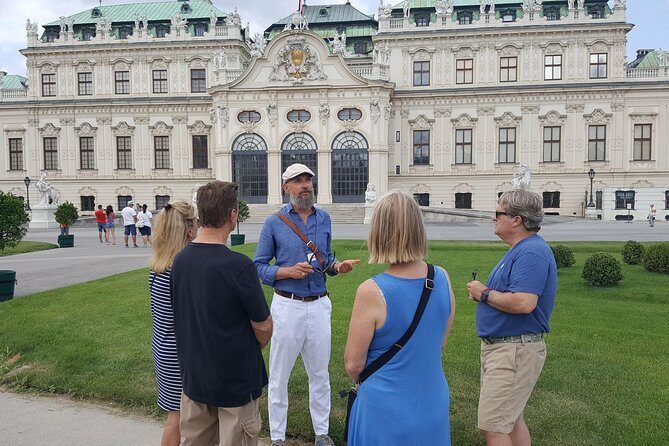
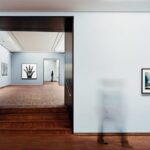
After the grounds, you shift indoors to the Belvedere Museum. The museum itself has an important origin story. Belvedere was among the first public museums in the world, with the intention of making the Habsburg imperial collection accessible to more than just the elite.
That mission shapes the experience: you’re not wandering randomly through a huge building. You’re guided through highlights with an eye toward helping you learn how to look. Expect your guide to frame major works with details like what’s happening in Austrian and international painting across the Middle Ages to the present day, and how the collection tells a bigger story than Klimt alone.
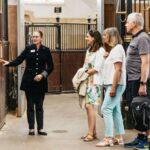
One practical benefit: small groups keep the flow calmer. In multiple accounts, people mention having time for photos and even a walk-through of rooms before the group moves on. That is the difference between a guided visit and a guided blur. For you, it means you can actually pause, study, and ask the next question that pops into your mind.
Klimt at Belvedere: seeing The Kiss and Judith as part of a bigger network
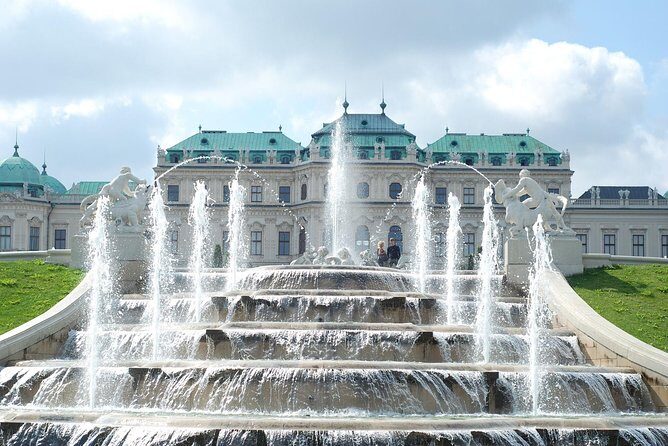
Yes, you are coming for Klimt. But the real win is how the tour helps you see why these paintings became so famous, and how they fit into the artistic climate of their time.
The Belvedere collection includes multiple Klimt standouts from his golden period, including The Kiss and Judith, plus landscapes from the Attersee series and sophisticated portraits of high-society ladies. Instead of treating each painting as a separate museum stop, your guide links them—style to theme, symbolism to the world that shaped Klimt’s choices.
And you’ll likely get extra comparisons that help your brain “file” what you’re seeing. For example, one guide (Peter) is praised for making connections beyond Klimt, with references to artists such as Van Gogh, Monet, and Munch. You won’t necessarily see those artists’ works on the walls as part of this specific visit, but those kinds of comparisons can help you place what Klimt is doing in a wider map of European art.
If you love art but hate feeling lost in a museum maze, this tour can fix that. Several guides tied to this experience are highlighted for explaining not just what you’re looking at, but how to interpret it—how a painting’s details can signal ideas, status, or cultural mood.
What you actually get for the $181.02: guide value and the admission gap
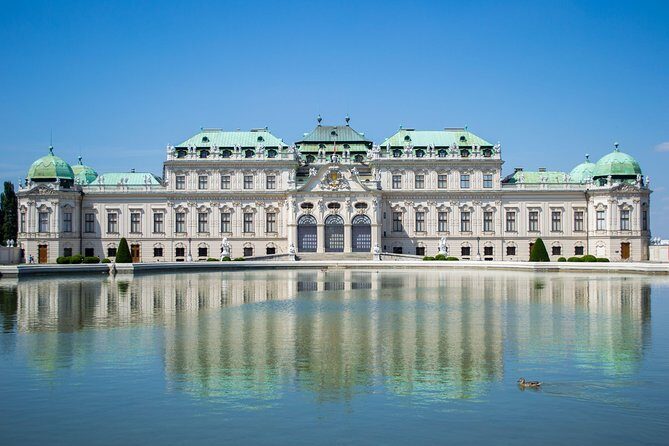
The price is $181.02 per person, and here is the part you should pay attention to for value: the tour includes a professional art historian guide, but museum entrance ticket fees are not included. That means your real cost depends on your museum ticket, and your timing depends on having those tickets sorted before you enter.
Still, the guided component is a major part of what you’re paying for. You’re not just buying access to Belvedere. You’re buying someone to help you decode it—gardens, palace architecture, and the museum’s major works—within a tight time window of about 2 hours 30 minutes.
Also worth noting: the tour is designed for a small group (maximum of 8 travelers), which usually translates into a better ratio of guide attention to your questions. You’ll also see practical perks like a mobile ticket and the mention of group discounts.
Transportation and hotel pickup are not included. You’re meeting at Belvedere Palace (1030 Vienna) and the tour returns you back to the meeting point. If you’re already comfortable using public transportation in Vienna, this is easy. If you want a door-to-door experience, you’ll need to look elsewhere.


Timing and pacing: why 2.5 hours often feels right
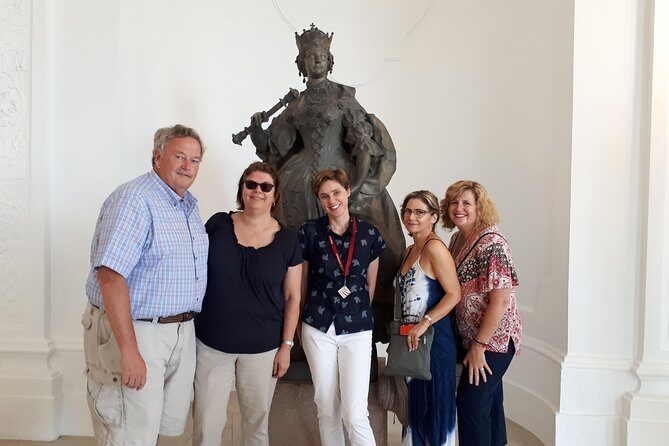
The duration is about 2 hours 30 minutes. That length matters, because Belvedere can swallow time if you go it alone. Indoors, the museum is big, and without guidance it is easy to focus on only a handful of paintings.
With this tour, the structure helps you cover both the gardens and the key museum stops without turning the visit into a checklist. People repeatedly mention that the tour length creates a good value feel, and several notes praise not being rushed—especially when the group is small and the guide can pace movement between rooms.
A good guide also makes the tour feel conversational. Guides including Barbara, Selin, Regina, Ilsa, and Suzanne are praised for teaching in a structured but engaging way, with plenty of opportunity for questions. That matters if you like to learn while you walk, not after you get home.
One caution: if you expect a museum visit where you spend long stretches only in art galleries, you might find the balance slightly split between palace grounds and highlights indoors. The tour is meant to connect the estate as a whole, so the time inside is focused.
Who this Belvedere tour is best for (and who should skip it)
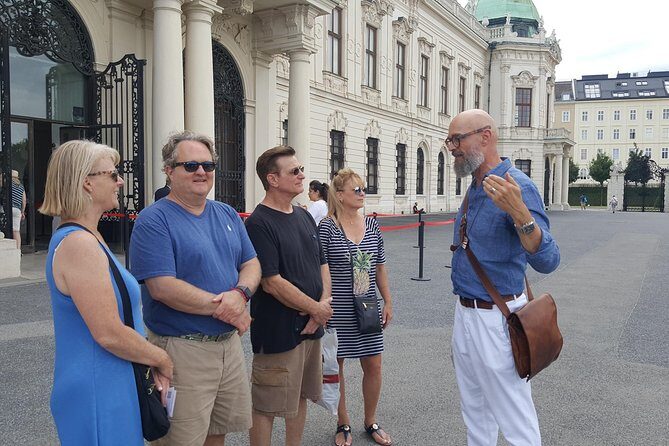
This is a strong match if you fall into one of these groups:
- You want the Klimt connection without feeling overwhelmed in a large museum.
- You like Vienna’s big stories—Habsburg power, imperial collecting, and the way politics shows up in art.
- You prefer small groups and a guided pace over wandering with a map.
You might consider skipping or adjusting expectations if:
- You only want a long, self-directed museum session. This experience is built around guided highlights and context.
- You do not want to handle museum tickets yourself. Admission is separate, and while your guide can help you purchase tickets at the start of the walk, it is still an extra step.
Should you book this Belvedere Palace and Museum Tour?
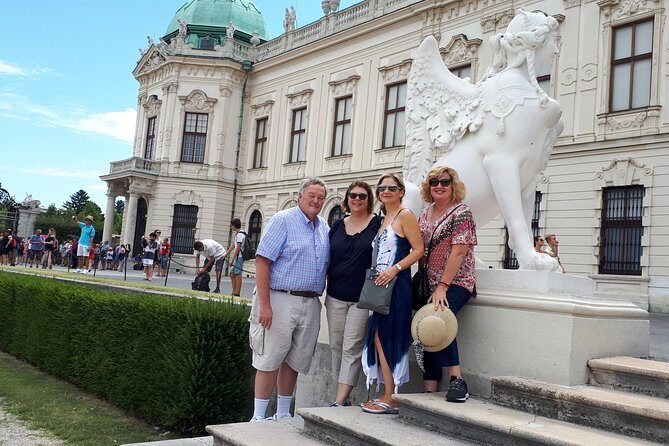
I would book it if you want a smarter first visit to Belvedere—especially if The Kiss and Judith are on your Vienna must-see list. The best part is the guide-driven connection: gardens become meaningful, the palace becomes more than a backdrop, and Klimt becomes part of a broader artistic and political world.
If you are the type who loves to read on your own and stays satisfied with a quick look at famous works, you could tour independently. But if you want to walk out understanding what you saw, this tour tends to deliver that payoff in a short, manageable time.
If you book, do one thing up front: plan for the museum admission fee separately so you can step in smoothly and keep your momentum. Then show up with a curious mindset. Belvedere rewards that fast.
FAQ
Is museum admission included in the tour price?
No. The museum entrance ticket fee is not included, so you’ll need to buy admission separately. Your guide can help you purchase tickets at the beginning of the walk.
What’s the tour length?
It runs about 2 hours 30 minutes.
How many people are in the group?
It’s a small group with a maximum of 8 travelers.
Is hotel pickup or drop-off included?
No. Hotel pickup and drop-off are not included, and there’s no transportation to or from attractions.
Where does the tour start and end?
It starts at Belvedere Palace, 1030 Vienna, Austria. It ends back at the meeting point.
What language is the tour offered in?
The tour is offered in English.
Does the tour include a guide?
Yes. A professional art historian guide is included.
Is there a mobile ticket?
Yes. A mobile ticket is part of the experience.
Is the tour suitable for most travelers?
Most travelers can participate.
What is the cancellation policy?
You can cancel for a full refund up to 24 hours before the experience start time.
Where can I meet the guide?
Meet at Belvedere Palace, 1030 Vienna, Austria, which is near public transportation.