REVIEW · VIENNA
Vienna Kunsthistorisches Museum Day Admission Ticket
Book on GetYourGuide →Operated by Kunsthistorisches Museum · Bookable on GetYourGuide
Big art, big building, one great day. Your admission ticket gets you into Vienna’s imperial collection housed in a showpiece museum, with Rubens and Rembrandt plus a staircase where Gustav Klimt collaborated.
You’ll spend your hours moving through ancient worlds and the late 1700s, with stops like the Picture Gallery and the Kunstkammer. Expect famous names (Raphael, Velázquez, Titian, Dürer) alongside eye-catching “things that shouldn’t exist” like legendary treasures.
One practical catch: you must use a printed voucher and exchange it at the museum’s ticket setup. Do it wrong and you can lose time, or worse, get turned away at the entry flow.
In This Review
- Key Things to Know Before You Go
- A Vienna Palace for Art: What Your $25 Day Ticket Really Buys
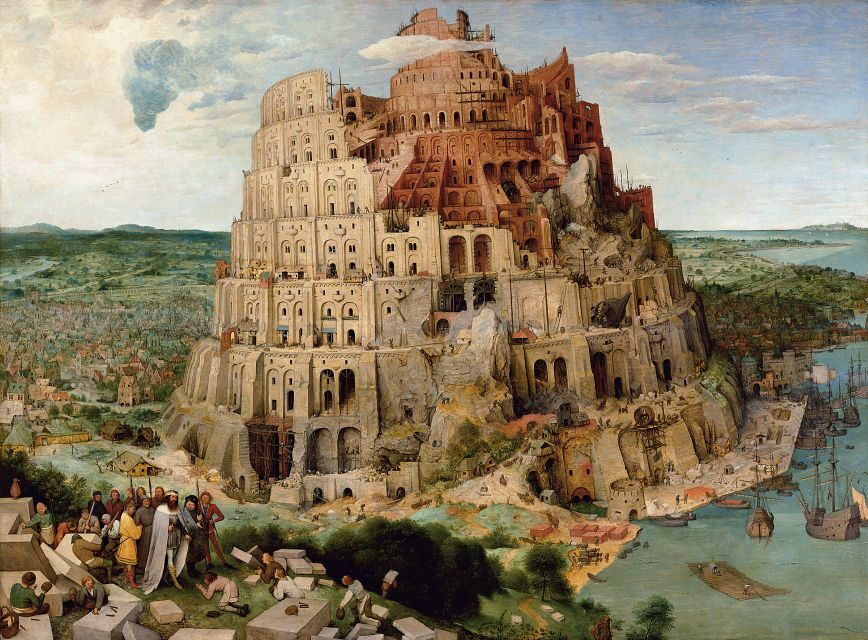
- Picture Gallery Highlights: Rubens, Rembrandt, Raphael, Velázquez, and the Rest
- Kunstkammer Stop: Benvenuto Cellini, Gold, Ivory Filigree, and Legendary Relics
- Ancient Worlds to Late 18th Century: How the Collection Jumps Time
- Architecture Breaks: The Klimt-Staircase Moment and the Museum’s Big-Feel Rooms
- How Long to Plan, What to Prioritize, and the Café Reality
- Tickets, Vouchers, and Avoiding the Wrong Line
- Audio Guide: Optional, but Often Worth the Extra €5
- Who This Day Admission Works Best For
- Should You Book the Vienna Kunsthistorisches Museum Day Admission Ticket?
- FAQ
- What is included in the Vienna Kunsthistorisches Museum day admission ticket?
- Is an audio guide included?
- How long is the ticket valid?
- Do I need a printed voucher?
- Where is the meeting point?
- Is the museum wheelchair accessible?
- Are children and young people admitted for free?
- Can I cancel and get a refund?
Key Things to Know Before You Go
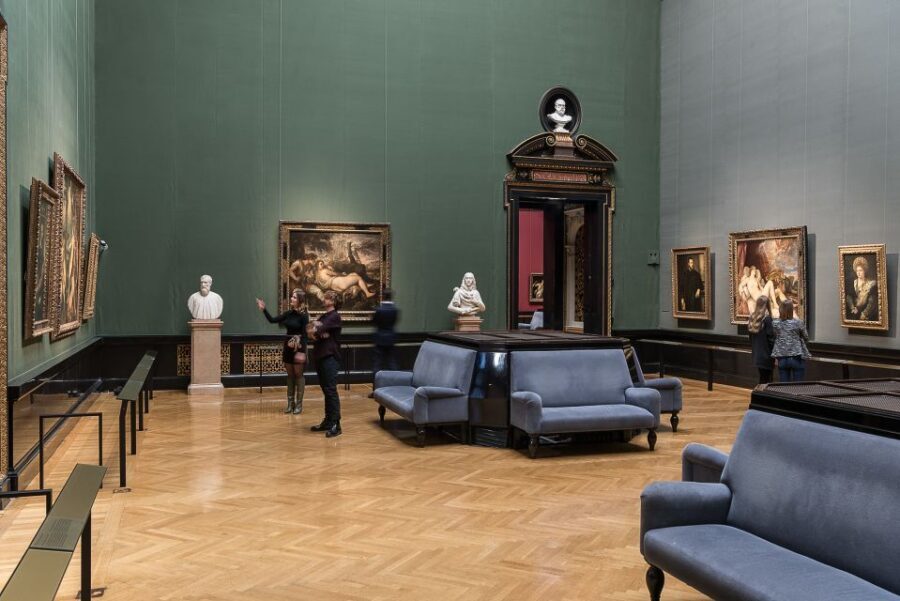
- $25 for a day in one of Vienna’s biggest art-and-treasures experiences.
- Picture Gallery first is the easiest way to catch the biggest painting names without getting lost.
- Kunstkammer surprises include goldsmith work by Benvenuto Cellini and intricate pieces like ivory filigree.
- Jewels worth the detour include parts connected to Empress Elisabeth’s original jewelry.
- Plan 4-5 hours if you actually want to see a lot, not just pass through rooms.
A Vienna Palace for Art: What Your $25 Day Ticket Really Buys

This ticket is simple in theory: pay, enter, then explore at your pace for one day. But the value is bigger than the price tag suggests, because the Kunsthistorisches Museum is more than a place to look at paintings. It’s an entire environment—built to house imperial collections—so you’re sightseeing inside a landmark as much as viewing artworks.
Your admission covers entry only, and that’s actually good. It keeps the experience flexible. You can do it as a fast hit (a couple hours) or a longer museum day (most people end up settling in for 4-5 hours). And since the museum is wheelchair accessible, the layout is designed to accommodate more than just able-bodied walkers.
If you’re the type who likes structure, you can still give yourself a plan. Start with the big painting focus, then move to the Kunstkammer treasures. That order usually feels smoother because the museum’s “wow” moments come in waves: masterpieces, then objects, then decorative details that make you slow down.
A few more Vienna tours and experiences worth a look


Picture Gallery Highlights: Rubens, Rembrandt, Raphael, Velázquez, and the Rest
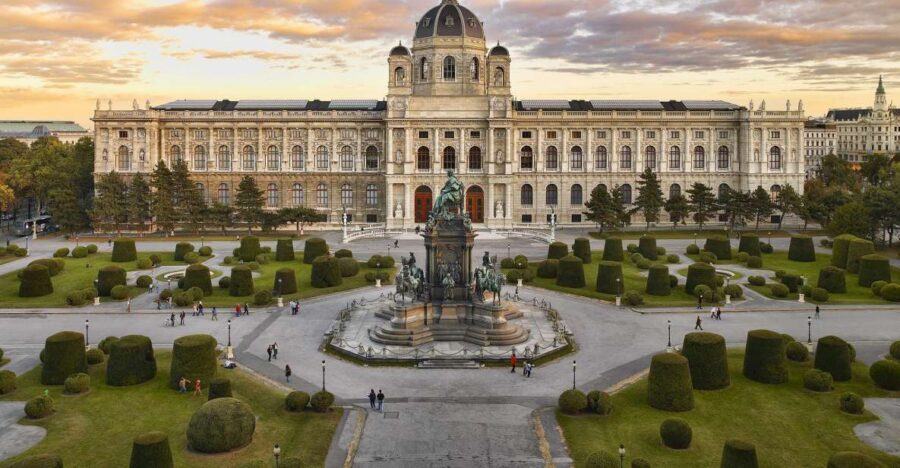
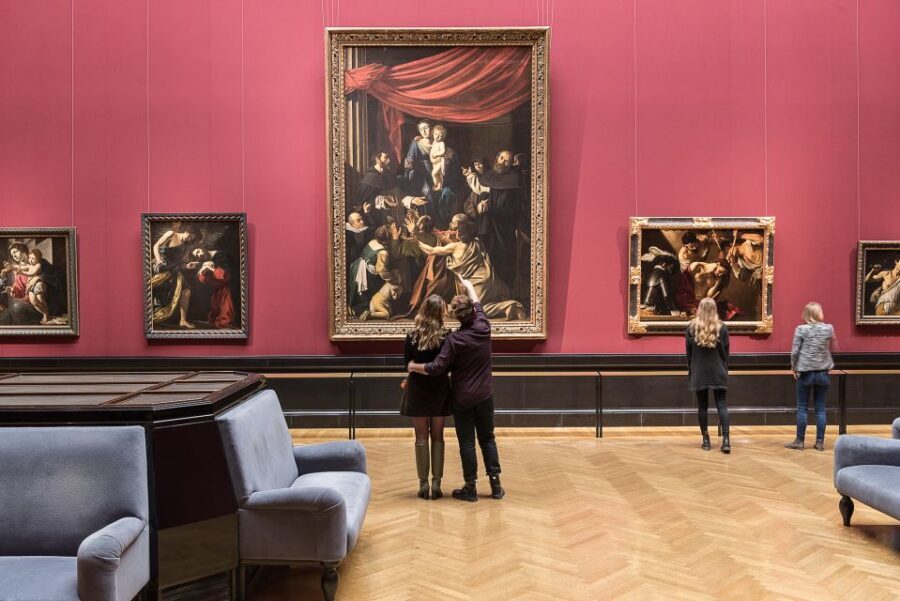
The Picture Gallery is the headline stop. The museum funnels you through major European painting traditions, so you’re not searching for the good rooms. You’re walking through a lineup of names that most art lovers know—and a few you’ll recognize only after you see the works.
Here’s what makes this gallery so satisfying for a day visit:
- You get major artists grouped in a way that makes comparison easy. Seeing Rubens near other giants helps you notice style shifts instead of treating each painting like a separate museum.
- The collection covers multiple periods, from earlier Renaissance influences through later masters, so you’re not stuck in one mood.
You’ll also have a chance to catch pieces by painters listed in the highlights and popular highlights of the collection: Rembrandt, Raphael, Vermeer, Velázquez, Titian, and Dürer. The museum layout makes it possible to focus without feeling like you’re missing the whole world—unless you’re trying to see everything, which you can, but you’ll need more time than you think.
One small reality check: this is a large museum. Even with clear signage, there’s a lot of walking. If you try to “collect every masterpiece,” you’ll feel rushed by hour two. The fix is simple: pick a set of priorities. For many people, that means focusing on the Picture Gallery first and then letting the rest be bonus.
Kunstkammer Stop: Benvenuto Cellini, Gold, Ivory Filigree, and Legendary Relics
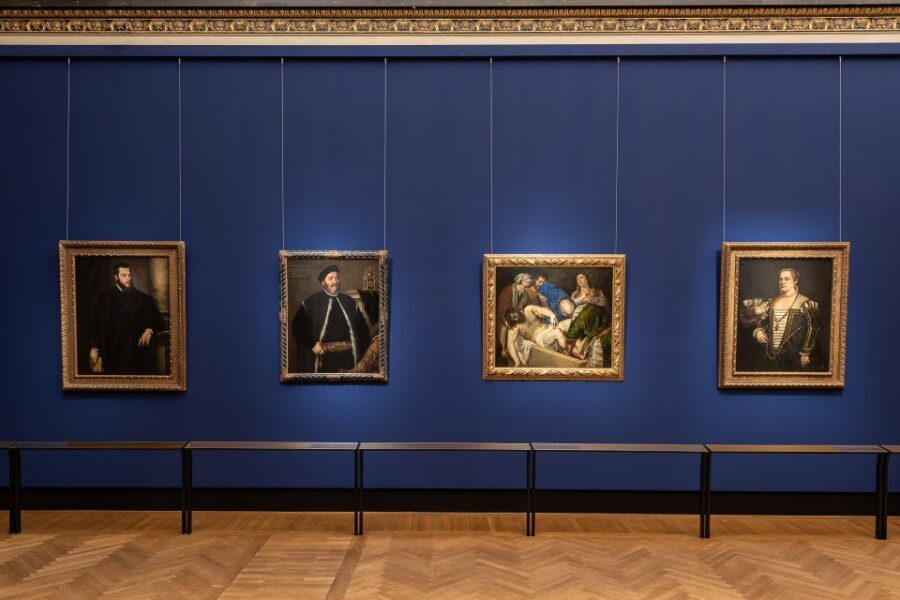
If the Picture Gallery is the polished big-stage art show, the Kunstkammer is where the museum gets playful—in the best way. This section leans hard into craft: goldsmith work, intricate metalwork, sculptural objects, and highly detailed decorative pieces.
A key highlight here is goldsmithing by Benvenuto Cellini. It’s the kind of name that sounds familiar, but what you really notice in person is the fine work: how much labor and control went into pieces that look almost delicate enough to float.
You’ll also see examples described as filigree works in ivory by top artists of the day. That detail matters because it changes how you think about “art.” It’s not only painting and sculpture. It’s materials, skill, and design logic—how people turned hard substances into something that looks almost weightless.
Then there are the legendary treasures mentioned in the highlights, including items like the Holy Grail or the horn of the unicorn. Whether you take these as literal history, symbolic history, or just excellent museum storytelling, they work the same way: they stop you mid-walk and make you look closer.
This is also where the museum can surprise you if you’re expecting only paintings. The Kunstkammer content gives you a mental reset from flat images and instead makes you experience craftsmanship in 3D.
Ancient Worlds to Late 18th Century: How the Collection Jumps Time
One reason this museum earns repeat visits is the way it spans eras without turning into a confusing blur. Your day isn’t limited to one theme. Instead, you move from areas like ancient Egypt and classical antiquity into collections reaching through the late 18th century.
That broad sweep is more than “many rooms.” It’s a chance to see how imperial collecting behaved. People didn’t just collect one kind of art. They collected power, knowledge, and prestige. The result is a museum where you can go from Egyptian artifacts to classical objects to later works, all under the same roof and design language.
If you like thematic thinking, try this: ask yourself how the museum makes different times feel connected. It often comes down to material value and display logic—objects are presented to be recognized and respected, even when their origins and functions were totally different.
And yes, there’s a lot here. If your main goal is art history, you’ll have plenty to read with your eyes. If your main goal is simply to be impressed, the museum can do that too. The trick is managing your energy so you don’t spend your best attention only on the first half.
Architecture Breaks: The Klimt-Staircase Moment and the Museum’s Big-Feel Rooms
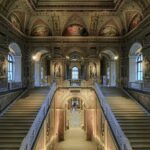
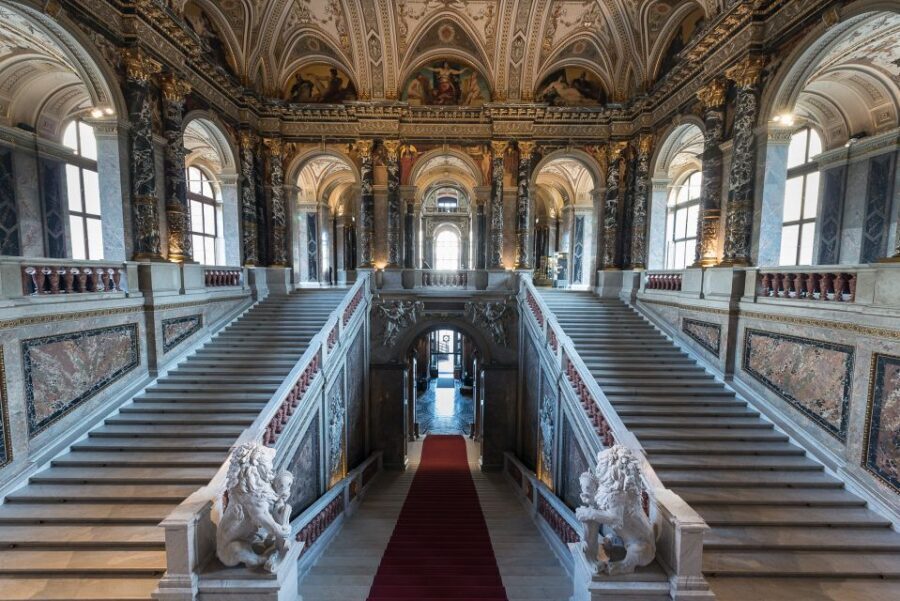
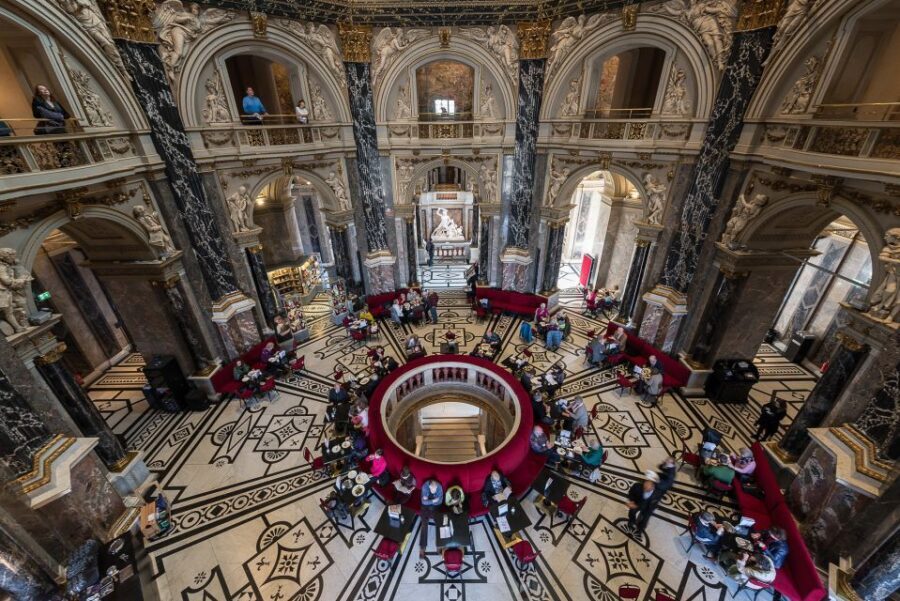
The Kunsthistorisches Museum isn’t shy about showing you what it wants you to feel. The building itself is a star attraction. One of the most memorable design features is the imposing staircase with paintings on which Gustav Klimt collaborated.
Even if you’re not deep into Viennese artists, that staircase works because it’s a natural pause point. You enter the museum, and before you fully commit to the gallery loop, you’re hit with a visual moment that makes the rest of the museum feel more meaningful.
Then there’s the general “roomness” of the interior. It’s not just packed walls of art. The museum gives you breathing space at key intersections, which helps you avoid that constant museum-sprint feeling. That matters if you have limited time.
For a practical tip: build in small rests. The museum has a cafe inside, and it’s part of the experience for a lot of visitors. Even when it’s busy, taking 20-30 minutes to slow down can make the rest of the day feel easier rather than harder.
You can also read our reviews of more museum experiences in Vienna



How Long to Plan, What to Prioritize, and the Café Reality
For a museum like this, the one mistake that ruins the day is underestimating time. Many visitors land around 4-5 hours, and even then they feel like they could keep going. If you’re the type who reads labels and slows down for details, plan closer to that longer end.
If you have less time, you can still get a strong visit, but you should choose. I’d use this simple strategy:
- Spend your first stretch in the Picture Gallery for the big-name paintings.
- Move to the Kunstkammer next so the “treasure” feeling is fresh.
- Leave the rest for whatever you didn’t see—Egypt, antiquities, or additional rooms that pull your interest.
Now, the cafe: it’s clearly a popular stop, and it’s described as unusually beautiful—people call it a standout part of the day. But it’s also museum pricing. If you’re trying to keep costs down, treat it like a planned splurge rather than something you stumble into.
Also, don’t ignore the walking. There are plenty of steps and a lot of movement. If it’s hot outside, the museum’s indoor climate is a comfort for long stays—but your feet still need help. Comfortable shoes really are the difference between enjoying the day and rushing through it.
Tickets, Vouchers, and Avoiding the Wrong Line
Here’s the part that can make or break a smooth start: you need a printed voucher for entry, and you exchange it at the museum’s ticket setup when you arrive. The process can be confusing if you assume it works like a standard scan-at-the-door entry.
Some visitors note needing to exchange their voucher in a specific area and warn that it’s easy to lose time if you head to the wrong line. There can also be a queue, so arriving a bit early is smart even with a reserved entry.
So, what should you do?
- Bring a printed copy, even if you also have it on your phone.
- Plan to follow the museum’s on-site direction for exchanging vouchers into actual admission.
- Give yourself extra minutes for the handoff from reservation to ticket.
This is the one thing I’d call a true “watch out,” because it affects entry speed directly. Once you’re inside, the museum experience is the opposite of stressful—it’s the start that needs your attention.
Audio Guide: Optional, but Often Worth the Extra €5
The ticket itself doesn’t include an audio guide. You can add one separately (listed as €5 each or 2 for €7). When you’re looking at artworks and complex objects—especially in sections like the Kunstkammer—an audio guide can make you slow down in the right places instead of just speed-reading labels.
From a practical standpoint, the audio guide helps you connect what you’re seeing with what it means. It’s also useful for navigating the museum building because it nudges you toward the highlights along the way.
If you like free-form wandering, you can skip it. But if you want the fastest path to feeling like you understood what you saw, the audio guide is one of the best paid upgrades here.
Who This Day Admission Works Best For
This is a strong fit if you want a single-day “Vienna essentials” experience that covers multiple types of art and objects. You don’t need to be an expert. The museum is built so that big names and major craftsmanship are visible and memorable.
It also suits:
- Art lovers who want to see Rubens, Rembrandt, Raphael, and Velázquez without picking between separate museums.
- People who enjoy surprises, because the Kunstkammer adds unusual treasures and craft-focused works.
- Families and mixed groups who want a lot of variety in one building—paintings, antiquities, decorative objects, and a cafe break.
If you hate walking, this might still be doable, but you’ll want to move with intention and plan rest stops. The museum is wheelchair accessible, but it still involves lots of movement through galleries and steps.
Should You Book the Vienna Kunsthistorisches Museum Day Admission Ticket?
If you’re deciding whether this is the right museum for your Vienna day, my advice is yes—assuming you can handle a real museum pace.
Book it if you want:
- Major painting names in one place
- A palace-like museum building
- Kunstkammer craft objects and legendary treasures
- Flexibility to explore at your own speed
Skip it or reduce expectations only if:
- You want a very short visit and hate moving from room to room
- You’re not able to handle the voucher exchange step and you’re arriving without time buffer
For most people, the $25 entry price is a strong deal for the building, the art, and the variety packed into one day—especially if you plan your route and don’t treat it like a quick stop.
FAQ
What is included in the Vienna Kunsthistorisches Museum day admission ticket?
The ticket includes your entrance to the Kunsthistorisches Museum for the selected day.
Is an audio guide included?
No. The audio guide is not included. It costs €5 per person, or 2 for €7.
How long is the ticket valid?
It’s valid for one day. You should check availability for starting times.
Do I need a printed voucher?
Yes. A printed voucher is required.
Where is the meeting point?
The meeting point is Kunsthistorisches Museum Wien, Maria-Theresien-Platz, 1010 Wien.
Is the museum wheelchair accessible?
Yes. The attraction is wheelchair accessible.
Are children and young people admitted for free?
Generally, children and young people under 19 enjoy free admission. School groups under 19 must be registered via the museum’s booking department at [email protected].
Can I cancel and get a refund?
Yes. You can cancel up to 24 hours in advance for a full refund.