REVIEW · VIENNA
Tickets for the Albertina Exhibitions
Book on GetYourGuide →Operated by Albertina · Bookable on GetYourGuide
Art moves fast here. One ticket gives you Monet-Picasso and the restored Habsburg State Rooms, both in Vienna’s historic center. I also love the way the museum mixes major names (Monet, Degas, Picasso) with Austrian-focused collections and rotating shows, so you don’t just repeat the same gallery loop. One thing to plan for: you may need to pick up or exchange your ticket at the counter, and the floor can feel a bit confusing if you’re rushing.
This is the kind of museum day that works whether you’re an art devotee or just hunting a great, rainy-day plan. The price is about $23 per person, and for that you’re paying for access to both a strong permanent experience and a special temporary exhibition—two different types of viewing in one go. My favorite part is how the building itself does double duty: imperial rooms on one side, modern art on the other, so your visit has a clear rhythm.
In This Review
- Monet-Picasso plus Habsburg State Rooms in One Visit
- Temporary exhibitions that keep your ticket feeling current
- What Monet-Picasso Really Delivers (and What to Expect)
- The Habsburg State Rooms: Imperial Details You’ll Actually Notice
- Temporary Exhibitions: How to Pick the Best Day for Your Interests
- How Much Time You Need (Spoiler: More Than You Think)
- Tickets, Counter Pickup, and the Locker Reality Check
- Your Museum Route: A Simple Order That Works
- The Café Moment: Nice Break, Watch the Pricing
- Getting There Like a Local (Albertinaplatz Transit Tips)
- Who This Albertina Ticket Is Best For
- Should You Book This Albertina Exhibitions Ticket?
- FAQ
- What does the Albertina Exhibitions ticket include?
- Do I get an audio guide with the ticket?
- Are backpacks or umbrellas allowed inside?
- How long is the ticket valid?
- Can I cancel for a refund?
- How do I get to the Albertina by public transport?
Monet-Picasso plus Habsburg State Rooms in One Visit
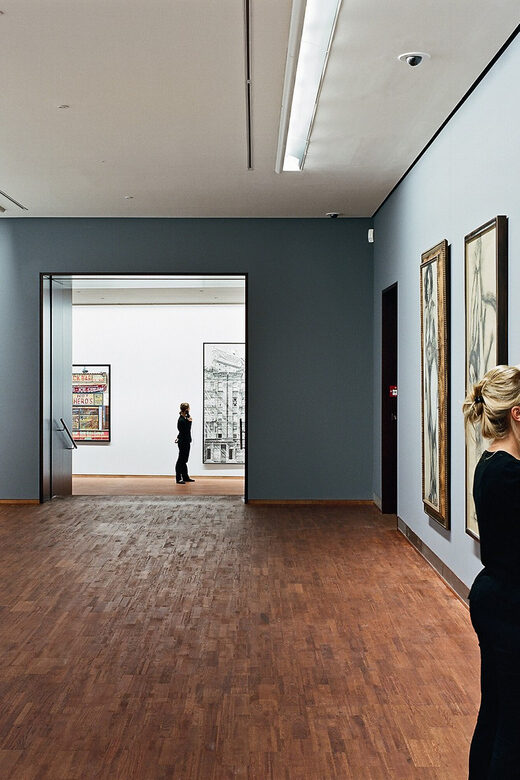
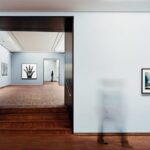
The Albertina sits in Vienna’s classic core at Albertinaplatz 1, and it’s built for visitors who want more than one mood. You start with the museum’s permanent survey of major modern movements, and it’s topped by the signature display people talk about most: Monet-Picasso. Think Impressionism and Expressionism across to later experiments, then land in Picasso territory that shows how his style evolved from early Cubist thinking to later, more experimental work.
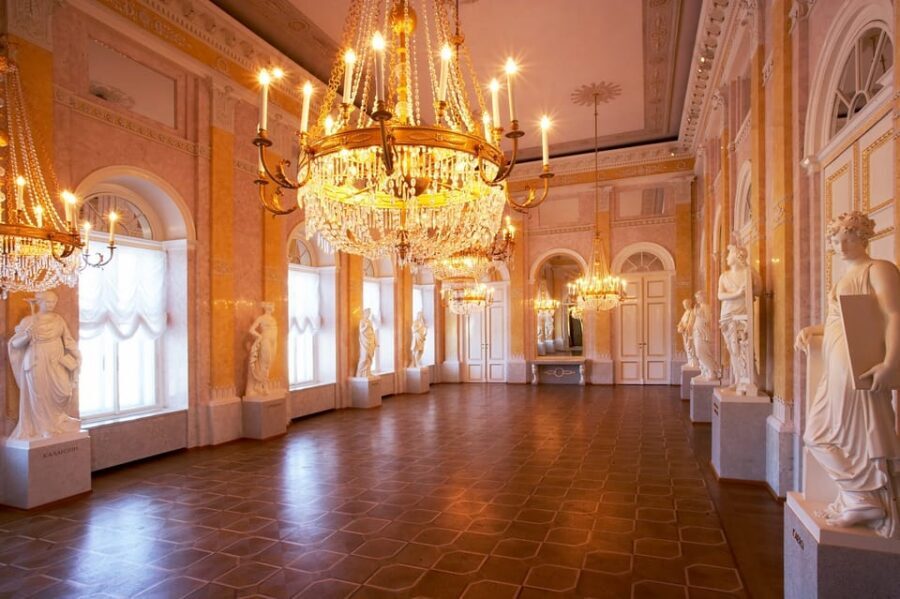
Then—this is the magic switch—you get moved into the museum’s imperial past. For around 100 years, the building served as the residence of Habsburg archdukes and archduchesses. Today, you can wander through about 20 sumptuously decorated and carefully restored Habsburg State Rooms. Expect chandeliers, fireplaces and stoves, detailed marquetry, and Louis-seize style furniture that traces back to the French royal workshops in Paris and Versailles. It’s not just decoration. It changes how you look at the art because you feel you’ve switched worlds: courtly order, then modern visual rebellion.
Temporary exhibitions that keep your ticket feeling current
A big part of the value here is that your entry isn’t only about the permanent collection. Your ticket also covers a temporary exhibition, which means your visit has a date-specific reason to go. Even if you’ve seen a museum like this before, a changing show gives you something fresh to focus on.
In 2026, the Albertina lists a packed line-up of rotating exhibitions such as Lisette Model: Retrospective (until February 22, 2026), Honoré Daumier: Mirror of Society (from February 6 until May 25, 2026), Richard Prince: Retrospective (from April 17 until August 16, 2026), and Picasso – Bacon: What it means to be human (from September 18, 2026 until January 31, 2027). The exact details will vary with your travel date, so you’ll want to check what’s on during your visit before you lock in your day.
A few more Vienna tours and experiences worth a look

What Monet-Picasso Really Delivers (and What to Expect)
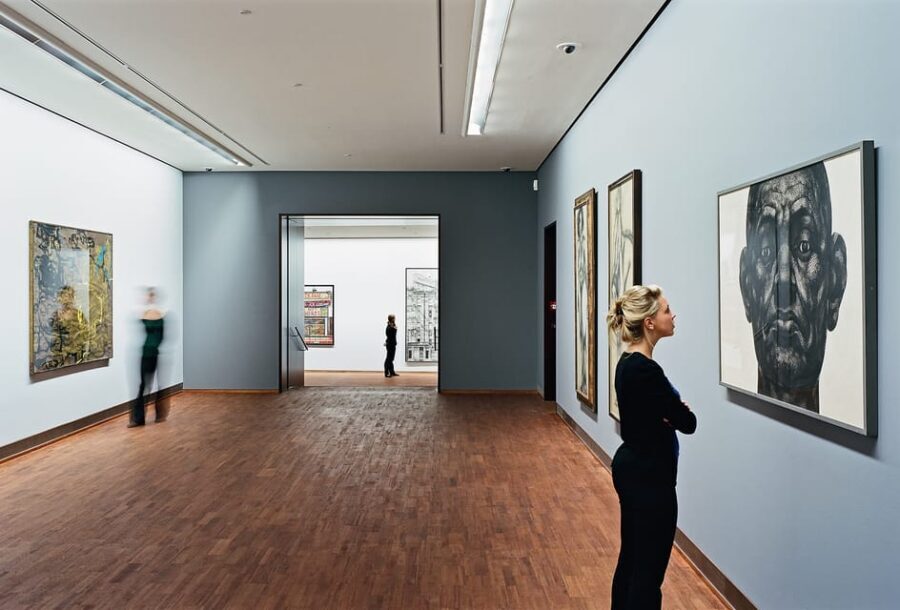
The Albertina’s modern art collection is a serious one. Its permanent display covers key artistic styles like French Impressionism, German Expressionism, and the Russian avant-garde, plus a deeper focus on Austrian art. You’ll see work by names such as Monet, Degas, Goncharova, Chagall, and Kokoschka.
Then there’s the Monet-Picasso experience. What I like about it is the way it doesn’t treat Impressionism and Cubism like separate sports. It shows how you can move through a visual language shift—how artists change what they prioritize, like light and color first, then structure and form, then later experiments. If you’ve only seen famous reproductions in books, this is where scale and brushwork matter.
You’ll also get a strong dose of Picasso. The Albertina presentation highlights his early Cubist pictures and then carries you into his later experimental period. That matters for first-timers, because Picasso’s reputation can feel like one style in your head. Here, you see that his thinking kept changing.
Practical tip: If you’re short on time, don’t try to read everything. Pick a handful of artworks and spend your energy there—then let the rest become atmosphere. The museum is spacious enough that you won’t feel trapped, but it’s still easy to over-schedule yourself.
The Habsburg State Rooms: Imperial Details You’ll Actually Notice
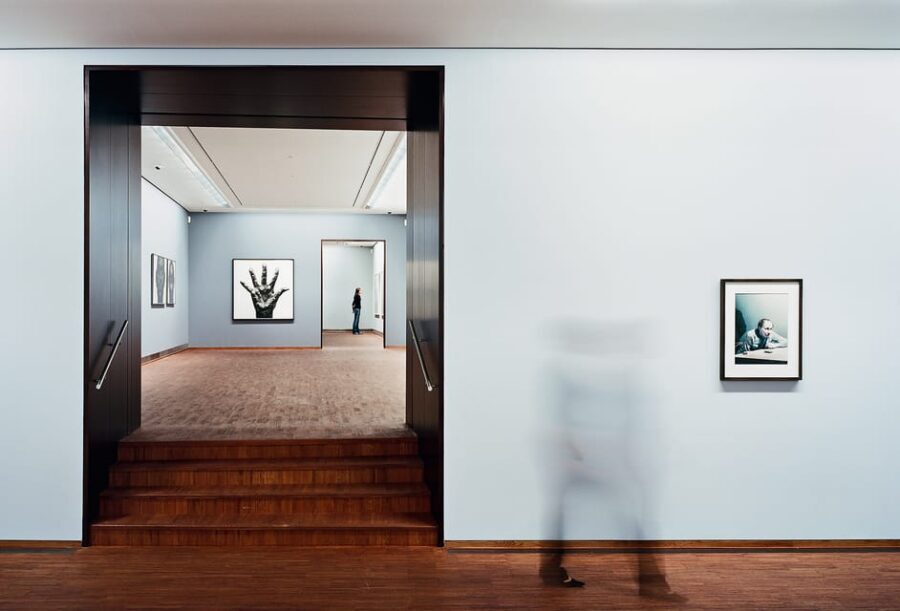
Most museums have “beautiful rooms.” The Albertina’s state rooms are different. You’re not just looking at polished walls—you’re walking through an entire imperial living setup. The presentation includes richly decorated interiors with precious wall coverings, chandeliers, and Louis-seize furnishings that connect Vienna to royal French court culture.
One of the best parts for visitors is that the rooms are emotionally specific. You can feel why the Habsburgs liked displaying luxury: the scale, the materials, the careful restoration. And because this is Vienna, it pairs naturally with other palaces you may already be visiting on the same trip.
You’ll also appreciate that the museum rooms come with artwork context. Some rooms include famous old-master works (including Dürer, based on visitor notes), so you’re not only looking at objects in isolation. The rooms help you understand how art functions in a court setting versus in a museum setting.
If you like architecture and interiors: budget extra time here. The state rooms reward slow walking.
Temporary Exhibitions: How to Pick the Best Day for Your Interests
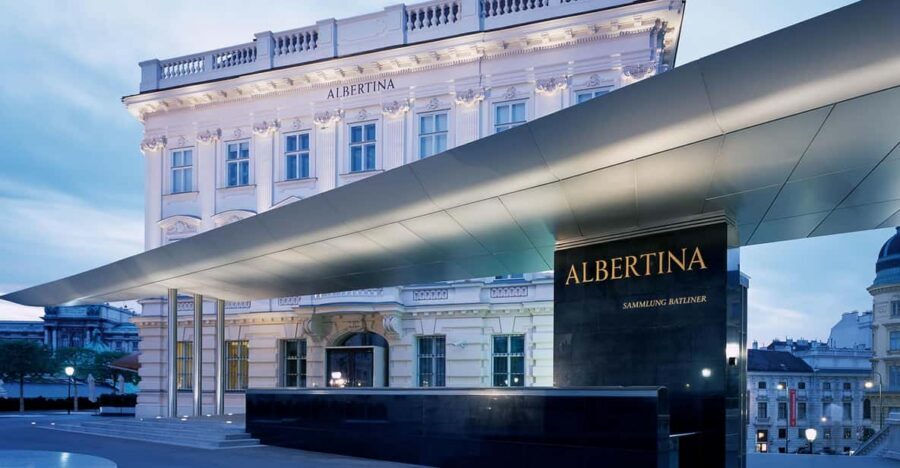
Because the ticket includes the temporary exhibition, your visit has a built-in focus for the week (or season) you go. If you’re choosing dates, that’s where the smart planning starts.
Here are a few 2026 examples that show the range:
- Lisette Model: Retrospective (photography)
- Fascination Paper: Rembrandt to Kiefer (works on paper)
- Leiko Ikemura: Motherscape (visual arts with a personal theme)
- Honoré Daumier: Mirror of Society (artist as social observer)
- Care Matters: An Exhibition of the VERBUND COLLECTION (collection-focused)
- Richard Prince: Retrospective (modern art with attitude)
- Travel Photography (photography as storytelling)
- Women Artists of the Albertina (women’s contributions in art)
- Shara Hughes (contemporary art)
Not every temporary show will match your taste, and that’s okay. What you’re buying is the flexibility: you can come for Monet-Picasso and stay for the special exhibition theme that’s active on your date.
Value angle: This is why the ticket makes sense even if you’re not an all-day museum person. You’re not just paying for one room. You’re paying for two different types of art viewing: a strong permanent pathway plus a time-sensitive show.
How Much Time You Need (Spoiler: More Than You Think)
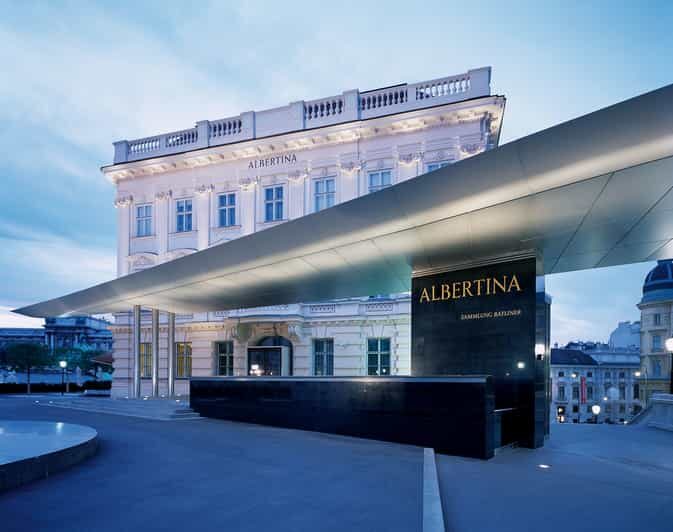
If you only have a tight schedule, you can still have a good visit. But plan realistic time.
Many visitors find that the museum rewards at least two hours if you’re moving at a leisurely pace. If you want to look closely at placards and let the art sink in, you’ll likely stay longer. One review-style tip that keeps coming up: morning is often easier for spacing out your route, while later in the day can feel busier.
A helpful approach:
- Spend your first hour getting your bearings and seeing the main modern art section tied to Monet-Picasso.
- Then switch gears and slow down in the state rooms.
- Finish with the temporary exhibition so the day ends on a focused theme.
If you’re the type who reads a lot of labels, give yourself time. The museum has plenty of descriptive text, and it’s worth it if you like understanding context.
You can also read our reviews of more museum experiences in Vienna



Tickets, Counter Pickup, and the Locker Reality Check
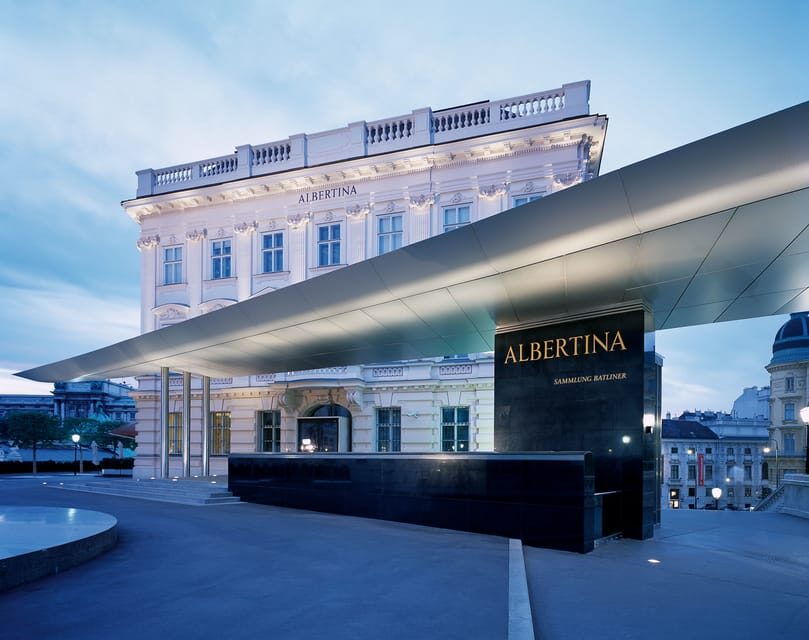
The ticket experience is mostly straightforward, but I’d plan for one practical wrinkle. Some people find they still need to pick up or exchange their ticket at the counter rather than walking straight in. So don’t assume your process will be entirely phone-scan-and-go.
Once inside, you’ll need a plan for storage. Backpacks and umbrellas are not allowed, so you’ll have to use storage facilities. I also found a specific warning in visitor notes: lockers and cloak rooms may take cash only. That’s the kind of detail that can quietly ruin a day if you show up without coins or cash.
My advice: bring cash just in case, and keep your bag light before you arrive. If you’re traveling with a large daypack, factor in the time it takes to store it properly.
Also, audio guides are available separately. They’re offered in multiple languages (German, English, French, Italian, Czech, Russian, Japanese, Spanish), but there’s no guarantee you’ll get your exact language depending on timing and season. If you’re relying on audio, download any planning notes you can and be ready to accept whatever language is available.
Your Museum Route: A Simple Order That Works
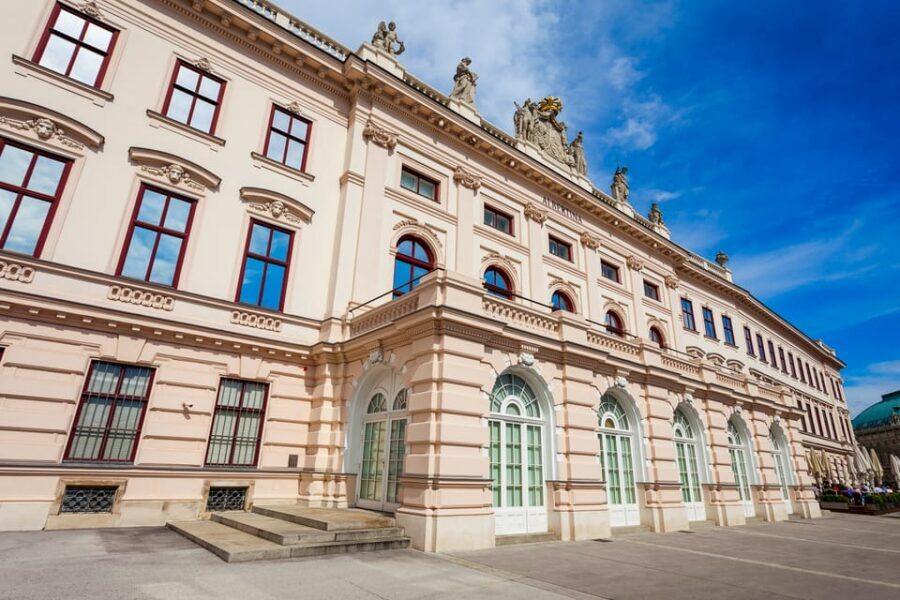
The museum is big enough that chaos can happen if you don’t set a route. At the same time, it isn’t so large that you can’t see a lot.
Here’s a route strategy that keeps you from wandering:
- Start with the Monet-Picasso area so the major modern names are “fresh in your eyes.”
- Then go to the Habsburg State Rooms while you’re still in a palace mood.
- Finally, take on the temporary exhibition, where your attention can lock in on one theme.
One more practical note: the museum signage can feel limited in some areas. Some visitors find the layout confusing, while others say there are numbered areas that help you move logically. Either way, give yourself permission to slow down early so you don’t lose time later.
If you’re sensitive to the subject matter, keep in mind there can be rooms with nude figures (based on visitor descriptions). It’s not a deal-breaker for everyone, but it’s better to know than be surprised mid-route.
The Café Moment: Nice Break, Watch the Pricing
You’ll likely pass a café inside the museum. Visitor notes mention Demel Café on-site. It’s a tempting stop, especially if you’re pairing your art day with something sweet.
But I’d treat it as a treat, not a budget meal. One note says an espresso plus a bottle of water cost nearly €8. If you want better value, plan on a cheaper quick bite outside the museum when you’re done.
Getting There Like a Local (Albertinaplatz Transit Tips)
The Albertina is easy to reach because it sits near major transit hubs in central Vienna.
Closest subway stops include:
- U1, U2, U4 at Karlsplatz/Oper
- U3 at Stephansplatz
Trams to look for:
- 1, 2, D, 62, 65
- Badner Bahn, stopping at Staatsoper/Kärntner Ring
And city bus:
- Line 3A, stop Albertina
If you’re doing Vienna on foot, you’ll also appreciate that Albertinaplatz is a natural meeting spot. In practice, it makes the museum a clean add-on before or after classic sights.
Who This Albertina Ticket Is Best For
This is a strong fit if:
- You want one museum day that covers both modern art and imperial interior design.
- You like major names like Monet and Picasso but also want a wider art education (Expressionism, Russian avant-garde, Austrian artists).
- You’re traveling in a season where it rains or you want a high-value indoor plan.
It’s also a good pick if you’re not an art deep-dive person. The museum’s pacing and the inclusion of a temporary exhibition give you built-in structure, so you don’t feel like you’re wandering without a reason.
If you’re traveling as a family or with mixed interests, the state rooms help. If you’re traveling solo and want quiet time, mornings can be a smoother experience.
Should You Book This Albertina Exhibitions Ticket?
I’d book it if your Vienna trip includes any interest in modern art, and you want the comfort of a ticket that includes both a permanent highlight (Monet-Picasso) and a temporary show. At about $23, you’re paying for variety in one place: art across major movements plus the Habsburg State Rooms.
I’d skip or reconsider only if you hate museums with a lot of walking time and you don’t want to deal with lockers plus a possible ticket counter pickup. Also, if you strongly rely on a specific audio-guide language, plan to be flexible.
If you want a simple, high-reward day in Vienna’s center—Monet-Picasso plus Habsburg rooms is one of the best ways to do it.
FAQ
What does the Albertina Exhibitions ticket include?
It includes admission to the Albertina and entry to a temporary exhibition.
Do I get an audio guide with the ticket?
No. An audio guide can be booked separately, and it’s offered in several languages, but you might not get your exact language depending on availability.
Are backpacks or umbrellas allowed inside?
No. Backpacks and umbrellas are not allowed.
How long is the ticket valid?
The ticket is valid for 1 to 365 days. Starting times depend on availability, so you’ll want to check what’s available when you book.
Can I cancel for a refund?
Yes. Free cancellation is available up to 24 hours in advance for a full refund.
How do I get to the Albertina by public transport?
You can use the subway (U1, U2, U4 at Karlsplatz/Oper; U3 at Stephansplatz), trams (like 1, 2, D, 62, 65 and Badner Bahn at Staatsoper/Kärntner Ring), or city bus line 3A (stop Albertina).