REVIEW · SALZBURG
Austrian Apple Strudel Cooking Class including Lunch in Salzburg
Book on Viator →Operated by Johann Bauer · Bookable on Viator
Your hands will learn Salzburg pastry secrets.
This is a fun, hands-on cooking class where you stretch dough like a pro, make Austrian apple strudel, and then sit down to an included warm lunch in Salzburg. It’s run by an experienced chef at Edelweiss Cooking School, with small groups so you’re not stuck watching from the sidelines.
I love how clearly the chef-guided steps fit together, from pastry handling to shaping. I also love that you eat well mid-class: a warming bowl of goulash soup (or lentil stew) comes before your baked desserts.
One thing to keep in mind: the class moves fairly briskly, since you’ll be doing a lot of steps in about 1.5 hours. If you want a super slow, laid-back baking session, this may feel a bit time-compressed.
In This Review
- Key takeaways before you go
- Where the cooking happens: Edelweiss Cooking School’s rock-wall setting
- Small-group format and the chef’s role in keeping you involved
- Apple strudel in real life: stretching dough without panicking
- Salzburger Nockerl (or prezel): how the second dessert changes the vibe
- Lunch first: goulash soup break that actually helps you enjoy the class
- What you take home: baked results, leftovers, and a useful recipe memory
- Price and value in Salzburg: what $72.56 actually buys you
- Who should book this strudel class, and who should skip it
- Should you book? My honest decision guide
- FAQ
- How long is the Austrian Apple Strudel cooking class in Salzburg?
- Where do I meet for the class?
- Is the class offered in English?
- How many people are in the group?
- What do you eat during lunch?
- What desserts will I make?
- Are vegetarian or vegan options available?
- Are drinks included in the price?
- What is the cancellation policy?
Key takeaways before you go
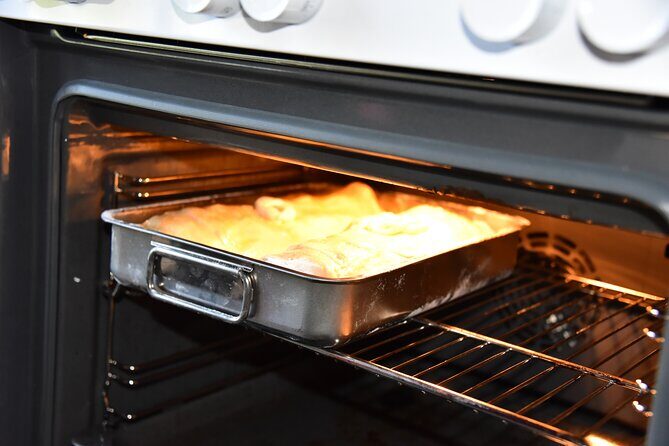
- Hands-on dough stretching: you learn the pastry skill, not just the recipe.
- Small groups (3–5 per group): you get help while you’re working.
- Two Austrian desserts: you make apple strudel plus either Salzburger Nockerl or an alternative like prezel, depending on the program.
- Included lunch with options: goulash soup or lentil stew, with vegetarian/vegan lunch available.
- Edelweiss Cooking School setting: the kitchen space is built into the rock wall/cave-like area, which feels very Salzburg.
- Bring cash if you plan on drinks: drinks aren’t included, and on-site payment details can catch some people off guard.
Where the cooking happens: Edelweiss Cooking School’s rock-wall setting
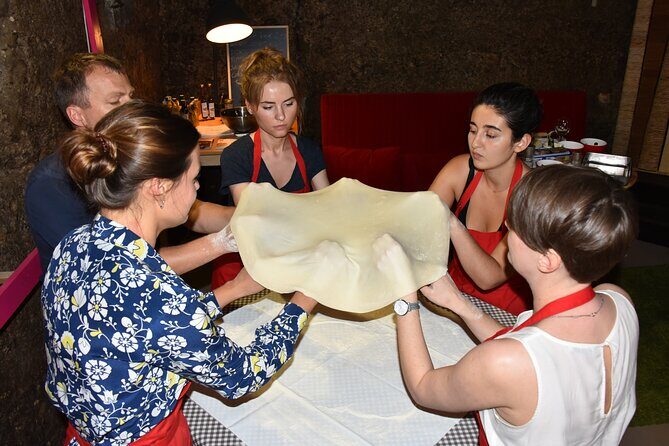
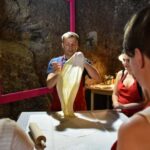
The class starts at Ursulinenpl. 9 and then the action happens at Edelweiss Cooking School. The location is special in a very practical way: you’re in a dedicated cooking space, and it feels carved into the rock wall, with a cave-like vibe that makes the whole thing feel different from a standard classroom.
That matters because strudel is one of those foods where the environment helps. Dough needs calm handling and a steady rhythm, and having a real kitchen setup makes the learning feel straightforward. Plus, it’s a good contrast to sightseeing tempo in Salzburg, where you can spend hours walking and still feel like you missed something.
Expect a cozy, active kitchen where you’ll be standing, working, tasting, and asking questions. Reviews also point out that stations and ingredients are set up ahead of time, so you can jump in quickly rather than waiting on prep. If you like learning by doing, this setting keeps you engaged.
You can also read our reviews of more cooking classes in Salzburg
Small-group format and the chef’s role in keeping you involved
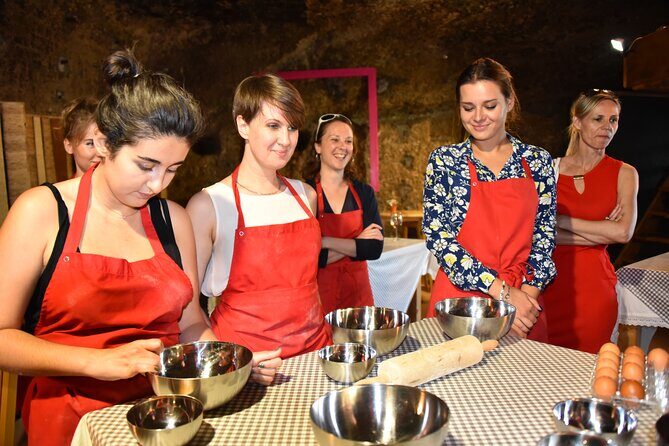
This isn’t a big show. The program runs in groups of about 3 to 5 people, with a total maximum of 15 travelers for the whole activity. That size is what makes the class work: you’re asked to take part in the main stages, including the tricky moments like stretching dough to the right thinness.
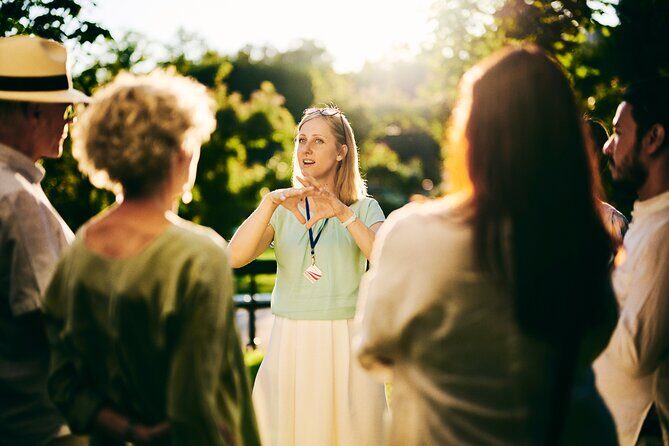
The chef instruction is hands-on and table-focused. In different sessions you may meet instructors such as Leonardo or Johan (both names show up in past classes), and the common theme is clear: the teaching is designed to keep you moving through the process. One useful detail from real experiences is that the instructor checks in with each group before you start, so you know what’s coming next.
The language offering is English, so you won’t have to translate pastry jargon in your head. And since you’re in a small group, it’s easy to chat with the people next to you while you work—one of those underrated travel perks. If you’re traveling solo or with friends who want a shared activity, this format makes it easy to connect without forcing it.
Apple strudel in real life: stretching dough without panicking
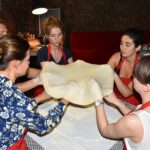
Apple strudel is the main event, and the class is built around teaching you the steps, not just the outcome. You’ll learn how to handle the pastry, including stretching it out until it’s thin enough to roll properly. That part is genuinely satisfying because it’s equal parts technique and confidence-building.
Here’s what makes it valuable for your own cooking back home: strudel isn’t just a recipe, it’s a method. When you learn the handling—how the dough should feel and what you do when it resists—you can adapt next time instead of relying on a single set of instructions.
In class, the process is designed so you can participate through the key stages. You’ll work with the pastry at the station, get guidance while you shape and prepare it, and then your baked creation comes out warm. Several past classes specifically mention strudel coming out piping hot, which is exactly what you want for eating right away.
Practical tip: if you’re the kind of person who likes to photograph everything, set expectations. You’ll get plenty of moments, but the goal is skill-building, not a static food tour. Keep a steady pace, listen for the small corrections, and trust the hands-on workflow.
Salzburger Nockerl (or prezel): how the second dessert changes the vibe
Most classes include apple strudel plus a second local specialty: Salzburger Nockerl. That’s the famous Salzburg dessert that gets described as spectacular, and in practice it’s a very different project from strudel. It’s lighter and more delicate, and it gives you range in Austrian baking skills.
Depending on the program shape, the second dessert can also be a fluffy Salzburg prezel instead of Nockerl. Either way, you’re still learning a classic local technique rather than making something generic you could get anywhere.
One reason this matters for value: it turns the class from a one-dish skill session into a broader experience. You leave with more than one flavor memory and more than one technique to try. Several past participants also point out that making the second dessert was fun, not just another plate to eat.
If you’re curious about trying local specialties beyond the usual Salzburg postcard stops, this part is the payoff. You’re learning two ways Salzburg does comfort food: one crisp-and-cozy pastry, one dessert with its own character.
Lunch first: goulash soup break that actually helps you enjoy the class
After the pastry work starts, you get an included lunch: goulash soup as the main option, or lentil stew. There’s also a vegetarian/vegan lunch option available. That’s a big deal because it keeps the class from turning into a sugar marathon where you’re too busy to appreciate what you’re making.
Goulash soup in particular is a great mid-lesson reset. It warms you up, helps you slow down just enough to pay attention, and gives you that Austrian comfort-food feeling right when you might otherwise be focused only on dough.
Another practical advantage: lunch makes the experience social. It’s when you can talk with the people in your small group and get a little context for what brought them to Salzburg. If you’re traveling with family or mixed ages, this is also the part that tends to land well since it’s simple, hearty, and served before the desserts.
One small note from real experiences: people often describe the soup as very delicious, and it’s common for them to clear their bowls. So plan for the fact that you might end up hungry again right after, just in the good way.
A few more Salzburg tours and experiences worth a look

What you take home: baked results, leftovers, and a useful recipe memory
You eat your desserts as part of the class, and the experience is designed to let you enjoy what you just made. Many classes emphasize that your strudel is served warm straight from the oven, which makes the whole thing feel like more than a lesson.
Another helpful detail: some past participants report being allowed to take leftovers home, and they mention the pastries staying crisp the next day. You can’t treat that as guaranteed for every class date, but it’s a realistic expectation if you ask how takeaway works.
You should also think of this class as a skill souvenir. Even without special tools, once you’ve felt the dough and learned the logic of shaping, you’re more likely to recreate it at home. Strudel dough handling is the part that sticks. The rest—filling amounts, spices, and timing—becomes easier because you understand the method.
If you like continuing the learning after you leave, you might also have the chance to buy a cookbook on site. Some past participants did, but the only safe advice is to keep an eye out for what’s offered during your session.
Price and value in Salzburg: what $72.56 actually buys you
At $72.56 per person, this sits in the midrange for cooking classes in Salzburg. The value comes from what’s included: lunch, cooking ingredients, and all taxes, fees, and handling charges. That’s important because some cheaper classes quietly charge extra for basics that you assumed were part of the price.
What’s not included is equally clear: drinks and hotel pickup/drop-off. So if you’re budgeting, plan to grab your beverage outside the class or bring cash if you want to buy something on-site (a few past participants noted the bar being cash only). The no-pickup setup also means you should be comfortable getting yourself to the meeting point by walking or public transit.
In my view, this price makes sense if you:
- want a hands-on pastry skill, especially stretching dough
- care about eating a real Austrian lunch, not just a snack
- like small-group learning where you’re actively working
If you’re mostly looking for a casual food tasting with minimal prep time, a different type of Salzburg experience may fit better.
Who should book this strudel class, and who should skip it
This fits best if you want an active Salzburg moment with real payoff. It’s ideal for:
- couples who want a shared activity beyond walking tours
- families (minimum age is 5 years, so younger kids can join if they’re up for the pace)
- solo travelers who want a small group where conversation is easy
- food lovers who like learning the “how,” not just the “what”
You might skip it if:
- you dislike fast-paced sessions
- you only want sightseeing rather than cooking
- you prefer tasting over making (since you’ll be participating through the stages)
For most people, though, it’s one of those rare travel activities that produces both a story and a skill. You get the local desserts, the hearty lunch, and the satisfaction of doing something with your hands that you can repeat later.
Should you book? My honest decision guide
If your trip includes even one day where you’re craving a break from monuments and long lines, this class is a strong choice. The small-group size, the chef-led pastry guidance, and the included lunch make it feel like real value rather than a pricey activity with only a snack.
Book it if you want to leave Salzburg with apple strudel confidence and at least one local dessert technique in your head. Pass on it only if you hate doing hands-on work or you know you won’t enjoy a brisk, skill-focused schedule.
If you can, check your timing so you’re not too hungry or too rushed getting to Ursulinenpl. 9. Then come ready to work the dough and eat what you make.
FAQ
How long is the Austrian Apple Strudel cooking class in Salzburg?
It runs for about 1 hour 30 minutes.
Where do I meet for the class?
You meet at Ursulinenpl. 9, 5020 Salzburg, Austria. The activity ends back at the same meeting point.
Is the class offered in English?
Yes, the experience is offered in English.
How many people are in the group?
The class is a small-group experience, with groups of 3 to 5 people, and a maximum of 15 travelers for the overall activity.
What do you eat during lunch?
Lunch includes goulash soup or lentil stew. A vegetarian/vegan lunch option is available.
What desserts will I make?
You learn apple strudel and also make Salzburger Nockerl depending on the program. In some cases, the alternative could be a fluffy Salzburg prezel.
Are vegetarian or vegan options available?
Yes. There is a vegetarian/vegan lunch option available.
Are drinks included in the price?
No. Drinks are not included.
What is the cancellation policy?
You can cancel for a full refund if you cancel up to 24 hours in advance of the experience start time. If you cancel less than 24 hours before, you won’t receive a refund.