REVIEW · VIENNA
Introducing Vienna Walking Tour: The Capital of the Habsburgs
Book on Viator →Operated by Viennatour - Herbert Stojaspal · Bookable on Viator
Habsburg Vienna fits in two hours. This guided walk strings together the big, story-driven landmarks—Hofburg power, court legends, and Austria’s political center—then ends in the most classic spot in town, St. Stephen’s, with a sweet payoff. You’ll get a clear sense of where everything is and how it all connects, without needing museum tickets or a full day.
I especially like the small-group size (maximum 15), because you can actually ask questions as you go, instead of shouting over a crowd. I also like the practical ending: finishing at Lindt Chocolate Boutique near St. Stephen’s makes the whole loop feel complete, not just informational.
One thing to plan for: it’s a compact, fast-moving route. There’s limited time for long photo stops, and it’s not recommended for younger children—so if you want slow sightseeing with lots of breaks, you may feel a bit rushed.
In This Review
- Key points to know before you go
- Entering Vienna’s Habsburg Heart: Why This Walk Works
- Meeting at Michaelerplatz and Ending at Lindt by St. Stephen’s
- St. Michael’s Church and Ancient Ruins: The Vienna Backstory You Can See
- White Stallions: Court Tradition as a Visual Clue
- Hofburg Origins: The Habsburg Residence Since the 12th Century
- Hero Square and Austrian Government: How Power Gets Placed
- Holy Lance and Imperial Crowns: The Hofburg Relic Stop
- Joseph’s Square and Maria Theresia: Reign Secrets in One Walk
- Albertina Area and the Largest Drawing Collections Claim
- Remembering the 20th Century: Monument Against War and Fascism
- Opera Ticket Tip: The 3 Euro Deal and Why It Matters
- St. Stephen’s Cathedral Area: The Perfect Place to Keep Exploring
- Price and Time: Is 35.07 USD Worth It?
- Who Should Book This Tour (and Who Might Skip It)
- Should You Book This Vienna Habsburg Walking Tour?
- FAQ
- How long is the Vienna Walking Tour?
- What group size is the tour limited to?
- Where do I meet the guide and where does it end?
- Is the tour offered in English?
- What’s included in the price?
- Are food and drinks included?
- Does the tour run in all weather?
- Is free cancellation available?
Key points to know before you go
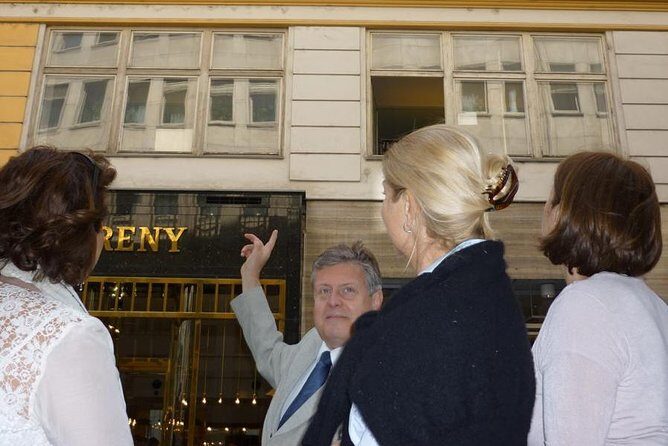
- A maximum of 15 people keeps the tour conversational and question-friendly
- Hofburg-centered route links the dynasty, relics, and modern-day meanings in one walk
- Opera ticket tip near the center includes the practical 3 euro deal for daily changing performances
- A clear finish at St. Stephen’s makes it easy to keep exploring right after
- Weather happens: the tour runs in all conditions, so dress for Vienna winds and cold mornings
Entering Vienna’s Habsburg Heart: Why This Walk Works
This tour is built for orientation. In about two hours, you cover the stretch of central Vienna where the Habsburgs staged their power—and where Austria still shows the echoes of empire. It’s not a museum crawl. Instead, it’s a guided “map in motion,” using landmarks as anchors so you understand what you’re looking at.
The best part is how the stories connect. You don’t just get dates. You get the why: why certain buildings mattered, why certain squares got their names, and why today’s Vienna still feels shaped by imperial choices. That makes it a strong first-day plan, especially if you’re trying to decide what you want to see more closely later.
You can also read our reviews of more walking tours in Vienna
Meeting at Michaelerplatz and Ending at Lindt by St. Stephen’s
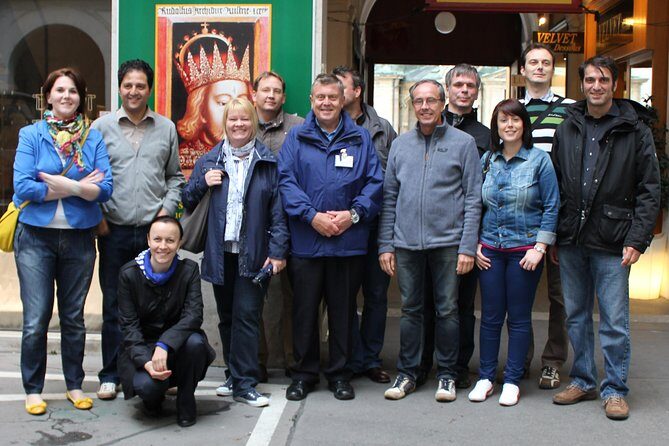
You start at Michaelerplatz 3 (1010 Vienna). From there, you’ll be walking through the historic core—mostly straightforward, central streets. The route is designed to stay near major landmarks, so you’re not spending the “good sightseeing time” looking for the next stop.
You finish at Lindt Chocolate Boutique, Stephansplatz 8A (near St. Stephen’s Cathedral). The tour ends at the kind of location where you can immediately continue on your own. If you want to check out the cathedral area next, this is a convenient landing spot rather than a random street corner.
For subway access at the end, the U1/U4 line at Stephansplatz is the key station. If you’re using public transit, this tour fits nicely because you can get there easily and then leave easily after.
St. Michael’s Church and Ancient Ruins: The Vienna Backstory You Can See
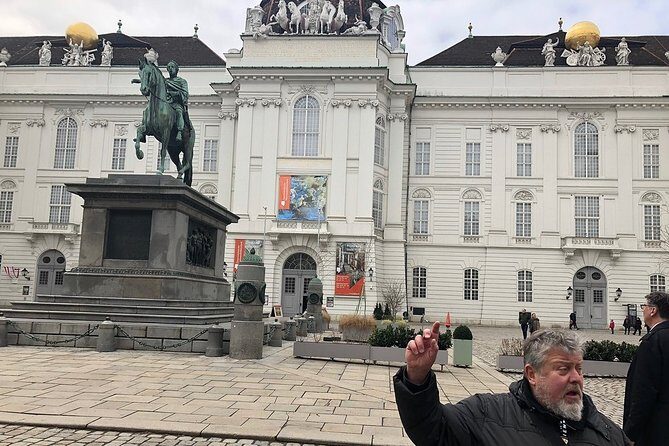
The first stop is St. Michael’s church, alongside Roman and medieval ruins. This is a smart opener because it reminds you Vienna didn’t start as an imperial capital. It grew. And those early layers matter for how the city “reads” today.
Expect your guide to connect the early settlement story to the later Habsburg era as you walk. Even if you’ve heard the broad timeline before, this kind of start helps you place the rest of the route in context. It also sets the tone: history here isn’t just a list—it’s visible in the architecture and location choices.
White Stallions: Court Tradition as a Visual Clue
Next comes the stop focused on the white stallions. This is one of those Vienna details that sounds oddly specific until you understand what it represents: elite display, discipline, and cultural identity tied to the court.
The value of this stop isn’t that you’ll learn a single fact and move on. It’s that you’ll learn how court culture shows up in everyday sights. You’ll start noticing how the Habsburgs used spectacle and symbolism to reinforce authority—then you’ll see that theme repeat later around Hofburg.
Hofburg Origins: The Habsburg Residence Since the 12th Century
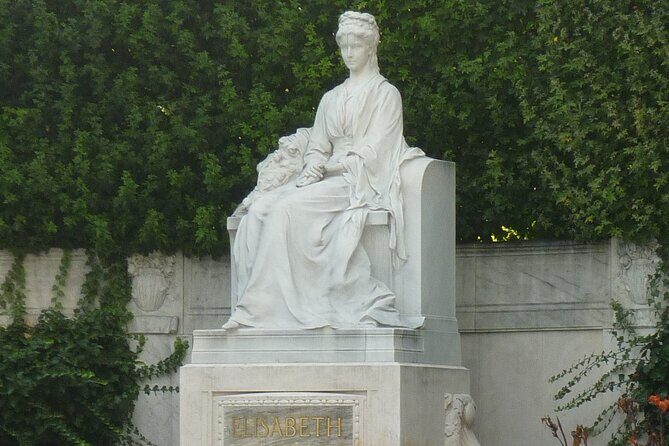
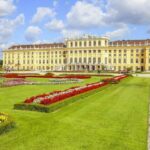
From here, the walk moves into the big idea: the Habsburg dynasty’s residence going back to the 12th century. This is the anchor of the whole tour. You’ll pass through the “center of gravity” of Vienna’s imperial era, where governance, ceremony, and identity were tied together.
What makes this part useful is the way it’s explained while you’re looking at the complex. You can connect what you’re seeing now to the story of why it became the place where decisions were made. It’s a shortcut to understanding the Hofburg beyond postcards.


Hero Square and Austrian Government: How Power Gets Placed
Then you reach Hero Square (the itinerary calls it hero square) and you’ll get context on the Austrian government system. This is a great pivot moment because it turns history into something you can map to modern life.
In simple terms, the Habsburg legacy isn’t just in museums. It’s in how central Vienna is laid out and how authority has been staged in public space. When you understand that, you’ll find later sights make more sense. You’ll also get a clearer mental map for the next day—especially if you plan to visit one or two deeper sights after the walk.
Holy Lance and Imperial Crowns: The Hofburg Relic Stop
One of the tour’s most memorable segments is the stop where you learn about unbelievable items, including the “Holy Lance” Jesus was pierced with, and the crown of the Holy Roman Empire. Even if you approach religious history with a practical mindset, this is still fascinating because it shows how belief and legitimacy worked hand in hand in European courts.
This isn’t just trivia. It’s a lesson in political storytelling. Those relic stories helped strengthen authority, unify factions, and frame rulers as part of something larger than politics. Hearing it while you’re in the right historic setting makes it click.
Joseph’s Square and Maria Theresia: Reign Secrets in One Walk
You’ll then head to Joseph’s Square, where you learn more about Maria Theresia’s reign. This is another smart design choice: the tour doesn’t only focus on architecture. It brings key figures into the street-level route.
Maria Theresia is one of those names that can feel abstract if you only read about her. But on this tour, you connect her era to specific locations and the way the city’s power center operated. You come away with a stronger sense of why her reign is remembered and how it relates to what you’re seeing now.
Albertina Area and the Largest Drawing Collections Claim
Another stop includes the residence of Albert and Maria Christina, noted as hosting the largest drawing collections worldwide. This is where Vienna’s cultural side shows up clearly: power wasn’t only about armies and laws. It was also about collecting art, shaping taste, and building a legacy that outlasted a ruler.
If you’re the type who likes to understand a city as an ecosystem—politics, religion, art, and public life—this stop matters. It gives you another angle on the Habsburg period: not just what they controlled, but what they valued enough to preserve.
Remembering the 20th Century: Monument Against War and Fascism
The itinerary includes the Monument Against War and Fascism, officially called that. The point here is simple and heavy: it’s meant to make people remember victims of war, including Nazi rule in Austria.
This moment gives the tour emotional balance. You get an overview that stretches from medieval and imperial Vienna into the realities of the 20th century. If you’ve been focusing only on grand architecture during your trip, this stop helps restore perspective.
It’s also a reminder that central Europe history isn’t only about elegance. It’s about consequences.
Opera Ticket Tip: The 3 Euro Deal and Why It Matters
Near the center, the tour includes a practical tip about Vienna’s opera scene: daily changing opera offerings, with the cheapest tickets listed at 3 Euros. That’s a standout piece of real-trip usefulness because it’s the kind of information that can save you money and help you plan on the fly.
Even if you don’t plan to go to the opera, this stop still helps you understand how Vienna uses its cultural institutions as public-facing identity. A big city show isn’t kept behind doors. It’s part of daily life—so long as you know where to look and when to show up.
St. Stephen’s Cathedral Area: The Perfect Place to Keep Exploring
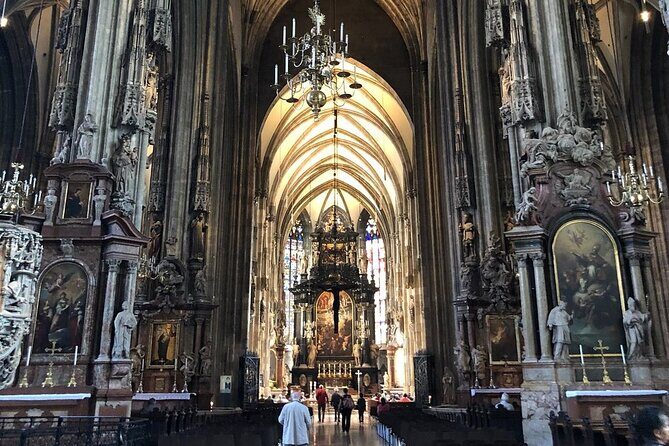
The tour ends in Vienna’s center by St. Stephen’s Cathedral. Finishing here is not random. It’s a natural “hub” where you can branch out in multiple directions.
You’ve been given the historical map of the Habsburg era and the modern anchors around it. Now you’re set down in the busiest kind of area—one where you can grab a coffee, find a restaurant, or take your time looking at the cathedral details after your guided portion is done.
If you planned your day around this tour, the timing often helps you avoid the next-day “where do I go?” scramble.
Price and Time: Is 35.07 USD Worth It?
At $35.07 per person for an approximately two-hour walk, the value comes from what’s included: a professional certified tourist guide who keeps the route coherent. You’re not paying for a single landmark; you’re paying for connections—dynasty, politics, culture, and 20th-century memory—delivered while you’re standing at the right places.
The small-group cap of 15 is part of the value. It supports questions and pacing. It’s also why the tour can feel more like a guided conversation than a loud slideshow.
The main time trade-off is the compact schedule. If you like slow sightseeing and want lots of picture time at every stop, you may find two hours is tight. Your best strategy is to treat this tour as your orientation pass, then return later for the places that catch your attention.
Who Should Book This Tour (and Who Might Skip It)
This is a great match if:
- You want a first-day Vienna plan that builds an easy mental map fast
- You like Habsburg-era stories tied to real buildings and squares
- You prefer a small-group walking format over sitting in a vehicle
You might want to skip or pair it differently if:
- You travel with younger children who need more frequent breaks
- You want long, unscheduled photo time at each stop
- You already know Vienna well and expect a more niche, deep specialist route
Also, the guide experience really shapes the feel of the tour. Herbert Stojaspal is the named provider and owner, and at least one other guide name (Dorothea) appears in the available tour feedback. So you’ll likely get a strong mix of storytelling and structure.
Should You Book This Vienna Habsburg Walking Tour?
Yes, if you want an efficient, story-driven way to understand central Vienna—especially the Hofburg era—and you’re happy to walk for about two hours. It’s priced like a practical introduction, not like a private history lecture, and the small-group size helps it feel personal.
If you’re deciding between this and a heavier museum day, consider doing this first. You’ll leave with names, locations, and themes that make later visits easier to enjoy. Then you can spend your time where your interests actually land—cathedral details, Hofburg corners, or whatever imperial story hooked you.
FAQ
How long is the Vienna Walking Tour?
The tour runs for about 2 hours.
What group size is the tour limited to?
The maximum group size is 15 travelers.
Where do I meet the guide and where does it end?
You start at Michaelerplatz 3, 1010 Wien, and you end at Lindt Chocolate Boutique, Stephansplatz 8A (near St. Stephen’s Cathedral).
Is the tour offered in English?
The tour is offered in English. Still, it’s a good idea to check the language listed on your ticket before you go.
What’s included in the price?
The included item is a professional certified tourist guide.
Are food and drinks included?
No. Food and drinks are not included.
Does the tour run in all weather?
Yes, it operates in all weather conditions.
Is free cancellation available?
Yes. You can cancel up to 24 hours in advance for a full refund. If you cancel less than 24 hours before the start time, you won’t get your money back.