Vienna goes by fast on foot. This small-group walk is built for first-timers who want Vienna’s big landmarks without wrestling museum logistics. I love the 15-person cap and the audio devices, which help you keep up with the guide’s stories in busy squares. The main trade-off is that it stays mostly outside—so you get great views and context, not museum-style inside access.
This is the kind of tour that helps you get your bearings fast. You’ll move from Maria-Theresien-Platz onto the Ringstraße, loop past major civic buildings, then wind through palace and church areas before ending at St. Stephen’s Cathedral by Stephansplatz. Guides such as Dace and Giselle are often praised for clear, English narration and a humor-first approach that keeps even a brisk walk from feeling like a lecture.
One more practical note: expect real walking. People mention a count around 14,000 steps over roughly 2.5 hours, so comfy shoes and a weather-ready layer matter.
In This Review
- Key things that make this tour worth your time
- Why this 2.5-hour route works so well for first-time Vienna
- Small group + audio devices: the practical advantage you’ll feel immediately
- Maria-Theresien-Platz and the start of the Ringstraße story
- Ringstraße buildings you can spot quickly (and actually understand)
- Hofburg Palace and Heldenplatz: where imperial power feels close
- St. Michael’s Church, the Chancellor’s office, and a calmer kind of grandeur
- The historic center walk: coffee-house culture and music-linked stops
- Volksgarten and the Temple of Theseus (small detour, big payoff)
- Beethoven’s former home and Vienna’s academic legacy
- Freyung, Graben and Kohlmarkt: the classic shopping streets, at walking pace
- Stephansplatz and St. Stephen’s Cathedral: the finish line you can build on
- What to expect on the ground: pacing, weather, and the outdoor focus
- Price and value: what $72.56 buys you (and what it doesn’t)
- Should you book this Vienna Historic Center walking tour?
- FAQ
- FAQ
- How long is the Vienna Historic Center small-group walking tour?
- What does the tour cost?
- What group size should I expect?
- Is the tour offered in English?
- Where does the tour start and where does it end?
- Do we enter any museums during the tour?
- Is there an audio device provided?
- Is this tour suitable for people with mobility issues?
- Is the tour affected by weather?
- What ticket do I receive?
Key things that make this tour worth your time
- A tight group (max 15) means questions actually get answered, not waved off.
- Audio devices keep commentary audible in crowded areas around the Ringstraße.
- Ringstraße in one sweep: you see the grand boulevard style and the UNESCO-listed stretch right up close.
- Hofburg + imperial stories: palaces, power, and court-life context as you pass major exterior highlights.
- Coffee-house and music culture stops connect famous Viennese personalities with everyday spots.
- Ends at Stephansplatz so you can pivot immediately into independent exploring.
Why this 2.5-hour route works so well for first-time Vienna
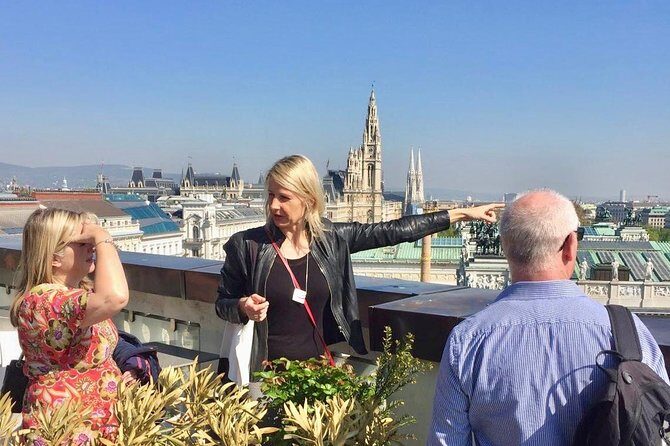
If you only have a day or two, Vienna can feel like a lot. This tour helps because it focuses on the historic core and links sights to stories—politics, culture, and the way the city grew.
You start at Maria-Theresien-Platz, a wide stage set between the Museumsquartier area and Ringstraße. From there, you build momentum as you move onto the Ringstraße loop and then transition into the palace-and-church heart of the city, finishing at St. Stephen’s Cathedral. It’s a strong choice for a first day because it gives you mental “anchors” you can use later when you’re choosing where to wander.
You can also read our reviews of more walking tours in Vienna
Small group + audio devices: the practical advantage you’ll feel immediately
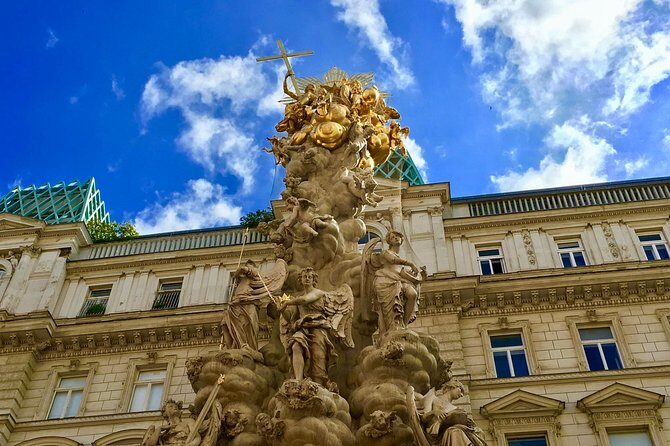
A lot of walking tours sound good on paper. What matters in Vienna is noise, crowds, and spacing. Here, the cap at 15 people makes a real difference: you’re not stuck staring at the back of someone else’s camera while the guide tries to talk over traffic.
Even better, the tour uses audio devices. That means you can actually hear the guide when you’re near the Town Hall (Rathaus), the Parliament area, or the busiest parts of the historic center. One practical benefit of this setup is that you can keep walking without constantly “catching up” when someone stops to take a photo.
Maria-Theresien-Platz and the start of the Ringstraße story
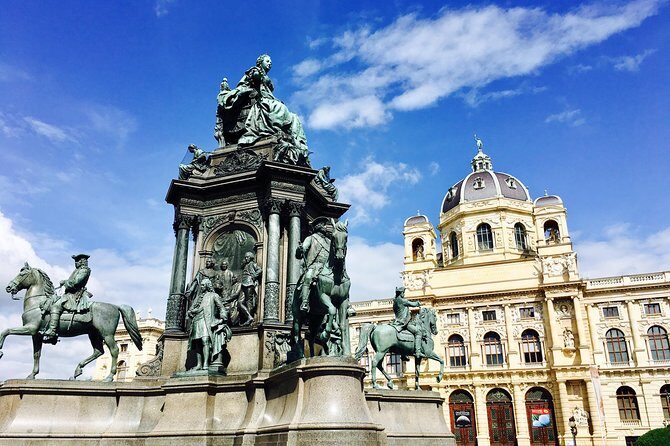
The tour begins with Maria-Theresien-Platz, a big square framed by two twin buildings: the Natural History Museum and the Art History Museum. You also get the centerpiece statue honoring Empress Maria Theresa, which sets the tone for what’s next—Vienna’s habit of turning power and culture into public monuments.
From there you move to the Maria Theresia Denkmal, described as one of the most impressive monuments along the Ringstraße. You’re not just looking at a statue; you’re learning how Ringstraße-era city planning put rulers, institutions, and style into the open air. The guide’s talk helps you notice things your eye might skip on your own.
Then comes the Ringstraße itself. This grand circular boulevard replaced medieval fortifications in the second half of the 19th century, and the architecture you see around it blends Classical, Gothic, Renaissance, and Baroque elements. This is also part of Vienna’s UNESCO World Heritage listing, so you’re walking along an officially recognized “big deal” stretch—not random streets.
Ringstraße buildings you can spot quickly (and actually understand)
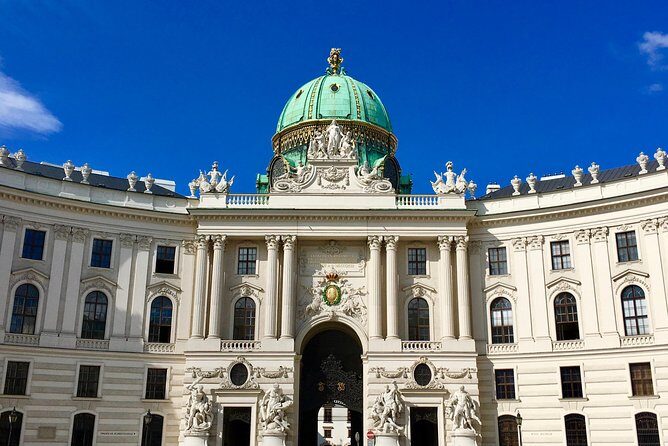
As you walk the Ringstraße corridor, you pass major landmarks that define Vienna’s skyline. You’ll see the Neo-Gothic City Hall (Rathaus) area and the Austrian Parliament Building as part of the civic sweep.
There’s also a stop near Kunsthistorisches Museum Vienna, the royal-art collection building the route starts alongside. Even though the tour doesn’t do museum entry, this moment helps you understand the geography: you’ll better recognize which big buildings belong to the museum district and which ones anchor government power.
Next is the Burgtor, a neoclassical gate built after the Napoleonic wars. This is one of those stops where the guide’s context matters: a gate is never only a gate in Vienna—it’s a clue to the city’s changing layers of defense, display, and administration.
Hofburg Palace and Heldenplatz: where imperial power feels close
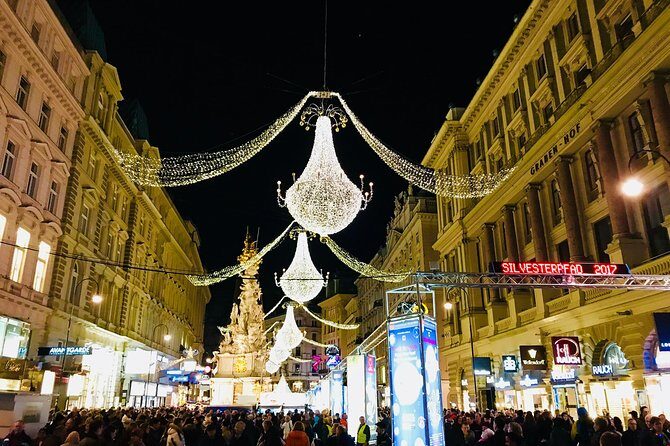
The tour spends a good chunk in the Hofburg area, Vienna’s long-running center of imperial power. You’ll get outside views while the guide lays out how the complex evolved over time and what court life was like for the people who lived inside these walls.
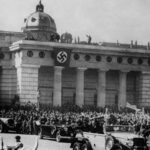
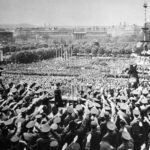
One very specific moment in this zone is the mention of the Hofburg New Castle balcony tied to the Anschluss. You may not want to linger there for long if you prefer light-and-laughs only, but it’s an important historical connection that adds weight to what you’re seeing.
From Hofburg you move to Heldenplatz (Heroes Square). It’s attached to the city where an old bastion once stood, removed during Napoleonic-era changes. This makes the square feel less like a random plaza and more like a public “stage” built from layers of history.
You also pass by the Austrian National Library area and the Baroque Winter Riding School at the Hofburg. Even if you don’t time your trip for the performances, it’s still a fascinating sight because it connects Vienna’s classical image—music, ceremony, and performance—to the physical spaces where tradition gets practiced. The tour route keeps it exterior-focused, but the surrounding context makes these stops memorable.
You can also read our reviews of more historical tours in Vienna


St. Michael’s Church, the Chancellor’s office, and a calmer kind of grandeur
Vienna isn’t only palaces and parades. The walk includes St. Michael’s Church, dating back to 1220. The guide frames it as one of the churches with a special atmosphere, and even a brief exterior stop can help you switch from imperial politics to older spiritual roots.
Then you pass the Office of the Federal Chancellor of Austria and head toward Rathaus (the neo-Gothic City Hall). This is where the tour balances different Vienna moods: historic religious architecture nearby modern state identity, both in the same walking day.
If you’re the type who likes your facts organized, this portion is helpful. You see how the city uses architecture to communicate identity—who rules, what matters, and how those ideas get built into stone.
The historic center walk: coffee-house culture and music-linked stops
After the civic and palace zones, the route shifts into the human-size Vienna people talk about: writers, thinkers, and the coffee-house habit that turns everyday breaks into cultural rituals.
There’s a moment positioned around a classic Vienna coffee-house scene where you’re told about major writers and composers meeting over coffee, cake, and cigars. The specifics aren’t meant as trivia—this stop is there to explain why Vienna feels the way it does. It’s a city where conversation is treated like a form of art.
A strong follow-up is Burgtheater, described as one of the best theaters in the world. You won’t be going inside, but the exterior stop still helps you place Vienna’s performance culture in the physical city—so later, when you see playbills or street posters, it won’t feel random.
Volksgarten and the Temple of Theseus (small detour, big payoff)
In Volksgarten, the tour points out the Theseus Temple, described as a small replica tied to Hephaisteion in Athens. This is a neat contrast against the big Ringstraße style because it’s quieter and more intimate.
The walk also connects the park to music history through the Cortisches coffee house, noted as a spot where Johann Strauss played waltzes. Even though you’re not sitting with a coffee here during the main tour time, the stop gives you a clear narrative bridge: Vienna’s grandeur isn’t only official buildings; it also lives in the routines of musicians and regulars.
Beethoven’s former home and Vienna’s academic legacy
One of the more rewarding stops for many people is Beethoven Pasqualatihaus, described as a former residence of Ludwig van Beethoven. You’re told it sits on an exposed position on the ramp of former town fortifications, which adds a fun layer: it’s not just where Beethoven lived, it’s also tied to older city structure.
Then the tour shifts toward scholarship at University of Vienna. The guide links Vienna’s academic legacy to global science and specifically mentions Sigmund Freud and Lise Meitner. That combination—arts and science in the same historic city loop—helps you understand why Vienna is so often described as a place of ideas, not only sights.
Freyung, Graben and Kohlmarkt: the classic shopping streets, at walking pace
The route includes Freyung, one of the oldest squares in the city center, known for an intimate, picturesque feeling. It’s the kind of place you can imagine artists wandering through on a day off—different from the grand boulevard energy of Ringstraße.
Then you hit Graben and Kohlmarkt, described as the most elegant pedestrian shopping street area in Vienna. This is a practical moment too: it’s where you’ll likely start noticing storefronts and street-level Vienna without the heavy museum setting. If you plan to browse after the tour ends, this is a nice “preview” stretch.
Stephansplatz and St. Stephen’s Cathedral: the finish line you can build on
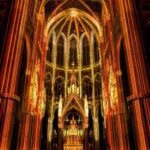
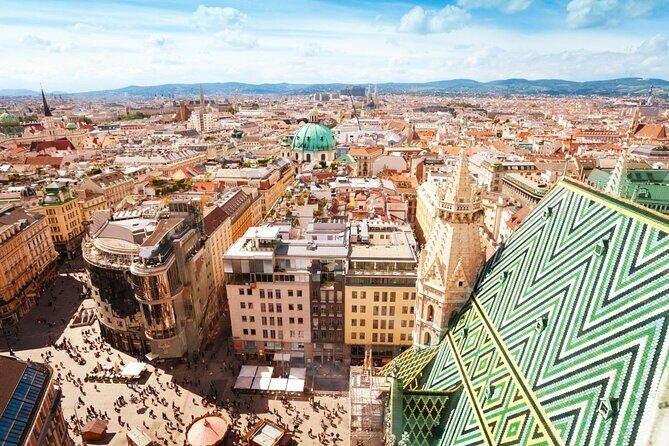
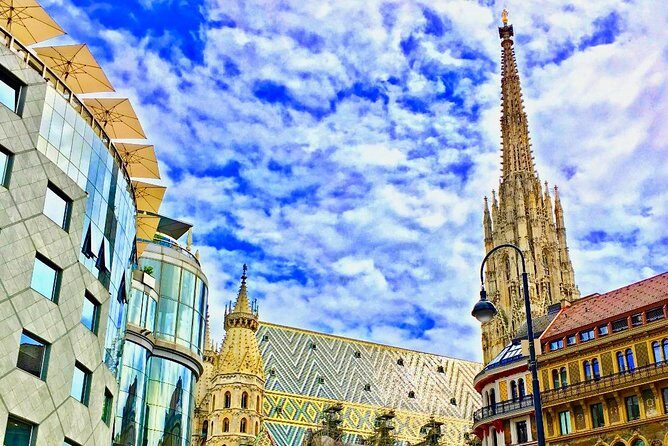
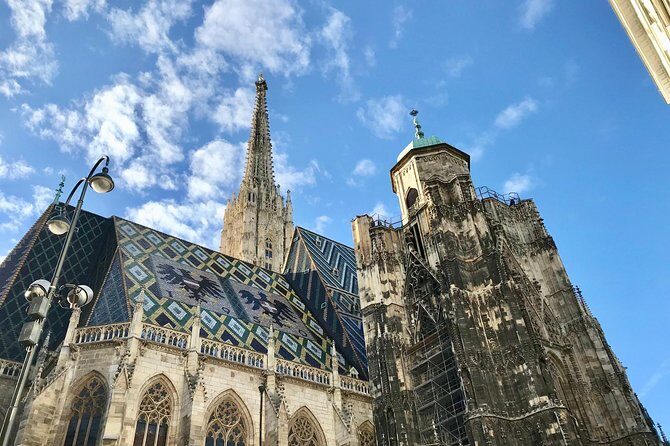
The tour ends at Stephansplatz, described as the heart and soul of Vienna’s center. The big payoff is St. Stephen’s Cathedral, framed as Vienna’s most famous landmark.
Even without going inside as part of this experience, arriving here at the end is smart. You’re dropped at a hub, so you can branch out based on your energy—linger for photos, explore nearby lanes, or plan your next stop with a clear sense of direction.
What to expect on the ground: pacing, weather, and the outdoor focus
This is an outdoor-first tour. The tour specifically says it does not visit the inside of any museum. You may still see churches, and depending on the day, you might visit some other indoor locations such as palaces, the university, or a café—but don’t plan this day around museum ticket logistics.
Expect a brisk pace. People often mention lots of walking in a short window, plus the feeling that the guide keeps things moving so you cover major zones efficiently. If you want a slow, stop-every-10-minutes style tour, this one may feel like work.
Weather matters. The experience requires good weather, and if it’s canceled due to poor conditions, you’ll be offered a different date or a refund.
Finally, dress for comfort. A common practical theme from past participants: wear comfortable shoes and bring a warm layer. Vienna can be crisp, and the tour’s speed means you can’t always rely on frequent indoor breaks.
Price and value: what $72.56 buys you (and what it doesn’t)
At $72.56 per person for about 2 hours 30 minutes, you’re paying for a guided city orientation that packs in major landmarks across the historic center. The value isn’t museum access—it’s the guided narrative plus the small-group structure and audio devices, which make the walk easier to follow.
You’ll likely get the most out of this if you’re planning your trip in stages. Use the tour day to learn the layout and the key “story” buildings; then spend later time choosing one museum, one church, and one neighborhood you liked best.
If you’re the type who expects to go inside major attractions during the tour, you may feel shortchanged. This experience is designed to explain and point out, not to run museum-entry marathons.
Should you book this Vienna Historic Center walking tour?
Book it if you want a fast, clear way to understand central Vienna—especially if it’s your first visit or you’re short on time. The 15-person cap, audio devices, and the Ringstraße-to-Hofburg-to-St. Stephen’s route make it a strong orientation tool.
Skip it (or plan something different alongside it) if your top priority is interior museum access during the same day. Also skip it if walking for around 2.5 hours feels like a strain. This tour is marked for moderate physical fitness, and it’s not recommended for walking disorders.
If you want a day that mixes architecture, politics, music culture, and “how Vienna thinks,” this one delivers—and it ends in the perfect place to keep exploring on your own.
FAQ
FAQ
How long is the Vienna Historic Center small-group walking tour?
It runs for about 2 hours 30 minutes.
What does the tour cost?
The price is $72.56 per person.
What group size should I expect?
The tour is capped at a maximum of 15 travelers.
Is the tour offered in English?
Yes. The experience is offered in English.
Where does the tour start and where does it end?
It starts at Maria-Theresien-Platz, Wien, Austria and ends at Stephansplatz, 1010 Wien, Austria, near St. Stephen’s Cathedral.
Do we enter any museums during the tour?
No. The tour does not visit the inside of any museums. You may see churches and, depending on the weekday, you might also visit some other indoor locations such as palaces, the university, or a café.
Is there an audio device provided?
Yes. The tour uses audio devices so everyone in the group can hear the guide.
Is this tour suitable for people with mobility issues?
It’s recommended for people with moderate physical fitness and is not recommended for travelers with walking disorders.
Is the tour affected by weather?
Yes. It requires good weather. If it’s canceled due to poor weather, you’ll be offered another date or a full refund.
What ticket do I receive?
You get a mobile ticket.