REVIEW · VIENNA
Vienna: World War II Historical Walking Tour
Book on GetYourGuide →Operated by Good Vienna Tours · Bookable on GetYourGuide
Vienna can feel like a postcard. Then this tour points to the fractures underneath. I like how it connects Hitler’s early ideology to the political mood of Vienna, and I also love the chance to see the synagogue that survived the Nazi regime alongside the Holocaust memorial. The only drawback: it deals with heavy subjects, so if you want a lighter, feel-good walk, this may not fit your mood.
You start right where Vienna’s story tends to start—near the Albertina and the Opera House—then the guide leads you through places that show how fear and rivalry shaped daily life. Over about 150 minutes, you cover the city’s WWII scars, the shock of mass bombing, and what it looked like when Vienna was divided after the war. One consideration is that this is a walking tour, so comfortable shoes matter even though there are likely chances to pause.
If you want to understand Vienna beyond palaces and coffee houses, this is a focused way to do it. The route is built for context, not just photos, and the sites are unforgettable. My advice: wear layers, bring a bottle of water, and be ready for a guide who keeps the tone serious without turning it into a lecture.
In This Review
- Key Highlights You’ll Care About
- Starting at the Albertina: Where Vienna’s Past Meets the Present
- Hitler’s Vienna: How a City’s Mood Shapes a Young Mind
- WWII Scars on the Streets: The Scale of Bombing in One City
- The Synagogue Stop: Why Survival Here Matters
- Holocaust Memorial: A Pause That Forces Real Attention
- Postwar Vienna: What Division Looked Like After WWII
- Walking Time, Stops, and Listening Tech That Helps
- Cost and Value: Is $31 Worth It?
- Who This Tour Fits Best (and Who Might Skip It)
- Should You Book This WWII Walking Tour?
- FAQ
- How long is the Vienna World War II Historical Walking Tour?
- Where does the tour start?
- Is the tour guided and in English?
- What major sites will we visit?
- Does the price include attraction entrances?
- Can I get a full refund if my plans change?
Key Highlights You’ll Care About
- Only synagogue in Vienna known to have survived the Nazi regime, so the history feels specific and real
- Holocaust memorial stop that makes the story impossible to treat like trivia
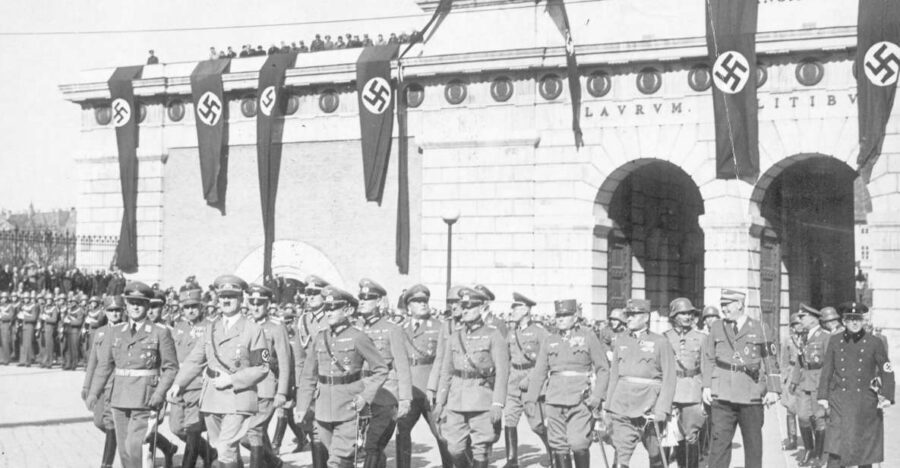
- WWII damage and the bombing impact—including the scale of over 100,000 bombs
- Vienna’s postwar division, including the unusual Allied arrangement in zones
- A 150-minute walking format that stays practical, with built-in stops to listen and reset
- English live guide with clear storytelling, often supported by headsets on larger groups
Starting at the Albertina: Where Vienna’s Past Meets the Present
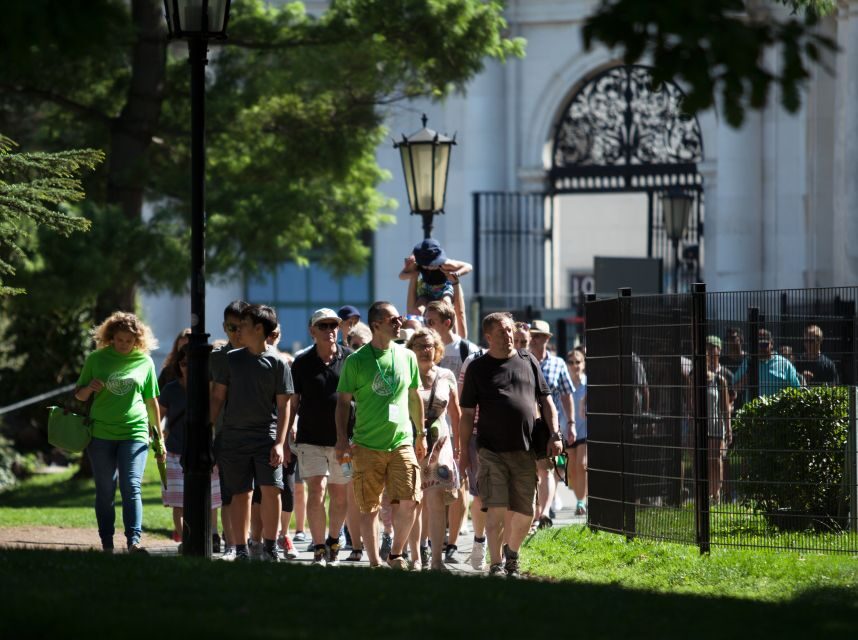
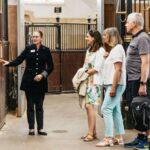
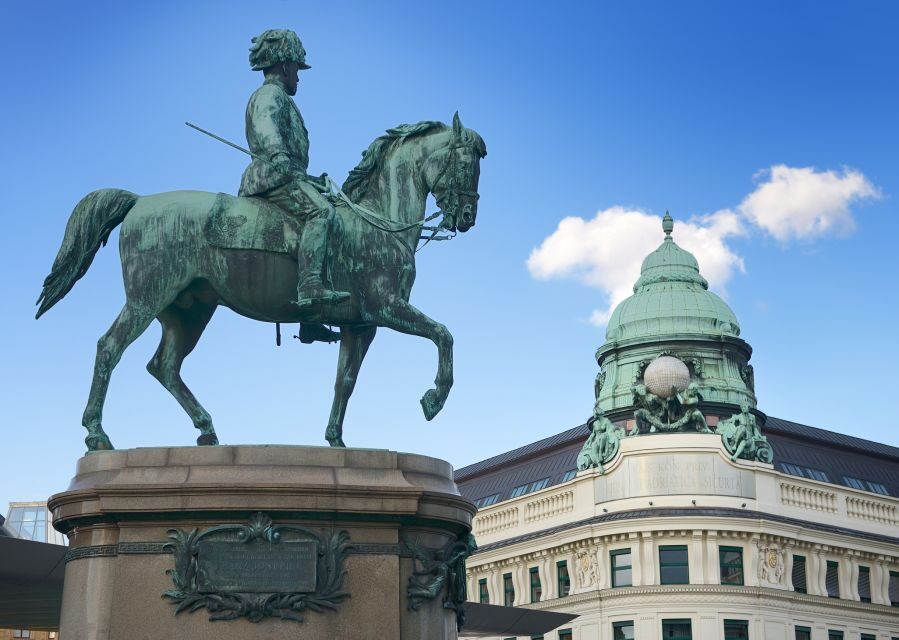
The walk begins outside the Albertina Museum area, next to the famous Opera House. Your meeting point is simple once you spot it: look for the green umbrella in front of Albrechtsbrunnen, by the fountain downstairs at the Albertina (the subway stop is Karlsplatz/Oper).
This matters because the start location does two things at once. First, it gets you in the center of Vienna where you can quickly orient yourself. Second, it sets up a contrast you’ll feel all tour: beautiful architecture and public grandeur right next to the darker layers of the twentieth century.
Logistics-wise, it’s not a sit-and-scoot tour. You’ll be moving through city streets for about 150 minutes, and it’s the kind of pace where you’ll want to keep your energy up. I’d plan your day so you’re not trying to chain it with another long activity right after.
One practical tip: treat the first five minutes like a warm-up. The guide often uses the early stretch to set the timeline—Hitler’s early years, Vienna’s political climate, and why this city produced fertile ground for extremist ideas. If you tune in early, everything later makes more sense.
You can also read our reviews of more walking tours in Vienna


Hitler’s Vienna: How a City’s Mood Shapes a Young Mind
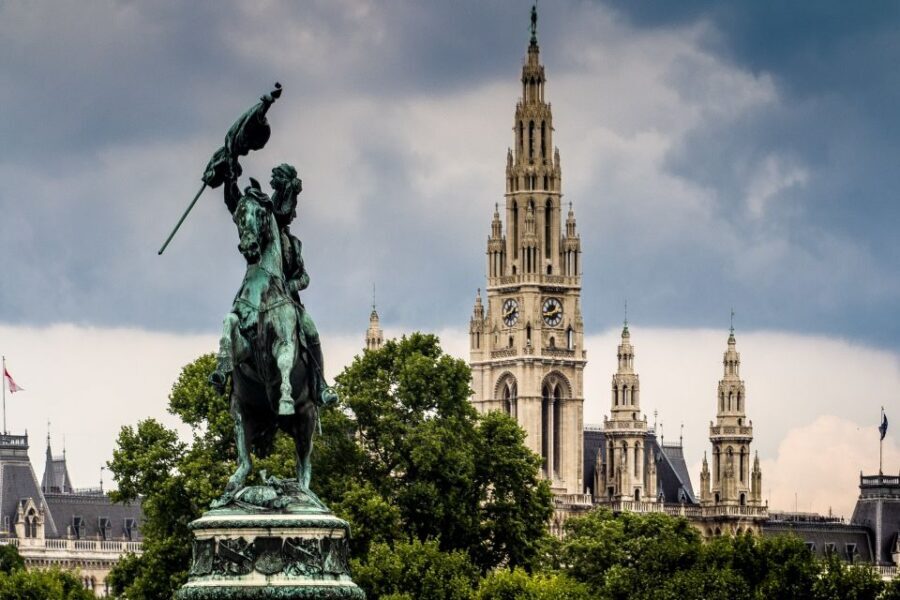
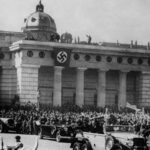
The tour’s core narrative is Vienna’s social and political climate—and how that environment influenced the mind of a young Adolf Hitler. You’ll hear about how an art student became a feared dictator, with the emphasis on the path, not just the destination.
This is where the tour is strongest if you like cause-and-effect history. Instead of only listing dates, the guide connects rising fear, ethnic rivalry, and social tension to the kind of propaganda that spreads when people feel threatened. That framing helps you understand why extremist ideology didn’t grow in a vacuum.
You’ll likely get plenty of context while walking past key locations. Guides connected to this tour have been praised for turning scenes into stories and keeping the group engaged with questions. In other words, you’re not just absorbing facts—you’re building a picture of how Vienna changed, and how that change fed into Hitler’s thinking.
If you’re already familiar with WWII basics, don’t worry. A good version of this tour still adds value by showing you how Vienna’s unique mix of politics and culture created conditions that were especially dangerous. The names you might hear from guides include Dieter and Stefan, among others, and the common thread is clear, structured storytelling.
WWII Scars on the Streets: The Scale of Bombing in One City
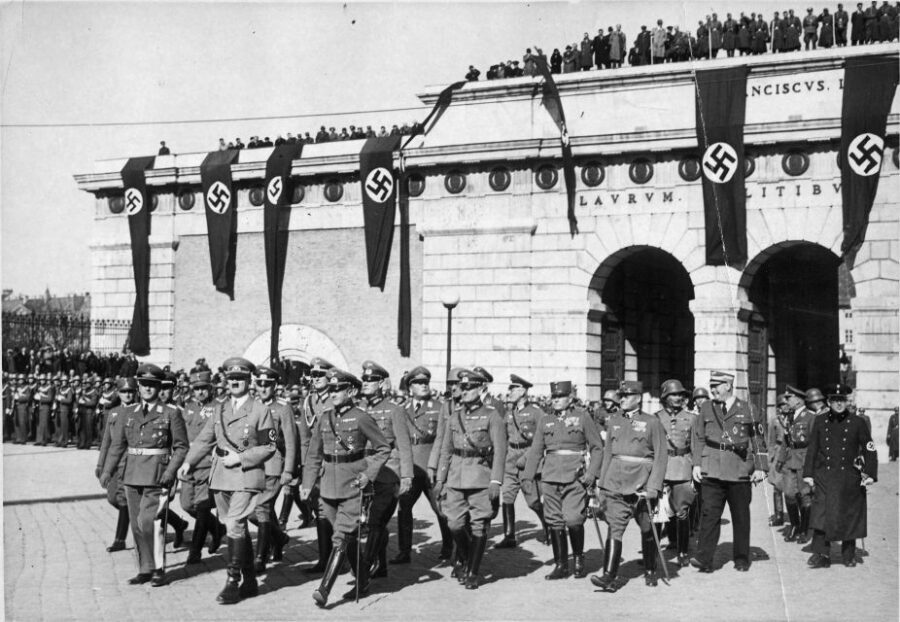
One of the stops is tied to the effect of WWII bombing on Vienna, including the shocking impact of over 100,000 bombs. The tour doesn’t treat this like a statistic. You’ll learn what mass bombing does to a city’s people and infrastructure, and how it changes what gets rebuilt—and what gets remembered.
This is where the walk becomes more grounded. Vienna isn’t just a backdrop; it’s the subject. You’ll see how wartime violence left traces that can still be read in the urban landscape, even when buildings look intact from far away.
A smart way to approach this portion: slow down mentally. When the guide talks about destruction and fear, try to picture the daily life disruptions—night air raids, shortages, and uncertainty. Even without inventing details, the tour’s point is clear: large-scale bombing doesn’t just break structures; it fractures routine and trust.
It also makes later stops hit harder. When you move from WWII damage to Holocaust sites, the emotional logic stays consistent. The story isn’t jumping between topics—it’s showing one continuum of violence, exclusion, and dehumanization.
The Synagogue Stop: Why Survival Here Matters
A highlight of the tour is a visit to the only synagogue that survived the Nazi regime. This isn’t just a “sight.” It’s a hinge point in the emotional story of the Jewish community in Vienna.
You’ll also hear what happened to Vienna’s large Jewish community when ethnic rivalry and fear took hold. That combination—one place that endured, and a wider tragedy that did not—creates a powerful contrast. It helps you avoid the trap of thinking the Holocaust was abstract or evenly experienced. Instead, you get the real unevenness of what was destroyed, what survived, and what was lost.
From a value standpoint, this is the kind of stop that makes the walking tour feel worth your time. Many WWII experiences show you memorials; fewer directly connect those memorials to specific community landmarks still standing in the city.
The guide’s job here is delicate: keep the story accurate, respectful, and specific. The format of this tour seems built for that. In the feedback for this experience, guides have been described as handling complex history with sensitivity while still keeping the pace engaging, so you’re not left with only heavy atmosphere—you’re also given context.
If you’re the type who wants to understand “how it could happen here,” this synagogue stop is a key piece of that puzzle.
Holocaust Memorial: A Pause That Forces Real Attention
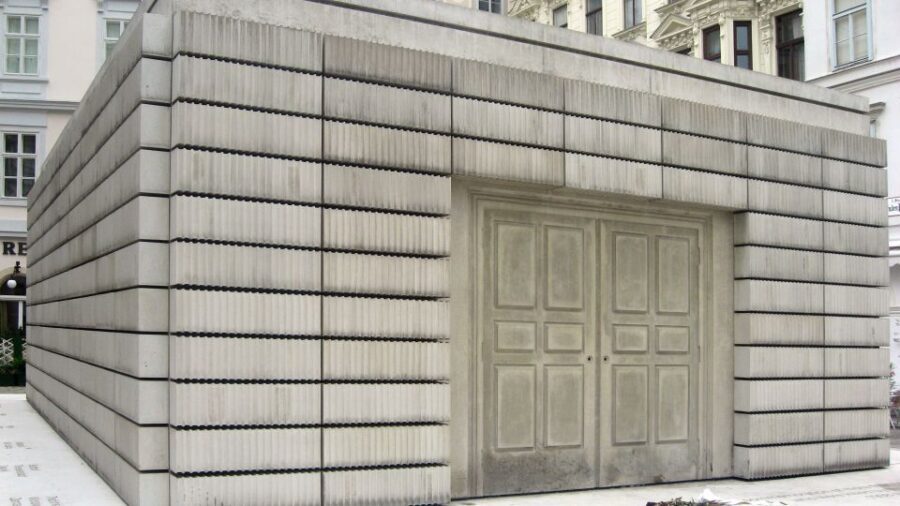
After the synagogue stop, you’ll visit Vienna’s Holocaust memorial, described as somber. This is the moment where the tour shifts from explanation to reflection, without losing its historical thread.
What I like about placing this memorial after the synagogue stop is that it gives you a narrative rhythm. First, you see a surviving community landmark. Then you come to a place designed to confront loss. Together, they teach you how survival and annihilation can coexist within the same geography and era.
You’ll want to slow down at this point. Don’t treat it like another photo stop. Let the guide’s framing land before you move on to the next street corner and timeline jump.
This is also where the tour’s “walking but not rushed” design matters. Some guides build in opportunities to sit or shelter from weather, and the pacing is often described as well-managed for a 2.5-hour format. That makes it easier to actually absorb what you’re seeing, not just pass through it.
You can also read our reviews of more historical tours in Vienna





Postwar Vienna: What Division Looked Like After WWII
The tour covers what happened to Vienna after the war, including the remains of the divided city. One striking detail: Vienna was described as the only city in the world where the Allied powers managed a zone together.
That single fact changes how you think about postwar Europe. It’s tempting to imagine liberation as one clean switch from war to peace. Instead, Vienna becomes a living example of negotiated control, overlapping influence, and a city that had to operate under division.
On the ground, you’ll learn how the physical city and its neighborhoods reflected political arrangements. Even when you don’t see dramatic borders today, the guide helps you read the city like a map of power.
This portion also completes the story arc. You start with the political climate that helped shape extremist ideology. You move through bombing and community catastrophe. Then you end with the aftermath: how the city was partitioned and managed. That structure helps your brain keep the timeline straight and makes the entire experience feel coherent.
Walking Time, Stops, and Listening Tech That Helps
This is a 2.5-hour walking tour. That’s long enough to feel like you actually went somewhere, not just wandered from sign to sign. It also stays short enough that most people can finish without turning the day into a mobility test.
The best practical advice here is the obvious one: wear comfortable shoes. The route is in central Vienna, and you’ll do enough walking that foot comfort matters.
A few logistics details are worth knowing because they affect how enjoyable the tour feels:
- In larger groups, you may get headsets/ear pieces, which make it easier to hear the guide without crowding close.
- Guides often plan pauses and sheltered breaks when the weather turns.
One review mentioned a distance around 4 km over the 2.5 hours, plus frequent chances to stop. That sounds about right for a city-center walking tour that mixes story time with movement.
Also, the tour doesn’t include attraction entrances. So if any stops have optional indoor access (you might see opportunities depending on what’s open), you’d need to handle that separately.
Cost and Value: Is $31 Worth It?
At $31 per person for a 150-minute guided walking tour, the value comes from three things: time, structure, and site choice.
First, you’re paying for a live guide. That matters on a topic like WWII in Vienna, where context can make the difference between a confusing series of landmarks and a clear explanation of how events unfolded.
Second, the duration is tight enough to stay focused. Two and a half hours is a sweet spot for history walks: long enough to connect themes, short enough to keep energy up.
Third, the site selection is unusually specific: the only synagogue that survived the Nazi regime plus a Holocaust memorial, plus discussion of bombing scale and the postwar divided city. That combo isn’t typical of the cheaper “quick highlights” walks.
If you’re on a first trip to Vienna and want one tour that helps you interpret what you’ll see afterward, this is the kind of booking that often pays off. You’ll start noticing patterns—how the city evolved, what survived, and what memorials exist for a reason.
Who This Tour Fits Best (and Who Might Skip It)
This tour fits you if:
- You want WWII history with Vienna-specific perspective instead of a generic overview.
- You care about how politics and fear shape society, not just military events.
- You’d rather walk through meaningful places than spend the afternoon in a classroom setting.
You might skip it if:
- You’re hoping for a light, entertainment-first city tour.
- You prefer purely visual sightseeing with minimal discussion of persecution and genocide.
The tone is inevitably heavy because the subject matter is heavy. The guide experience level seems geared toward respectful handling, with an emphasis on sensitivity and context. Still, you should choose this intentionally, like you would choose a documentary that stays with you after the credits.
Should You Book This WWII Walking Tour?
Yes, book it if your goal is to understand Vienna as a real historical place where power, prejudice, and violence played out. The strongest reasons are the surviving synagogue stop and the Holocaust memorial, plus the way the guide stitches them into Vienna’s WWII and postwar story.
Skip or reconsider if you want upbeat sightseeing, or if you’re not up for difficult topics on foot. Otherwise, this is a well-paced way to use a limited amount of time to gain a deeper, more accurate sense of the city’s twentieth-century reality.
If you book, show up with one mindset: you’re not collecting facts. You’re learning how to read the city.
FAQ
How long is the Vienna World War II Historical Walking Tour?
It lasts 150 minutes (about 2.5 hours).
Where does the tour start?
You meet in front of Albrechtsbrunnen with a green umbrella, at the fountain downstairs at the Albertina Museum next to the Opera House. The nearby subway stop is Karlsplatz/Oper.
Is the tour guided and in English?
Yes. It’s a live guided walking tour in English.
What major sites will we visit?
The tour includes a stop at the synagogue that survived the Nazi regime and a visit to Vienna’s Holocaust memorial. You’ll also learn about WWII bombing effects and the remains of Vienna’s divided city after the war.
Does the price include attraction entrances?
No. Entrances to attractions are not included.
Can I get a full refund if my plans change?
Yes. You can cancel up to 24 hours in advance for a full refund.