REVIEW · VIENNA
Sigmund Freud Museum Ticket
Book on GetYourGuide →Operated by Sigmund Freud Museum · Bookable on GetYourGuide
Freud’s real rooms feel shockingly close. You walk Berggasse 19’s historic entry steps, then move through private rooms that show how psychoanalysis was built right in this apartment, with Sigmund and Anna Freud voice recordings plus film material that makes the whole story feel human, not just theoretical.
My favorite part is the way the museum ties work to family life without turning it into a sitcom or a lecture. You also get the phone-driven Freud’s Couch AR installation in the spot where the famous piece of furniture used to sit. One thing to keep in mind: the lighting and room guidance can be hit-or-miss, so plan to slow down and rely on your own pace rather than expecting perfect signposting.
In This Review
- Key things to notice before you go
- Berggasse 19: walking in through the door Freud knew
- Private rooms and the path from medical practice to psychoanalysis
- Audio voices and 1930s film that make it personal
- AR “Freud’s Couch”: what it is and how to use it well
- The museum’s staircase and the exile chapter you can’t ignore
- Freud’s former office plus conceptual art in “Hidden Thoughts of a Visual Nature”
- Museum flow, time planning, and practical tips that save effort
- Price ($18) and what you’re actually getting for it
- Staff, ambience, and the small touches that leave a mark
- Should you book the Sigmund Freud Museum Ticket?
- FAQ
- How long is the Sigmund Freud Museum ticket valid?
- Where do I present my ticket voucher?
- Does the ticket include skipping the ticket line?
- Is the AR installation included, and can I use my phone?
- Are flash photos allowed inside the museum?
- Is the museum wheelchair accessible?
- Do I choose a starting time?
Key things to notice before you go
- Berggasse 19 entrance and mezzanine: walk the route Freud and patients used, including the historic steps up toward the family living area
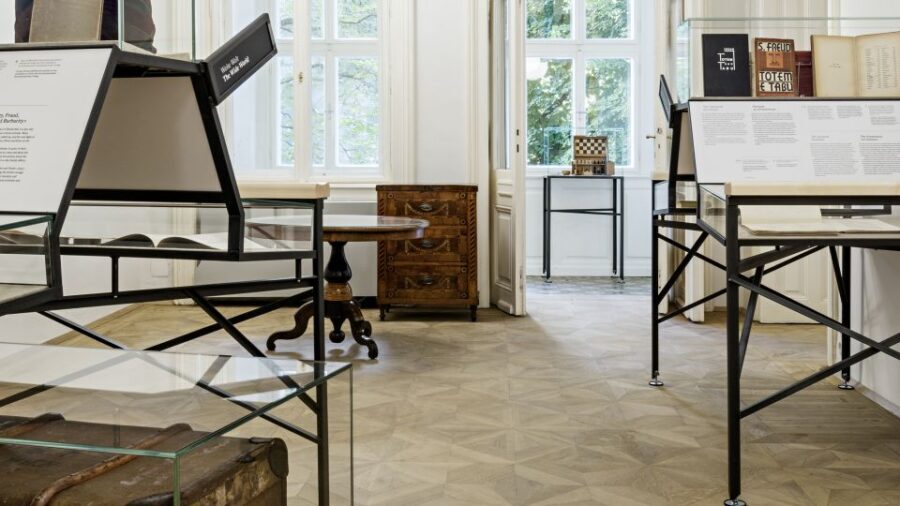
- Freud’s office + rare research material: original documents and printed pieces that explain how his ideas took shape
- Voices and 1930s family film: audio of Sigmund and Anna Freud, plus vintage footage that adds emotional weight
- AR “Freud’s Couch” right in place: use your phone to activate the installation where the couch used to be
- A staircase that tells the house’s darkest chapter: the museum connects floors while explaining what happened after Freud’s expulsion
- Conceptual art in Freud’s former office: “Hidden Thoughts of a Visual Nature” links psychoanalysis with modern visual works
Berggasse 19: walking in through the door Freud knew
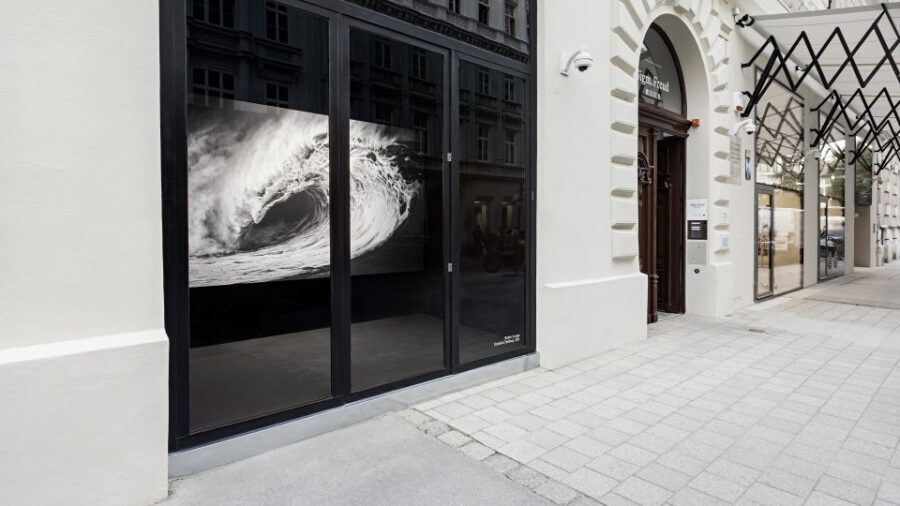
Start at the main entrance of the Sigmund Freud Museum at Berggasse 19, Vienna. The museum builds momentum fast by aiming you at the same entry approach Freud and his patients used—historic steps included. That matters more than you’d expect. It’s the difference between reading about psychoanalysis and feeling the physical routine of it: the approach to the house, the move inward, and the sense that this wasn’t a distant idea factory.
From there, you’ll rise toward the mezzanine, the part of the building where the Freud family lived. Even if you’re not a deep-psych nerd, you’ll likely appreciate the practical shift: the museum doesn’t treat the house like a shrine. It shows how professional life and family life shared the same address, the same walls, and the same daily rhythm.
A few more Vienna tours and experiences worth a look


Private rooms and the path from medical practice to psychoanalysis
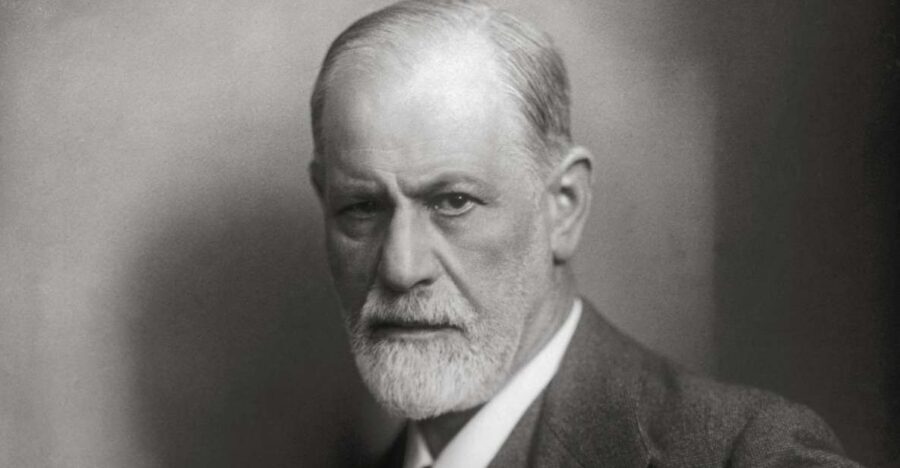
The museum’s core strength is that it stays grounded in place. In Freud’s former working environment, you can follow how his medical practice turned into the groundbreaking science of psychoanalysis. Instead of just summarizing concepts, the displays focus on stations of his professional and biographical life—helping you connect the man to the method.
Expect to spend time with items that reflect the actual work process: rare first editions, offprints, presentation copies, and special printings tied to the birth of his theoretical ideas. These aren’t just decorations. They’re evidence of the effort behind the ideas—drafts, publication artifacts, and the physical objects of scholarship.
And yes, there’s the famous furniture story. Even when the physical couch isn’t presented like a museum prop, the museum gives you the meaning of that furniture through the AR experience later. That turns the couch from a trivia fact into something you can locate in your head.
Audio voices and 1930s film that make it personal
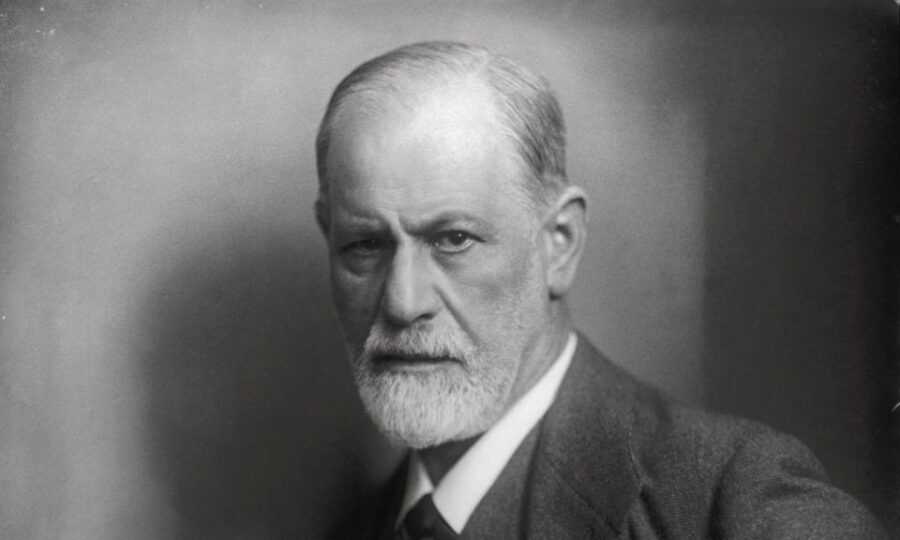
A major highlight is hearing the voices of Sigmund and Anna Freud. Audio recordings are one of the best ways to puncture “historical distance,” and this museum uses them in the right places—so the information you read doesn’t stay trapped on paper.
Then there are the unique film materials, including Freud family videos from the 1930s. Film is especially powerful here because it’s not just Freud’s public image. It shows a more ordinary texture of daily life—movement, presence, and family dynamics. One reason this museum gets such strong marks is that it keeps toggling between genius and humanity, rather than locking you into only one mood.
If you like museums that explain psychology without turning it into cold data, this audio-and-film mix is a big reason to come.
AR “Freud’s Couch”: what it is and how to use it well
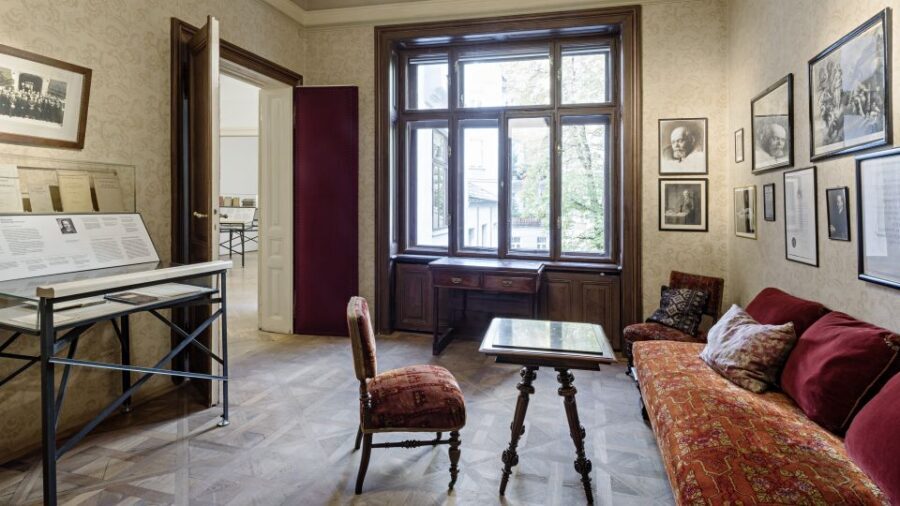
The AR installation “Freud’s Couch” is built for your phone, right where the couch used to sit. The idea is simple: you start the AR experience on your phone, and the museum places the story in the room itself, not only next to it.
Here’s how to get the most out of it:
- Treat it like a moment, not a gadget. Pause, look around, then start the AR so the furniture reference lands emotionally.
- Keep your phone battery in mind. You’ll be using it for the installation during your walk through multiple floors and rooms.
- Be ready for the museum’s approach. Some elements are represented through AR rather than presented as intact originals, so don’t expect a perfect “photo reenactment.” The point is to help you locate the history in its actual spot.
This AR moment also helps if you’re visiting with mixed interests—someone who just wants a famous couch can still feel the room’s logic and why it mattered.
The museum’s staircase and the exile chapter you can’t ignore
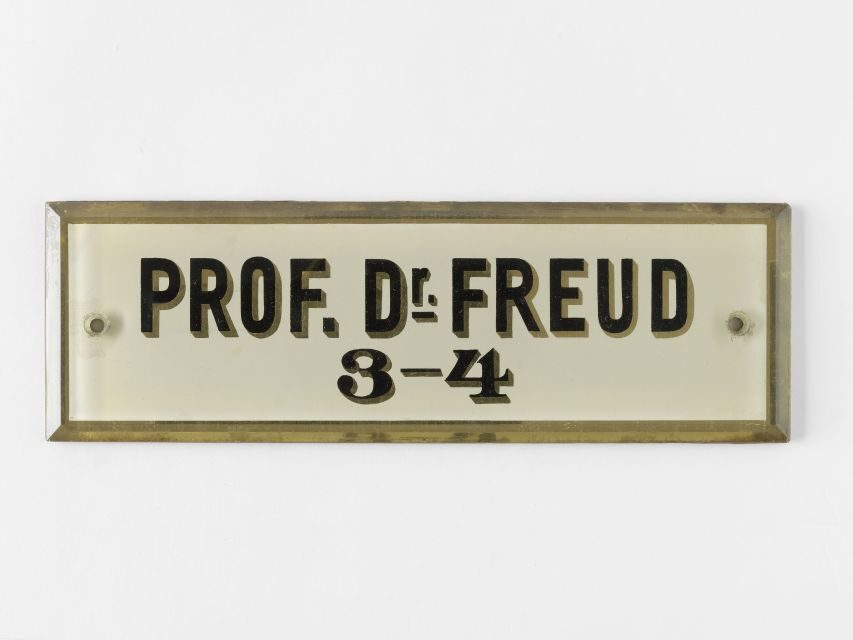
One of the most sobering parts of the visit is built into the building itself. A newly built staircase connects all floors while recounting the history of the house and its occupants, including the period after Freud’s expulsion. You don’t just read about the era in abstract terms. You’re moved through it, floor by floor, as the museum narrates the rise of Nazi violence at Berggasse 19—when Jews were collected there.
The museum also includes a separate section in the foyer gallery focused on Freud’s flight into exile in London with his closest family, including his brother Alexander. The display doesn’t shy away from tragedy: it covers the fate of Freud’s sisters—Rosa, Marie, Pauline, and Adolfine—and their murder in Nazi extermination camps.
This is the kind of museum storytelling where pacing matters. If you’re sensitive to heavy history, slow down at these sections and give yourself a break afterward. There’s no prize for rushing through grief. The museum is at its best when you actually let the weight of what happened land.
You can also read our reviews of more museum experiences in Vienna



Freud’s former office plus conceptual art in “Hidden Thoughts of a Visual Nature”
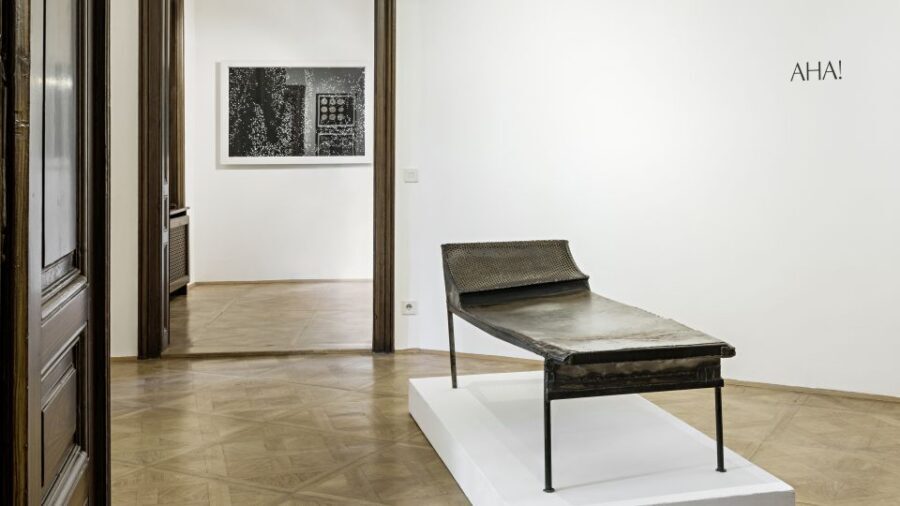
In Freud’s former office, the museum presents the permanent exhibition “Hidden Thoughts of a Visual Nature,” featuring conceptual art from the Sigmund Freud Museum’s collection. You’ll see works by artists including John Baldessari, Joseph Kosuth, Susan Hiller, Franz West, Haim Steinbach, and others.
This pairing can surprise people. The museum isn’t saying psychoanalysis equals conceptual art. It’s showing how Freud’s legacy keeps pulling at thinking about perception, symbols, and meaning—threads that connect to modern visual language. If you enjoy crossovers between psychology and art, you’ll likely find this section especially satisfying.
If you’re only interested in Freud’s clinical story, you might treat it as a palate cleanser—an intellectual outlet after the heavy exile rooms and the research artifacts.
Museum flow, time planning, and practical tips that save effort
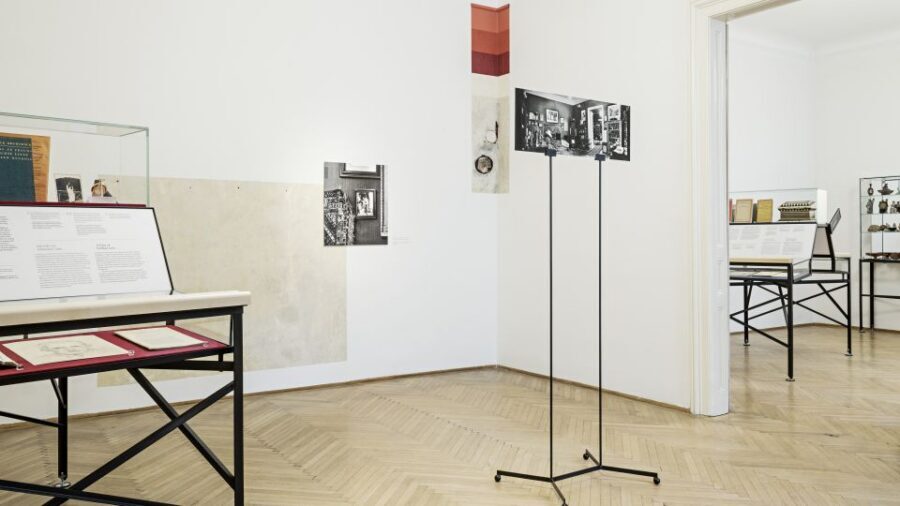
There’s no “one correct route” feel here. The museum layout is designed to be explored, but that also means you’ll want to manage your own pacing. One helpful approach is to do it in two moods:
- First pass: focus on the rooms that show Freud’s work, family life, and the voice/audio moments.
- Second pass: return for the parts you want to sit with longer—especially the staircase history and the foyer exile section.
Time wise, a visit often lands around 1.5 hours for a careful walkthrough, but you can easily spend closer to 3 hours if you read everything, pause for the audio, and take your time with the art section. Plan for that range.
A few practical notes that can genuinely improve your trip:
- Flash photography isn’t allowed. Your phone camera might still be fine for non-flash use, but assume flash is a no.
- Inside conditions can vary. Some visitors mention it can get hot, so dress in layers and bring water if you tend to run warm.
- Lighting and navigation: some people find rooms dim and the ordering less obvious, which makes it extra important to read captions and let your eyes guide you rather than expecting a strict timeline.
- Audio can be temperamental. If something seems out of place, don’t panic—skip ahead and come back later.
- If you like family-friendly touches, keep an eye out for the hidden puzzle stickers in rooms that reveal Freud’s dog. There’s also a board game in the shop that many people look at before deciding whether to carry it home.
- The museum has a shop and café. You can grab a Viennese coffee with cake, or choose Viennese wine if you want to linger a bit after the heavier exhibits.
- Facilities exist for your comfort, including lockers and a WC.
Also worth knowing: the museum is easy to reach with public transport. One handy detail from visitors is that a tram stop is about a four-minute walk away, with connections like direct access to Wein Hbf.
Price ($18) and what you’re actually getting for it
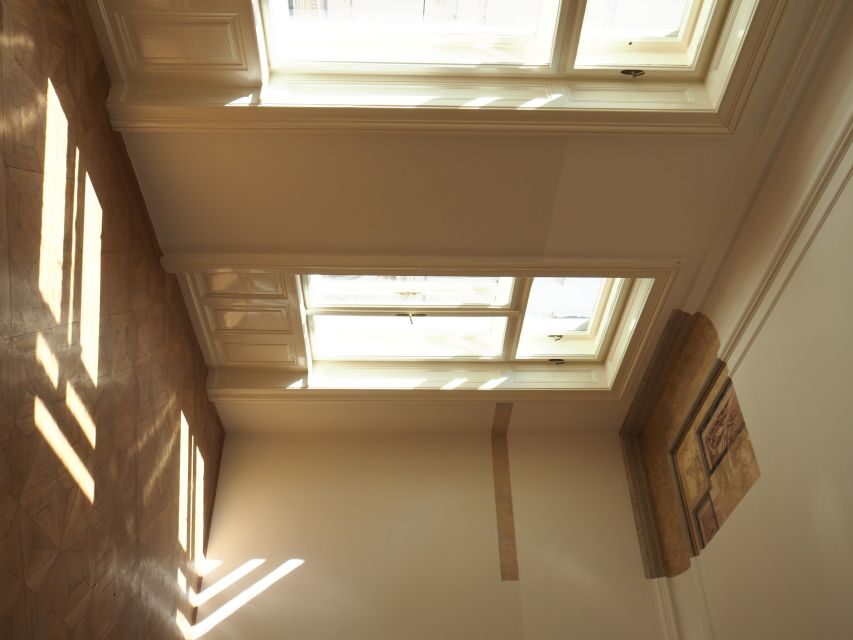
At about $18 per person, this isn’t a throwaway museum stop. It’s priced like a focused experience with original context: the address itself, Freud’s rooms, documentation-style exhibits, audio recordings, film material, and the phone-based AR installation.
Here’s the value math that tends to matter:
- You’re paying for place (Berggasse 19) as much as for objects.
- You’re paying for interpretation tools: voice recordings and AR, which reduce the need to be a specialist.
- You’re paying for emotional and historical depth. That includes the exile narrative and the Nazi violence section, which many visitors describe as moving.
Is it expensive? Some people feel the ticket is high relative to the museum size. If you’re the type who wants only a quick hit, you might feel it. But if you like museums where you can read, listen, watch, and connect dots across rooms, the price starts to make sense fast.
If you can, aim for an earlier starting time. One visitor booked an 11am slot and found it quieter enough to enjoy without constant crowd pressure, then busier later.
Staff, ambience, and the small touches that leave a mark
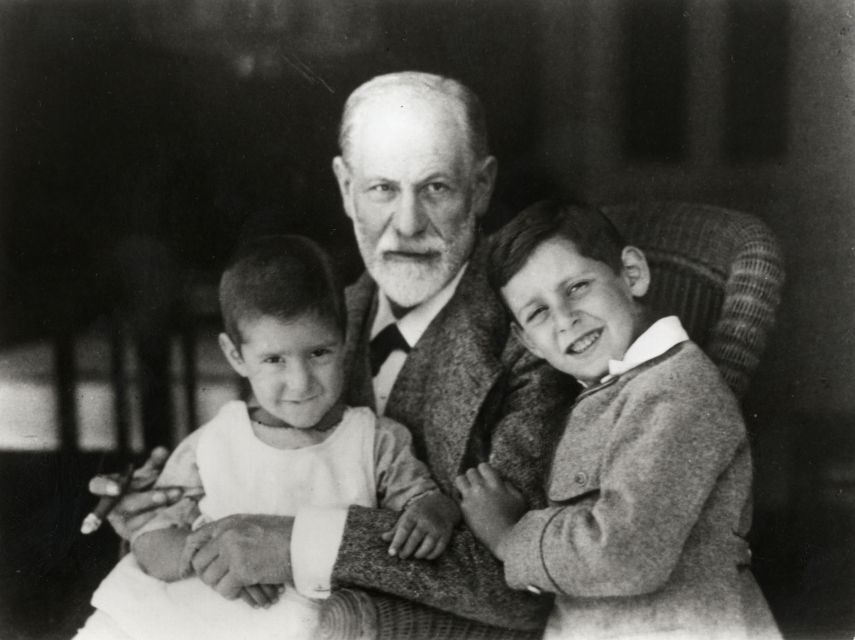
The tone here is thoughtful, and staff support seems strong. One visitor specifically thanked Stephanie and Martin for going above and beyond. That sort of detail is real-world gold: when a museum is emotionally heavy and information-dense, helpful staff can turn confusion into momentum.
Ambience-wise, expect a mix: serious history, intimate rooms, and then modern conceptual art in Freud’s office. That change in texture is part of why the museum works for a wide range of visitors.
For kids, it’s not just a study in psychology. The hidden sticker/puzzle element can keep younger visitors hunting rather than drifting. For adults, the audio and film deliver the message with more feeling than captions alone.
Should you book the Sigmund Freud Museum Ticket?
Book it if:
- You’re curious about the birth of psychoanalysis and want it tied to the exact rooms where it happened.
- You like museums that use audio, film, and AR to make the story stick.
- You’re open to heavy history, including the exile and Nazi violence sections.
Consider passing or pairing with a lighter plan if:
- You dislike museums where navigation feels less structured and lighting is inconsistent.
- You need a purely upbeat outing. This one is intellectual, but it also carries real grief.
If you’re in Vienna, this museum makes a strong, high-impact use of your time—especially if you go with patience and let yourself experience it in full.
FAQ
How long is the Sigmund Freud Museum ticket valid?
The ticket is valid for 1 day.
Where do I present my ticket voucher?
Present your ticket voucher at the main entrance of the Sigmund Freud Museum.
Does the ticket include skipping the ticket line?
Yes, skip-the-line admission is included.
Is the AR installation included, and can I use my phone?
Yes. The experience includes the AR installation Freud’s Couch, which you activate using your phone.
Are flash photos allowed inside the museum?
No, flash photography is not allowed.
Is the museum wheelchair accessible?
Yes, the museum is wheelchair accessible.
Do I choose a starting time?
Yes. The ticket is valid for 1 day and starting times depend on availability.