REVIEW · VIENNA
Private Vienna Walking Tour
Book on Viator →Operated by Austria Tours and Travel · Bookable on Viator
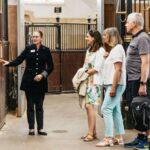
Vienna hits hard when you have a real human guide. This private walk strings together the Historic Center and top landmarks like St. Stephen’s Cathedral, the Hofburg, and Heldenplatz, with the bonus of centrally located pickup. I especially like that you get a small, private group up to 15, so you can actually ask questions and change pace. One thing to consider: at the fast end, 2–3 hours can feel tight, so go in with a plan for what you want to see and what you’re happy to skim.
I love the built-in convenience. If your hotel is in Vienna’s First District (around post code 1010), the guide can pick you up directly. If not, you’ll get a clear meeting plan and you’ll start near Helmut-Zilk-Platz. The practical side is that you’re not stuck figuring out where to stand and who to look for.
The standout quality is the way guides make Vienna feel personal. Names that come up often include Lisa, Marco, Claudia, Marko, and Hernando—each praised for energy, storytelling, and tailoring the tour to the group (from adults to kids, and even paced for older visitors). The only real drawback I’d flag is that a couple of reports mention rushed pacing near the end, so I’d treat this as a best-of orientation rather than a slow, museum-grade stroll.
In This Review
- Key Things I’d Book This For
- Why This Private Vienna Walk Works So Well
- Getting There: Helmut-Zilk-Platz and Pickup in 1010 Wien
- The Historic Center Route: St. Stephen’s, the Graben, and the Plague Column
- St. Stephen’s Cathedral: More Than a Big Gothic Front
- The Opera House Area: Vienna’s Performance DNA
- The Graben and Plague Column: Urban History in Stone
- Hofburg and Heldenplatz: Imperial Scale Without the Museum Ticket
- Hofburg Imperial Palace: The City’s Power Center
- Heldenplatz (Heroes Square): Where History Feels Like Stage Set
- Jewish Square and Other Cultural Stops: Different Vienna Layers
- Shopping District Stroll: A Practical Break Between Big Sights
- Mozart Statue and the City’s Street-Level Fame
- Burggarten and Volksgarten: The People’s Garden Moment
- Pace, Group Size, and Why the Price Might Feel High (or Fair)
- What You’ll Actually See: A Stop-by-Stop Feel
- Who This Tour Suits Best (and Who Might Want More Time)
- Before You Go: Simple Ways to Get the Most Out of It
- Should You Book This Private Vienna Walking Tour?
- FAQ
- How long is the private Vienna walking tour?
- What is the group size for this private tour?
- Is the tour offered in English?
- Where does the tour start?
- Is pickup included?
- What about tickets—are any admissions included?
- Will I receive a mobile ticket?
- Is there a cancellation option if plans change?
- Is the end point fixed?
Key Things I’d Book This For
- Private group flexibility: you set the vibe with your guide, not a loud herd.
- Centrally located pickup in the First District: less hassle before your coffee.
- Big-hitter sights in one route: St. Stephen’s to the Hofburg to Heldenplatz.
- Storytelling that adjusts to the group: history explained for kids and seniors too.
- Great photo-and-walk moments: Opera House, the Graben/Plague Column area, and key squares.
- Finish point adapts to your interests: your tour end can change based on timing and what you want next.
Why This Private Vienna Walk Works So Well
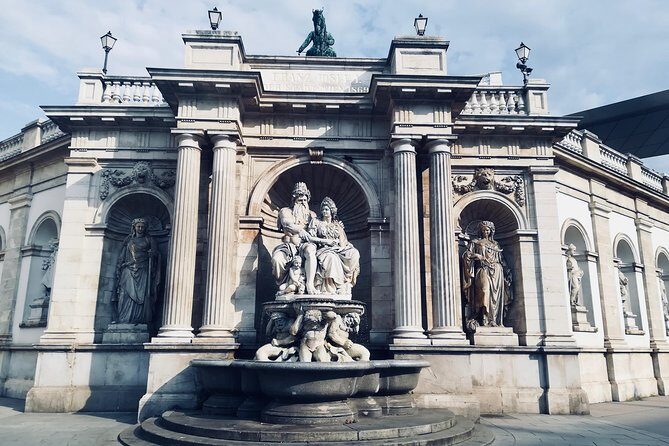
If you want Vienna’s highlights without spending your whole day glued to a phone map, this kind of tour is perfect. It’s built around walking the inner city, with the guide doing the heavy lifting: where to go, what to notice, and why these buildings matter.
The price is per group (up to 15), not per person. That matters because it can turn from “wow, that’s pricey” into “pretty fair” depending on your group size and how much you’ll value a guide’s time. It also helps families: one guide can handle different ages by pacing and explaining at different levels.
And yes, it’s in English. That sounds basic, but in practice it changes everything—Vienna’s details can get lost when you don’t have the right words for them. Here, your guide can point out the stuff you’d otherwise walk past.
You can also read our reviews of more walking tours in Vienna
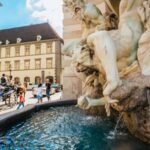
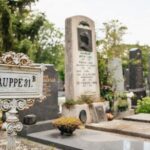
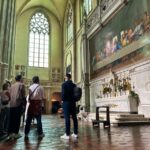
Getting There: Helmut-Zilk-Platz and Pickup in 1010 Wien
Most walking tours start with a scavenger hunt. This one starts clean.
The default start is Helmut-Zilk-Platz, 1010 Wien. From there, you’re set up for the inner-city loop. If you’re staying in the First District (the guide specifically calls out post code 1010), you may get pickup directly from your hotel. If you’re outside that zone, they’ll contact you ahead of time to confirm the meeting point.
Two practical perks here:
- You don’t lose tour time to transit confusion.
- You’re more likely to start together as a group, especially if you’re meeting at different hotel entrances.
Also, the tour notes a mobile ticket. That’s one less paper thing to track while you’re busy taking pictures of façades that look like they were designed to impress.
The Historic Center Route: St. Stephen’s, the Graben, and the Plague Column
This is where you feel the city’s “start here” energy. Your route centers on the historic heart, with multiple iconic stops that are close enough to connect on foot but spaced far enough that you won’t feel like you’re repeating the same street scene.
St. Stephen’s Cathedral: More Than a Big Gothic Front
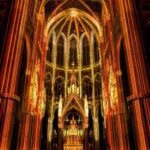
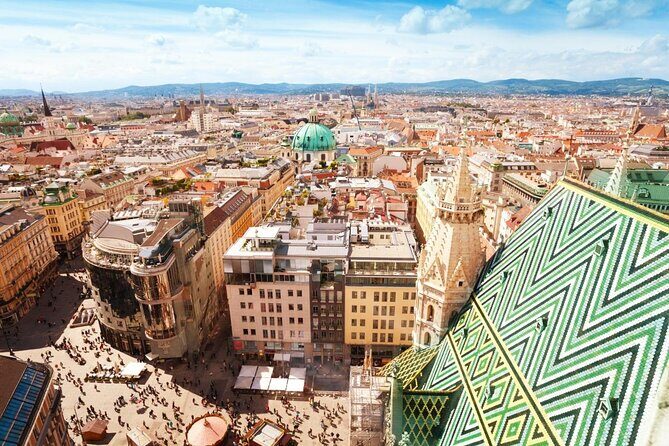
St. Stephen’s Cathedral is the anchor. You’ll be right in the middle of the cathedral’s visual gravity, in the city center where it’s easy to understand why it became Vienna’s ceremonial landmark.
What I like about starting here on foot: the guide can point out key architectural cues and urban context without you needing to buy anything extra or hunt for the “right” angle. Even if you’ve seen photos before, it lands differently in person when you’re standing at street level.
The Opera House Area: Vienna’s Performance DNA
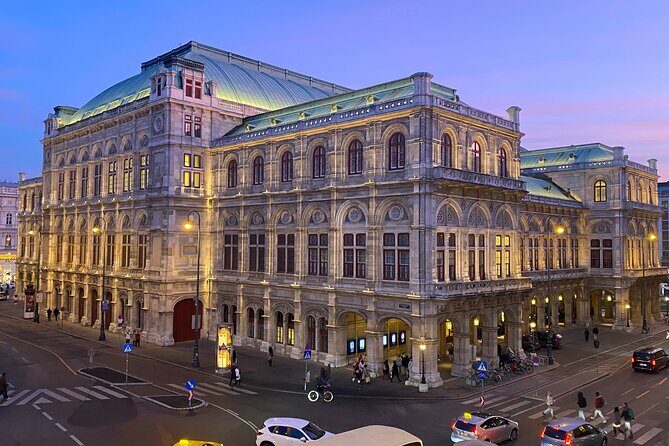
From the cathedral area you move toward Vienna State Opera House territory. Whether you’re into classical music or not, the Opera House tells you a lot about Vienna’s identity: music, power, culture, and a city that dresses its grand ideas in stone.
This is also the zone where you’ll likely catch the best “Vienna postcard” moments between walking segments. If your legs are fine and your phone storage is ready, this is a strong part of the day for photos.
You can also read our reviews of more private tours in Vienna




The Graben and Plague Column: Urban History in Stone
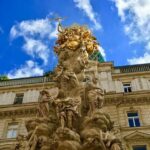
Then you hit the Graben and the Plague Column area. The Graben is one of those central streets where you can feel the city’s layers: commerce, ceremony, and public memory all stitched into the street layout.
The Plague Column spot is especially useful for first-timers because it gives context. Instead of just pointing at a monument, your guide can help you understand why it exists and what people were trying to remember or protect against.
Hofburg and Heldenplatz: Imperial Scale Without the Museum Ticket
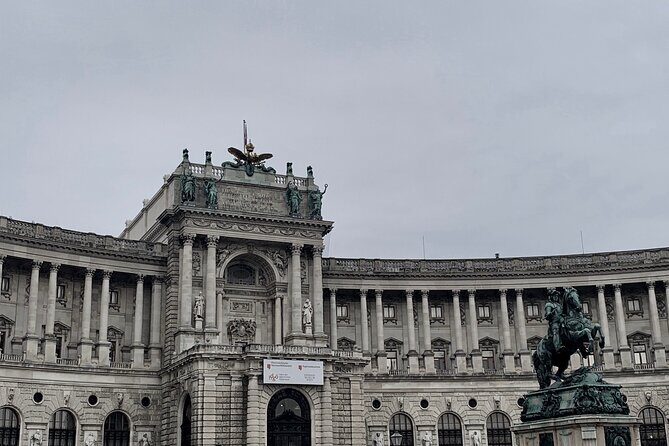
Next comes the imperial part of the story: the Hofburg Imperial Palace area and Heldenplatz (Heroes Square).
If you think palace = one giant building, you’ll be pleasantly wrong. Here you’re in a broader civic landscape. You’re seeing how Vienna used power, space, and symbolism in everyday public sightlines.
Hofburg Imperial Palace: The City’s Power Center
Hofburg is a must if you want a sense of how Vienna functioned historically. Even without going inside museums, it’s valuable to stand in the surrounding area and understand what kind of seat of authority this represents.
One practical benefit: walking between these points keeps the day moving. You get orientation quickly, and later you can decide whether you want a deeper museum visit based on what you found interesting today.
Heldenplatz (Heroes Square): Where History Feels Like Stage Set
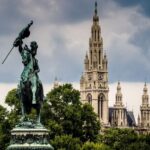
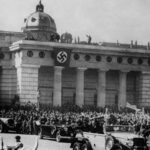
Heldenplatz is dramatic in a different way than the cathedral. It’s built for spectacle—space for crowds, monuments for messaging, and a layout that makes it easy to see how rulers wanted to be seen.
It’s also a great stop for your guide to connect the dots between different eras. When that happens well, you stop thinking of Vienna as a bunch of separate sights and start seeing it as a storyline.
Jewish Square and Other Cultural Stops: Different Vienna Layers
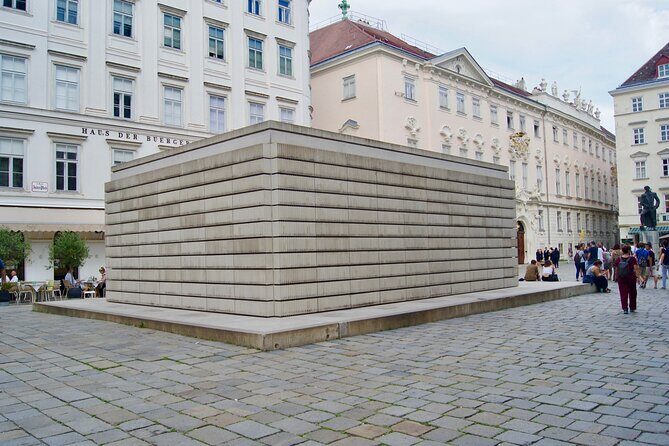
Your route includes Jewish Square. This is an important stop for understanding that Vienna’s story isn’t just emperors and grand buildings. It’s also communities, traditions, and the way history changes what stands in the city.
A good guide helps here by treating the site as more than a photo background. You should come away with a clearer sense of how Vienna’s neighborhoods and communities fit into the bigger timeline.
Shopping District Stroll: A Practical Break Between Big Sights
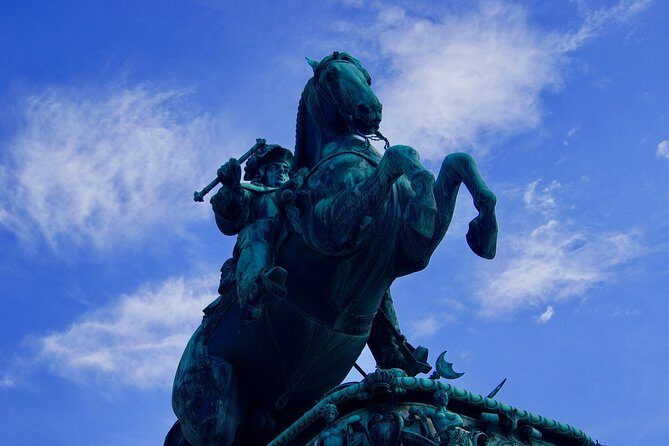
You’ll also spend time in a shopping district in Vienna’s city center. This is smart design, not filler.
It gives you room to slow down, look at storefronts, and spot the kind of street rhythm you’ll want later when you’re on your own. You can also use it as a mini-reset—water, snacks, and a quick bathroom stop if you need one.
Just note: “shopping district” can mean you’re walking through areas with more people. If you’re sensitive to crowds, I’d keep your expectations realistic for a central Vienna route.
Mozart Statue and the City’s Street-Level Fame
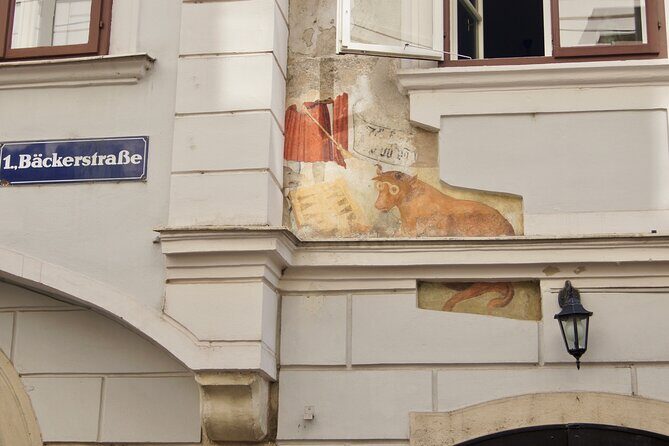
Part of the walk includes seeing a Mozart statue. This sounds like a simple landmark, but it’s worth it because it connects the city’s branding to real street presence.
Vienna can feel like it worships music. Seeing the Mozart marker in the context of the route helps you grasp how the city places cultural icons right into the flow of daily life.
If you’re a first-time visitor who wants the “I get it now” moment—this is one of those stops.
Burggarten and Volksgarten: The People’s Garden Moment
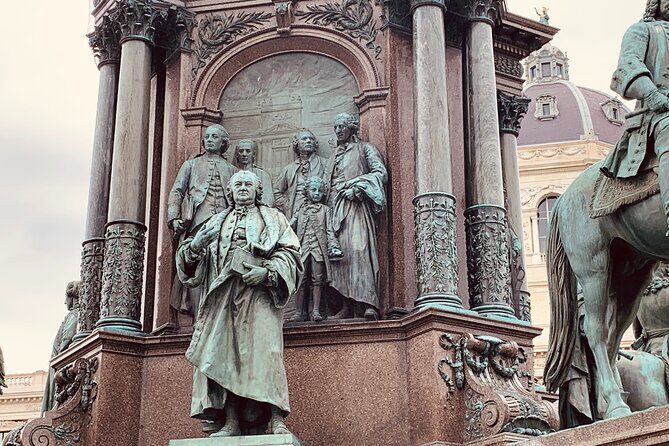
The itinerary includes the Burggarten and Volksgarten, and it’s also described as the people’s garden.
This is the tonal shift you’ll probably appreciate. After cathedral and palace scale, you get a breath of green and a more human pace. It’s also a place where you can look at the city with less visual pressure.
Even if you don’t sit down for long, the gardens help you reset before the final stretch.
Pace, Group Size, and Why the Price Might Feel High (or Fair)
This tour is 2 to 3 hours. That range matters because Vienna is best when you notice details, not when you power-walk from photo stop to photo stop.
The tour is priced at $452.56 per group (up to 15). Here’s how I’d think about value:
- If you have a group of 6–10, the guide cost per person drops fast.
- If you’re a small group of 2–3, it stays a premium, but you’re paying for private time and flexibility, not a “seat” on a bus.
- You’re also getting the convenience factor: possible pickup in the First District, plus a guide who can tailor the walk to your interests.
Reviews highlight that guides like Lisa are praised for energy and for adjusting the tour to different ages. Marco is praised for making the walk relaxing and for pointing out good places to go next. Claudia is praised for taking people down less-traveled streets and for helping with later planning (including trains for future visits). Marko is praised for making visitors comfortable and for being intensely knowledgeable. Hernando is praised for extensive city and history knowledge and for helping the tour serve as a useful setup for a next day of exploring.
That’s what you’re really buying: not just facts, but direction.
Possible consideration: a couple of notes mention ending sooner than expected or feeling rushed. So I’d do two things to prevent that:
- Tell your guide up front what matters most (cathedral? opera? Jewish Square? gardens?).
- If you’re slower-paced, say so early. One guide was specifically praised for keeping a pace that worked for visitors in their 60s and 70s.
What You’ll Actually See: A Stop-by-Stop Feel
To help you visualize the experience, here’s the feel of what the major stops add up to:
- St. Stephen’s Cathedral: Vienna’s religious and architectural “center of gravity.”
- Vienna State Opera House: culture and city power, framed through performance.
- Heldenplatz (Heroes Square): grand public space where history looks theatrical.
- Hofburg Imperial Palace: imperial scale and urban symbolism.
- The Graben and Plague Column: street-level history and public memory.
- Jewish Square: cultural layer and a wider view of Vienna’s past.
- Mozart statue: street-level fame for the city’s music identity.
- Burggarten and Volksgarten: garden breathing room and a less formal pace.
If you like tours that give you a strong orientation, this does that. If you want deep museum time, you’ll likely treat this as your first-day primer.
Who This Tour Suits Best (and Who Might Want More Time)
This private walk is a great fit if:
- You want major highlights in a short, efficient window.
- You’re traveling with family members of mixed ages and need storytelling to land at different levels.
- You appreciate guides who can recommend what to do after the walk (food, Christmas markets, or where to go next).
- You want a manageable route that includes both monuments and a human break in the gardens.
You might want to choose a longer or different format if:
- You expect to linger at each stop for long photos and deep reading time.
- You’re only interested in one or two sights and want a slow, focused visit.
Before You Go: Simple Ways to Get the Most Out of It
You’ll get better results if you act like a smart tourist (which is fun, not hard):
- Pick your top 3 sights. If the route covers more, great. But you’ll know what matters.
- Ask your guide to tell you one thing to look for at each stop. For example: what the building is saying, who it was built for, or what changed over time.
- Wear shoes you trust. This is a walking tour in a central district, and sidewalks in old cities can be uneven.
- If you’re traveling with kids or older adults, say so. Guides have proven they can adjust pacing and explanations.
Should You Book This Private Vienna Walking Tour?
I’d book it if you want a high-impact introduction to Vienna with a guide who can tailor the experience and keep the day moving at a comfortable pace. The pickup option in the First District is a real convenience win, and the route hits serious highlights like St. Stephen’s, the Hofburg area, and Heldenplatz without requiring a heavy schedule.
I would think twice only if you need lots of slow time at each monument or if your group is very strict about hitting certain moments for long periods. For that style, you’d want a longer format.
If you’re in your “first day in Vienna” mood—get oriented, learn the big storyline, then explore on your own later—this private walk is a strong value.
FAQ
How long is the private Vienna walking tour?
It runs about 2 to 3 hours.
What is the group size for this private tour?
It’s a private tour for your group only, priced for up to 15 people.
Is the tour offered in English?
Yes, it’s offered in English.
Where does the tour start?
The start point is Helmut-Zilk-Platz, 1010 Wien, Austria.
Is pickup included?
Pickup is included if your hotel is in the inner city, specifically the First District (post code 1010). If not, the guide will contact you to confirm the meeting location.
What about tickets—are any admissions included?
The experience notes an admission ticket free tied to the planned time segment (listed within the tour as part of the 2-hour block).
Will I receive a mobile ticket?
Yes, the tour includes a mobile ticket.
Is there a cancellation option if plans change?
Yes. Free cancellation is available if you cancel at least 24 hours before the experience’s start time.
Is the end point fixed?
The end point is determined based on your interests, time of day, and more, and you’ll be told prior to the tour.