REVIEW · VIENNA
Vienna: Tickets for Mozarthaus Vienna with Audio Guide
Book on GetYourGuide →Operated by Mozarthaus Vienna · Bookable on GetYourGuide
Mozart’s home is still here in Vienna. I love seeing Mozart’s preserved apartment in the exact Vienna stretch of 1784–1787, and I love the audio guide format that works for adults and kids, letting you move at your own pace (headphones help a lot here). You’re also pointed toward where Mozart worked on Figaro, so it’s not just “Mozart facts,” it’s Mozart-in-context.
One thing to keep in mind: this place leans heavily on interpretation rather than a roomful of physical artifacts. If you expect the flat to feel like a fully furnished museum showroom stuffed with original objects, you may find it a bit more story-driven than display-driven.
In This Review
- Key things that make this experience worth your time
- Why Mozarthaus Vienna feels special (and not like a generic museum)
- Tickets, value, and what $18 buys you in real terms
- Your visit plan: how the audio guide shapes your route
- Quick tip that makes the experience easier
- Mozart’s only remaining Vienna apartment: what you’re actually touring
- The exhibition focus: Mozart’s Vienna peak, not the whole life story
- Audio guide quality: how to make it work without fuss
- No photos or video: what to do instead of documenting everything
- If you choose the combo: Mozart & More with Haus der Musik
- Pacing and comfort: standing, corners, and how to avoid getting tired
- What to bring and what to expect when you check in
- Who this is best for (and who might want a different Mozart stop)
- Should you book Mozarthaus Vienna with Audio Guide?
- FAQ
- What is included with the Mozarthaus Vienna audio guide ticket?
- Is Haus der Musik included?
- How many languages is the audio guide available in?
- How long is the experience valid for?
- Can I take photos or video inside the museum?
- Is Mozarthaus Vienna wheelchair accessible?
- What should I bring for the visit?
Key things that make this experience worth your time
- Mozart’s only remaining preserved Vienna apartment from 1784–1787
- A self-paced audio tour built for both adults and children
- Three exhibition levels focused on the Vienna peak of his creative work
- Audio in lots of languages (adult and kids tracks) so you can go your way
- Small-group set-up (up to 10) if you’re starting together
- Optional Mozart & More with the interactive Haus der Musik sound museum
Why Mozarthaus Vienna feels special (and not like a generic museum)
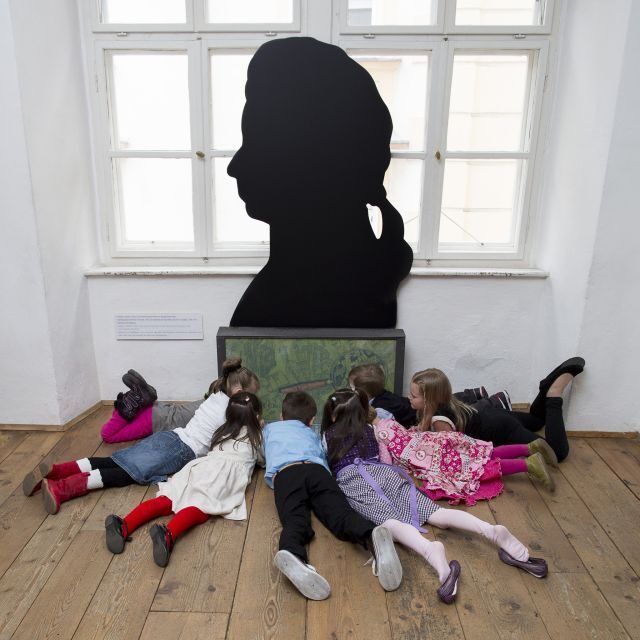
Vienna has big-ticket museum names, but Mozarthaus Vienna has a quieter superpower: it lets you visit Mozart’s only remaining preserved apartment in Vienna. This is the period when his career hit a high creative point, with the years 1784 to 1787 tied to a burst of composing. You’re not just learning about Mozart from a distance—you’re moving through the story of his Vienna work and life, room by room.
What I like most is that the experience is designed for real pacing. You’re given an audio guide that can carry you through the apartment and the surrounding exhibitions, so you can spend time where something clicks—music, names, places, or those moments where you feel the historical weight of the building. And because it’s built to work for adults and children, the tone tends to stay friendly even when the facts get detailed.
A few more Vienna tours and experiences worth a look


Tickets, value, and what $18 buys you in real terms
At about $18 per person, this ticket doesn’t look huge on paper. The value comes from what’s included and how you use it once you’re inside: admission to Mozarthaus Vienna plus an audio guide that covers both adult and children’s listening needs.
You also get a cloakroom, which is more useful than it sounds in a busy city like Vienna. Add to that the special exhibition that runs alongside the permanent presentation each year, and your entry is not only for the standard rooms. If you want the “Mozart + music world” angle, there’s also an option to include Haus der Musik as a combo ticket, which can turn your visit into a full day for people who want both story and sound.
Your visit plan: how the audio guide shapes your route
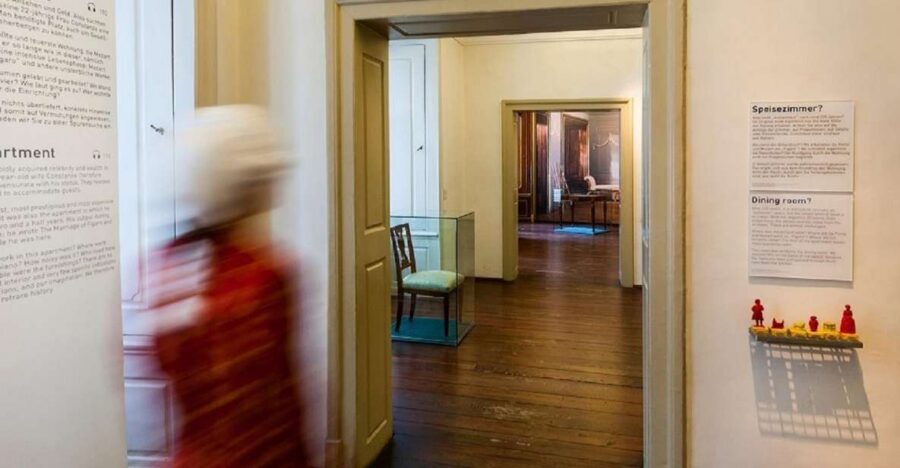
The experience is valid for one day, but within that window you’re really choosing your own flow. The museum uses three exhibition levels, so your visit isn’t just a single loop—you’ll naturally break into phases: first the apartment itself, then the surrounding interpretation, then the larger context of Mozart’s Vienna era and key works.
Because the guide is audio-based, the rhythm matters. In practice, this means you’ll often be standing while listening, and some rooms rely on panels and images to support what you hear. If you prefer a lot of hands-on interaction, it helps to treat Mozarthaus like an “audio walk-through” first, and an object museum second.
Quick tip that makes the experience easier
Bring (or plan to use) headphones. The audio format works better when you can keep your hands free and focus on the rooms instead of juggling a speaker at each stop.
Mozart’s only remaining Vienna apartment: what you’re actually touring
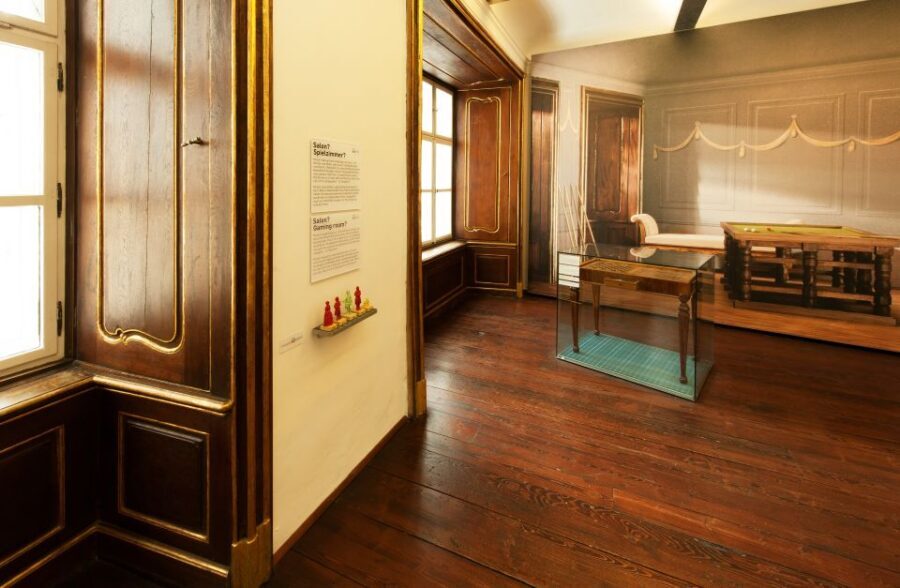
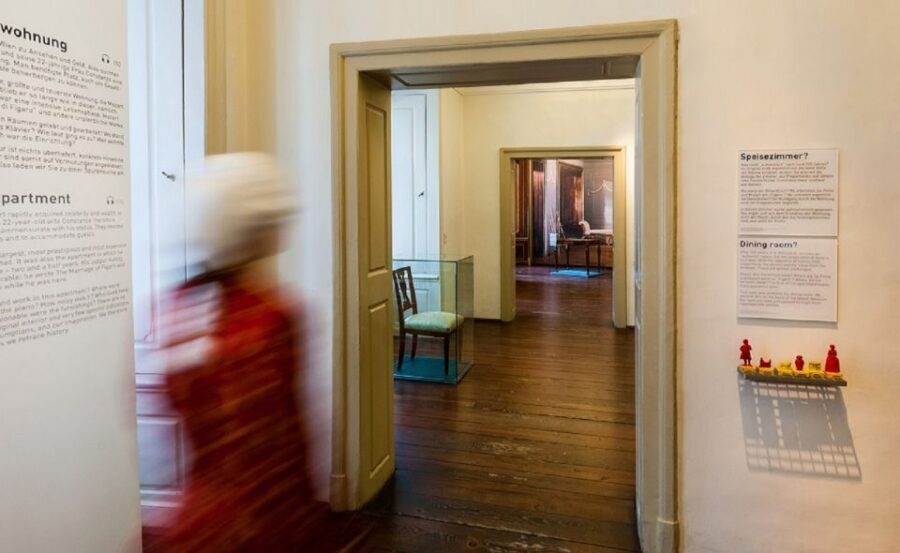
This is the big draw: you’re in the apartment preserved from the years 1784–1787, and the museum frames it as Mozart’s Vienna home base during a peak creative stretch. It’s described as the only remaining preserved Vienna apartment, which is the kind of statement that can feel marketing-y—until you’re standing inside and realizing you’re seeing the layout tied to those years.
The highlights you should look out for include where Mozart composed his famous Figaro. Even if you don’t know the opera story cold, the guide helps connect the “where” to the “what.” That’s the best way to experience it: let the audio do the linking between the physical rooms and the musical output.
One practical note: the apartment may feel more “quiet and story-focused” than “fully staged with instruments and clutter.” Some people go in expecting to see more original Mozart-era items, and the presentation can feel restrained because the main emphasis is on context and the music period rather than a house that looks lived-in every minute.
You can also read our reviews of more guided tours in Vienna



The exhibition focus: Mozart’s Vienna peak, not the whole life story
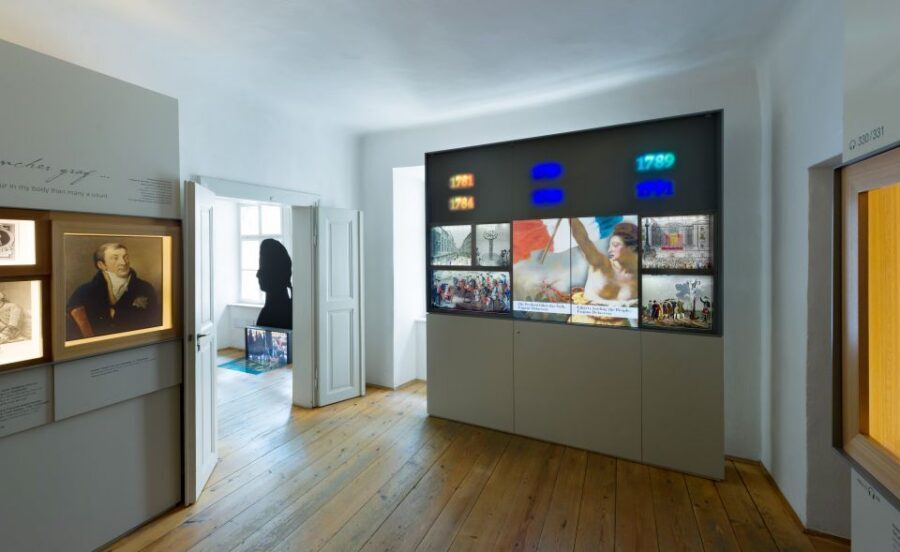
The museum’s center of gravity is the Vienna years—the moment when Mozart’s creative output and influence surged. The exhibitions around the apartment are meant to explain the time period Mozart lived in and to highlight important works tied to that creative peak.
This matters because it changes what kind of visitor you’ll be. If you come wanting Mozart’s full biography from cradle to final years, you may wish there were more life timeline coverage. But if you come wanting to understand the Vienna setting that fueled works (and how the city shaped what he created), the focus makes the visit feel tightly organized.
You’ll likely notice how some items are presented through visuals tied to the story—sometimes as projections or displayed formats rather than always as a “hold it in your hands” artifact. If you’re chasing the most physical, original documents, keep your expectations realistic and let the audio narration carry the missing pieces.
Audio guide quality: how to make it work without fuss
This ticket’s core feature is the audio guide, and it’s where the experience can either feel smooth or a little annoying. The good news: the audio guide is available in many languages, including English, German, French, Italian, Spanish, Hungarian, Polish, Russian, Chinese, Czech, Japanese, and Korean for adults, plus children’s audio in eight languages.
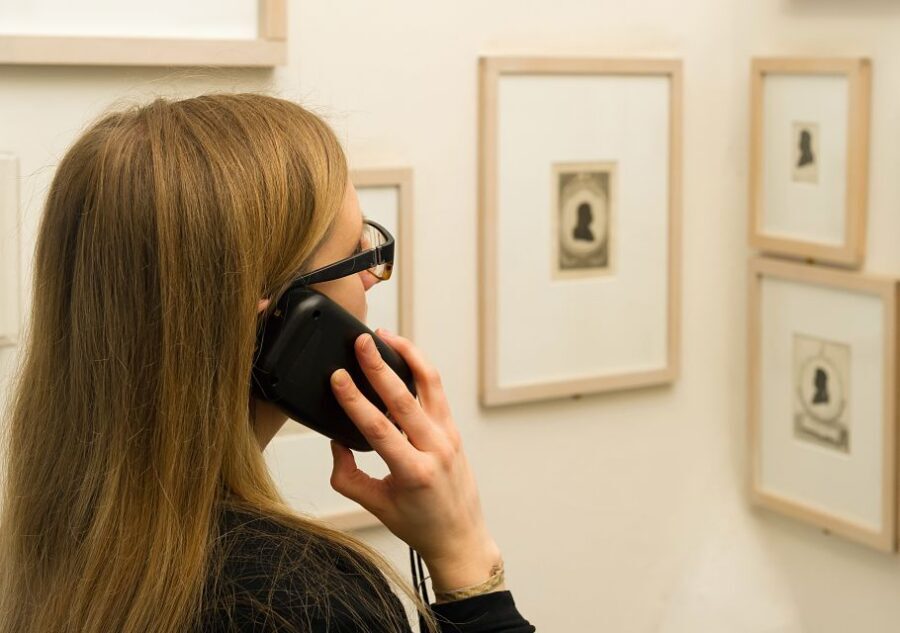
The not-so-glamorous part: the audio setup can depend on the device you use. Some visitors find they end up using their own phone for the audio experience, and others prefer to plug headphones into the guided module so they can keep their hands free. If you want the low-stress version, do this before you arrive:
- Have headphones that work with your device (or with the guide unit, if that’s how it’s set up for you).
- Make sure your phone is charged, since the experience may be tied to how you access audio.
In short, treat this like an “audio-first museum.” When you do, it feels efficient. When you fight the tech or try to watch everything without listening, you lose the thread.
No photos or video: what to do instead of documenting everything
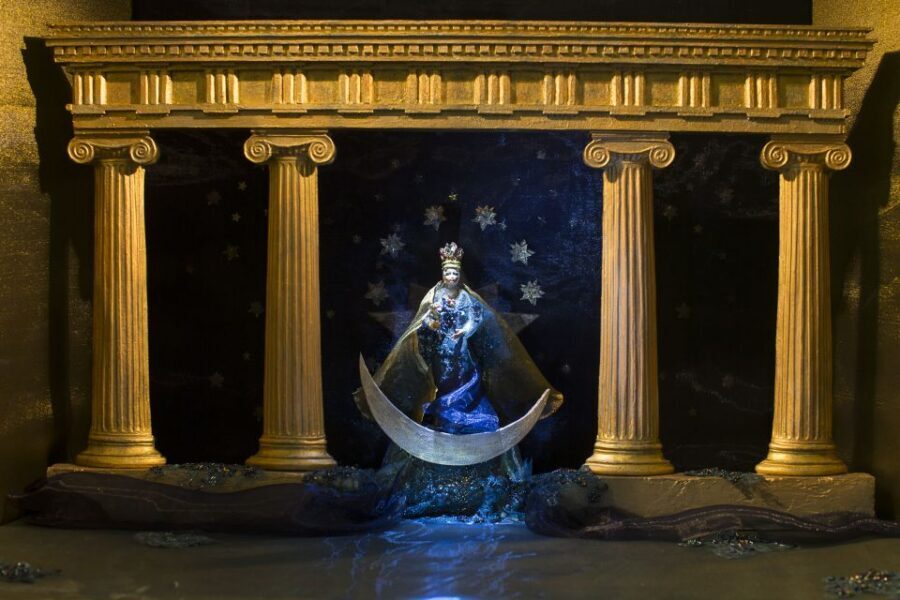
Inside, video recording and photography are not allowed. That rule shapes the mood. You won’t be able to capture the rooms for later the way you can in many city attractions, so you’ll want to commit to remembering the experience in your head.
I actually like this constraint for this kind of museum. It nudges you to slow down and listen, especially in a place connected to a composer rather than a spectacle. If you’re the kind of person who needs visual notes, consider using quick mental tags while you listen—like associating Figaro with the specific room or section of the exhibition.
If you choose the combo: Mozart & More with Haus der Musik
If you select the option that includes Haus der Musik, you’re adding a modern, interactive sound museum. It’s set in a historic palace in the city center and spread across four floors.
The value of pairing it with Mozarthaus is simple: Mozarthaus is about context—Mozart in the Vienna of his working life—while Haus der Musik gives you something more physical, letting you try making music yourself. For families, it’s often the difference between “interesting but quiet” and “fun and active.” For adults, it’s a way to switch gears after the more interpretive audio tour.
If you want a practical rule of thumb, think of it like this: do Mozarthaus for story and setting, then do Haus der Musik to turn theory into sound.
Pacing and comfort: standing, corners, and how to avoid getting tired
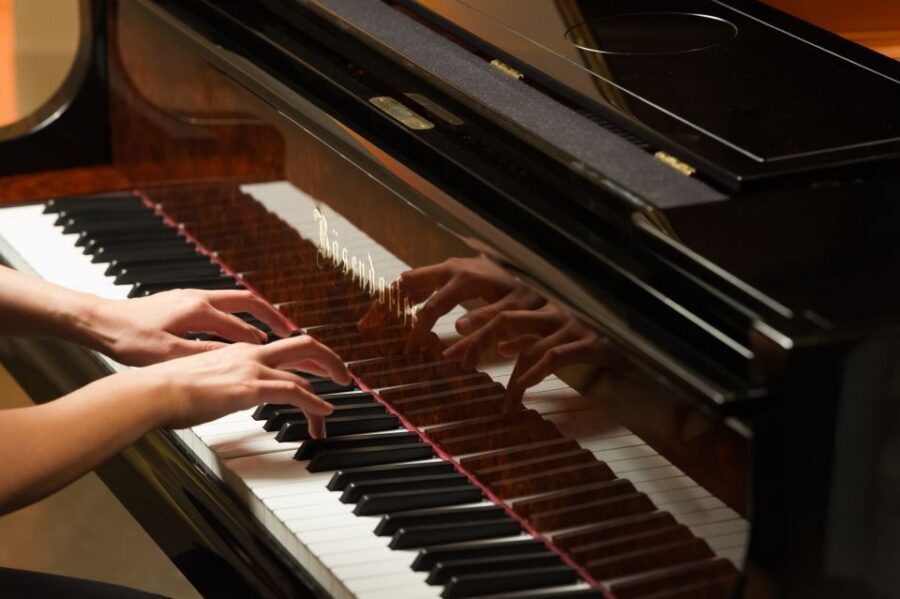
A common theme with audio museums is how often you’re standing and waiting for the next stop in the guide. Some people also feel the layout gives limited seating in certain spots, so your comfort can depend on how long you linger at each room.
If you’re sensitive to standing for long stretches, plan your visit so you don’t try to rush through all three exhibition levels in one go. Let the audio guide set your tempo, but feel free to pause, step aside when you need, and come back to the narration when you’re ready.
What to bring and what to expect when you check in
Bring your passport or ID card, and if you have one, bring your student card as well. You’ll also want to be ready for a cloakroom stop since it’s included.
Meeting point can vary based on the option you book, so you’ll want to confirm where you’re expected to start when you have your exact ticket details in hand. Also, this is a small-group experience limited to 10 participants, which usually means a calmer start than big coach tours.
One more practical detail: even with online booking, plan on exchanging or picking up your audio guide on site. That extra step is easy to overlook until you’re standing there with your phone at 9% battery wondering why nothing is playing yet.
Who this is best for (and who might want a different Mozart stop)
This works best if you enjoy Mozart through his context: Vienna, the culture around him, the music-making environment, and the way a room can tell you something a textbook can’t. The audio guide format also makes it a strong pick for families, since there’s a children’s audio track and the structure helps you keep everyone moving.
It’s not ideal if you only want big interactive experiences or you’re chasing wall-to-wall original artifacts. For those goals, pairing with Haus der Musik can help balance the day, since you get the “try it yourself” element there.
Should you book Mozarthaus Vienna with Audio Guide?
Book it if you want the best kind of Mozart souvenir: a sense of place. Seeing Mozart’s preserved Vienna apartment and pairing it with a multilingual audio guide is a high value way to understand the Vienna peak years, including the link to Figaro.
Skip it or adjust your expectations if you want lots of physical, original items on display or a very interactive museum. In that case, add the Haus der Musik option, plan for standing time, and bring headphones so the experience stays enjoyable.
FAQ
What is included with the Mozarthaus Vienna audio guide ticket?
Your ticket includes admission to Mozarthaus Vienna, an adult audio guide in 13 languages, a children’s audio guide in 8 languages, and access to the cloakroom.
Is Haus der Musik included?
Haus der Musik admission is included only if you select the option for the Mozart & More combo ticket.
How many languages is the audio guide available in?
The adult audio guide is available in English, German, Slovak, Spanish, French, Hungarian, Italian, Polish, Russian, Chinese, Czech, and Japanese, plus Korean. Children’s audio is available in 8 languages.
How long is the experience valid for?
The ticket is valid for 1 day. You should check availability for the starting times.
Can I take photos or video inside the museum?
No. Video recording and photography inside are not allowed.
Is Mozarthaus Vienna wheelchair accessible?
Yes, the venue is wheelchair accessible.
What should I bring for the visit?
Bring your passport or ID card. If you have one, bring your student card as well.