REVIEW · VIENNA
Vienna House of Music Entrance Ticket
Book on Viator →Operated by House of Music · Bookable on Viator
You’ll hear Vienna in a new way. The House of Music turns listening into an action game, mixing classical icons with hands-on sound science.
I especially like the interactive exhibits that make music feel physical, not just explained on a plaque. I also love the chance to sit with the Vienna Philharmonic’s historical material and actually listen to the New Year’s Eve concert in the museum.
One thing to consider: you may hit bigger crowds later in the day, so plan your best time for morning if you like a calmer walk.
In This Review
- Key things you’ll notice fast
- Entering the House of Music: sound science in central Vienna
- Your time plan (1.5 to 2 hours) without rushing
- Floor by floor: what each level is really for
- Stop at the 2nd floor Sonotopia Universe and the VR Sound Lab
- Composer stories up high: Vienna and the musicians who lived there
- The virtual conductor finale: your baton, your feedback
- The Vienna Philharmonic archives: listening with context
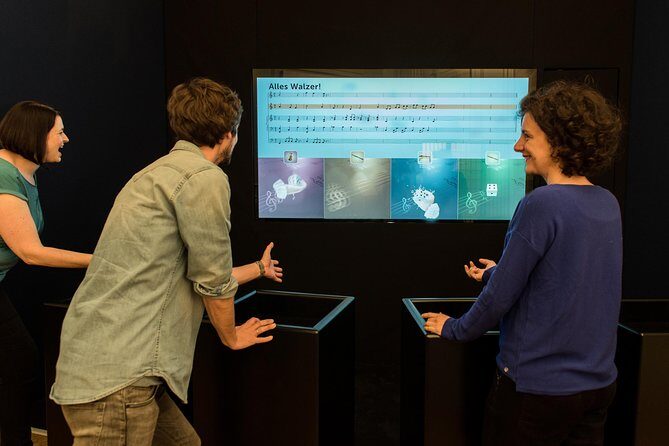
- Hands-on exhibits that make music feel physical
- Price and value: is $22.93 worth it?
- Smartphone Museums Guide: how to use it smart
- When to go: avoid the afternoon crush
- Who should book this experience?
- Practical notes before you go
- Should you book the Vienna House of Music ticket?
- FAQ
- What does the Vienna House of Music entrance ticket include?
- How long should I plan for the visit?
- Is the experience offered in English?
- What key highlights can I do with the ticket?
- Where is the House of Music in relation to public transportation?
- What are the opening hours during the listed season?
Key things you’ll notice fast
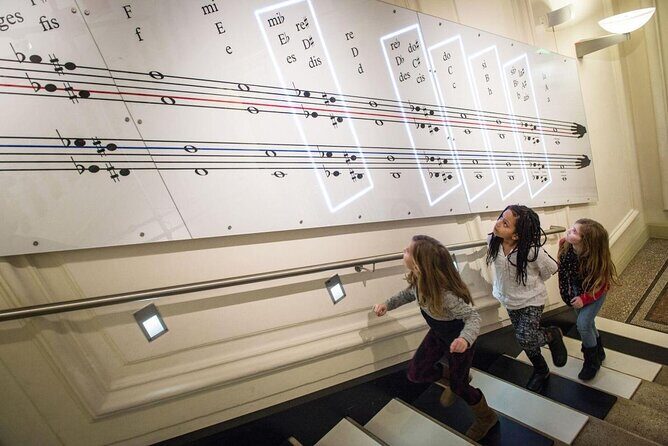
- Sound science that you can touch: interactive stations help you feel how pitch, rhythm, and vibration work.
- Vienna Philharmonic archives: listen to the orchestra’s New Year’s Eve concert in a historical context.
- VR Sound Lab: you can create your own sound creature using virtual reality.
- Sonotopia Universe on the 2nd floor: a whole themed world for experimenting with sound.
- Virtual conductor with feedback: wave a baton and get results based on your conducting.
- Composer floors that follow the city: you can learn where Beethoven, Mozart, and the Strauss family fit into Vienna life.
Entering the House of Music: sound science in central Vienna
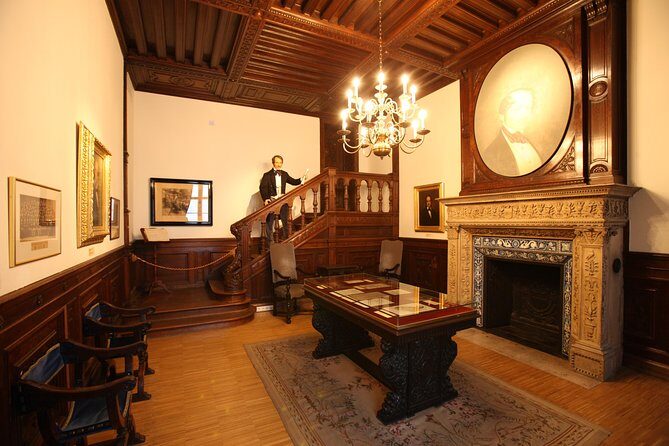
If you like music but also like puzzles, this museum is a very natural match. The House of Music in central Vienna (a bit off the main tourist routes) is built around one idea: sound is not just something you hear. It is something you can shape, test, and make visible.
What makes it work is the balance between famous names and cause-and-effect. You’ll see how orchestral music connects to physics, and you’ll also get actual listening moments tied to Vienna’s musical identity.
The experience is designed for self-guided time at your own pace, which is great if you want to linger over your favorite stations. You’re looking at roughly 1 hour 30 minutes to 2 hours for a solid visit, though families and sound-nerds might stay longer.
A few more Vienna tours and experiences worth a look



Your time plan (1.5 to 2 hours) without rushing
Because this is an entrance ticket, you control the route. The museum is organized by floors with themed highlights, so you don’t need a complex plan—just a realistic one.
Here’s the flow I’d recommend:
- Start early-ish if you want a smoother experience and more time at each station.
- Work floor by floor, so you don’t bounce around and lose momentum.
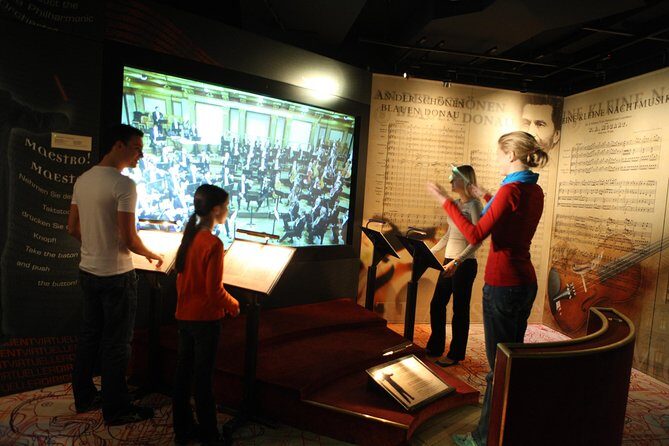
- Save the big finale for later: the virtual conductor exhibit is the kind of thing you’ll want focused attention for.
If you’re visiting with kids, I’d treat the visit like a scavenger hunt. Pick a couple of must-dos (VR Sound Lab and the virtual conductor) and let the rest happen naturally. You’ll get more enjoyment if you don’t try to do every single interactive the first time.
Floor by floor: what each level is really for
The House of Music is structured like a guided idea journey, even though you’re walking it on your own. Each floor has a distinct purpose—sound experiments, orchestral heritage, composer stories, and finally your turn to conduct.
That structure matters because it keeps the museum from feeling random. You’re not just pressing buttons. You’re learning the same theme from different angles.
Stop at the 2nd floor Sonotopia Universe and the VR Sound Lab
One of the most memorable parts of the museum is Sonotopia Universe on the 2nd floor. This is where the experience feels more like exploration—less lecture, more discovery.
I especially like that you can shift between different types of learning in the same area. There are interactive stations tied to the physics of sound, so you can test how changes you make affect what you hear and see.
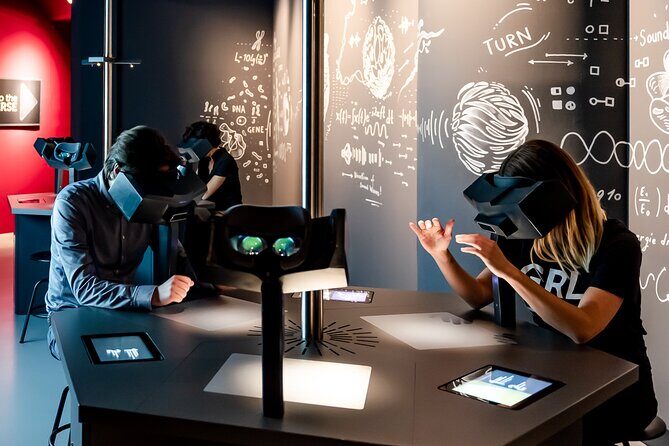
And then there’s the VR Sound Lab, where you can create your own sound creature. If you’ve ever watched music on stage and thought it must feel more magical up close, this is the museum version of that feeling. You’re turning sound into something you shape in real time.
Practical tip: give yourself extra minutes here. VR tends to take a bit longer than the simple touch-and-try exhibits, and you don’t want to feel rushed before you reach the conductor floor.
Composer stories up high: Vienna and the musicians who lived there
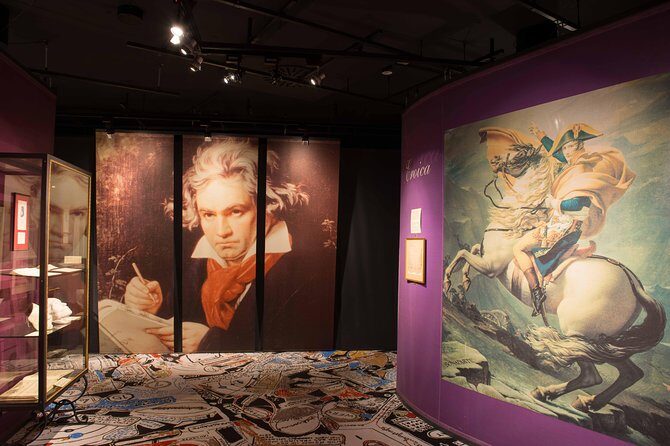
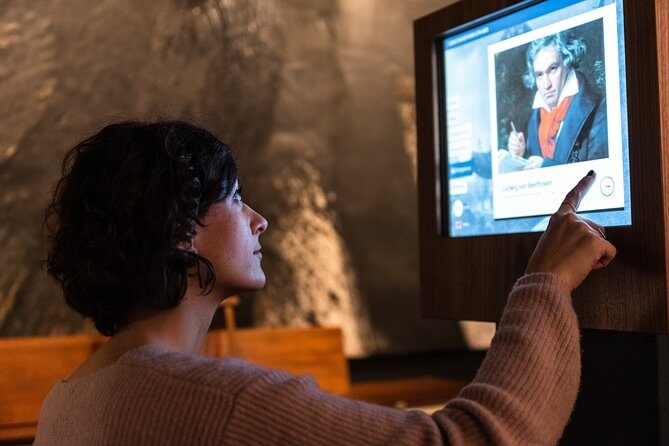
On the 3rd floor, the museum shifts from sound experiments to composer context. Instead of only talking about works, you can learn about the lives of major composers in the city and the music they created while in Vienna.
This is where the museum helps you connect dots. If Beethoven, Mozart, or the Strauss family are why you’re in Vienna, this floor gives you a focused way to understand why the city mattered.
You might also find that this floor works well for adults who prefer facts, because it gives you names, timelines, and a sense of place—without killing the fun.





The virtual conductor finale: your baton, your feedback
The virtual conductor exhibit on the 4th floor is the closest thing here to a performance you control. You test your conducting skills by waving a baton along to a video of the Vienna Philharmonic playing.
What I like most is the feedback element. It turns conducting from a vague idea into something you can measure and try again. Even if you’re not the world’s best timekeeper, you’ll still get something out of it—mostly the satisfaction of improving in small steps.
This is also a good reason to save some energy. It’s the kind of station where you’ll want to be mentally present.
The Vienna Philharmonic archives: listening with context
One of the museum’s biggest strengths is the way it respects the Vienna Philharmonic legacy without turning the whole visit into a quiet shrine. The historical archives include listening opportunities, including the Vienna Philharmonic New Year’s Eve concert.
The point is not just to play famous recordings. It’s to help you understand that these performances are part of a deeper Vienna tradition. When you’re later listening to concerts in town, you’ll probably have more in your mental toolbox—sound, place, and heritage all connected.
If you’re planning to attend a classical concert during your Vienna trip, this museum can make your concert evening feel more personal. You arrive with questions like how orchestras shape sound and how timing and dynamics actually work.
Hands-on exhibits that make music feel physical
The House of Music is built around interactivity, and it delivers it in multiple styles. Some stations are straightforward cause-and-effect. Others ask you to play, experiment, and adjust.
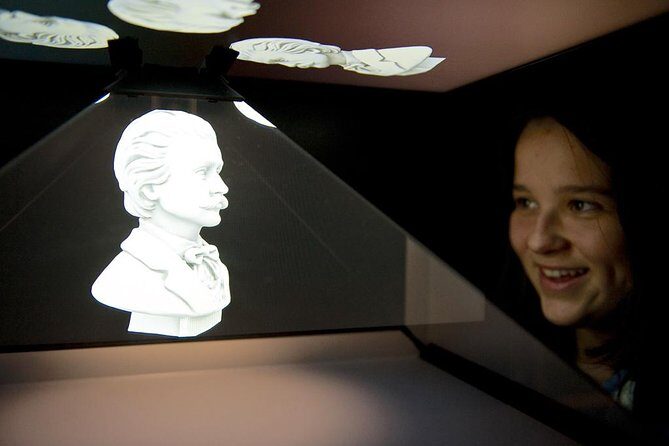
A standout example from the experience: you might run into a hand-movement station that displays your motif on the ceiling. That kind of visual feedback is a big reason people come back with that wow feeling, even if they started out thinking a music museum would be mostly educational reading.
If you’re the type who learns best by doing, you’ll get your money’s worth from stations that let you test sound directly. If you prefer passive viewing, you’ll still be fine, but you’ll want to choose your favorite interactions and spend more time there.
Price and value: is $22.93 worth it?
At $22.93 per person, the ticket price lines up with a top-tier museum experience in Vienna where you’re not just looking—you’re interacting. And in this case, the value comes from variety.
You get:
- entrance access to the museum at leisure
- a meaningful set of flagship exhibits (including VR and virtual conducting)
- the Vienna Philharmonic historical listening component
- and a smartphone guide download that can help you steer your attention
If you’re traveling as a couple or solo, the VR Sound Lab plus the virtual conductor alone can justify a lot of the cost because they’re high-impact experiences. If you’re with kids, the hands-on design is the value multiplier: they’re not stuck as passive observers for long stretches.
Smartphone Museums Guide: how to use it smart
Included with your ticket is a smartphone Museums Guide for download. It’s available in 8 languages, plus a family version in German and English.
I’d treat this guide like a map, not like homework. Use it to pick which stations you want to prioritize, especially if you’re short on time. If you arrive with a plan—say, VR Sound Lab first, virtual conductor last—you’ll enjoy the museum more and feel less pressure to see everything.
Also, having it in multiple languages helps if anyone in your group needs an English option while you still explore at your pace.
When to go: avoid the afternoon crush
This museum is open for long hours during the season (generally 10:00 AM to 10:00 PM on most days listed). That sounds like you can pick any time, and you can—but timing affects comfort.
If you prefer space around you while you experiment, go in the morning or earlier in the day. Later hours can bring more visitors, and interactive stations are the first place you’ll feel it.
Even if you can only visit in the afternoon, you can reduce frustration by doing the most popular hands-on exhibits earlier. VR and the virtual conductor tend to be the kind of moments people plan around.
Who should book this experience?
This ticket is a great match for:
- families with kids who like hands-on tech and movement
- classical music fans who want Vienna’s composer story with an interactive twist
- people who learn best by experimenting rather than reading long panels
- couples or solo travelers who want an indoor activity that feels like a mini adventure
It’s less ideal if you strongly prefer quiet, traditional museum pacing with almost no participation. This place is built for doing.
If you have mobility constraints, the good news is that most travelers can participate, and it’s near public transportation. Just note that interactive stations can involve standing and walking between floors, so comfortable footwear helps.
Practical notes before you go
The museum runs with a set schedule across the date range listed for the season. During most of it, hours are 10:00 AM to 10:00 PM, with a shorter day on December 24 (10:00 AM to 6:00 PM). There are also extended daily hours through December 25 to 31.
The venue allows service animals, and it’s near public transportation, which makes it easier to slot into a day of sightseeing.
Since the visit is at leisure, keep a little buffer in your day. With self-guided time, you can get stuck replaying your best conductor try or spending extra time on sound experiments.
Should you book the Vienna House of Music ticket?
I think you should book if you want a music museum that behaves like a playground—science of sound, Vienna Philharmonic listening moments, and tech you can actually use. The VR Sound Lab and the virtual conductor exhibit are the kind of experiences that feel special even if you’re already familiar with classical names.
You might skip it if you only want quiet exhibits or you’re expecting a traditional, mostly passive museum. This is hands-on by design, and that’s the whole point.
For most visitors, though, the ticket is strong value because it mixes education with real participation in about two hours. If you time it well, you’ll leave with both a better ear and a better story about Vienna music.
FAQ
What does the Vienna House of Music entrance ticket include?
Your ticket includes admission to the House of Music and the Smartphone Museums Guide for download. Food and drinks, and a physical guide, are not included.
How long should I plan for the visit?
Plan for about 1 hour 30 minutes to 2 hours.
Is the experience offered in English?
Yes. The experience is offered in English.
What key highlights can I do with the ticket?
You can explore interactive sound and music exhibits, visit the Vienna Philharmonic historical archives with listening opportunities, try the virtual conductor exhibit, and use the VR Sound Lab to create your own sound creature. You can also download the free museum guide to your smartphone.
Where is the House of Music in relation to public transportation?
It’s near public transportation, and it’s in central Vienna.
What are the opening hours during the listed season?
During the main period, it’s generally open Monday to Sunday from 10:00 AM to 10:00 PM. December 24 is shorter (10:00 AM to 6:00 PM). From December 25 to December 31, it returns to 10:00 AM to 10:00 PM.