REVIEW · VIENNA
Vienna: Time Travel and Magic Vienna History Tour
Book on GetYourGuide →Operated by Time Travel in Vienna · Bookable on GetYourGuide
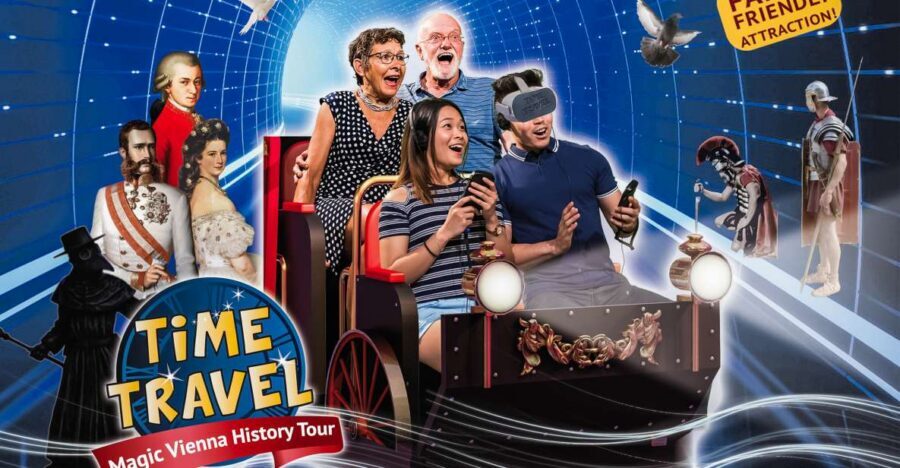
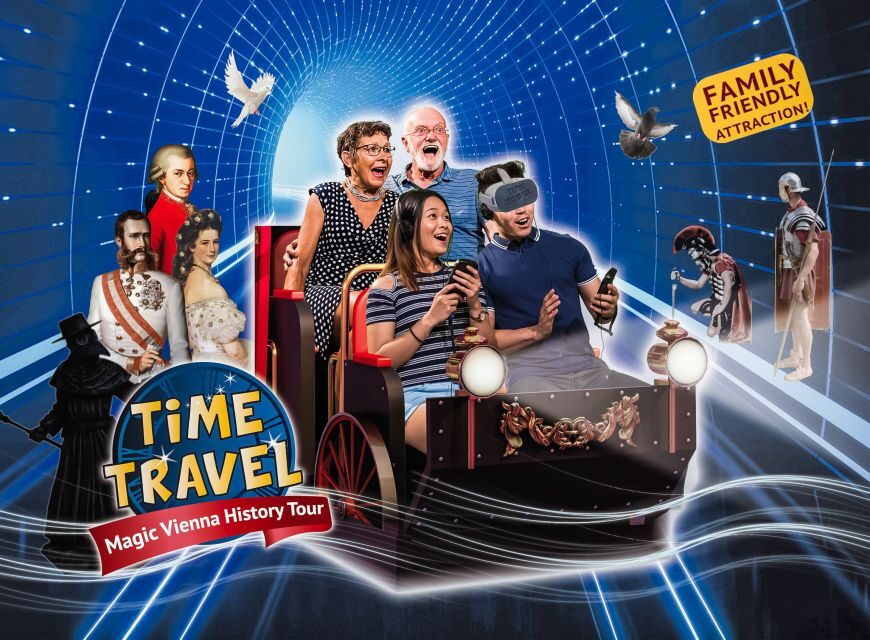
One hour, and Vienna turns theatrical. Time Travel Vienna uses interactive multimedia, 5D cinema, and VR to move you through centuries in the historic city center, starting in the cellars of St. Michael’s monastery.
I especially like the way it gives you people to connect with, from imperial Vienna’s court and royal figures to Chancellor Figl in a wartime setting. I also love the technology mix: VR music history plus 5D effects keeps the learning from feeling like a lecture.
One possible drawback: there’s no elevator, and the route includes about 50 steps over two levels, so it’s not suitable for wheelchair users or people with mobility impairments.
In This Review
- Key highlights you’ll feel right away
- Entering Time Travel Vienna in Vienna’s Altstadt (and how to find it fast)
- The one-hour format: how 2000 years of Vienna fits together
- St. Michael’s monastery cellars: why the setting isn’t just decoration
- From Vindobona to imperial Vienna: meeting the people behind the eras
- 5D cinema (and 4D-style effects): the entertainment engine
- VR glasses for Viennese music history: why it clicks for non-music lovers
- WWII in a bomb shelter: Enemy Aircraft and the mood shift
- The end of the war: Chancellor Figl in battered remnants of Vienna
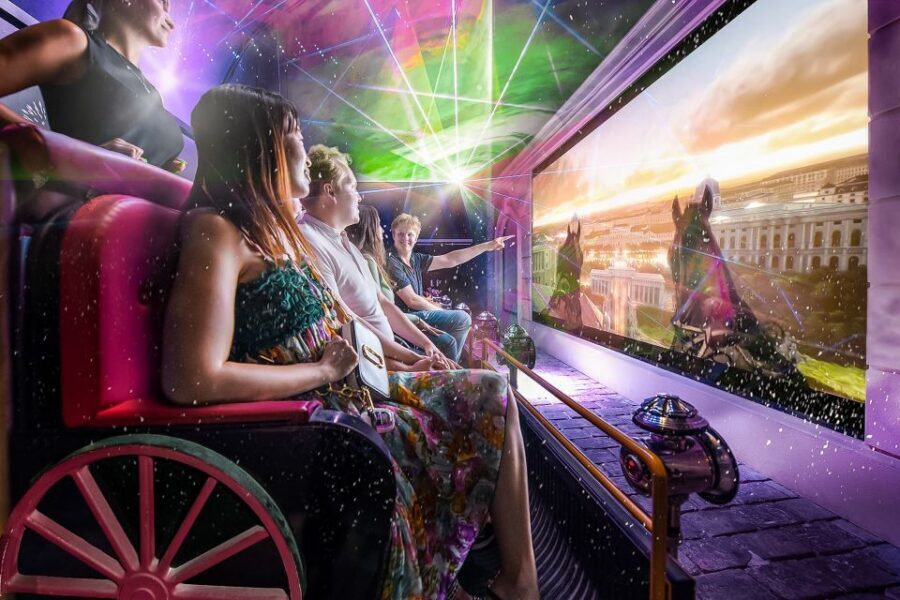
- The finish: flying over rooftops and a virtual horse-drawn carriage ride
- Price and value: is $27 for an hour actually reasonable?
- Who should book this, and who should skip it
- Practical tips before you go: what to plan for
- Should you book Time Travel Vienna?
- FAQ
- How long is the Time Travel Vienna experience?
- Where is the meeting point, and how do I get there?
- What’s included in the ticket price?
- Is it suitable for wheelchair users or people with mobility impairments?
- Can I record video during the experience?
- What time is the last admission?
Key highlights you’ll feel right away
- 2000 years of Vienna in one stop: Roman Vindobona to present-day Vienna
- St. Michael’s monastery cellars: the setting makes the whole story feel more physical
- 5D cinema and VR together: the show keeps switching formats to hold attention
- WWII bomb shelter simulation and Figl’s speech: history moments with emotional weight
- Finish with a roof-top flight and horse-drawn carriage ride: a visual payoff that feels like closure
Entering Time Travel Vienna in Vienna’s Altstadt (and how to find it fast)
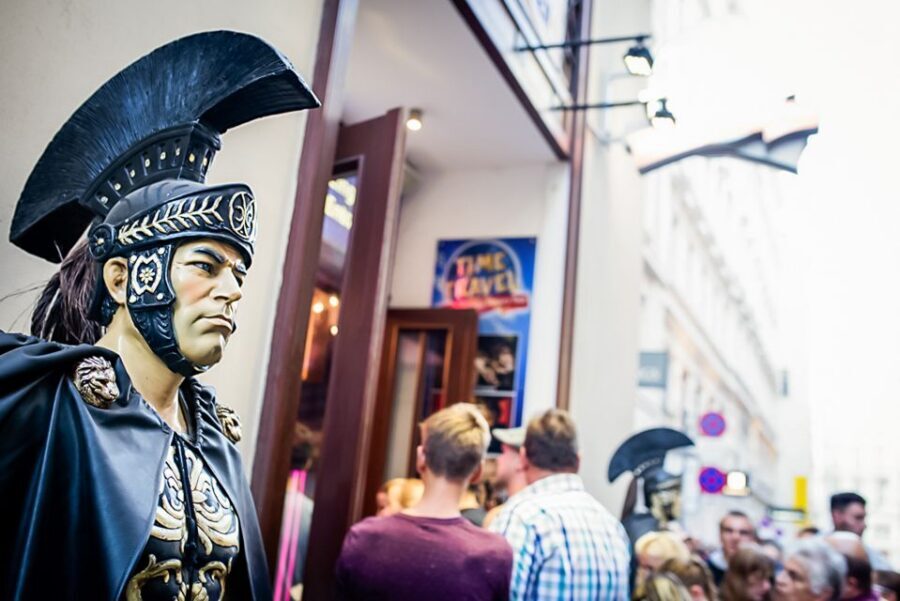
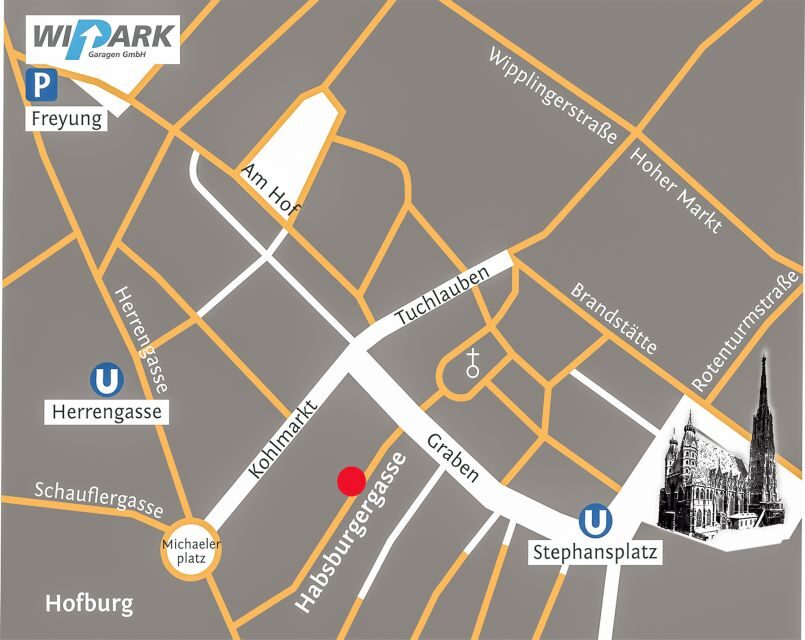
Time Travel Vienna is in Vienna’s historic core, in the Altstadt area, at Habsburgergasse 10A, 1010 Vienna. You’re close enough to make this an easy add-on day plan: it’s about 200 meters from the Hofburg and roughly 100 meters from Graben, Kohlmarkt, and Stephansplatz.
Getting there is simple. Use the underground on U1 (Stephansplatz) or U3 (Herrengasse), then walk a short distance. If you’re driving, there’s parking at the Freyung garage with a reduced price option.
You can also read our reviews of more historical tours in Vienna


The one-hour format: how 2000 years of Vienna fits together
This is built as a “room-to-room” experience, designed to keep you moving even if you’re not a hardcore history person. Expect an hour that runs through a lot of eras, using interactive stations, multimedia scenes, and special effects rather than long guided speeches.
The pacing matters. Because you don’t have to sit still for long stretches, this works well if you’re traveling with kids, teens, or anyone who gets restless in museums. It’s also smart if you’re arriving in Vienna and want context before you start sightseeing, since it helps you recognize names and storylines you’ll see later around the city.
St. Michael’s monastery cellars: why the setting isn’t just decoration
The experience leans into atmosphere by taking you into the cellars of the St. Michael’s monastery. That’s not just a quirky location—it helps you understand why Vienna’s past can feel close, even when it’s centuries removed.
It also gives you that “you’re stepping into the past” feeling without requiring you to be an expert. You get historical scenes paired with physical movement through different areas, and the building itself adds weight to the storytelling.
From Vindobona to imperial Vienna: meeting the people behind the eras
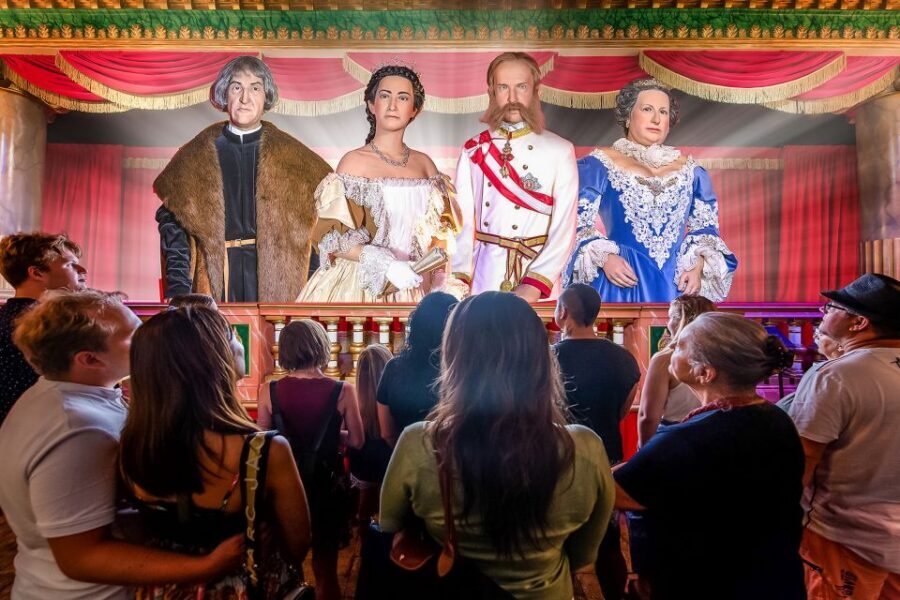
The story starts with ancient Vienna, going back to the days of the Roman camp of Vindobona. From there, it moves into imperial Vienna, where you’ll be shown the nobility of the Viennese court and introduced to important figures through a portrait-style presentation.
One of the most practical benefits here is that you don’t just learn dates. You learn recognizable faces and roles—then your later sightseeing makes more sense. When you see palace landmarks and grand architecture in the city, you’ll have a clearer sense of who these spaces served.
You also visit an area focused on what historical figures said and how they’re presented personally. That matters because speeches and character moments are often what stick, even when the setting shifts from one century to the next.
5D cinema (and 4D-style effects): the entertainment engine
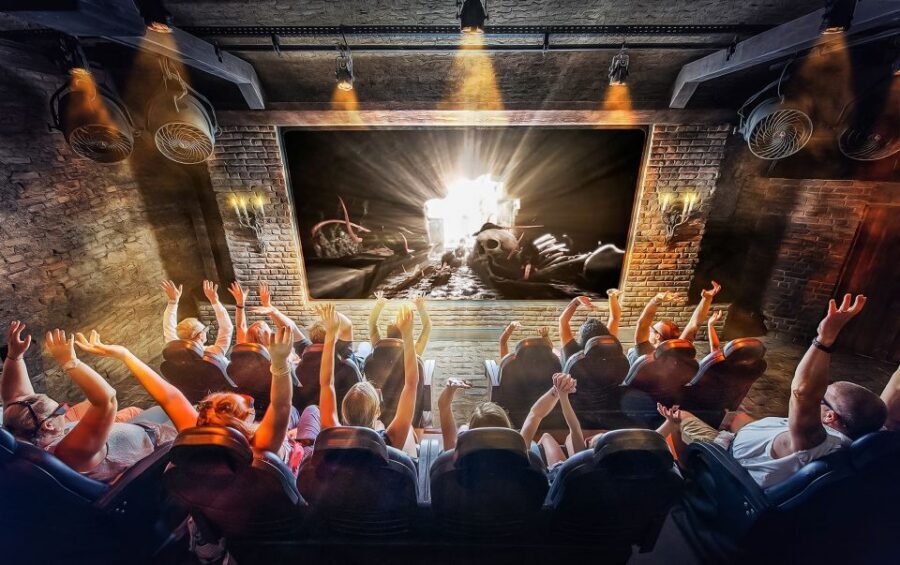
A big chunk of the appeal is the 5D cinema experience. The format uses spectacular effects that aim to make you feel like you’re actually there in ancient Vienna, not just watching a screen.
If you’re wondering whether it’s worth it, focus on this: the tech is doing the heavy lifting of attention. You get an active sensory show, then you move on to the next room, instead of repeating the same presentation style.
A small timing note: this is designed as a tight one-hour experience, so parts of the high-impact segments are short by nature. If you love the film-style show above everything else, plan to treat this as a highlight stop, not a slow sit-down cinema session.

VR glasses for Viennese music history: why it clicks for non-music lovers
The tour uses VR glasses to show the course of Viennese music history in a simulated world. Even if you’re not a musician, this portion can work because it frames music as a timeline you can see rather than music you have to already understand.
The value here is that Vienna’s music story connects to the city’s identity in a way that’s hard to pick up from plaques alone. After this, you’ll likely notice musical references while you walk around, and you’ll have a mental map for what you’re looking at.
WWII in a bomb shelter: Enemy Aircraft and the mood shift
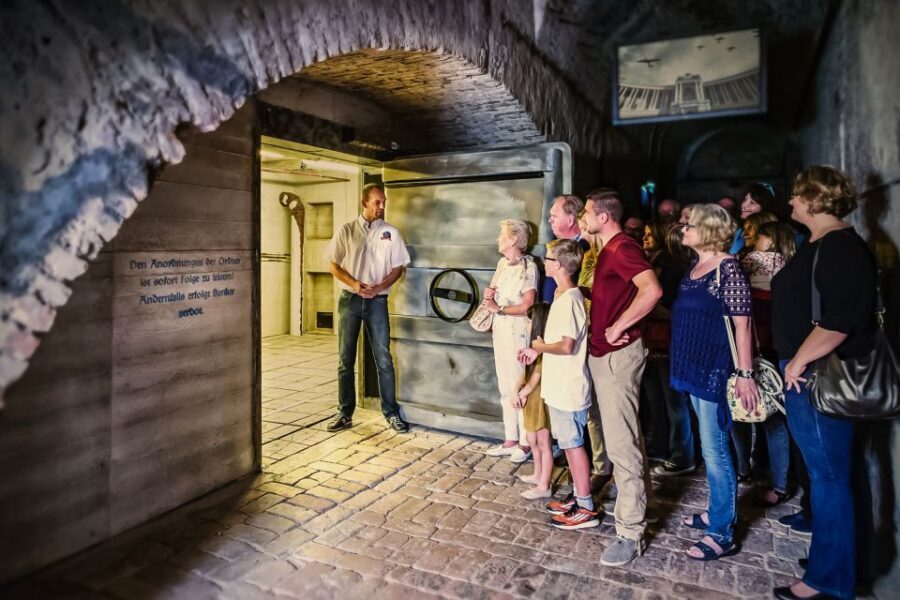
One of the more intense sections is the World War II moment. The experience uses something called Enemy Aircraft! to make it feel like WWII is raging around you, and you find yourself inside a bomb shelter.
This is where the tone changes fast. You go from courtly Vienna and cultural history to a survival atmosphere with damaged-surroundings visuals and intense effects. It’s a clear reminder that the city’s history isn’t only castles and concerts—it also includes fear, destruction, and rebuilding.
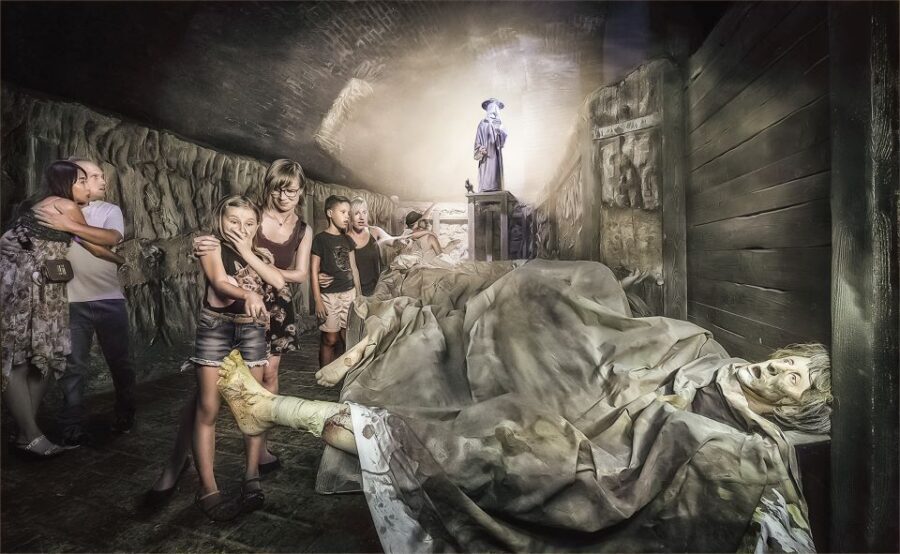
If you’re traveling with younger kids, keep expectations realistic. This isn’t presented like a horror attraction; it’s history dramatized with special effects. Still, it can feel emotionally heavy compared to the earlier “wow” moments.
The end of the war: Chancellor Figl in battered remnants of Vienna
Another standout moment is Austria is free!, where you listen to a moving speech by Chancellor Figl in the battered remnants of Vienna. The point isn’t just historical facts—it’s the sense of relief and recovery that followed.
This section adds emotional context that you typically miss when you only see Vienna’s exterior beauty. It helps you understand why certain memorial themes and post-war narratives matter when you’re in the city.
The finish: flying over rooftops and a virtual horse-drawn carriage ride
The ending is designed to be satisfying. You get a simulated flying segment over the roofs of Vienna, then the experience closes with a virtual horse-drawn carriage flight over present-day Vienna.
That last stretch is smart because it brings you back to where you are now. After the centuries of scenes, you get a visual handshake with today’s city—ideal if you want the experience to feel complete instead of abruptly ending mid-story.
Price and value: is $27 for an hour actually reasonable?
At $27 per person for about one hour, this isn’t the cheapest thing in Vienna—but it’s also not just a ticket to a room with screens. You’re paying for multiple formats in one place: interactive history scenes, 5D cinema, VR glasses, and several dramatized sequences.
Here’s the value logic I’d use when deciding:
- If you want a quick, high-energy introduction to Vienna that works for many ages, the time and variety feel fair.
- If you prefer slow, quiet museum learning or hands-on crafts, you might find this too “show-forward.”
Think of it like an hour-long history activation. You’re not trying to master Vienna’s past; you’re building a working context so your real-world walks around the city land with more meaning.
Who should book this, and who should skip it
This works especially well for families and mixed-age groups. The combination of moving rooms, 5D effects, and VR tends to keep energy up, and the timeline structure helps kids follow along.
It’s also a good fit if you’re short on time and want to get oriented early. Doing this near the start of your Vienna trip can make later architecture and palace sights feel less like random landmarks and more like chapters in the same story.
Skip or choose alternatives if you have mobility issues. The tour has two levels with about 50 steps to navigate, and there’s no elevator. Wheelchair users aren’t accepted on this route, but the info provided points wheelchair visitors to Sisi’s Amazing Journey across from Time Travel.
Practical tips before you go: what to plan for
Here are the details that will help your hour go smoothly.
Last admission matters. The last admission is at 19:00, so don’t plan a late-night sprint where you might miss your time window.
Audio guide and languages: You get a multilingual audio guide, so you don’t need to rely on a single-language script. This is helpful if your group has mixed language comfort levels.
No video recording. You’re not allowed video recording, and pets aren’t allowed either. If you like to document trips, plan to take in the experience live rather than trying to film the show.
Build it into your walking day. The location is central, and it’s easy to pair with other nearby sights around Graben and Stephansplatz.
Accessibility reality check: with the steps and no elevator, wear shoes that handle stairs well, and if you need breaks, consider adjusting your day so this isn’t the final stop after a long crawl across the city.
Should you book Time Travel Vienna?
Book it if you want a short, energetic way to understand Vienna’s story—from Roman roots to imperial power to WWII and post-war relief—using 5D cinema and VR. It’s one of those rare “ticketed experiences” that can genuinely help you connect with what you’ll see outside.
Skip it if you hate technology-based attractions, prefer slow museum reading, or need step-free accessibility. The physical setup is the deciding factor.
If you’re the kind of traveler who likes your history with motion, sound, and big sensory moments, Time Travel Vienna is a smart use of an hour in the Altstadt.
FAQ
How long is the Time Travel Vienna experience?
The experience lasts about 1 hour.
Where is the meeting point, and how do I get there?
The meeting point is Habsburgergasse 10A, 1010 Vienna. You can reach it by underground via U1 (Stephansplatz) or U3 (Herrengasse), and there’s also parking at the Freyung garage (reduced price).
What’s included in the ticket price?
Your ticket includes entry to the attraction and a multilingual audio guide.
Is it suitable for wheelchair users or people with mobility impairments?
No. The tour includes about 50 steps across two levels, there is no elevator, and wheelchair users can’t be accepted. Wheelchair users can visit a different attraction across from Time Travel: Sisi’s Amazing Journey.
Can I record video during the experience?
No. Video recording is not allowed.
What time is the last admission?
The last admission is at 19:00, so it’s important to arrive on time.