REVIEW · VIENNA
Admission to the Sigmund Freud Museum
Book on Viator →Operated by SIGMUND FREUD MUSEUM · Bookable on Viator
Freud’s Vienna still feels startlingly human. At the Sigmund Freud Museum on Berggasse 19, I love how preserved apartment rooms and original objects recreate the space where Freud lived with his family, and I love how the permanent exhibition ties his work on psychoanalysis to his everyday life.
One thing to plan for: the museum can feel crowded in its smaller rooms, so the vibe may be a little less quiet than you’d hope.
In This Review
- Key highlights at a glance
- Freud’s Apartment on Berggasse 19: What You’re Really Buying
- Entering the Permanent Exhibition: Psychoanalysis Meets Everyday Life
- Original Objects, Furniture, and the “Living Space” Effect
- The 1930s Film Layer: Private Life in Moving Images
- Changing Special Exhibitions and Conceptual Art in the Same Visit
- Plan for 2 Hours: How to Pace a Small Museum
- Ticket Value: Admission Included and What You Get for $18.02
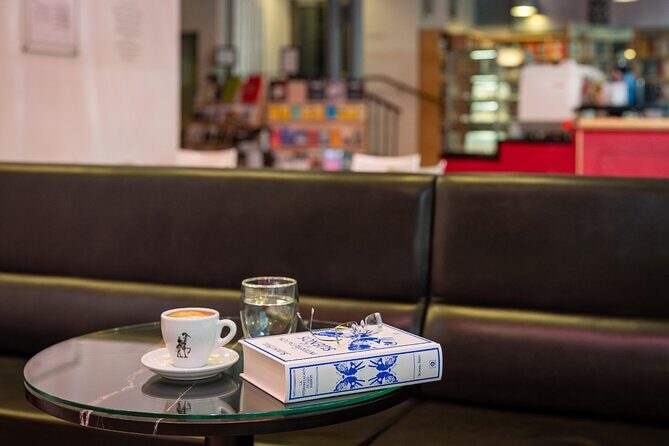
- Café and Shop Break: A Nice Way to End the Visit
- Who Should Book This Freud Museum Admission?
- Should You Book the Sigmund Freud Museum Admission?
- FAQ
- Where is the Sigmund Freud Museum located?
- How long does the visit take?
- What does the ticket include?
- Is this a mobile ticket?
- How much is the admission?
- When will I receive confirmation?
- Is the museum accessible and suitable for most travelers?
- Are service animals allowed?
- Is the museum near public transportation?
- What is the cancellation policy?
Key highlights at a glance
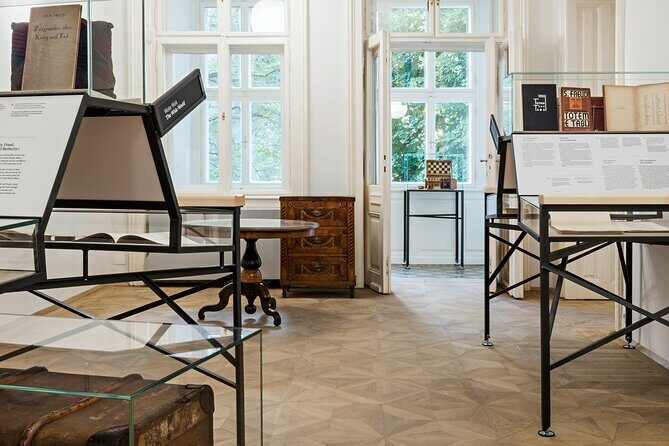
- Freud’s home address (Berggasse 19, 1090 Vienna) makes this more than theory—his work and family space are part of the story
- A permanent exhibition focused on psychoanalysis and the Freud family helps you connect ideas to real people
- Original objects and furniture create the lived-in atmosphere of the apartment
- 1930s films add a private-life layer that goes beyond textbook summaries
- A café and shop on site give you a natural place to pause and leave with books and souvenirs
Freud’s Apartment on Berggasse 19: What You’re Really Buying
This ticket is your entry pass to the Sigmund Freud Museum at his long-time address: Berggasse 19, 1090 Vienna. You’re not just seeing panels about Freud—you’re visiting the place where he lived with his family and maintained his world-famous practice for nearly 50 years. That single fact changes how the museum lands. It turns psychoanalysis from a concept into a lived routine: rooms, objects, visitors, and family life all sharing the same space.
Price-wise, you’re paying $18.02 per person for an experience that’s about 2 hours on average. You also get a mobile ticket, which is convenient in a city where you’ll already be juggling trams, U-Bahn, and walking. And because the museum is near public transportation, it fits easily into a day of Vienna sightseeing instead of becoming a separate mission.
You can also read our reviews of more museum experiences in Vienna

Entering the Permanent Exhibition: Psychoanalysis Meets Everyday Life
The heart of the visit is the permanent exhibition, built around Freud’s work and the Freud family. Expect the museum to explain psychoanalysis in a way that connects theory to personhood, not just big ideas on a wall. The displays focus on Freud’s thinking and also on the family environment around him, so you get a fuller sense of how one shaped the other.
What I find most useful here is the way the exhibition frames his work as something developed over time, not sprung fully formed. You’ll move through materials that introduce the concepts behind psychoanalysis while also showing you how Freud’s personal world sat right alongside his professional one.
A practical tip: keep an eye out for the museum’s room-by-room feeling. This isn’t a museum that only works when you slow down and read every label. It’s set up so you can also learn through what you see—objects, layouts, and the overall atmosphere of the apartment.
Original Objects, Furniture, and the “Living Space” Effect
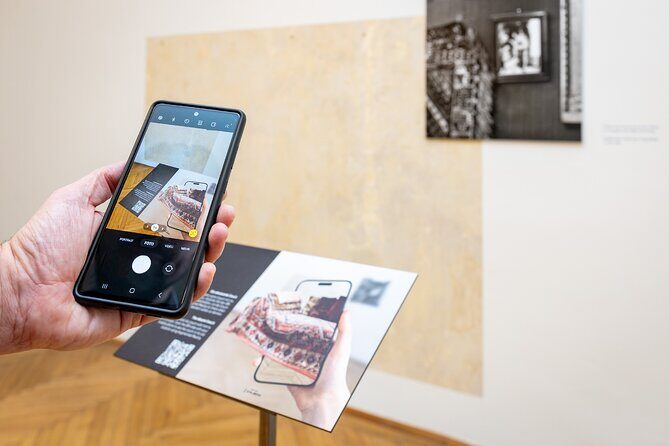
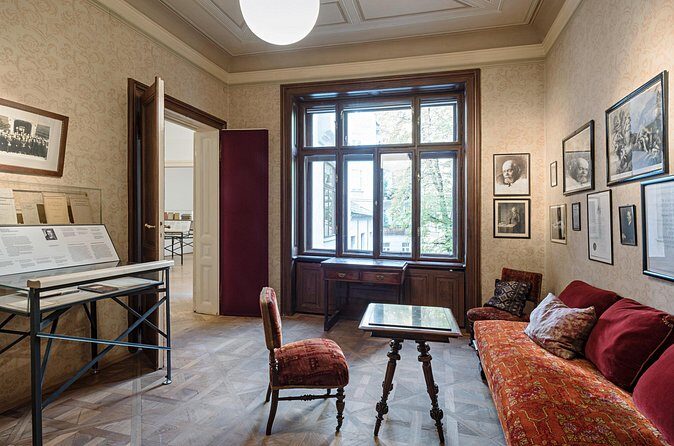
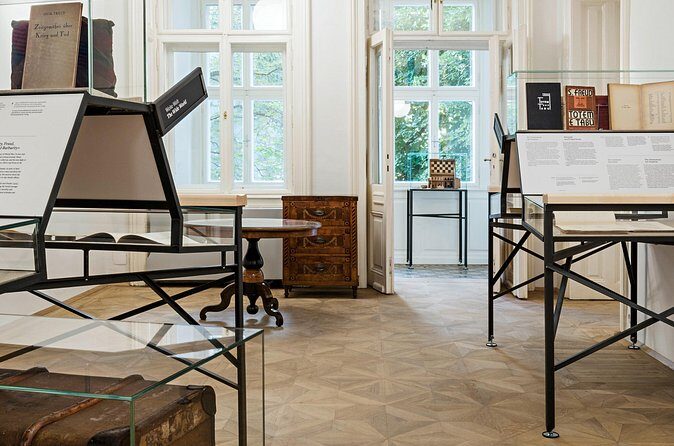
One of the biggest reasons people rate this museum highly is the atmosphere created by original objects and furniture. You’re meant to experience the apartment as a believable environment—something like walking into the physical context of Freud’s daily life.
You may also spot the kind of recognizable elements that visitors associate with Freud’s consulting world, such as the famous couch referenced in the display experience and furnishings that people talk about in terms of the period look. Even if you don’t treat every object like a museum artifact, the effect matters: the space helps you understand that Freud’s work wasn’t abstract. It was shaped by the rooms where conversations happened.
There’s also a slightly “human” payoff to the details. When objects are placed where they would logically fit in a home, you start imagining visitors arriving, discussions happening, and family life continuing. That’s when the museum becomes more than a biography stop.
The 1930s Film Layer: Private Life in Moving Images
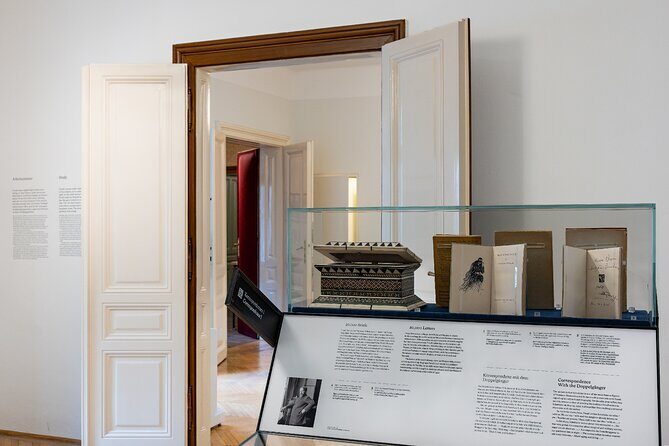
In addition to the objects and apartment feel, the museum includes unique films from the 1930s. This part adds a different kind of information—less about what Freud wrote and more about how life around him looked and moved.
Films do two helpful things in a museum like this. First, they refresh your attention. After reading and looking around in rooms, the screen gives your brain a reset. Second, they make the story feel less like a fixed museum display and more like a human timeline. You’re not only learning what Freud believed; you’re also watching how the Freud household and their world existed in the early 20th-century context.
If you’re short on time, don’t skip the film component. It’s a strong way to get the emotional tone of the era without having to read every page.
Changing Special Exhibitions and Conceptual Art in the Same Visit
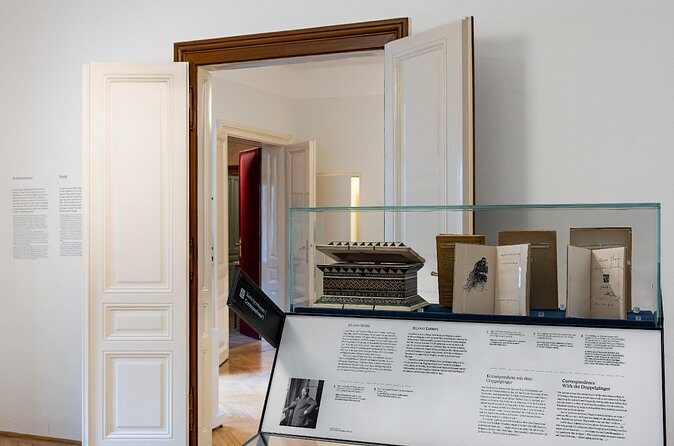
Beyond the permanent exhibition, the museum also features changing special exhibitions and a conceptual art collection that references the present. This is a smart choice for visitors who feel museum stops sometimes get stuck in the past.
The concept here is practical: psychoanalysis isn’t just a historical curiosity. The ideas around it are still discussed today, and that connection is part of what you should look for while you move through the additional sections. The special exhibitions and the conceptual works give you a chance to notice the museum’s point of view: Freud as a starting point, not an endpoint.
How to enjoy this section: treat it like a creative “aftertaste.” Let the permanent exhibition do the heavy lifting first. Then come back to the contemporary references with clearer context.



Plan for 2 Hours: How to Pace a Small Museum
This experience runs about 2 hours on average, and it helps to think of it as a focused circuit. The museum isn’t designed to be a half-day wandering project. You’ll get the best result if you plan for a steady pace: look at the room details, take in the film parts, and then reconnect with the exhibition storyline.
Because the museum can be crowded, pace matters more than usual. Smaller rooms plus higher foot traffic can mean more noise than you want. If you’re hoping for a quiet, slow experience, aim to visit when you expect fewer tour groups and school groups. (Vienna museums often follow predictable rhythm patterns, so early in the day can help.)
Also, wear comfortable shoes. Even without huge distances between rooms, you’ll likely stand and move a lot more than you think, especially if you stop often to read or re-check an object label.
Ticket Value: Admission Included and What You Get for $18.02
At $18.02 per person, this is one of those museum tickets that feels fair because it includes more than just access to rooms. You’re paying for several layers of experience inside the same site:
- entry to Freud’s apartment-based museum setting
- a permanent exhibition focused on psychoanalysis and family life
- film material from the 1930s
- space for special exhibitions and conceptual art references to today
- an on-site café and well-stocked shop to round out your visit
The on-site café and shop are not just extras. They make the museum feel like a complete stop rather than a quick check-in-and-out. If you want to sit down for a short break afterward, you can do it right there instead of walking around hungry.
In terms of value, this works best if you have at least a modest interest in psychology, history, or early 20th-century Vienna. If you’re purely looking for modern art or only broad overviews, you might find the emphasis on Freud’s life and ideas a bit narrow. But for the right traveler, it’s the kind of stop that sticks with you because it ties ideas to place.
Café and Shop Break: A Nice Way to End the Visit
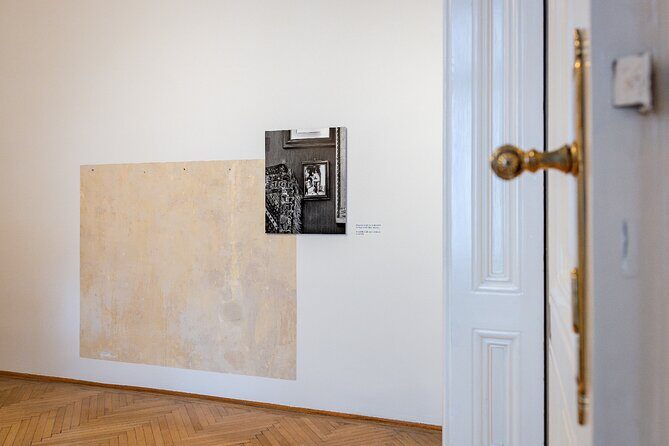
When you’re ready to come up for air, the museum’s café and shop are the perfect finish line. This is where you can slow down after reading and walking, grab a drink, and decide what you actually want to remember.
The shop is described as well-stocked, with books and souvenirs you can take home. That’s especially helpful for a museum like this, because psychoanalysis and Freud are topics people often want to understand further. Buying a book afterward is an easy way to turn your 2-hour visit into a longer-term interest.
If you’re someone who likes to leave with something practical—like a readable guide or history title—this is the right kind of museum stop to end at.
Who Should Book This Freud Museum Admission?
I’d book this if you want a place-based history stop. Freud isn’t separated from his story here; his home and working context are part of the exhibition structure. It suits you if you’re curious about psychoanalysis, interested in how ideas form in real life, or you simply like museums where the building itself matters.
You’ll also like it if you appreciate mixed formats. The museum combines preserved spaces, object-focused displays, and films. That variety helps keep the visit moving without feeling like one long wall of text.
You might think twice if you’re extremely sensitive to noise and crowding. The museum’s size can make it feel busy, and the rooms don’t always create the kind of hushed atmosphere you’d expect from a deeply reflective topic. Still, even in a crowd, you’ll get the core experience: Freud’s working-and-living world in Vienna.
Should You Book the Sigmund Freud Museum Admission?
Yes—if you want a high-value, 2-hour stop that connects Freud’s ideas to the rooms where his life unfolded. The ticket price is reasonable for what you get: permanent exhibition content, film elements, and original apartment atmosphere, plus a café and shop to make the visit feel complete.
Book it if psychoanalysis or early 20th-century Vienna is on your list. And if you’re planning a packed itinerary, remember this place works best when you give it focused time rather than treating it like a quick photo stop.
FAQ
Where is the Sigmund Freud Museum located?
The museum is at Berggasse 19, 1090 Vienna, Austria.
How long does the visit take?
The visit is approximately 2 hours.
What does the ticket include?
Admission to the Sigmund Freud Museum is included.
Is this a mobile ticket?
Yes, the experience uses a mobile ticket.
How much is the admission?
The price is $18.02 per person.
When will I receive confirmation?
Confirmation will be received at the time of booking.
Is the museum accessible and suitable for most travelers?
Yes, most travelers can participate.
Are service animals allowed?
Yes, service animals are allowed.
Is the museum near public transportation?
Yes, it is near public transportation.
What is the cancellation policy?
You can cancel for a full refund up to 24 hours in advance of the experience start time. If you cancel less than 24 hours before, the amount paid is not refunded.