REVIEW · VIENNA
Vienna: Small-Group Bike Tour with a Guide
Book on GetYourGuide →Operated by Velopold Vienna · Bookable on GetYourGuide
Vienna by bike beats standing around. In just 3 hours, you glide through well-maintained paths while a guide tells stories that make the city click. I particularly like the way the route mixes big-name sights with calmer stretches along the Danube Cycle Path and canal views. One thing to consider: this tour is not for people with mobility impairments, and it won’t run in heavy rain, snow, or thunderstorms.
Two more reasons I’m a fan: you get photo-ready stops at places like the Opera House, City Hall, Hofburg Palace, and St. Stephen’s Cathedral, and you’re not stuck pedaling through traffic. The small-group size also helps—questions stay easy, and the pace feels human, not factory-fast. If you’re expecting a long, deep museum day, this isn’t that. It’s a ride-and-see tour, so it works best when you want movement and context at the same time.
In This Review
- Key highlights at a glance
- Why Vienna by bike works so well in just 3 hours
- Meeting Velopold Vienna: bikes, water, and a smooth start
- Prater to the Danube Cycle Path: settling into a local rhythm
- Hundertwasser House and the creative stop you’ll remember
- Ringboulevard: imperial scenery with explanations that stick
- Photo stops that fit the ride: Opera House, City Hall, Hofburg, St. Stephen’s
- Leopoldstadt on the way back: the arts-and-food vibe in motion
- Small-group value: what $55 buys you in real time
- Who this Vienna bike tour is best for (and who should skip it)
- The guide experience: stories that make the city make sense
- Should you book this small-group Vienna bike tour?
- FAQ
- How long is the Vienna small-group bike tour?
- What’s the price per person?
- Where do I meet for the tour?
- What’s included in the tour price?
- Is hotel pickup or drop-off included?
- What languages are the guides?
- What should I wear or bring?
- Does the tour run in bad weather?
- Is this tour suitable for mobility impairments?
Key highlights at a glance
- Easy local-bike pace on maintained bike paths instead of awkward road stress
- Danube Cycle Path + canal area for city views with a calmer feel
- Hundertwasser House for colorful, creative architecture that stops you in your tracks
- Ringboulevard imperial scenery with the palace era explained in plain terms
- Big landmark photo stops at the Opera House, City Hall, Hofburg, and St. Stephen’s Cathedral
- Leopoldstadt return route that adds a multicultural, artsy mood before you finish up
Why Vienna by bike works so well in just 3 hours
Vienna can feel big on foot. By bike, you cover more ground without turning your day into a sore-foot marathon. This tour is designed around a simple idea: you get the “major hits” of the center, but you travel between them on bike routes that feel more like how locals move than like how tourists shuffle.
What surprised me is how naturally the ride creates a story. You start with an amusements-and-energy vibe near the Prater amusement park area, then the route flows into the Danube-side scenery. After that, the city shifts gears into grand architecture and imperial-era symbolism on the Ringboulevard. It’s the kind of structure that helps you remember what you’re seeing instead of just snapping photos and moving on.
And because it’s small-group, you’re not lost in a sea of helmets and elbows. You can actually hear the guide’s explanations while you ride at a comfortable, steady pace.
You can also read our reviews of more cycling tours in Vienna
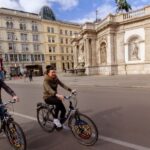
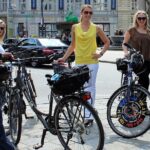
Meeting Velopold Vienna: bikes, water, and a smooth start
You meet at the front desk of the Velopold Vienna shop. It’s a straightforward setup: you check in, then get fitted with the bike and any basic gear you need for the ride, plus bottled water. That matters more than it sounds. When you show up with your hands free (and not worrying about where the bike is stored), you start sightseeing sooner.
You should wear comfortable shoes and clothes. Vienna weather can shift quickly, and a bike tour asks you to dress for motion, not just for standing in place. If you tend to run cold, bring a layer you can stash easily.
There’s no hotel pickup or drop-off. So you’ll want to plan an easy walk or short tram/metro hop to the meeting point. The upside: meeting on your own keeps things flexible for the rest of your day.
Prater to the Danube Cycle Path: settling into a local rhythm
The tour begins with an introduction about Vienna and then you ride out by the colorful Prater amusement park area. Even if you don’t stop inside any attractions, Prater gives you a key context clue: Vienna isn’t only palaces and churches. It also has leisure, people-watching, and everyday city life.
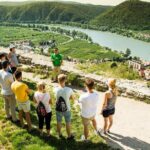
From there, the route heads toward the Danube Cycle Path. This is one of the smartest choices on the itinerary. The Danube-side stretch gives your brain a break from the dense center. Instead of feeling like you’re only surrounded by monuments, you get open sightlines and a more relaxed pace.
As you ride, the guide’s job is to connect what you’re seeing to why it matters—former royals, city planning, and the logic behind the major sights you’ll hit later. I like tours that explain the “so what?” and this one does that. You’ll get the sense that Vienna built different layers at different times, and the city layout reflects that.
Hundertwasser House and the creative stop you’ll remember
Then you get to one of the most instantly recognizable visual moments on the whole trip: Hundertwasser House. The tour frames it as a jump from the imperial mood into something more expressive and modern in spirit. When you see the colorful building, the details do the storytelling for you—textures, color, and the feeling that rules were politely ignored.
This stop works because it breaks the pattern. Before it, you’re absorbing grand scale and formal planning. After it, you’re more open to noticing contrasts in Vienna’s architecture: the city isn’t just one style, one era, or one kind of power. It has room for experimentation.
If you’re the type who likes photos, this is a great one to slow down for. It’s not a distant landmark you admire from a bus window; it’s the kind of place that rewards a few extra minutes of looking.
Ringboulevard: imperial scenery with explanations that stick
Next comes the Ringboulevard, a major artery that’s basically Vienna on display. This is where you start to feel the imperial past in a very direct way. The guide’s commentary is what turns the view into something you can explain later.
The Ringboulevard area has the kind of architecture that’s meant to send messages. You’ll get a glimpse of that former royal era not through a lecture, but by seeing how the city arranged grandeur along a public route. That’s why the bike approach helps: you’re moving through the landscape rather than staring at it from one fixed angle.
This part of the ride also sets you up for the photo stops that follow. Once you’ve been told what you’re looking at, the big buildings aren’t just “pretty.” They become part of the same visual system.
You can also read our reviews of more guided tours in Vienna
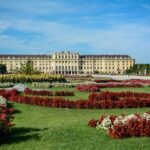
Photo stops that fit the ride: Opera House, City Hall, Hofburg, St. Stephen’s
At several points, you’ll stop for pictures at landmarks such as:
- Vienna State Opera (Opera House)
- City Hall (Rathaus)
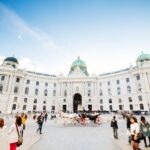
- Hofburg Palace
- St. Stephen’s Cathedral
These stops are timed so you’re not constantly getting on and off your bike. That might sound minor, but it changes the mood. When you’re not dealing with long transitions, you stay in a sightseeing flow.
Hofburg Palace is especially important on this route because it anchors the imperial story. Seeing it from the street level (and understanding what role it played) gives you a more grounded feel than looking at it in guidebook photos.
And St. Stephen’s Cathedral adds the other side of the picture—Vienna’s religious and civic identity. It’s one of those monuments people recognize immediately, but it’s still worth viewing through the tour’s context. The guide helps you notice how the city’s personality shifts as you move between areas.
One practical tip: bring a camera mode you trust. You’ll want quick shots, and you won’t have time for complicated settings changes every stop.
Leopoldstadt on the way back: the arts-and-food vibe in motion
On your return, you’ll ride through Leopoldstadt, picking up a multicultural, gastronomical, and artsy vibe. This is a smart wrap-up because it shifts you away from only grand monuments.
Leopoldstadt is where Vienna can feel more everyday and more social. Even without doing a sit-down meal as part of the tour (food isn’t included), you’ll likely leave with ideas for where to wander next. The guide’s local hints here are especially useful. After three hours, you’re primed to turn the sightseeing momentum into a real evening plan.
This ending also makes the tour feel balanced. You don’t finish only with palaces and official buildings. You end with atmosphere—and a sense of where Vienna is alive.
Small-group value: what $55 buys you in real time
At $55 per person for 3 hours, this tour is priced in the “reasonable for a guided experience” zone. Here’s why it feels like decent value: you’re not paying just for sightseeing, you’re paying for the route organization and the guidance that turns stops into understanding.
You get:
- the bike
- bottled water
- a live guide
- a small-group format that keeps the ride interactive
Food isn’t included, so you’ll still want to plan a meal later. But that can be a plus. You’re not stuck eating quickly just to satisfy the tour schedule.
If you’re visiting Vienna for the first time, this price can feel like a shortcut to city orientation. Instead of spending your first day figuring out where to go and how to move between places, you get a guided line through some of the city’s best-known areas—on bikes, with context.
Who this Vienna bike tour is best for (and who should skip it)
This tour is a great fit if you:
- want to see multiple top sights without losing half your day to transit
- like architecture and city stories explained in a straightforward way
- enjoy riding and photo stops more than standing in long lines
- want a small-group pace with time for questions
It’s also a good choice as an early trip. Three hours is enough to understand where things are, so your remaining time feels more intentional.
Skip it if:
- you need mobility accommodations, since it’s not suitable for people with mobility impairments
- you hate riding outdoors in mixed weather (and remember: it won’t run in heavy rain, snow, or thunderstorms)
If English or German is your comfort zone, you’re covered. The tour guide runs in English or German, so you won’t be stuck guessing.
The guide experience: stories that make the city make sense
The most praised part of this tour is the guide. People highlight that the bikes are solid and that the route is fantastic, but what really lands is the guidance. A well-run guide does two jobs at once: keeps the ride smooth and makes the sights understandable.
One example that shows up is guide Esther, who gets credit for sharing helpful information about the city and the key sights. Even if you don’t get the same guide, the pattern is clear: you’re in for more than directions. You’re getting the why behind the what.
The ride’s structure helps, too. You start with an overview of Vienna, then hit major landmarks, and you finish with local hints for the rest of your stay. That’s the kind of flow that leaves you with a mental map, not just a memory of buildings.
Should you book this small-group Vienna bike tour?
Book it if you want a smart first-pass Vienna experience that mixes famous sights with scenic ride sections. The bike paths, the Danube Cycle Path, the Hundertwasser House contrast, and the photo stops at the Opera House, City Hall, Hofburg Palace, and St. Stephen’s Cathedral make it a high-visibility tour without feeling rushed for its 3-hour length.
Don’t book it if you’re looking for a slower pace, a food-focused outing, or a tour that can accommodate mobility limitations. Also, check the weather forecast. Since the tour won’t take place in heavy rain, snow, or thunderstorms, you’ll want backup plans for that day.
If you’re the kind of traveler who likes to connect dots—imperial power, architecture, and city neighborhoods—this one gives you those dots in a very practical way.
FAQ
How long is the Vienna small-group bike tour?
It lasts 3 hours.
What’s the price per person?
The price is $55 per person.
Where do I meet for the tour?
Check in at the front desk of the Velopold Vienna shop.
What’s included in the tour price?
You get a bike, bottled water, and a live guide.
Is hotel pickup or drop-off included?
No, hotel pickup and drop-off are not included.
What languages are the guides?
The live guide speaks English and German.
What should I wear or bring?
Wear comfortable shoes and comfortable clothes.
Does the tour run in bad weather?
In case of heavy rain, snow, or thunderstorms, the tour will not take place.
Is this tour suitable for mobility impairments?
No, it’s not suitable for people with mobility impairments.