REVIEW · VIENNA
Vienna by Bike 3-Hour All-In-One City Bike Tour in English
Book on GetYourGuide →Operated by Vienna Explorer · Bookable on GetYourGuide
Vienna makes a strong first impression on two wheels. This 3-hour ride strings together big sights along the Ringstrasse and beyond, with energetic guides like Lisa turning architecture into stories you can actually remember. You also get a comfy, modern bike setup so you can focus on the view, not your gear.
My favorite parts are the contrast runs: Hundertwasserhaus’s funky colors right after the city’s serious political landmarks, then a payoff moment in the Prater with the giant Ferris wheel. One potential drawback: it’s a bike-and-picture-stop format, so if you want long, inside-the-building visits, you’ll feel a little time-pressed.
In This Review
- Key highlights that make this tour worth your time
- Why a 3-hour Vienna bike tour feels like the best warm-up
- Starting at Franz Josefs Kai: where you hop on and how the ride flows
- Ringstrasse and the Vienna Opera House: imperial Vienna at bike speed
- Rathaus, parliament buildings, and Vienna’s political axis
- Heroes’ Square and the dark-to-funny pivot toward Hundertwasserhaus
- Karlskirche on Karlsplatz to the Prater Ferris wheel: the big skyline payoff
- The Danube canal ride-back: why that last stretch matters
- Bikes, pace, and safety: what the best reviews keep repeating
- Weather: ponchos and a tour that keeps going
- Price and value: is $55 a fair deal for 3 hours?
- Who this Vienna bike tour is best for
- Should you book this Vienna by Bike tour?
- FAQ
- How long is the Vienna by Bike tour?
- What does it cost, and is it worth it?
- Is the tour guided in English?
- Where do I meet the guide?
- What happens if it rains?
- What should I bring?
- Can I reserve now and pay later, and is there free cancellation?
Key highlights that make this tour worth your time
- Ringstrasse in motion: pedal the imperial boulevard with multiple photo stops.
- Iconic façades up close: Neo-Renaissance Opera House and the Gothic Rathaus.
- A history stop that doesn’t flinch: Heroes’ Square and the Anschluss speech context.
- Hundertwasserhaus contrast: the city’s most playful architecture on your route.
- Karlskirche to the Prater: Karlsplatz columns and domes, then Ferris wheel views.
- Danube canal riding: a scenic return along a sidearm of the river.
Why a 3-hour Vienna bike tour feels like the best warm-up
Vienna can swallow your time fast. You plan museums, then suddenly you’ve used up half a day just traveling between sights. A good bike tour fixes that by letting you cover distance while still stopping often enough to look, read the details your guide points out, and take photos without feeling rushed.
This one is built around the center of the city—imperial streets first, then a walk of styles and eras. You start with the grand political and cultural core, then you swing toward the more modern, more unusual Vienna represented by Hundertwasserhaus and the Prater. The result is a quick “sense of the city” loop that helps you decide what to explore deeper later.
You can also read our reviews of more cycling tours in Vienna
Starting at Franz Josefs Kai: where you hop on and how the ride flows
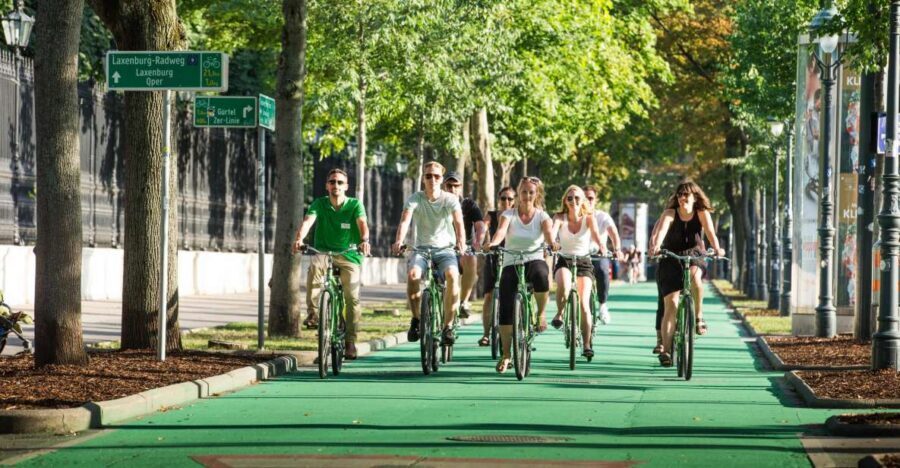
Meet your guide at Franz Josefs Kai, 45, 1010 Vienna. The closest subway stop is Schottenring (Lines U4 and U2). This location puts you in the right part of town for a fast start and a route that doesn’t waste the first 20 minutes fighting traffic.
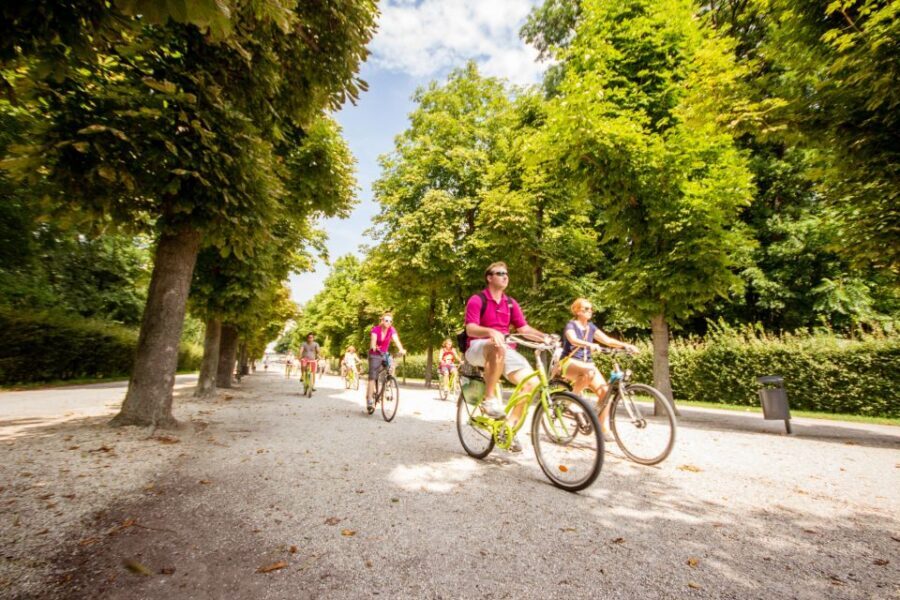
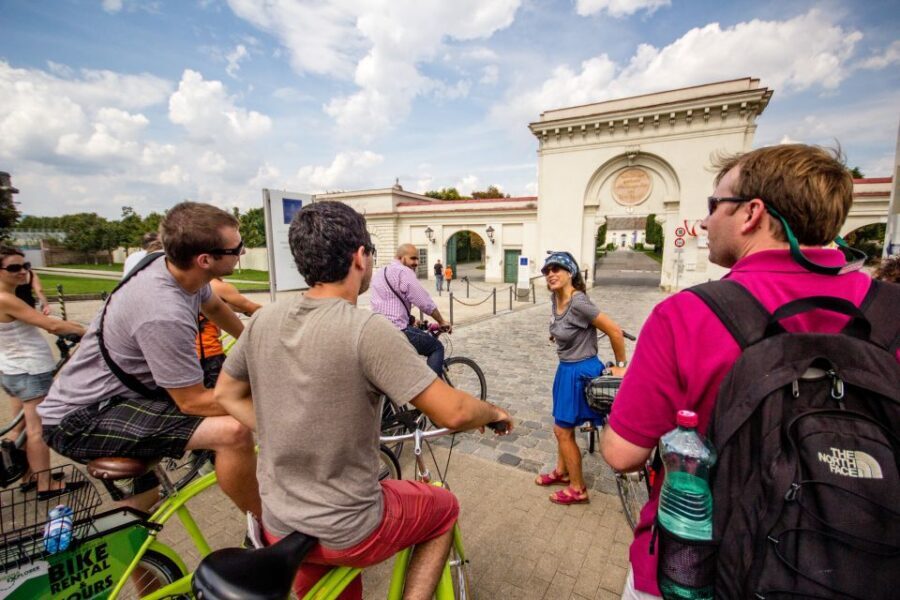
Once you’re mounted, the tour is designed for easy city riding. You’re on comfortable city bikes on safe, well-surfaced routes, and the pace includes regular stops. In real terms, that means you’re not sprinting between sights. You’re moving, but you’re also getting time to look up at façades, line up photos, and ask questions when something catches your eye.
Ringstrasse and the Vienna Opera House: imperial Vienna at bike speed
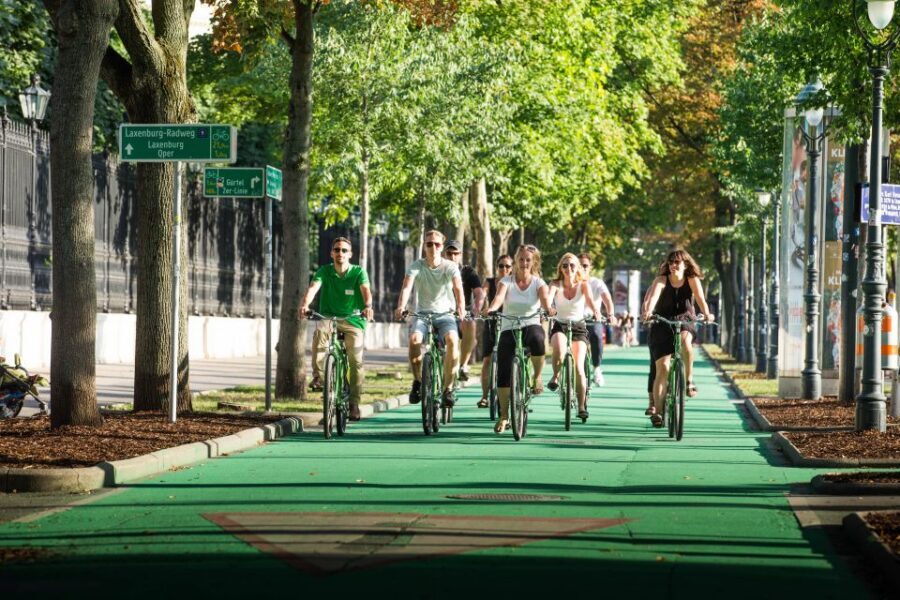
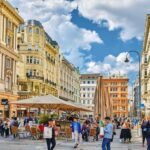
The ride that sells the whole idea is the Ringstrasse. This is Vienna’s grand “look at me” boulevard—where power, culture, and money show up in architecture. Pedaling here is different from walking because you keep rolling past a sequence of major buildings. You start to feel the boulevard as a system, not a list of monuments.
One highlight is the Vienna Opera House, known here for its Neo-Renaissance style. From the bike, you can catch the proportions and rhythm of the façade without having to work around crowds trying to funnel into the same narrow viewing angles. Your guide’s job is to connect those visual details to what the building represented in its era, and guides on this tour are repeatedly praised for energy and keeping the group engaged.
If you’re doing Vienna for the first time, Ringstrasse is a smart anchor. It gives you a visual map of what the city used to represent—especially when the guide points out how these buildings fit together along the route.
Rathaus, parliament buildings, and Vienna’s political axis
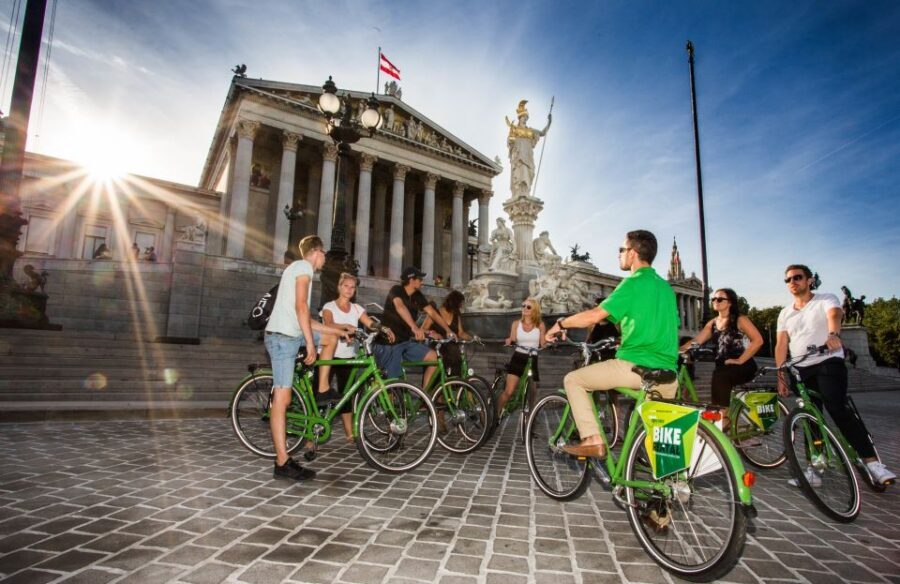
After the Opera House, the tour keeps you in the central government-and-identity zone. You’ll see the Rathaus (City Hall) with its Gothic façade, and you’ll ride past the 19th-century parliament buildings tied to the Austro-Hungarian Empire.
This section works because it’s still mostly about sightlines. On a bike, you can keep your bearings: you’re not bouncing between far-flung neighborhoods. You’re reading one continuous story of how Vienna projected authority. The Rathaus makes a strong visual contrast to the Opera House, and the parliament buildings add weight to the political backdrop.
A few reviews mention guides making the connections between architecture and historical events, and that’s the difference between just seeing buildings and understanding why they’re arranged where they are. If history is your thing, you’ll probably leave this stretch feeling like you finally “got” the city layout.
Heroes’ Square and the dark-to-funny pivot toward Hundertwasserhaus
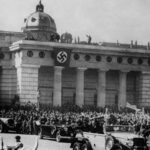
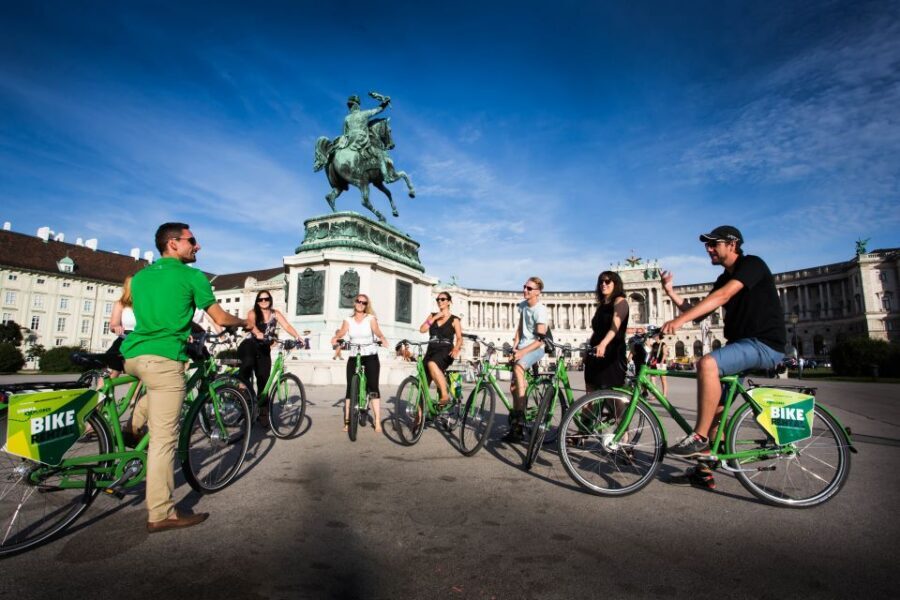
The tour reaches Heroes’ Square, where Hitler made his Anschluss speech in 1938. This isn’t just a marker photo stop. On this tour, guides tend to handle the topic carefully, and at least one guide is singled out for a sensitive, detailed explanation of how national stories and occupation played out in the late 1930s and early 1940s, including the wider context involving Hungary during that period.
That heavy moment matters because it sits inside the same city you’re also riding through for fun. Vienna doesn’t separate its past from its present, and a bike tour shows that reality quickly. You’ll see how modern life keeps happening right next to the sites where major events unfolded.
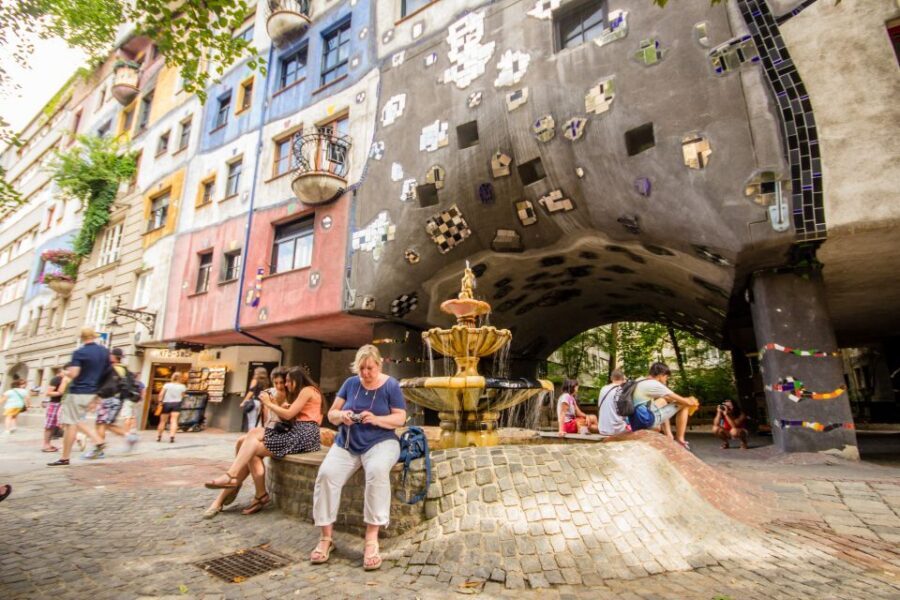
Then comes the switch: you cycle toward Hundertwasserhaus, often described as the city’s most playful apartment building. This contrast is one of the tour’s best tricks. Right after serious history, you get color, curves, and a kind of architectural rebellion that feels like a different Vienna entirely.
That punchy sequencing is the reason I like this tour for a first visit. You come away with more than postcard landmarks. You feel the city’s emotional range in one afternoon.
You can also read our reviews of more city tours in Vienna

Karlskirche on Karlsplatz to the Prater Ferris wheel: the big skyline payoff
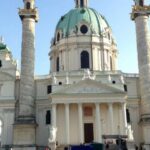
Next, you head toward Karlskirche on Karlsplatz, where the guide highlights the church’s columns and domes. From the bike, you can get a clean view of the building’s vertical drama without spending all your energy searching for the best angle. It’s the kind of landmark where you start noticing details only once you’re actually close enough to appreciate the scale.
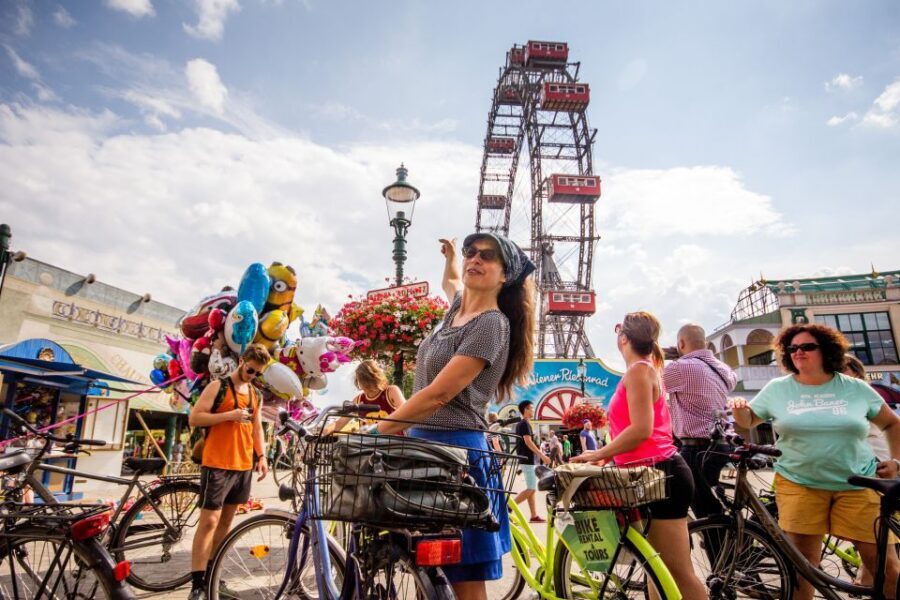
Then you roll into Prater Park. This is where the tour gives you a very tangible reward: the giant Ferris wheel. Even if you don’t ride it, the view is a reminder that Vienna isn’t only opera houses and palaces. It’s also leisure, tradition, and a big open-space entertainment culture you can feel immediately.
If you’re taking the tour early in your trip, do it with the Ferris wheel moment in mind. It helps you plan what comes after. You’ll know which parts of Prater feel worth revisiting on foot.
The Danube canal ride-back: why that last stretch matters
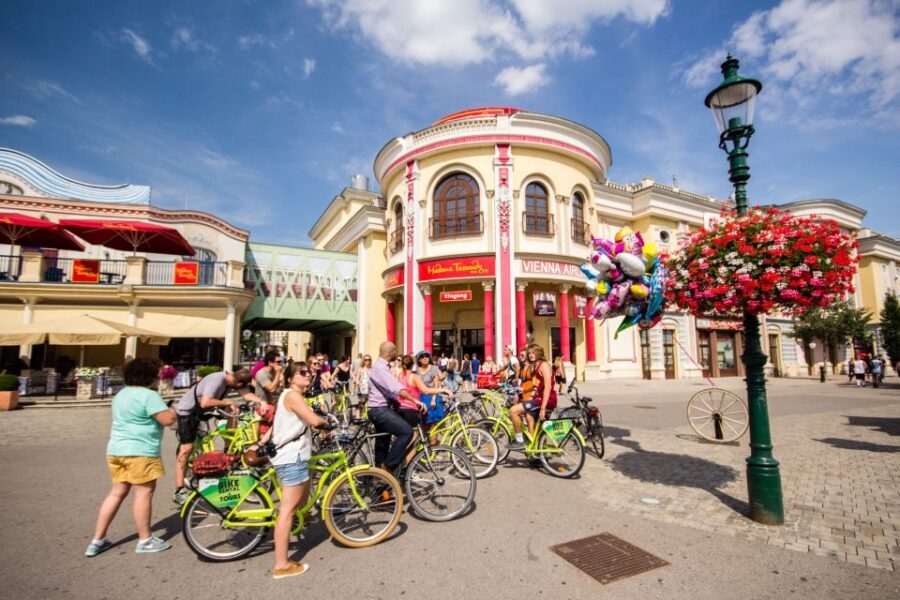
The route doesn’t end with monuments. After Prater, you pedal back along the banks of a sidearm of the Danube canal. This segment is more than scenery. It’s the “cooldown” ride where your brain absorbs what you’ve seen.
Bike tours can sometimes rush the last third, but here the return along water helps you reset. You get a visual break from façades and statues, and you end the tour with a sense of space—almost like the city exhaled after all that architecture.
In practical terms, it also gives you a smoother landing if you’re doing other activities later. You’re tired, but not wrecked, and you still have enough energy to explore more on your own.
Bikes, pace, and safety: what the best reviews keep repeating
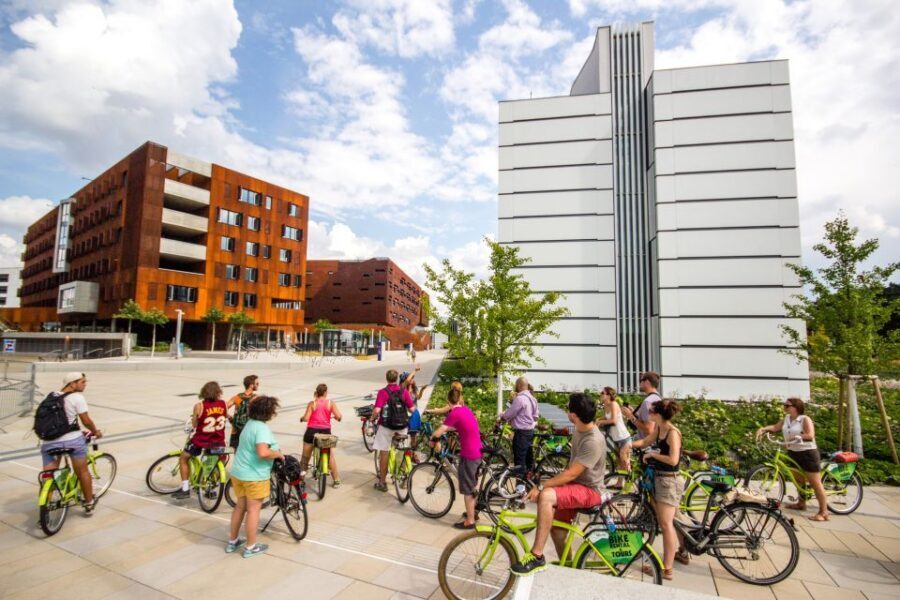
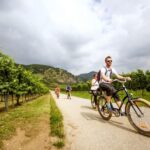
The bikes are described as comfortable and easy to ride, and the route is set up on safe, well-surfaced paths. Multiple reviews specifically praise the comfort of the bikes and the feel of helmets and safety measures.
You’ll also notice a pattern in the feedback: guides are getting high marks for pace control and for answering questions. Some names come up again and again, including Wenke, Clemens, Marco, Horst, Robert, Marko, and Lisa. The theme is consistent: guides create room for photos, keep the group moving at a safe speed, and manage different personalities in the group without turning the ride into chaos.
One useful reality check from a review: a group trip was reported as covering over 10 km, and that gives you a sense of what the “workout” feels like. It’s not a casual stroll. You’ll earn that post-tour pastry, but you shouldn’t feel punished.
Weather: ponchos and a tour that keeps going
This tour runs in all weather conditions. If rain hits, rain ponchos are provided. One review jokes that everyone ends up looking like bananas, which is funny until you realize the ponchos are actually the point. You’re not stuck canceling your sightseeing plan when the sky turns.
If you’re the type who hates riding wet, bring a practical layer: comfortable clothes and something that can handle damp conditions. Your guide will handle the rest.
Price and value: is $55 a fair deal for 3 hours?
At $55 per person for 3 hours, this tour sits in the category of experiences that try to replace a chunk of your day. The value comes from three things you can’t fake easily on your own: a tight route through major sights, a guide who connects details to context, and the convenience of bike access and photo stops all packaged together.
You’re also not just paying for movement. You’re paying for time management. In a city where buses and walking can eat daylight, this bike format helps you see more than you could cover comfortably on foot in the same window.
A small note on pricing expectations: at least one review flags that it felt a bit overpriced. That’s worth taking seriously if your main goal is only the most famous sights. If you’re okay with a highlights route and want the guidance to make the buildings meaningful, the price feels more reasonable. If you want long museum time or lots of inside entries, you’ll likely decide later activities are still needed.
Who this Vienna bike tour is best for
This tour is a great match if:
- You want a first-day orientation so you can plan the rest of your itinerary.
- You like architecture and history but want them explained in a way that works while moving.
- You’re happy with photo stops and short talks rather than long museum-style sessions.
- You want an easy workout that feels safe and organized.
It may not be ideal if you’re expecting deep inside visits or lots of slow wandering. One review also hints that the route can feel more “outside the old-town core” depending on your tastes, which is exactly the point of the bicycle format: you trade interior time for wider coverage.
Should you book this Vienna by Bike tour?
I’d book it if you’re trying to get your bearings fast and you want a mix of imperial landmarks and surprising contrast—Opera House glory, Gothic Rathaus drama, political context at Heroes’ Square, then the playful shock of Hundertwasserhaus and the Prater Ferris wheel.
Skip it only if your perfect Vienna day is mostly about slow, in-depth indoor exploring. For an efficient 3-hour hit that still leaves room to enjoy the city afterward, this is a strong choice—especially with guides who keep the pace right and make the route feel like more than just sightseeing checkboxes.
FAQ
How long is the Vienna by Bike tour?
The tour lasts 3 hours.
What does it cost, and is it worth it?
The price is $55 per person. You’re getting modern city bikes and a live guide in English (and German-speaking support), plus guided stops at major central sights.
Is the tour guided in English?
Yes. The tour is offered with an English live guide.
Where do I meet the guide?
Meet at Franz Josefs Kai, 45, 1010 Vienna. The nearest subway is Schottenring (Lines U4 and U2).
What happens if it rains?
The tour operates in all weather conditions, and rain ponchos are provided in wet weather.
What should I bring?
Wear comfortable clothes. If rain is possible, plan for damp conditions since the tour continues.
Can I reserve now and pay later, and is there free cancellation?
Yes. You can reserve now & pay later, and you can cancel up to 24 hours in advance for a full refund.