REVIEW · VIENNA
Vienna: Imperial Carriage Museum in Schönbrunn Palace Ticket
Book on GetYourGuide →Operated by Kunsthistorisches Museum · Bookable on GetYourGuide
Schönbrunn has wings, but the carriages steal focus. At the Imperial Carriage Museum, you get a close look at the transport world of the Habsburg court, with standout vehicles tied to Maria Theresia, Napoleon, and Franz Joseph. I like that the collection feels like a real working life of power, not just dusty display cases. One watch-out: you’ll need a printed voucher to get in, and that can eat time if you forget to print.
What I really enjoy is the variety. You’re not stuck with only royal showpieces; you also see state coaches, practical travel coaches, and even the charming children’s carriages of Habsburg princes and princesses. Add the Sisi Trail, and you get a focused look at Empress Elisabeth’s personal world, including objects like her only extant saddle and her riding chapel, plus original dresses.
In This Review
- Key highlights I think you’ll care about
- Why the Imperial Carriage Museum belongs in your Schönbrunn day
- Entering the Imperial Carriage Museum: what to expect right away
- The Baroque imperial coach: the centerpiece you should plan around
- Maria Theresia, Napoleon, and Franz Joseph: three rulers, different carriage vibes
- More than a royal showcase: state coaches, comfort travel, and kid-size charm
- The Sisi Trail: the Empress Elisabeth section that’s built like a story
- Audio guide option: when it helps and when you can skip it
- How long to spend in the museum (so you don’t feel rushed)
- Price and value: what $14 buys you in real experience
- Small logistics that can affect your day (keep these in mind)
- Who this museum ticket suits best
- Should you book this Imperial Carriage Museum ticket?
- FAQ
- Where is the Imperial Carriage Museum?
- What is the price for the ticket?
- How long is the ticket valid?
- Is an audio guide included?
- Do I need a printed voucher?
- Is a guided tour included?
- Are there rules for tour guides with free entrance?
- Can I cancel for a refund?
Key highlights I think you’ll care about
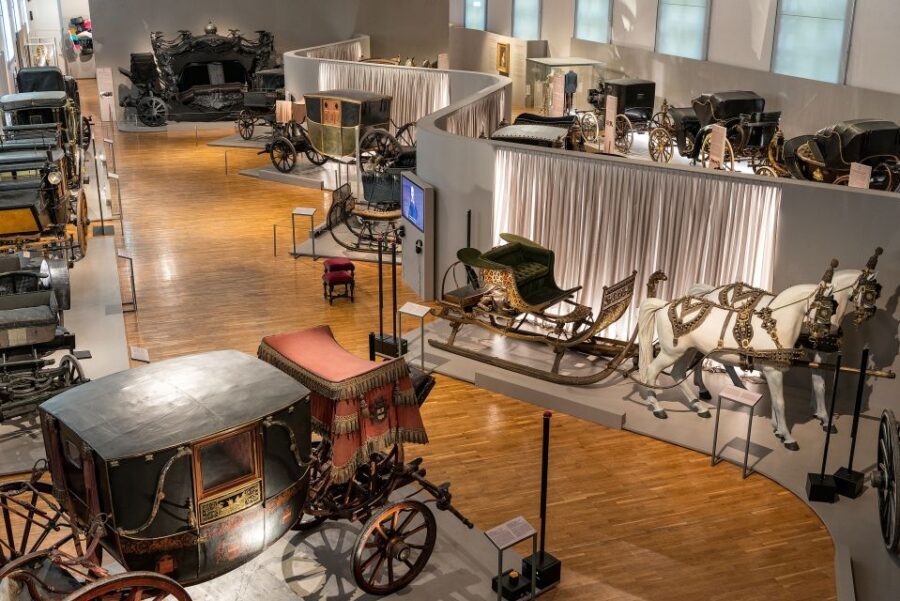
- Baroque imperial coach: the main showpiece that anchors the whole museum visit
- Ruler-specific carriages: vehicles connected to Maria Theresia, Napoleon, and Franz Joseph
- Habsburg kids’ carriages: court life shown through smaller, sweeter details
- The Sisi Trail: Empress Elisabeth’s carriages plus personal items (saddle, riding chapel, dresses)
- Audio guide option: useful when you want context at your own pace
- Good value for a focused stop: entrance included, and you can spend as long as you want within the day
Why the Imperial Carriage Museum belongs in your Schönbrunn day
If you’re already doing Schönbrunn Palace, the Imperial Carriage Museum is the kind of add-on that makes the day feel less like a textbook. Carriages show you status in a physical way: materials, proportions, comfort, and the sheer thought that went into moving a court through winter rain, city streets, and long distances.
I also like the museum’s basic logic: it doesn’t treat transportation like a side note. It treats it as part of how rulers lived, traveled, and projected authority. That makes the whole visit easier to understand, even if you’re not a hardcore history person.
A few more Vienna tours and experiences worth a look



Entering the Imperial Carriage Museum: what to expect right away
Your meeting point is the Imperial Carriage Museum in Schönbrunn Palace. Once you’re inside, you’re set up for a self-guided walk through the collection, with the option of booking an audio guide if you want extra explanations.
The big practical thing here is that you’ll likely go back and forth a bit. The museum’s best parts (especially the Baroque coach and the Sisi Trail areas) reward slowing down. If you race, you’ll miss the small visual cues that make these objects interesting—construction details, scale, and how each carriage was designed for its job.
The Baroque imperial coach: the centerpiece you should plan around
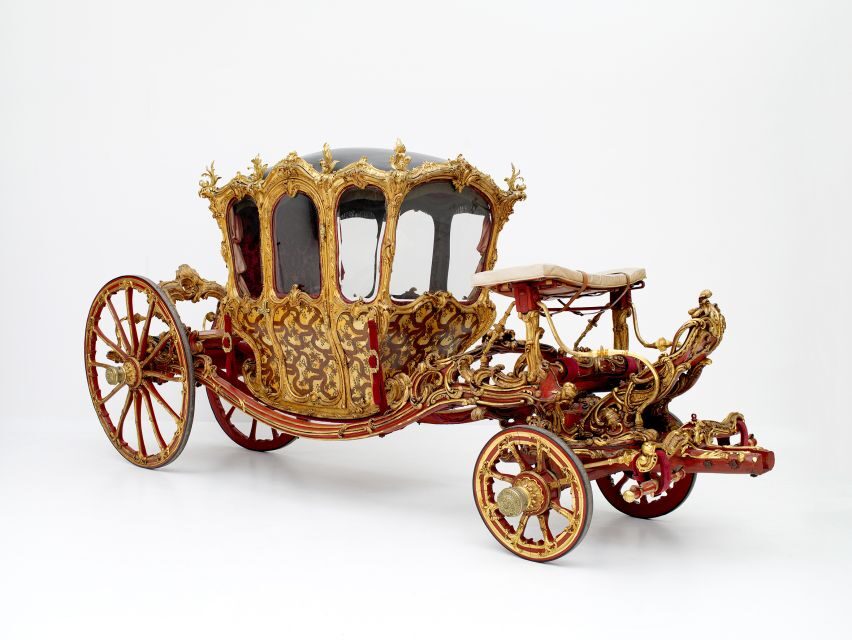
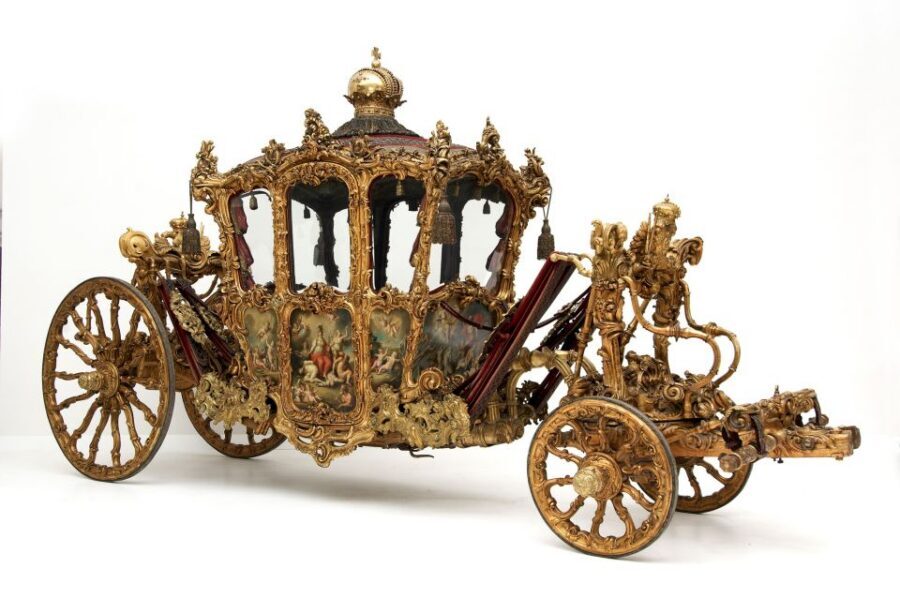
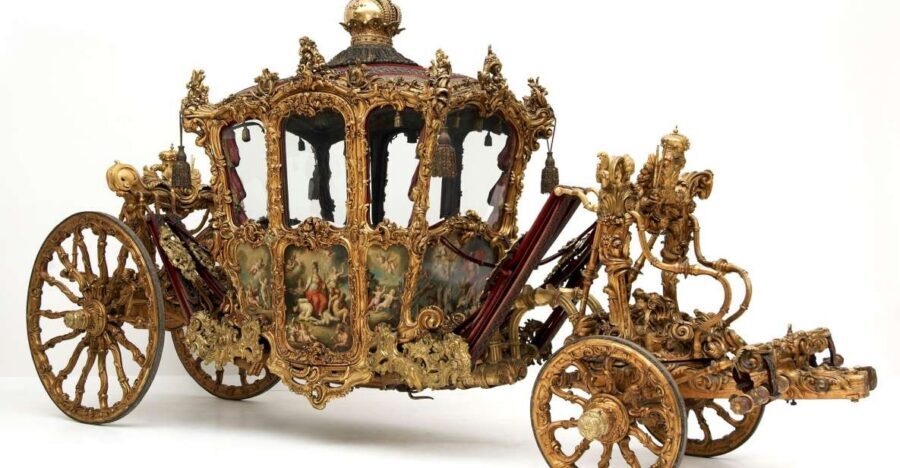
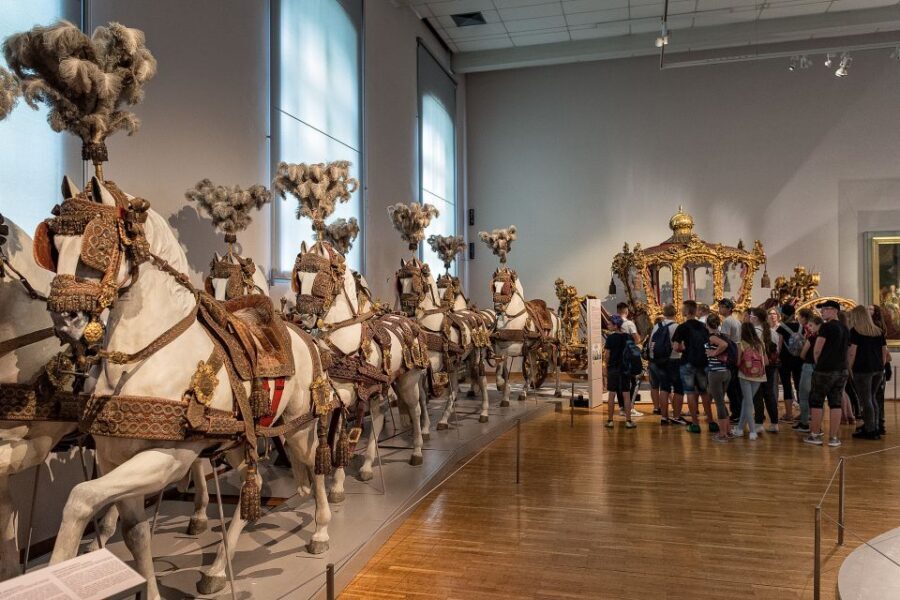
The highlight is the Baroque imperial coach. This is the vehicle that most people picture when they think of imperial travel—ornate, ceremonial, and built to be seen.
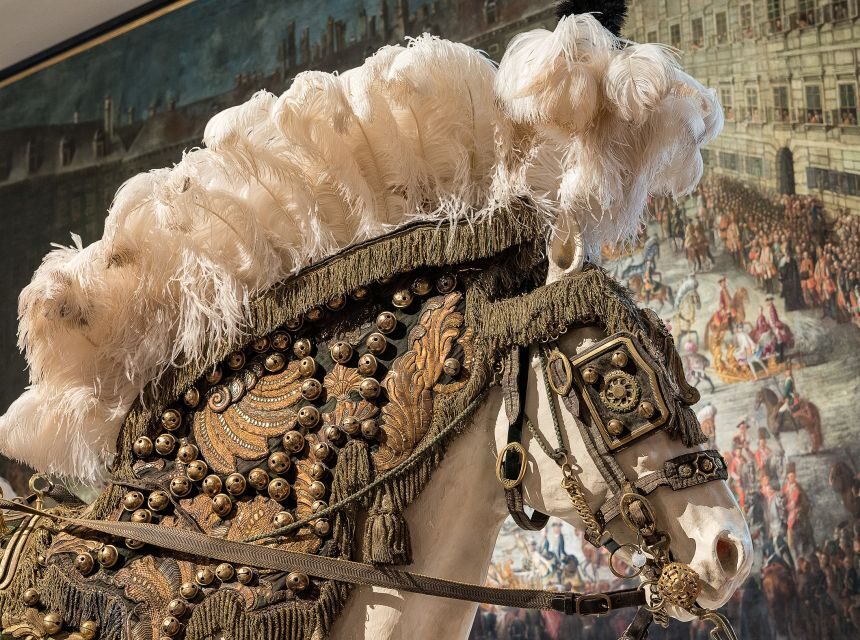
Why it matters for you: this isn’t just pretty decoration. Carriages like this were designed for visibility and for showing rank the moment a door opened. Stand there long enough and you can start noticing the craftsmanship that would have taken teams of artisans months (or more) to produce. You’ll also get a better sense of why the court didn’t travel casually. Even the act of arriving was part of the performance.
A good strategy: give the Baroque coach your first solid block of time. Then you can treat the rest of the collection like comparisons—state travel, comfort, symbolism, and the shift from ceremony to everyday movement.
Maria Theresia, Napoleon, and Franz Joseph: three rulers, different carriage vibes
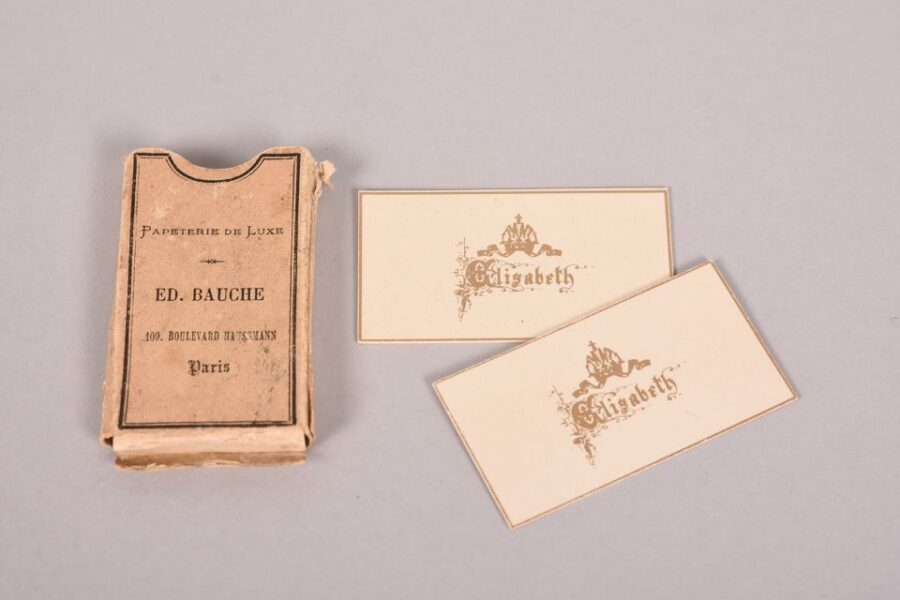
One of the best things about this museum is that it connects carriages to famous names. You’ll be able to see vehicles associated with Maria Theresia, Napoleon, and Franz Joseph as you move through the galleries.
What you can learn just from looking:
- Maria Theresia’s carriage context: expect a strong court identity and the kind of design language that made the Habsburg presence feel unmistakable.
- Napoleon’s connection: this adds a different political mood to the mix, so the museum doesn’t feel like a one-note parade.
- Franz Joseph’s era: this helps you see continuity and change over time, especially in how a later ruler’s travel needs might have shaped carriage features.
I like that this structure gives your brain an easy way to remember what you saw. Instead of a random list of carriages, you get a timeline you can feel through design.
More than a royal showcase: state coaches, comfort travel, and kid-size charm
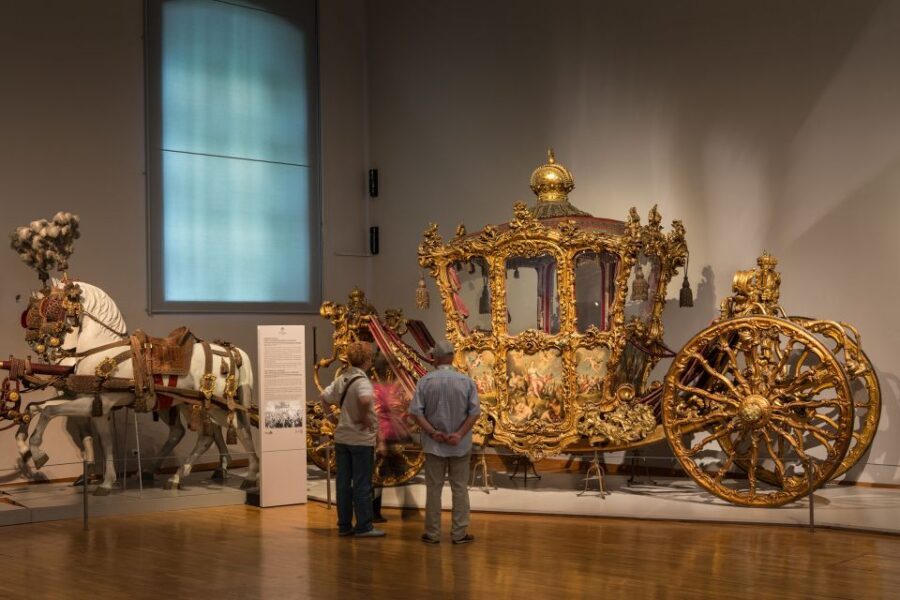
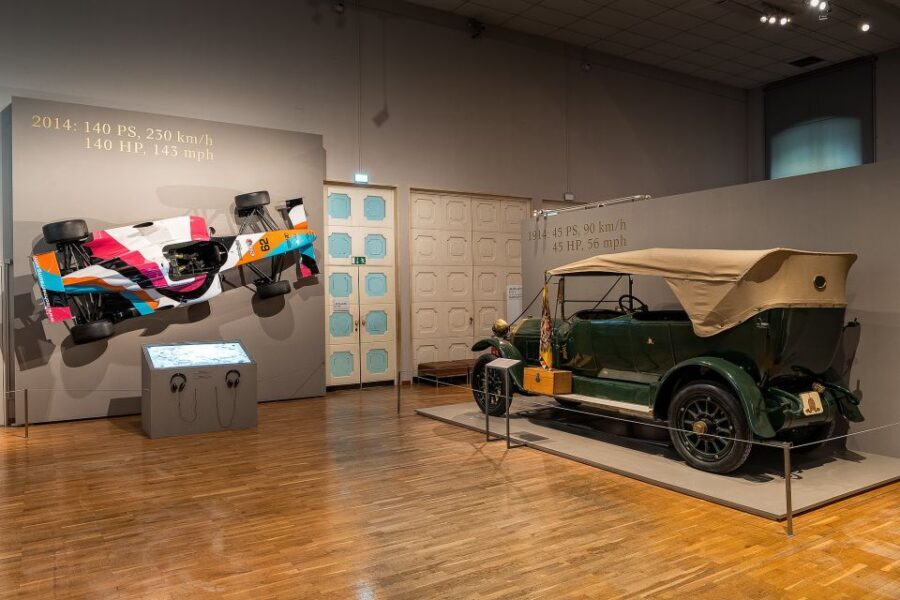
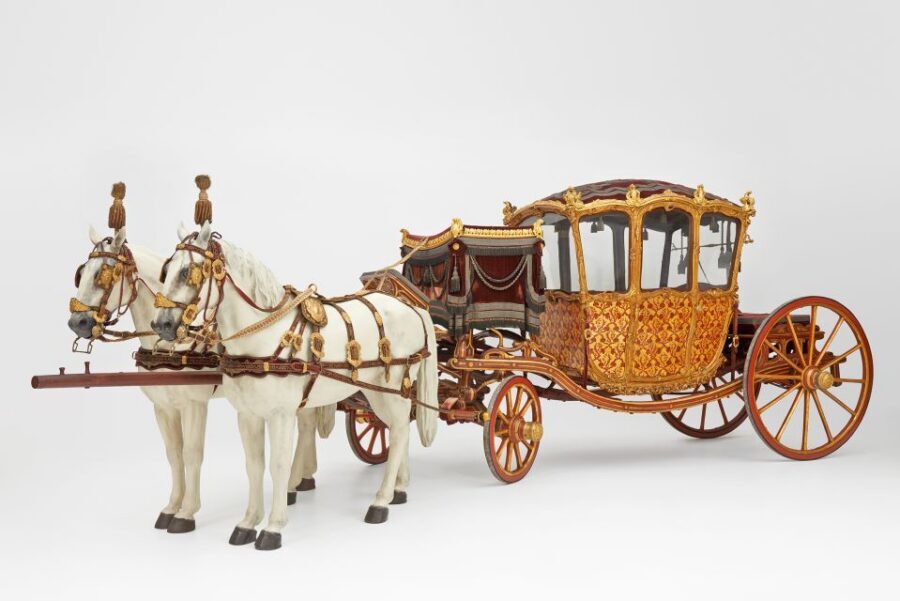
Not every carriage in the museum is about ceremonial spectacle. There are also state carriages and more comfortable traveling coaches, which makes the visit feel grounded. It’s a reminder that even in a palace world, people still had to go places—sometimes for real life, not just theater.
Then there are the children’s carriages of the Habsburg princes and princesses. Even if you’re traveling solo, these sections tend to brighten the mood. They also give you a different lens on court life: the same world that produced grand imperial rituals also made room for childhood.
Practical tip for your visit: don’t rush the smaller carriages. They can feel less important at first glance, but that’s exactly where you catch the human side of the collection.
You can also read our reviews of more museum experiences in Vienna




The Sisi Trail: the Empress Elisabeth section that’s built like a story
If you only remember one museum concept, make it this: the Sisi Trail. It’s not only about seeing Empress Elisabeth’s carriages. It also layers in personal items and details, turning the section into a guided-feeling path through her life.
According to the museum’s focus, you’ll encounter:
- Empress Elisabeth’s carriages
- her only extant saddle
- her riding chapel
- sumptuous original dresses
Why this is valuable: carriages can easily become abstract objects—interesting, but distant. The Sisi Trail adds the missing ingredient: personal meaning. Suddenly you’re not just looking at transport; you’re looking at habits, movement, and how she spent time and prepared for life on horseback.
This is also the easiest section to visit more than once in your mind. If you pause after each item, you can connect the dots between riding, ceremony, and wardrobe—things that often stay separate in museum exhibits.
Audio guide option: when it helps and when you can skip it
Entrance includes the museum visit, and there’s an audio guide included only if you book that option. If you prefer to read little labels and keep moving, you can likely enjoy the museum without it.
But if you like short explanations that keep your pace moving, the audio guide can be a plus. The Italian track is described as brief and functional, which is ideal if you don’t want long monologues. You’ll probably find it especially useful for interpreting what makes a specific coach ceremonial versus comfortable, or why certain details matter for a given ruler.
One more thing: the museum doesn’t require a formal guided tour. You can bring your own guide, and that means you can tailor the visit to your interests—whether you care more about names (Maria Theresia, Napoleon, Franz Joseph) or the personal side of Elisabeth.
How long to spend in the museum (so you don’t feel rushed)
The ticket is valid for 1 day, and you’ll check starting times based on availability. In a museum like this, your real timing depends on how you like to look.
If you want the highlights—Baroque imperial coach, the ruler-linked carriages, and the Sisi Trail—plan for a focused visit where you actually stop. If you try to do it while sprinting between attractions, you’ll miss the best part, which is the ability to compare carriages and notice details.
My suggestion: build your day so you aren’t immediately heading to something far away after your ticket. A carriage museum rewards calm attention, and you’ll feel better if you can linger.
Price and value: what $14 buys you in real experience
At about $14 per person, this is an easy spend compared with many palace-area add-ons. You’re paying for entrance fees to the Imperial Carriage Museum, and that’s the core value.
What makes the price feel fair is that the content isn’t repetitive. You’re not paying for one big room and a quick walk past similar objects. You get:
- multiple carriage categories (state, travel, children’s)
- vehicles connected to major rulers
- a named, themed route (Sisi Trail) with personal artifacts
So yes, it’s affordable—but it also feels like it’s trying to give you more than a single photo opportunity. You’ll come away with a stronger sense of how court life moved, not just how it looked from the balcony.
Small logistics that can affect your day (keep these in mind)
Two things can quietly change your experience:
First, you need a printed voucher required entry. If you’re traveling light with only your phone, make a plan to print before you go. It’s the kind of friction that can turn a smooth morning into a scavenger hunt.
Second, audio guide is optional and only included when you book it. If you want it, choose it upfront so you’re not figuring it out once you’re inside.
These aren’t dealbreakers, but they’re worth handling early so you can enjoy the museum without stress.
Who this museum ticket suits best
This is a great fit if:
- you like palace visits but want something more hands-on than paintings and rooms
- you enjoy theme routes and character-driven sections (Sisi Trail)
- you want a manageable stop that still feels substantial
It’s also a good choice for mixed groups. The children’s carriages can pull younger visitors in, while the ruler-connected carriages satisfy adults who like names and eras.
If you’re someone who needs constant motion and hates pausing to look, you might still enjoy it, but you’ll want to plan your pacing. This museum works best when you slow down.
Should you book this Imperial Carriage Museum ticket?
I’d book it if you’re going to Schönbrunn Palace anyway and you want one stop that’s memorable for its visuals and its stories. The combination of the Baroque imperial coach, the ruler-specific carriages (Maria Theresia, Napoleon, Franz Joseph), and the Sisi Trail with personal treasures like Elisabeth’s only extant saddle makes this feel more like an experience than a quick gallery.
Skip it only if you know you don’t care about carriages or royal transport themes at all. Otherwise, $14 is a reasonable price for something that adds texture to the palace visit—and gives you a different kind of connection to court life.
FAQ
Where is the Imperial Carriage Museum?
The meeting point is the Imperial Carriage Museum in Schönbrunn Palace.
What is the price for the ticket?
The price is $14 per person.
How long is the ticket valid?
The ticket is valid for 1 day. You’ll need to check availability to see starting times.
Is an audio guide included?
An audio guide is included only when you book that option.
Do I need a printed voucher?
Yes. A printed voucher is required.
Is a guided tour included?
No, a guided tour is not included. You can bring your own guide.
Are there rules for tour guides with free entrance?
Yes. Only 1 tour guide per group (voucher booking) gets a free entrance ticket if they accompany the group to the museum, and the group must be at least 10 persons. For groups under 10, the free-ticket rule does not apply, and an additional tour guide or accompanying person counts as a paying member. A state certified guide has free entrance.
Can I cancel for a refund?
Yes. You can cancel up to 24 hours in advance for a full refund.