REVIEW · VIENNA
Grape Grazing: Wachau Valley Winery Biking Tour
Book on GetYourGuide →Operated by Vienna Explorer · Bookable on GetYourGuide
This is a day trip that trades Vienna’s streets for vines. On a bike you glide through the Wachau Valley, then swap pedals for wine pours at small family wineries. Wachau scenery and wine-maker stories are the two big reasons this tour clicks.
One cool bonus: you get time in Dürnstein, including the chance to head up toward the Richard the Lionheart castle ruins.
The main thing to consider is that the riding is relaxed and stop-and-start. You cover about 25 km (14 miles), but tastings and village breaks mean you’re not doing one long, nonstop cycling push all day.
In This Review
- Grape Grazing: What Makes This Wachau Tour Worth Your Time
- Rolling Out From Vienna: The Simple Plan That Gets You There Fast
- The Krems Start: Easy Momentum and Vine-Dotted Views
- Dürnstein Wine Tasting: A UNESCO Town With Richard the Lionheart Energy
- Lunch in Dürnstein: Simple, Local, and a Real Decision Point
- Weißenkirchen and the Danube Ferry: Where the Route Changes Tone
- Rossatz-Arnsdorf Winery Stop: Apricot-Forward Flavors and Real Local Pride
- The Return Ride to Krems and the Peaceful Finish
- Price and Value: Why $163 Can Feel Fair for Wachau
- The Cycling Reality Check: Easy, Scenic, and Not Constant Motion
- Guides, Wine, and History: How the Day Actually Comes Alive
- Weather, Packing, and Small Tips That Matter
- Who This Tour Suits Best
- Should You Book This Wachau Bike and Wine Day?
- FAQ
- How long is the Wachau Valley Grape Grazing biking tour?
- What is the price per person?
- What’s included in the tour price?
- Is lunch included in the $163 price?
- Do I need to bring cash?
- Is the bike ride difficult?
- Can I swim in the Danube?
- Is the tour only for adults?
- Where do I meet the guide?
- FAQ
- Can I cancel for a full refund?
- What language is the guide?
Grape Grazing: What Makes This Wachau Tour Worth Your Time
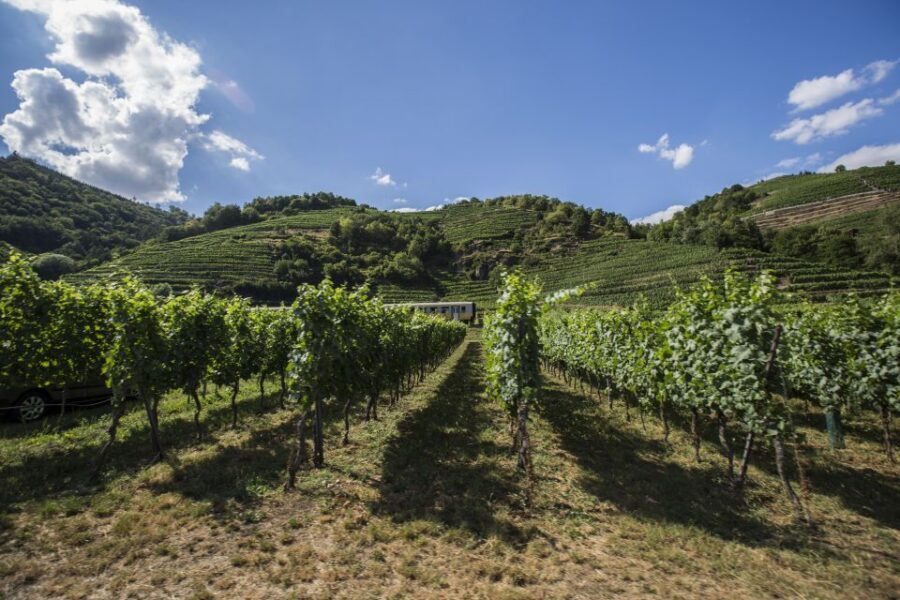
- Small winery access: You taste at local spots, with a friendly, personal feel rather than a factory-style pour.
- Dürnstein with a famous backstory: UNESCO town time plus the Richard the Lionheart imprisonment angle if you hike.
- Danube cooling break: There’s a chance to cool off in the river, and the packing list actually reflects that.
- Easy cycling structure: Longest stretch without stopping is about 30 minutes, so the pace stays comfortable.
- Guides that steer the day: English live guides help with history, wine, and on-the-ground direction (people repeatedly mention names like Tim, Nicholas, Szana, and Zana).
Rolling Out From Vienna: The Simple Plan That Gets You There Fast
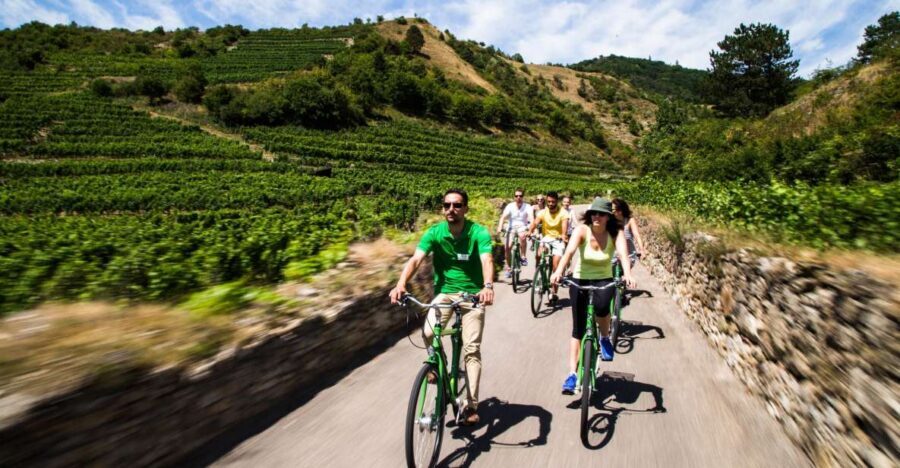
This tour is built around one smart idea: use the train to do the heavy travel, then let the bike handle the pretty part. You meet your guide at the Vienna Explorer office and then head out by train for about an hour. Once you land in the Wachau area, the day becomes a string of short rides, winery stops, and breaks that feel doable even if you’re not training for a cycling race.
If you like your day trips to feel organized without feeling rigid, this plan works. You’re not stuck coordinating bikes, tasting reservations, and local logistics all on your own.
You do want to keep one thing in mind: this is not a private, silent nature ride. It’s a guided group day, and your enjoyment depends on going with the flow when the group slows down for tastings or town time.
You can also read our reviews of more cycling tours in Vienna
The Krems Start: Easy Momentum and Vine-Dotted Views
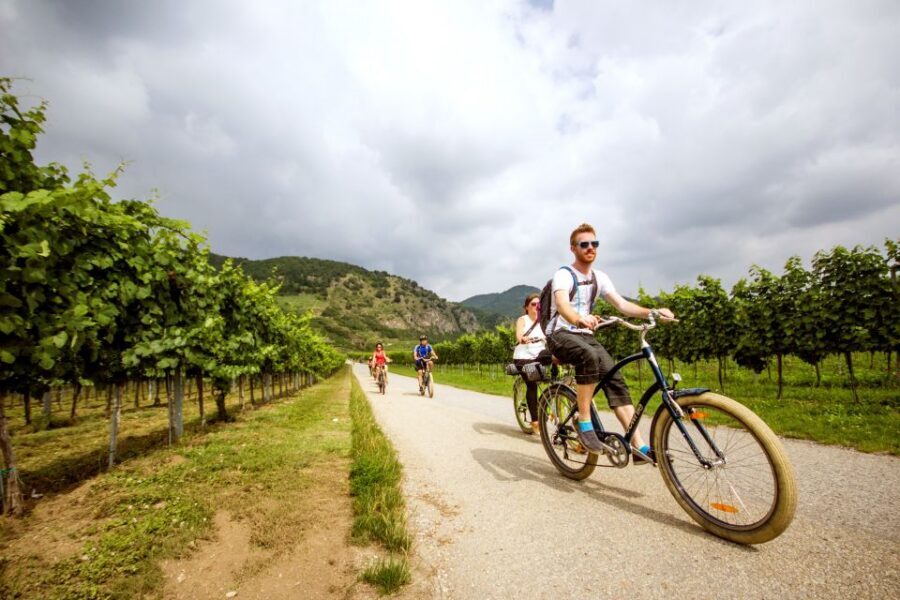
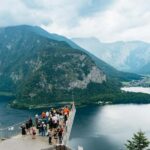
Your first cycling segment is out of Krems an der Donau. You ride for about 45 minutes, long enough to feel like you’ve started the experience but not long enough to exhaust you before the fun parts. Krems is a great first taste of the river-and-vine atmosphere—views that make you understand why the Wachau is such a magnet for travelers who care about scenery and food culture.
Practically, this is where you’ll also get your bearings: helmets on, group pacing sorted, and the guide setting expectations for the day. A lot of value here comes from how early you transition from train comfort to countryside time.
Dürnstein Wine Tasting: A UNESCO Town With Richard the Lionheart Energy
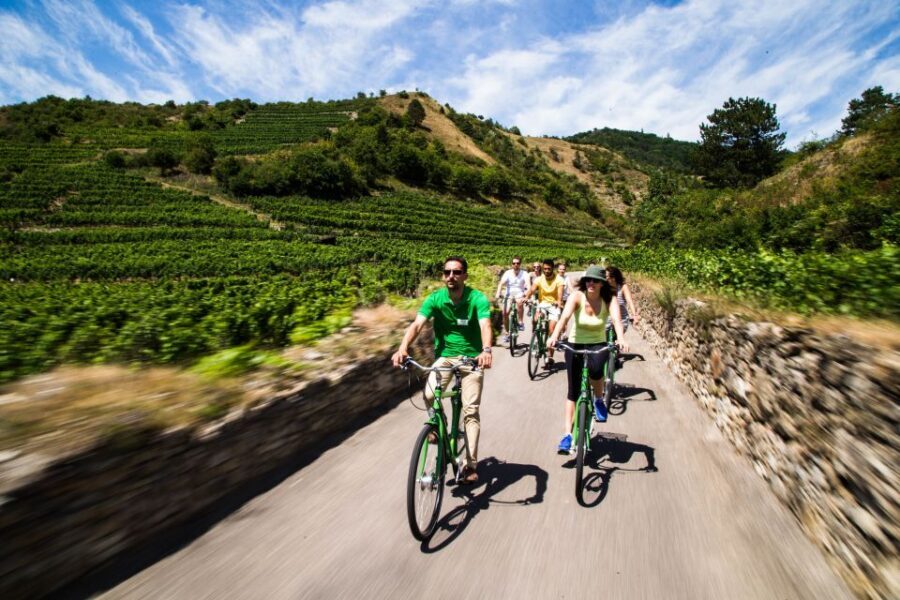
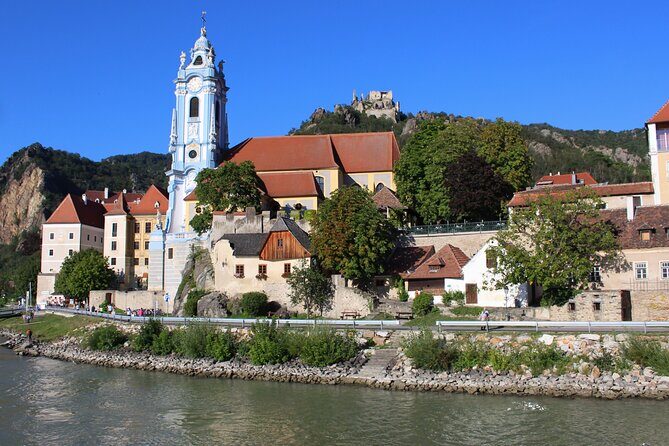
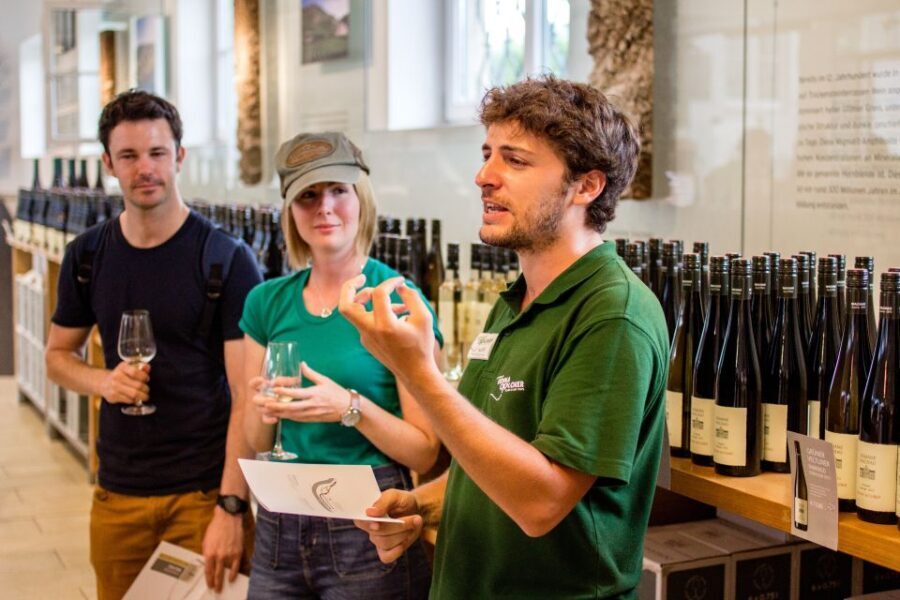
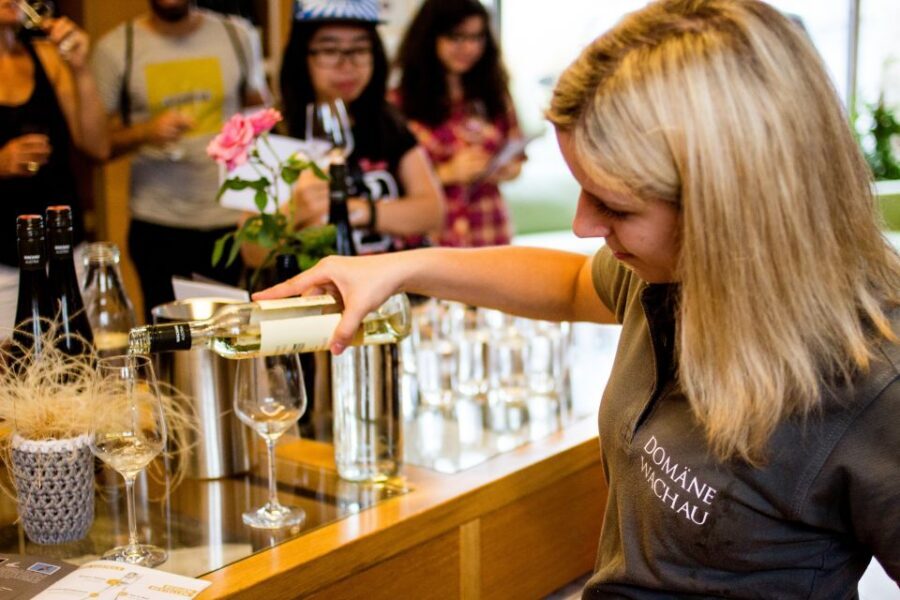
Dürnstein is one of those places that feels instantly cinematic, and the tour uses that well. After a short ride, you reach Dürnstein and get about an hour for wine tasting. This is where you’re likely to see the region’s best strengths: crisp white wines, serious local pride, and people who can explain what’s happening in the vineyard without making it a lecture.
Then you get a full block of free time in Dürnstein (about 45 minutes). Use it for what you actually want:
- a slow wander through the town
- photos with the river and rooftops
- grabbing a snack if you’re hungry between tastings
The castle story hangs over this stop. Dürnstein is closely tied to Richard the Lionheart, and if you want the viewpoint, you’ll have options during the day to head toward the castle ruins. The key point: you’re not forced into a hard hike, but the choice is there if your legs feel up to it.
A small caution: if you’re the type who hates standing around, you’ll still want to stay patient here. Dürnstein time is great, but the tour keeps shifting between group moments and personal time.
Lunch in Dürnstein: Simple, Local, and a Real Decision Point
Lunch happens in the Dürnstein area and is about an hour. Importantly, it’s not included in the $163 price. Lunch costs €17 per person, and it’s cash only, paid to your guide on the day. Other lunch options may be offered, but your base plan should assume the lunch is an extra cost.
This is a good moment to think about your timing. Some people love pairing lunch with the castle hike right after, because the timing tends to work well before the day wears on. If you’re curious about the viewpoint, plan to use your post-lunch window rather than saving it for later.
Also, don’t treat lunch as a quick add-on. It’s part of the day’s pacing: bike, wine, town, then food. That rhythm is exactly why this tour feels like a vacation day instead of a checklist.
Weißenkirchen and the Danube Ferry: Where the Route Changes Tone
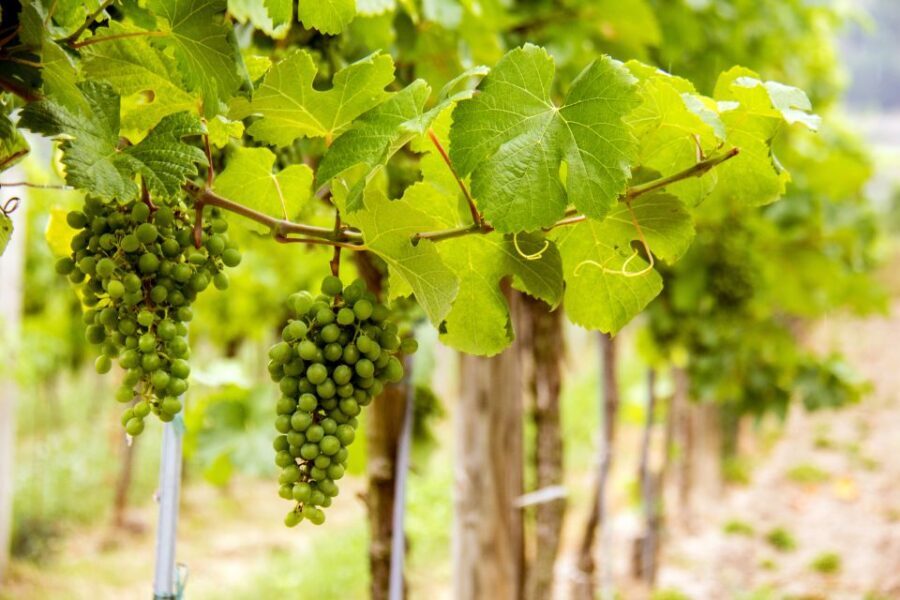
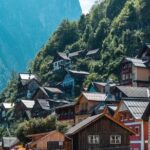
After lunch, you hop back onto the bike for about 30 minutes to Weißenkirchen in der Wachau. This leg is shorter than the first ride, which helps keep the day comfortable. Weißenkirchen gives you another slice of Wachau village life—more river views, more vineyard character, and another chance to watch the countryside shift as you move along the valley.
Then you take a ferry ride (about 15 minutes). That ferry break matters more than it sounds. It breaks up the route, gives your legs a rest, and keeps the day from turning into continuous riding time.
If you’re thinking about packing, this is also a good moment to remember that a towel and swimwear can be useful later. The tour includes a Danube cooling opportunity, so being ready for it can turn into a fun bonus.
You can also read our reviews of more wine tours in Vienna
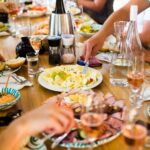

Rossatz-Arnsdorf Winery Stop: Apricot-Forward Flavors and Real Local Pride
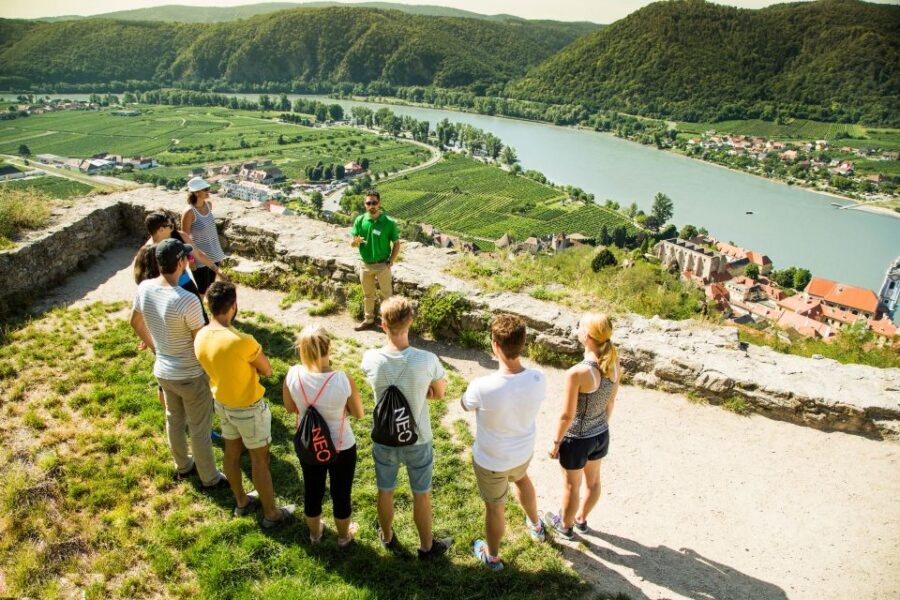
Next up is Rossatz-Arnsdorf, with about an hour for wine tasting. This stop is typically the second big tasting moment, and it’s the kind where you start to notice differences between wines you tried earlier. You’re tasting the region’s signature style—often dry whites, plus the fruity side of Wachau character depending on what’s being poured that day.
The Wachau also has a reputation for apricot products, and you may run into local extras like apricot jams or liqueur-like offerings during tastings. Even if you’re not a superfan of sweet flavors, the apricot connection helps you understand why the region’s food culture isn’t just about wine.
One practical note: tastings are included, but your enjoyment will depend on how much you care about small details. If you’re here mainly for scenery, the wine stops still add value, but you’ll want to keep some time for photos and wandering between moments.
The Return Ride to Krems and the Peaceful Finish
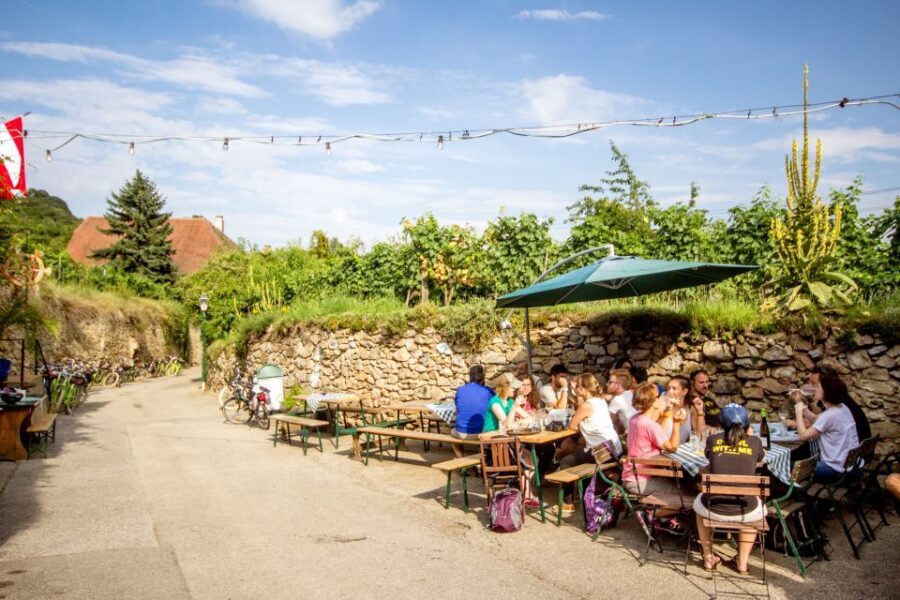
After Rossatz-Arnsdorf, you cycle back toward Krems for about 45 minutes. This segment is a nice way to close the loop: you’ve already seen multiple villages and you know what to look for now—vine rows, river bends, and the overall geometry of the valley.
Once you’re done on the bike, you head back by train to Vienna (about an hour). The return is part of the appeal. You get your day-ending reset without needing to steer, park, or navigate public transport with tired legs.
Your tour finishes at Spittelau S+U, which is a convenient “back in the city” landing point.
Price and Value: Why $163 Can Feel Fair for Wachau
At $163 per person, this tour isn’t the cheapest way to reach the Wachau. But it also isn’t a bare-bones bike rental. Here’s what you’re effectively paying for:
- Train transportation from Vienna both ways
- Bike rental plus helmets
- Rain ponchos
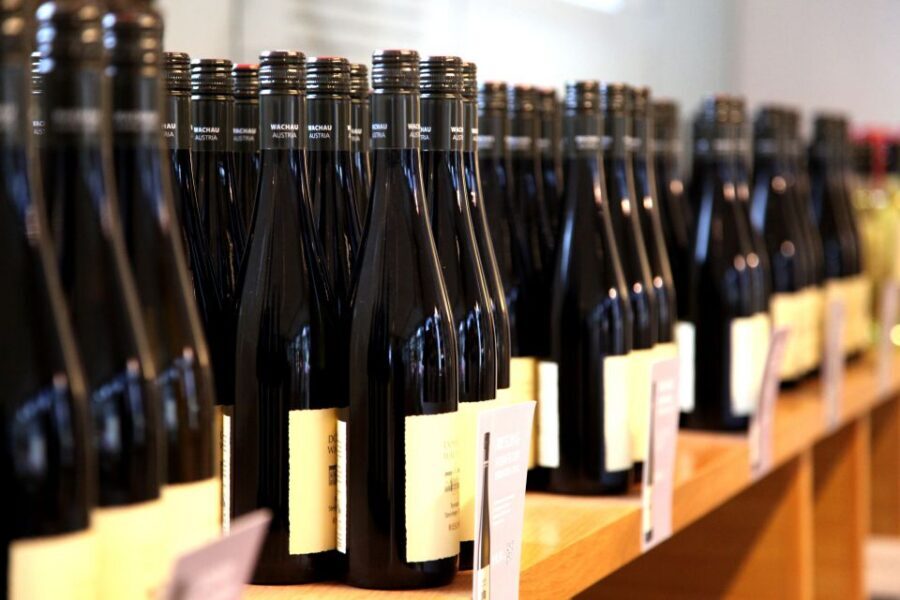
- Tasting fees at all wineries
- An English live guide who handles routing and provides history and culture context
- Some snacks and Wi‑Fi at the rental shop
That combination changes the math. If you tried to build this yourself, you’d likely pay for transport and bike rental separately, and you’d still need to figure out wineries that are open, plus tasting planning.
The one extra you should plan for is lunch: €17 cash only. So if you’re budgeting tightly, treat the true “all-in” day cost as a little higher than $163.
Electric bikes are not included, so if you want pedal assistance, you’ll need to check whether there’s any option offered beyond what’s included.
The Cycling Reality Check: Easy, Scenic, and Not Constant Motion
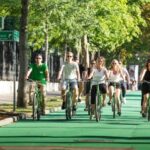
Even though this isn’t strenuous, it’s still a full-day outing. You’ll bike roughly 25 km (about 14 miles) total. The key is that you’re not stuck riding the whole time in one go—stops are built in throughout the route.
The tour notes that the bike route is suitable for all ages and that the longest stretch without a stop is around 30 minutes, depending on wind direction. In real terms, this means you get frequent chances to rest, drink, and take photos without feeling like you’re constantly forcing pace.
That said, some people feel they want more saddle time, especially when the scenery is at its best. If you’re expecting a long, uninterrupted ride like a self-guided route, you might feel the schedule leans more toward wine and village time than pure cycling.
Guides, Wine, and History: How the Day Actually Comes Alive
One of the strongest themes from the experience is the quality of the guide interaction. Many guests specifically name guides like Tim, Nicholas, Szana, Zana, Felipe, Miguel, Thomas/Tomas, and others as standouts.
What matters for you is what guides tend to do well on a day like this:
- explain what you’re seeing in the vineyards
- connect village life to wine culture
- share practical direction for how to enjoy Dürnstein without rushing
- adjust plans when conditions change
Even in reviews, the tone is consistent: the guide helps the day feel personal instead of mechanical. You’re not just taking turns at wineries; you’re getting context that makes each tasting more meaningful.
Weather, Packing, and Small Tips That Matter
This tour runs in all weather conditions. Rain ponchos are provided, so you won’t be stranded in wet gear. Still, plan for dampness and changing skies—Austria can flip from clear to rainy faster than you expect.
Bring what the tour requests:
- comfortable shoes
- sun hat and sunscreen
- swimwear and a towel (because there’s a Danube cooling option)
- camera
- water-friendly basics
A practical tip: there are places to refill bottles along the way, so you may not need to carry a huge load of water from the start. Pack light, and keep some flexibility in your bag.
Also, keep an eye on lunch timing if you want the castle viewpoint. If you can, plan the hike when you still have energy.
Who This Tour Suits Best
This is a great fit if you want:
- wine tastings with local people and small winery stops
- an easy bike day with breaks and structure
- time in Dürnstein and the option to chase the castle ruins viewpoint
- a day that gets you out of Vienna without a complicated self-planning effort
It may be less ideal if you:
- want long continuous cycling with minimal stops
- dislike paying extra for lunch on the day (cash only)
- are only interested in wine and would rather skip the town time
Should You Book This Wachau Bike and Wine Day?
If you’re coming to Vienna and want one day that feels genuinely Austrian—vineyards, river towns, and winemakers—this is an easy yes. The price feels fair because it bundles transport, bike setup, and tasting fees, and it gives you a full day rhythm instead of a rushed hit-and-run.
Book it if you like scenery plus guided context, and if you’re okay with a stop-and-start pace. Skip it only if your idea of a great bike day is long, nonstop riding. Otherwise, you’ll get a memorable Wachau loop: Krems to Dürnstein, a Danube ferry moment, Rossatz-Arnsdorf tastings, and a calm return to the city.
FAQ
How long is the Wachau Valley Grape Grazing biking tour?
The tour lasts about 11 hours.
What is the price per person?
The price is listed as $163 per person.
What’s included in the tour price?
It includes train transportation from Vienna, tasting fees at all wineries, an expert English guide, bike rental, helmets, rain ponchos, and Wi‑Fi and snacks at the rental shop.
Is lunch included in the $163 price?
No. Lunch is available for an extra €17 per person and is cash only.
Do I need to bring cash?
You’ll need cash for the €17 lunch option paid to your guide on the day.
Is the bike ride difficult?
The route is not strenuous. It’s about 25 km (14 miles) total and includes stops, with the longest stretch without stopping around 30 minutes.
Can I swim in the Danube?
The highlights mention cooling off in the River Danube, and the packing list includes swimwear and a towel, so you’ll have the option if conditions and timing allow.
Is the tour only for adults?
The tour is described as suitable for all ages, but it’s still a full-day cycling and tasting experience, so it may feel more fun for adults who enjoy wine culture.
Where do I meet the guide?
Meet your guide at the Vienna Explorer tour office.
FAQ
Can I cancel for a full refund?
Yes. Free cancellation is available up to 24 hours in advance for a full refund.
What language is the guide?
The tour guide provides live commentary in English.