REVIEW · VIENNA
Vienna: Mozart and Strauss Concert at Schönbrunn
Book on GetYourGuide →Operated by Palace Concerts Schoenbrunn · Bookable on GetYourGuide
Mozart and Strauss, in a palace setting. This Vienna concert happens in the Schönbrunn Orangery, a UNESCO site tied to the courtly world that shaped the music you’ll hear tonight.
I really like two things here: the chance to hear Mozart and Strauss in one sitting, and the way the venue keeps the mood elegant without feeling stiff. The lineup also includes two opera voices—a soprano and a baritone—so you’re not just listening to an orchestra on autopilot.
My only real drawback is practical: plan for coat check lines and a bit of waiting around arrival, especially if you show up late or with more than a small bag.
In This Review
- Key things I’d bet you’ll care about
- Schönbrunn Orangery after dark: why this venue feels special
- The program flow: Mozart first, then Strauss waltz magic
- Seating choices and VIP perks you can actually use
- Bar, coat check, and the pre-concert pace (so you’re not stuck)
- Getting there at night: U4 metro, taxis, and a short walk
- The ticket flow and what the schedule really means
- Sound, staging, and the singers: what makes the night work
- Price and value: is $42 worth it?
- Who should book this (and who should choose something else)
- Should you book this Mozart and Strauss concert at Schönbrunn?
- FAQ
- How long is the Schönbrunn Mozart and Strauss concert?
- When does the concert start?
- Where is the meeting point?
- Is food included with the ticket price?
- What is included in the VIP ticket?
- How much does the cloakroom cost for non-VIP?
- Can I cancel my booking?
Key things I’d bet you’ll care about
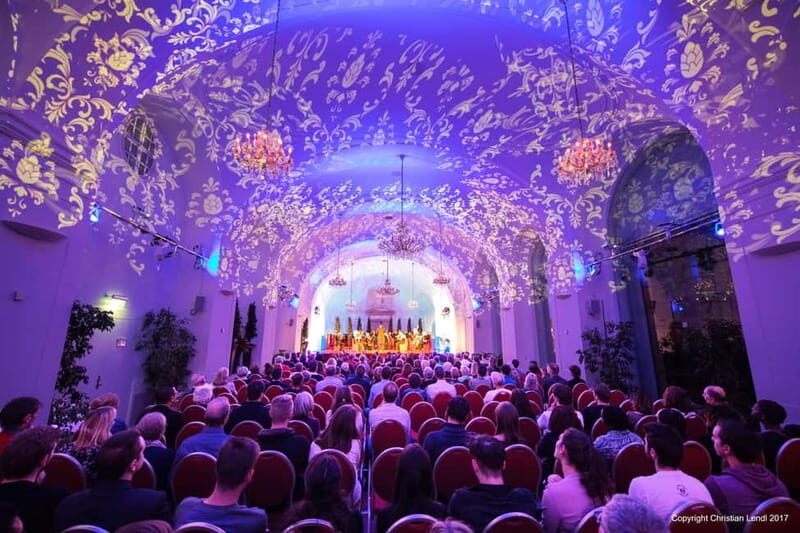
- UNESCO Schönbrunn setting: a palace-side concert that feels connected to the music, not staged beside it
- Mozart first, Strauss second: the program is split so you get a clear musical arc
- Two opera leads (soprano + baritone): vocals are part of the main event, not background
- VIP is about access and front-row visibility: priority entry, front rows, drinks, and free cloakroom
- Intermission bar + Orangery garden (seasonal): you have a place to stretch your legs during breaks
- No photos/videos during the performance: helps keep the room quiet and focused
Schönbrunn Orangery after dark: why this venue feels special
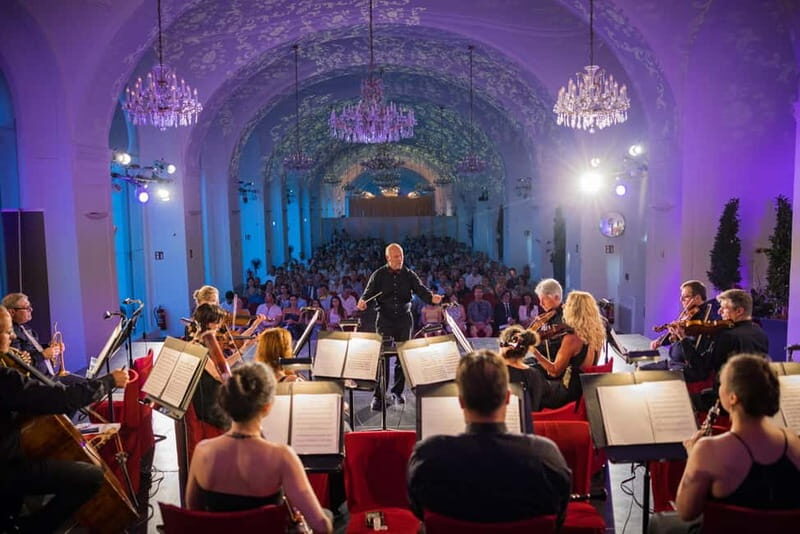
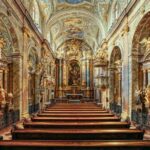
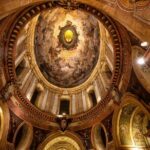
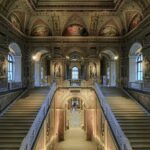
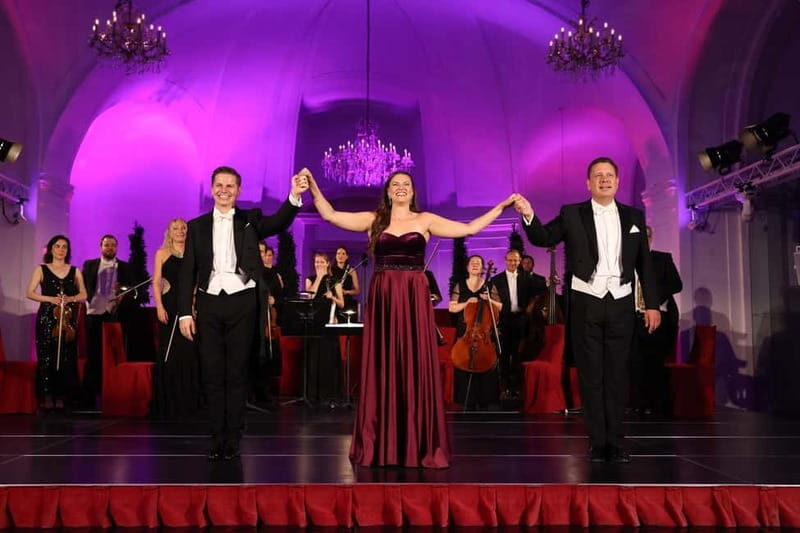
If you want a Vienna evening that looks like Vienna, this is a strong pick. The Orangery Schönbrunn sits right next to Schönbrunn Palace, and the setting carries a built-in sense of occasion. People love the chandeliers and warm interior lighting because it turns the music into something you can actually see.
One small detail that matters: the venue is not huge. Several accounts note the intimacy, which is a plus if you like hearing details rather than battling for attention in a cavernous hall. The conductor also gets attention during the show—so you don’t have to be a classical superfan to enjoy the evening’s rhythm.
A practical note: the venue is a palace complex at night, which means you’ll want to arrive with time for navigation and entry checks. If you’re coming from nearby spots like Christmas markets, allow a little extra walking time so you’re not rushing through the queue.
A few more Vienna tours and experiences worth a look
The program flow: Mozart first, then Strauss waltz magic
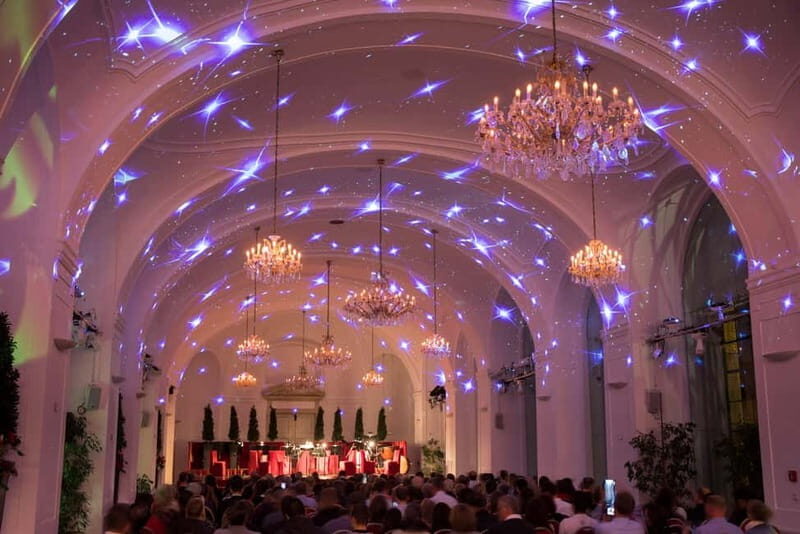
The concert is built as a clean two-part night. Expect the first half to focus on Mozart, followed by Strauss for the second half. That split is more than programming—it helps your brain settle in. You’re not waiting for a “better half.” You get a complete musical story, then it turns.
From the variety of choices you’d normally recognize, you can also expect some familiar Strauss moments (one commonly cited favorite is The Blue Danube Waltz). Even if you only know a handful of tunes, the singers and orchestra help bridge the gaps—especially because the soprano and baritone aren’t just performing songs; they act and shape the mood between numbers.
And yes, this is not a dry, stiff concert. Multiple accounts describe an engaging, sometimes playful conductor with clear audience interaction. That matters if you want your classical night to feel alive rather than like a museum exhibit.
Seating choices and VIP perks you can actually use
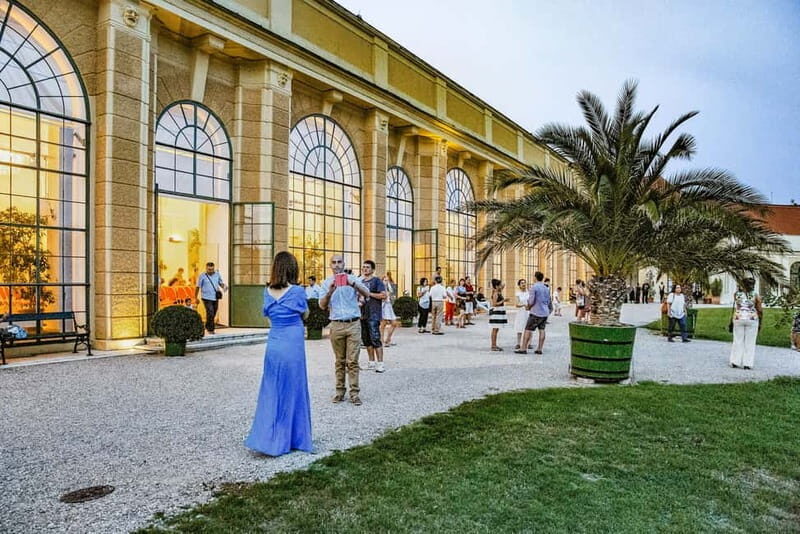
You can choose seating within your category, which is useful because it lets you pick what matters—closer to the stage or a better viewing angle. But the big decision is whether you want the VIP option.
VIP is described as a real set of convenience upgrades, not just a nicer label:
- Priority access to the entrance and the concert bar
- Front-row seating (ideal if you care about seeing faces, gestures, and the singers up close)
- Two drinks, including a glass of sparkling wine
- Free coat check
- A personalized VIP program booklet
- A VIP wristlet to identify you fast
Here’s how I’d think about value: if you’re the type who hates waiting and wants the easiest arrival possible, VIP earns its keep. If you’re happy to arrive early, handle a coat check, and sit where you can see the stage clearly, the standard tickets can be the smarter financial move.
One more practical detail from live feedback: if you like “scene view,” VIP front-row is a big win. If you mainly want to enjoy the music without worrying about perfect sightlines, there’s also satisfaction in other seating areas because the sound carries well in this type of room.
Bar, coat check, and the pre-concert pace (so you’re not stuck)
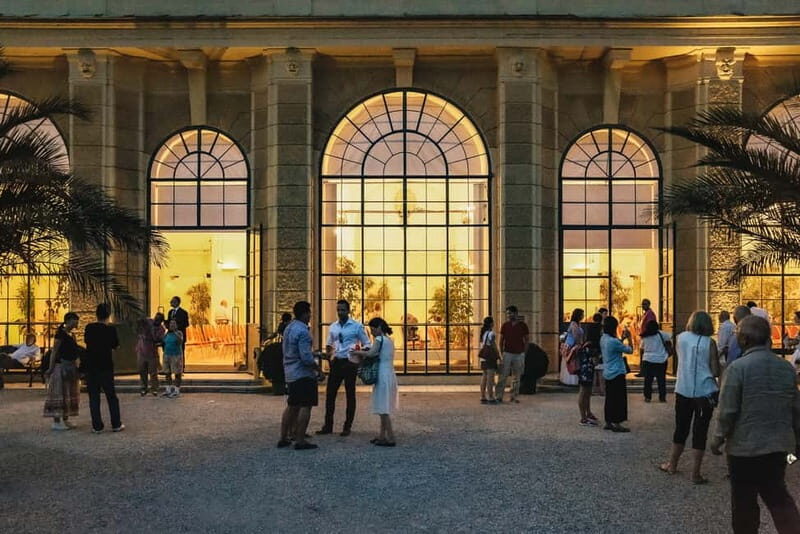
This concert comes with a built-in break, so don’t plan to treat it like a sprint. Intermission lets you visit the bar, and in warmer seasons you can also check out the Orangery garden. Even if you don’t drink, the break gives you time to reset and get comfortable.
The coat situation is where timing becomes real. For non-VIP ticket holders, the cloakroom has a fee of €1, and at least some descriptions say coat check can create a bit of a queue on the way in and again after. For VIP, the cloakroom is free, which can shave stress off your evening.
Also plan for a key rule of comfort: bring a bag you can manage easily. One account notes jackets and larger bags being handled via cloakroom expectations on entry, with small handbags doing fine. If you show up with a backpack full of stuff, you’ll spend your “arrival energy” juggling coats instead of settling in.
Finally, no-nonsense rule: no photos or videos are allowed during the performance. It’s the kind of policy that keeps everyone paying attention, but it also means you should be ready to enjoy the show without grabbing a phone souvenir.
Getting there at night: U4 metro, taxis, and a short walk
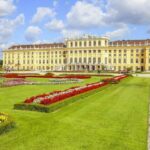
Getting to Schönbrunn is straightforward if you aim your navigation correctly. You can take metro U4 and get off at Schönbrunn. From there, you’ll walk to the Orangerie entrance, and the meeting point is specific: it’s at the Orangerie entrance, to the left of the grand entrance of Schönbrunn Palace.
Taxis also make sense at night. Several accounts say taxis wait at the concert venue area, and dropping you closer helps if you’re tired or arriving late. If you’re using a ride app, use the same logic: ask to be dropped at the Orangerie where the show entrance is, not the main palace side you might assume is best.
Timing tip that actually helps: when Christmas markets are on nearby, the walk can feel longer than you expect. A good rule is to give yourself a few extra minutes so you’re not sprinting toward the entry desk.
Parking exists too, but it costs extra. Parking is available in front of the Orangery until midnight for an additional fee.

The ticket flow and what the schedule really means
This is a timed entry event, so the schedule matters even if you don’t love logistics.
- 8:00 p.m.: Admission to the Concert Hall
- 8:30 p.m.: Start of the Concert
- 10:15 p.m. approx.: End of the Concert
That 8:30 start time means you don’t want to get lost at 8:10. Arrive early enough to pass the entry steps calmly, especially if you’re using cloakroom.
Ticket pickup is also time-based:
- You can collect tickets from 10:00 a.m. to 6:30 p.m. at Orangery Schönbrunn
- Then from 7:00 p.m. to 8:30 p.m. at the venue box office
On selected dates, the concert setup can vary. Some nights take place in places like the Great Gallery or White-Gold Room inside the palace, or in other concert halls. So if you’re picturing one exact room every time, you might want to check the date details on your ticket confirmation.
Sound, staging, and the singers: what makes the night work
A concert like this rises or falls on two things: the voices and the orchestra’s blend. The consistent praise is that both show up strong. Accounts describe an excellent, moving performance and singers with real stage presence—animated, expressive, and clearly enjoying the music.
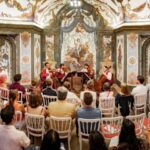
One detail I found useful: a few descriptions mention an eight-piece orchestra, which helps explain why the evening feels close-up. Smaller ensembles can bring more clarity, more pacing control, and more connection between performers.
The conductor also seems to be part of the entertainment. Multiple accounts highlight humor, whimsy, and audience interaction. If you’ve ever felt that classical concerts sometimes talk to you only through music, this is a chance to feel more included.
Acoustics get positive notes too. The room’s lighting and ceiling treatment can feel magical during the performance. That visual layer matters because it keeps the evening emotionally warm, not just technically correct.
Only one caution comes up in a few comments: some people wish the sound was louder. That’s not unusual in older, palace-style spaces. If you’re sensitive to quieter volume, arrive early and pick seating where you can hear comfortably without straining.
Price and value: is $42 worth it?
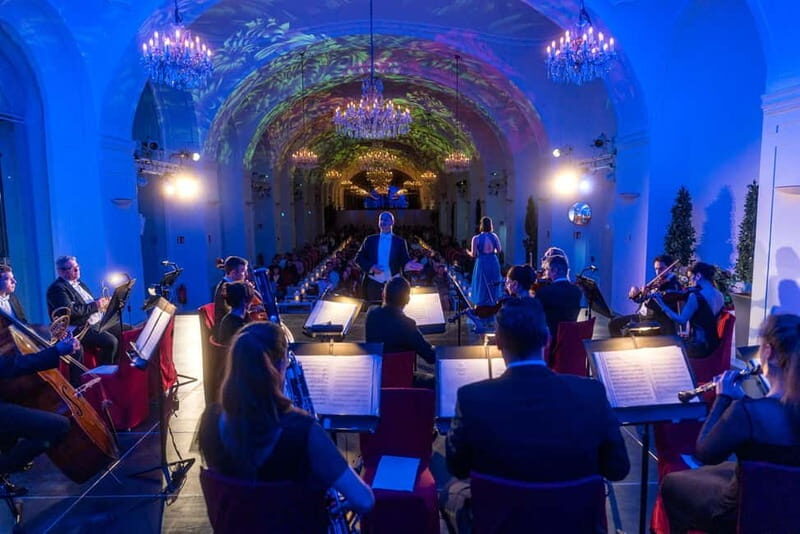
At $42 per person for a 105-minute evening, you’re paying for a specific kind of value: a recognizable classical program plus a standout venue. You’re not buying a casual concert in a random hall. You’re paying to hear Mozart and Strauss in the Schönbrunn setting, with opera-style leads and an orchestra that can actually be seen.
So when does it feel like a bargain? When you want:
- a high-effort Vienna night that’s still simple
- music you recognize (or can quickly latch onto)
- a palace-adjacent atmosphere without the need to coordinate multiple activities
When it might not feel like a bargain: if you’re only in Vienna for a quick stop and already have easy access to classical concerts elsewhere, you might feel $42 is more than you need. But for most people aiming to “do the must-try thing” in a way that feels special, this tends to land well.
If you’re considering VIP, think of it as paying for less friction and more visibility. VIP includes priority entry, drinks, a sparkling wine glass, front rows, and free coat check. If you hate lines or want the closest possible view, that can turn an enjoyable night into a very comfortable one.
Who should book this (and who should choose something else)
I’d point you toward this concert if you want:
- an elegant Vienna evening that mixes orchestra + opera voices
- a program split that makes the night easy to follow (Mozart then Strauss)
- a venue that feels historic and atmospheric without being intimidating
It’s also a good match if you’re bringing mixed interests. Some accounts explicitly note it worked even for people who don’t consider themselves opera fans. The conductor’s interaction and the performers’ expressiveness likely do the heavy lifting.
Who might choose differently? If you absolutely need to take photos, you’ll be disappointed. And if you’re very sound-sensitive and dislike quieter setups, you’ll want to pick seating carefully (and arrive early so you’re not stuck with the worst angle).
Should you book this Mozart and Strauss concert at Schönbrunn?
Yes, you should book it if you want one “very Vienna” evening that combines famous composers, strong vocal leads, and a palace-side setting that makes the whole night feel ceremonial. The schedule is clean, the time commitment is reasonable, and the VIP perks are practical rather than just decorative.
I’d skip (or at least hesitate) only if you can’t handle coat check lines, hate any restrictions like no performance photos, or you’re in Vienna purely for low-cost free sights and don’t care about paying for a guided, structured night.
If you do book, come a little early, use the U4 direction strategy, and plan to keep your phone away once the music begins. You’ll get more out of the evening when you let the room and the performers do the work.
FAQ
How long is the Schönbrunn Mozart and Strauss concert?
The concert experience runs about 105 minutes.
When does the concert start?
Admission opens at 8:00 p.m., and the concert starts at 8:30 p.m. It ends around 10:15 p.m.
Where is the meeting point?
Meet at the entrance to the Orangerie, to the left of the grand entrance to Schönbrunn Palace.
Is food included with the ticket price?
No. Food and drinks are not included, though there is a bar available before and during intermission.
What is included in the VIP ticket?
VIP includes free choice of seating within the category, priority access to the entrance and concert bar, free coat check, a welcome drink, a glass of sparkling wine, and a personalized VIP program booklet.
How much does the cloakroom cost for non-VIP?
The cloakroom has a fee of €1 for non-VIP ticket holders.
Can I cancel my booking?
Yes. You can cancel up to 3 days in advance for a full refund.