REVIEW · VIENNA
Vienna: Classical Concert in St. Anne’s Church (Annakirche)
Book on GetYourGuide →Operated by Classic Exclusive · Bookable on GetYourGuide
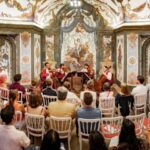
A string quartet in Vienna feels like time travel. I love the period-instrument sound and the way the Annakirche acoustics make each phrase feel close and clear. The main drawback is simple: seating is free, so arriving late can mean worse sightlines and a less comfy angle.
This concert is built around a classic Vienna idea: world-class music in a small, old room where it actually lands. It starts at 8:00 PM and lasts about 70 minutes, and the church is heated during the cold months—a lifesaver in winter. You’re also walking distance from major transit and sights, which makes this an easy evening add-on.
For $38, you get a ticket with free seating plus a free concert program. If you’re tired after a day of walking, this is one of the more satisfying ways to spend a night in the city.
In This Review
- Key highlights you’ll care about
- St. Anne’s Church location: an easy 8 PM plan near Opera
- What you’re really buying for $38: 70 minutes of full-works classical
- The Baroque room and why the sound feels different here
- Period instruments: hearing Mozart and Schubert in a closer-to-the-era way
- How the concert works: timing, seating, and what to listen for
- Comfort and etiquette: small room, big impact
- Who this concert is perfect for (and who might not love it)
- Should you book this St. Anne’s Church classical concert?
- FAQ
- How long is the concert at St. Anne’s Church (Annakirche)?
- What time does the concert begin?
- Where is St. Anne’s Church located?
- How far are the nearest subway stations?
- Is seating assigned?
- What music will be performed?
- Are period instruments used?
- Is the church heated in winter?
- What’s included with the ticket price?
- Is free cancellation available?
Key highlights you’ll care about
- Period instruments that echo the Classic Era: music played on instruments from the time of Mozart and Schubert.
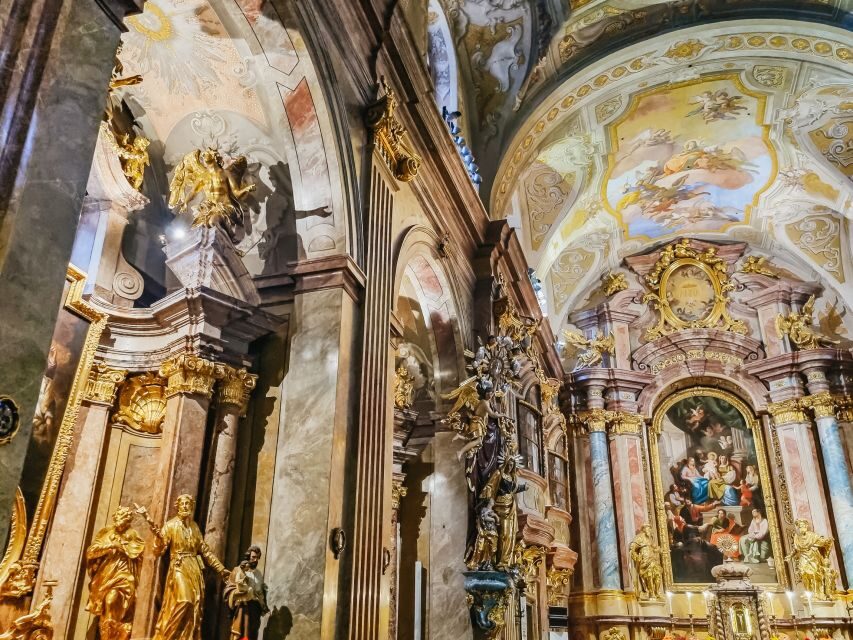
- St. Anne’s intimate Baroque setting: a smaller church that keeps you close to the performers.
- Strong acoustics in an architectural masterpiece: the room makes the strings sound unusually vivid.
- A program focused on full works: not just a mashup of famous excerpts.
- Easy timing and location: a straightforward 8:00 PM plan near Vienna’s core transit stops.
St. Anne’s Church location: an easy 8 PM plan near Opera
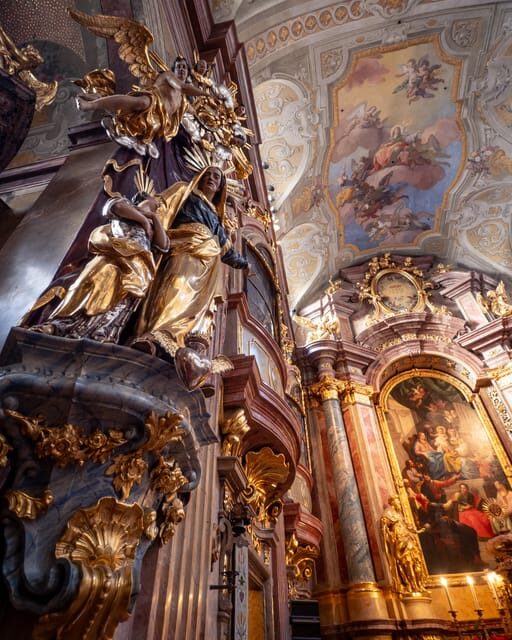
St. Anne’s Church, also called Annakirche, is in the pedestrian zone in the heart of Vienna, at Annagasse 3b. The venue is about a 3-minute walk from Vienna State Opera, so you can pair it with an earlier evening stroll without fighting for transportation.
You can also reach it on foot from major subway hubs. It’s around 5 minutes on foot from Karlsplatz and Stephansplatz underground stations. That matters because Vienna evenings can get busy, and you’ll arrive less stressed when you’re not rushing across town.
A practical detail I like: the church is in the center, so you can arrive, find your seat, and still have time to look around inside before the music starts. If your day runs long, at least you’re not dealing with a complicated meeting point.
A few more Vienna tours and experiences worth a look
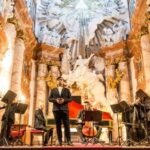
What you’re really buying for $38: 70 minutes of full-works classical
The price is $38 per person, and the concert runs about 70 minutes. For that length, the format stays focused: you’re not sitting through a long program that turns into background noise. You’re getting a real performance block.
Your ticket includes free seating in the venue and a free concert program. That program isn’t just paper filler. It helps you follow along with the composer choices and the flow of the evening, especially if you’re not a lifelong classical buff.
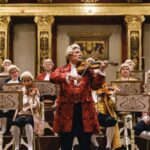
The concert is performed by a string ensemble made up of musicians from renowned Viennese orchestras. That combination—credible performers plus a focused runtime—is why this feels like good value rather than a tourist check-the-box.
The Baroque room and why the sound feels different here
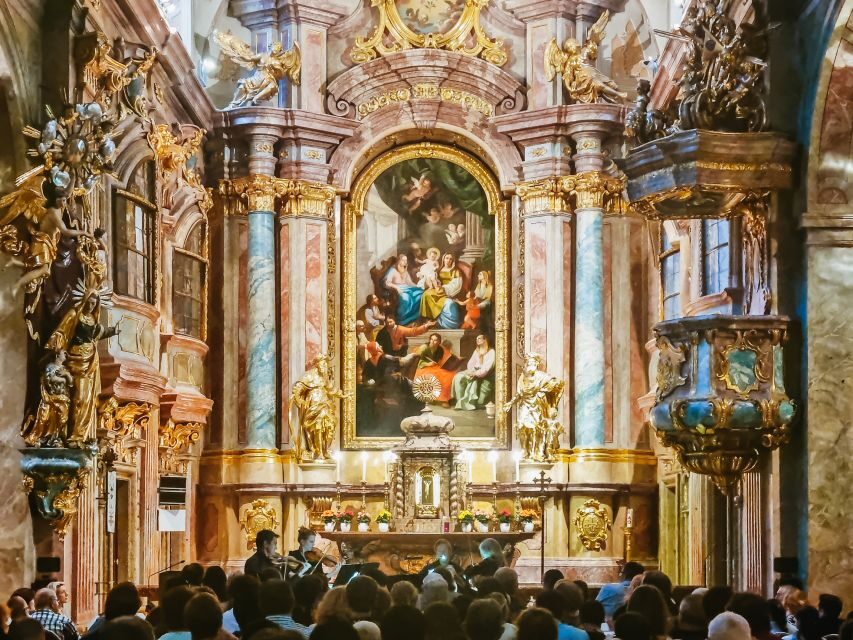
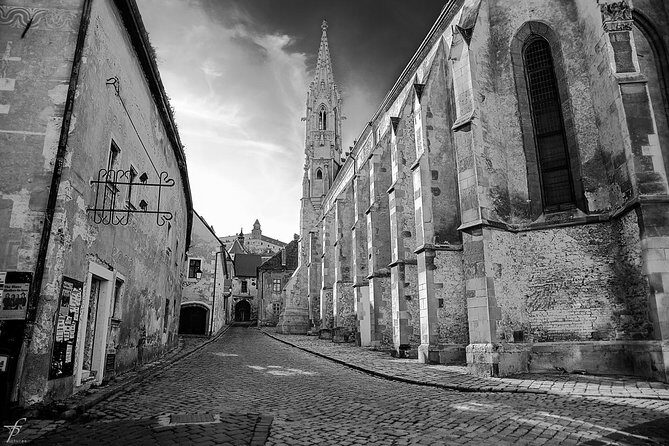
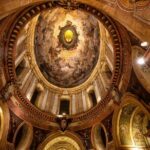
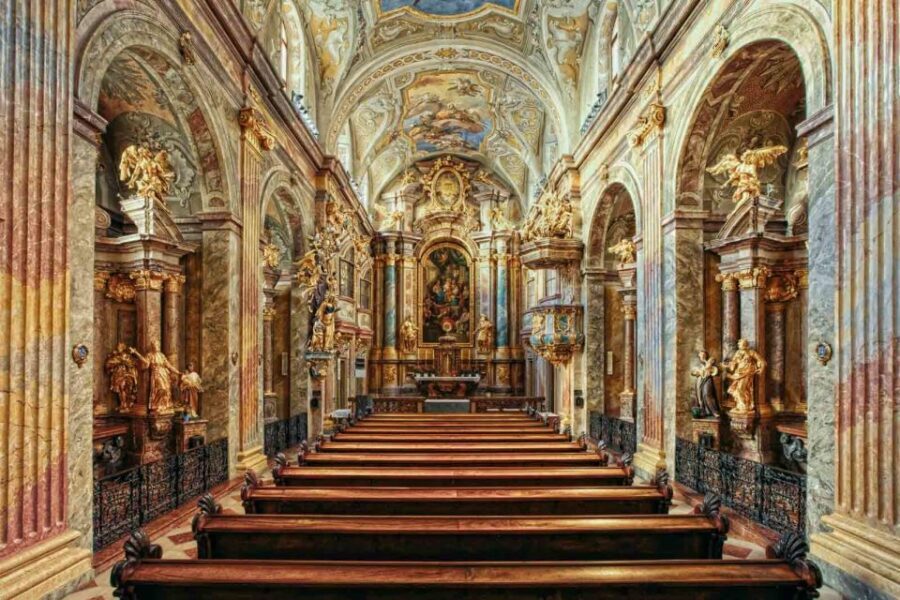
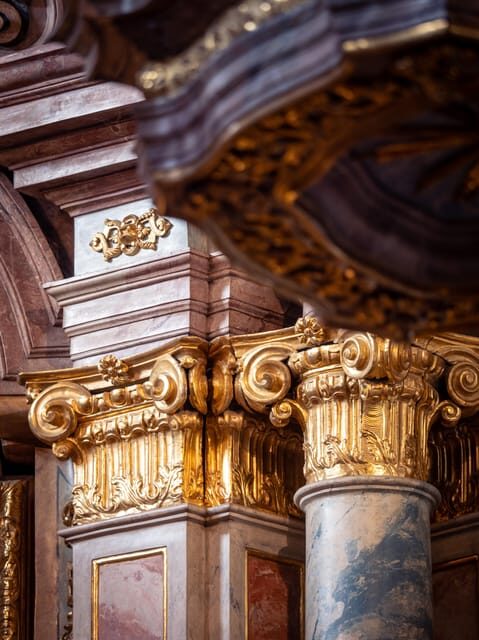
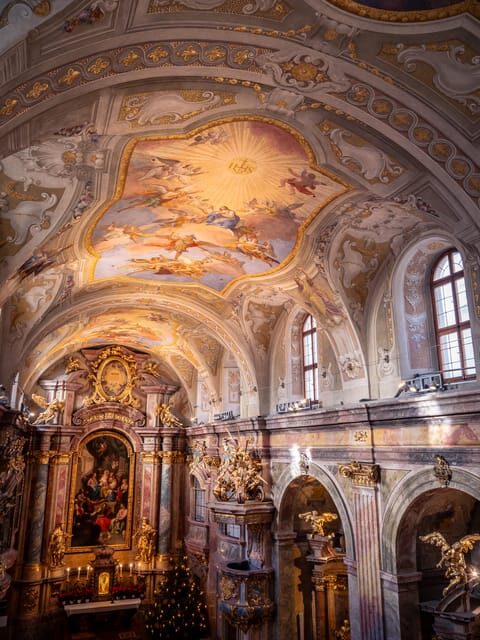
Annakirche is known for excellent acoustics and a Baroque atmosphere, and those two things work together. In a great-sounding hall, you don’t just hear the notes—you hear the phrasing and the balance between voices in the string parts.
Because the church is relatively small and intimate, the musicians can feel close. Some seats also change your experience more than you’d expect in a concert hall: angle matters, and so does how close you sit to the performers’ line of sight.
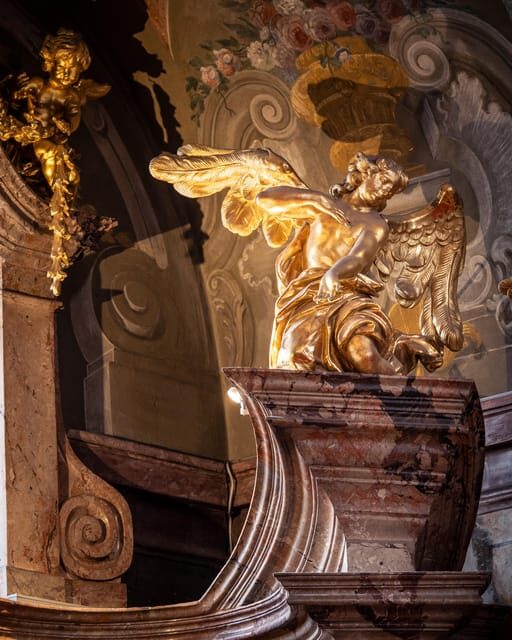
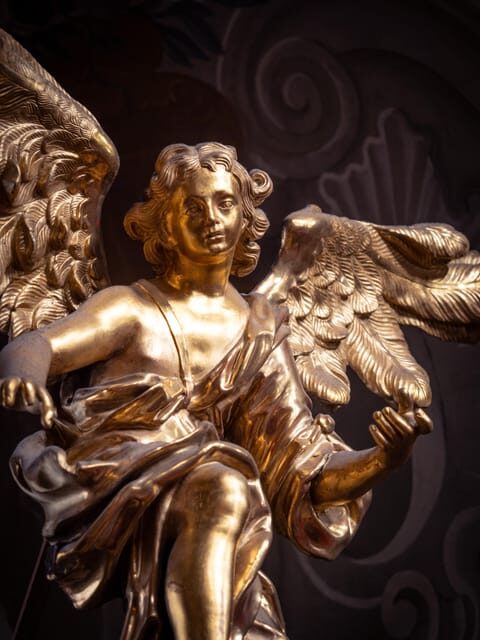
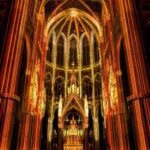
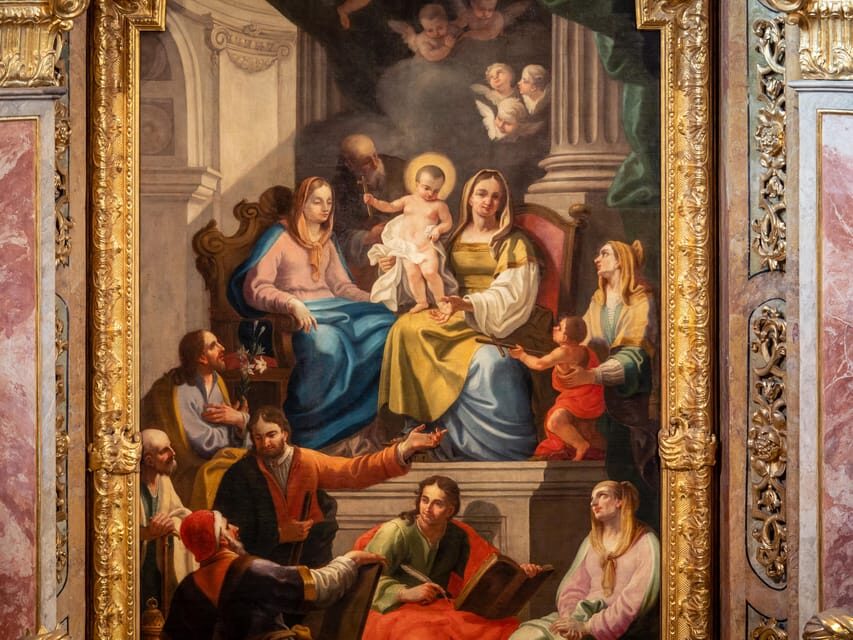
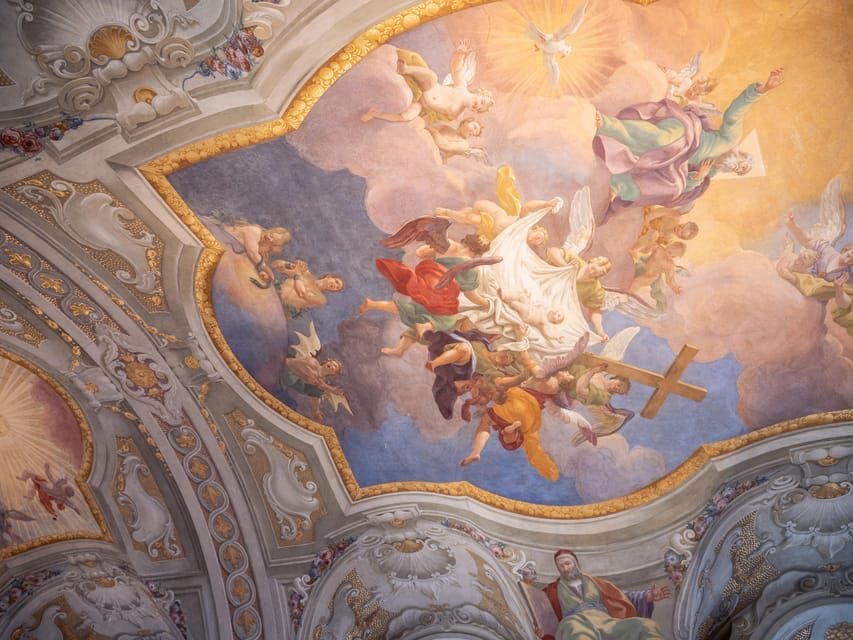
The church also has strong visual character while you wait. People often spend that first minute just looking up at the interior details. I’d call that a bonus rather than a distraction: it makes the venue feel like part of the show, not just the container.
One more comfort note: the church is heated during cold months, which helps you concentrate once the music begins. In warmer months, you might find it a bit warm inside too, so plan to bring a small bottle of water.
Period instruments: hearing Mozart and Schubert in a closer-to-the-era way
This is one of the reasons the concert feels special beyond the repertoire. The performances use instruments from the time of Mozart and Schubert, which means the sound you get isn’t the same as a standard modern-string setup.
Even if you don’t know technical terminology, you’ll likely notice the effect: the strings can sound more articulate and a little different in color—less smooth and blended than modern orchestral strings, more direct and textured. That kind of change makes familiar composers feel newly alive.
The program is designed around the Viennese Classic Era atmosphere. It aims to recreate the feeling of that golden period by pairing the music choices with the period-instrument sound world. I like this approach because it gives you context without turning the evening into a lecture.
And yes, the string ensemble format helps. String music naturally suits a church space: it carries, it dialogues, and it doesn’t get swallowed by stone the way some louder orchestral textures might.
How the concert works: timing, seating, and what to listen for
Concerts begin at 8:00 PM and last about 70 minutes. The pacing is built for a seated, uninterrupted listening experience, so try not to schedule anything right before that makes you rush.
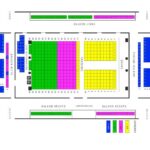
Because seating is free, your choice is mostly about where you enter the room and how early you arrive. If you want the best sightlines (especially if you care about watching the musicians), aim to show up 30 to 40 minutes early. This gives you time to settle without squeezing in at the last second.
Once the music starts, you’ll likely hear complete works by composers like Mozart, Haydn, Beethoven, or Schubert. On some nights, the program has included standout pieces such as Haydn’s Kaiserquartett and even other famous Romantic-era composers alongside the core Classical selections. The key idea is consistency: you’re not just hearing one theme and moving on.
What to listen for as the pieces change:
- Balance between the four parts: you’ll hear how the ensemble passes lines around.
- Slow movements: church acoustics tend to make these especially moving because the sound has time to bloom.
- Energy in faster works: the period-instrument bite can make rhythms feel springy rather than heavy.
The venue itself shapes what you notice. In a small Baroque church, endings and transitions can feel like they land in your lap rather than floating away. That’s one of the reasons people end up wishing the concert lasted longer.

Comfort and etiquette: small room, big impact
A small church can be wonderful, but it also means small disruptions matter more. One of the real-world considerations is noise: chatting or unrelated sounds can pull you out of the music faster than in a larger venue with distance.
So I’d treat it like theater. Turn off distractions, and keep your phone away. If you like taking a close look at the performers, remember that front-row seats often mean you’re closer to any incidental movement too.
Seating comfort varies. Some seats are better than others, and side seating may have different cushioning than the main rows. If comfort matters, arrive early enough to choose rather than accepting the closest available spot.
And dress for a church. Even with heat in winter, evenings can start cool, and you’ll be sitting for an hour-plus. A light layer makes it easier to settle in.
Who this concert is perfect for (and who might not love it)
This is ideal if you want a Vienna evening that feels authentic but still easy. You don’t need deep classical knowledge to enjoy it, and the concert length is manageable. If you’re the type who likes music as a way to slow down after busy sightseeing, this works especially well.
It’s also a great choice if you want something smaller and more personal than a big opera-house night. The room keeps attention on the strings, and the performers’ closeness can make the music feel immediate.
Where it might not be the best fit:
- If you need a casual, flexible experience with lots of room to move around, a seated church concert is stricter than a walking attraction.
- If you’re sensitive to other people’s noise, you’ll want to be strategic about your seat location and arrival time.
If you’re traveling as a couple, a solo traveler, or a small group, this hits a nice middle ground: a shared cultural experience without the formality (or price) of bigger ticket nights.
Should you book this St. Anne’s Church classical concert?
I think you should book it if you want a high-quality classical concert in a setting that changes how the music sounds. The combination of period instruments, strong acoustics, and a tight 70-minute program is a smart value move—especially when it’s an easy walk from Vienna’s center.
Book it if you’re open to listening for the details, not just checking names off a list. You’ll likely enjoy the way the sound carries in the church and how the ensemble format makes each part readable.
Skip it only if you know you hate seated quiet experiences or you’re likely to be annoyed by distractions from other attendees. Otherwise, this is one of the simplest ways to spend an evening with genuine musical atmosphere in Vienna.
FAQ
How long is the concert at St. Anne’s Church (Annakirche)?
The concert duration is 70 minutes.
What time does the concert begin?
Concerts begin at 8:00 PM.
Where is St. Anne’s Church located?
The address is Annagasse 3b, Vienna, and the church is about a 3-minute walk from Vienna State Opera.
How far are the nearest subway stations?
It’s about 5 minutes on foot from Karlsplatz and Stephansplatz underground stations.
Is seating assigned?
You get free seating in the venue, so where you sit depends on when you arrive.
What music will be performed?
The string ensemble performs a program featuring complete works by composers such as Mozart, Haydn, Beethoven, or Schubert.
Are period instruments used?
Yes. The music is played on instruments from the time of Mozart and Schubert.
Is the church heated in winter?
Yes. St. Anne’s Church is heated during the cold months.
What’s included with the ticket price?
Your ticket includes the concert ticket with free seating and a free concert program.
Is free cancellation available?
Yes. You can cancel up to 24 hours in advance for a full refund.