REVIEW · VIENNA
From Vienna: Wachau Valley Day Tour with Wine Tasting
Book on GetYourGuide →Operated by Vienna Explorer · Bookable on GetYourGuide
Danube views and wine tastings in one tight day. This Wachau Valley outing turns Vienna into a pretty river-ringed wine region, with a relaxed van ride, planned stops, and a Spitz-to-Melk cruise (weather and season-dependent). Guides like Marco and Regan steer the day with stories that make the places feel lived-in, not like checkboxes.
I especially love how much of the day is built around tasting rather than racing from one photo stop to the next. You also get a real break in Dürnstein, with about an hour to wander the medieval streets before the second round of tastings. One heads-up: this is firmly white-wine centered, so if you’re mainly chasing reds, you may find the menu a bit one-direction.
In This Review
- Quick hits before you go
- Why Wachau Valley feels different than a typical Vienna day trip
- The smooth van ride and the small-group advantage
- Dürnstein: your first wine tasting plus an hour to wander
- Potential snag at this stop
- Lunch in Weißenkirchen: a real break, not a rushed stop
- Spitz tastings: where the wine learning gets real
- Food beyond wine
- The Danube cruise from Spitz to Melk: the relaxing reset
- When it’s not a cruise
- Melk photo stop: what you’ll actually get
- Melk Abbey: guided tour timing depends on season
- What I’d watch for during the abbey visit
- What the wine tastings really mean (so you taste better)
- If you’re new to wine
- Price and value: is $234 per person worth it?
- Comfort, small rules, and weather realities
- Who this tour suits best
- Should you book this Wachau Valley wine day trip?
- FAQ
- Where does the tour start?
- How long is the tour?
- Is the group small?
- What’s included, and is lunch covered?
- Do I get a Danube boat cruise or Melk Abbey?
- Are wine tastings only at one place?
- What can I bring (luggage, pets)?
Quick hits before you go
- Small group (max 8): easier conversation and less waiting at each stop.
- White-wine focus: dry and fruity styles you can actually compare side by side.
- Dürnstein time: you’re not trapped in a bus; you get to explore on your own.
- Danube cruise from Spitz to Melk (summer): scenic, calm, and built into the pacing.
- Melk Abbey visit (season-based): in colder months, you may trade the boat for a guided abbey tour.
- Family-run tavern/heuriger tastings: you’ll often sample more than wine, like local liqueurs and sweets.
Why Wachau Valley feels different than a typical Vienna day trip
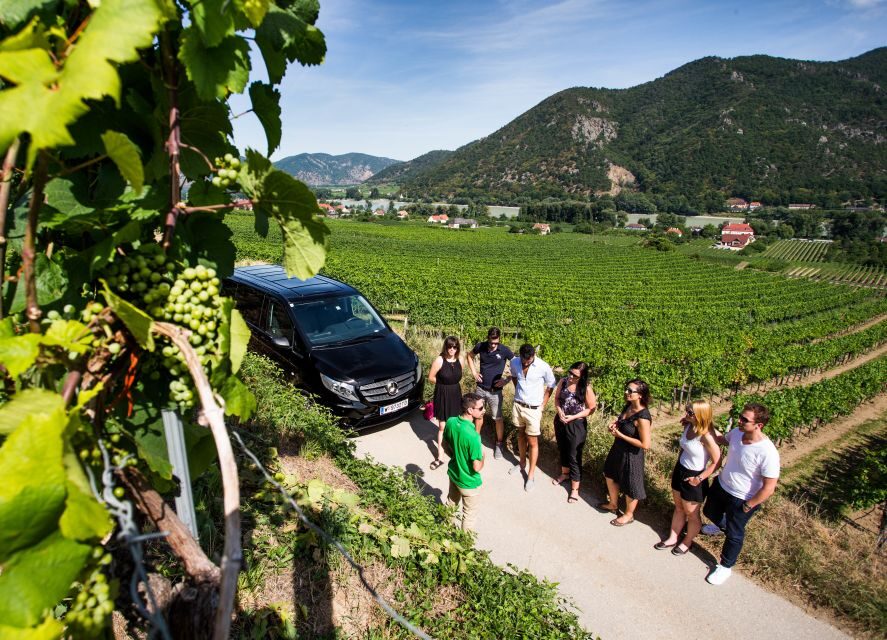
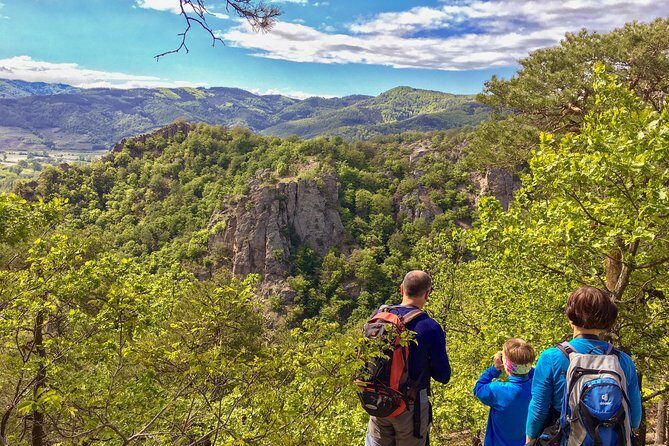
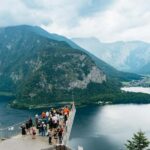
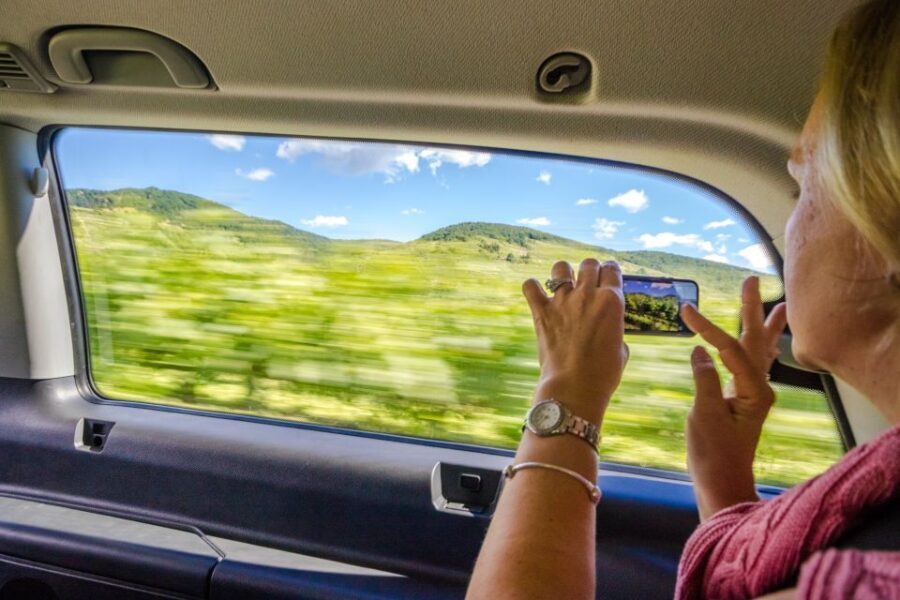
Wachau Valley is one of those places where the scenery matches the schedule. Even when you’re only looking out a window for a while, you see why this stretch of the Danube became famous: vineyards on slopes, villages perched close to the river, and stone landmarks that look older than your camera roll.
What I like about this tour is that it doesn’t pretend you’re doing everything. Instead, it gives you enough structure to make sense of winemaking and local culture, then builds in time to enjoy it.
This is also a good “Vienna plus” day. If you’ve already done palaces and classic city sights, the Wachau shift is huge: smaller villages, quieter roads, and the kind of calm that makes you slow down.
You can also read our reviews of more food & drink experiences in Vienna
The smooth van ride and the small-group advantage
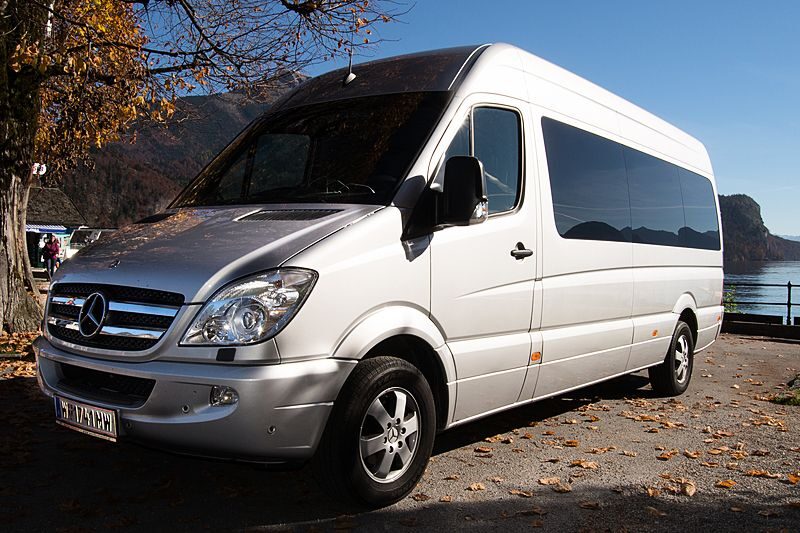
You start in Vienna at the Vienna Explorer office, then head out by van through countryside roads. The day is designed so you’re not stuck on a giant bus. Many guests point out that the longest driving stretch feels reasonable—think about an hour at a time—so you can stay comfortable and actually enjoy the views.
Because the group is capped at eight people, the guide can keep things moving without turning every stop into a sprint. It also means it’s easier to ask about wine styles, grape growing, or why the Wachau rules around winemaking matter.
Guides you might get (names shared by guests include Marco, Regan, Thomas, Tomas, Camillo, Felipe, and Yolo) tend to keep the tone practical and upbeat. The goal isn’t to sound fancy—it’s to help you taste with your brain on.
Dürnstein: your first wine tasting plus an hour to wander
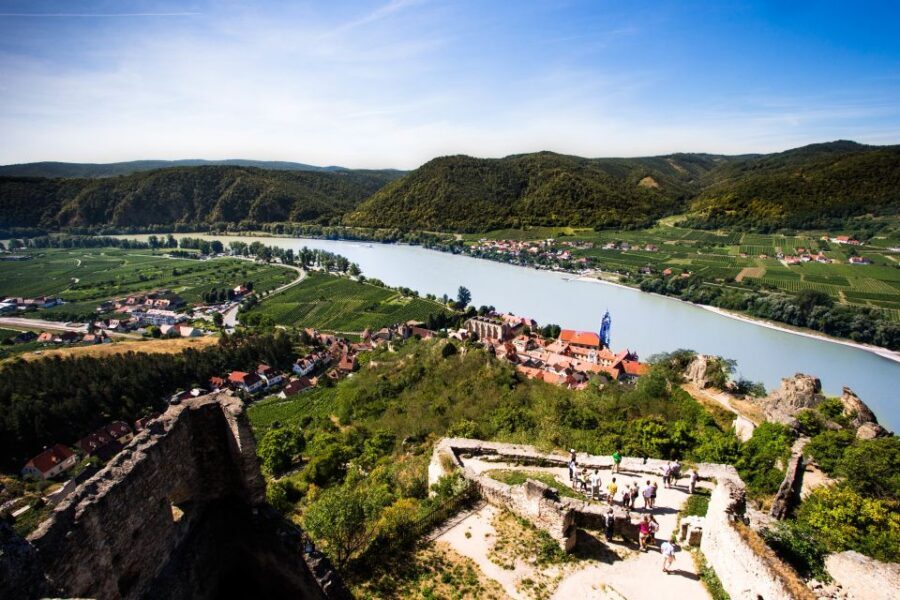
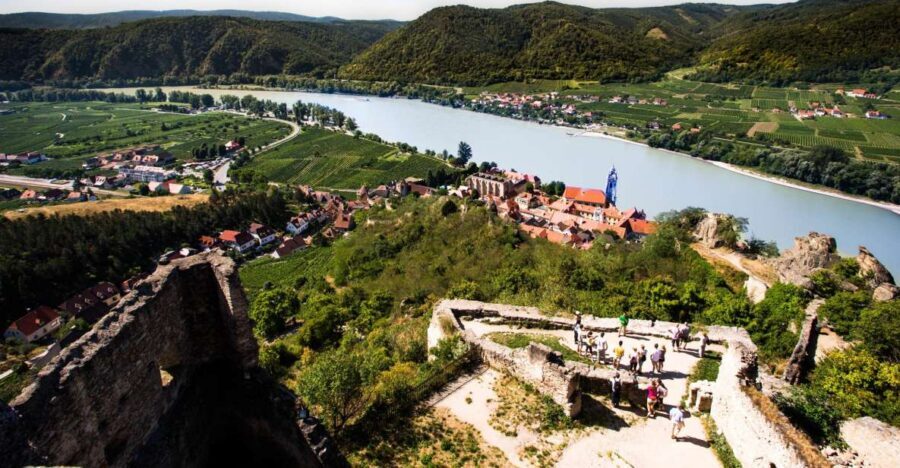
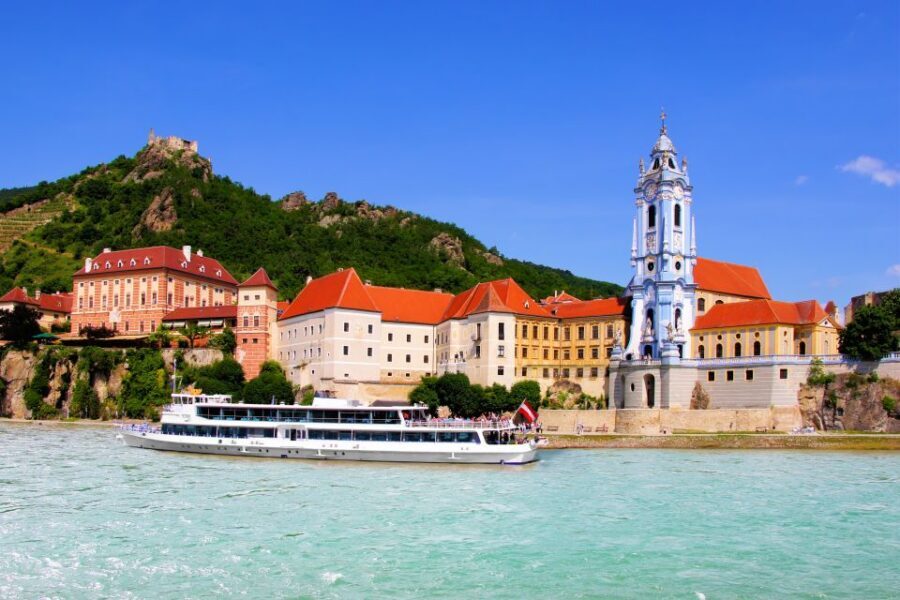
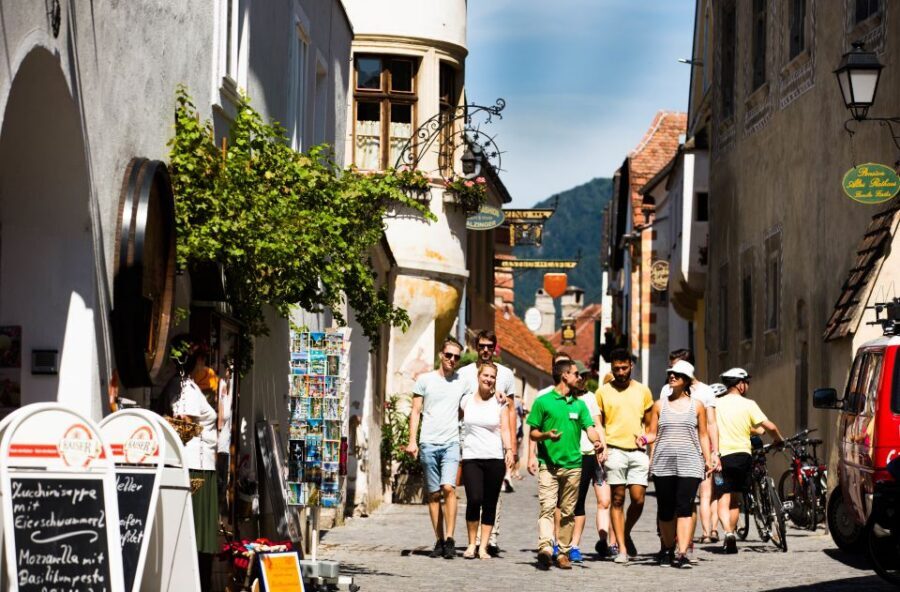
Dürnstein is where the day turns from countryside travel into something more personal. You’ll start with a wine tasting here, then get about an hour of free time to explore the town.
Even with only an hour, Dürnstein is the kind of place where you can walk and feel like you’re learning by looking:
- colorful building fronts
- a medieval town layout that rewards slow strolling
- river-and-vine views that pop at turns in the street
This stop also has a story layer. Your guide will point you toward the castle where Richard the Lionhearted was once held prisoner. You might not spend hours at ruins, but the reference gives meaning to what you see nearby.
In a place like this, the heuriger culture isn’t just “cute local tradition.” It’s part of how wine gets shared—family-run, conversational, and connected to what the region grows. That’s the tone your first tasting aims for.
Potential snag at this stop
If you’re the type who needs a lot of time for lunch and lounging, Dürnstein can feel like a quick taste-and-go moment before the next leg of the day. That said, most people like that it keeps you moving without frying your energy.
Lunch in Weißenkirchen: a real break, not a rushed stop
After Dürnstein, you move to Weißenkirchen in der Wachau for lunch (about 75 minutes). This matters more than it sounds. In a long day with wine tastings, you want one real meal window where you can sit down, regroup, and absorb the region without standing.
Lunch is included, but drinks aren’t. So if you like pairing your food with a non-tour drink, you’ll want to budget for that separately.
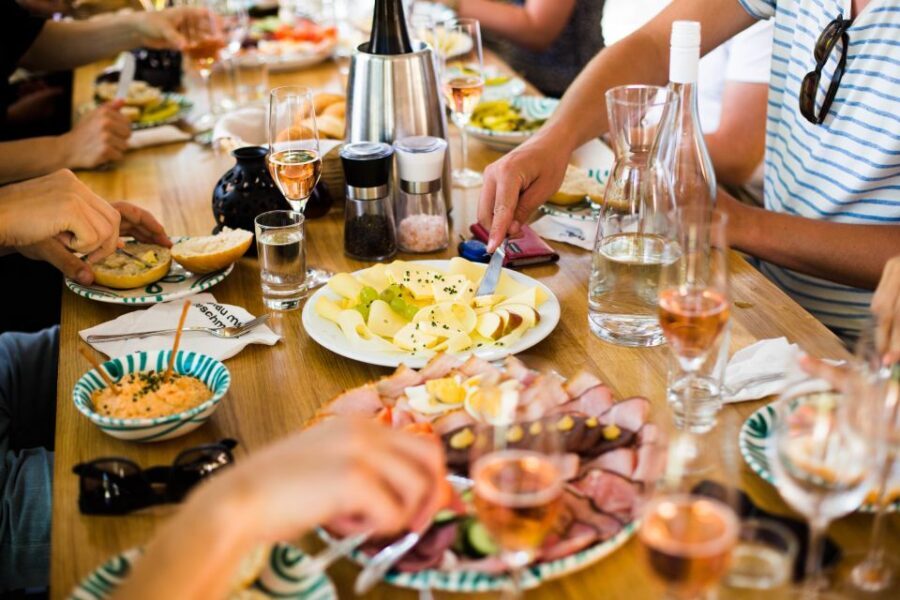
Also, since this area is known for white wines (especially Grüner Veltliner and Riesling), lunch in Weißenkirchen is a chance to connect flavor to place. You’ll taste the wine later, but the meal helps your palate reset so the next tasting doesn’t feel repetitive.
You can also read our reviews of more wine tours in Vienna
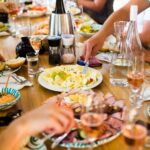

Spitz tastings: where the wine learning gets real
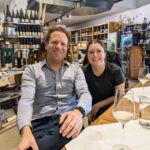
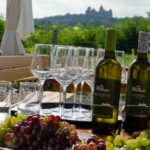
Next comes Spitz, another classic Wachau village. Here you get another 75-minute wine tasting, and this is often a favorite part of the day because the tastings are structured enough that you can compare styles—not just drink and move on.
What you’ll likely notice (and what I’d encourage you to focus on) is how Wachau whites can be dry and crisp one moment and fruit-forward the next, depending on the bottling and the vineyard character. The guides often talk through grape growing and production in a way that stays understandable, even if you’re new to wine.
Some guests mention tasting setups that go beyond a single sip per wine, with multiple tastes at wineries (including tastings at more than one location). The practical takeaway: you should leave with a clearer sense of how to tell what you like, instead of just collecting names.
Food beyond wine
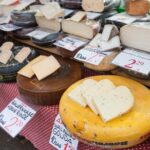
This part of the day isn’t only about wine in a glass. You’ll also sample local delicacies, including items like apricot jam and regional liqueurs (and you’ll feel the apricot influence later, too, if you order more in town).
That’s actually a smart move. In Austria, wine culture doesn’t live in isolation; it shows up in desserts, spoonable fruit flavors, and digestifs served after meals.
The Danube cruise from Spitz to Melk: the relaxing reset
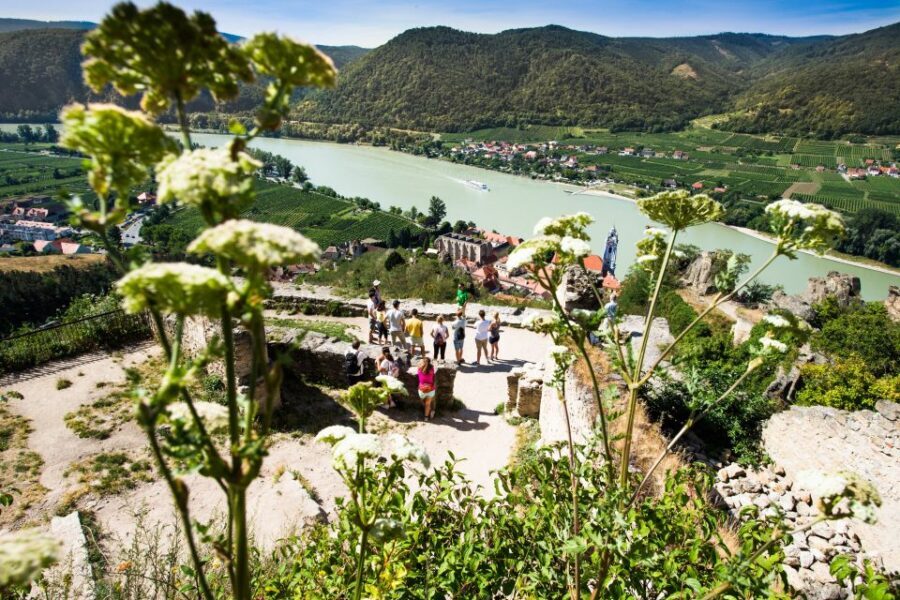
In summer, you’ll take a Danube River cruise from Spitz to Melk for about an hour. This segment is the day’s palate cleanser—both visually and mentally.
You’ll see the river bend through vineyards and towns, and you’ll get that slow “floating through the region” feeling that’s hard to replicate from land. Many guests also note that there are audio announcements pointing out key landmarks as you pass, which makes the cruise feel more like a guided experience than just sitting on a boat.
A small practical tip: dress for cool river air. Even when the sun is warm, the Danube can feel breezy, and you’ll enjoy the sights more if you’re comfortable.
When it’s not a cruise
If the day falls outside summer conditions, the cruise can be swapped for a guided visit to Melk Abbey. The tour is designed to operate in different seasonal formats, so your “best scenery moment” may shift from river views to abbey views.
Melk photo stop: what you’ll actually get
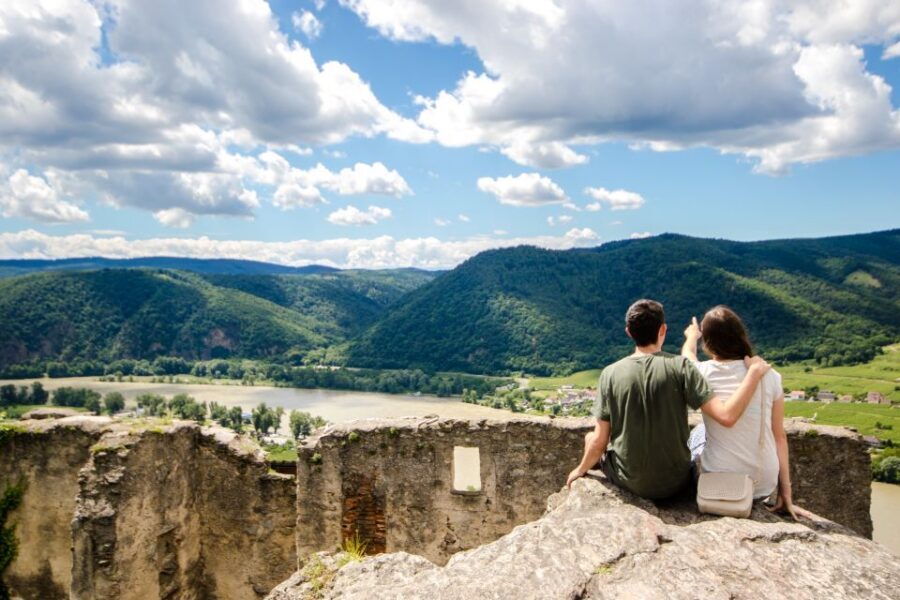
You’ll have a short photo stop in Melk (about 20 minutes). This is long enough to capture key views, not long enough to treat Melk like a standalone stop.
So I’d use this time strategically: take photos, look at the town placement above the river, and enjoy the feeling of arriving at the abbey area—then get ready for the main abbey segment if your season includes it.
If you’re hoping for a deep walk around Melk, don’t count on it here. This tour keeps Melk tight and schedules the longer time around the abbey visit when it’s offered.
Melk Abbey: guided tour timing depends on season
The Melk Abbey experience changes based on the calendar. You can get a guided tour of Melk Abbey during these date ranges:
- March 1 to May 3
- October 7 to December 31
In those windows, you’ll get more structured abbey time. In other periods, the tour leans into the boat version and you may not get the same guided abbey experience.
Even when you only get exterior views elsewhere, Melk is one of those places where seeing it from multiple angles helps you understand why it’s famous. The abbey and river relationship is part of the story—stone power on one side, water and trade routes on the other.
What I’d watch for during the abbey visit
If your tour includes Melk Abbey, pay attention to what your guide points out about the building’s role in the region’s culture. You’ll usually get more meaning from those explanations than from trying to “figure it out” alone.
What the wine tastings really mean (so you taste better)
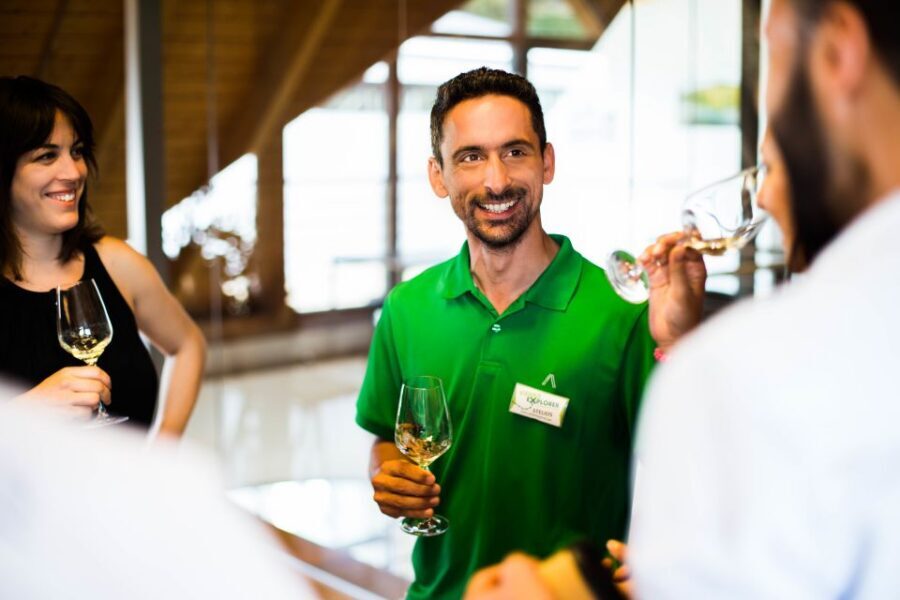
This tour’s tastings are designed to help you compare. That’s the real value: you’re not just drinking; you’re learning to notice.
Expect a mix that fits Wachau style:
- dry and fruity white wines
- tastings often paired with local delicacies
- extra items like liqueurs and regional sweets
A common theme from guests is that the structure makes it easier for beginners. Instead of wine tasting as a stressful ritual, it becomes a guided way to learn how different styles show up in smell and taste.
Also, the wineries picked can vary—so don’t treat the day like a factory set. The payoff is that you still get tastings across the region, and the guide adapts based on what’s available.
If you’re new to wine
I’d keep a simple plan: pick one or two wines you like most and remember what you liked about them (crispness, fruit, acidity, texture). Then use that memory to react to later tastings. By the end, your preferences will feel clearer.
Price and value: is $234 per person worth it?
At $234 per person for a 9-hour day, you’re paying for three things that are hard to replicate on your own:
- coordinated transport out of Vienna (van, not public transit puzzles)
- access to multiple tasting experiences in a single day
- guide-led context that turns wine stops into a coherent route
Is it expensive compared to DIY? Yes. You’re also not getting “unlimited freedom.” But for a day trip where you want the region’s highlights without building a plan, it’s priced in line with what small-group, multi-stop experiences usually cost in Austria.
The best value is for people who want:
- several tastings, not just one
- a calm cruise moment (in season)
- time in at least one medieval town (Dürnstein)
If you’re traveling with zero interest in wine and you want only scenery, you might decide a different kind of Wachau day trip fits better. But if wine is part of your mood, this is a strong use of your limited Vienna time.
Comfort, small rules, and weather realities
This tour operates in all weather conditions. That’s not a dealbreaker—Wachau looks good in rain and mist—but it does mean you should dress with layers and a rain shell.
A couple practical notes:
- Pets aren’t allowed.
- There’s no allowance for luggage or large bags.
- There are opportunities to refill water bottles along the way.
You’ll also be on and off vehicles through the day, so wear shoes you can walk in comfortably—especially in Dürnstein during the free time and on any short paths near tasting spots.
Who this tour suits best
This is a good match if you:
- love white wine and want a guided way to compare styles
- want one clear “Vienna escape” without planning transfers and reservations
- prefer small-group days over crowded bus tours
- like a mix of structured learning and unscripted town time
It’s also ideal for couples and friends who want a more conversational pace. With a group up to eight, you’re more likely to share questions and reactions with the guide instead of just listening.
If your priority is architecture only, and you’re not interested in wine tastings, you might find the day less satisfying. The core of the experience is the wine rhythm.
Should you book this Wachau Valley wine day trip?
I’d book it if you want a high-value day that feels like Austria beyond the city center: Dürnstein wandering, Spitz wine tastings, and a Danube cruise (or Melk Abbey guidance in season) built into a smooth 9-hour flow.
I’d skip it if you’re mainly chasing reds, or if you dislike wine-centric schedules. One more reason to think twice: the day can feel full by late afternoon, so plan to be okay with a busy-but-organized pace.
If you do book, my strongest advice is simple: go with curiosity, not expectations. Ask your guide what to notice while you taste, then let Dürnstein and the river do the rest.
FAQ
Where does the tour start?
You meet at the Vienna Explorer office in Vienna.
How long is the tour?
The experience runs for 9 hours.
Is the group small?
Yes. It’s limited to 8 participants.
What’s included, and is lunch covered?
Return transportation and a live English guide are included. Wine tastings and sampling of local delicacies are included. Lunch is included, but drinks are not.
Do I get a Danube boat cruise or Melk Abbey?
In summer, you take a boat cruise along the Danube from Spitz to Melk. In certain season windows (March 1 to May 3 and October 7 to December 31), you get a guided tour of Melk Abbey.
Are wine tastings only at one place?
No. Tastings happen at multiple winery stops during the day, with sampling at each location.
What can I bring (luggage, pets)?
Pets are not allowed. Luggage or large bags are not allowed.