REVIEW · VIENNA
Vienna for Food Lovers: Cafés, Markets & Austrian Cuisine
Book on Viator →Operated by Intrepid Urban Adventures - Austria · Bookable on Viator
Vienna tastes fast on this street-to-market route. You’ll get menu help that makes Austrian food and coffee ordering feel easy, plus generous samples that can easily replace dinner plans. If you’re strictly gluten-free, plan ahead: Austrian pastries are a big part of the day.
I like that you’re not stuck in one neighborhood. This tour mixes central landmarks with local districts and uses public transport so you see more of Vienna without a marathon walk.
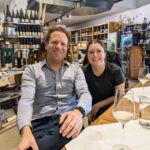
Guides such as Christoph and Maria are praised for making the whole route feel personal and practical, not just scenic. The small group size also helps you keep up and ask questions when the menus get tricky.
In This Review
- Key highlights you’ll feel right away
- Why this Vienna food-and-markets tour fits your first days
- Graben and Kohlmarkt: starting on imperial streets, then getting practical
- Stephansplatz and the cathedral moment (with a food-tour rhythm)
- Reumannplatz to Groissböck: sweet treats and freshly roasted coffee
- Brunnenmarkt and Naschmarkt: market time where Vienna feels everyday
- Café Korb: the classic pairing—coffee and strudel
- Wurstelstand and lunch: the hearty Austrian meal that kills dinner plans
- How the public-transport plan actually helps you see more
- What you eat across the day (and why the mix is smart)
- Price check: is $159.08 worth it for six hours of full meals?
- Small-group feel and guide style: why it feels personal
- Who should book this Vienna food tour—and who might not
- Should you book it? My take for a smart Vienna morning
- FAQ
- How long is the Vienna food tour?
- What time does it start, and where do I meet the guide?
- What food and drinks are included?
- Is the tour vegetarian or vegan friendly?
- Can the tour accommodate gluten allergies?
- Is it suitable for children?
- Do I need tickets for the Metro?
- How big is the group?
- Is the tour environmentally responsible, and are service animals allowed?
Key highlights you’ll feel right away
- Menu help for Austrian specialties like strudel and coffeehouse classics
- Two market stops (Naschmarkt and Brunnenmarkt) where you can browse and snack
- Hearty lunch plus drinks, with options like schnitzel or goulash and vegetarian choices
- Coffeehouse culture explained where it actually happens, at local favorites
- Street food at a traditional wurstelstand for a real taste of Vienna’s everyday food
- Small-group attention (up to 16 people) with quick pacing between stops
Why this Vienna food-and-markets tour fits your first days
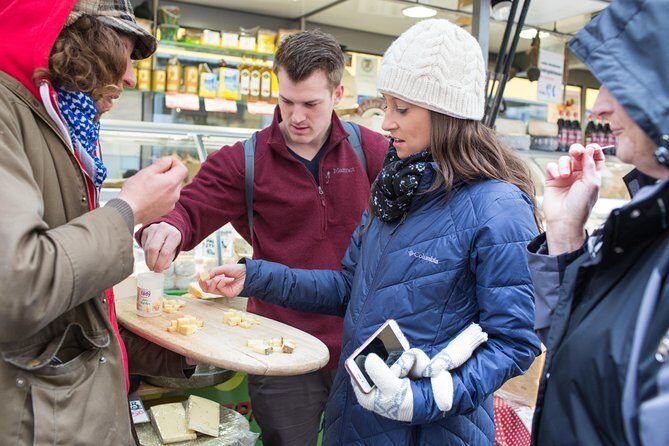
This is the kind of Vienna tour that works fast. You start with iconic sights near the center, but the heart of the experience is food: coffeehouse culture, outdoor markets, and the kinds of meals Austrians eat when they want something filling—not a single photo-op bite.
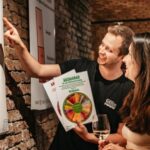
The menu help matters more than it sounds. Vienna cafés and market stalls can be casual, but the wording is still Austrian, and that’s where confusion happens. With a guide to translate what you’re seeing, you spend your energy deciding what to eat instead of fighting the language.
The other big win is pacing. You’re on foot for key sights, then moving between neighborhoods using public transport. It keeps the day lively without turning it into one long, slow slog.
You can also read our reviews of more food & drink experiences in Vienna
Graben and Kohlmarkt: starting on imperial streets, then getting practical
You begin on Vienna’s elegant shopping stretch around Graben and Kohlmarkt. This area sits right in the visual center of old Vienna—grand façades, historic streets, and a sense of “this is the place where the city shows off.”
But this stop isn’t just sightseeing. It’s a useful warm-up. You’re getting your bearings while your guide sets the tone for what the day will be: eating as you walk, not waiting until the end.
It’s also smart timing: a quick stop at 15 minutes helps you settle in before the day turns into cafés and markets. If you tend to get hungry while traveling, this start does a good job of preventing the I-forgot-to-eat panic.
Stephansplatz and the cathedral moment (with a food-tour rhythm)
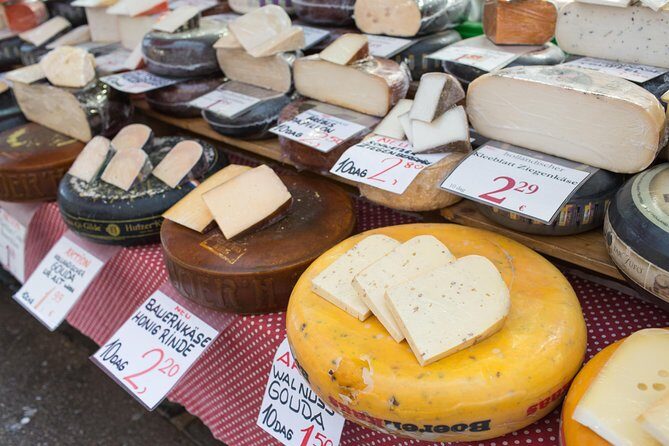
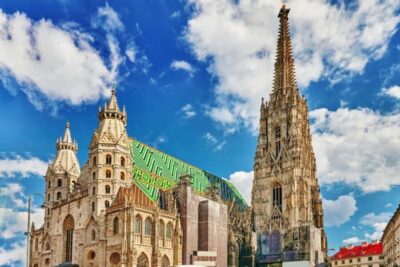
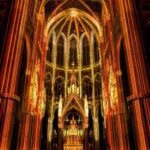
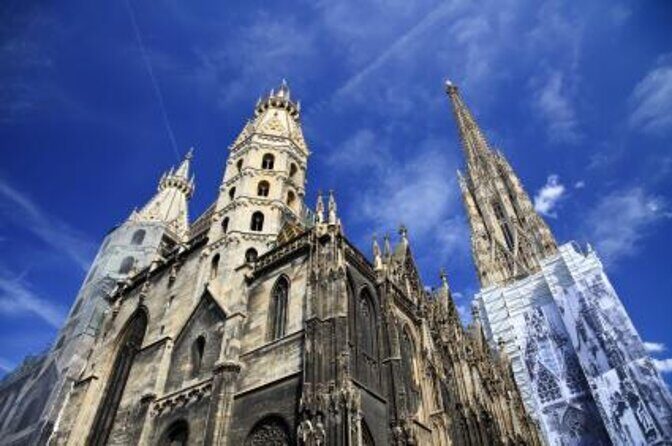
Next you head to Stephansplatz, right where St. Stephen’s Cathedral anchors the city. Even if you’ve seen photos before, being there makes the space feel real and scaled for crowds—so you understand why Vienna’s center works the way it does.
There’s also a quiet payoff for food lovers: this area is the launch point for heading out into the city’s other neighborhoods. Once you understand where Stephansplatz sits, the rest of the route becomes easier to follow on your own later.
You’ll have about 15 minutes here during the tour, and you also return at the end. That means the cathedral area becomes both your orientation check and your finish line, so the whole day has a loop-like feeling.
Reumannplatz to Groissböck: sweet treats and freshly roasted coffee
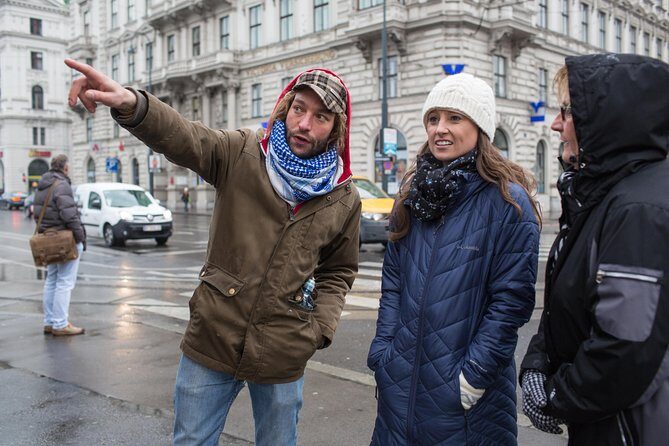
One of the most memorable parts of Vienna’s food culture is how seriously the city takes coffee and pastry—often as a full event, not a quick caffeine stop. This tour gives you that in a local way at Groissböck.
You first explore Reumannplatz, a citizen square created in the late 1800s, which places you outside the usual postcard zones. Then you settle in for Viennese sweet confectionery creations and coffee that’s described as freshly roasted.
This is a good stop for learning more than just taste. You’re watching how Viennese cafés treat pastry: portion sizes, how coffee is served, and the relaxed pace that lets people sit and talk.
The timing also helps—this is mid-morning energy, not late-day dessert overload. You get about 35 minutes at this stop, enough time to eat, sip, and reset before the markets.
Brunnenmarkt and Naschmarkt: market time where Vienna feels everyday
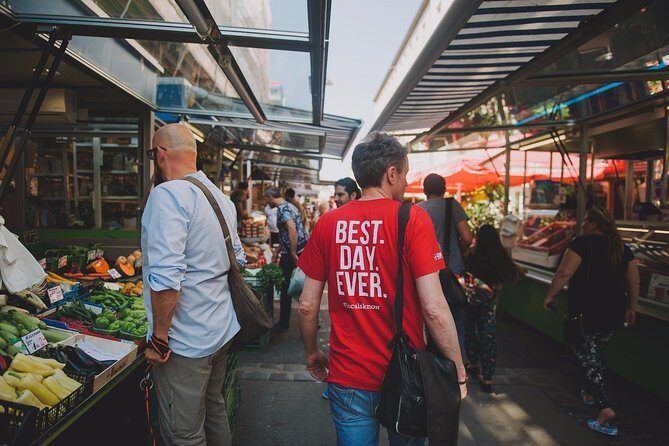
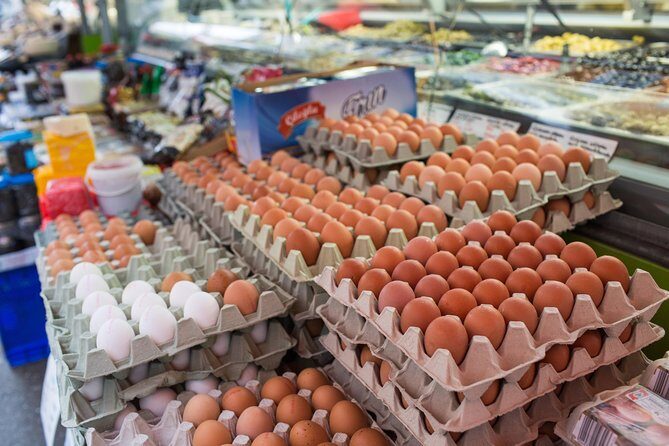
Markets are where Vienna stops performing and starts living. You get outdoor time at Naschmarkt and Brunnenmarkt, with room to browse produce, sweet treats, and household items as you go.
Brunnenmarkt is known as Vienna’s longest street market and is strongly associated with a multicultural, local vibe. In practical terms, that means you’ll see more variety in snack textures and flavors than you’d get in a purely tourist market.
At the market, your guide’s value shows up in small ways:
- what to try first when you’re overwhelmed by choice
- how to pick something that’s both traditional and easy to eat on the move
- what stalls are worth slowing down for
You’ll spend about 40 minutes at Brunnenmarkt. The big advice here is simple: bring hunger, because market snacks stack fast. And if it’s your first time in Vienna, markets are one of the best places to understand the city’s snack culture.
A few more Vienna tours and experiences worth a look


Café Korb: the classic pairing—coffee and strudel
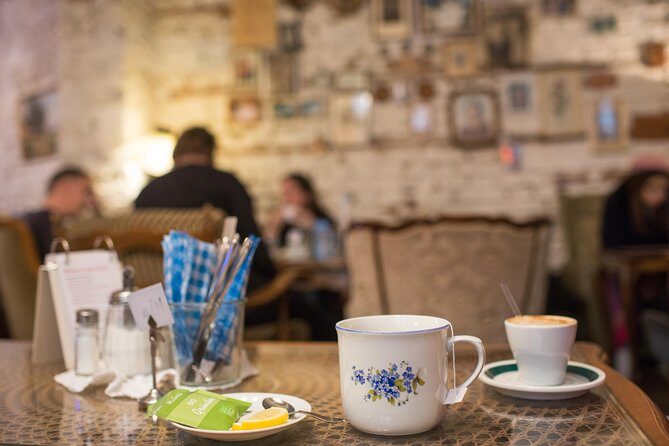
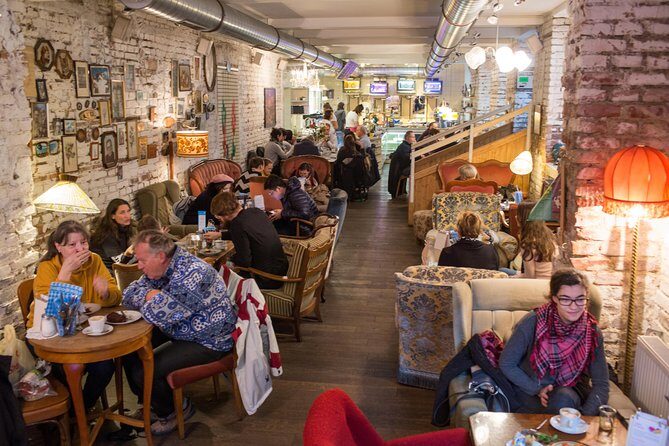
After all that market wandering, you get one of Vienna’s most comforting routines at Café Korb: a traditional Viennese coffee plus strudel in a café still loved by locals.
This stop is about the coffeehouse tradition—how it works, why it matters, and how Viennese people treat a café like a daily living room. If you’ve only ever had coffee on the run, this is the moment where Vienna changes your habits.
You’ll have about 40 minutes here. That’s long enough to order calmly, eat without rushing, and actually taste the coffeehouse difference—bigger focus on flavor balance, not speed.
If you’re trying to decide what to order, this is where menu help is most powerful. Strudel comes in different styles, and your guide can steer you toward a choice that fits the day’s flavors.
Wurstelstand and lunch: the hearty Austrian meal that kills dinner plans
Vienna doesn’t do “light lunch.” This tour is built around that truth.
First, you sample street food at a traditional wurstelstand, where you get a taste of Austria’s sausage culture—quick, salty, and unmistakably Vienna. It’s a short stop, about 15 minutes, but street food is often the most memorable because you’re eating it the way locals do: standing, chatting, moving.
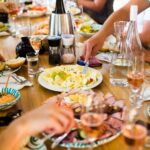
Then you settle into a hearty sit-down meal with options like schnitzel or goulash, plus vegetarian alternatives. The tour also includes a glass of Austrian wine or local beer, so your lunch isn’t only about food—it’s paired.
Some classic dessert energy is part of the day too, described as a warm dessert, which means you’re not just eating savory. You also get variety in how the tastings are spaced, so it doesn’t feel like a sugar crash right after coffee.
And here’s the practical takeaway: when the day includes lunch, pastries, and street food, you’ll want to plan your schedule accordingly. In other words, show up hungry, and you can skip big dinner reservations later.
How the public-transport plan actually helps you see more
The tour is designed to use public transport between neighborhoods, so you’re not just “walking for six hours” straight. Stops like Graben, Stephansplatz, and then the markets and café areas keep you moving across the city in a way that feels more like daily life.
One important detail: Metro tickets aren’t included. The tour does say you’ll explore using public transport like a true local, and since the route depends on trains/trams, you should have what you need for transit.
Also, while it’s not described as a hardcore hike, it does require moderate physical fitness. You’ll be on your feet enough that comfy shoes matter, and having a steady pace helps you enjoy every stop instead of rushing to stay warm, fast, or uncomfortably tired.
If you like getting your bearings early, this transport element is a quiet bonus. You learn how neighborhoods connect and how to move between them efficiently.
What you eat across the day (and why the mix is smart)
The day is built as a sequence of styles, not just a pile of snacks. That’s why it works even if you think you only want one kind of food.
Here’s what’s included, in the real-world sense:
- Viennese coffee and a seasonal pastry (strudel is specifically mentioned)
- A hearty Austrian lunch with mains like schnitzel or goulash, plus vegetarian choices
- A warm dessert as part of the lunch flow
- A glass of Austrian wine or local beer with your meal
- Street food tastings at a traditional sausage stand
- Coffeehouse options like tea or hot chocolate at the café
You’ll also hear about standout tasting ideas such as a ham and horseradish sandwich with a spritzer and an iced apricot dumpling, which signals that the tour isn’t only pastry-and-sugar.
The smartest part is the balance. You get coffeehouse sweetness, savory market snacks, a proper sit-down meal, and then street food. If your goal is to understand Vienna’s food identity, this mix does it in one afternoon.
Price check: is $159.08 worth it for six hours of full meals?
At $159.08 per person for about six hours, the value comes from what’s bundled—not just the guide.
You’re not paying for a single tasting. You’re paying for:
- multiple stops across central and residential districts
- coffee and pastry
- a hearty lunch with a main course
- drinks (wine or beer)
- street food sampling
- time at major markets and local café culture
When a tour includes lunch and drinks, it changes the math. Instead of paying separately for meals across the day, you’re paying one price for a guided, spaced-out food plan that keeps you fed and moving.
The trade-off is that additional food and drinks beyond what’s included are on you. Metro transit is also not included. Still, if you come prepared, this is a strong value for a food-focused half-day.
Small-group feel and guide style: why it feels personal
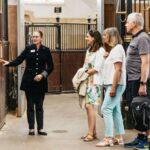
This tour caps at 16 people, and it’s built for small-group interaction. That matters when you’re ordering in a café or choosing from market options—because questions come fast, and your guide’s attention isn’t diluted.
The vibe also comes from how guides are described across departures. Names like Christoph, Maria, Patrick, and Verena appear in guide praise, and the recurring theme is clear: they keep the group engaged and connect landmarks to the food culture.
A practical plus: guides are also credited with helping people navigate public transport. If you’re not sure how the tram/metro system works in your first morning, this sort of guidance saves time and stress.
Who should book this Vienna food tour—and who might not
This tour is a great match if:
- you want Vienna food culture in one afternoon, not spread across multiple days
- you love cafés, pastries, and markets
- you’d rather learn ordering basics than guess your way through menus
- you’re happy using public transport between stops
It’s less ideal if:
- you have gluten allergies, because the pastry-heavy nature of Austrian cuisine makes exact avoidance harder
- you’re traveling with kids under 12, since it’s described as best for adults and older children
Vegetarian and vegan options are welcome, so you won’t feel stuck on only meat-based choices. And service animals are allowed, which is a helpful inclusion for many visitors.
Should you book it? My take for a smart Vienna morning
If Vienna is new to you, I’d book this early—ideally your first or second day—because it gives you food, orientation, and a sense of how neighborhoods connect. You’ll finish back near Stephansplatz, which is also a convenient anchor point for the rest of your trip.
If your biggest priority is sightseeing only, you may feel the day is too food-heavy. But if your priority is tasting real Vienna—coffeehouse tradition, market life, sausage-stand culture, and a hearty lunch—this is the kind of tour that saves you time and prevents bad meal decisions.
Come hungry, wear comfortable shoes, and treat the menu help like part of the experience. The whole day is designed around you eating well, not just looking around.
FAQ
How long is the Vienna food tour?
The tour runs for about 6 hours.
What time does it start, and where do I meet the guide?
It starts at 9:30 am at Jasomirgottstraße 3/5, 1010 Wien, Austria.
What food and drinks are included?
You get a traditional Viennese coffee and pastry at a local café, a hearty Austrian lunch with options like schnitzel or goulash (plus vegetarian dishes), street food tastings at a traditional sausage stand, and locally produced wine or beer. You’ll also have dessert and a range of other samples throughout the day.
Is the tour vegetarian or vegan friendly?
Yes. Vegetarian and vegan guests are welcome.
Can the tour accommodate gluten allergies?
Gluten allergies are harder to accommodate because Austrian food is pastry-heavy, though the tour does include vegetarian and vegan options.
Is it suitable for children?
It’s best suited for adults and older children, and it’s not recommended for children under 12.
Do I need tickets for the Metro?
Metro tickets are not included.
How big is the group?
The maximum group size is 16 people.
Is the tour environmentally responsible, and are service animals allowed?
The tour is carbon neutral and operated by a certified B Corp. Service animals are allowed.