REVIEW · VIENNA
Vienna: Klimt Villa (Gustav Klimt Atelier & Museum) Ticket
Book on GetYourGuide →Operated by Klimt Villa · Bookable on GetYourGuide
Gustav Klimt’s workspace hits different. One ticket gets you his reconstructed final studio, the thought‑provoking Klimt Lost exhibition, and a garden that still feels like it was made for slow looking.
I especially love the room-in-room setup that preserves Klimt’s original place of work. And I like the garden café option—when it’s open—because it turns a short museum stop into a proper Vienna pause.
One possible drawback: the villa is small, so if you’re expecting a huge museum, you may feel it’s over quickly (and the second-floor gallery access isn’t always guaranteed if space is reserved for a private event).
In This Review
- Key things to know before you go
- Klimt Villa in Vienna: the setting that frames what you’re about to see
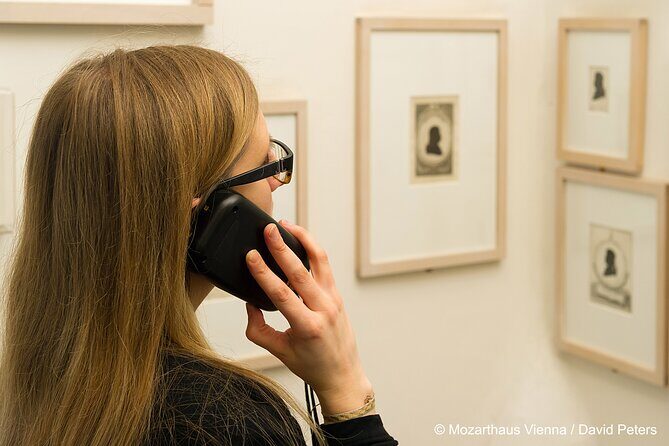
- Entering the villa and finding your rhythm with the smartphone guide
- Klimt’s reconstructed final studio: why the room-in-room design feels so real
- The Klimt Lost exhibition: the restitution story you should not skip
- The restored garden and the Klimt Rose: Vienna’s slow-bloom moment
- Garden Café for coffee and cake: the perfect break when it’s open
- The upper-floor gallery of premium Klimt print editions
- Price and value: is $14 worth it for a one-day Klimt Villa visit?
- What to plan for on-site: timing, restrictions, and pace
- Who should book the Klimt Villa ticket (and who might want a different plan)
- Should you book the Klimt Villa ticket?
- FAQ
- FAQ
- How long is the Klimt Villa ticket valid?
- What is included with the ticket?
- Where do I meet for the visit?
- Is the smartphone guide available in English?
- Are there any food and drink restrictions?
- Can I bring a large bag or luggage?
- Is the Garden Café always open?
- Is the upper-floor gallery guaranteed to be open?
Key things to know before you go
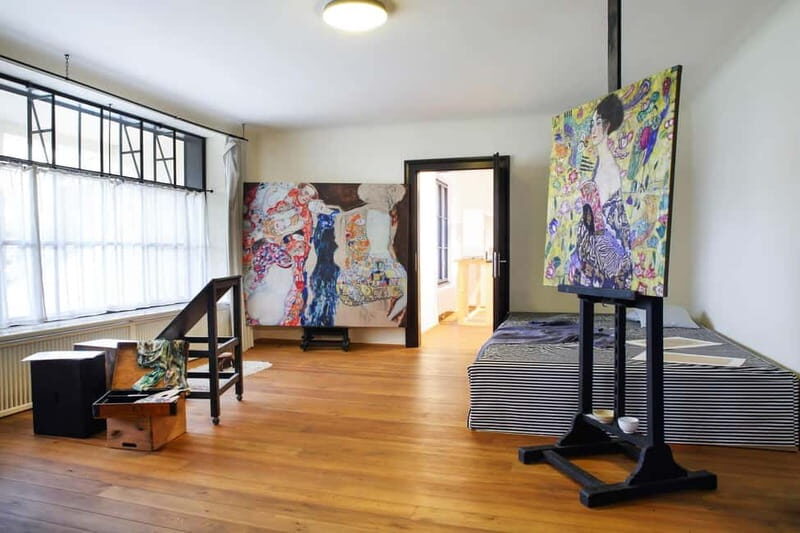
- Klimt’s final studio is the star: the original work area is preserved through a room-in-room construction method.
- Klimt Lost is heavy in the best way: it covers persecution, looting, and restitution efforts tied to collectors and artworks.
- The restored garden has a seasonal highlight: the Damask roses known as the Klimt Rose bloom from mid-May to late June.
- Coffee and cake depends on weather and season: the Garden Café runs on weekends from May to September in fair weather.
- You get a smartphone guide in many languages: 20 options, including English, French, German, Spanish, Italian, and more.
- The print-editions gallery may be missed: the second-floor gallery can be closed if booked for a private event.
Klimt Villa in Vienna: the setting that frames what you’re about to see
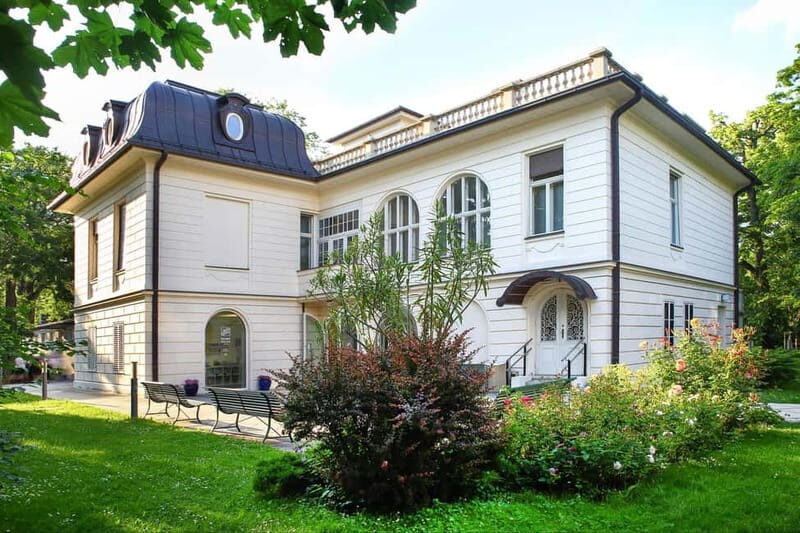
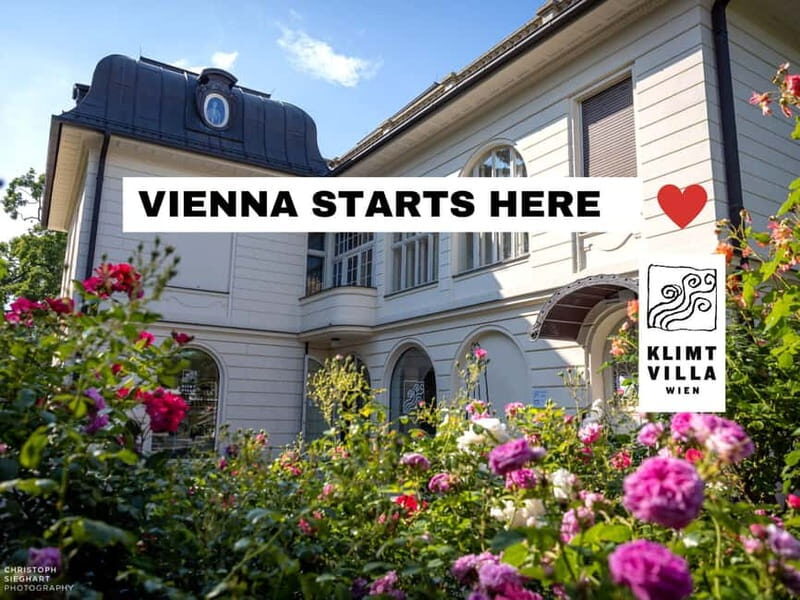
The Klimt Villa, in Vienna, isn’t trying to be an all-day mega-museum. It feels more like a creative refuge turned into a visitor experience, tucked into a spacious garden and wrapped in a neo‑baroque, two-story building style you’d expect from early 1900s Vienna.
This matters, because it changes how the art lands. Instead of the usual white-cube museum vibe, you get a sense of time and routine: the studio as a working space, the garden as an inspiration engine, and the building as the container for it all. Even before you reach the exhibition rooms, the atmosphere sets up the story you’ll encounter inside.
You’re also paying for more than a general “Klimt overview.” Your visit includes access to the reconstructed final studio and the Klimt Lost exhibition, which deals directly with the darker chapter around collectors and artworks during National Socialism and the long restitution fight afterward.
A few more Vienna tours and experiences worth a look



Entering the villa and finding your rhythm with the smartphone guide
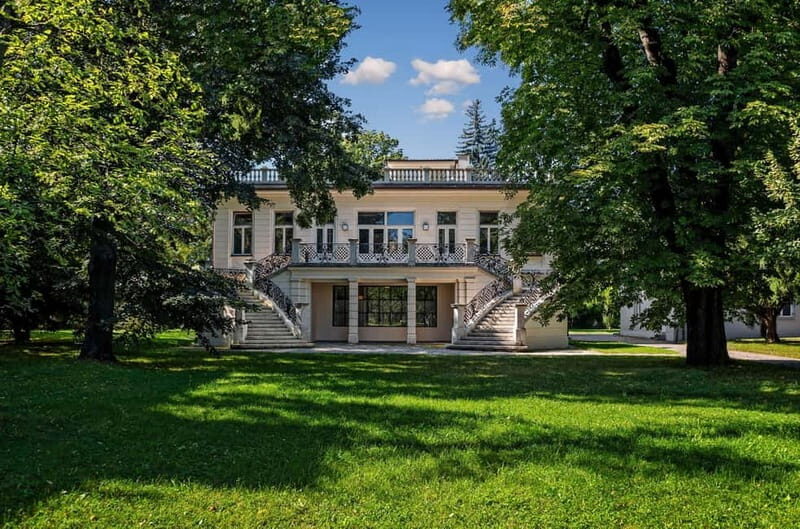
You’ll pick up your ticket at the Klimt Villa Ticket Shop. From there, plan to use your visit time deliberately, because this is one of those museums where the best experience comes from pacing yourself rather than trying to sprint through.
The smartphone guide is included, and it’s offered in 20 languages. The list is long, but the practical part is simple: you can match it to your comfort level. Options include English, French, German, Italian, Spanish, Polish, Korean, Chinese, Czech, Portuguese, Hungarian, Russian, Japanese, Greek, Romanian, Turkish, Danish, Dutch, Hindi, and Croatian.
My advice: start the guide early, then keep it on the level you can actually enjoy. If you keep it too quiet, you’ll miss the context that makes the studio and the Klimt Lost story click. If you keep it too loud, you’ll bump into other visitors and slow your flow. Aim for a steady pace where the guide supports what you see, not the other way around.
Also note that exhibition labels and descriptions are available in German and English, so even if you pause the phone, you still won’t be stuck.
Klimt’s reconstructed final studio: why the room-in-room design feels so real
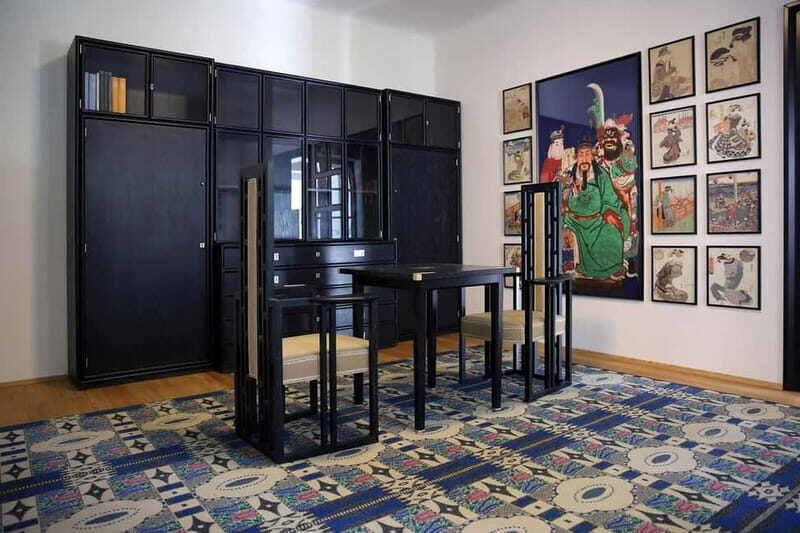
The main event here is Gustav Klimt’s final studio, part of a creative sanctuary he used from 1911 until his passing in 1918. When you look around, you’re not just seeing a display—you’re seeing a carefully protected interpretation of a working environment.
What makes this studio stand out is the room-in-room construction approach. In plain terms, the reconstructed studio and reception room were preserved by building in a way that protects Klimt’s original place of work. That means you’re meant to experience the space as something closer to what it functioned like, not only what it looked like.
This also affects how you read the famous works associated with the studio. Titles connected with this period and setting include Adele Bloch‑Bauer II, Friederike Beer, The Bride, Adam and Eve, and Lady with Fan. Whether you’re a hardcore Klimt fan or you know the basics, the studio helps you connect the visual style to a life of making—not just an artist identity floating in time.
One small practical reality: because it’s a studio, you might feel like you’re inside someone’s workspace rather than moving through endless galleries. That’s not a flaw. It’s the whole point.
The Klimt Lost exhibition: the restitution story you should not skip
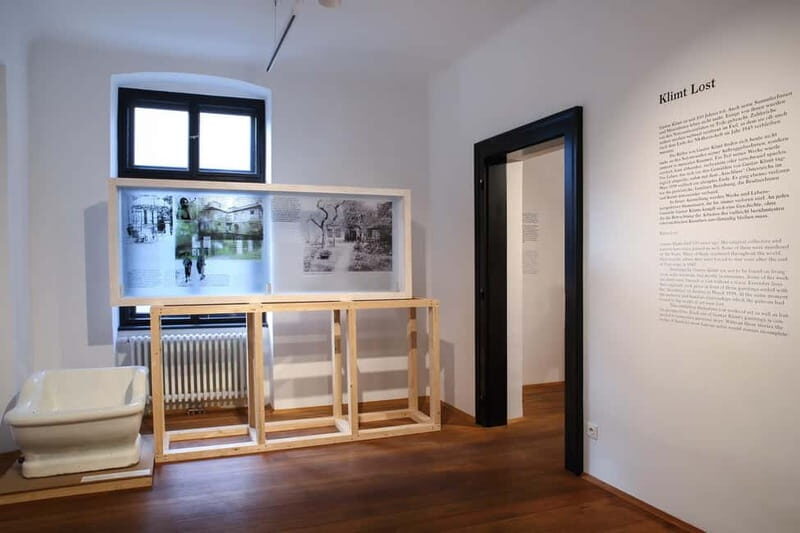
If you only come for the prettiest parts of Klimt, make sure you still spend real time with Klimt Lost. This exhibition is designed to confront the moving history of persecution and looting of Klimt’s collectors and works during National Socialism.
What I like about how it’s framed is that it’s not limited to the villains-versus-victims storyline. It also focuses on what happened afterward: the surviving collectors’ often decade-long fight for restitution and justice. That changes the emotional tone from “sad history” to “long struggle,” which is harder and more honest.
And since the exhibition follows real fates tied to collectors and artworks, it does something useful for visitors who want context beyond art style. Klimt’s images can feel universal, but this exhibition reminds you they were deeply embedded in real people, real property, real power—and real consequences.
For practical visiting: don’t rush through. This is the kind of room where skimming makes it harder to absorb. If you’ve got a tendency to speed through, slow down here and let the story land.
The restored garden and the Klimt Rose: Vienna’s slow-bloom moment
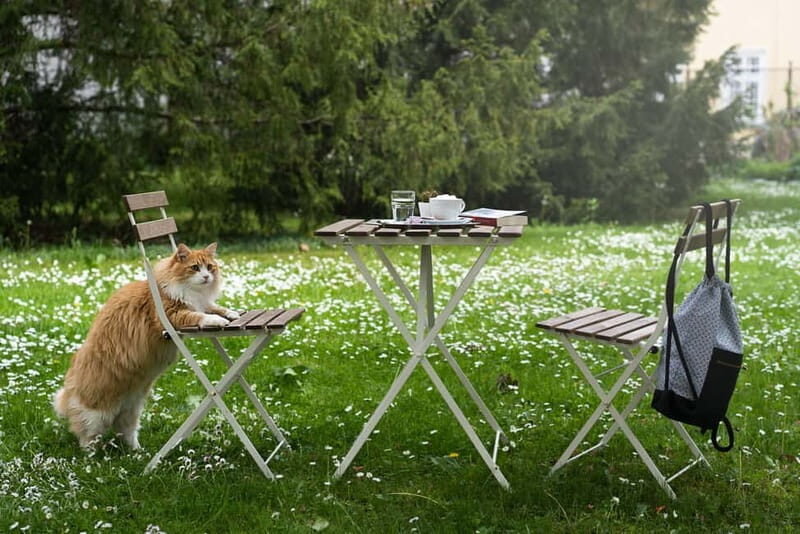
After the studio and exhibition rooms, the garden takes over. And it’s not a decorative add-on. The garden is continually restored to maintain its historic charm, and it includes bloom-time details that can shape your visit plans.
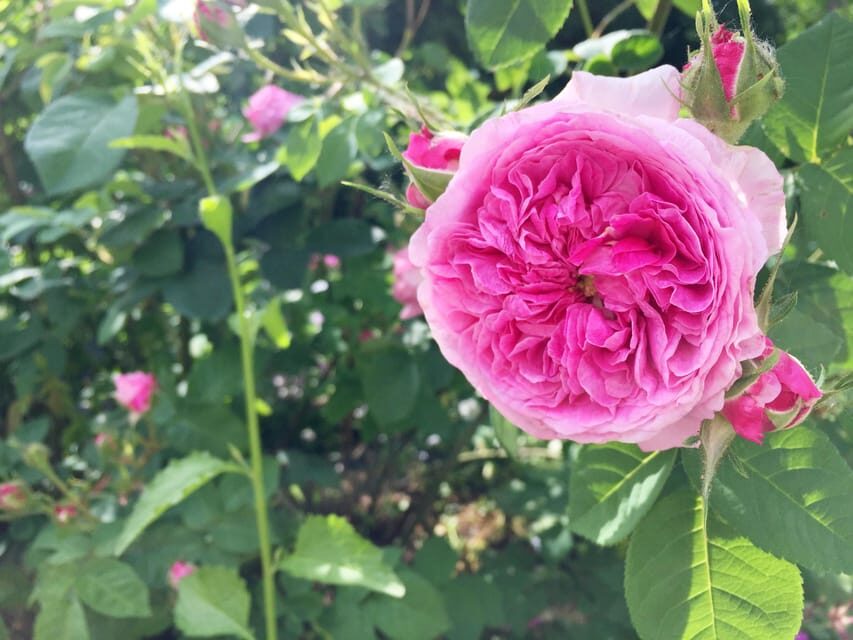
At the heart of the garden are Damask roses planted around 1900. These are known as the Klimt Rose, and they grace the garden from mid-May to late June. If you’re visiting in that window, you’ll get a visual connection to the floral beauty that once surrounded Klimt’s studio and inspired his work.
Even if you don’t catch the peak bloom, the garden still changes the way you remember the art. You go from a controlled indoor space built around creativity to an outdoor space built around seasons. It’s a reminder that art didn’t happen only in rooms—it happened in routines, weather, and the slow return of things.
Practical tip: if you’re sensitive to weather, plan your outdoor pacing. The garden is part of the experience, but the café schedule depends on fair weather (more on that next).
You can also read our reviews of more museum experiences in Vienna




Garden Café for coffee and cake: the perfect break when it’s open
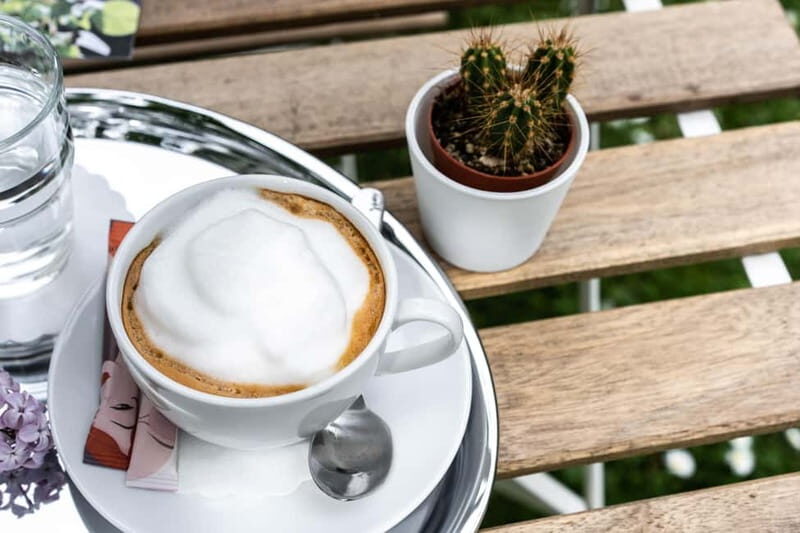
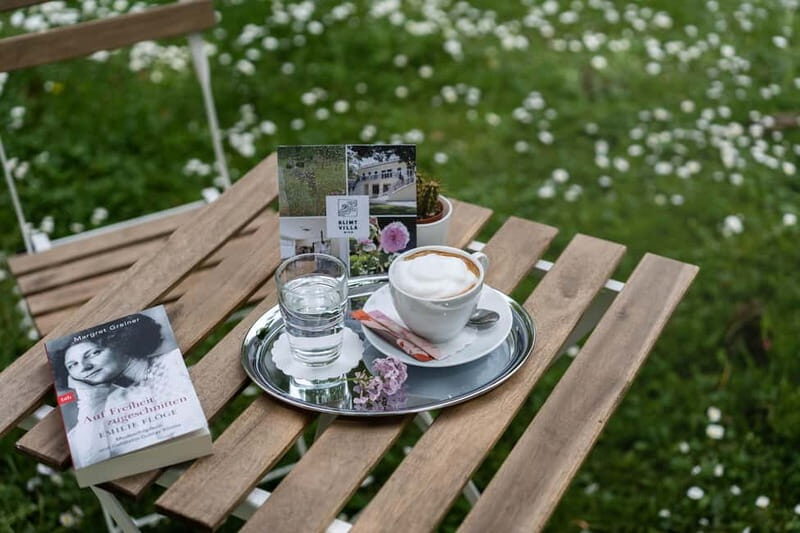
One of the most pleasant surprises is that the visit can include a garden café moment—but only when conditions line up. The Garden Café is open on weekends from May to September in fair weather.
That means your visit can turn into a real break, not just a quick pause. Coffee and cake in a restored garden setting is exactly the kind of Vienna rhythm that makes an art trip feel like a day, not an errand.
There are a couple of constraints to keep in mind: food and drinks are not allowed inside, so the café timing matters. If you’re there on an off day, you won’t be able to solve the “snack situation” by bringing your own.
The upper-floor gallery of premium Klimt print editions
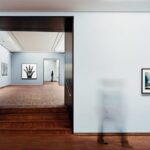
Upstairs is the first-floor gallery featuring premium Klimt print editions and art reproductions, including works by Gustav Klimt, Egon Schiele, and Oskar Kokoschka.
This part of the visit is more about insight and collecting than it is about seeing original masterworks. Still, it can be genuinely useful if you want a structured way to browse related artists tied to Viennese Modernism. Even if you don’t buy anything, seeing how prints are presented can help you better focus on composition and style.
Important practical note: the second-floor gallery is open to visitors unless it has been reserved for a private event, so access cannot be guaranteed. If this gallery matters to you, build a little flexibility into your timing and don’t anchor your whole day on it.
Price and value: is $14 worth it for a one-day Klimt Villa visit?
At about $14 per person, this ticket price is the kind that often makes you decide quickly. The better question is value: what you get for that money, and how your time fits.
You’re paying for a trio of experiences that usually cost more when separated: entry to the Klimt Villa and garden, access to Klimt’s final studio, and the Klimt Lost exhibition. On top of that, you get a smartphone guide service included in the ticket, so you’re not paying extra to understand what you’re looking at.
The only reason you might feel it’s not “worth it” is if you come expecting a large museum footprint. The villa is smaller than some major city museums, so your visit can feel short if you’re used to wandering for hours.
In other words: it’s great value if you want focused Klimt context and a respectful story about restitution. It’s less satisfying if your goal is quantity—rooms, floors, and hours packed tight.
What to plan for on-site: timing, restrictions, and pace
Since the ticket is valid for one day, you can treat it as a half-to-full stop depending on your pace. The studio and Klimt Lost exhibition are the core. The garden is the breathing space. The garden café is a bonus window when it’s open.
A few rules shape the experience:
- Food and drinks are not allowed.
- No luggage or large bags.
- Pets are not allowed (assistance dogs are allowed).
- Smoking indoors is not allowed.
These rules are normal for museums, but they matter because you’ll want to travel light. A small day bag is usually fine; big bag days can turn your experience into logistics.
Also, if you’re reading at a slow pace, keep in mind that Klimt Lost is the emotional anchor. Give it time, or you’ll miss the point.
Who should book the Klimt Villa ticket (and who might want a different plan)
I think this is ideal if you’re one of these:
- You love Klimt and want more than famous paintings—this is his final working environment and the story around it.
- You appreciate art history with real-world consequences, including restitution and what happened to collectors and works.
- You like a trip that blends indoor art with outdoor time in a restored garden.
If you’re not into art context—if you mainly want photo stops and broad overviews—you might find the villa compact. The studio experience is meaningful, but it won’t replace a full-day major museum.
It also works well for couples and solo visitors who enjoy quieter, focused spaces. And if you need it, the ticket experience is wheelchair accessible.
Should you book the Klimt Villa ticket?
If your priority is Klimt’s final studio plus the serious context of Klimt Lost, then yes—book it. The price-to-experience ratio is strong, and the included smartphone guide makes the visit smoother, especially when you want more than basic labels.
The only reason to hesitate is if you need a long, high-volume museum day. This is more like a carefully designed art visit where the best moments happen in a few rooms and in the garden outside.
If you’re visiting in the May to late-June bloom window, you’ll get extra reward from the Klimt Rose garden timing.
FAQ
FAQ
How long is the Klimt Villa ticket valid?
The ticket is valid for 1 day.
What is included with the ticket?
Your ticket includes entrance to the Klimt Villa and its garden, access to Gustav Klimt’s final studio, and access to the Klimt Lost exhibition. A smartphone guide service is included.
Where do I meet for the visit?
The meeting point is the Klimt Villa Ticket Shop.
Is the smartphone guide available in English?
Yes. The smartphone guide service is available in 20 languages, including English.
Are there any food and drink restrictions?
Yes. Food and drinks are not allowed.
Can I bring a large bag or luggage?
No. Luggage or large bags are not allowed.
Is the Garden Café always open?
No. The Garden Café is open on weekends from May to September in fair weather.
Is the upper-floor gallery guaranteed to be open?
No. The second-floor gallery is open unless it has been reserved for a private event, so access cannot be guaranteed.