REVIEW · VIENNA
Vienna City Bike Tour
Book on Viator →Operated by Pedal Power Vienna · Bookable on Viator
Vienna by bike beats the usual march-and-stare routine. In a few hours, you cover far more than on foot while a guide points out what matters and why. What I like most is that you spend less time figuring things out and more time seeing classic Vienna from the saddle.
You also get professional bike rental included, and the guides bring the city to life with stories you actually remember. The main thing to consider is that you’re riding in real traffic sometimes, so if you’re nervous about sharing the road (even briefly), this may take extra confidence.
In This Review
- Key things to know before you ride
- Why a Vienna bike tour makes sense (and feels efficient)
- The 3-hour plan: what your ride usually feels like
- 1) Meet up, grab your bike, and get rolling
- 2) City-center riding and landmark story-stops
- 3) Green space breaks and park-country energy
- 4) A possible detour to the Hundertwasser area
- 5) Return to the meeting point
- Guides make or break a bike tour in Vienna
- Bike comfort, traffic reality, and how fit you really need
- Value check: what you’re paying for and what it buys you
- Timing tips: choosing morning vs afternoon vs evening
- What to bring (so the ride feels smooth)
- Who should book this bike tour?
- Should you book Pedal Power Vienna’s Vienna City Bike Tour?
Key things to know before you ride
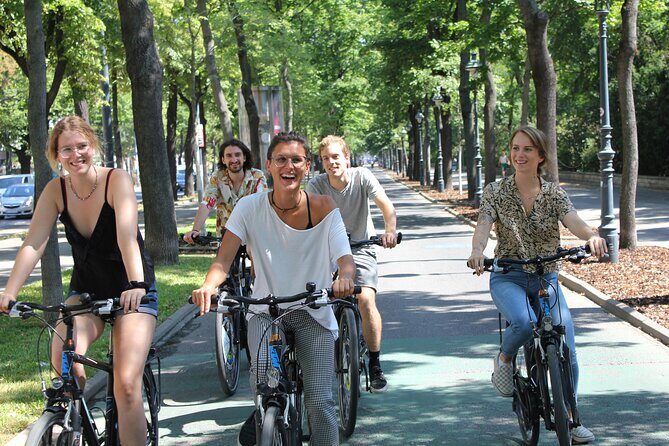
- Routes change by time of day: morning, afternoon, and evening outings run different loops, so pick based on your schedule and energy level.
- You’ll get insider stops: guides regularly pause for stories at major sights and along quieter stretches.
- Bike rental is included: you’re not hunting for equipment right before your ride.
- Small-ish group size: it’s capped at 18 travelers, which helps keep everyone together.
- Plan for some traffic moments: most riding is on bike-friendly routes, but you may still hit busy intersections and road segments.
Why a Vienna bike tour makes sense (and feels efficient)
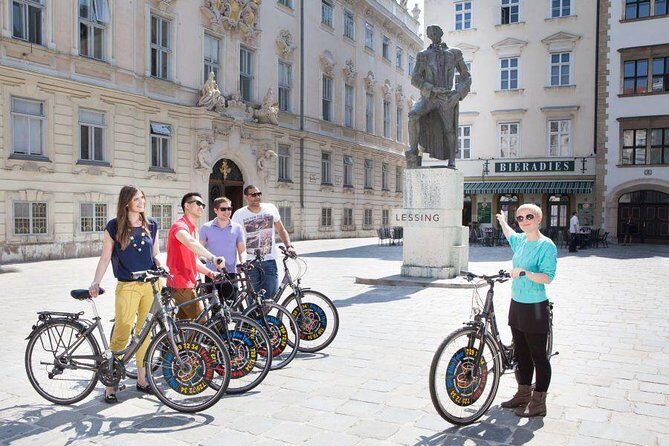
Vienna is a big city of elegant boulevards, grand squares, and long stretches of parkland. Walking is great for soaking things in, but you can burn half a day just getting from one highlight to the next.
On this 3-hour city bike tour, you get movement plus context. The guide sets the pace, leads the route, and fills in what you’d miss if you just followed maps. You’re also not just collecting photos. You learn how the landmarks connect—architectural style, political shifts, and everyday Viennese life all tie together when someone points it out in plain language.
And there’s a practical bonus: Vienna is very bike-oriented compared with many European cities. Once you’re rolling, the whole city starts to feel more usable.
You can also read our reviews of more cycling tours in Vienna
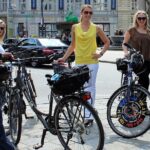
The 3-hour plan: what your ride usually feels like
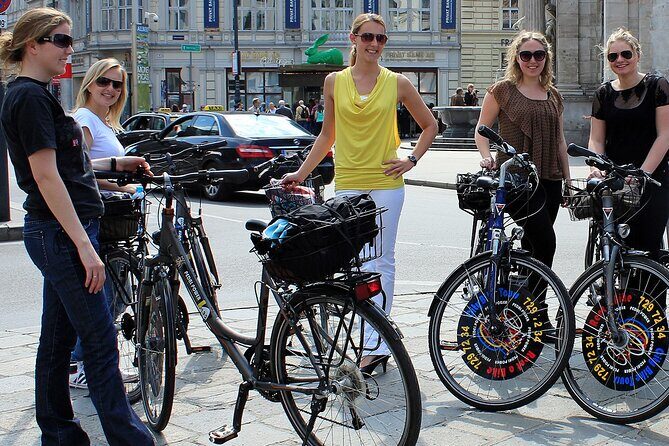
Because start times have varying routes, don’t expect the exact same sights every time. But the overall structure is consistent: a smooth lead-in, guided stops, and a “cover a lot, still relaxed” rhythm.
1) Meet up, grab your bike, and get rolling
You start at Bösendorferstraße 5 (1010 Wien). From there, the group gets bikes sorted and everyone stays together. This matters more than it sounds: good setup makes the ride feel easy, even when you’re learning how the group handles corners and stops.
You’ll be asked to bring bottled water, and it’s a smart idea to carry it even if you think you won’t need it.
2) City-center riding and landmark story-stops
Early on, you’re in and around central Vienna. This is where the guide’s job is loud and clear: your route threads between big sights and side streets, and the guide explains what you’re seeing and why it’s significant.
The best part is how often you pause. In a good guided bike format, stops are frequent enough that you can hear the details and take photos without feeling rushed.
A small caution: one rider noted that when the group gets larger, it can get harder to hear commentary clearly at lights and crossings. Since the tour is capped at 18, this should generally stay manageable, but it’s worth keeping in mind if you prefer to be right near the front.
3) Green space breaks and park-country energy
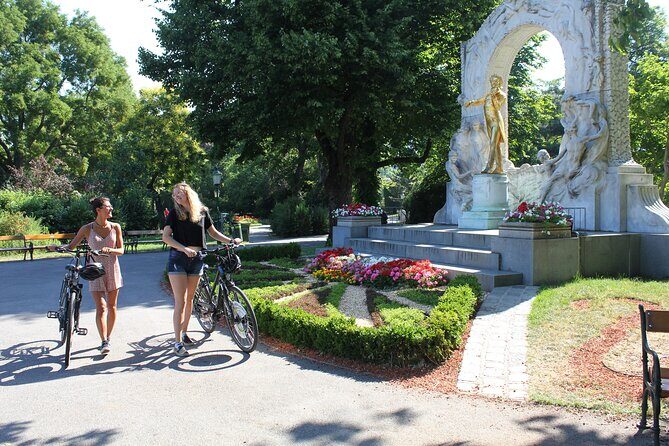
One reason people fall for Vienna on two wheels is the mix of city buildings with open space. On at least some departures—especially evening rides—you may spend time along the Danube River and into a large city park. Think: a calmer ride feel, easier breathing, and more room to appreciate the city’s “outside” life.
If you like biking that doesn’t feel like constant city stress, this is where it clicks.
You can also read our reviews of more city tours in Vienna
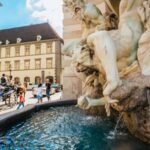
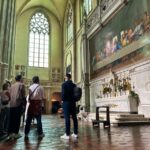

4) A possible detour to the Hundertwasser area
Depending on your departure, you might also hit areas like the Hundertwasser Haus and Village. That kind of stop is memorable because it’s visually distinctive and feels more like Vienna’s creative side than its formal postcard side.
If that’s high on your wishlist, choose your time slot carefully and ask the operator which loop you’ll be on when you book.
5) Return to the meeting point
At the end, the tour comes back to the same meeting area. In other words, you don’t have to figure out a one-way plan or worry about getting stranded far from transit.
Guides make or break a bike tour in Vienna
This is one of those tours where the human part matters a lot. The guides don’t just read facts. They connect details to what you’ll see as you roll past it.
You might ride with guides such as Horst (and yes, that name invites instant jokes like Horse with a T), Lisa Marie, Ute, Sebastian, Manuela, or Petros. Across the tour experience, they’re consistently praised for pacing, group management, humor, and answering questions on the fly.
A few concrete things I’d watch for:
- You’ll stop often enough for stories to land, not just “background narration.”
- Guides frequently offer recommendations for what to do next—helpful when Vienna is new to you.
- If you have specific history interests, ask directly. One rider felt the tour focused more on the 1700s through the early 1900s and less on the post–World War II era. That doesn’t mean the guide ignores it; it means you’ll get the most out of the tour by steering the conversation if that’s your focus.
Bike comfort, traffic reality, and how fit you really need
The tour asks for moderate physical fitness and sets a minimum age of 12. The ride is typically described as an easy ride, with lots of “stop and look” moments.
That said, Vienna is still a working city. You’re not in a closed park loop the whole time. Even on bike lanes, you’ll hit:
- intersections and lights
- occasional crossings where the group moves together
- some road riding moments
So here’s the honest take: if you’re brand-new to biking in traffic, you might feel tense. One rider even said they managed fine as a comeback cyclist, while another warned that timid riders could struggle during the shared-road bits.
If you fall somewhere in between, do this: arrive calm, keep a steady pace, and follow your guide’s positioning. It’s less about speed and more about confidence.
If you want an easier effort level, a rider mentioned others upgraded to e-bikes. That implies you may be able to choose a less-demanding bike option—worth asking when you book.
Value check: what you’re paying for and what it buys you
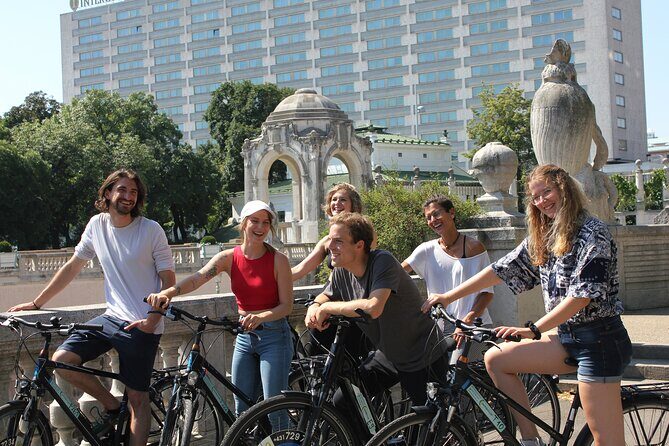
At $59.26 per person for about three hours, this isn’t a bargain like a free walking tour. But it’s also not overpriced for what you get.
You’re paying for three things that normally cost extra on your own:
1) Bike rental
2) A professional guide
3) A route plan that gets you through central Vienna efficiently without navigation stress
When you spread that over time—roughly three hours—it starts to feel like a “paid orientation” that pays off for the rest of your trip. You’ll likely know where things are, how different neighborhoods connect, and which areas feel worth returning to on foot later.
Also, the 18-person max is part of the value. Smaller groups tend to feel more human. You don’t spend the whole ride waiting for the slowest person to appear at every turn.
Timing tips: choosing morning vs afternoon vs evening
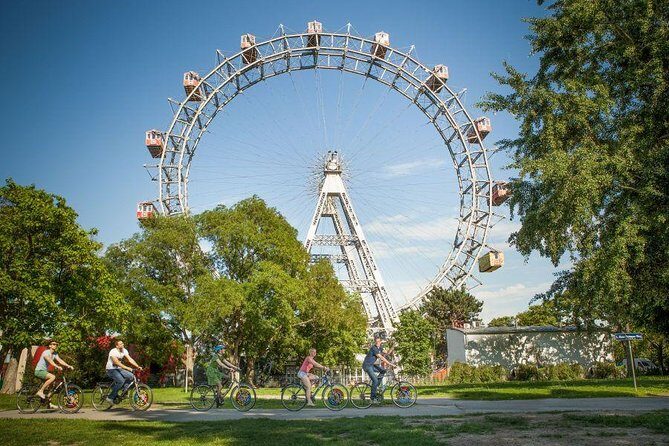
This tour runs multiple start times, and routes vary. Here’s how I’d choose based on your priorities:
- Morning: best if you want cooler temps and a fresh start. You’ll get your bearings early and can spend later hours exploring independently.
- Afternoon: good middle ground if you want a longer day and don’t want early starts.
- Evening: a strong pick if you like city lights and a calmer feel. One evening loop included the Danube River and a big city park, plus the guide adjusting the route to the available daylight.
If weather is questionable, pick the time most likely to be comfortable for you—bike touring is easier when you’re not fighting heat or drizzle.
What to bring (so the ride feels smooth)
Keep it simple:
- Bottled water (explicitly requested)
- A layer for changing temps—especially if you pick an evening slot
- A basic mindset: you’re riding, listening, and taking short breaks, not museum-strolling for hours
If you’re tempted to skip the water, don’t. You’ll be happiest if you stay hydrated from the start.
Who should book this bike tour?
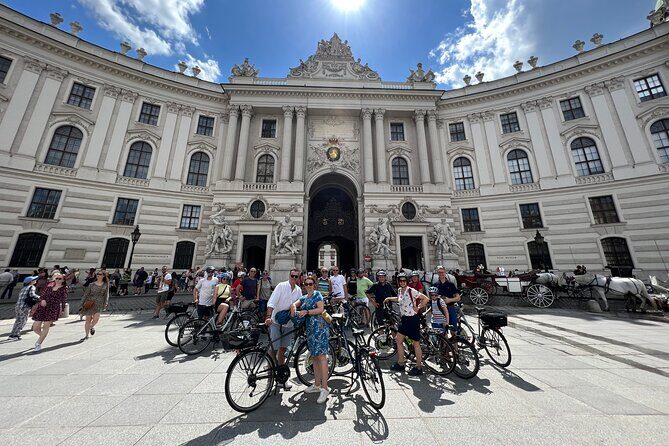
This is a great match if you want:
- a fast, guided overview of Vienna that covers more than walking
- frequent stops with stories you can hear and discuss
- a relaxed pace where the guide handles the route
It’s also a good choice for first-timers who don’t want to spend their first day figuring out logistics. Many people use this as their day-1 orientation.
I’d think twice if:
- you’re very nervous riding near cars or at busy crossings
- you strongly prefer a purely historical deep dive with lots of post–World War II emphasis
- you dislike group pacing and want total control of your own stops
Should you book Pedal Power Vienna’s Vienna City Bike Tour?
If you like biking and want a guided route that shows you real neighborhoods—not just one shiny square—this is an easy yes. The included bike rental, small group size, and consistent guide quality (with names like Horst, Lisa Marie, Ute, Sebastian, Manuela, and Petros) make it a smart way to get your bearings fast.
Book it if your goal is: cover major Vienna highlights, add some park and riverside air, and walk away with recommendations you can use later.
Skip it only if you’re uncomfortable sharing the road, or if you want a very specific historical focus that you’ll need to actively ask for while you ride.