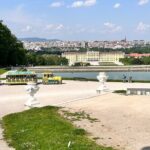
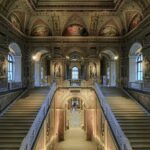
Four walls, one unforgettable sound.
I love the pairing of the Mozarthaus Vienna museum with an actual chamber concert in the same complex, so your evening feels like one continuous story. You get Mozart’s life in the rooms where it happened, then the music returns the moment you drop into the small performance space.
I also like the way the concert is explained. Before each work, the presenter offers short, clear context and even a bit of humor, so first-timers can follow along without studying a thing.
One consideration: the performance hall is small and close. If you’re the type to get claustrophobic in tight rooms, go in knowing it’s an up-close setup.
In This Review
- Key highlights you’ll care about
- Mozarthaus Vienna: walking Mozart’s last-year rooms
- Inside the concert hall: small room, strong acoustic, close view
- What you’ll hear: Mozart, Haydn, Beethoven, Strauss—and familiar showpieces
- The presenter’s job: short history before each piece
- The musicians: top-tier trio energy (and sometimes changing lineups)
- Price and value: $71.38 for a museum + a real chamber concert
- Getting there and using the evening flow at Domgasse
- Coat check and room size: a small heads-up
- Who should book this concert (and who might skip it)
- Should you book Concerts at the Mozarthaus Vienna?
- FAQ
- Where does the concert start?
- How long is the concert?
- How much does it cost?
- What’s included with the ticket?
- Is catering included?
- How many people are in the group?
- Is it easy to reach by public transportation?
- Are service animals allowed?
- What if I need to cancel?
Key highlights you’ll care about
- Mozarthaus museum included: the concert ticket covers museum entry too, so you can connect the music to Mozart’s world.
- Up-close chamber sound: the venue is intimate, and you’re positioned to see the musicians clearly.
- Narrated program: short introductions happen before each piece, with enough history to make the themes stick.
- Classics plus variety: you can expect Mozart-era favorites alongside composers like Haydn, Beethoven, and Strauss.
- Small group size: the experience caps at 70 people, which keeps the mood focused and personal.
Mozarthaus Vienna: walking Mozart’s last-year rooms
This is not just a concert tacked onto a museum visit. The big value is that your ticket gives you entry to the Mozart apartment museum in the Mozarthaus Vienna, located in the building where Mozart lived during his last year.
That context matters. When you move through the exhibits—manuscripts, letters, and personal items—you stop treating the famous works as “just music.” You start hearing them as part of a living, breathing life. It also makes the night feel more grounded, especially if you’re visiting Vienna for the first time and want something that’s both artistic and real.
Timing helps here. Starting at 6:30 pm gives you a practical window to visit the museum portion at a relaxed pace, then transition to the concert without the “rush from one thing to the next” feeling.
A few more Vienna tours and experiences worth a look
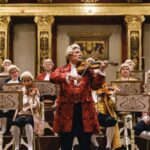
Inside the concert hall: small room, strong acoustic, close view
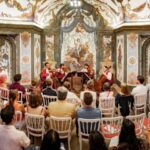
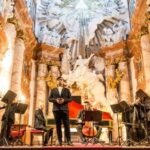
The concert itself is designed for closeness. The experience runs about 1 hour 10 minutes, and it’s set up like true chamber music: piano plus strings (often violin and cello), with a small group of musicians and a small audience.
What makes it special is the combination of scale and sound. Several accounts point to a cozy, tight-feeling room—sometimes described as a basement space—with excellent acoustics. You’re not listening from far away. You’re close enough to catch the physical cues of bowing, the way phrasing changes, and how ensemble players respond to each other.
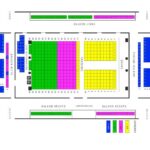
Audience size is part of the charm too. The event is capped at 70, and the vibe is clearly meant for a crowd that’s large enough to feel lively but small enough to stay personal. If you love Vienna’s classical scene, this is a good way to experience it without waiting in the kind of line where you lose the mood before the first note lands.
What you’ll hear: Mozart, Haydn, Beethoven, Strauss—and familiar showpieces
The program is built around “classical tones,” with composers including Mozart, Strauss, Haydn, and Beethoven. That lineup is a smart choice: it keeps the evening accessible while still giving real musical substance.
You’ll also see variety in how the repertoire is presented. Some performances include a mix of solo moments and ensemble works, which helps break the evening into clear emotional chapters instead of one long stretch.
From the works mentioned in the available descriptions, you may hear favorites like the Blue Danube and the Radetzky March, which are the kind of pieces that instantly connect to Vienna itself. Other sets range across the Mozart orbit and beyond, including works linked to Schubert in at least one program description.
The presenter’s job: short history before each piece
One reason this concert stands out is the narration. The strongest feedback focuses on the introductions before each piece—short, readable context plus some history so you understand what you’re hearing while you’re hearing it.
This format is great if you’re new to classical music. You don’t need to memorize composers or learn musical theory first. The presenter’s role is to translate the “why” of each piece into something you can follow in real time.
You might also catch a presenter style that leans warm and lightly humorous. That tone matters in a small hall. It keeps you from feeling like you’re in a lecture. It turns the night into an evening with a story arc.
The musicians: top-tier trio energy (and sometimes changing lineups)
Most nights are built around an ensemble of three. The descriptions repeatedly mention piano with violin and cello, which is classic chamber-music chemistry: the piano supplies harmony and motion while the strings shape melody and texture.
The names you might see listed vary by performance. In the information provided, ensembles have included musicians such as Rodrigo, Manon, and Eunju. Other descriptions mention Julian Yoh Hedenbork on piano, Jovana Raljic on violin, and Gergely Kolozsvari on cello. That mix is useful for you if you’re booking and hoping for a specific kind of sound—piano trio playing tends to balance clarity with emotional depth.
One practical note from the information provided: on at least one occasion, there was an unexpected delay when one of the three musicians was unable to perform. The team reportedly informed guests in advance, offered a full refund option, and the audience chose to stay. The concert continued with the remaining two musicians, and there was about a 20-minute delay. So if you’re traveling with tight connections, build in a little buffer.

Price and value: $71.38 for a museum + a real chamber concert
At $71.38 per person, you’re paying for more than a seat in a hall. Your ticket includes free admission to the Mozarthaus Vienna museum as part of the experience package, so you’re getting both culture formats in one fixed block of time.
That bundling is the value. Without it, you’d be buying museum admission and then separately finding a concert. Here, the planning is simpler: one place, one story, one night.
Also, the small size matters. With a cap of 70, you’re paying for an experience designed to feel like it’s made for the people in the room, not for a massive crowd.
One more booking tip: the experience is commonly booked about 32 days in advance on average. For Vienna, that’s a good sign to reserve earlier rather than waiting until the last week—especially if you’re traveling during busy holiday dates.
Getting there and using the evening flow at Domgasse
The meeting point and ticket redemption point is Wien Museum Mozart apartment, Mozarthaus, Domgasse 5, 1010 Wien, Austria. Start time is 6:30 pm, and the activity ends back at the meeting point.
You’ll be glad it’s near public transportation. Domgasse is central, and that helps if you’re lining up dinner and other sights before the concert.
The on-the-ground flow (as described in provided guidance) tends to follow a simple rhythm:
- You exchange your voucher for a museum admission ticket.
- You move through the museum using the available audio guide method tied to 2D barcodes.
- You then redeem your voucher for the concert ticket and head down to the event area when it’s time.
- There’s also mention of a break room time window before descending.
If you want this to feel smooth, plan to arrive a bit early. In a small venue, small delays can feel bigger, and you’ll enjoy the museum part more if you’re not watching the clock.
Coat check and room size: a small heads-up
One piece of feedback you should take seriously is about comfort and logistics in the hall. The room can feel tight, and there were mentions of coat check staff being impatient on at least one night.
So my practical advice is: pack light. If you bring a coat, have it ready to go quickly. And if you’re sensitive to close quarters, don’t assume you’ll be able to escape the crowd easily once you’re inside.
Who should book this concert (and who might skip it)
This is a strong match if you:
- want Vienna classics with enough context to enjoy them right away
- prefer intimate chamber music over huge concert halls
- like tying music to place, not just checking off a landmark
- are traveling with someone who’s curious but not deeply trained in classical listening
It may be less ideal if you:
- hate small rooms or feel claustrophobic
- need lots of personal space
- are counting on perfect, no-delay timing (rare surprises can happen, and one night included a 20-minute delay)
The best use of your time is to treat this as a full evening. Start with the museum connection, then let the concert finish the story.
Should you book Concerts at the Mozarthaus Vienna?
Yes, if you want an evening where Mozart’s world and the music meet in the same physical space. The biggest reasons to book are the museum inclusion, the close-up chamber setting, and the fact that you don’t have to “figure it out” on your own because the pieces are introduced with short, helpful context.
If you’re unsure, use this rule: if you’d rather hear familiar works well played in a small room than chase a bigger, more intimidating concert experience, this is your kind of booking.
Just go in with two expectations set: it’s cozy, and the concert length is short enough that it feels focused rather than drawn out.
FAQ
Where does the concert start?
The meeting point and ticket redemption point is Wien Museum Mozart apartment, Mozarthaus, Domgasse 5, 1010 Wien, Austria. It starts at 6:30 pm.
How long is the concert?
The duration is about 1 hour 10 minutes.
How much does it cost?
The price is $71.38 per person.
What’s included with the ticket?
Your ticket includes free admission to the Mozarthaus Vienna (the museum) along with the Wiener Ensembles concert.
Is catering included?
No. Catering is not included.
How many people are in the group?
This experience has a maximum of 70 travelers.
Is it easy to reach by public transportation?
Yes. The venue is near public transportation.
Are service animals allowed?
Yes, service animals are allowed.
What if I need to cancel?
You can cancel up to 24 hours in advance for a full refund. If you cancel less than 24 hours before the experience starts, the amount paid is not refunded.