REVIEW · VIENNA
Vienna: New Hofburg Palace Audio-Guided Tour & Entry Ticket
Book on GetYourGuide →Operated by Kunsthistorisches Museum · Bookable on GetYourGuide
Vienna’s armor and music tell the Habsburg story. The audio guide helps you move through the New Hofburg Palace in a calm, do-it-your-way rhythm, while also explaining the House of Habsburg from late medieval roots to Empress Sisi’s era. I especially love pairing the Imperial Armoury sights with the story you hear—suits of armor and weapons make a lot more sense when you know who used them and why.
Here’s the one catch: the exhibition focus is split between armor and historic instruments, so if you only care about one lane, the one-hour visit can feel a bit like a “best-of” sampler. If that’s you, pick your top stops and don’t get stuck reading every label.
In This Review
- Key things to know before you go
- New Hofburg Palace: what makes the experience feel different
- Enter at Weltmuseum Wien, Heldenplatz: simple logistics that save time
- The audio guide does the heavy lifting (and it has Czech)
- Imperial Armoury: why those suits of armor hit harder than you expect
- Historic Musical Instruments: Mozart’s fortepiano and Vienna’s music past
- Pacing for a one-hour visit: how to get the most without rushing
- What the building and rooms add to your understanding
- Price and value: is $27 a good deal?
- Who should book this Hofburg audio-guided tour
- Should you book the New Hofburg Palace Audio-Guided Tour?
- FAQ
- How long is the New Hofburg Palace audio-guided tour?
- Where is the meeting point for the ticket?
- What’s included with the ticket?
- Is there a live tour guide?
- What languages are available for the audio guide?
- Is the experience wheelchair accessible?
- What collections will I see during the visit?
- Can I cancel and get a refund?
- Do I have to pay right away?
Key things to know before you go
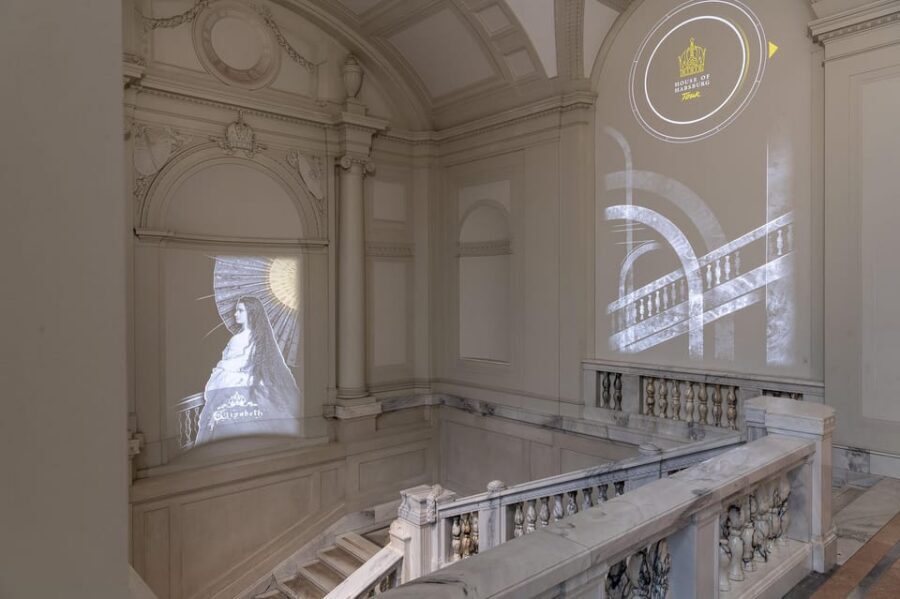
- Audio guide-led storytelling: The tour ties the rooms together into one Habsburg family narrative.
- Imperial Armoury on display: Expensive-looking suits of armor and weapons show power in physical form.
- Mozart link in the musical instruments collection: A fortepiano that was once played by Mozart is a standout.
- Joseph Haydn wax bust: The only wax bust showing Haydn as he was in life adds a human touch.
- Vienna’s royal rooms energy: Ornate spaces help you feel how court life looked, not just how it sounds.
- Watch the signage: You’ll follow exhibit numbers, and the wayfinding could be clearer.
New Hofburg Palace: what makes the experience feel different
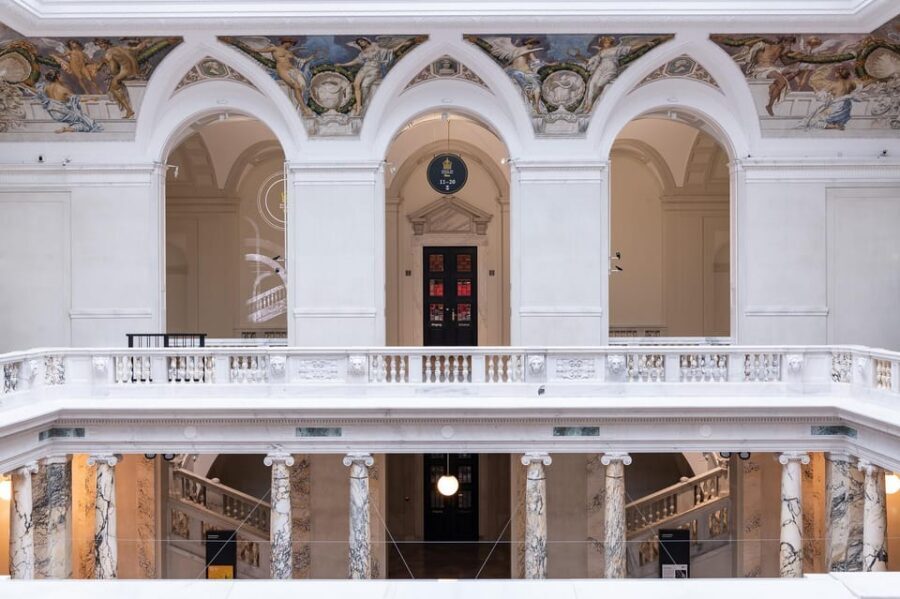
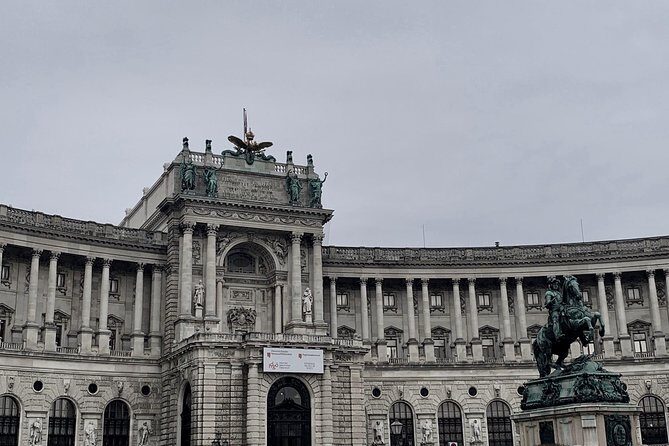
The New Hofburg Palace experience isn’t trying to be a generic walking museum. It’s built around the idea that the Habsburg dynasty isn’t just history on paper—it’s armor, music, status, and ritual, all in the same orbit.
This newest wing of the Wiener Hofburg works well because it gives you a museum structure while keeping the palace vibe. You’re not only looking at objects. You’re getting a guided chain of context—how the family rose, how it ruled, and how culture and power fed each other at court. That matters in Vienna, where half the fun is noticing how everything connects.
A few more Vienna tours and experiences worth a look


Enter at Weltmuseum Wien, Heldenplatz: simple logistics that save time
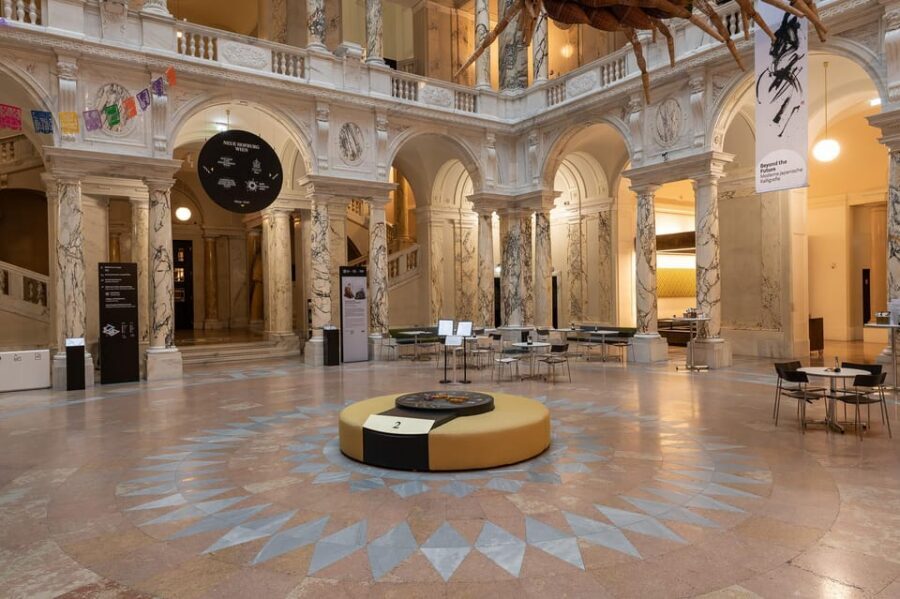
Your meeting point is straightforward: the entrance is at the Weltmuseum Wien, Heldenplatz. Arriving a bit early helps because you want time to get your bearings and start the audio guide before you enter the main rooms.
The visit is timed for about one hour, so treat it like a focused circuit rather than a full palace day. If you’re the type who reads every plaque, you’ll still have a good experience, but you may feel the clock as you move through the Imperial Armoury and the Collection of Historic Musical Instruments.
Also note the venue is wheelchair accessible, which is a real plus for planning. If you’re traveling with mobility needs, you’ll likely appreciate that the experience is built to be usable, not just impressive-looking from the doorway.
The audio guide does the heavy lifting (and it has Czech)
This is an audio-guided tour, not a live guide experience. That sounds limiting, but in practice it’s often the best way to handle a palace museum: you can pause, replay, and linger when something catches your eye.
The audio guide is available in German, English, French, Hungarian, Italian, Japanese, Chinese, Korean, and Czech. The Czech option is especially helpful if you’re traveling with someone who’d rather not fight English captions all day. It also means you can follow the same storyline without losing the main thread.
The story you hear covers the Habsburg family across big stretches of time—starting in the late Middle Ages and moving toward later eras. It also calls out key figures like Empress Sisi, so the tour isn’t stuck in one century. And there’s a strong emphasis on dynastic power, including the joint Spanish and Austrian connection, which can feel clearer once you’ve heard the family arc.
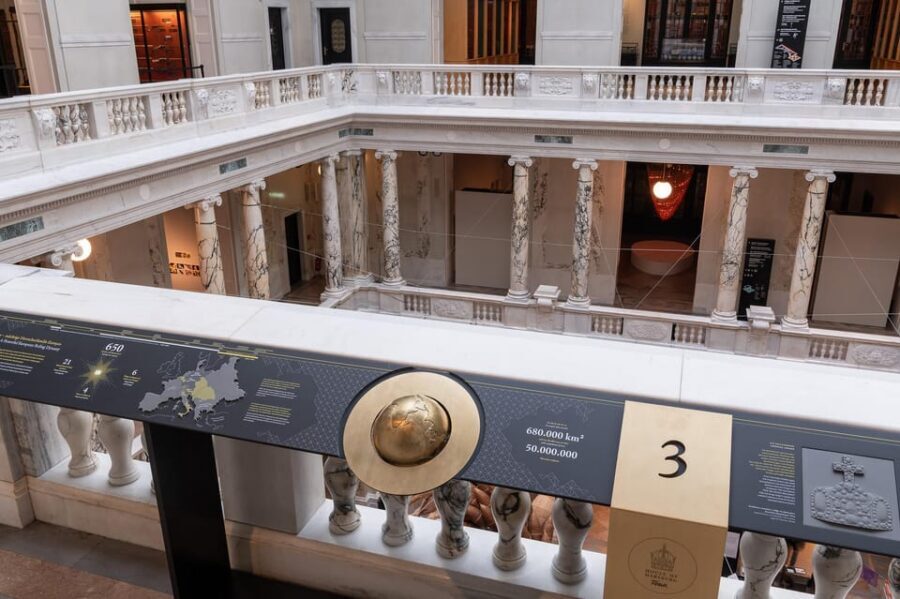
Practical tip: when you enter, look for the exhibit numbering scheme that supports the audio guide. Some signage can be clearer, so if you’re the type who hates “where am I supposed to be?” moments, take 30 seconds at the start to confirm the system. Then let the audio do the walking.
Imperial Armoury: why those suits of armor hit harder than you expect
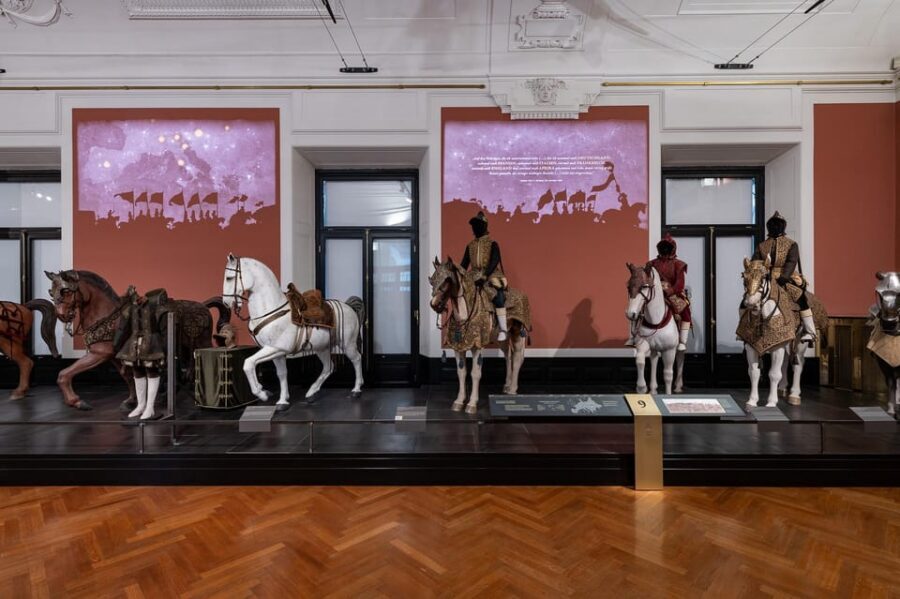
The Imperial Armoury is one of the main reasons to choose this ticket. You’ll see suits of armor and weapons, and the layout supports that “court power” feeling. Reviews and descriptions often highlight how impressive the armor looks, which makes sense—this stuff wasn’t made for the battlefield aesthetics alone.
When you’re listening to the Habsburg context while you look, the armor becomes more than metal. It turns into evidence of wealth, organization, and status. That’s where the audio guide earns its keep: it connects objects to the people and the system behind them.
You might notice the exhibition balance leaning heavily toward armor on one side and historic instruments on the other. One-hour pacing helps, but it can also mean you’ll skim more than you’d like if you’re obsessed with weaponry detail. If armor is your number-one goal, move through the musical portion just enough to catch the big highlights—then spend your time where you care most.
Historic Musical Instruments: Mozart’s fortepiano and Vienna’s music past
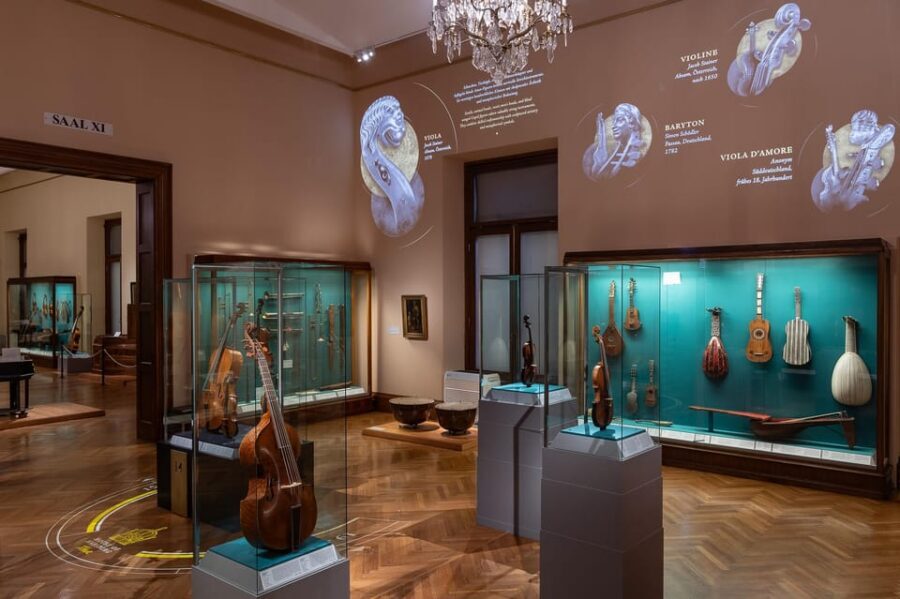
In the second part of the circuit, you shift from weapons to sound. The Collection of Historic Musical Instruments is housed in the same New Hofburg context, which makes the contrast fun: power expressed through steel, then power expressed through culture.
The big headline is a fortepiano that was once played by Mozart. That connection matters because it brings a familiar name into a room where you can actually see the instruments. It also anchors the musical storyline in Vienna’s wider identity as a music capital.
There’s also a striking detail for history-and-people lovers: you’ll see the only wax bust showing Joseph Haydn as he was in life. That kind of object does something labels alone can’t. It turns a composer into a face and a presence, not just a name in a textbook.
One practical caution: there are music pieces played as part of the audio experience, and some of them can feel a little long depending on how picky you are about listening time. Your best move is to treat the sound as a bonus, not a chore. If you want to read every display, lower your expectations for how much musical content you’ll absorb during the one-hour window.
You can also read our reviews of more guided tours in Vienna



Pacing for a one-hour visit: how to get the most without rushing
A one-hour palace museum stop is never the same as a full-day deep museum session. With this ticket, the aim is to get you oriented and impressed, then let you move on with clear ideas about what you saw.
Here’s how I’d pace it:
- Start with the audio guide story so you know what to listen for.
- Hit the Imperial Armoury highlights first if you’re here for the big visual drama.
- Then switch gears to the musical instruments for the surprises—especially the Mozart-linked fortepiano and the Haydn wax bust.
If you’re traveling in warm weather or in summer, be aware that it can get hot inside the building. You can’t change the temperature, but you can plan smart: wear breathable layers and keep your breaks short but frequent. Also, don’t assume every room will be equally comfortable—palace spaces can vary a lot.
Finally, take advantage of the fact that Vienna’s palace exteriors are worth photographing. If the instruments or armor aren’t your main thing, you can still get value from the best interior rooms and then spend extra time outside getting that full Hofburg look.
What the building and rooms add to your understanding
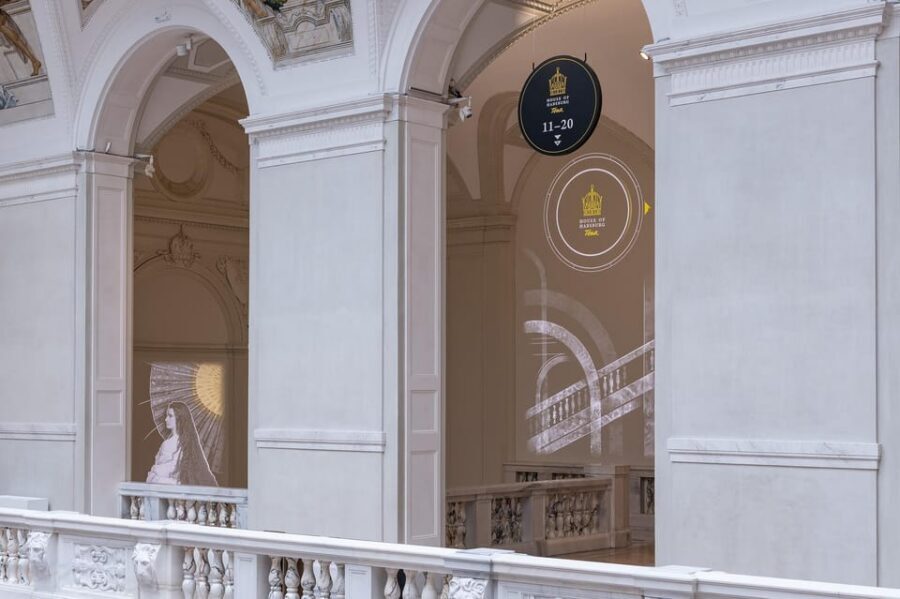
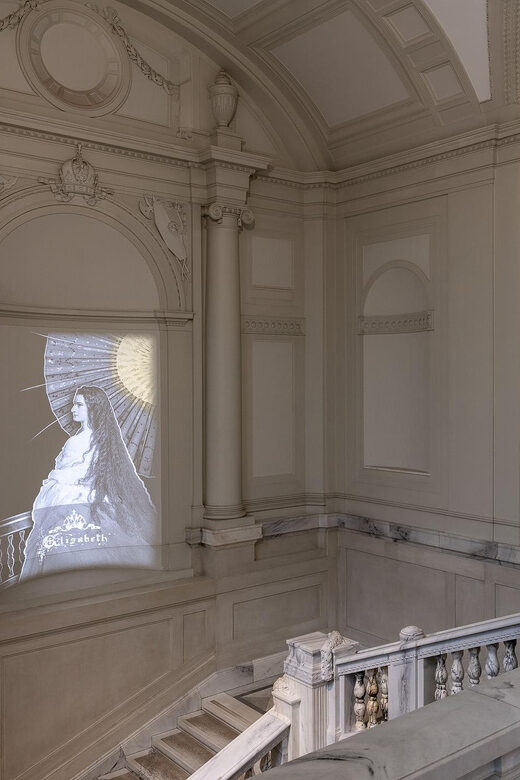
One of the underrated parts of this experience is that you’re moving through real palace-grade spaces. The ornate interiors make the story you hear feel less abstract. Even if you’re not a museum super-reader, the architecture and room layouts give you an instant sense of ceremony and hierarchy.
Some visitors also point out the staircases as a highlight. That’s a good reminder: don’t sprint. Take a breath when you find a moment where you can see the scale. In palace museums, those “pause points” make the whole visit feel more complete.
And there’s another subtle benefit: the audio guide helps you connect the objects to royal life. So instead of seeing “cool armor” and “old instruments,” you start to notice the court logic—why certain things mattered to the dynasty and how culture supported authority.
Price and value: is $27 a good deal?
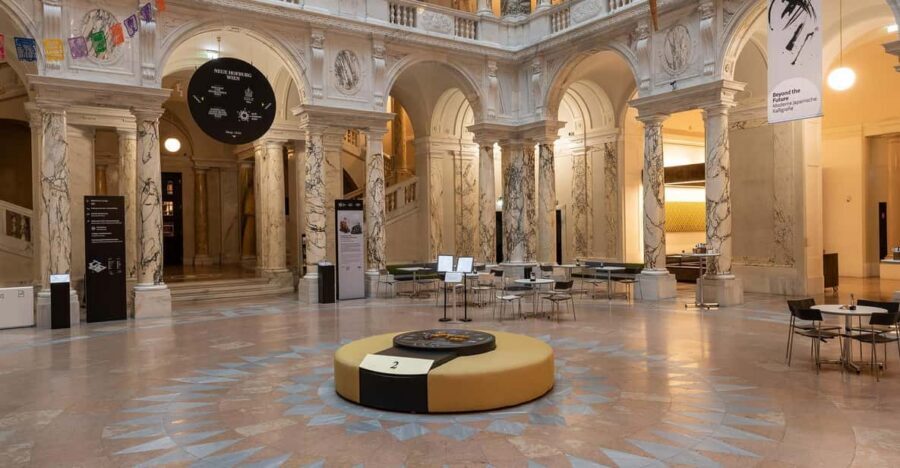
At about $27 per person for a one-hour entry plus an audio guide, the value mostly depends on what you want out of Vienna museums.
If you want a quick but meaningful way to understand the House of Habsburg, this can be a strong deal. You’re not paying just to walk through one room. Your ticket covers entry to the New Hofburg Palace areas tied to the Imperial Armoury and the Collection of Old Musical Instruments, and you also get the audio storyline across the dynasty.
If you’re only interested in one narrow category—say, you only care about armor—then you may feel like you’re paying for a package with a second theme you won’t fully use. But you can still get the core highlights without turning it into a time sink. Think of it as a curated overview: you’re buying direction as much as access.
Also, the range of audio languages is part of the value. If you need Czech or another supported language, this option becomes even more practical than relying on English-only guides.
Who should book this Hofburg audio-guided tour
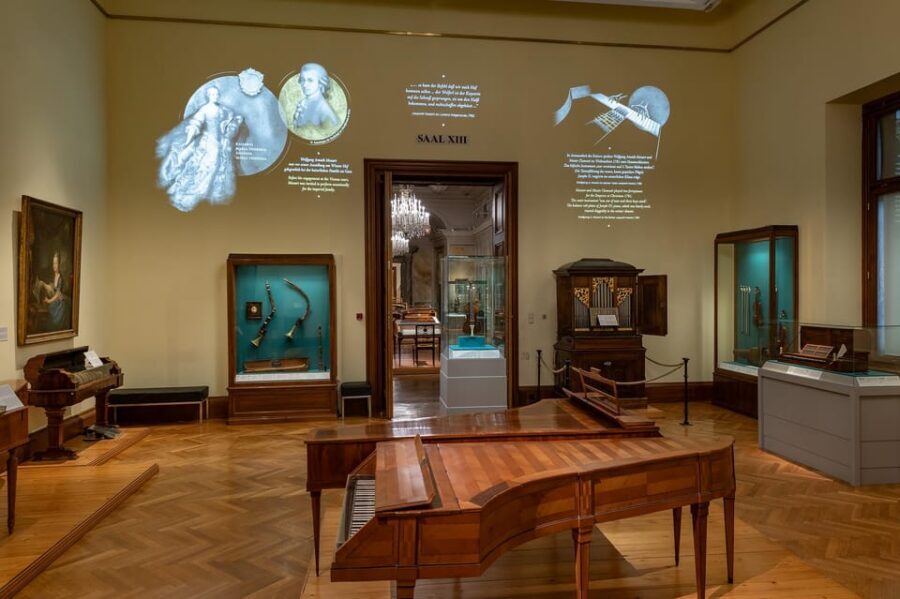
This works best if you fit one of these profiles:
- You want a focused one-hour history + culture stop with built-in context.
- You like seeing both the “war and power” side (armor and weapons) and the “music and court life” side (fortepiano and Haydn).
- You need an audio option in a language other than English—especially Czech, which can make family travel smoother.
- You’re comfortable exploring at your own pace, since there’s no live tour guide.
It’s also a reasonable pick for first-time visitors who want a strong sense of how the Hofburg ties together monarchy, art, and identity. And because it’s wheelchair accessible, it’s easier to plan for mixed groups.
Should you book the New Hofburg Palace Audio-Guided Tour?
Yes, if you want a short, high-impact taste of Habsburg power with two standout collections—Imperial Armoury and historic musical instruments—and you appreciate having the storyline fed to you as you walk.
I’d skip or at least adjust expectations if you’re chasing one narrow obsession. This is not a multi-hour, ultra-deep armor study or an intensive conservatory-style music instrument session. It’s a well-shaped overview, and it shines when you let the audio guide connect the dots.
If your goal is to leave Vienna feeling like you understand more than just the building’s exterior, this ticket is a solid choice.
FAQ
How long is the New Hofburg Palace audio-guided tour?
The duration is listed as 1 hour.
Where is the meeting point for the ticket?
The entrance is at Weltmuseum Wien, Heldenplatz.
What’s included with the ticket?
You get entry to the New Hofburg Palace (Weltmuseum Wien, the Collection of Old Musical Instruments, the Imperial Armoury) plus an audio guide.
Is there a live tour guide?
No. This activity includes an audio guide, not a live guide.
What languages are available for the audio guide?
The audio guide is available in German, English, French, Hungarian, Italian, Japanese, Chinese, Korean, and Czech.
Is the experience wheelchair accessible?
Yes, it is listed as wheelchair accessible.
What collections will I see during the visit?
You’ll see the Imperial Armoury and the Collection of Historic Musical Instruments (also referred to as the Collection of Old Musical Instruments in the included details).
Can I cancel and get a refund?
Yes. Free cancellation is available up to 24 hours in advance for a full refund.
Do I have to pay right away?
No. You can reserve now & pay later, which means you can book your spot and pay nothing today.