REVIEW · INNSBRUCK
Innsbruck: Bergisel Olympia Ski Jump Arena Ticket
Book on GetYourGuide →Operated by Bergisel Betriebs-GmbH. · Bookable on GetYourGuide
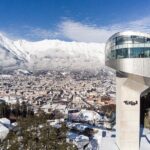
Bergisel makes Innsbruck feel instantly bigger. I love the 360° panoramic views over Innsbruck and the Nordkette, and I also like the way this place gives you real ski-jump adrenaline by letting you stand right on the facility’s top section. One thing to plan for: if fog or heavy clouds swallow the view, the experience can feel less magical than on clear days.
In practice, this is a very doable 1-day outing at the Bergisel Schanze, with easy self-paced exploring, Olympic history in the gallery, and quick access to the viewing terrace and panoramic restaurant. You’re not paying for a guided tour or included food, so bring a plan for when you’ll eat (or decide to skip it and just enjoy the views).
In This Review
- Key moments at Bergisel Ski Jump Arena
- Why the Bergisel Arena is more than a quick photo stop
- Your first stop: Bergisel Schanze and the views that start the wow
- The Schanzenturm tower: lifts, terrace height, and what to notice
- 455 steps or the inclined lift: how to choose your energy level
- Olympic history and ski-jumping context (without turning into a lecture)
- Bergisel SKY restaurant: a Tyrolean pause with panoramic payoff
- The stadium scale: why 26,000 seats matter when you’re down below
- Timing tips: how to plan for weather and make your visit feel worth it
- Ticket value: why a $12 entrance fee can be a strong buy
- Practical visit flow (so you don’t waste your time)
- Should you book the Bergisel Ski Jump ticket?
- FAQ
- How long is the Bergisel Olympia Ski Jump Arena ticket good for?
- Where is the meeting point?
- What’s included with the ticket?
- Is a tour guide included?
- Are food and drinks included?
- What can I see at Bergisel?
- Is there a restaurant on site?
- How do I reach the Schanzenturm tower—stairs or lift?
- How high is the viewing terrace?
- Is the venue wheelchair accessible?
Key moments at Bergisel Ski Jump Arena
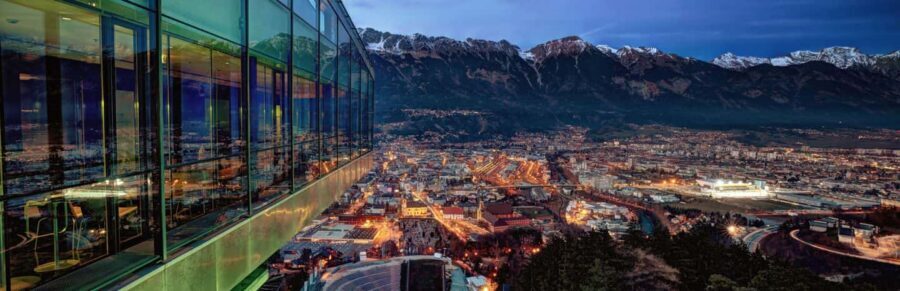
- Stand up where ski jumpers launch and feel the scale of the Schanze in real life
- Ride lifts or climb 455 steps between the stadium entrance and the Schanzenturm
- Get to the Bergisel SKY viewing terrace about 44 meters above the ground
- Learn Olympic and ski-jumping history in the on-site gallery
- See modern architecture by Zaha Hadid blended into an Olympic venue
- Enjoy Tyrolean comfort at Bergisel SKY even if you just want a break
Why the Bergisel Arena is more than a quick photo stop
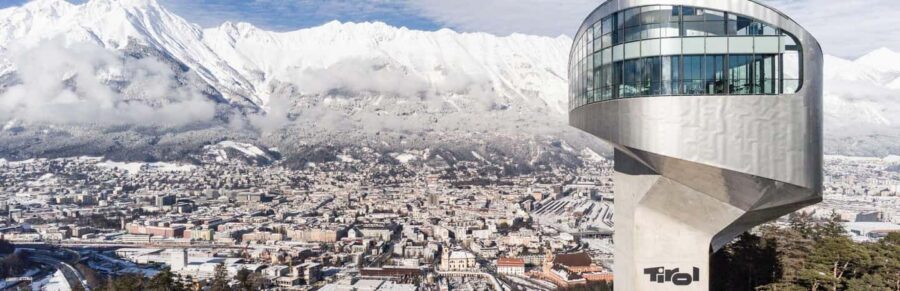
The Bergisel Olympia Ski Jump Arena sits in a part of Innsbruck that feels made for viewpoints: hills, valleys, and those strong Nordkette peaks in the background. What makes it interesting is that you’re not just looking at the mountains—you’re looking from a ski-jumping venue with Olympic credentials and real World Cup relevance.
This is the kind of place where the setting does half the work. You get a stadium scale you can’t fully understand from street level, then you move upward to places that let you actually see how the ski jump fits into the city and alpine terrain. It’s simple, direct, and surprisingly emotional, even if ski jumping isn’t your thing.
The other “why” is architecture. The Schanzenturm tower was designed by star architect Zaha Hadid, and it’s not just an outside statement. You’re funneled into the experience through the tower’s lifts and terraces, which means the design isn’t separate from your day—it’s part of how you move and what you notice.
A few more Innsbruck tours and experiences worth a look
Your first stop: Bergisel Schanze and the views that start the wow
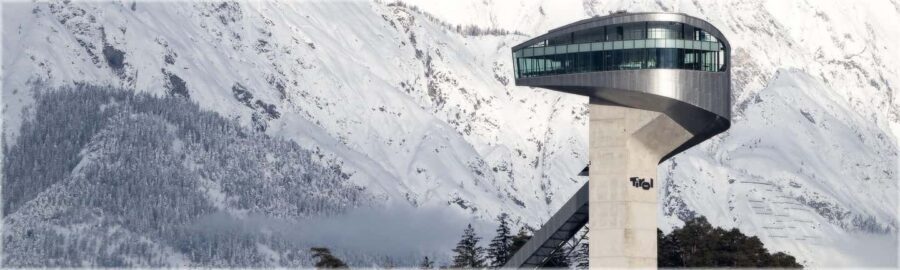
Most people start at the Bergisel Schanze at Bergiselweg 3, 6020 Innsbruck. From there, you’re oriented quickly: the arena and the viewing opportunities are set up so you can build your visit in a logical loop without needing a guide.
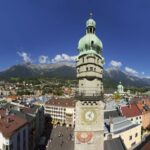
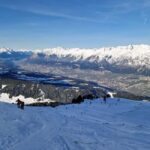
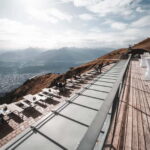
Here’s what you’re aiming to catch: the panoramic outlooks. You’ll get breathtaking 360 views of Innsbruck and the Nordkette, which is especially rewarding if you’re the type who likes to understand geography. From higher viewpoints, Innsbruck stops being a name on a map and turns into a pattern—streets, river valleys, and mountain ridgelines all snapping into place.
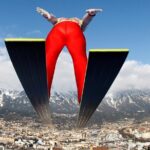
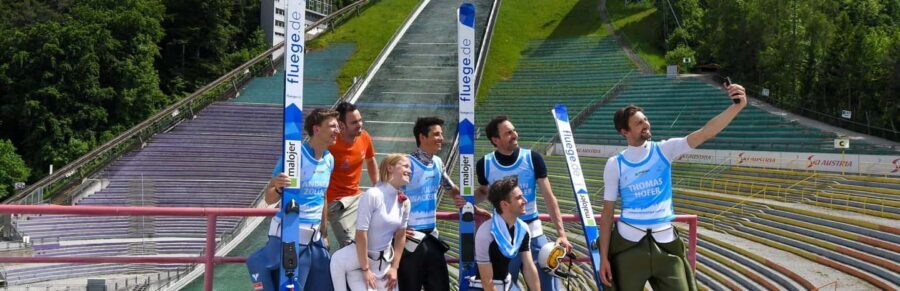
And yes, the ski jump itself is a key part of the “view.” Standing in the right spot inside the arena gives you a sense of distance and speed that makes the whole facility feel real, not staged. It’s also just plain fun in a slightly ridiculous way: you’re visiting an Olympic venue where the best seat is basically the steep, high-pressure platform.
The Schanzenturm tower: lifts, terrace height, and what to notice
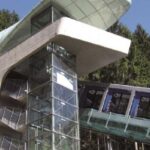
The Schanzenturm tower is one of the highlights, and the experience is built around quick vertical movement. You can reach the main viewing area in a few minutes by using two lifts, which is handy if you don’t want to rush uphill.
The viewing terrace sits 44 meters (143 feet) above the ground. That height matters because it changes your frame: instead of looking up at the stadium or around the city, you see both at once. Innsbruck spreads out, and the surrounding peaks feel closer and sharper.
What I’d watch for while you’re up there:
- The way the arena and city lines up with the mountains (it helps the place “click”)
- The changing light if you time your visit near late afternoon (shadows can make the city contours easier to read)
- The difference between clear sky and haze—this venue depends on visibility
One planning note based on real-world experience: fog can flatten the whole effect. If you’re choosing your time and the forecast looks dicey, consider that the ski jump arena is a big viewpoint. When the air is clear, you’ll get the full 360 payoff. When it’s not, you might still enjoy the architecture and stadium feel, but the vista will be muted.
455 steps or the inclined lift: how to choose your energy level
If you’re feeling sporty, there’s an option to climb 455 steps from the eastern stadium entrance to the Schanzenturm on foot. This is a legitimate workout, and the benefit is that you feel the stadium “in layers” as you move upward. It also forces you to slow down and look around instead of sprinting for the terrace.
If you’d rather conserve energy (or you’re traveling with limited mobility in your group), use the driveway with an inclined lift. It’s described as more comfortable and faster, which makes sense because the main point of your visit isn’t to train for a stair race—it’s to get to the viewpoint and ski-jumping areas.
My practical suggestion: if weather is changing, pick the route that gets you to the terrace fastest. Bad weather tends to turn “take your time” into “why am I here?” If you’re in clear conditions, the steps can be worth it because they add character to the day.
Olympic history and ski-jumping context (without turning into a lecture)
The Bergisel experience also includes a gallery where you learn about Olympic history and the world of ski jumping. This is valuable because it gives you a frame for what you’re seeing.
You’re not walking into a random stadium. Bergisel is one of the important venues in the FIS Ski Jumping World Cup, and it hosts the third competition of the prestigious Four Hills Tournament each year. That matters because it turns the site into something active and current—not just a historic stop.
You also get the Olympic backstory: this Olympic ski jump dates back to 1964 and 1976. Those years help explain why local affection for Bergisel is so strong. It’s not an airport-style attraction. It’s a long-term part of Tyrol’s winter sports culture, and that’s why the locals treat it like a favorite.
If you’re curious at all about sports venues—how they’re built, how they’re used—this gallery is a useful “translator” for the rest of your visit.
A few more Innsbruck tours and experiences worth a look
Bergisel SKY restaurant: a Tyrolean pause with panoramic payoff
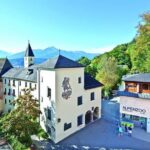
You’ve got food options at the arena area, including the Bergisel SKY restaurant. Even though your ticket covers only the entrance fee, the restaurant is still part of how people make a half-day or full-day visit satisfying.
The restaurant sits with panoramic access—so it’s not just a meal break. It’s a chance to stay at the right altitude and enjoy the views without standing in the wind for long stretches. If you’re traveling in winter, that sounds small, but it’s big. A warm break can turn a “quick look” into a calm, longer experience.
One practical note from on-the-ground feedback: there’s also a panorama guest/restaurant area down at the parking level with good views of Innsbruck. People report it as a worthwhile stop for both food quality and friendly service, and in at least some cases it can connect with parking time (so dining may help you avoid feeling rushed). I can’t guarantee that for every situation, but it’s a smart strategy if you’re driving.
The stadium scale: why 26,000 seats matter when you’re down below
The Bergisel stadium can hold up to 26,000 people. That number is easy to skim past. In person, it becomes meaningful because it changes the way you understand the event environment.
Standing near the ski-jump structures, you start to realize the facility isn’t “small and local.” It’s built for major competition crowds and major broadcast moments. Even if you’re visiting outside event days, the scale is still present in the structure and sightlines.
This is also why the venue feels special for non-ski-jump fans. It’s not only about winter sport. It’s about human engineering and how a city uses its terrain. Innsbruck offers that dramatic mountain backdrop, and Bergisel is the sports-site translation of it.
Timing tips: how to plan for weather and make your visit feel worth it
Because this is so viewpoint-dependent, timing matters more than for many museums. If you can choose, aim for a time when you expect better visibility over the Nordkette. Clear conditions make the terrace and observation deck feel like the whole point.
If the weather shifts during your day, you have two ways to protect your experience:
- Move toward the terrace earlier rather than later if clouds are building
- Keep your snack or meal flexible so you’re not stuck waiting for perfect weather
Also, there’s a small “how it feels” difference between arriving early and arriving later. On busy periods, you’ll want to go straight to the viewpoint highlights first, then slow down for the gallery and restaurant. On quieter periods, you can take the steps route and enjoy the stadium atmosphere without feeling like you’re chasing a timeline.
Ticket value: why a $12 entrance fee can be a strong buy
At about $12 per person, the value here is mostly about access to a place that includes:
- Ski-jump arena viewpoints
- Olympic venue context through the gallery
- Multiple ways to reach the Schanzenturm tower and terrace
- Architectural interest from a major designer
- Optional meal time at Bergisel SKY (not included, but available)
Your ticket includes entrance to Bergisel, but it does not include a tour guide or food/drink. That’s fine, because the venue is designed for self-paced wandering. You don’t need someone talking your ear off for you to understand what you’re looking at: the structure and views do the teaching.
If you’re trying to get maximum Innsbruck value in a short time, this is one of the better ratios: you’re paying for one “site,” and the payoff comes from views plus real Olympic sport setting—both of which tend to be hard to replicate elsewhere.
Practical visit flow (so you don’t waste your time)
Here’s a clean way to structure your day so you get the best of Bergisel without stress.
First, start at the Bergisel Schanze. Get your bearings and head toward the viewing route. If you want the fastest path, choose the lifts to the tower.
Next, once you’re up for the main viewing terrace, take time to orient yourself. Use the city grid and mountain ridges as your guide. This is where you’ll appreciate why 360 views are the headline.
Then, come back down and work in the ski-jumping and Olympic history areas, including the gallery. This is a good stage for any questions you may have while looking at structures—because now you’ll know what you’re looking at.
Finally, decide whether to stop at Bergisel SKY for a warm Tyrolean meal or simply keep it as a viewpoint visit. Either way works. The ticket is your entry; your meal is your comfort decision.
One last note: entry is set up with a QR code method, and the signage is generally clear. That matters because it reduces “logistics time,” so you can spend more of your day watching the mountains.
Should you book the Bergisel Ski Jump ticket?
I think you should book this if you want an Innsbruck activity that’s:
- Scenic, with real altitude and 360 views
- Sports-focused without needing a coach or guide
- Tied to Olympic and World Cup relevance (not just a generic museum vibe)
You might skip it (or at least reconsider timing) if:
- Weather is likely to be foggy or low-visibility, since the viewpoint is the star
- You strongly prefer guided narration for every attraction and don’t want to self-explore
- You only want low-effort flat sightseeing, because there are lots of stairs options even if lifts are available
If you’re flexible and can pick a time with decent visibility, Bergisel is one of those rare tickets where the setting, architecture, and sport combine into a full “one-place day” in Tyrol.
FAQ
How long is the Bergisel Olympia Ski Jump Arena ticket good for?
It’s valid for 1 day.
Where is the meeting point?
Bergisel Schanze, Bergiselweg 3, 6020 Innsbruck, Austria.
What’s included with the ticket?
The entrance fee to Bergisel is included.
Is a tour guide included?
No tour guide is included.
Are food and drinks included?
No. Food or drink is not included.
What can I see at Bergisel?
You can enjoy panoramic 360 views of Innsbruck and the Nordkette, explore the ski jumping facilities, and visit a gallery about Olympic history and ski jumping.
Is there a restaurant on site?
Yes, Bergisel SKY restaurant is available, and there is also a viewing terrace connected to the tower experience.
How do I reach the Schanzenturm tower—stairs or lift?
You can climb 455 steps, or use the driveway with an inclined lift. The tower viewing area is accessed by lifts.
How high is the viewing terrace?
The viewing terrace is 44 meters (143 feet) above the ground.
Is the venue wheelchair accessible?
Yes, it is wheelchair accessible.