REVIEW · VIENNA
Vienna: Ticket to the Museum of Natural History
Book on GetYourGuide →Operated by Naturhistorisches Museum · Bookable on GetYourGuide
A palace-sized museum with real science inside. I love the Venus of Willendorf spotlight and the Ringstrasse-worthy exterior that makes the whole day feel like an event. The only drawback is simple: with 39 halls, you’ll need a smart route so you don’t bounce around randomly.
In This Review
- Key points I’d plan around
- A palace on the Ringstrasse (and why that matters)
- What you’ll notice first at the entrance
- Your one-day ticket: how to use the museum’s two-floor system
- Start where you’ll feel the most “wow”
- Venus Cabinet: Willendorf and Galgenberg, up close
- Why this room feels different from the rest
- Lower floor “deep time”: minerals, fossils, meteorites, and early humans
- A practical tip: don’t rush the “science corners”
- The gemstone bouquet and meteorites: royalty meets geology
- Hallstatt’s prehistoric salt legacy: the human layer of natural history
- Why this stop is worth protecting in your schedule
- The Gold Cabinet: prehistoric metal finds that feel almost too real
- Best mindset for this cabinet
- Upper floor animal world: living diversity, rare specimens, and extinction
- How to enjoy this floor without getting tired
- Rooftop view and the museum’s behind-the-scenes science
- Why that detail changes how you see the displays
- Price and value: is $21 for a whole museum day worth it?
- When the value is best
- Who should book this museum ticket?
- Should you book it?
- FAQ
- How long is the museum ticket valid?
- What’s included with the booking?
- How much does it cost?
- Is the museum accessible for wheelchair users?
- Can I cancel if my plans change?
- What should I focus on if I only have one day?
Key points I’d plan around
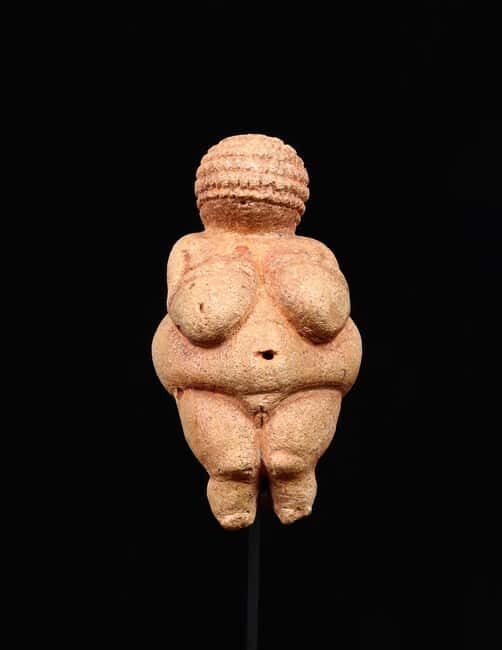
- Venus Cabinet features the Venus of Willendorf (about 29,500 years old) and the Venus of Galgenberg (about 36,000 years old)
- Two floors, 39 halls mean you’ll get both deep time geology and the living animal world in one visit
- Lower level covers minerals, gemstones, rare fossils, giant dinosaurs, and major meteorite collections
- Hallstatt’s prehistoric salt finds give you a strong “human story” alongside natural science
- Upper level is packed with mounted specimens, including rare and even extinct species
- If available during your visit, the rooftop guided tour adds a Vienna city-center view
A palace on the Ringstrasse (and why that matters)

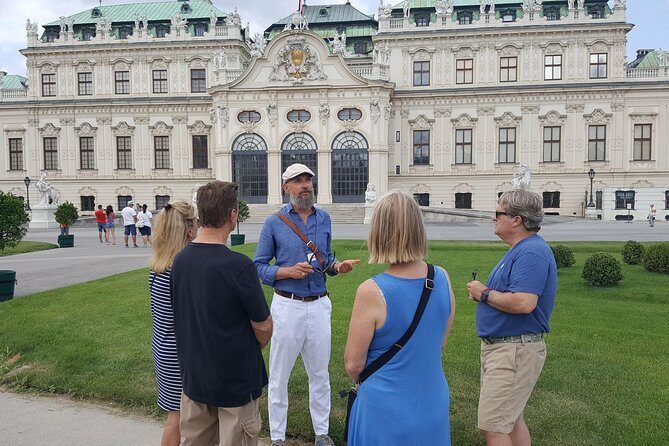
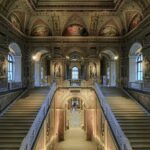
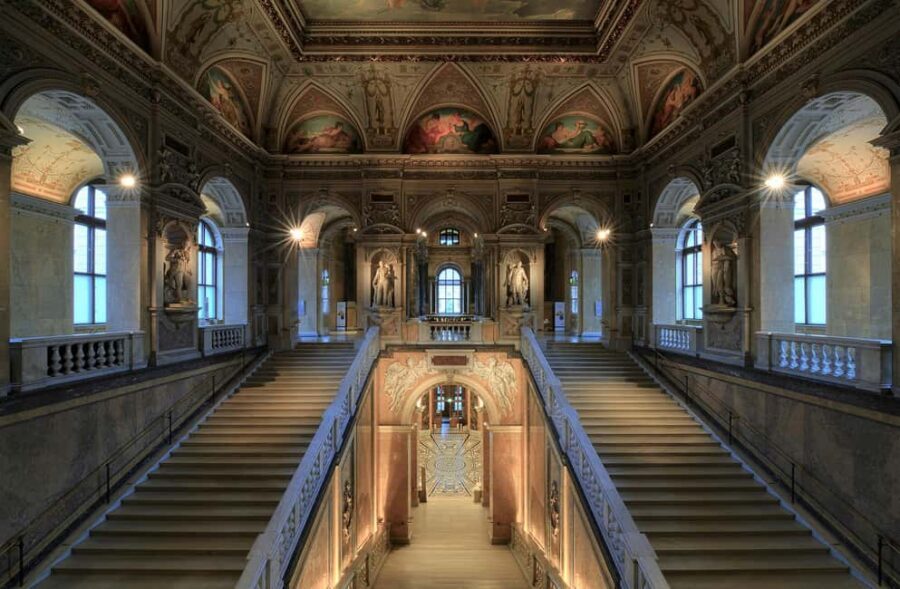
Vienna’s Natural History Museum is not a shy museum. It sits along the Ringstrasse like a grand “palace of natural science and evolution,” a design by Gottfried Semper and Carl von Hasenauer. It opened officially on August 10, 1889, under Emperor Franz Joseph I—so you’re not just stepping into exhibits. You’re walking into a building that was meant to feel important.
That architectural setting changes how you experience the collections. When the museum looks this monumental, you tend to slow down, look up, and actually take in the scale. I think that’s part of why this visit feels special even if you’re not a hardcore science person.
A few more Vienna tours and experiences worth a look



What you’ll notice first at the entrance
The exterior is the warm-up. Plan to spend a few minutes just looking at the facade before you go inside, then use that same mindset once you enter: think “grand halls” rather than “quick stop.” The ticket is only about one day, but the building helps you stretch it naturally.
Your one-day ticket: how to use the museum’s two-floor system
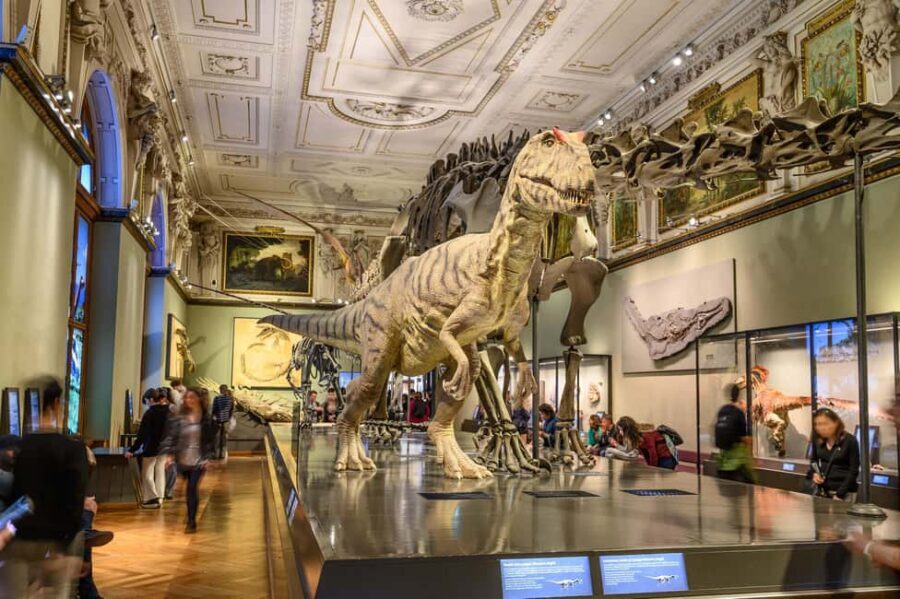
This museum is huge—over 30 million objects and 39 exhibition halls spread over two floors. You’re not going to see everything with a 1-day ticket, so your win is focusing on the big themes: deep prehistory, Earth science, and then the living world.
I like splitting the day into two clean blocks:
- Lower floor for the “Earth + mankind” story (minerals, meteorites, fossils, and human prehistory)
- Upper floor for the animal world (the variety of life, including rare and extinct species)
Even if you wander, this approach keeps you from feeling like you’re missing the point.
Start where you’ll feel the most “wow”
If you’re coming for one anchor item, build the day around it. For most people, that anchor is the Venus Cabinet—home to two famous Venus figures. Hitting that early in the visit keeps you energized, and then the surrounding exhibits start to feel like the wider context of human history and early archaeology.
Venus Cabinet: Willendorf and Galgenberg, up close

The Venus Cabinet is the headline. It houses not just one famous figurine, but two: the Venus of Willendorf (about 29,500 years old) and the Venus of Galgenberg (about 36,000 years old). The Willendorf figurine is world-known for a reason, but what really makes the room satisfying is the pairing.
The museum doesn’t treat these as random artifacts. It places them in a human-history frame—how early people made symbolic objects, how the meaning of such items may have shifted, and how archaeology connects art-like forms to the reality of prehistoric life.
You can also read our reviews of more historical tours in Vienna





Why this room feels different from the rest
Many museums show you objects. This one also helps you understand why objects matter. Standing in the Venus Cabinet, you’re reminded that natural history museums are also history museums—because the story of the Earth includes the story of humans.
If you’re the type who likes to ask questions while you walk, this is a great place to slow down and actually read what the displays explain.
Lower floor “deep time”: minerals, fossils, meteorites, and early humans
Once you move beyond the Venus Cabinet area, the lower floor turns into a world of matter—rocks, stones, bones, and evidence. The museum offers gems and minerals, rare fossils, and even displays connected to giant dinosaurs. It also features what the museum describes as the largest and oldest collection of meteorites in the world, which is an easy “how is this even here?” moment for visitors.
You’ll also find an exhibition focused on the origin and development of mankind. That matters because it creates a bridge from prehistoric objects like the Venus figures to the broader idea of human evolution and early life on Earth.
A practical tip: don’t rush the “science corners”
The lower level includes several kinds of exhibits that reward patience:
- Mineral and gemstone displays (which can look slow at first, but get better as you compare specimens)
- Fossil rooms where the scale and variety can surprise you
- The meteorite collection, where the story is bigger than the objects themselves
If you only sprint through this floor, you’ll miss the fun part: noticing how each display type connects to the same underlying question—how Earth formed, how life changed, and what evidence survived.
The gemstone bouquet and meteorites: royalty meets geology
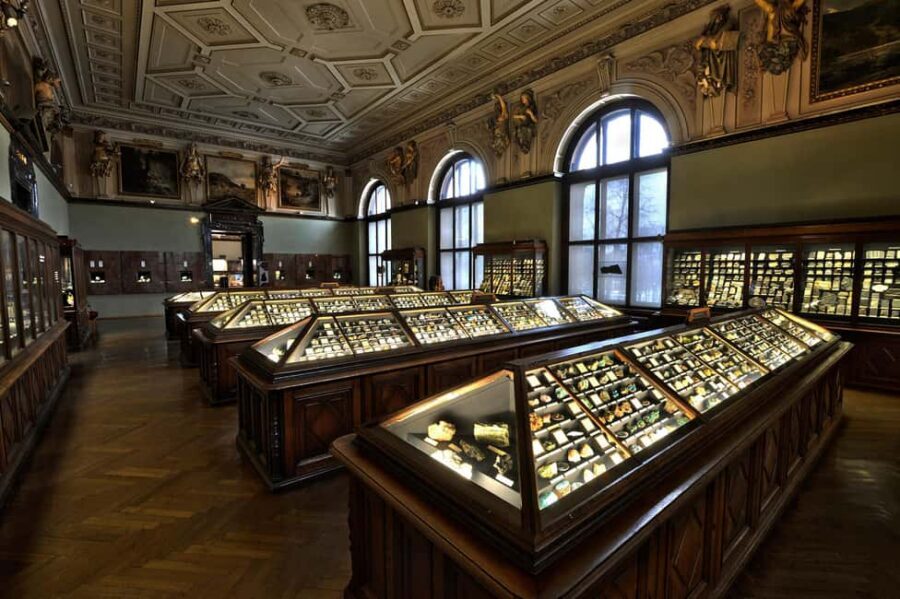
Some museum moments feel unexpected, and that’s a plus. One standout described in the museum’s collections is the gemstone bouquet, presented by Maria Theresa as a gift to her husband, Emperor Franz I Stephan of Lorraine. This isn’t just pretty. It’s a reminder that minerals weren’t only studied—they were also collected, prized, and used to express power and culture.
Pair that with the meteorite displays and the museum gives you two angles on the same material:
- Earth rocks and curated beauty
- Space arrivals and the physics of impact
That contrast is part of what makes the lower floor memorable.
Hallstatt’s prehistoric salt legacy: the human layer of natural history
The Hallstatt room is one of those places where you stop and think, because it connects natural resources to human lives. Here, you’ll see finds from the prehistoric mine and burial ground at Hallstatt. The museum highlights that 7,000 years of uninterrupted salt mining left behind a wealth of archaeological traces.
Salt is one of those resources that sounds ordinary until you remember what it means for survival, food preservation, trade, and settlement patterns. In this museum, that practicality turns into a story you can actually see in the exhibits.
Why this stop is worth protecting in your schedule
If your instinct is to focus only on the most famous things (like the Venuses or big fossils), Hallstatt can get skipped. I wouldn’t. It’s one of the best ways to keep the visit from feeling like only “stuff from the past.” It turns the Earth science into a story about people.
The Gold Cabinet: prehistoric metal finds that feel almost too real
If you want a visual reset from stones and bones, head to the Gold Cabinet. It features prehistoric gold and silver treasures, including what’s described as the second oldest gold find in the world.
This room is a good reminder that natural history museums don’t only show nature—they show how humans used the products of nature: metals, minerals, and materials pulled from the Earth.
Best mindset for this cabinet
Treat it like a time machine. When you look at metal objects, you’re not just seeing wealth. You’re seeing technology, labor, and choices—made in a world without modern mining and metalworking methods.
Upper floor animal world: living diversity, rare specimens, and extinction
After the lower floor, the upper level shifts the focus from deep time materials to the animal world. The museum’s upper floor presents the diversity of animal life, from simpler marine organisms to highly developed mammals.
You’ll also find mounted specimens of extremely rare animals and also extinct amphibians and reptiles, mammals, and birds. Many of these are described as historical treasures, which means you’re not just looking at modern interpretations—you’re looking at physical specimens that carry their own scientific and historic value.
How to enjoy this floor without getting tired
This level can feel like a gallery maze if you go too fast. I recommend choosing a few “tracks”:
- Start with one group you know you like (for example birds or reptiles)
- Then catch whatever else grabs your eye nearby
- Use signage to connect the exhibits instead of treating each one like a random stop
If you do that, you’ll still see plenty—and you’ll avoid the museum fatigue that hits when you try to do everything.
Rooftop view and the museum’s behind-the-scenes science
The best museum days usually include one payoff moment outside the exhibits. This museum offers the opportunity to take a guided rooftop tour and enjoy fantastic views of Vienna’s city center and the major buildings along the Ringstrasse. If it’s available during your visit, it’s a great way to reset after the intensity of centuries and fossils.
You should also know that the museum isn’t only about looking. Behind the scenes, 60 scientists work on cutting-edge issues in human, earth, and life sciences, including environmental and climate-related questions. Public-facing exhibits are built with that knowledge in mind, even though the day-to-day research work is largely hidden from visitors.
Why that detail changes how you see the displays
It makes the museum feel less like a static archive and more like an active institution. Even if you only spend a single day here, the “science engine” is still what shapes what you see.
Price and value: is $21 for a whole museum day worth it?
At about $21 per person for admission, this is strong value if you want a real museum experience rather than a quick photo stop. Here’s why.
You’re getting access to:
- A monumental building with historic significance (opened in 1889)
- Over 30 million objects as the foundation for the exhibits
- 39 exhibition halls across two floors
- High-demand highlights like the Venus Cabinet, plus meteorites, minerals, fossils, and major animal displays
Could you spend more than a day here? Absolutely, and the scale makes that easy. But for a one-day visit, the ticket gives you enough coverage to build your own “greatest hits” route.
When the value is best
This is especially worth it if you like museums where the setting matches the content. The exterior architecture isn’t a background detail—it’s part of the experience. If you’re also the type who enjoys prehistory and natural science mixed together, you’ll feel like the admission price was earned.
Who should book this museum ticket?
I think this ticket suits a few clear types of visitors:
- Families who want big visuals and a variety of topics in one place
- Visitors who like prehistory but also want minerals, fossils, and the animal world
- Anyone who enjoys architecture and wants the museum building itself to be part of the day
If you’re coming mainly for one narrow theme—like only dinosaurs—you might feel a bit scattered because the museum’s focus stretches far beyond any single category. Still, giant dinosaurs are part of the fossil displays, so it won’t be totally off the menu.
Should you book it?
Yes, I’d book this Natural History Museum Vienna ticket if you want a one-day visit that feels genuinely major. The value is strong because the admission gets you into a building packed with both world-famous highlights and deep, varied collections—minerals and meteorites, Venus figurines, prehistoric treasure rooms, and a top-floor animal world.
If you’re short on time in Vienna, pick a priority list (Venus Cabinet first, then one or two “theme blocks” on the lower floor, then the upper floor animals). Do that, and you’ll leave feeling like you got the point of the museum, not just a quick wander.
FAQ
How long is the museum ticket valid?
The ticket is valid for 1 day. You can check availability for starting times.
What’s included with the booking?
Your booking includes an admission ticket to the Museum of Natural History, Vienna.
How much does it cost?
The price listed is $21 per person.
Is the museum accessible for wheelchair users?
Yes, the activity is wheelchair accessible.
Can I cancel if my plans change?
You can cancel up to 24 hours in advance for a full refund.
What should I focus on if I only have one day?
Prioritize the Venus Cabinet, then spend time on the lower-floor Earth and human history displays, and finish with the upper-floor animal collection.