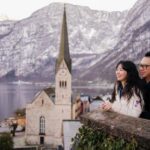
Two fairy-tale towns in one long day. This Austria Hallstatt and Salzburg day tour strings together Salzburg’s baroque music-world and Hallstatt’s lakeside postcard views, with guided stops plus time to wander on your own. You’ll start with an intro that ties the city to Mozart, then shift gears to a UNESCO-listed village where mountain backdrops meet the Hallstätter See.
I like two things a lot here. First, the group stays small (a max of 7), which makes it easier to hear the guide during the walk and still break off for your own pace. Second, the timing gives you real breathing room: about 3 hours in Salzburg and about 2 hours in Hallstatt, instead of just quick photo stops.
One consideration: it’s a 14-hour day with early pickup (start time 7:00 am), and lunch isn’t included. Also, because you’re on the road much of the day, if you’re sensitive to driving style, you’ll want to be mindful—one account raised concerns about aggressive driving.
In This Review
- Key things to know before you go
- What this day tour really feels like: long, scenic, and timed for two best stops
- Leaving Vienna early: the pickup, the ride, and how to stay comfortable
- Salzburg highlights: Mirabell Gardens, the Cathedral, and Mozart vibes that actually help
- Making your Salzburg free time count: what to do with 3 hours
- Hallstatt: how to enjoy 2 hours in the Pearl of the Alps
- Traunkirchen optional stop: what changes in warm seasons (and why winter is different)
- Price, value, and what’s not included: where your money goes
- Safety, comfort, and group size: how to make the day easier on yourself
- Should you book this Hallstatt and Salzburg day tour from Vienna?
- FAQ
- How long is the Hallstatt and Salzburg day tour from Vienna?
- What time does the tour start?
- Is pickup available?
- How much free time do I get in Salzburg and Hallstatt?
- Is Traunkirchen included?
- What is included in the price, and is lunch provided?
Key things to know before you go
- Small group (max 7): more comfortable for questions and easier to follow during guided parts
- Real free time in both towns: about 3 hours in Salzburg and 2 hours in Hallstatt to wander calmly
- Guided Mozart-era highlights: Salzburg Cathedral, Mirabell Gardens, and views toward Hohensalzburg Fortress
- Optional Traunkirchen stop is seasonal: it may appear in warm months, but not in winter
- Comfort perks included: air-conditioned vehicle, bottled water, and parking fees covered
What this day tour really feels like: long, scenic, and timed for two best stops
This is the kind of trip that works when you’re okay with a full day on your feet and on the bus. It runs about 14 hours, and you start early (7:00 am). The payoff is that you get two of Austria’s most famous settings in one shot: Salzburg first, then Hallstatt.
The structure matters. You get guided time when it’s most efficient—so you’re not wandering Salzburg without context—and then you get free time when photos and personal wandering matter. That mix is what makes a day like this worth it, especially if it’s your first time in the region and you want the highlights without planning.
Value-wise, the price of $239.80 per person can look steep until you add up what’s being handled for you. You’re paying for round-trip transportation from Vienna, an air-conditioned vehicle, parking fees, bottled water, and a guided introduction at Salzburg. Since lunch isn’t included, you’re also paying attention to meal planning (bring a snack, or plan to grab something in town during your free time).
Group size also affects the feel. With a max of 7, it’s easier to move together without that big-bus chaos. You still need to be ready for walking—Old Town streets and lakeside viewpoints are not where you want rollerblades or formal shoes—but this doesn’t read like a sit-and-glance tour.
If you’re trying to do Vienna plus Alps views in a single day, this is one of the more practical ways to pull it off without renting a car or trying to decode train times.
You can also read our reviews of more tours and experiences in Hallstatt.

Leaving Vienna early: the pickup, the ride, and how to stay comfortable
This tour is built around an early start. Pickup is offered, and you’ll begin at 7:00 am. That early timing is the trade-off that lets you cover Salzburg and Hallstatt in one day rather than spending the night.
On the comfort side, you’re not stuck with a bare-minimum vehicle. The tour includes an air-conditioned vehicle and bottled water, and parking fees are taken care of. Those sound like small perks, but on a long day they matter—especially if you’re traveling in warmer months.
Plan for the fact that you’ll be in transit quite a bit. The schedule gives you guided and free time, but the bus drive is the backbone of the day. Pack like it’s a small road trip: a light layer (weather can shift), sunglasses, and a small day bag for water and snacks. Since lunch isn’t included, have a plan for food. You’ll be in Salzburg long enough to stop for a meal or bite, and you’ll have time in Hallstatt too, but you don’t want to realize you’re hungry right as your free time begins.
One practical note: on a tight timeline, your ability to move quickly through each stop makes a difference. You’ll get guided introductions and then time to roam. If you like unplanned detours, build in a little flexibility. If you’re the type who has a photo route in mind, this tour is still workable—just know the clock is real.
And about driving style: you should feel safe and well-treated on any tour. One account highlighted unsafe feelings related to aggressive driving. I can’t predict how your departure will go, but I do suggest you stay aware, keep your seatbelt on, and trust your instincts. If driving intensity is a dealbreaker for you, consider an itinerary with more flexibility or a different transport setup.
Salzburg highlights: Mirabell Gardens, the Cathedral, and Mozart vibes that actually help
Salzburg is the warm-up act that sets the tone for the day. You’ll get a guided introduction with key sights, then time to explore the Old Town on your own.
The guided walk includes Mirabell Gardens, and you’ll connect it to The Sound of Music filming location there. That’s a fun anchor because it gives you a clear visual reference point: you’re not just looking at pretty garden lines, you’re seeing a place with famous movie memory attached. It’s also the kind of stop where you can enjoy a slow stroll, grab a few photos, and feel like you’re in the story before you hit the busier streets.
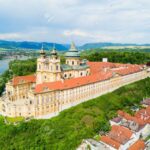
You’ll also visit Salzburg Cathedral as part of the guided portion. Even if churches aren’t your main interest, a cathedral stop helps you understand why Salzburg feels so grand. The city’s baroque feel isn’t accidental—it’s part of what makes walking the center enjoyable and gives the streets their rhythm.
Another part of the intro focuses on viewpoints toward Hohensalzburg Fortress. You don’t need to ride a funicular to appreciate that fortress feeling. Even seeing it from key angles helps you grasp how Salzburg was designed: city below, stronghold above. That context pays off later when you walk around and start noticing the sightlines.
The most valuable piece, though, is what comes after guidance: about 3 hours of free time in Salzburg. That’s long enough to do more than a snack stop and a quick square. It’s enough to get your bearings, wander toward the Cathedral area again if you want photos, and then choose a slower pace or a more efficient route depending on your style.
If your departure includes a guide like Adam (mentioned for being easygoing and clear), you’re likely to get explanations that make the streets make sense fast. If you end up with a guide like Martin (also noted for an excellent experience), you’ll probably appreciate the “let’s make this easy” approach that helps you enjoy your free time rather than feel rushed.
Making your Salzburg free time count: what to do with 3 hours
Three hours in Salzburg sounds like a lot—until you’re standing at the edge of a street you want to photograph from three angles. The good news is that 3 hours is the sweet spot. It lets you do Salzburg at a comfortable pace without feeling like the bus is breathing down your neck every five minutes.
Here’s how I’d use it.
First, start broad. Walk the pedestrian core and let the city guide you. Look for squares, fountain areas, and street views that point back toward the fortress direction you saw earlier. Since you’ll already have a guided sense of where things are, you’re less likely to zigzag unnecessarily.
Second, pick one “anchoring” experience. You already saw Mirabell Gardens on the guided side, but you might want to revisit for photos if the light is right. Or you might want to focus on the Cathedral area again. With a longer window, you can tailor the experience—don’t feel forced to do everything.
Third, plan your return to the meeting point with time buffer. In a popular city, small delays add up. Salzburg streets are charming, but they also mean you’ll stop for photos. That’s fine—just keep a mental clock so you don’t end up sprinting at the end.
What about food? Lunch isn’t included, so you have to budget either a meal or an efficient bite. If you prefer not to waste time hunting, you can aim for something simple during your Salzburg window and save your nicer meal for later. Even if you’re tempted by desserts, keep your energy up. The second half of the day in Hallstatt is very walk-and-look heavy.
Hallstatt: how to enjoy 2 hours in the Pearl of the Alps
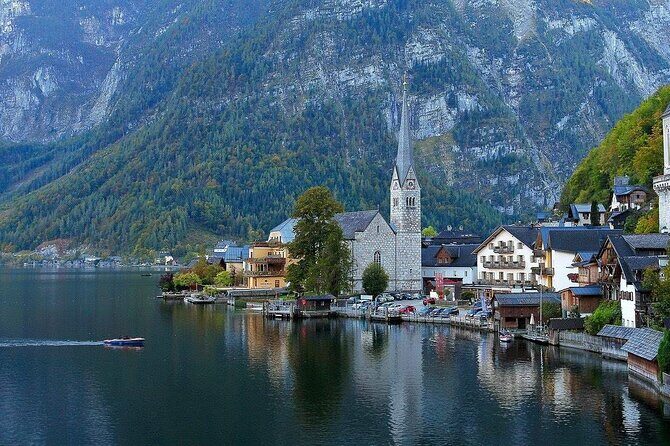
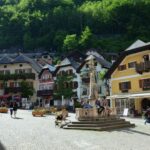
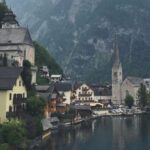
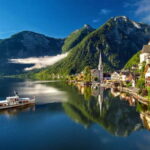
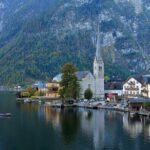
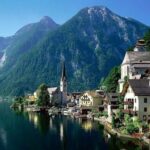
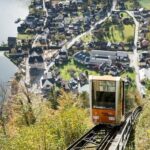
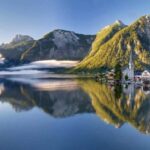
Then you transfer to Hallstatt, and the mood shift is immediate. Hallstatt is called the Pearl of the Alps and it’s a UNESCO World Heritage Site. It sits between towering mountains and the Hallstätter See, and the town design basically encourages you to slow down.
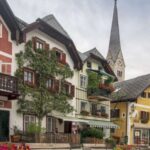
You’ll get about 2 hours of free time, which is a great amount for Hallstatt. It’s not enough to do every viewpoint and still relax like you live there, but it is enough to capture the classic narrow-street look, see traditional houses, and enjoy the lakeside scenery without feeling trapped.
Here’s the thing about Hallstatt: it rewards wandering. The narrow streets mean small changes in direction give you different photos. The lake means you can find a place to pause and just watch. Instead of trying to check off a list, think of your time as a sequence of short walks and photo stops.
If you’re going for pictures, give yourself permission to make mistakes. You’ll find that the first angle is rarely the best angle. Look for spots where the water and the village buildings both show up, then step one lane over and compare.
Also, consider your comfort. Hallstatt can involve uneven stones and steep-ish bits depending on where you walk. Wear shoes with grip. You’ll be thankful once you start aiming for a good lakeside view or a higher angle overlooking the town.
Two hours goes fast, especially if you love scenery and you can’t resist looking at every storefront. So decide early what your priority is: classic village photos, a lakeside pause, or a slower walk with fewer stops. The route will sort itself out as you go.
People often name Hallstatt as their favorite part of the day, and with good reason. This is one of those places where even a short visit feels cinematic.


Traunkirchen optional stop: what changes in warm seasons (and why winter is different)
Depending on the season and daylight, you may include an optional stop in Traunkirchen, on the shores of Lake Traunsee. This is a shorter stop—about 1 hour—and it’s meant as a calm add-on after the bigger Hallstatt hit.
The key detail: it’s not available during winter. The reason is simple—shorter daylight hours mean the day must focus on the main highlights: Salzburg and Hallstatt. So if you’re traveling in colder months, your day won’t include Traunkirchen, and you should plan your expectations around that.
If you do get Traunkirchen, treat it like a scenic breather. One hour is enough for quick photos, a short lakeside walk, and some time to reset your energy before the longer transfer points in the day. It’s not the kind of stop where you can wander for miles, but it can add variety: another lake view, another small Austrian feel, and a different angle on alpine scenery.
If you hate the idea of “maybe” stops, remember this tour is set up with seasonal flexibility. That’s normal for day trips in mountain regions, where weather and daylight can change the plan.
Price, value, and what’s not included: where your money goes
Let’s be practical about the $239.80 per person price. The tour isn’t cheap, but it bundles a lot of the effort that usually costs time (and sometimes money) when you DIY it from Vienna.
What you get included:
- Air-conditioned vehicle
- Bottled water
- Parking fees
- Guided introduction in Salzburg
- Mobile ticket (easy for entry)
- Transport day built around two major destinations
- Optional Traunkirchen depending on season/daylight
What’s not included:
- Lunch
When you’re paying for a day trip at this price, you’re really buying three things: convenience, coordination, and a small-group format. That’s especially valuable if you don’t want to navigate public transport between cities, manage schedules, and still arrive with enough daylight left to enjoy Hallstatt properly.
The lunch gap is the one part you control. I’d plan to budget for a meal or at least a solid snack early in the day. If you’re the kind of person who needs more than a quick bite, you’ll want to build time for a sit-down lunch during your Salzburg window.
Also, consider how you like to travel. If you enjoy guided orientation but want freedom after that, the format works. If you prefer slow travel, you may find the day feels compressed. This tour is best for people who want two famous places, one day, without the headache of planning transportation.
Safety, comfort, and group size: how to make the day easier on yourself
A tour is only as good as the day feels. This one can feel smooth if you stay organized.
The group limit of up to 7 travelers is a real plus. It reduces waiting, helps communication, and usually makes it easier for the guide to manage timing. It also tends to lower the chance you get separated or left behind, which is a common stress point on busier tours.
Comfort items included—bottled water and an air-conditioned vehicle—help you hold up through a long day. Still, you should pack for walking. Salzburg and Hallstatt both involve lots of foot time. Bring layers, wear grippy shoes, and keep your phone battery topped up if you’re chasing photos.
About the one notable complaint: one account described unsafe feelings due to aggressive driving. Because this is a road-heavy itinerary, driving behavior is part of your experience. If you’ve had issues with motion or driving intensity in the past, consider bringing a calm mindset to the ride: keep hydrated, sit back, and focus on the scenery. If driving style makes you uneasy, trust that early instinct and be ready to pause or adjust your expectations for future trips.
On the positive side, there’s praise for guides who keep things easygoing. Names like Adam and Martin come up with comments about being helpful and setting a good tone. You won’t control who you get, but you can take comfort that the tour style seems geared toward making the day feel manageable.
Should you book this Hallstatt and Salzburg day tour from Vienna?
Book it if you want a high-value day with two iconic stops, guided context in Salzburg, and enough free time to enjoy Hallstatt without feeling trapped. This tour fits best when you’re short on days in Austria and you want the big sights—Mozart-linked Salzburg, then the UNESCO-labeled fairytale look of Hallstatt.
Skip it or rethink it if you don’t handle long days well. At about 14 hours with an early start and no included lunch, you need energy and patience. Also, if you’re very sensitive to driving style, consider whether a day trip like this is right for you, since a road-heavy itinerary can’t fully separate the ride from the experience.
If you do book: I’d treat Salzburg as your orientation stop and Hallstatt as your photo-and-pause stop. Bring snacks for between-meal gaps, wear comfortable shoes, and give yourself permission to wander rather than hit every possible spot like it’s a checklist. With that approach, you’ll come away with exactly what this kind of tour promises—two very different Austrian moods in a single day.
FAQ
How long is the Hallstatt and Salzburg day tour from Vienna?
It runs about 14 hours.
What time does the tour start?
The start time is 7:00 am.
Is pickup available?
Yes, pickup is offered.
How much free time do I get in Salzburg and Hallstatt?
You get around 3 hours of free time in Salzburg and about 2 hours in Hallstatt.
Is Traunkirchen included?
Traunkirchen is optional and seasonal. It may be included in warmer seasons when daylight allows, but it’s not available during winter.
What is included in the price, and is lunch provided?
Included are bottled water, an air-conditioned vehicle, and parking fees. Lunch is not included.