REVIEW · HALLSTATT
Hallstatt Private Walk Tour
Book on GetYourGuide →Operated by Travmonde OÜ · Bookable on GetYourGuide
Hallstatt can feel like a movie set. This private 90-minute walk connects Neolithic, Bronze Age, and Iron Age Hallstatt culture to the town you see today, with an expert guide at your side. I especially like the way the tour moves through the town’s key spots while keeping the story anchored in real places, and I like that the pace is flexible for a private group.
One thing to plan for: the walk runs only 90 minutes, so you’ll get a strong overview rather than a long, slow “study tour,” and entrance fees for any specific sites are not included.
In This Review
- Key things that make this Hallstatt walk worth it
- Hallstatt’s main idea: prehistory to Iron Age, right in town
- Starting at the Franz Josef I monument: a simple, easy-to-find launch
- Neolithic and Bronze Age wonders: why the earliest layers matter
- The market and church stops: where everyday life meets old power
- Iron Age Hallstatt culture explained in walking terms
- La Tène culture: seeing what comes after Hallstatt
- Salt mine focus: why the story matters even without entrance tickets
- Private group value: how $289 can work out well
- Guide quality signals: clear English/German and good group read
- What to bring and how to enjoy the pace
- Who should book this Hallstatt private walk
- Should you book this private Hallstatt walk tour?
- FAQ
- How long is the Hallstatt Private Walk Tour?
- Is this tour private?
- What languages are available?
- Where do we meet?
- Are entrance fees included?
- Can I cancel for a full refund?
Key things that make this Hallstatt walk worth it
- A timeline you can walk through: from Neolithic and Bronze Age hints to European Iron Age and La Tène culture
- Expert guide attention, not a crowd: local guide stays with your group only
- Iconic town stops in one loop: market, church, and the salt mine story
- Clear explanations in English or German so details land fast
- Great value for groups up to 15 at a single group price
Hallstatt’s main idea: prehistory to Iron Age, right in town
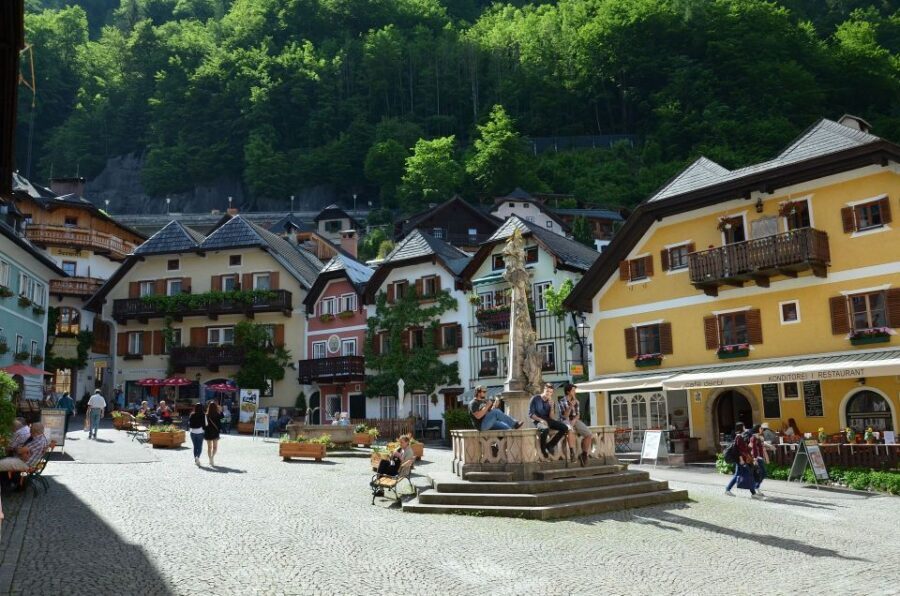
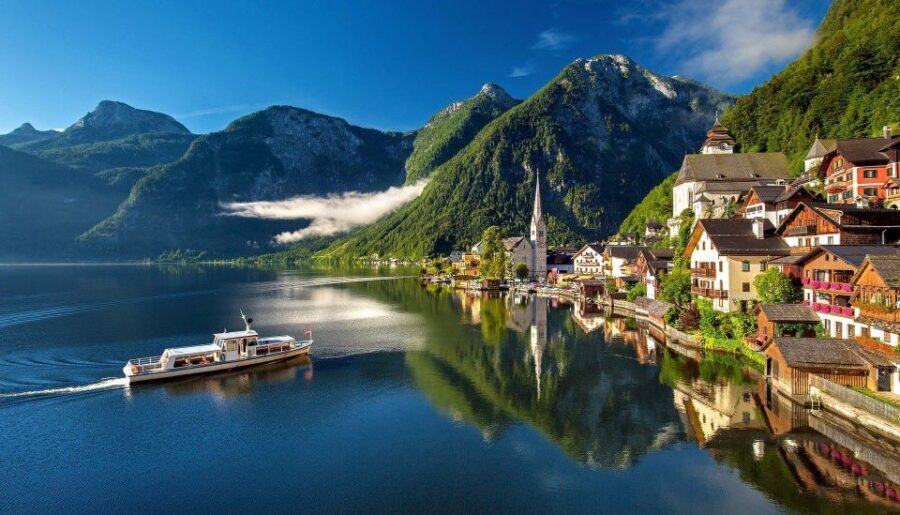
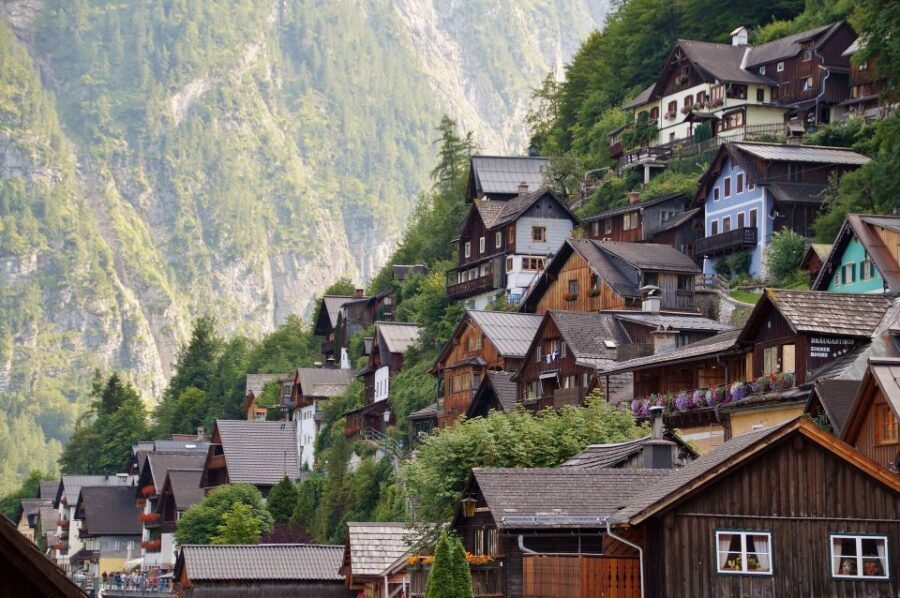
Hallstatt is one of those places where scenery does half the selling. The lake sits close, the mountains frame the view, and the town is packed into a narrow strip of land. But what makes this tour different is that it doesn’t treat Hallstatt as just a pretty backdrop. It uses the town’s most recognizable spots as signposts for how people lived here thousands of years ago.
The experience is designed like a guided walk with a “time machine” feel. You’re not chasing artifacts in a museum. You’re learning why Hallstatt matters—especially during the start of the European Iron Age when the Hallstatt culture took shape. From there, the story expands into La Tène culture, letting you see how Iron Age identity shifted across Central Europe.
This is also why the guide matters so much. A good guide doesn’t just recite facts. They help you connect street-level details to big cultural changes—trade, power, and survival in a mountain-lake setting.
You can also read our reviews of more walking tours in Hallstatt



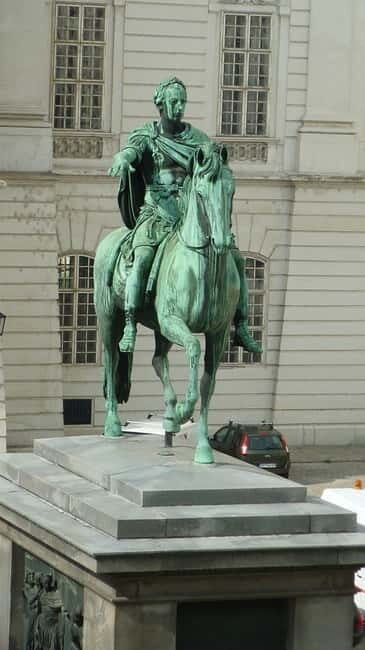
Starting at the Franz Josef I monument: a simple, easy-to-find launch
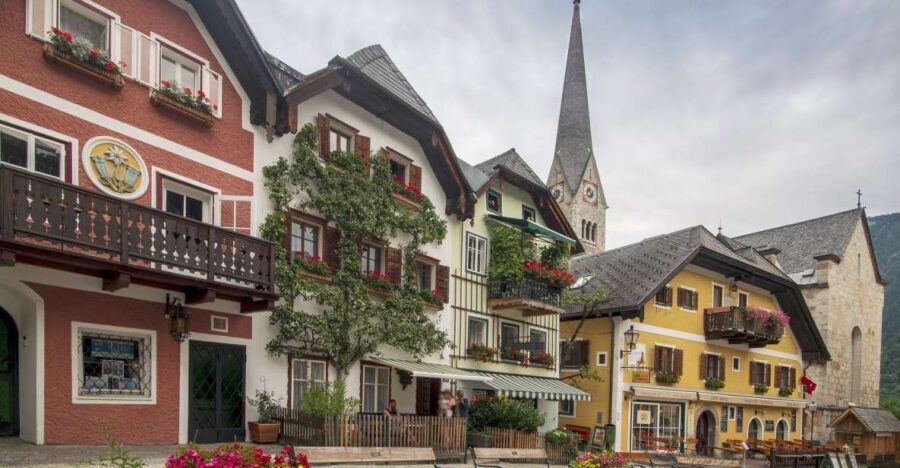
Your meeting point is the Franz Josef I monument on Hallstättersee Landesstraße, 4830 Hallstatt, Austria. That matters more than you might think. In older towns like Hallstatt, it’s easy to waste time wandering before a tour even starts. Starting at a clear landmark helps you get moving quickly.
From that point, the walk is set up for “see-and-understand.” You’ll get turns and stops that match how the town is laid out: between water and mountain, with views that naturally pull your attention back to the setting. Bring comfortable shoes because you’re on foot and you’ll want steady footing for uneven sections and changes in grade.
Neolithic and Bronze Age wonders: why the earliest layers matter
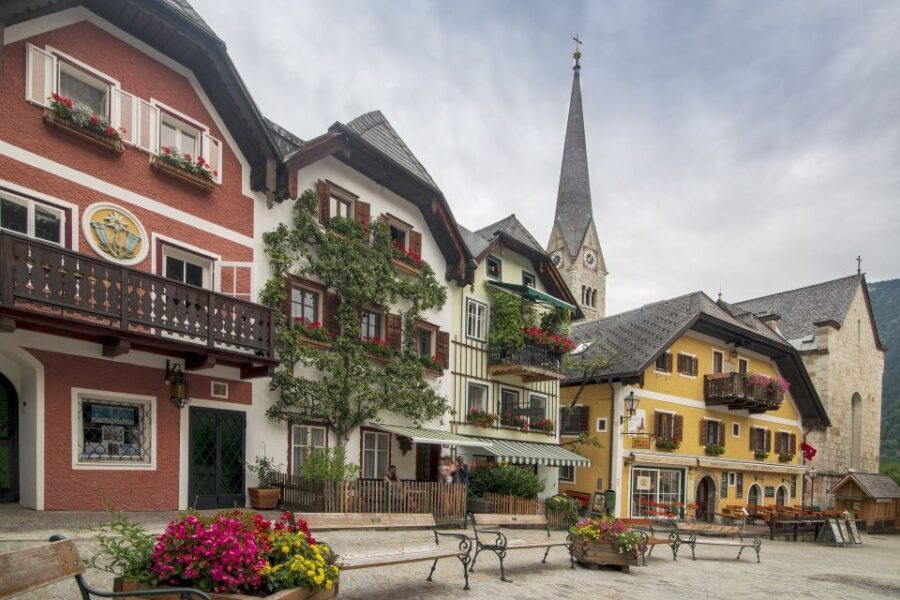
Even though the famous spotlight is Iron Age Hallstatt culture, the tour begins earlier. Expect the guide to point out Neolithic and Bronze Age connections—basically the human groundwork that comes before the big Iron Age story takes over.
Why this early-prehistory part is worth your time:
- It gives context for why later cultures could thrive here.
- It helps you understand that Hallstatt wasn’t invented in the Iron Age. People were already thinking long-term about land, resources, and routes.
- It makes later references feel less random. When the guide gets to Iron Age Hallstatt culture, you’ll have a clearer mental timeline instead of a list of names.
You don’t need a degree in European prehistory to enjoy this. The value is in having someone translate the timeline into a walk you can follow.
The market and church stops: where everyday life meets old power
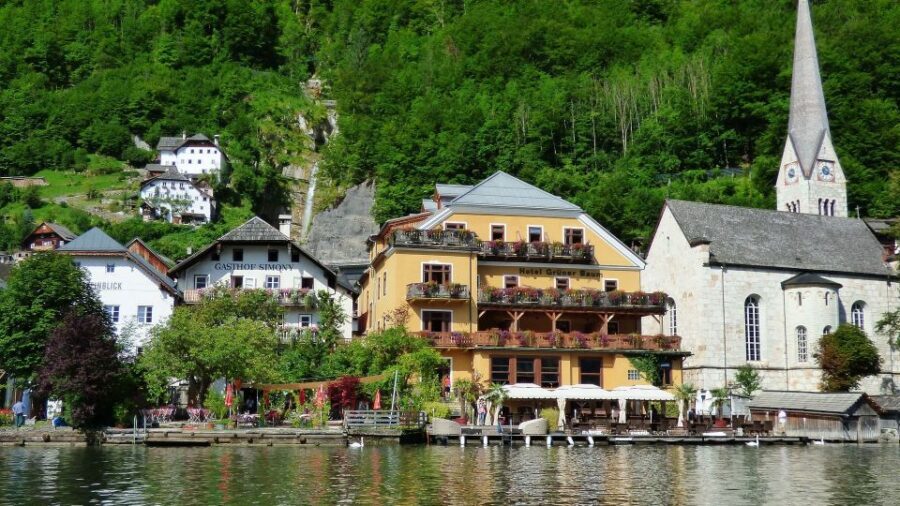
One of the best parts of this kind of private walk is that you get to look at the town’s visible “anchors” with fresh eyes. The tour includes time at the market and the church, and those stops do more than provide photos.
Here’s what you can expect from these town-center moments:
- The market area is a chance to talk about how community life works in a compact lakeside town. Even without naming every historical trader, the guide can explain what a market location means in terms of gathering, exchange, and local importance.
- The church stop helps you understand how later eras built meaning onto older places. In Europe, sacred buildings often sit in spots that feel important even when the original reasons are long gone. A guide can help you separate what’s visible today from what made the area matter in earlier centuries.
The tour is paced so you can enjoy the setting while also hearing how the town’s layout and landmarks tie back into bigger historical patterns.
Iron Age Hallstatt culture explained in walking terms
This is the core of the experience: uncovering the European Iron Age and the unique Hallstatt culture tied to this region. The “magic” of Hallstatt is partly that it shows up in your mind as a complete story—people, location, and resources—rather than as isolated trivia.
During this part of the walk, the guide’s job is to make the Iron Age feel tangible. That usually means:
- Linking cultural identity to geography: lake access, mountain routes, and how a narrow town strip concentrates people and resources.
- Explaining the shift from earlier periods into the Iron Age. When you understand what changes, it’s easier to understand why La Tène becomes relevant next.
- Turning history into interpretation you can carry through the rest of your time in Hallstatt, so the town keeps teaching you after the walk ends.
The private format also helps. With just your group, the guide can slow down when something clicks, or speed up when you’re ready for the next idea. That kind of adjustment is hard in a big mass-group tour.
You can also read our reviews of more private tours in Hallstatt




La Tène culture: seeing what comes after Hallstatt
After the Hallstatt culture storyline, you’ll move into the wider European picture—specifically La Tène culture. The aim here isn’t to turn the walk into a textbook. It’s to show the next stage of Iron Age cultural development and why it matters in the broader region.
For you as a visitor, La Tène is useful because it gives you a “then what” moment. Instead of thinking Hallstatt is a single chapter frozen in time, you learn how cultural influence and identity evolved.
If you like history that you can summarize to friends later, this is where you’ll feel it working. The guide’s explanations (in English or German) should help you place La Tène as a continuation and contrast, not a random add-on.
Salt mine focus: why the story matters even without entrance tickets
The tour includes the salt mine in the mix, but the fine print is important: entrance fees are not included. So don’t expect a full-ticket underground visit as part of this price.
What you’ll likely experience instead is a guided walk-through of the salt mine’s meaning and connection to the town. That’s still worthwhile. Salt wasn’t just seasoning. In many periods, salt was tied to preservation, trade, and economics—meaning it could shape who held power and how towns developed.
Why I like this approach for a 90-minute tour:
- It gives you the key context without asking you to spend extra time in a separate booking process.
- It helps you understand what you’re looking at if you later decide to visit the salt mine area in more depth on your own.
If salt history is your thing, you’ll leave with a clearer sense of what to explore next. If you’re less into minerals, you’ll still come away understanding why Hallstatt became so important for so long.
Private group value: how $289 can work out well
The price is $289 per group for up to 15 people, for a duration of 90 minutes. On paper, it sounds “premium,” but private walking tours often become a value win when you’re not traveling solo.
Here’s the math in plain terms:
- With 15 people, you’re at about $19 per person.
- With 10 people, you’re at about $29 per person.
- With 2 to 4 people, it’s more expensive per head, like most private experiences.
So who gets the best deal? Families, small groups of friends, or anyone who can fill the group size. If you’re traveling with a larger party, this tour can feel like you’re buying a guided education while also getting the flexibility of a smaller pace.
Also, the tour includes a local guide who stays with your group only. That’s a big quality difference versus mixing with strangers on a fixed schedule.
Guide quality signals: clear English/German and good group read
The guide experience shows up strongly in the feedback attached to this tour. The name Christiana appears in multiple high-rating comments, with people highlighting how well she explains and how easy her style is to follow. One comment praised how much was shown and seen, and another noted her ability to adapt to the group and the situation.
That last part is practical: Hallstatt can be visually overwhelming at first. Good guiding helps you focus. You don’t just look at the town; you learn how to read it.
With live guidance in English or German, you also avoid the frustration of trying to translate history while walking uphill with your phone at max brightness.
What to bring and how to enjoy the pace
This is a walking tour, so plan like one. Bring comfortable shoes, and wear clothes that handle changing lake-and-mountain air. You’ll get enough time outdoors to enjoy the views without treating it like a full hike.
A simple tip: keep your expectations aligned with the format. Ninety minutes is a concentrated highlight reel. Think of it as a guided overview that makes your later exploring more meaningful, not as a full deep study of every site.
If you want a mix of scenery and meaning, this is a strong length. If you want hours of museum-grade detail, you’ll likely want to pair it with other time in town.
Who should book this Hallstatt private walk
I’d point you toward this tour if:
- You want history you can actually see on the ground, not just read later.
- You’re traveling with a group and want real private guide time.
- You care about the transition from early periods into the Iron Age, including La Tène.
- You like expert explanations that stay clear and easy to follow in English or German.
It’s also a good choice if you’re short on time but still want a meaningful experience. Hallstatt can pull you into wandering. This tour gives that wandering a storyline so you come away with more than photos.
Should you book this private Hallstatt walk tour?
Yes, if you want the town’s most famous themes—Hallstatt culture, Iron Age context, and salt mine significance—explained in a way that fits into a single, manageable outing. The private format is where the value really clicks, especially for groups that can spread the group price across more people.
Book it if you like guided interpretation as much as views. Skip it (or plan extra time) if you want a long, ticketed deep visit inside specific attractions, since entrance fees aren’t included and this is a 90-minute walk.
If you’re ready to turn Hallstatt from a pretty postcard into a place with an understandable timeline, this tour is a solid bet.
FAQ
How long is the Hallstatt Private Walk Tour?
The tour lasts 90 minutes.
Is this tour private?
Yes. It’s a private group, and the local guide will be with your group only.
What languages are available?
The live tour guide is available in English and German.
Where do we meet?
You meet at the Franz Josef I monument, Hallstättersee Landesstraße, 4830 Hallstatt, Austria.
Are entrance fees included?
No. Entrance fees are not included.
Can I cancel for a full refund?
Yes. You can cancel up to 24 hours in advance for a full refund.