REVIEW · VIENNA
Cesky Krumlov and Wachau Danube Valley Tour from Vienna
Book on Viator →Operated by 7 TRAVEL · Bookable on Viator
A two-country day with just enough time. This tour blends Wachau Valley viewpoints and villages with a guided UNESCO walk through UNESCO Český Krumlov, plus stops that make the Danube feel very real, not just postcard-flat. My favorite part is how the day moves from river charm to big Baroque awe to a medieval town you’ll want to photograph from every angle. One thing to watch: it’s a long ride day, so each stop is brief and you’ll be moving at a steady pace.
The setup is smooth from the start: Vienna hotel pickup and drop-off, an English-speaking guide, and a climate-controlled coach. You’ll start at a clearly marked Vienna meeting point near the State Opera area, then head out with a few facts about Austria along the highway. It’s also a small-group feel for this kind of itinerary, with a maximum of 50 people, but there’s no included food and no Wi-Fi on board, so you’ll plan for snacks and offline maps.
In This Review
- Key things to know before you go
- Vienna pickup, meeting point, and the long-drive reality
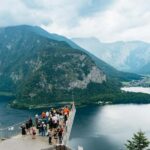
- Wachau Valley start: Dürnstein on the Danube
- Melk Abbey: Baroque grandeur with a time limit
- The coach ride through Wachau: use it for orientation
- Crossing toward the Czech Republic
- Český Krumlov UNESCO tour: castle views and town-square focus
- Pacing and meals: what to do with the gaps
- Price and value: is $168.09 a smart use of your time?
- The guide experience: what makes the day feel smooth
- Who this tour suits best (and who should skip it)
- Should you book the Cesky Krumlov and Wachau Danube Valley tour from Vienna?
- FAQ
- Where do I meet for this tour?
- What time does the tour start?
- Is hotel pickup and drop-off included?
- What language is the tour offered in?
- Are admission tickets included?
- How long are the stops?
- Is food or drink included?
- Is Wi-Fi available on the bus?
- Do I need ID or a passport?
- How many people are in the group?
Key things to know before you go
- Hotel pickup in Vienna makes the morning less stressful than meeting by yourself
- Wachau Valley stops are timed tightly (30 minutes Melk, 45 minutes Dürnstein) so you can see both countries
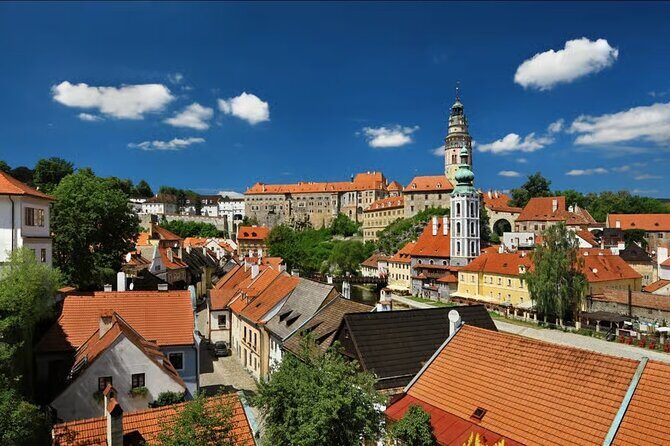
- Český Krumlov gets the heavy time with about 3.5 hours in town for the guided UNESCO highlights
- Free admission tickets are included for the stops listed on the itinerary
- No Wi-Fi and no included meals means bring a plan for lunch and directions
Vienna pickup, meeting point, and the long-drive reality
This is a classic full-day “see a lot without doing research” outing. You’ll be picked up at your hotel in Vienna and returned afterward, so you don’t have to deal with buses or trains mid-day. The tour runs roughly 13 hours total, and you cover about 470 km by motorway on the day.
Here’s the practical bit: even with quick stops, the day is built around driving time. The tour notes about 7 hours of driving with multiple stops, plus time on foot in each place. So if you hate long coach days, this might wear you down. If you can handle a big day, it’s a great way to tick two major destinations off your list without booking separate tours.
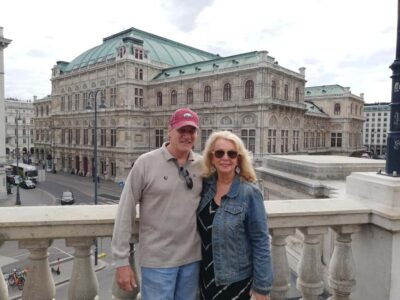
The morning start is specific. You meet at Tourist Info Wien, Albertinaplatz 2, behind the State Opera theatre. You can get there via the subway stations at Karlsplatz (U1, U2, U4). The instructions say not to look for a bus—look for the entrance with big letters TOURIST INFO. Showing up a few minutes early matters here, since the day is structured.
You can also read our reviews of more tours and experiences in Vienna.
Wachau Valley start: Dürnstein on the Danube
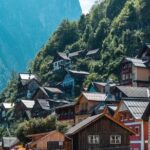
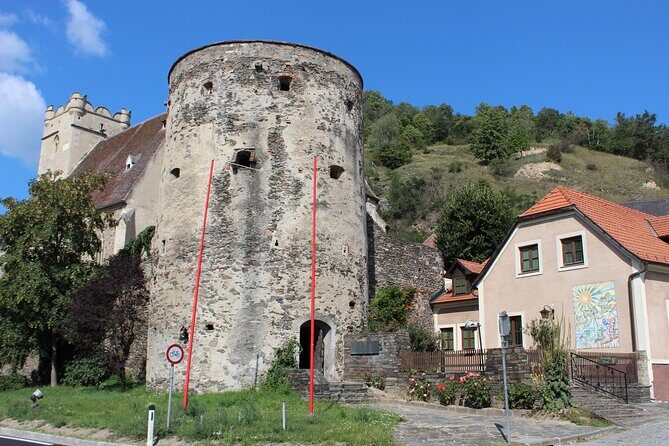
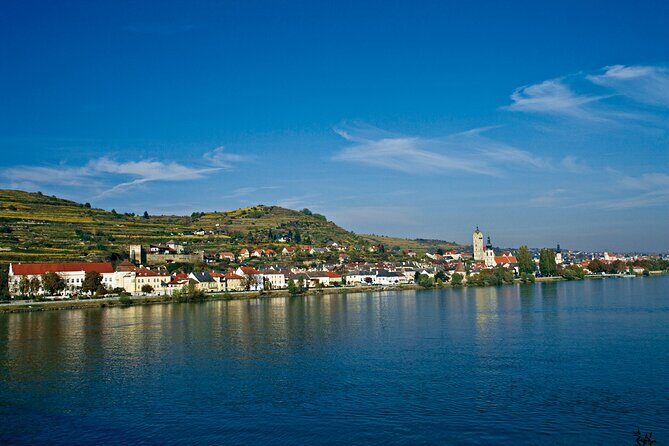
Dürnstein is the first taste of why the Wachau Valley is famous. You arrive by coach, then step into a compact medieval town along the Danube. The time on the ground is about 45 minutes, so you’re not there to wander for hours—you’re there to see the key sights and enjoy the river atmosphere.
Expect a guided stroll that typically includes:
- the Danube shoreline views
- castle ruins connected to William the Lionheart (the itinerary notes he was held captive there)
- time to browse small shops selling chocolate and schnapps
One detail that helps your mental map: there’s a riverside viewpoint where river cruise boats turn around. Even if you’re not on a cruise, that gives you a sense of how much traffic moves through the Danube corridor here. The town is also known for a blue Baroque church tower, which is the kind of landmark you can spot from different angles as you walk.
Because the stop is short, I suggest you prioritize. If you’re the type who needs “one perfect photo,” aim for one riverside viewpoint and one main street shot, then move on. In a place this small, doing too many detours is how you end up looking at the town from the edge instead of the best spots.
Melk Abbey: Baroque grandeur with a time limit
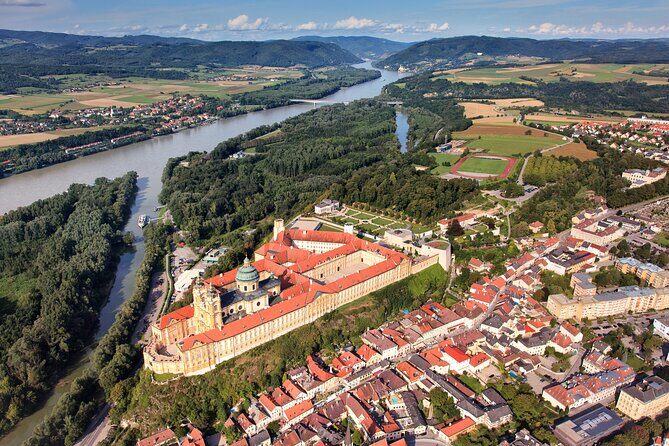
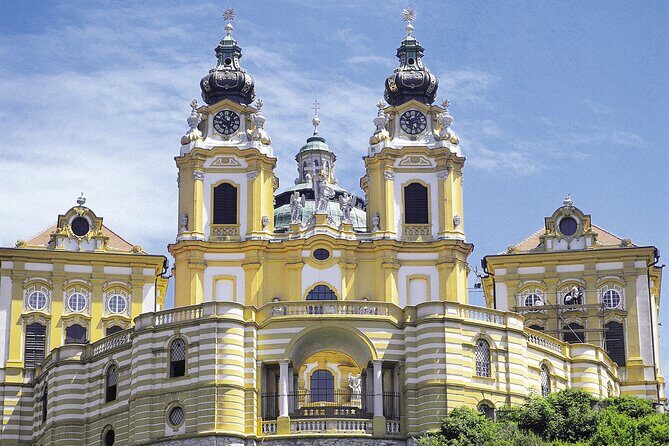
Next comes Melk Abbey, and this is where your eyes start believing in Austrian Baroque. The stop is around 30 minutes, and the itinerary is clear that you’ll have time to see the abbey’s interior—though with limited time, it’s more a guided overview than a slow, full-site experience.
The abbey sits on a rocky outcrop above the Danube, which means you’re not just entering a building. You’re getting the dramatic positioning that made it such an important landmark in the region. You’ll also be looking down toward the river as you go, so even quick stops feel like a shift in scale.
Melk itself also gives you a smaller-town break. The notes describe colorful buildings, quaint shops, and cozy cafés in the historic center. With only 30 minutes, you’ll likely do a quick look around and return to the abbey focus, rather than treating Melk like an evening destination.
If you care about architecture, plan your attention. In a short visit, you’ll get more satisfaction by spotting key features (the abbey setting, main interior highlights) rather than trying to cover every corner. This stop is designed to give you the “wow” quickly.
The coach ride through Wachau: use it for orientation
A big part of the value here is what happens between stops. The itinerary includes a bit of learning while you drive—facts and figures about Austria and local customs—so the trip doesn’t feel like empty transit.
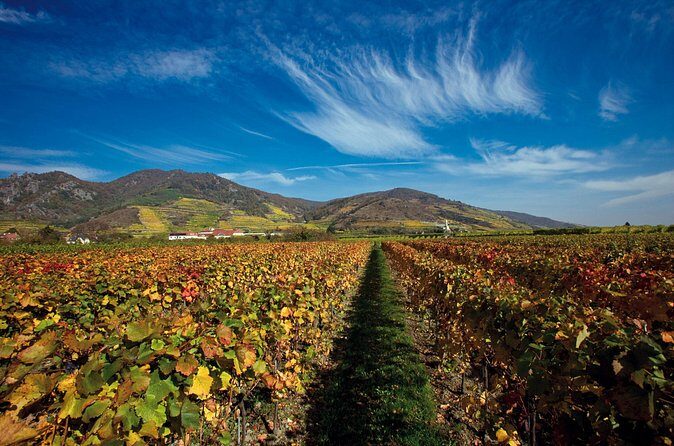
Your guide also points out scenic spots along the way, plus gives a historical overview of the Austrian and Czech areas you pass. That matters because the Wachau isn’t just a pretty corridor. It’s a corridor of hills, vineyards, and hillside towns that grew around trade and river access. When you hear the context while you’re looking out the window, the buildings and hilltop sites start making sense faster.
One more practical note: since you’re covering long distances, the coach ride windows are part of the experience. If weather is clear, this is when the Wachau viewpoints can look especially strong. If you’re seated on the wrong side, you may not get the best angles, but the guide will help you catch the key views anyway.
And since there’s no Wi-Fi on board, think ahead. Download offline maps and transit directions before you go, and save any “where to eat later” tabs for after you’re back in town.
Crossing toward the Czech Republic
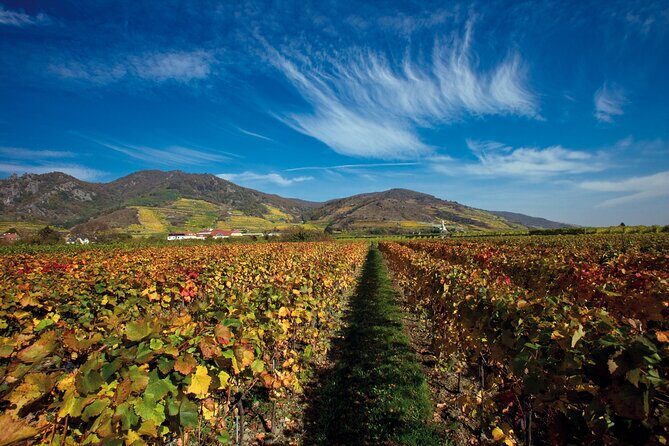
After Dürnstein, you keep moving. The itinerary describes the shift as you leave the Wachau Valley: rolling vineyards, then more forested hills and quiet countryside. As you approach the border, the surroundings become more wooded and rural, and once in South Bohemia, you’ll see farmland, villages, and historic towns.
This drive segment is more than scenery. It helps you understand why Český Krumlov feels like a different world when you arrive. Austria and the Czech Republic share a lot of Central European history, but the feel changes—how towns sit in the hills, how streets are laid out, and how the architecture reads at walking speed.
If you like the idea of getting “the lay of the land” before walking tours, this coach time earns its place.


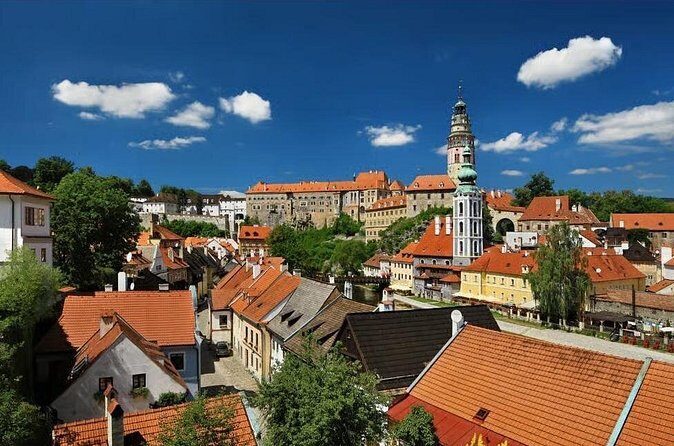
Český Krumlov UNESCO tour: castle views and town-square focus
Český Krumlov is the day’s biggest payoff. You get about 3 hours 30 minutes there, and the tour includes a guided walkthrough of UNESCO-listed landmarks.
The itinerary frames the town as a visual layout:
- a magnificent castle as the crown
- a town square that radiates outward
- medieval streets where the town’s architecture helped it earn UNESCO status
What you can expect during your guided time:
- a look at the château and the castle complex from the town’s higher vantage points
- strolling through the chateau garden, described as combining elements of English park and French royal garden styles
- moving among burghers’ houses (the kind of streetside buildings that make the town look like it didn’t modernize)
You’ll also be guided through the core walking areas for roughly 1.5 hours, then you’ll have time to wander and handle lunch on your own. The time is structured so you don’t feel rushed the entire visit.
Because it’s a medieval town, expect stairs, slight gradients, and a lot of turning corners. In 3.5 hours, you can still get in a good “route” if you keep your pace steady. A useful strategy: let the guide show you the major sights, then use your free time to revisit one area for photos or browsing.
And yes, Český Krumlov is famous for being photogenic. But the real value of a guided first pass is that the town stops being just pretty. You learn what to look for: where the castle’s influence shows up in the layout, and why the town’s center works like a hub.
Pacing and meals: what to do with the gaps
This is a long day, so your best move is to treat it like a schedule, not a flexible itinerary. You have brief guided and short free moments at each stop, with most of your walking happening in Dürnstein and Český Krumlov.
Food and drink aren’t included. There’s no Wi-Fi on the bus, so you’re not going to rely on quick app checks for restaurant hours or directions mid-day. This tour can still work well if you plan a light breakfast before pickup, then carry snacks to bridge the gaps. In Český Krumlov, your free time lines up nicely for a late lunch around the town’s main square area.
Also, since Melk gets about 30 minutes, don’t expect a full, slow abbey experience. Think quick highlights and a look inside, not a deep, hour-by-hour exploration. If you want more time at one place, this itinerary isn’t designed to “linger.” It’s designed to get you from one standout to another.
Group size is also part of the pacing. This tour can hold up to 50 people, which is big enough that you’ll often move in a managed flow, not a casual stroll. Still, it’s not a huge megabus group. You’ll usually be able to hear the guide and keep up with the plan.
Price and value: is $168.09 a smart use of your time?
At $168.09 per person, you’re paying for a full-day package: Vienna hotel pickup and drop-off, English guiding, a climate-controlled vehicle, and included transport covering about 470 km. You also get free admission tickets for the stops listed on the itinerary.
Is that value? For me, it depends on what you’d do instead:
- If you were thinking of squeezing Wachau and Český Krumlov into separate bookings, this bundle saves time and coordination.
- If you wanted a river cruise, this doesn’t replace it fully. But it does get you the Wachau village feel and the standout UNESCO walking experience in Český Krumlov.
- If you’re staying in Vienna and don’t want to plan cross-border logistics, hotel pickup alone is a real time saver.
Where the cost doesn’t “magically” solve everything is the biggest constraint: time. You can’t get marathon experiences in a 13-hour day. So you’re buying scope—more places seen—rather than maximum depth at a single site.
The flip side is that this tour can be a great first pass. If you fall in love with one town, you can always come back later for a slower, more detailed visit.
The guide experience: what makes the day feel smooth
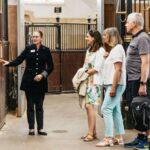
A tour is only as good as the human thread connecting the sites, and the itinerary here relies heavily on guided walking and timing. You’ll be guided through key sights at Dürnstein and Český Krumlov, and your coach guide provides context while you drive.
From the experience setup, there can also be guide handoffs on the ground at Český Krumlov, with local guidance playing a big role there. In one case, a local guide named Esther led the walk through the castle and town core. On the Vienna-to-journey side, a driver named Vadim was highlighted as on-time and organized. Another guide named Elena was praised for care and strong knowledge during the trip.
You don’t need to chase names, but it tells you something important: the experience is designed around real guiding, not just dropping you off at landmarks and wishing you luck. That’s a key reason this kind of day trip can feel worth it instead of chaotic.
Who this tour suits best (and who should skip it)
This tour is a strong fit if:
- you want both Wachau and Český Krumlov in one day from Vienna
- you like guided walking tours that help you see what matters
- you’re comfortable with a long driving day and limited stop time
You might want to skip or consider a slower option if:
- you hate bus rides and prefer one place at a time
- you’re the type who needs an unhurried, full-on abbey visit
- you’re planning meals carefully and don’t want to manage food on your own
Comfort items help: wear walking shoes, and bring a light layer. The day spans multiple settings, from riverside air to abbey interiors to medieval streets where the sidewalks feel more old-world than flat-city.
Should you book the Cesky Krumlov and Wachau Danube Valley tour from Vienna?
I’d book it if you’re trying to maximize your Vienna base and you want a single day that hits big-sight hits: Danube village charm, Melk Abbey’s Baroque punch, and a guided UNESCO walk through Český Krumlov with enough time to breathe and eat.
I’d hesitate if you’re craving deep, unhurried time at any one stop. This itinerary is about coverage and momentum, not leisurely wandering from café to café for hours in one place.
If you do book, your best move is simple: treat it like a guided highlight tour. Plan snacks, double-check the meeting point near TOURIST INFO, and use Český Krumlov time to your advantage by arriving mentally ready to walk.
FAQ
Where do I meet for this tour?
You meet at Tourist Info Wien, Albertinaplatz 2 (behind the State Opera). The instructions say to look for the entrance with big letters TOURIST INFO and not to look for a bus.
What time does the tour start?
Start time is listed as 8:00 am, with arrival at the meeting point requested around 7:50 am.
Is hotel pickup and drop-off included?
Yes. Hotel pickup and drop-off in Vienna are included.
What language is the tour offered in?
The tour is offered in English.
Are admission tickets included?
The itinerary lists admission tickets as free for the stops noted (Melk, Dürnstein, and the Český Krumlov city visit).
How long are the stops?
The tour notes approximately 30 minutes in Melk, 45 minutes in Dürnstein, and about 3.5 hours in Český Krumlov.
Is food or drink included?
No. Food and drink are not included.
Is Wi-Fi available on the bus?
No Wi-Fi is available on the bus.
Do I need ID or a passport?
Yes. A valid passport or ID card and health insurance are compulsory for the tour.
How many people are in the group?
The tour has a maximum of 50 travelers.