REVIEW · VIENNA
Vienna: Vienna under the Nazis, Private Walking Tour
Book on GetYourGuide →Operated by David Sterrer · Bookable on GetYourGuide
Vienna under the Nazis is the opposite of an imperial glamour tour. You walk past places tied to power, persecution, and public memory, and you come away with a sharper sense of how everyday life was shaped between 1938 and 1945.
I especially like the tour’s framing: it isn’t built as a moral lecture. It’s focused insight, with a guide who can tailor the story to what you care about. One drawback to consider is that this is a serious subject, and the route includes heavy memorials and war damage, so it may not feel light or uplifting.
In This Review
- Key moments on Vienna under the Nazis
- Why Heldenplatz changes how you see Vienna
- Hofburg to Kohlmarkt: seeing “aryanization” in real addresses
- Am Hof to Judenplatz: resistance and memory side by side
- The Danube Canal area and the Gestapo HQ remnant
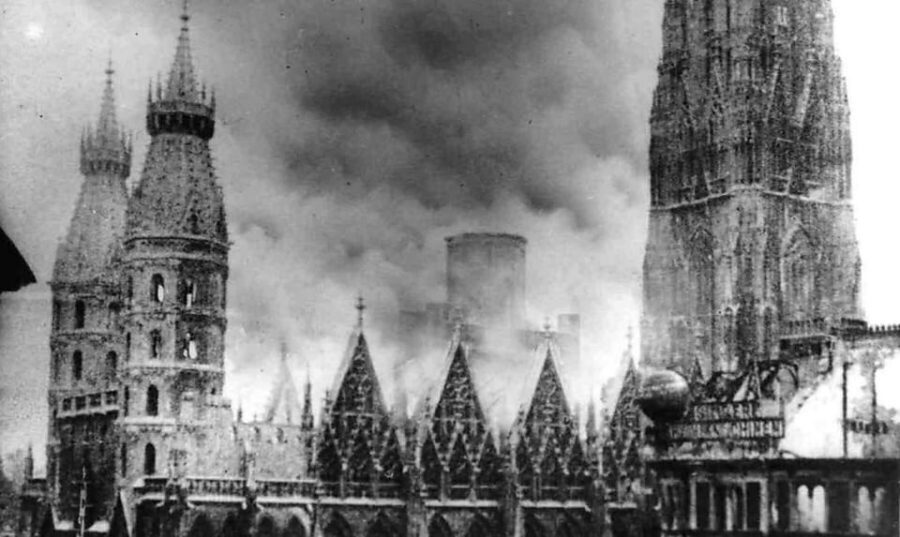
- Hoher Markt to St. Stephen’s Cathedral: war damage as a reminder
- A building of organization and control in the old town
- Ending at the Albertina and Vienna’s anti-war monument
- The guide matters: David Sterrer and how customization can help
- Price and value for a private 150-minute walk
- Who this tour suits best (and who should skip it)
- Should you book Vienna under the Nazis?
- FAQ
- How long is the tour?
- Where do we meet?
- Is this tour private?
- What language is the live guide?
- Who is the tour guide?
- What does the tour focus on?
- Is the tour a moral lecture?
- How much does the tour cost?
- Is there free cancellation?
- Is pay later available?
Key moments on Vienna under the Nazis
- Heldenplatz and Hitler’s balcony scene: where Vienna’s political transformation became public theater
- Hofburg to Kohlmarkt and “aryanization”: you see how stolen livelihoods were built into the city
- Am Hof firemen memorial: a reminder that some people resisted, even under extreme fear
- Judenplatz Holocaust monument: the kind of remembrance you can’t “speed past”
- Danube Canal area and a Gestapo-linked remnant: the war keeps showing up in stone
- Albertina ending at the anti-war and fascism monument: a sober close rather than a victory lap
Why Heldenplatz changes how you see Vienna
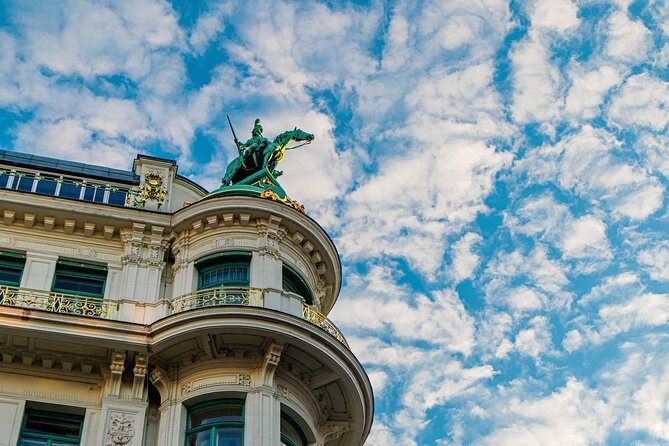
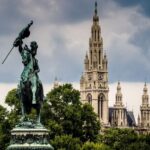
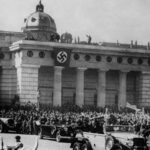
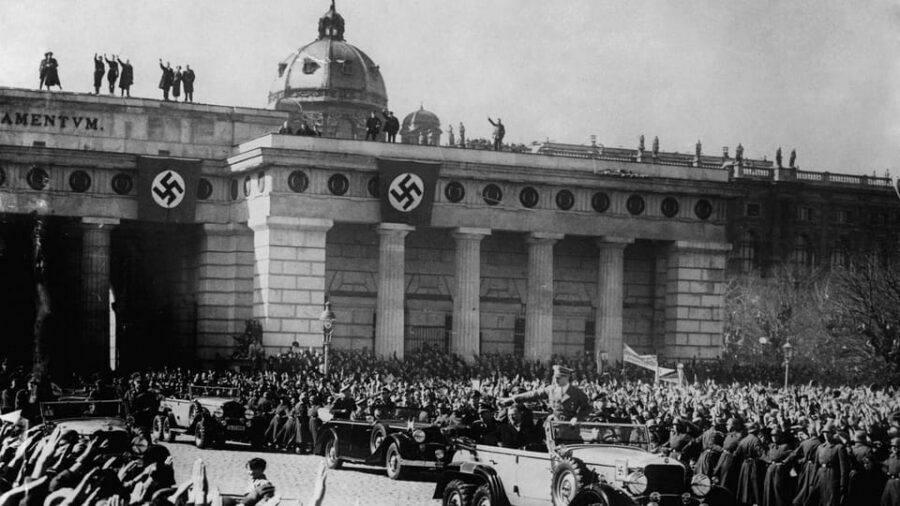
Start at the Archduke Charles monument (the rider holding a flag) and then head to Heldenplatz. This is where the story turns from “history textbook” to “political force made visible,” because Heldenplatz is tied to Hitler’s public announcement of the annexation of Austria to Nazi Germany.
What I like about starting here is that you get orientation fast. Once you stand in the right place, the grand architecture stops feeling decorative and starts feeling functional: it’s built for visibility, crowds, and symbolism. That matters for understanding how propaganda worked. The city wasn’t just a backdrop for Nazi control; it was part of the show.
Possible reality check: this tour can feel emotionally heavy right away. If you want Vienna as postcard perfection, you’ll probably feel frustrated. If you want Vienna as it actually was under occupation and violence, this beginning is strong.
You can also read our reviews of more walking tours in Vienna
Hofburg to Kohlmarkt: seeing “aryanization” in real addresses
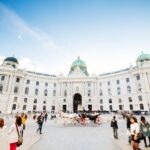
From Heldenplatz, you move through the Hofburg area and toward Kohlmarkt. The guide connects the imperial palace zone to what happened when the Nazis reorganized society in Vienna.
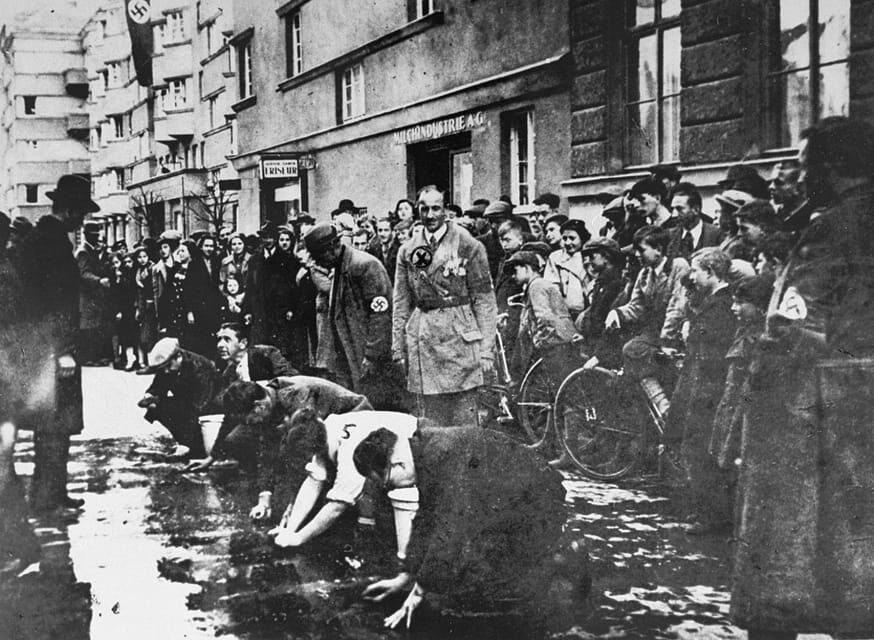
At Kohlmarkt, the tour points out the history of specific buildings tied to victims of “aryanization.” The basic idea was brutal and practical: Jewish people were stripped of businesses and property, with the process enabled and normalized by the regime. The point of walking past these places is simple but powerful. You don’t just hear about theft; you see where those livelihoods were erased.
This is one of the most valuable parts for your understanding because it shifts focus from only leaders and battles to the machinery of daily life. Even if you know the word “aryanization,” standing near the city’s footprint makes it feel less abstract.
Am Hof to Judenplatz: resistance and memory side by side
Next come the squares that hold what the city chose to remember. On Am Hof, you’ll see a memorial connected to firemen who were executed for resisting Nazi terror. That’s an important counterweight. It interrupts the idea that everyone complied. You start seeing that there were people who tried to push back, even when refusal could mean death.
Then you head to Judenplatz for the Holocaust memorial monument in Vienna. This stop isn’t about moving fast. It’s about pausing long enough to realize how presence works in remembrance spaces. A monument like this does not let you stay comfortable in general knowledge. It forces you to think about specific lives and the scale of what happened.
A practical note for you: if you tend to feel overwhelmed by tragedy, ask your guide to pace the stops. Because this tour is private, you can usually get the story adjusted to your rhythm without losing accuracy.
The Danube Canal area and the Gestapo HQ remnant
Down near the Danube Canal, you’ll see a square that was created after the Hotel Metropole was destroyed at the end of World War 2. That detail matters because it shows how the city rewrites itself after catastrophe—sometimes with an entirely new layout, sometimes with remnants that refuse to disappear.
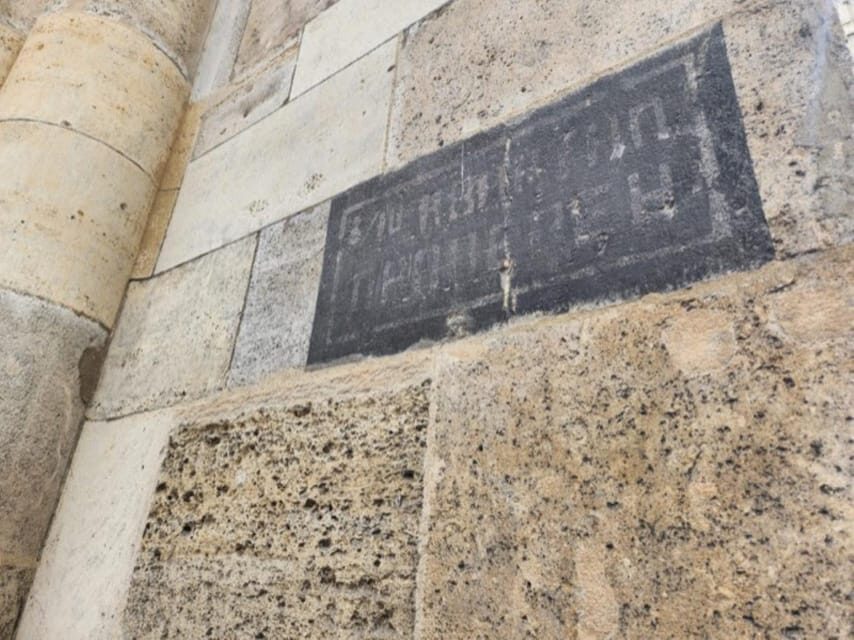
Then there’s the more unsettling connection: the area is described as being infamous for the Gestapo headquarters, with a monument remains still visible. Even without dramatic storytelling, that’s the point. The Nazi apparatus wasn’t only in documents and offices; it was physically located, and it left an afterimage in the city’s geography.
For me, this section is where Vienna under the Nazis stops being “about the past” and becomes “about what’s left behind.” You’ll see how war damage, destruction, and surviving markers shape what you notice later in the day.
Hoher Markt to St. Stephen’s Cathedral: war damage as a reminder
Walking continues toward Hoher Markt, where you can still clearly see damages from World War 2 before the route heads toward St. Stephen’s Cathedral. The cathedral area can catch you off guard. The setting feels iconic and timeless, but the tour connects the place to reminders of the war and the Nazi regime.
This isn’t about turning every famous sight into a depressing fact. It’s about training your eye. You start noticing how layers of time overlap: religious and civic grandeur on top of destruction and occupation. That contrast is exactly what makes the tour feel different from a standard walking tour.
If you’re taking photos, keep it respectful here. This isn’t a stop where you need to “capture the view.” It’s a stop where you need to look carefully.
You can also read our reviews of more private tours in Vienna



A building of organization and control in the old town
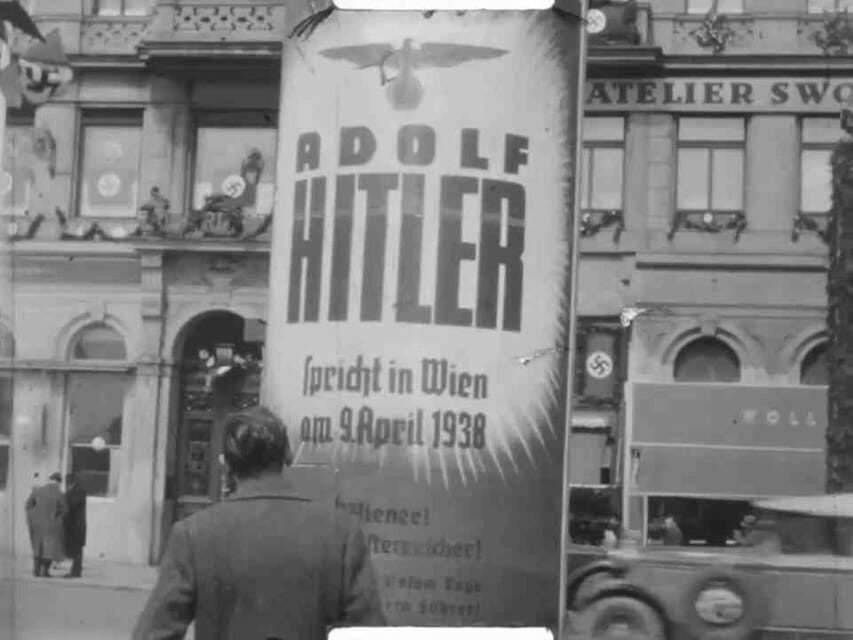
Near the cathedral zone, the route includes a building from which the Nazis organized the old town of Vienna. The value of this stop is that it ties back to earlier themes: public buildings weren’t only symbolic. They were operational.
You start seeing patterns: announcements at prominent squares, economic theft through “aryanization,” and local administration that helped convert ideology into control. By the time you reach the old town-focused building, the story hangs together.
Also, because the tour is framed as insight rather than moralizing, you may find the explanations feel practical. It’s less about guilt-by-association and more about how systems actually function.
Ending at the Albertina and Vienna’s anti-war monument
The tour ends at the Albertina, finishing at the main monument against war and fascism in Vienna. Ending this way changes the tone. Instead of closing with dates and destruction, it points toward a civic response: remembrance paired with a statement about what the city wants to reject.
For you, that can be a useful mental shift. A lot of history tours end when the story is bleak. This one builds a final stop that gives you somewhere to put the weight you’ve been carrying.
The overall walking time is about 150 minutes, so it’s not a half-day slog. It’s long enough to connect sites into a narrative, but short enough that you can still enjoy the rest of your Vienna day if you feel steady afterward.
The guide matters: David Sterrer and how customization can help
This is a private group tour, led by David Sterrer, and it’s described as adjusted to your interests. That matters a lot on a topic like this. If you want more on public politics, you can ask for more time around the announcement sites. If you care more about how everyday life was affected, you can lean into the economic and local-control parts.
One positive booking experience highlighted that David was strong not just on historic facts, but also on giving insight into what it’s like to live and work in Vienna. That kind of everyday context can make Nazi-era history feel grounded instead of distant.
A caution from other booking experiences: there have been cases where the tour did not start as expected due to the guide not appearing, or communication issues when a scheduled experience didn’t run smoothly. If this is high priority for you, I’d treat it like any important appointment: confirm day-of contact details ahead of time and make sure you’re clear on where and when you’re meeting.
Price and value for a private 150-minute walk
The price is $258 per group up to 15 for 150 minutes. That’s not a “cheap” sightseeing budget, but it can be good value if you’re traveling with family or friends and want a private pace.
Here’s how I’d think about it:
- If you have a small group, you’re essentially paying for one-to-one or small-group storytelling, not a generic audio walk.
- The tour also includes a guide who can adjust what you focus on, which is rare on topic-specific routes.
- You’re paying for access to interpretation of hard places: memorials, war damage, and specific sites tied to persecution and control. That kind of context is hard to replicate from signage alone.
If you’re traveling solo, the value depends on whether you’ll actually use the customization and private attention. If you want a broad overview only, it might feel expensive. If you want a focused, serious walk with a real guide, it’s easier to justify.
Who this tour suits best (and who should skip it)
This tour fits you if you want Vienna with a spine. In other words, you care about how power worked, who supported and resisted it, and what the physical city still tells you.
It also fits you if you like tours that ask questions in a guided way, such as:
- What daily life could look like under annexation and repression
- What visible traces of the Nazi era still remain
- How public spaces were used for announcements, intimidation, and organization
Skip it if you want mostly light atmosphere, short museum stops, or a classic “palaces and pastries” day. This is the city viewed through persecution, war damage, and remembrance.
Should you book Vienna under the Nazis?
Book it if you want an honest, guided walk through Nazi-era Vienna that avoids glamor and leans into how the city was used for power. The Heldenplatz start, the aryanization-related stops around Hofburg and Kohlmarkt, the memorials at Am Hof and Judenplatz, and the darker geography near the Danube Canal give you a sequence you can remember.
Don’t book it if you’re looking for a soothing sightseeing loop or if you’re very sensitive to heavy historical content. Also, because there have been booking failures in some cases, if your schedule is tight, I’d confirm arrangements clearly before you set off.
If you do book, bring one or two specific interests with you. Then you’ll get the best of what this private format can do.
FAQ
How long is the tour?
The tour lasts 150 minutes.
Where do we meet?
You meet at the Archduke Charles monument, the rider holding a flag.
Is this tour private?
Yes, it’s a private group.
What language is the live guide?
The live guide is English.
Who is the tour guide?
The tour guide is David Sterrer.
What does the tour focus on?
It focuses on Vienna during the Nazi period, including visible reminders of that era, memorials, and how life in Vienna was affected.
Is the tour a moral lecture?
No. It’s described as insight into the era rather than a moral lecture.
How much does the tour cost?
It costs $258 per group, up to 15 people.
Is there free cancellation?
Yes. You can cancel up to 24 hours in advance for a full refund.
Is pay later available?
Yes. You can reserve now and pay later.