Vienna tells its story best on foot. This 3-hour Vienna City Walk strings together major landmarks and quieter side streets with a state-certified guide, and the route ends right at the Vienna State Opera area. In past runs, Moritz has been the name people remember for making the history feel like it’s happening on the pavement.
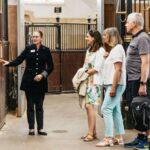
I especially like two things about this tour. First, it’s tightly planned for a first visit: you get a fast orientation across the city center without it feeling like a race. Second, the guide’s style is story-first, with plenty of room for questions and personal recommendations for what to do next.
One consideration: several big sights along the way have admission tickets not included, so you’ll be viewing exteriors and learning the background unless you buy separate entries. Also, expect a few stairs, and plan to arrive at the exact meeting point so nothing throws off your start.
In This Review
- Key highlights worth your attention
- Before You Start: what this 3-hour Vienna walk is really for
- Meeting Point to Opera Finish: plan your route like a local
- Stop 1: Ruprechtskirche and the first chapter of Vienna
- A Jewish community stop near the old heart
- Hoher Markt: one of Vienna’s oldest squares with stories to match
- Stephansdom from the outside: legends, scale, and why people still talk
- Colonna Della Peste (Pestsäule): rats, death, and a bright monarch
- Peterskirche: Baroque splendor and what “representation” meant
- Two quick story breaks: inspiration, and a city-center that looks older
- Volksgarten: roses, benches, Napoleon, and Greek deities
- Kunsthistorisches Museum Vienna (outside): why it was called a novelty
- Heldenplatz: heroes in a square and what that really means
- Kaiserliche Schatzkammer Wien: the emperors’ treasures
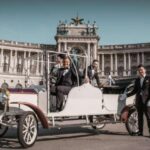
- The Hofburg: where is the castle, really?
- Spanish Riding School: Lipizzaners and the pride of the stable
- Albertina: why it’s called that, and the darker square stories
- Vienna State Opera: the city of music, and why people resisted it
- Price and value: what $91.31 buys you
- What you’ll get from the guide style (and where it could fall short)
- Who this tour suits best
- Should you book it?
- FAQ
- How long is the Vienna City Walk?
- Where do the tour and tour guides meet and finish?
- Is the tour in English?
- Are admission tickets included for places like Stephansdom and museums?
- What group size should I expect?
- Is there a mobile ticket?
- Should You Book It? (quick decision)
Key highlights worth your attention
- A compact 3-hour “lay of the land” route that hits the historic core fast
- Moritz-led storytelling that turns statues, churches, and squares into scenes
- Hidden streets plus iconic stops, from old churches to the Opera area
- Free exterior time at many monuments, with paid entries optional when you want more
- End at Vienna State Opera, so you can keep exploring immediately
Before You Start: what this 3-hour Vienna walk is really for
This is a classic first-day walking plan, designed to help you understand Vienna’s layout and its power centers—church, empire, culture—without needing a bunch of separate tickets upfront. The promise is simple: you’ll walk narrow lanes and get pointed toward less-obvious places, while still seeing the headline sights.
At $91.31 for about three hours, you’re paying for the human part: a state-certified guide who can connect what you’re looking at to why it matters. And because the group is capped at 15, you’re not stuck in a long conga line.
A nice detail: it uses a mobile ticket, so you’re not scrambling with paper on day one. And since the finish is at the Opera, you get a clean “turn the page” moment—walk ends, sightseeing can continue.
You can also read our reviews of more walking tours in Vienna
Meeting Point to Opera Finish: plan your route like a local
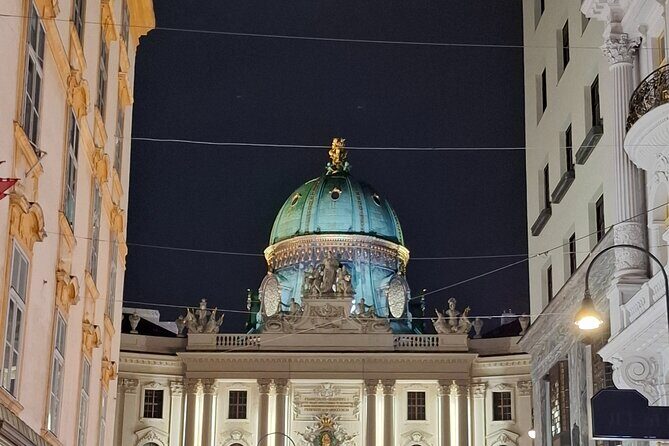
You start at Franz-Josefs-Kai 27, 1010 Wien. That’s close enough to public transit to make it easy to reach, but it’s also far enough into the center that the route quickly becomes walkable sightseeing rather than bus-and-stop-and-wait.
The tour ends at Herbert-von-Karajan-Platz (Opernpassage 9), 1010 Wien, right by the Vienna State Opera. If you want to go right on with your day, you’re also next to Karlsplatz underground with lines U1 (red) and U4 (green). That’s a practical finish: you don’t end in a dead-end corner.
Expect a few stairs during the walk. It’s not a full-on trek, but it’s enough to matter if you’re carrying a heavy bag or have mobility limits. Service animals are allowed, too.
Stop 1: Ruprechtskirche and the first chapter of Vienna
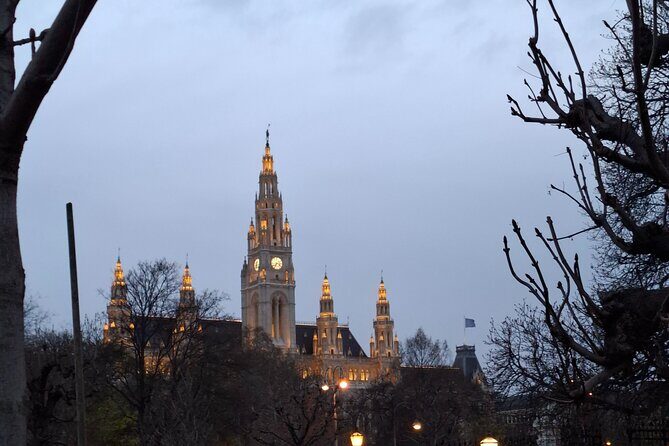
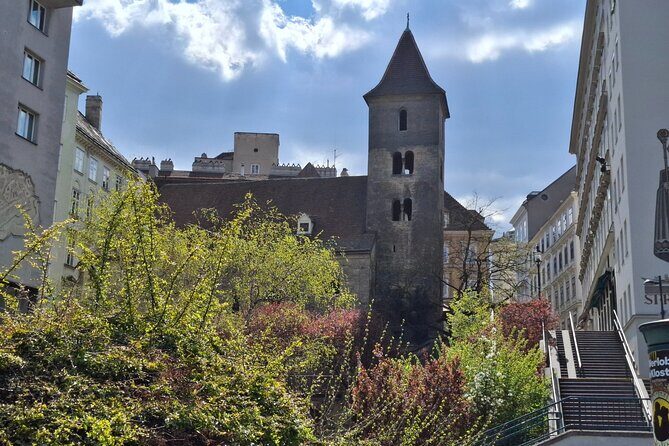
You begin at St. Rupert’s Church (Ruprechtskirche)—Vienna’s oldest church. This stop works because it sets the timeline. You’re not just looking at architecture; you’re starting with the origin story of the city.
The guide time here is about 10 minutes, with no admission ticket needed. That makes it a strong opener: you get context fast, and then you move into the older streets while the city’s early history is still fresh in your mind.
A Jewish community stop near the old heart
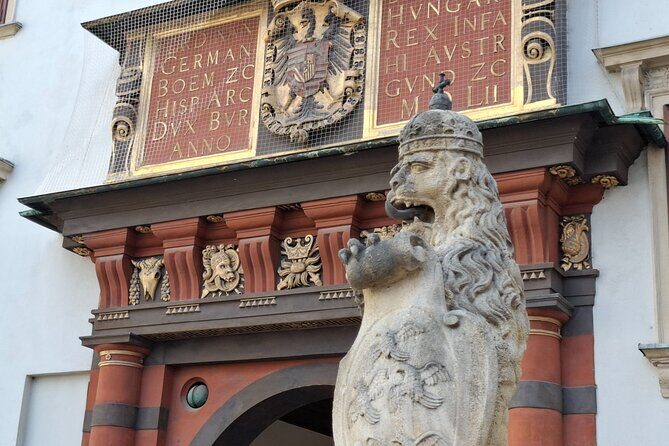
Right after Ruprechtskirche, there’s a stop at an important place connected to Vienna’s Jewish community, with an explanation of what it represents. The exact landmark isn’t named in the tour outline you provided, but the point is clear: the guide uses this moment to widen your view beyond the Christian-European “default story.”
If you care about history that’s honest and layered, this is one of the stops that adds weight. It’s also brief—so you won’t lose the flow of the walk—yet it helps you understand Vienna as a lived-in city, not just a postcard.
Hoher Markt: one of Vienna’s oldest squares with stories to match
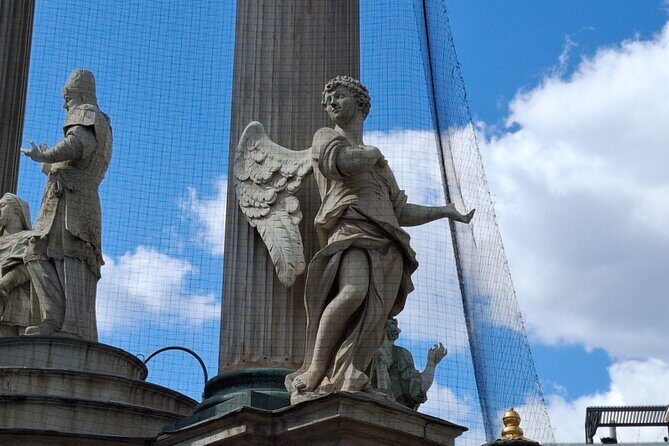
Next is Hoher Markt, where the guide focuses on what the square has witnessed over time. It’s about 5 minutes, and you don’t need tickets for the viewpoint.
Hoher Markt is the kind of place where Vienna’s “layers” show themselves quickly: buildings hold onto older shapes, while the city around them changes. The guide’s job here is to make you notice those layers—why the square matters, what makes it feel old even as Vienna keeps moving.
You can also read our reviews of more city tours in Vienna

Stephansdom from the outside: legends, scale, and why people still talk
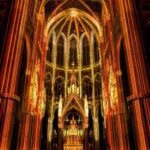
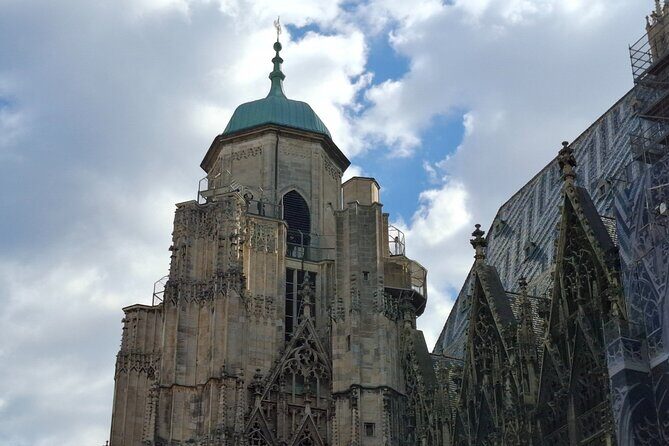
Then comes Stephansdom, Vienna’s largest church and the city’s landmark. You’ll spend around 20 minutes here, but admission is not included, so this is mostly exterior viewing and orientation, plus the legends and symbolism the guide explains.
This stop is a great use of time for two reasons. One, the scale is impossible to ignore—you’ll naturally look up and around. Two, even without entering, you can understand what makes it a national and civic icon.
Practical tip: if you want to go inside, plan to buy your own ticket separately. The tour keeps the pace moving, so don’t count on having time for a full interior visit at this point.
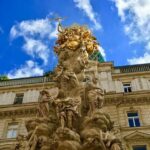
Colonna Della Peste (Pestsäule): rats, death, and a bright monarch
A short walk later you hit Colonna Della Peste, also known as Pestsäule. The tour frames it around a striking mix: rats, death, and a radiant monarch.
It’s only about 5 minutes, and it’s free to view, but it’s the kind of monument that benefits from a guide. Without context, you might see a column and move on. With context, you start reading it—why certain figures appear together, and what the city chose to remember from a crisis.
Peterskirche: Baroque splendor and what “representation” meant
Next is Peterskirche, another quick but meaningful stop—around 5 minutes and ticket-free. The focus here is Baroque splendor and what it communicated in its era.
Baroque churches aren’t only about beauty. They’re about message-making: power, faith, and identity displayed in stone, light, and ornament. When the guide ties that to the building you’re standing in front of, it clicks fast.
Two quick story breaks: inspiration, and a city-center that looks older
Between major landmarks, the itinerary includes short moments where the guide leans into story. One is described as a place where you can still feel inspiration from days gone by, with a theme about a spell. Another is framed as seeing why the city’s heart looks much older than it is.
These segments are brief and intentionally designed to reset your attention. Treat them like mini pauses in a long movie: you’ll keep walking, but you’ll also keep learning how Vienna thinks and remembers.
Volksgarten: roses, benches, Napoleon, and Greek deities
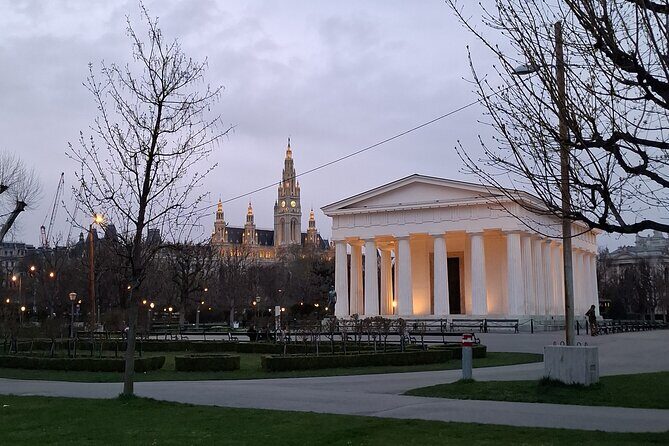
Then you reach Volksgarten, a park stop that blends mood with meaning. Expect a short 5-minute window, with no ticket needed.
The tour’s angle here is fun and surprising: fragrant roses and cozy benches are paired with stories like Napoleon and the way he’s connected to changes around the city walls. On top of that, the guide explains how the architecture ties to Greek deities—a reminder that Vienna’s “classical” influence is not just decoration. It’s a whole language.
If you need a break from constant stone-and-statue viewing, this park stop does that without turning the tour into a long rest session.
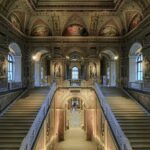
Kunsthistorisches Museum Vienna (outside): why it was called a novelty
Next is Kunsthistorisches Museum Vienna, with the note that it was a novelty at the time and that groundbreaking things happened in its world. The outline gives about 5 minutes, and admission is not included.
This works best if you’re curious about how buildings become symbols. Even when you’re not going inside, you can understand the role museums played (and continue to play) in Vienna’s identity: art as prestige, collections as proof, architecture as messaging.
If you want to go deeper, you’ll need a separate ticket later.
Heldenplatz: heroes in a square and what that really means
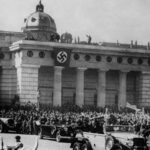
Heldenplatz is next, again around 5 minutes and free to visit. The guide focuses on who the heroes are—and why they were placed there.
This is one of those places where the visual tells you something, but the guide tells you the rest. Statues and names in public space don’t appear randomly. They’re chosen to steer the city’s memory.
Kaiserliche Schatzkammer Wien: the emperors’ treasures
At Kaiserliche Schatzkammer Wien, the tour frames the stop around where emperors kept their treasures. It’s about 5 minutes, and admission is not included.
Even from the outside, this is worth your attention because it explains Vienna’s imperial logic: collect, display, and legitimize. If you’re the type who likes tangible history—objects rather than dates—this is a good place to decide whether you want the inside experience later on your own time.
The Hofburg: where is the castle, really?
Then you’re at The Hofburg, described as the largest castle area in Europe and tied to Habsburg stories—with a specific question: where is the castle?
That’s a great way to guide your eyes. The Hofburg isn’t one single fortress moment. It’s a whole complex, so the guide’s job is to help you see what’s central, what’s symbolic, and how the different parts relate. Your time here is about 20 minutes, and it’s ticket-free in the context of this walking tour.
This stop is also a natural “pause and absorb” segment. It’s a lot of space to take in, and the extra minutes help your brain connect it to the earlier stops: church power, imperial power, then cultural power.
Spanish Riding School: Lipizzaners and the pride of the stable
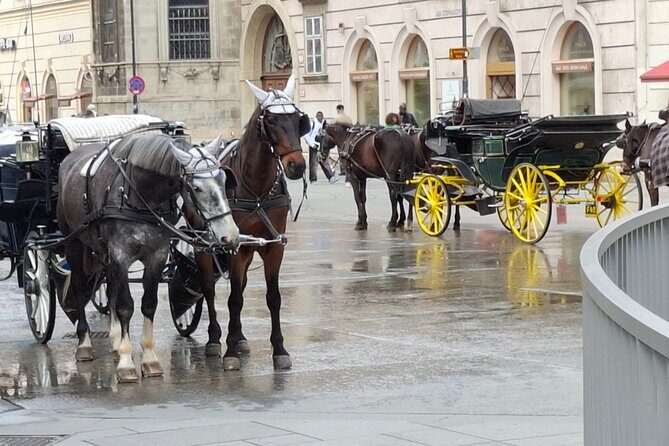
Next is the Spanish Riding School, with a focus on Vienna and its Lipizzaners. Your time is around 5 minutes, and admission is not included.
The tour sets expectations clearly: you’ll see where the Spanish horses call home, and you might catch a glimpse. In other words, you’re not guaranteed to see an active moment, but you get the context and the location that matters.
If you’re a horse person, this is one of those “yes, this belongs in Vienna” stops. Even just understanding the tradition helps you appreciate why the Spanish Riding School is so closely tied to the city’s identity.
Albertina: why it’s called that, and the darker square stories
Then you’ll visit Albertina, with questions built into the explanation: why the place is called that, and whether anything else has happened there—including gruesome history in the background.
Your time here is about 10 minutes, with admission not included. So think of it as guided orientation plus the story hooks that make you want to learn more.
This is a good mid-to-late tour stop because it changes the mood slightly. Vienna’s story isn’t only beautiful. It’s also complicated, and the guide uses that to keep you from reducing the city to “pretty buildings.”
Vienna State Opera: the city of music, and why people resisted it
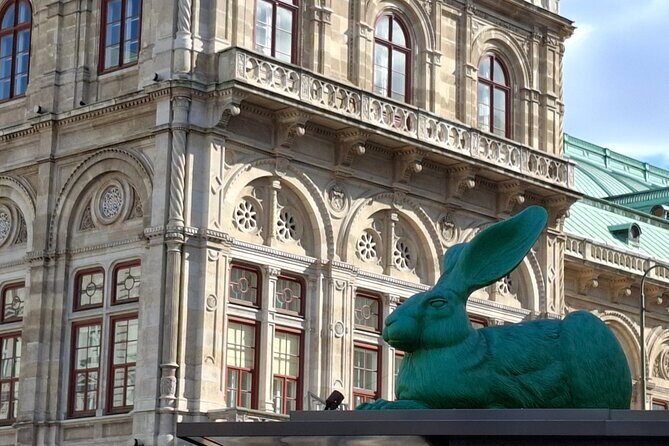
Finally, the walk brings you to Vienna’s State Opera area. The tour frames it as one of the most important opera houses in the world and includes the story of why the Viennese didn’t like it at first.
Your time here is around 10 minutes, and admission is not included. That’s okay: even outside, the Opera is an emotional landmark. It feels like the city’s confidence made visible.
This is also a smart ending. If you want to add an interior experience, you can decide next. If you’re done for the day, you still end at a major transit node and a place where the evening plans are easy.
Price and value: what $91.31 buys you
At $91.31 per person for roughly three hours, the value depends on one thing: how much you care about guided context.
This tour includes:
- a state-certified guide
- a tight route with many major stops
- orientation and inspiration for planning your next days
- personal recommendations for food and culture
That matters because Vienna is not a “random walk” city. If you don’t know what you’re looking at, you can miss half the meaning. Paying for a guide here often saves you time later. You walk away with a mental map and a set of leads for what to do next.
What you should budget separately: admission tickets for several major sights (Stephansdom, Kunsthistorisches Museum, Kaiserliche Schatzkammer, Hofburg-adjacent options, Spanish Riding School, Albertina, Vienna State Opera). That’s not a flaw—it’s how the tour keeps the pace—and it lets you choose which interiors are worth your money.
Also note: tipping isn’t included, so keep some cash or card tip-ready if you feel the service was worth it.
What you’ll get from the guide style (and where it could fall short)
The strongest theme in the tour’s best experiences is the guide’s ability to make places feel alive through story. Moritz, in particular, has been praised for:
- handling a route smoothly even with a small group (sometimes effectively like a near-private tour)
- adding more history than expected
- a comfortable pace
- patience with questions
- humor mixed into the facts
- tailoring the route based on what you want most (for example, a focus on Vienna history)
If you like learning while walking—and you don’t want to spend your first day reading placards—this tour matches your style.
The weak point isn’t the content. It’s logistics. One recorded bad experience involved not meeting at the starting point and a phone that didn’t connect. You can’t control every tech glitch, but you can protect yourself by arriving early, double-checking the exact address, and keeping your phone ready in case you need clarification.
Who this tour suits best
This is a strong fit if:
- it’s your first time in Vienna and you want a fast city-center orientation
- you like churches, squares, imperial sites, and cultural history
- you prefer guided stories over reading on your own
- you want an efficient walk that ends near the Opera for evening options
It might be less ideal if:
- you want to spend lots of time inside multiple ticketed sights during this one tour window
- you dislike walking with frequent short stops and prefer longer stays in a single area
Should you book it?
Yes, you should book this tour if you want your Vienna days to start with clarity. A three-hour guided walk through Vienna’s key layers—old church origins, civic squares, imperial power, and music culture—sets you up to explore confidently later.
Book it especially if:
- you’re short on time and want the big landmarks plus quieter corners
- you like guides who explain symbols and legends, not just list names
- you want a practical ending at the Vienna State Opera so your afternoon doesn’t fizzle
If your top priority is going inside every major building, think of this as your “map + stories” day, then plan ticketed interiors on separate times.
FAQ
How long is the Vienna City Walk?
The tour lasts about 3 hours.
Where do the tour and tour guides meet and finish?
It starts at Franz-Josefs-Kai 27, 1010 Wien and ends at Herbert-von-Karajan-Platz (Opernpassage 9), 1010 Wien near the Vienna State Opera.
Is the tour in English?
Yes. The tour is offered in English.
Are admission tickets included for places like Stephansdom and museums?
No. Admission is not included for several stops, including Stephansdom, Kunsthistorisches Museum Vienna, Kaiserliche Schatzkammer Wien, Albertina, Spanish Riding School, and the Vienna State Opera.
What group size should I expect?
The tour has a maximum of 15 travelers.
Is there a mobile ticket?
Yes, the tour includes a mobile ticket.
Should You Book It? (quick decision)
If you want an efficient first look at Vienna’s core, with a guide who turns landmarks into stories and helps you plan what comes next, this is a smart pick. If you only want indoor visits, you’ll likely want to pair it with separate ticketed entry time.