REVIEW · MUNICH
From Munich: Salzburg Day Trip by Train
Book on GetYourGuide →Operated by Radius Tours GmbH · Bookable on GetYourGuide
Mozart and movie magic in one long train day. You get an expert-led look at Salzburg’s medieval streets, its big cathedral sights, and the scenes that made The Sound of Music world-famous, plus enough free time to choose your own pace. I especially like the mix of guided orientation and unstructured wander time, and the fact that the day is built around walkable sights you can actually connect the dots on.
Guides like Cristian and Maxine (and others you might encounter) tend to keep the day moving with clear stop-by-stop context, including Mozart-related details and smart food suggestions. I also love that you’re not stuck in a bus bubble all day: you’ll be on foot in UNESCO-protected lanes, then you’ll get time to explore on your own.
One consideration: entry costs are not included, and Salzburg can be hilly once you aim for the fortress. If you want Festung Hohensalzburg, plan your shoes and your schedule during the free-time window.
In This Review
- Quick highlights
- The Munich-to-Salzburg train day that actually feels like a day
- Meeting point: where the day starts (and why you should show up early)
- Your guided orientation walk: UNESCO streets, baroque corners, and a map that helps
- Mozart in Salzburg: where the stories connect to real addresses
- The Sound of Music stops you’ll actually remember
- Salzburg Cathedral moments: spotting Domkirche’s power up close
- St. Peter’s and classic Salzburg eats: how food fits the route
- The 3-hour free time block: choose your own Salzburg, but choose it wisely
- Festung Hohensalzburg: the 900-year-old payoff (if you can spare it)
- Price and value: what you’re paying for at $93
- Who this tour suits best
- Should you book this Munich to Salzburg day trip?
- FAQ
- How long is the Munich to Salzburg day trip?
- How much does the tour cost?
- What is included in the price?
- Are entry fees included?
- Do I need a passport?
- Is there hotel pick-up?
- Is the tour wheelchair accessible?
- Can I cancel for a refund?
Quick highlights
- Mozart stops you can picture: birth and residence options, plus the café culture that shaped his world
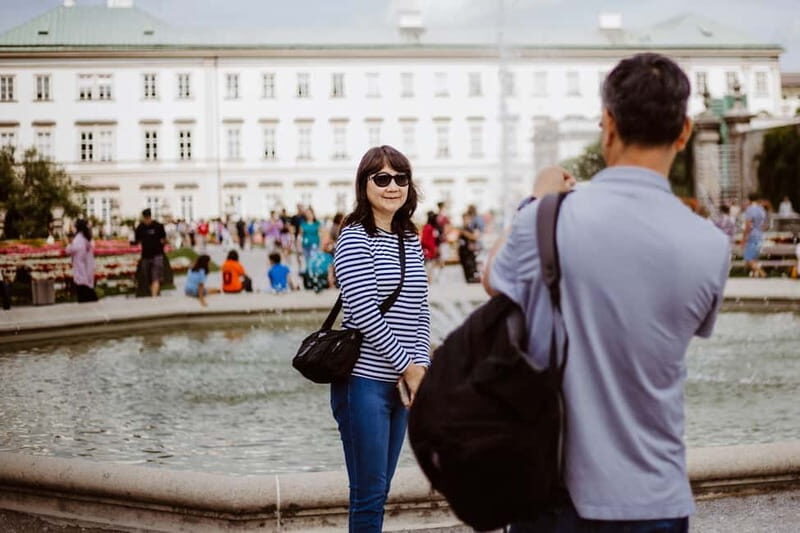
- Sound of Music set-jetting: you’ll see Mirabelle Gardens tied to Do-Re-Mi
- UNESCO old-town walking: chapels, palaces, and postcard-worthy lanes without rushing
- Domkirche Cathedral: a major Salzburg sight that anchors your walk through the center
- Festung Hohensalzburg option: a 900-year-old fortress view if you want the big payoff
- Real-world pacing help: guides are known for keeping you confident around train connections
The Munich-to-Salzburg train day that actually feels like a day
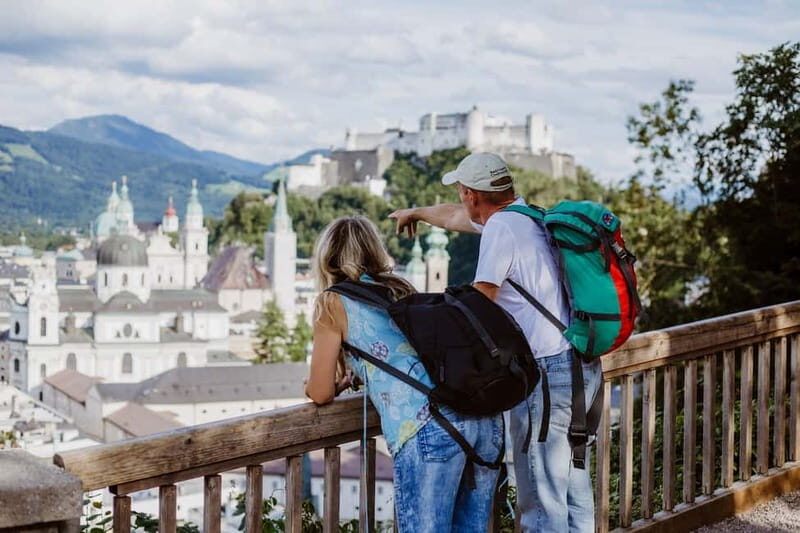
Salzburg is close enough to visit in one shot from Munich, but only if the timing works. This tour is built for that: two train legs (about 2 hours each way) plus a structured walk once you arrive. The result is a full outing without the stress of figuring out trains, meeting points, and pacing on your own.
The train portion matters more than you might think. One big reason is the scenery: you can get classic Alpine views from the windows, and that sets the tone for the day before you even step onto Salzburg streets. When your day already includes mountains, cathedrals, and fortress views, that early visual kickoff helps a lot.
A few more Munich tours and experiences worth a look

Meeting point: where the day starts (and why you should show up early)
You’ll meet at the operator’s office at Dachauer Straße 4, 80335 Munich. This is a practical detail, but it affects your whole day. If you roll in late, you’ll be the person sprinting to catch a group on a busy morning.
I’d aim to be there early enough to get your bearings and have your passport ready. You’ll travel across borders by train, and official passport checks aren’t constant, but they can happen. Also, drivers licenses aren’t accepted, so don’t count on a backup.
Your guided orientation walk: UNESCO streets, baroque corners, and a map that helps
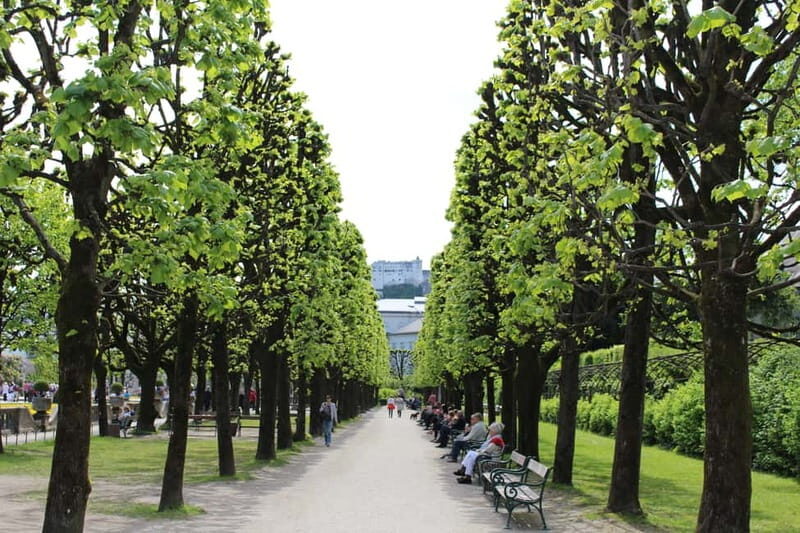
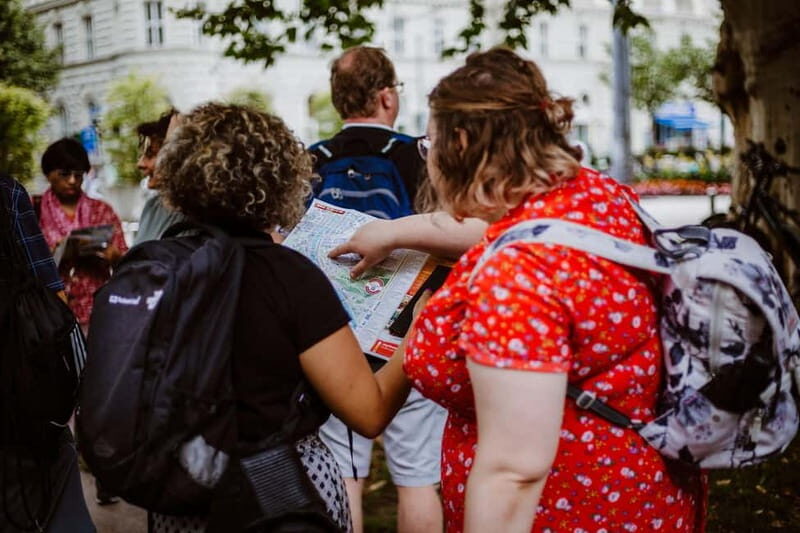
Once you’re in Salzburg, you get a map and a guided orientation through major sights. The guided block is about 1.5 hours, and it lines you up for the longer walk that follows, so you don’t spend your free time trying to re-learn what you missed.
This part is where Salzburg becomes more than a list. Your guide points out the historic structure of the old town, and you’ll walk past things like chapels and palaces in streets that are protected as UNESCO heritage. It’s a “see the city the way it’s built” moment: winding lanes, small squares, and church fronts that show up again and again as you move.
Also, the tour doesn’t only hit grand monuments. You’ll pass through spaces tied to daily life too—marketplaces and shopping streets—so the city feels lived-in rather than staged.
Mozart in Salzburg: where the stories connect to real addresses
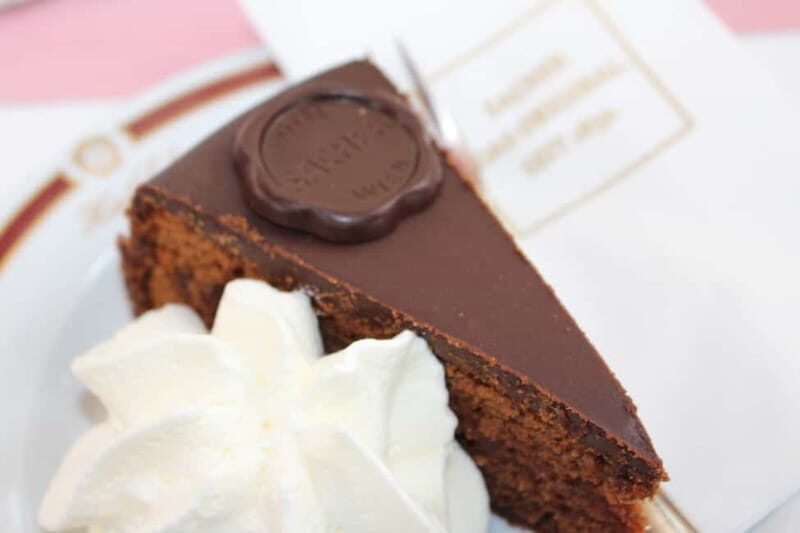
If you care about Mozart, this is one of the best ways to handle him. You’re not just looking at a plaque. You’ll visit the city tied to Wolfgang Amadeus Mozart, including his birthplace area (optional), his residence, and the streets he walked.
The standout feature here is the café angle. The tour includes cafés where Mozart drank, which turns a distant historical figure into something more human. You get a sense of Salzburg as a place with social rhythm, not just a museum backdrop.
A quick practical note: if birthplace time matters to you, treat it as a priority during the guided segment. Optional stops are great, but you can’t “add them later” if you let the morning drift. Ask the guide early which stops are tight on time.
The Sound of Music stops you’ll actually remember
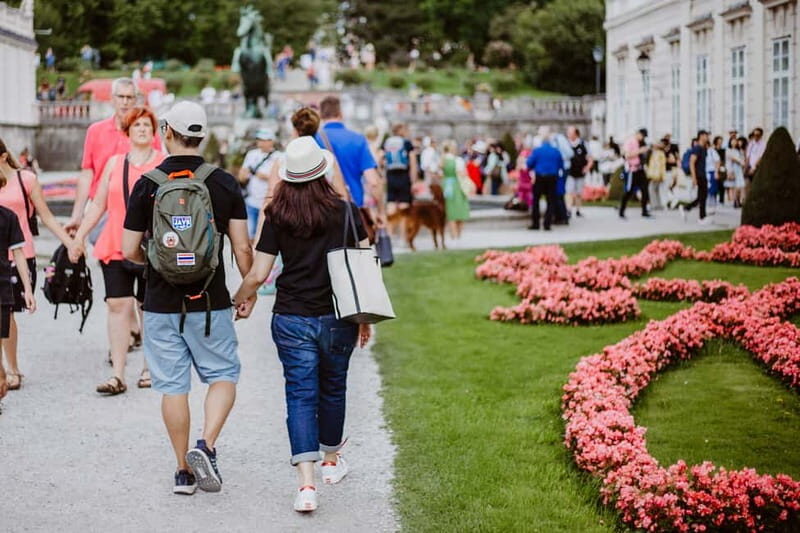
Salzburg’s biggest international hook is The Sound of Music, and this tour aims at the locations you’ll recognize without needing to work from a script. You’ll visit movie-related sites during the day, including Mirabelle Gardens, famous from Do-Re-Mi.
This is valuable because it avoids the most common set-jetting problem: standing in front of something and having no clue what scene it matches. With a guided approach, you’re pointed toward the connection while you’re still fresh and moving—so the memory sticks.
I also like that the tour balances the screen with the city. You’re not just collecting photos. You’re walking through old-town streets, seeing the cathedral area, and then dropping the movie layer on top so it makes sense in physical space.
Salzburg Cathedral moments: spotting Domkirche’s power up close
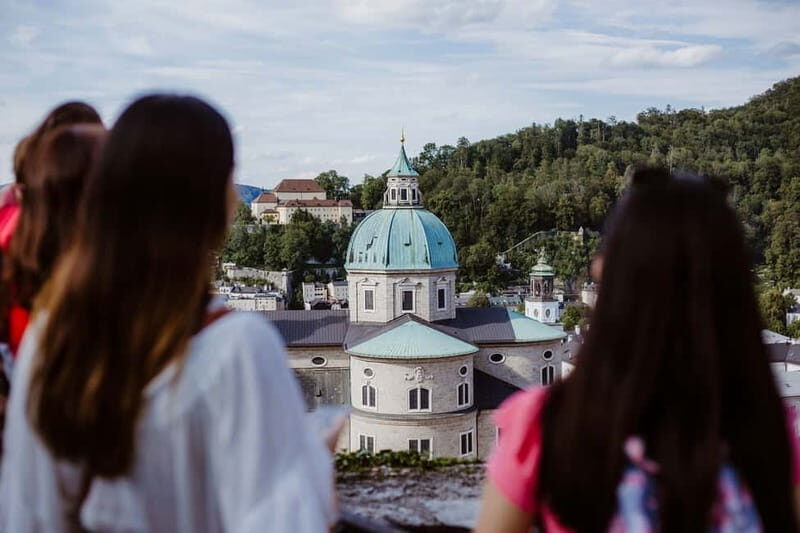
Domkirche Cathedral is a major anchor in Salzburg’s center. You’ll have time to admire it as part of the guided walk, and that matters because the cathedral is one of the sights that defines the city’s visual identity.
Why this matters on a day trip: Salzburg’s beauty can be “soft” if you only look at the pretty streets and gardens. Domkirche is a harder, clearer landmark. It gives you a reference point when you’re mapping the rest of the day.
If your schedule is tight, use this strategy: take one planned moment at Domkirche to slow down, look at the façade details, and orient yourself. Then when you’re back in motion, you’ll feel like you’re navigating a real place, not hopping between snapshots.
St. Peter’s and classic Salzburg eats: how food fits the route
The tour includes passes through confectionaries and patisseries as you move around. That’s not just a sweet perk. It’s part of how you experience Salzburg day-to-day, especially because the city’s old-town lanes are also where you’ll find the strongest traditional food culture.
You might also be guided toward St. Peter’s, which shows up for lunch recommendations and even reservations in some cases. If you want one classic Salzburg meal without hunting for it yourself, this is where the guide’s planning becomes real value.
I’d treat lunch as a timing game. You’ll have about 3 hours of free time after the guided portion, so you can also aim to eat during that window instead of letting lunch happen “whenever.” Pick a target, then let the streets lead you there.
The 3-hour free time block: choose your own Salzburg, but choose it wisely
After the guided walk, you’ll get about 3 hours to explore on your own before rejoining the group for the return train. That time is the difference between a satisfying day and a rushed one.
Use it in one of two ways:
- If you want views and the fortress: head toward Festung Hohensalzburg.
- If you want slow old-town wandering: stick closer to the center, shop, snack, and take your time with churches and squares you like.
This is also when you should shop for Salzburg-style souvenirs that you can actually use later, not just magnets. The guided portion gives you orientation, and the free block lets you follow your own favorites.
One more practical detail: with trains involved, ask your guide how to get back to the correct train area if you’re exploring farther away. The day works best when you treat the return connection as something you manage, not something you hope happens.
Festung Hohensalzburg: the 900-year-old payoff (if you can spare it)
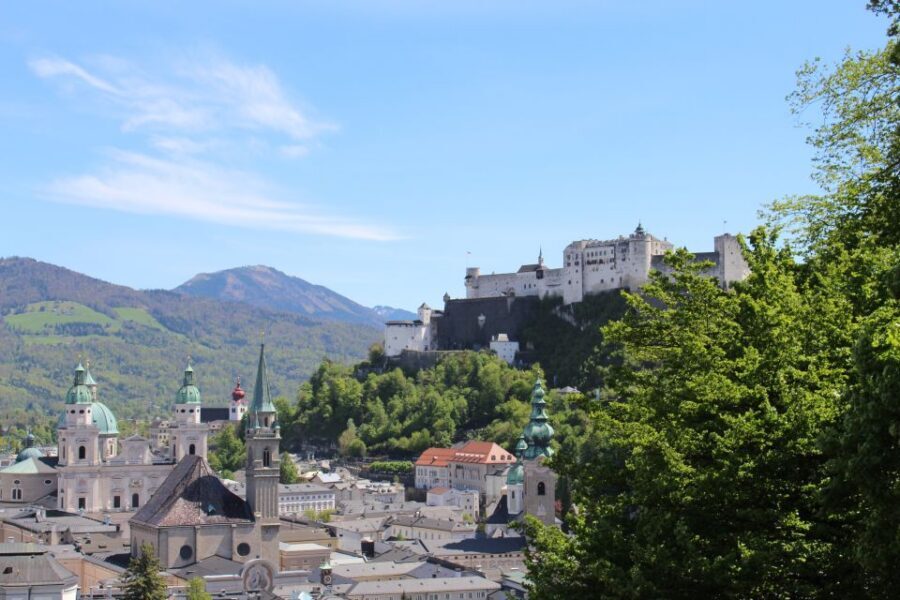
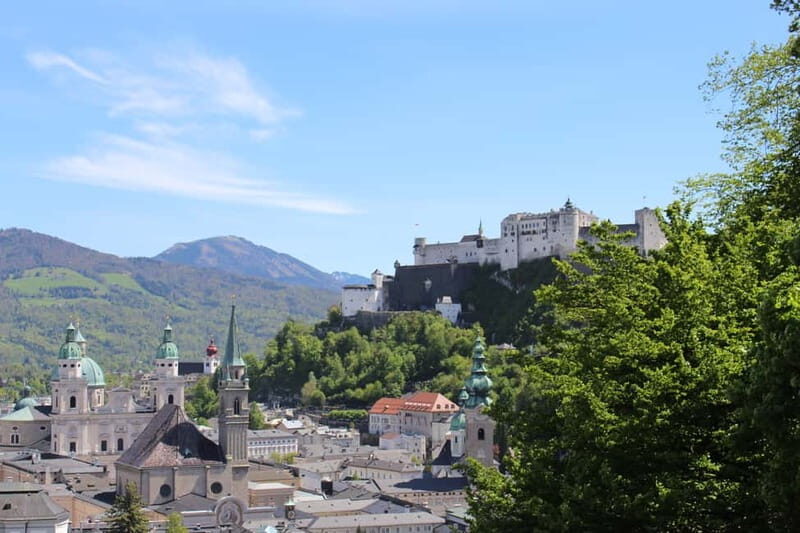
Festung Hohensalzburg is a 900-year-old fortress that dominates Salzburg’s skyline. The tour doesn’t force it into every schedule, but it’s specifically one of the options during free time.
Is it worth it? For many people, yes—because the fortress view is the kind of “you are here” moment that makes Salzburg feel like a single, coherent place. From the top, the city’s layout and the surrounding mountains become obvious in a way street-level photos can’t match.
The main tradeoff is effort. You need time and stamina. If you’re short on energy, prioritize one big stop (fortress or cathedral area) and don’t try to do everything “just in case.”
Price and value: what you’re paying for at $93
At about $93 per person, you’re buying a structured day that includes roundtrip train tickets between Munich and Salzburg, a live English guide, a guided orientation walk, and a map plus personal guidance. That’s not just sightseeing—it’s also transportation management.
Here’s how I think about the value:
- If you’d otherwise spend time researching trains, figuring out meeting points, and building a sensible walking route, the guided structure is the money.
- The day also includes high-effort experiences like the old-town walk and Mozart/Sound of Music context, which is hard to replicate from a phone guide alone—especially when you’re limited to a single day.
The one caution: entry fees are not included. If you plan to pay for fortress access or other ticketed sights, you’ll want to budget for that on top.
Who this tour suits best
This is a strong choice if you want:
- A first-timer introduction to Salzburg with meaningful context, not only photo stops
- A day that mixes Mozart culture with The Sound of Music locations
- Help with trains and navigation so you don’t lose half your day figuring things out
It’s also a good solo-traveler option because the group structure keeps you from second-guessing logistics, and the free time gives you room to breathe. And it’s wheelchair accessible, so mobility planning is built in.
If you already know Salzburg well and want only deep specialist stops, you might find the guided time a bit “starter-level.” But if this is your first visit or you want a clean, well-paced sampler that still feels real, it fits.
Should you book this Munich to Salzburg day trip?
I’d book it if you want Salzburg to feel organized and memorable in one day. The combination of train convenience, a guided old-town orientation, and Mozart plus Sound of Music highlights is exactly the kind of payoff that works for limited time.
I would not book it if you’re allergic to walking hills or you want a fully self-guided day with zero structure. This trip is built around a guided core and a free-time block. That works great for most people, but it’s still a plan.
If you do book, make the day easier on yourself: bring your official passport, wear comfortable shoes, and pick your “must-do” during the 3-hour free window (fortress or center wandering). That single decision turns the day from a nice trip into a confident one.
FAQ
How long is the Munich to Salzburg day trip?
The total duration is 570 minutes.
How much does the tour cost?
The price is $93 per person.
What is included in the price?
It includes roundtrip train tickets Munich–Salzburg, a fully-guided orientation tour, a map of historic old town of Salzburg, and personal advice from the guide.
Are entry fees included?
No, entry fees are not included.
Do I need a passport?
Yes. You must bring your official passport. Drivers licenses are not accepted.
Is there hotel pick-up?
No, hotel pick-up is not included.
Is the tour wheelchair accessible?
Yes, it is wheelchair accessible.
Can I cancel for a refund?
You can cancel up to 24 hours in advance for a full refund.
If you want, tell me your travel month and whether Festung Hohensalzburg is a must for you, and I’ll suggest a simple way to time your free hours.