REVIEW · INNSBRUCK
Innsbruck: Private City Tour by a licenced “Austria Guide”
Book on GetYourGuide →Operated by Clemens Lindig - Austria Guide · Bookable on GetYourGuide
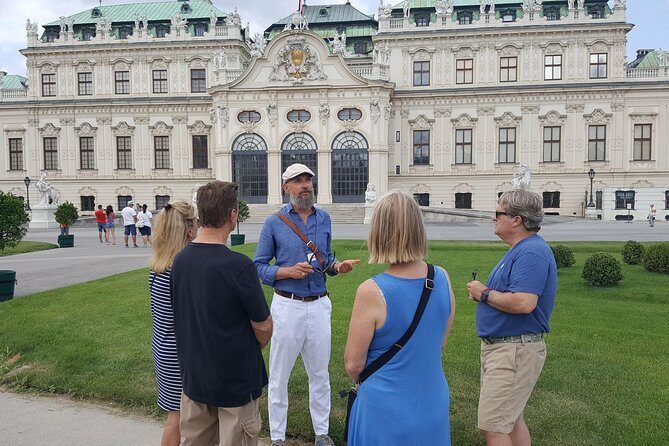
Innsbruck history fits neatly on one walk. With a licenced Austria Guide, you get a guided route through the Old Town that explains why each place matters, not just what it looks like.
I especially like how the tour makes the city’s timeline feel real: the climb from Maria Theresien Straße into the medieval streets is timed around how the town grew toward Emperor Maximilian I. Then the Golden Roof brings the Habsburg court to life in a way you can actually picture.
The main catch is timing and rules: no video or audio recording, and the Dome visit depends on public open hours (not during services).
In This Review
- Key Highlights You’ll Feel Right Away
- Walking Value: What a Private, Certified Guide Changes
- Maria Theresien Straße: Palaces, Shops, and the First Chapter of Innsbruck
- Into the Medieval Old Town Around 1500
- Golden Roof: Maximilian’s Court in One Iconic Spot
- St. James Dome: Cranach’s Maria Hilf and the Painted Ceiling
- Imperial Palace Area: Habsburg Power, Maximilian’s Memorial
- Price and What You Actually Get for a Group Up to 10
- Pace, Pace, Pace: How the Stops Fit Together in 1–3 Hours
- Recording Rules and Other Small Practicalities
- Who This Tour Fits Best (and Who Might Skip It)
- Should You Book This Innsbruck Private City Tour?
- FAQ
- How long is the Innsbruck private city tour?
- What language is the guide available in?
- Is this a private tour or a shared tour?
- Where does the tour start and is pickup included?
- Is entry to the Dome of St. James included?
- Do I need to pay for photos inside the Dome?
- Are video or audio recordings allowed during the tour?
- What about headsets or audio gear for larger groups?
Key Highlights You’ll Feel Right Away
- State-registered local guidance with English, German, or Japanese
- Maria Theresien Straße: baroque palaces turned into modern life along a historic main street
- Medieval Old Town streets (around 1500): narrow lanes that help you picture historic merchants and routes
- Golden Roof: the signature Innsbruck sight tied to Maximilian and his family
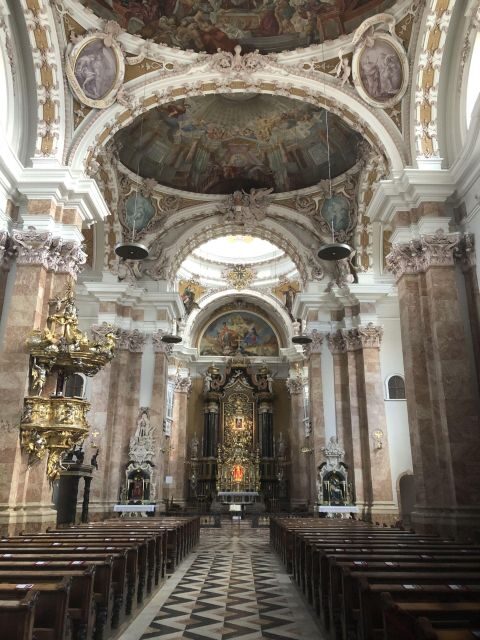
- St. James Dome: Lucas Cranach the Elder’s Maria Hilf (Mary with Child), plus famed ceiling paintings
- Imperial Palace area: a strong finish tied to the Habsburgs and Maximilian’s memorial grave
Walking Value: What a Private, Certified Guide Changes
A private city tour can be a mixed bag in Europe. The difference here is that you’re not just buying a route—you’re buying a guide who’s state-registered and certified. That matters because the tour isn’t a scavenger hunt of famous spots. It’s a guided story that connects buildings, names, and eras into a walk you can follow without needing to study beforehand.
You’ll also get a human pace. The best moments in Innsbruck are the ones you almost miss: a view that opens for a few seconds, a small detail on a facade, or the way a church space feels once you’re standing inside. With a guide, those moments get pointed out and explained in plain language—exactly the kind of help that makes a 1 to 3 hour outing feel like more.
I also like that the tour can match your attention span. On shorter versions, you focus on the core sights. On longer versions, you can choose optional entries like the Imperial Castle, Court Church, or other museums—so you don’t waste time paying for things you’d rather skip.
You can also read our reviews of more guided tours in Innsbruck

Maria Theresien Straße: Palaces, Shops, and the First Chapter of Innsbruck
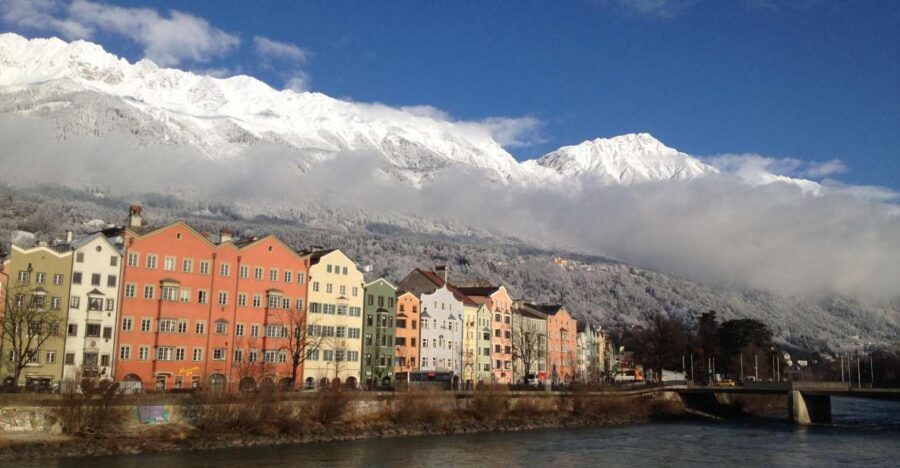
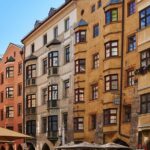
Most Innsbruck walks start with the old core. This one begins with Maria Theresien Straße, and that’s smart. It’s one of those streets that feels familiar quickly—because it mixes history with present-day shopping and city life. But underneath that modern bustle, the street traces the first suburb of Innsbruck and lined up old baroque town palaces of prominent families.
What I like about starting here is that you get context before the medieval maze. You understand where people were living and how the city’s wealth and connections shaped what you’ll see later. The guide’s job is to slow you down just enough to notice the “then and now” contrast. You walk past modern shopping centers, but the explanation keeps the baroque palaces in focus.
If you’re the kind of person who hates feeling rushed in a city, this opening helps. It gives you a buffer to get oriented. You learn the river direction, the general layout, and the story arc before you step into the tighter streets of the Old Town.
Into the Medieval Old Town Around 1500
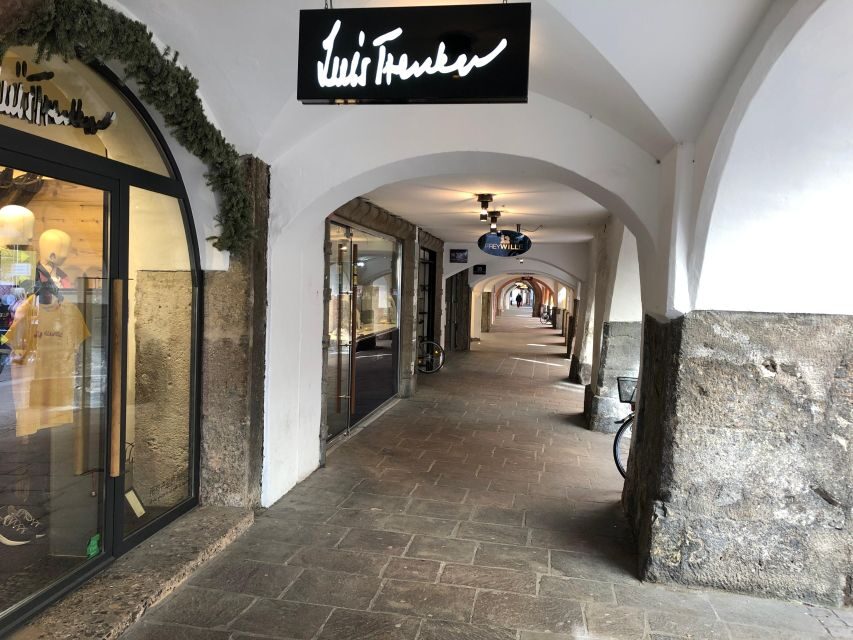
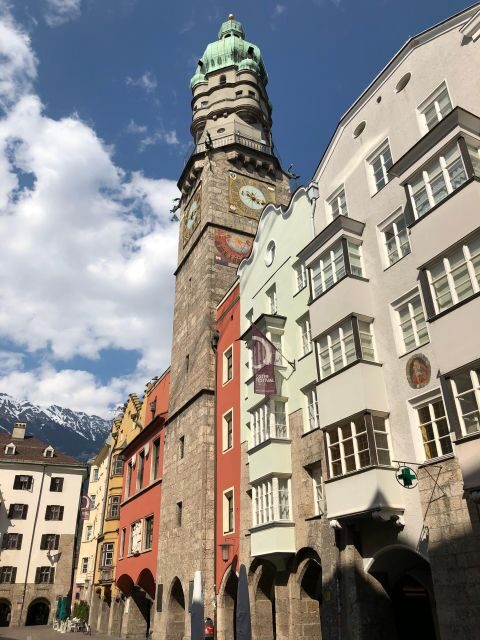
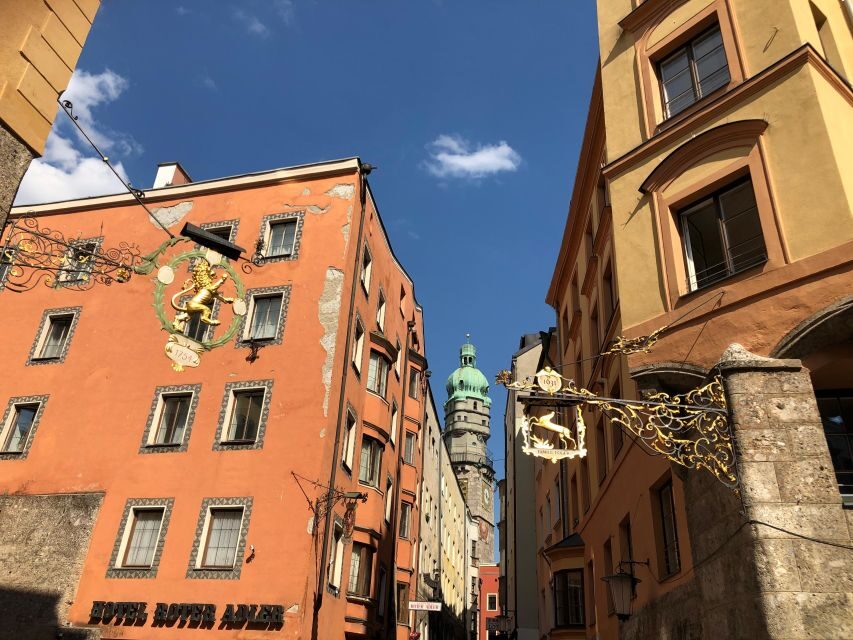
After Maria Theresien Straße, you cross into the Old Town, the medieval center with many buildings dating back to the era around Emperor Maximilian I (roughly the early 1500s). This is where Innsbruck starts to feel like a place you can picture in motion—merchants arriving, goods moving, and international ties shaping daily life.
The streets here are narrow. That sounds like a basic detail, but it changes the whole experience. Narrow lanes do two things: they slow your walking pace naturally, and they frame views so you notice architecture and street rhythm instead of only chasing landmarks.
This is also where your guide’s style shows. In good hands, you don’t just get dates. You get what it felt like when Innsbruck was a crossing between North- and South-Europe, positioned between surrounding Northern and Central Alps. That “crossroads” idea explains why the city has both Northern European order and Mediterranean influence in the cultural mix.
Golden Roof: Maximilian’s Court in One Iconic Spot
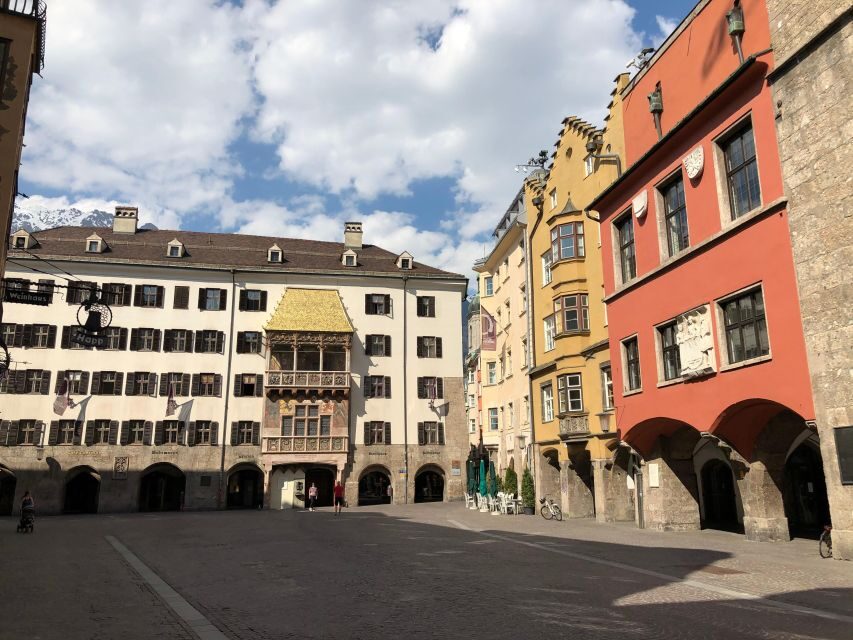
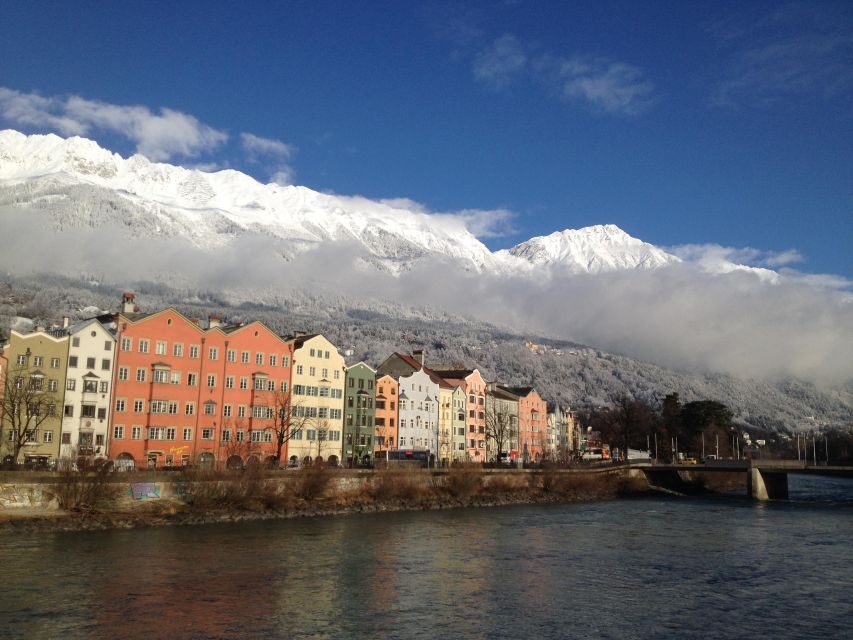
Every city has one sight people call a must. Innsbruck’s is the Golden Roof, and the tour uses it as more than a photo stop. You learn how the Golden Roof connects to the time of Emperor Maximilian and his family and why it became the symbol it is today.
The Golden Roof works best when you look at it with the right context. From the tour’s point of view, it’s a way to understand how court culture shaped the city’s identity. It’s not just a pretty facade. It represents power, display, and the kind of court life that turned Innsbruck into a recognizable center of influence.
This stop also gives you a break from walking without losing momentum. Even if you only spend a few minutes near it, the guide helps you see what to notice. That keeps the Golden Roof from turning into a quick selfie moment and makes it feel like part of the larger story.
St. James Dome: Cranach’s Maria Hilf and the Painted Ceiling
The most “wow” moment for many visitors is the Dome of St. James. The big reason: you’re not only seeing a church. You’re seeing one of Innsbruck’s notable art and decoration highlights, including a Lucas Cranach the Elder painting titled Maria Hilf (also described as Mary with Child).
The Dome also has splendid ceiling paintings and an interior design that feels designed to hold your attention while you stand still. And the tour doesn’t skip the important background. You learn that it’s also a burial place for one of Tyrol’s sovereigns. That detail matters because it explains why the place feels so formal and ceremonial.
One practical note: entry to the Dome is currently free of charge during public open hours, but visits aren’t possible during church services. And there’s also a small photo ticket you can purchase directly inside the Dome for artwork photography. So if Dome time is a priority for you, it’s worth matching your schedule to the likely open windows.
You can also read our reviews of more city tours in Innsbruck
Imperial Palace Area: Habsburg Power, Maximilian’s Memorial
The tour finishes around the Imperial Palace, the home of the Tyrolean branch of the Habsburg family and the Court Church area. This is a strong ending because you’re leaving the older lanes and iconic symbols behind, and moving toward the institutional center—the kind of place where political power lived.
The tour also connects this area to Emperor Maximilian I’s memory. You’re placed in front of a memorial grave connected with him, and the Imperial Palace area is presented as one of the most important and beautiful emperor graves tied to the Holy Roman Empire.
This final stretch is great if you want a clear storyline finish: city street → court symbol → major church art → Habsburg seat. Even if you don’t plan any further museum stops, you end with a sense of what Innsbruck was built to represent.
For tours lasting 2 hours or more, you can also add optional entries into the Imperial Castle, the Court Church, or other museums in town. If you’re interested in continuing, this structure keeps you from burning time later trying to decide what’s worth it.
Price and What You Actually Get for a Group Up to 10
At $163 per group up to 10, this tour is priced for value in a way that’s easy to understand. You’re not paying per person for an experience that’s really a private walkthrough. Instead, you’re essentially renting a guide’s time and attention for your group size—then splitting that cost across up to 10 people.
Here’s the key value angle: you’re paying for guidance through several major stops with meaning, and not just a route. The tour includes walking with your personal Austria Guide and Dome entry during public open hours. Optional museum or palace entries are add-ons if you want them, which is good because it lets you tailor the level of detail.
Also, your guide’s language options matter for real-world comfort. The tour offers English, German, and Japanese. That means you’re more likely to get full meaning out of the art and Habsburg context, instead of only catching fragments.
Pace, Pace, Pace: How the Stops Fit Together in 1–3 Hours
The time range (1 to 3 hours) sounds broad, but the structure stays consistent: you get an Old Town walk that starts on Maria Theresien Straße, moves into the medieval core, hits the Golden Roof, includes St. James Dome, and ends near the Imperial Palace.
If you choose the 1 to 2 hour option, you’ll likely feel a tighter emphasis on the biggest signatures. If you go longer (2+ hours), the optional entrances become more realistic—especially for anyone who wants more than a quick look at major interiors.
A good private tour is one you don’t feel physically dragged through. From the guide feedback style, this tour is meant to flow at a comfortable tempo, and that usually means you have enough time to ask questions without feeling like you’re slowing the line. In real-world terms: you get to stand, look, and understand, not just move.
Recording Rules and Other Small Practicalities
Two rules show up that matter for your planning. First, video recording and audio recording are not allowed. If you’re used to documenting everything, you’ll want to adjust your expectations and rely on photos and memory for details.
Second, the Dome is tied to public open hours. Even though Dome entry is included when it’s open, church services block visits. If your schedule places you in a tight window, the guide can help keep your expectations realistic so you’re not disappointed by timing.
If you’re traveling in a larger group (over 20 people), the tour notes that an audio device system is mandatory, like Quiet Vox or similar. You can bring your own, or the provider can arrange one for an additional EUR 30 paid on the spot by the tour leader.
Who This Tour Fits Best (and Who Might Skip It)
This is a great fit for you if you want a guided walk with a clear story: Maria Theresien Straße into the medieval Old Town, the Golden Roof as the court symbol, then St. James Dome for major art and painted ceilings, and finally the Imperial Palace area to tie it all together.
It’s also a solid choice for couples and small groups who like to ask questions. The guide experience here stands out in the way some guides personalize the route. One guide example is Clemens Lindig, described as friendly and very knowledgeable about the city. Another is Anja Hinteregge, praised not only for excellent English and native-local passion, but also for sharing personal wartime experiences from her family. That human layer is often what makes the walk feel more like a conversation than a lecture.
You might skip this tour if you prefer a totally self-guided stroll with no rules about recordings, or if you’re mainly chasing the fastest list of photo spots. In that case, a route without structured Dome timing might suit you better.
Should You Book This Innsbruck Private City Tour?
If you want a short Innsbruck experience that still feels meaningful, I’d say yes. The tour hits the biggest landmarks—Golden Roof and St. James Dome—but it also gives you the context that makes those stops make sense. And because it’s a certified local guide in a private format, it’s easier to get your questions answered and your walking pace matched.
Book it if you’re visiting for a limited time, you like architectural and art details, and you want the Habsburg story connected to real places. If you’re traveling with a tight schedule, aim to align your Dome visit with public open hours, since that’s the only built-in timing constraint you can’t fully control.
FAQ
How long is the Innsbruck private city tour?
The tour lasts 1 to 3 hours, depending on the starting time and how you choose to structure your visit.
What language is the guide available in?
The live guide is available in English, German, and Japanese.
Is this a private tour or a shared tour?
This is a private group tour.
Where does the tour start and is pickup included?
Pickup is included. You should wait at the meeting point you selected about 10 minutes before the scheduled pickup time.
Is entry to the Dome of St. James included?
Yes. Entry to the Dome of Innsbruck is currently free of charge during public open hours, but visits are not possible during church services.
Do I need to pay for photos inside the Dome?
You may need to buy a photo ticket for the Dome of St. James directly at the Dome. The ticket price is listed as €1.
Are video or audio recordings allowed during the tour?
No. Video recording and audio recording are not allowed.
What about headsets or audio gear for larger groups?
For groups larger than 20 persons, an audio device system is mandatory. You can bring your own, or arrange one provided for an additional EUR 30 (paid in cash by the tour leader on the spot).