REVIEW · VIENNA
Klimt & Vienna around 1900
Book on GetYourGuide →Operated by Kolja Kramer · Bookable on GetYourGuide
Klimt hits different in the Upper Belvedere. This 90-minute walk-in guided visit is built around Vienna around 1900, using the paintings (including The Kiss) to explain what pushed Klimt and his circle to change art. You start with palace views over Vienna, then connect the dots between Impressionism, Symbolism, Expressionism, and the Vienna Secession.
I really like two things here. First, the guide is led by a Ph.D. art historian, so the explanations stay clear and specific, not fluffy. Second, you get a focused look at the Upper Belvedere’s original Klimt paintings and the broader Vienna art scene, including major names like Egon Schiele and Josef Hoffmann.
One catch to plan for: the Upper Belvedere entrance ticket is not included, and you must buy the right timed slot. If you show up without the correct ticket (or with a mismatch), you may not be able to join and there are no refunds.
In This Review
- Key things to know before you go
- Upper Belvedere meeting point: start where the building itself teaches
- The Vienna Secession story: why Klimt mattered around 1900
- Prince Eugen’s palace views: using the outdoors for context
- Klimt’s personal development: how the guide connects life to paint
- Symbolism, Expressionism, and Impressionism: seeing the same period in different ways
- The largest Klimt collection focus: how to make the most of 90 minutes
- Beyond Klimt: Schiele, Hoffmann, and the art circle around 1900
- Price and value: why $53 can be fair, with one important condition
- Who this tour is best for
- Quick guidance: how to prepare so the tour feels smooth
- Should you book Klimt & Vienna around 1900?
- FAQ
- Is the Upper Belvedere Palace entrance ticket included?
- Which ticket do I need: Upper Belvedere or Lower Belvedere?
- Where do I meet the guide?
- How long is the tour?
- What languages are the tours offered in?
- Is the tour wheelchair accessible?
- Do I need a specific timed entry slot?
- What happens if I have the wrong ticket time slot or no valid ticket?
- Is free cancellation available?
- Who guides the tour?
Key things to know before you go
- Meet inside Upper Belvedere, by the grand imperial staircase so you can find the group fast
- A Ph.D. art historian guide that links style changes to real-life events and culture
- The Kiss is part of the focus inside the museum’s Klimt holdings
- Vienna Secession (1897) is the storyline, not just Klimt as a one-person show
- You’ll hear about the broader art mix visitors often connect only to one movement
- Short and efficient at 90 minutes, so you won’t see everything—on purpose
Upper Belvedere meeting point: start where the building itself teaches
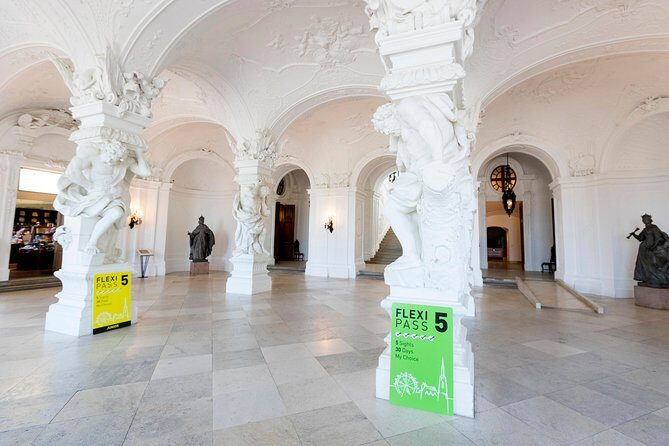
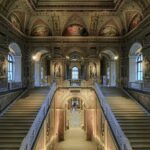
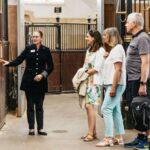
The experience begins inside the Upper Belvedere Palace. You’ll meet in the entrance hall, positioned in front of the grand imperial staircase. That matters more than it sounds: the palace layout helps you “get into” the world of the late-19th and early-20th century quickly, instead of starting in a hurry while you hunt for the right gallery.
Before you head in, do one practical thing: confirm you have an Upper Belvedere timed ticket that starts before your tour does. The tour price covers the guide, not your museum entry. The museum is highly frequented, and if the group can’t wait, a late arrival can cut your visit short. In other words, treat your timed slot as part of the tour itself.
Also note the timing reality. This is a 90-minute tour, which is great for energy and focus. It means the guide will select the most important Klimt and Vienna-around-1900 context rather than trying to cover every room or every painting.
You can also read our reviews of more tours and experiences in Vienna.
The Vienna Secession story: why Klimt mattered around 1900
Once you’re inside, you’re not just looking at art—you’re learning why the art looked the way it did. The tour places Klimt inside the Vienna Secession, founded in 1897 by Klimt and other key figures. That’s a major piece of the puzzle because it explains Klimt’s position: he’s not working in isolation. He’s part of a shift where younger artists pushed back against older expectations.
Here’s what you’ll find useful: you’ll get the logic behind the style, not only the facts. Symbolism and Impressionism aren’t treated like labels; they’re presented as tools artists used to respond to modern life, changing tastes, and new ideas flowing into Vienna.
You’ll also hear how international art reached Vienna. The Secession didn’t just champion local talent. It brought in works and influences from abroad—examples like Impressionists such as Monet, plus other avant-garde figures such as Munch, Hodler, Segantini, van Gogh, and more. That broad view helps you stop thinking of Klimt as a standalone “Austrian” artist. He’s part of a network of artists and ideas crossing borders.
Prince Eugen’s palace views: using the outdoors for context
This tour isn’t all gallery time. You start with an amazing view over Vienna from the palace. That moment is more than scenic filler. It sets the mood for the era the guide is talking about—Vienna as a cultural capital, where art, wealth, and identity all mixed.
You also learn about the palace connection to Prince Eugen Belvedere and his summer palace. Even if you don’t care about palace history on its own, the point here is interpretation: the building is part of how art was consumed and displayed. Big collections and grand architecture weren’t neutral backdrops; they shaped what audiences valued and how art was seen.
Practical tip: if you get even a little wind or cold, dress accordingly. You’ll want to be comfortable enough to actually look out and absorb the view rather than rushing through it.
Klimt’s personal development: how the guide connects life to paint
The tour aims to explain Klimt’s development and his personal life, and it does that by connecting his art to the Vienna moment. That is exactly the kind of context that makes a painting feel less like a product and more like a decision.
You’ll also hear about the Vienna art “major players” around 1900, including Egon Schiele and Josef Hoffmann, alongside Klimt. Even if you only came for Klimt, this does something important: it shows how one artist’s choices fit into a wider movement. It stops the story from becoming a single straight line and instead gives you a richer map of who influenced whom and what “new” meant at the time.
If you like art history that is human-scale—ideas, relationships, shifts in taste—this format should work well. One guide you may see mentioned is Kolja Kramer, and the tone described with his storytelling is warm and engaging, with good humor. That matters because Klimt’s world can feel intense. A lighter hand makes it easier to stay with the details.
Symbolism, Expressionism, and Impressionism: seeing the same period in different ways
The tour explicitly introduces multiple movements that were shaping Vienna’s art world around 1900, including Symbolism, Impressionism, and Expressionism. You’ll learn how these aren’t just style names—they are responses to modernity.
Here’s the practical benefit for you: when you stand in front of a Klimt work, you can start asking better questions. Is the image aiming at emotion more than realism? Is it blending beauty with unease? Is it treating surface design as a form of meaning? The guide’s historical context helps you “read” a painting instead of just admiring it.
And because the tour includes examples of international art influences linked to the Secession, you get a sense of why Vienna looked so connected to the broader art world. That connection helps you understand why so many movements overlapped in one time window rather than arriving one after another like a neat textbook timeline.

The largest Klimt collection focus: how to make the most of 90 minutes
This visit centers on the Upper Belvedere’s important holdings of Klimt works, described as the largest collection of Klimt paintings there, including his masterpiece The Kiss. That’s the kind of promise that’s hard to beat—especially if you want one high-impact museum experience rather than wandering for hours.
Still, there’s a reality check that helps you set expectations: a 90-minute tour can’t cover every Klimt-related painting across the entire museum complex, and one participant found the coverage incomplete. So go in with the goal of understanding the core story and seeing the standout works that the guide chooses—not checking off a full museum itinerary.
To get the best value from your time:
- Pay attention when the guide explains why Klimt changed.
- Don’t rush The Kiss. Give yourself a few moments after the explanation so the details land.
- Ask yourself what the painting is doing emotionally, not only visually.
If you want a full, self-guided marathon through every room, you’d likely need a separate museum plan. But if you want meaning fast, this format is a strong fit.
Beyond Klimt: Schiele, Hoffmann, and the art circle around 1900
One of the most useful parts of this tour is how it refuses to treat Klimt as a solo act. You’ll be brought into the broader Vienna scene and introduced to major figures such as Egon Schiele and Josef Hoffmann, plus the wider social and artistic structure that supported them.
Even if you don’t plan to visit every other museum in Vienna, you’ll walk away with clearer names and relationships. That’s the real value: your next museum stop becomes easier because you can place what you’re seeing into a story.
You’ll also learn about how the Secession’s exhibitions supported younger, upcoming artists while importing international works. That balance is key for understanding Vienna’s artistic energy around 1900—it wasn’t stuck in its own bubble. It was competitive, curious, and willing to bring in outside influences.
Price and value: why $53 can be fair, with one important condition
At $53 per person for a 90-minute guided tour, this sits in the “reasonable for what you get” category—especially because it’s led by a certified guide/Ph.D. art historian and includes a structured narrative about both Klimt and the Vienna around-1900 scene.
But here’s the cost truth you should plan for: the Upper Belvedere entrance ticket is not included. So your real budget is the tour price plus the museum ticket. The timed ticket is also not optional, which means you’re taking on a bit of logistics responsibility.
When the math works best for you:
- You care about interpretation and context, not just photos.
- You want a guide to help you pick what matters inside the museum.
- You’re visiting during busy times and want less time guessing, more time understanding.
When it might feel less worth it:
- You only want to see Klimt at your own pace with no structured explanations.
- You’re likely to arrive late or have uncertain timing, because the tour depends on the ticket with the correct time slot.
Who this tour is best for
This tour is a great match if:
- You’re drawn to Klimt but also want to understand the why behind the art.
- You like art history told with clear connections between culture, politics of taste, and personal artistic development.
- You appreciate an expert voice—especially a Ph.D. art historian style of explanation.
It can also be a good fit if you want comfort during a stressful travel day. One participant shared that their guide was kind and empathetic, which is the kind of human experience you don’t get from a brochure.
And yes, you may also end up with a smaller group. There’s evidence the tour can become a private-style experience when bookings are light. If you like attention and questions, that’s a plus.
Quick guidance: how to prepare so the tour feels smooth
If you want this to go smoothly, do these two steps:
- Buy your Upper Belvedere ticket online ahead of time, and select a time slot that starts before your tour.
- Plan to meet inside the Upper Belvedere, in the entrance hall by the grand imperial staircase.
Also, bring your ticket with the correct time slot. The rules are strict, and the tour does not include museum entry.
If you’re traveling in winter or shoulder season, dress for indoor walking plus brief outdoor/terrace moments. The palace view part is worth being comfortable for.
Should you book Klimt & Vienna around 1900?
Book this tour if you want a guided, expert explanation of Klimt that places him inside the Vienna Secession and the artistic shifts around 1897 onward. The focus on the Upper Belvedere’s Klimt holdings—especially The Kiss—plus context about Symbolism, Impressionism, and Expressionism makes this a strong one-session payoff.
Skip or consider alternatives if you want to see every Klimt work without time limits, or if you’re uncertain about your museum entry timing. The biggest practical issue here isn’t the tour content—it’s the fact that the right timed entrance ticket is required, and it affects whether you can join.
If you get your ticket slot right, this is a smart way to turn a museum visit into an actual story about how Vienna changed art at the turn of the century.
FAQ
Is the Upper Belvedere Palace entrance ticket included?
No. The tour price includes the guide, but you need to buy a valid Upper Belvedere entrance ticket separately.
Which ticket do I need: Upper Belvedere or Lower Belvedere?
You only need a ticket for the Upper Belvedere. A Lower Belvedere ticket is not required for this experience.
Where do I meet the guide?
Inside the Upper Belvedere Palace, in the entrance hall in front of the grand imperial staircase.
How long is the tour?
The duration is 90 minutes.
What languages are the tours offered in?
The tour is offered in English and German.
Is the tour wheelchair accessible?
Yes, it is listed as wheelchair accessible.
Do I need a specific timed entry slot?
Yes. You must purchase your Upper Belvedere ticket with the correct time slot so it starts before the tour begins.
What happens if I have the wrong ticket time slot or no valid ticket?
You need a valid ticket for the correct time slot. The tour states there are no refunds if you do not have a valid ticket, have a wrong time slot, or in case of delay.
Is free cancellation available?
Yes. You can cancel up to 24 hours in advance for a full refund.
Who guides the tour?
It’s guided by a certified guide / Ph.D. art historian.