Three capitals in one long day.
This is a small-group format that turns a straight drive into a guided tour with meaning, from Soviet-era memory on the Danube to views from Bratislava’s Most SNP tower. You get a clear, efficient route: Budapest for the big landmarks and sweeping castle-area panoramas, then Bratislava for the compact set of highlights.
I especially liked two things: first, the way guides Simeon and (on the road) Paul connect buildings to the social and political story around them, without turning it into a lecture. Second, the practical comfort that makes a 12–14 hour day feel manageable: private air-conditioned transport, WiFi onboard, bottled water, and snacks, plus photographer support for key moments.
One thing to consider: it’s a long day, and meals aren’t included, so you’ll want a plan for lunch breaks and what you’ll eat during free time.
In This Review
- Key things to know before you go
- A long day done the easy way: Vienna to Budapest to Bratislava
- Price and what you actually get for $164.59
- Pickup in Vienna: where to wait and how not to get lost
- Budapest in 4 hours: Danube memorials, Parliament views, and Castle Hill stops
- Soviet War Memorial and what it signals
- Hungarian Parliament Building and the “first impression” angle
- Shoes on the Danube Bank: a stop that changes how you look
- Chain Bridge: the classic shot, plus context
- St. Stephen’s Basilica: a spiritual and architectural reset
- Fisherman’s Bastion and the payoff viewpoint
- Church of Our Lady on Castle Hill: finishing the loop with a sense of place
- How to use Budapest free time (without losing the day)
- Bratislava in 2 hours: UFO Tower views and Castle-area icons
- Most SNP (UFO Tower): the skyline-from-above stop
- Bratislava Castle: the old-city anchor
- Slovak National Theatre: a historic-building moment
- The guides make the day: Simeon’s stories and Paul’s smooth ride
- Comfort details that matter on a 12–14 hour schedule
- What’s included vs. what you’ll plan yourself
- Who should book this 3-capitals small-group day trip
- Should you book this tour?
- FAQ
- What time does the tour start?
- Is pickup available in Vienna?
- How many people are in the group?
- What is included in the price?
- Are admission tickets included for the stops?
- What happens if weather is bad?
Key things to know before you go
- Max 16 travelers: intimate, not crowded, with time to ask questions
- Pickup in Vienna: the driver calls with the vehicle details so you’re not wandering
- Budapest for four hours: Parliament area + Danube memorials + Castle Hill viewpoints
- Bratislava in two hours: UFO Tower, Castle, and the historic Slovak National Theatre stop
- Included comfort: WiFi, air-conditioning, bottled water, snacks, and a photographer
- Meals not included: you’ll rely on free time for food
A long day done the easy way: Vienna to Budapest to Bratislava
This is one of those trips that looks intense on paper, but feels organized in real life. You start in Vienna at 8:00 am, then cover Budapest and Bratislava with private transportation and a group capped at 16 people. Expect a 12 to 14 hour day, which is long enough that pacing matters.
The private van part is not a small detail. With air-conditioning, onboard WiFi, and a steady plan of stops, you’re not burning time figuring out schedules or transfers. It also means your guide can keep the story moving between sights, instead of you losing momentum waiting on trains.
You can also read our reviews of more tours and experiences in Vienna.
Price and what you actually get for $164.59
At $164.59 per person, you’re paying for more than buses and photo stops. Your trip includes private transportation, bottled water, snacks, and WiFi, plus a photographer and a small gift from the company. That matters because it lowers the “hidden costs” of a day like this—food, drinks, and time.
There’s also a guide element built into each city segment. If you’re the type who cares about what you’re seeing (why it matters, who built it, what changed around it), this format tends to pay off fast. And the listed admission for the stops in Budapest and Bratislava is marked free in the schedule you’re given.
The tradeoff is straightforward: meals are not included. I like that the day includes snacks, but you’ll still want proper lunch time in Budapest and a realistic snack plan in between.
Pickup in Vienna: where to wait and how not to get lost
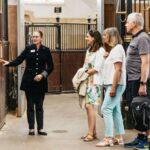
This tour is set up for straightforward pickup, not a scavenger hunt. The driver will call you with the license plate number and the color of the vehicle, and you should wait in the hotel lobby or in front of the entrance at your address.
You’ll also receive confirmation at booking time, and the tour uses a mobile ticket. I consider that part of the value, because it reduces friction when you’re starting early.
Budapest in 4 hours: Danube memorials, Parliament views, and Castle Hill stops
Budapest is the main event here, with about 4 hours for your guided walk-and-look sequence. You’ll hit a strong mix: grand civic architecture, memory sites along the river, and viewpoints that make the city feel cinematic.
Soviet War Memorial and what it signals
The day starts with the Soviet War Memorial, which is more than a photo moment. It points to how the city’s twentieth-century story still shows up in public spaces. If you like understanding why certain monuments sit where they do, this is a good opening chapter.


Hungarian Parliament Building and the “first impression” angle
You’ll also see the Hungarian Parliament Building as part of the circuit. Even when you’re not going inside, getting oriented here helps everything else snap into place. It’s a visual anchor for Budapest—especially when you’re later looking across the Danube.
Shoes on the Danube Bank: a stop that changes how you look
The Shoes on the Danube Bank memorial is one of the most powerful sites on this route. This is the kind of place where the explanation matters, because the story is tied to what the riverbank has represented over time. Give yourself a minute to slow down; your photos won’t capture what you learn if you rush.
Chain Bridge: the classic shot, plus context
Next is the Chain Bridge, one of those landmarks you’ve seen in postcards—then you’re surprised by how “big” it feels in real life. It’s also useful for orientation, because it connects views of both sides of the city.
St. Stephen’s Basilica: a spiritual and architectural reset
You’ll make a stop at St. Stephen’s Basilica. This is a good contrast point after memorial and river-focused scenes, because it shifts you into a different kind of public space. Look up as you move through the area; the architecture is part of the experience, not background.
Fisherman’s Bastion and the payoff viewpoint
Then it’s up toward the Fisherman’s Bastion, which is famous for the views and the sweeping photo angles. If you like city panoramas, this is where Budapest turns from “interesting stops” into “wow, I get why people love this city.” It’s also a natural place to take your time since the payoff is the skyline.
Church of Our Lady on Castle Hill: finishing the loop with a sense of place
Finally, you’ll visit the Church of Our Lady of Buda Castle as part of the castle-area feel. Castle Hill is where Budapest’s layers become visible—past and present sitting close enough to compare. Plan for some walking and uneven terrain, and you’ll enjoy it more.
How to use Budapest free time (without losing the day)
Your schedule gives you time to explore on your own, and I’d treat that as part of the trip, not a break between tasks. A good move is to pick one “must-eat” item and one “must-photo” spot, then work around them. That keeps you from turning free time into endless wandering.
From the guide approach you’ll experience, you’ll also get practical suggestions for eating and getting around. I like that because it saves you from guesswork when you’re in a city you don’t know yet.
If you want a simple strategy: use guided time for the big historical framing and key viewpoints, then use free time to slow down. You’ll get more out of both.
Bratislava in 2 hours: UFO Tower views and Castle-area icons
Bratislava is shorter here—about 2 hours—so you go in with the right mindset: highlight coverage, not deep museum time. This is a “feel the place” route, with three recognizable landmarks that help you understand how the city sits on the Danube corridor.
Most SNP (UFO Tower): the skyline-from-above stop
You’ll visit Most SNP (UFO Tower), which functions as the day’s built-in viewpoint. Even if you’re not spending long inside, the stop is worth it because it gives you scale. When you can see how the city spreads out, everything you walked past makes more sense.
Bratislava Castle: the old-city anchor
Next is Bratislava Castle, which is the classic visual anchor for the city. This stop often works well for quick orientation, because it’s the kind of landmark you can use as a reference later. It’s also an easy place to appreciate the difference between “stopping for photos” and “understanding the skyline.”
Slovak National Theatre: a historic-building moment
You’ll finish with the Slovak National Theatre (historical building). Even if you’re not seeing a performance, a historic façade stop adds texture to the day. It makes Bratislava feel less like a quick detour and more like a real city with cultural institutions.
The guides make the day: Simeon’s stories and Paul’s smooth ride
The reason this tour scores so high is not just the route. It’s the way the guide turns landmarks into understandable context.
Simeon is the standout guide name for this experience, with a style that links history to how people lived and what shaped public life. His explanations are described as clear and patient, with the right balance between organized guidance and time to explore.
You’ll also spend a lot of the day with Paul as part of the driving team. That matters more than you’d think on a long itinerary. A smooth, well-handled drive turns the day from exhausting to doable, and music can help keep the ride from feeling like a chore.
If you’re the kind of traveler who asks questions on the spot, this kind of guide setup tends to work well. I also like the way they handle pacing—there’s room to breathe and plenty of help with where to go next.
Comfort details that matter on a 12–14 hour schedule
This tour includes what you actually want for a day with driving: air-conditioned vehicle, bottled water, and snacks. There’s also onboard WiFi, which helps if you’re waiting on something or just want to keep your phone charged and useful.
A photographer is included, which can be a big deal when you’re splitting time between walking stops and finding your own shot. It’s the kind of support that saves time, especially if you’re traveling in a small group and everyone wants at least a few photos.
Expect a smooth ride and enough stops to handle the practical side of a long day. When the schedule is tight, those small logistics become the difference between “great tour” and “good tour, but I was drained.”
What’s included vs. what you’ll plan yourself
Here’s the simple checklist in plain terms:
Included:
- Private transportation
- WiFi onboard
- Air-conditioned vehicle
- Bottled water and snacks
- Photographer
- Small gift from the company
- English-speaking guide
Not included:
- Meals
That’s why I’d plan your food around the free time you get. Budapest is the longer stop, so aim to treat lunch as the anchor meal. Then rely on snacks onboard plus whatever you pick up during your own exploring time.
Who should book this 3-capitals small-group day trip
This is a great fit if you want a structured day with strong context and you don’t want to manage trains, tickets, or transfers. It’s also ideal if you like walking city highlights rather than sitting through long driving-only segments.
It’s built for a small group vibe, and it can work well for solo travelers too, since the guide helps keep everyone oriented and moving. If you have limited mobility, the tour is described as accommodating by the guide’s flexibility, but I’d still plan carefully around walking and viewpoints.
If you prefer slow travel, deep museum time, or you want to spend a full day in one city, this might feel compressed. In that case, you’d be happier choosing a longer stay in either Budapest or Bratislava.
Should you book this tour?
Book it if:
- you want Budapest and Bratislava highlights with clear historical context
- you like small groups (max 16) and a guide who answers questions patiently
- you value comfort for a long day (AC, water, snacks, WiFi, private transport)
- you’re okay treating food as your own responsibility since meals aren’t included
Skip it or choose something else if:
- you hate long days and tight time windows
- you want a meal included and don’t want to think about lunch planning
- you’re looking for deep, museum-style time rather than landmark coverage
If you can handle the pace, this is one of the more efficient ways to see three important cities in a single day without turning it into a stress test.
FAQ
What time does the tour start?
The tour starts at 8:00 am.
Is pickup available in Vienna?
Yes. The driver calls you and shares the license plate number and vehicle color. You should wait in the hotel lobby or in front of the entrance at your address.
How many people are in the group?
The tour has a maximum of 16 travelers, keeping it in a small-group range.
What is included in the price?
Included are private transportation, onboard WiFi, an air-conditioned vehicle, bottled water, snacks, a photographer, and a small gift from the company. Meals are not included.
Are admission tickets included for the stops?
The schedule lists admission ticket free for the Budapest and Bratislava stops included in the tour.
What happens if weather is bad?
The tour requires good weather. If it’s canceled due to poor weather, you’ll be offered a different date or a full refund.