REVIEW · VIENNA
Vienna: Secrets and Scandals with Cake at Cafe Landtmann
Book on GetYourGuide →Operated by Scandals and Cake at The Hofburg Palace · Bookable on GetYourGuide
Cake comes with Vienna’s darkest secrets. In this 150-minute small-group tour, I love how the guide connects street-level drama to the city you see today, with Vienna Opera House tragedy and spy stories threading through the walk. You start at Burgtheater, then settle into Cafe Landtmann, where history feels dressed up and very human.
My favorite part is the food payoff. You get a serious cake tasting at Vienna’s most elegant coffeehouse, with the famous Kaiserschmarrn called out as a top pick in the city, plus other classics from Cafe Landtmann’s lineup. The pacing stays cozy for groups of just 4 to 6, so you’re not rushed while the stories land.
One practical note: drinks aren’t included, so if you want coffee or tea with your cake, you’ll want extra spending money ready.
In This Review
- Key things to expect before you go
- Arriving at Burgtheater: your calm start before the chaos
- The scandal stories Vienna tells best: Opera, walls, and a spy city
- Col. Alfred Redl: the story that makes Vienna feel dangerous
- Sisi and Franz Josef: elegance with a knife-edge
- Franz Ferdinand’s assassination: why one event echoed so far
- Coffeehouse culture: the real reason Vienna still smells like ideas
- Cafe Landtmann cake tasting: where Vienna history becomes edible
- Sachertorte and the seven-year cake war: rivalry with frosting
- Udo Proksch: the 20th-century fraud scandal that lingers
- Price and time: is $116 worth it for 150 minutes?
- Who this tour fits best (and who should skip it)
- Should you book this Vienna scandals-and-cake tour?
- FAQ
- How long is the tour?
- Where do we meet?
- What’s included with the tour?
- Are drinks included?
- How big is the group?
- Is the tour wheelchair accessible?
- Is it suitable for kids?
- FAQ
- Can I cancel for a refund?
- Is the tour offered in English?
Key things to expect before you go
- Cafe Landtmann’s “who-was-who” vibe: Hillary Rodham Clinton, Marlene Dietrich, Romy Schneider, Sir Paul McCartney, plus Sigmund Freud as a regular
- Spy capital Vienna, explained for real: why Vienna earned that label, with Col. Alfred Redl as a star character
- Opera House tragedy and the defensive wall: two topics that add tension and context to Vienna’s story
- Coffeehouse culture with Enlightenment links: how Viennese cafés helped shape ideas in Austria
- Sachertorte and the seven-year cake war: dessert history with politics, pride, and rivalry
- A tight group pace (max 6): you get time to ask questions while you snack
Arriving at Burgtheater: your calm start before the chaos
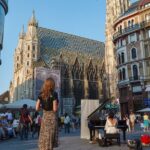
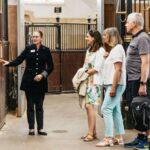
I like tours that start with clarity, and this one does. You meet at the entrance of Burgtheater, and the guide carries a white binder, arriving about 15 minutes early. That matters on busy city streets because you can get oriented without stress.
From there, the tour moves at a pace that works for stories, not just photos. With a group capped at 4 to 6, you’re less likely to get swallowed up in a crowd, and the conversation stays natural. For 150 minutes, that balance is the difference between hearing history and actually following it.
A few more Vienna tours and experiences worth a look

The scandal stories Vienna tells best: Opera, walls, and a spy city
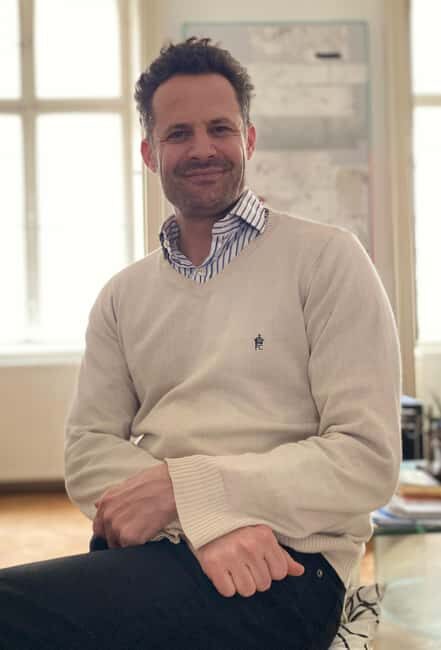
The tour’s core strength is how it keeps the drama grounded. You’re not just naming famous people; you’re learning how events shaped the city’s identity, from the Vienna Opera House tragedy to why Vienna is still seen as a spy hub.
You’ll also hear how Vienna got its defensive wall—not as a random landmark fact, but as a clue to the mindset of earlier Vienna. Even if you’ve passed buildings a hundred times on your own, a story like this helps your brain label what you’re seeing and why it mattered.
And yes, the spy theme isn’t treated like a gimmick. The guide explains why Vienna became such a magnet for intelligence work, which sets up the tour’s big character: Col. Alfred Redl.
Col. Alfred Redl: the story that makes Vienna feel dangerous
If you want one stop to mark the tone shift, it’s Redl. You’ll hear about Col. Alfred Redl, described here as the greatest spy that ever lived, and the way he nearly took down the Austrian monarchy almost single-handedly.
What I appreciate about this segment is the focus on stakes. You’re not just learning what happened; you’re learning why it shook trust at the top—exactly the kind of scandal that doesn’t stay in the past. It gives you a framework for understanding later moments in the tour, especially the monarchy stories that follow.
Even if you don’t consider yourself a history person, Redl’s tale lands because it’s built like a plot. You get enough detail to picture the tension, without getting lost in dates.
Sisi and Franz Josef: elegance with a knife-edge
Vienna can look soft in the sunlight, so it helps when a tour reminds you what used to sit underneath the glamour. The tour spends time on Empress Elizabeth, known as Sisi, and her husband, Emperor Franz Josef.
Then it moves through their children, including Crown Prince Rudolf, and sets the stage for the shock that ripples outward. You’ll also connect Franz Ferdinand and his assassination in Serbia to how Vienna’s politics and court life were never sealed off from the real world.
This part is valuable because it adds emotional texture. It’s one thing to know dates; it’s another to understand how family, power, and public life collided. When you later see Vienna’s formal architecture, you’re more likely to read it as a backdrop to real pressure.
Franz Ferdinand’s assassination: why one event echoed so far
The story of Franz Ferdinand isn’t presented as a standalone headline. You’ll learn how it fits into the larger chain of tensions the tour has been building: spies, court politics, and a monarchy that felt increasingly vulnerable.
This is where the tour earns its name: secrets and scandals aren’t separate themes. They’re different angles on the same feeling—things staying hidden until they suddenly aren’t.
If you’ve ever wondered why Vienna keeps showing up in European political drama, this segment gives you one clear answer: the city sat at a crossroads, and it attracted attention.


Coffeehouse culture: the real reason Vienna still smells like ideas
Then the tour shifts gears from political tension to daily life, and that’s where Cafe Landtmann becomes the perfect setting. You’ll explore the rich history of Viennese coffeehouse culture, including key figures and how the cafés helped shape the Enlightenment in Austria.
This part works well because coffeehouses weren’t just about drinks. The guide frames them as social engines: places where talk, debate, and big ideas could grow without needing a palace invitation.
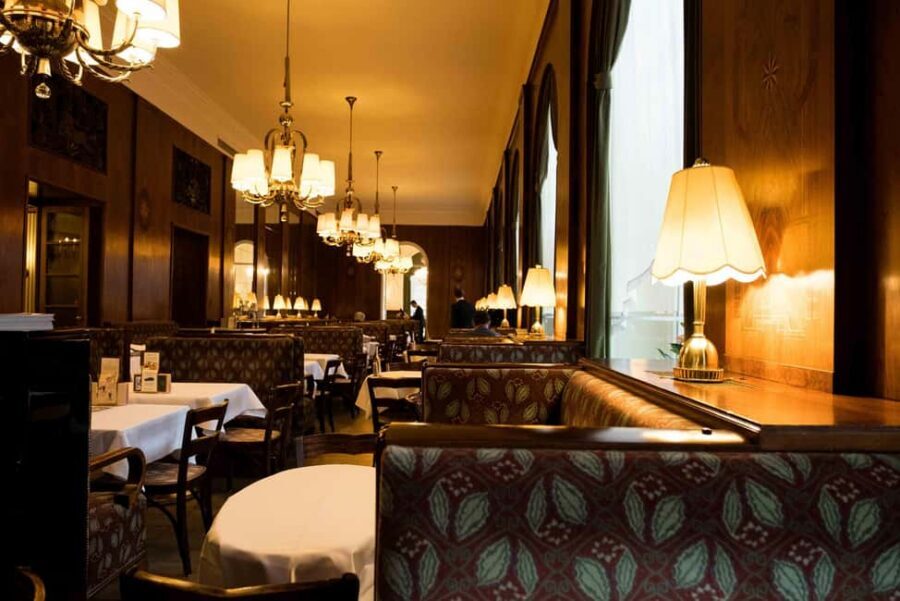
And because Cafe Landtmann is so tied to famous names, it’s easier to believe the atmosphere was real. The coffeehouse is known as Vienna’s most elegant spot, with luminaries such as Hillary Rodham Clinton, Marlene Dietrich, Romy Schneider, and Sir Paul McCartney—and it was also the preferred coffeehouse of Sigmund Freud.
That combination—famous minds plus scandal stories—makes this stop feel like more than a break. It feels like a theme park for the curious, but with substance.
Cafe Landtmann cake tasting: where Vienna history becomes edible
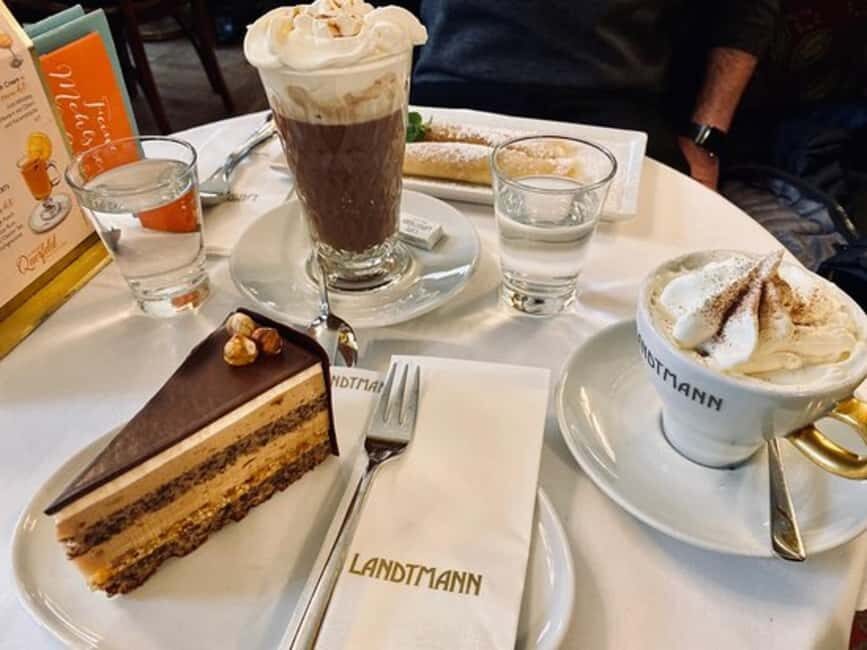
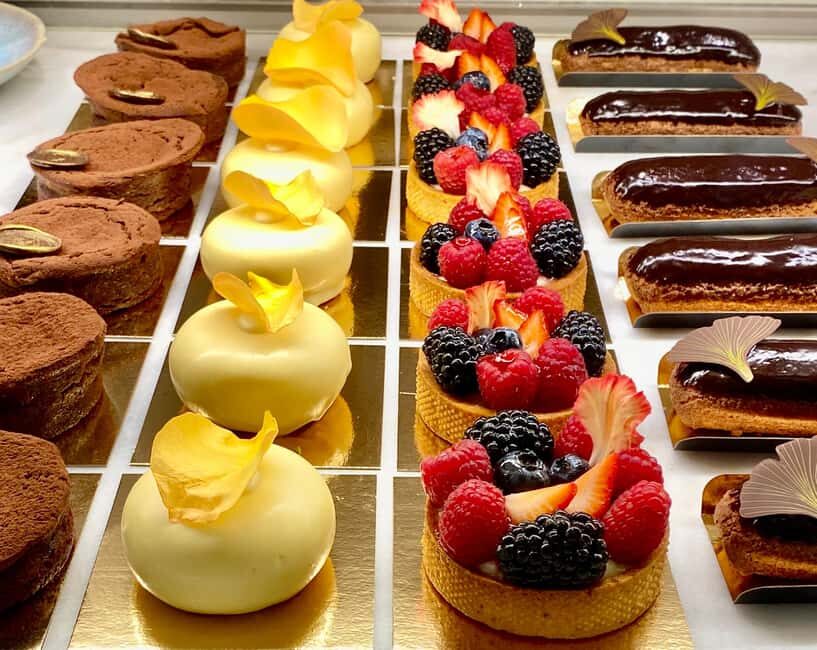
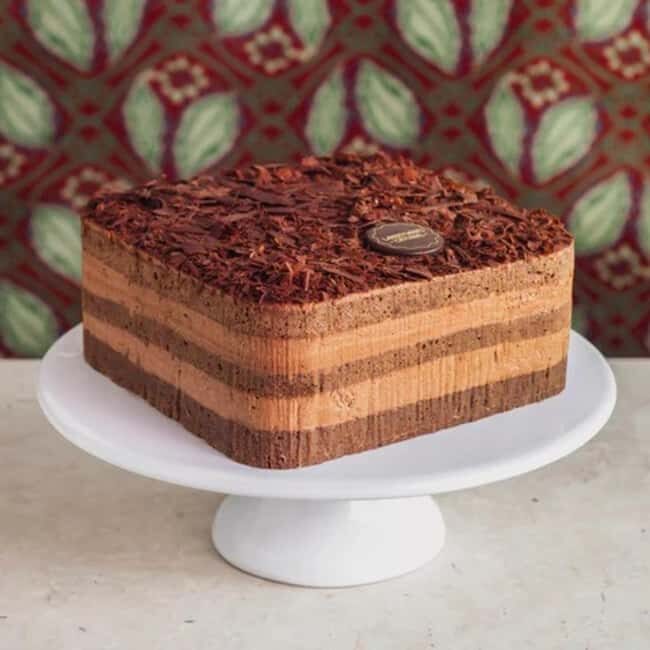
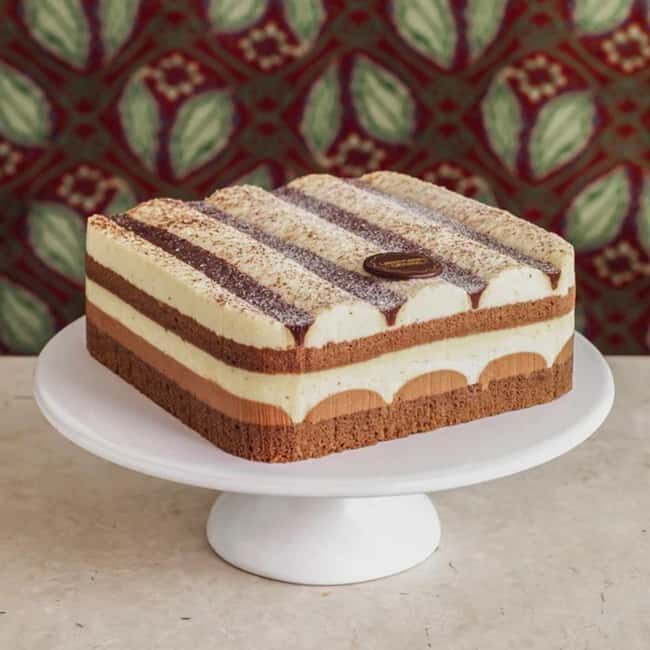
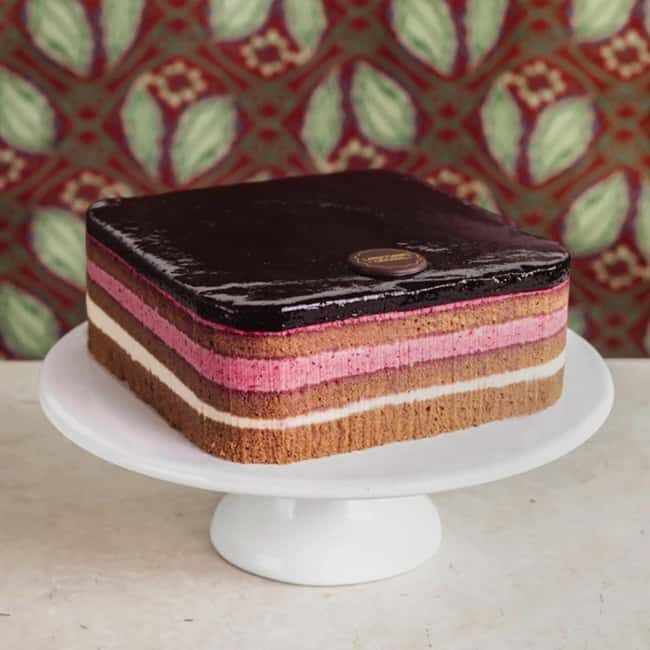
Let’s talk cake, because this tour takes dessert seriously. You’ll sample a selection of the finest cakes Vienna has to offer, and the highlight is the legendary Cafe Landtmann experience, including the famous Kaiserschmarrn.
I like that the guide doesn’t treat dessert like a reward you get at the end. Instead, cake history is part of the storytelling itself. You’re learning why the iconic Austrian sweets exist, not just what they taste like.
What to expect in practice: you’ll be in a cozy, elegant environment, and the tasting lines up with the tour’s major plot points. That means you’re not stuck listening while you eat. You’re eating while the stories stay moving.
And if you’re a coffeehouse loyalist, this is a very friendly format. Group size stays small, so your questions don’t get lost, and the staff setting supports a slower, more “stay awhile” mood.
Sachertorte and the seven-year cake war: rivalry with frosting
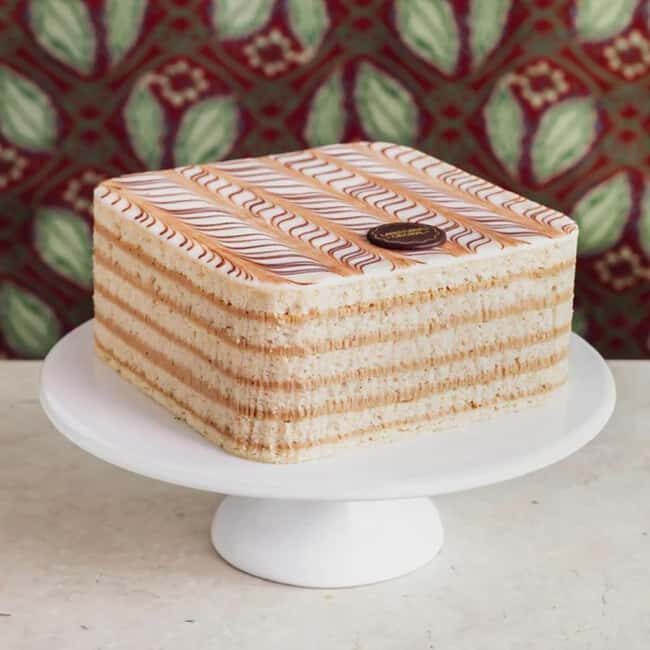
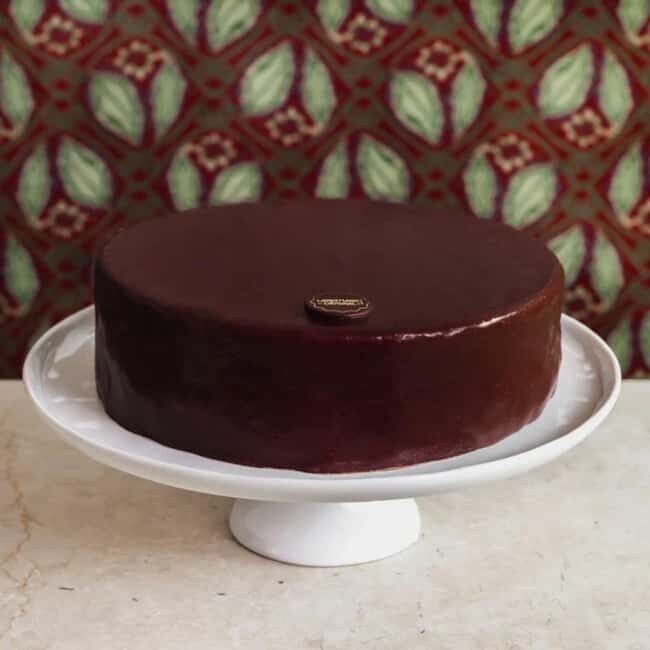
One of the most fun and useful story threads is about the Sachertorte and how its history sparked a seven-year cake war. The guide explains the competition behind the cake’s legend, which makes the dessert feel less like a souvenir and more like a cultural event.
This is one of those details that makes Vienna pop for food lovers. Instead of saying, Here’s a cake, the tour gives you the argument that people made around it. If you’ve ever wondered why certain foods become status symbols, the Sachertorte story gives you a clear answer: it was pride in edible form.
You’ll also hear how Marie Antoinette’s influence is connected here to the creation of the croissant. This isn’t presented as a random pastry fact—it’s woven into the same theme as the rest of the tour: migration of ideas, prestige, and power showing up in everyday life.
Udo Proksch: the 20th-century fraud scandal that lingers
The tour doesn’t stop with royal drama. You’ll also hear about Udo Proksch, described as the man behind the largest insurance fraud of the 20th century.
I like this ending beat because it pulls the scandal theme into modern times. The message is simple: Vienna’s attention to secrecy didn’t disappear; it just changed costume. Redl’s intelligence intrigue, court-level shocks, and then a massive fraud case—different styles, same human impulse to control information.
Price and time: is $116 worth it for 150 minutes?
At $116 per person for 150 minutes, you’re paying for three things together: guided storytelling, a guided cake tasting, and time in Cafe Landtmann without feeling like you’re doing it solo.
The value is strongest if you care about meaning, not just sights. If you want to hear why Vienna became Vienna—spies, monarchy pressure, coffeehouse ideas, and dessert rivalries—this format is efficient. You’ll get a guided narrative plus the food, rather than splitting your day into separate activities.
There’s one cost consideration: drinks are not included. That’s not a deal-breaker, but it’s real money. If you’re the type who always orders an extra coffee or tea with dessert, budget for that.
Also note that there’s skip-the-line via a separate entrance, which is worth something in a city where queues can eat your schedule.
Who this tour fits best (and who should skip it)
This tour is a great fit if you enjoy history with plot, especially court intrigue and intelligence stories. It’s also ideal if you want Viennese coffeehouse culture in a setting that actually feels like the place where famous minds might have talked.
Because it’s a small-group experience limited to 6 people, it works well for people who don’t love big crowds. The pace is built for conversation, not constant marching.
It’s not suitable for children under 12, which makes sense for the heavier scandal and political content.
Should you book this Vienna scandals-and-cake tour?
I’d book it if you want Vienna in two flavors: story first, then cake, in a coffeehouse setting tied to real names like Sigmund Freud. The format is compact at 150 minutes, the group is small, and the cake tasting isn’t an afterthought.
I’d think twice only if you’re purely focused on monuments and don’t care about spy tales, court drama, or pastry history. For everyone else—especially food lovers and curious history fans—this is one of those tours that turns a memorable meal into a clearer understanding of the city.
FAQ
How long is the tour?
The tour runs for 150 minutes.
Where do we meet?
You meet at the entrance of Burgtheater. The guide carries a white binder and is usually there about 15 minutes early.
What’s included with the tour?
The tour includes a guided walk through Vienna’s hidden history and scandals, plus sampling of cakes at Cafe Landtmann (including Kaiserschmarrn).
Are drinks included?
No. Drinks are not included, so you’ll want to plan on buying any coffee or other beverages separately.
How big is the group?
The group is small, limited to 6 participants.
Is the tour wheelchair accessible?
Yes, it’s wheelchair accessible.
Is it suitable for kids?
It’s not suitable for children under 12.
FAQ
Can I cancel for a refund?
Yes. You can cancel up to 24 hours in advance for a full refund.
Is the tour offered in English?
Yes, the live tour guide is English-speaking.