REVIEW · VIENNA
Vienna: Theater an der Wien Backstage Tour
Book on GetYourGuide →Operated by Vereinigte Bühnen Wien - MusikTheater an der Wien · Bookable on GetYourGuide
Backstage at Vienna’s Theater an der Wien changes how you see opera. I love the way this tour stitches the theatre’s 1801 origins into what you’ll see today. And I really like the payoff moments: the auditorium and then the new foyer Heaven with a balcony view over Naschmarkt.
One thing to plan for: the backstage route is not barrier-free, so it’s not suitable for wheelchair users. If mobility is an issue, you’ll want to think twice before booking.
In This Review
- Key things you’ll notice on this tour
- Theater an der Wien’s 1801 roots, explained without the lecture tone
- Stepping behind the curtain: what you actually get to see
- The auditorium visit: seeing the room before you judge the show
- Going up to Heaven: the new foyer balcony over Naschmarkt
- 200 years of artistic milestones: from Schikaneder to Fidelio and today
- Small-group pace in a 1-hour format (and how to make it worth it)
- Price and value: why $10 is a steal here
- Who should book this backstage tour
- FAQ
- FAQ
- How long is the Theater an der Wien Backstage Tour?
- Where is the tour located?
- How much does it cost?
- What’s included in the tour?
- What languages are available?
- Is the tour wheelchair accessible?
- What group size is this tour?
- What can I see from the Heaven balcony?
- Can I cancel or change my plans?
- Is there flexibility in payment?
- Should you book this backstage tour?
Key things you’ll notice on this tour
- Mozart-era beginnings in 1801, tied to Emanuel Schikaneder
- Backstage access that shows how the theatre world works beyond the stage
- A visit to the impressive auditorium, not just a quick glance
- Going up to Heaven, a newer foyer space with a balcony
- A Naschmarkt view that’s unusual for an opera stop
Theater an der Wien’s 1801 roots, explained without the lecture tone
The Theater an der Wien has one of those Vienna stories that starts with big names and keeps going for centuries. It was founded in 1801 in the spirit of Mozart, by Emanuel Schikaneder—so right away, you’re not just standing in front of a building. You’re learning why it exists.
What I appreciate is the balance: the tour doesn’t treat history like a stiff textbook. You get the long arc—how this place grew into a major opera house—and then you see modern elements that match today’s artistic standards. After the first few minutes, the theatre feels less like a venue and more like a working organism: spaces designed for performers, audiences, and the constant churn of productions.
You’ll also hear about the theatre’s continuing role as a leading stage in Austria. The tour frames today’s program alongside the long list of milestones, which helps you connect the building to what’s happening right now—rather than treating opera history as something locked in glass.
You can also read our reviews of more tours and experiences in Vienna.
Stepping behind the curtain: what you actually get to see
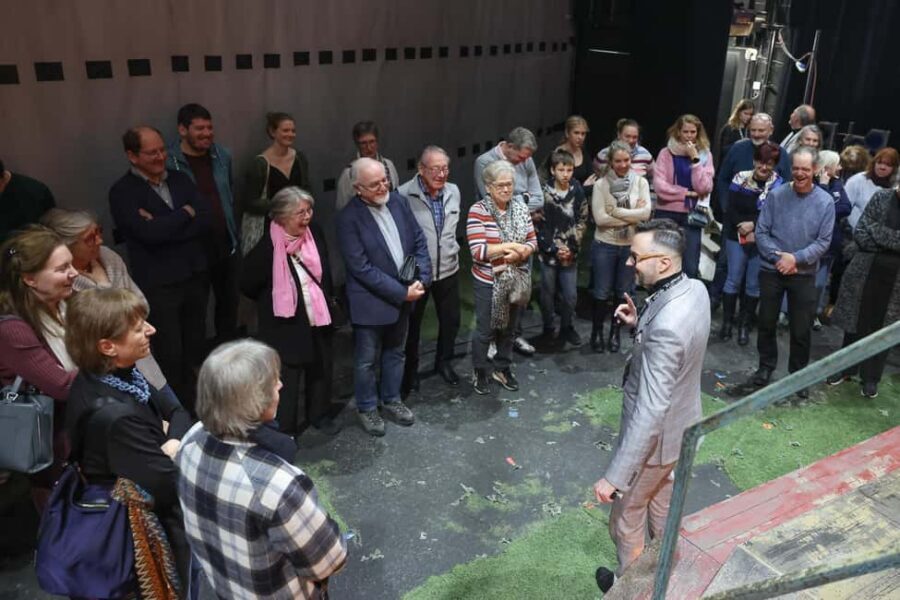
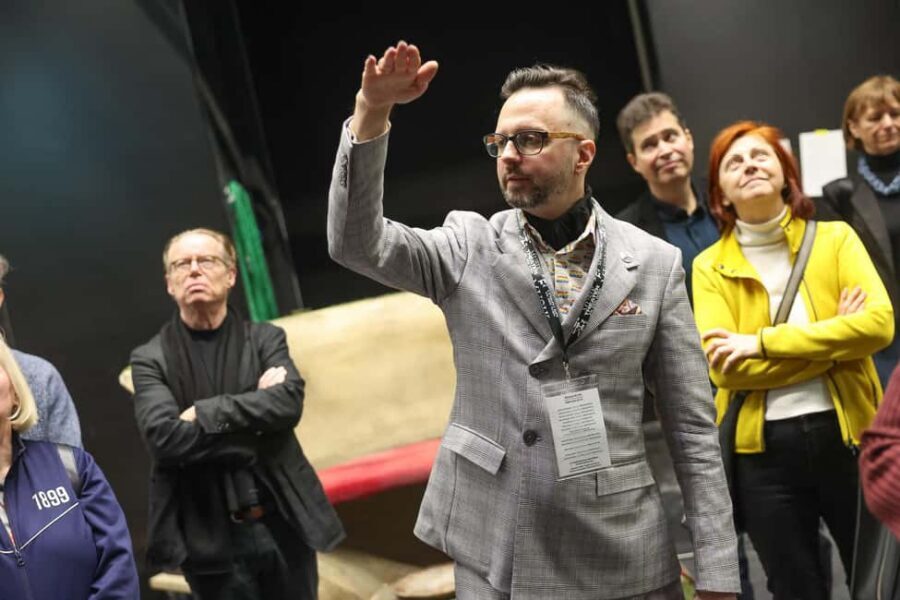
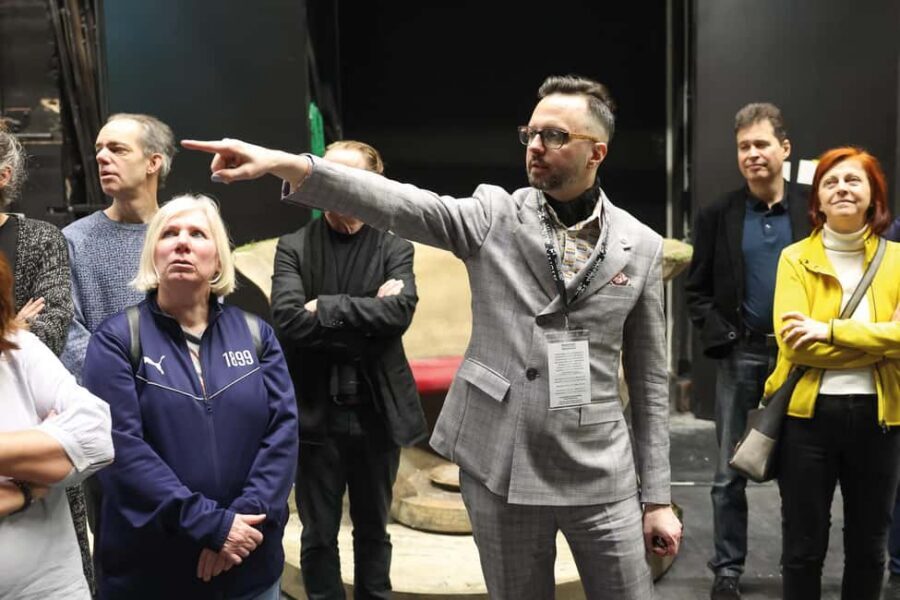
The whole point is practical curiosity: you go behind the curtain and see the theatre from the inside. Expect to move through backstage areas and learn how productions come together offstage—where planning matters, where schedules get real, and where the stage magic has to be made possible.
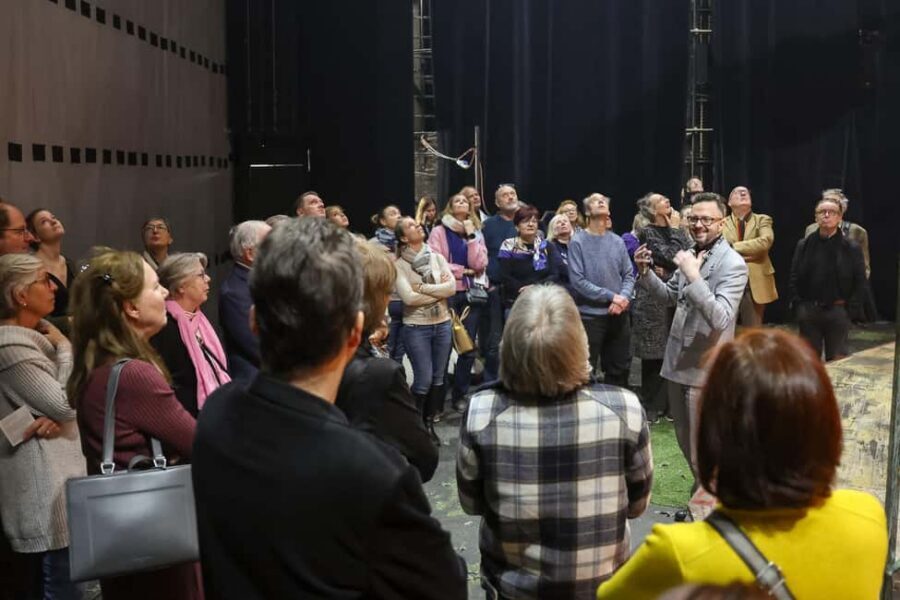
The tour is built to be a guided walkthrough, not a free-roam photo hunt. In a small group (limited to 10 people), you get more chance to hear details clearly and ask questions if you’re the type who does that. You’ll also get an English or German guide, so you’re not stuck piecing together “sort of” information from signage.
This is also where the tour’s value shows. At $10 for about one hour, you’re paying for access and explanation. That combination matters, because theatre buildings can look impressive from the seats, but they don’t teach you much on their own. A good guide turns the building into a story you can picture.
Quick consideration: backstage areas can be tight and the route isn’t barrier-free. If you know you’ll feel uncomfortable in uneven, crowded corridors, plan accordingly.
The auditorium visit: seeing the room before you judge the show
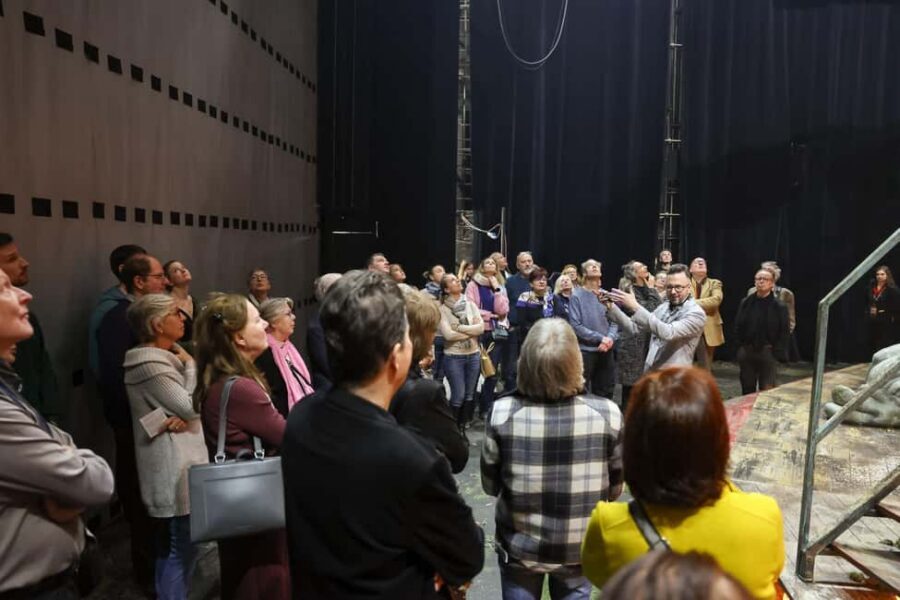
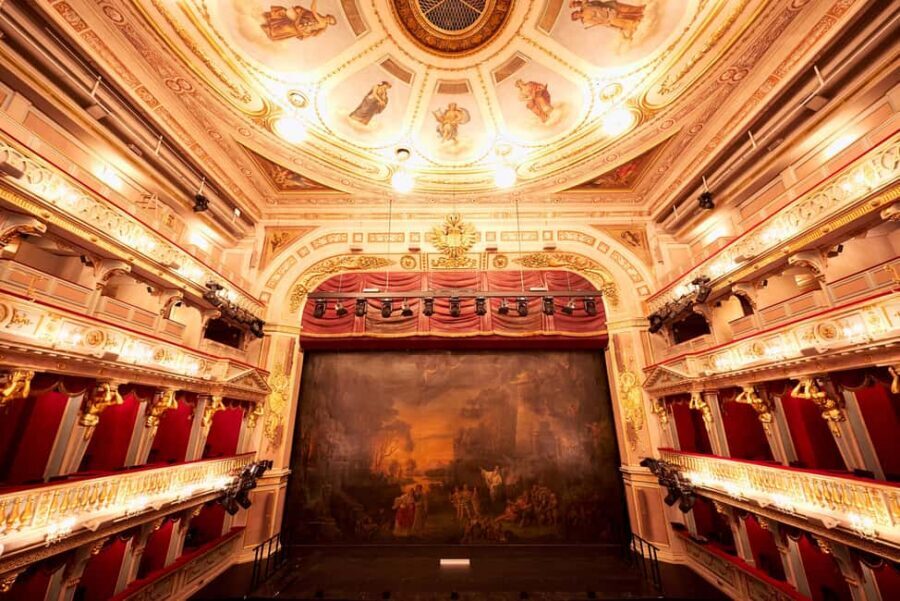
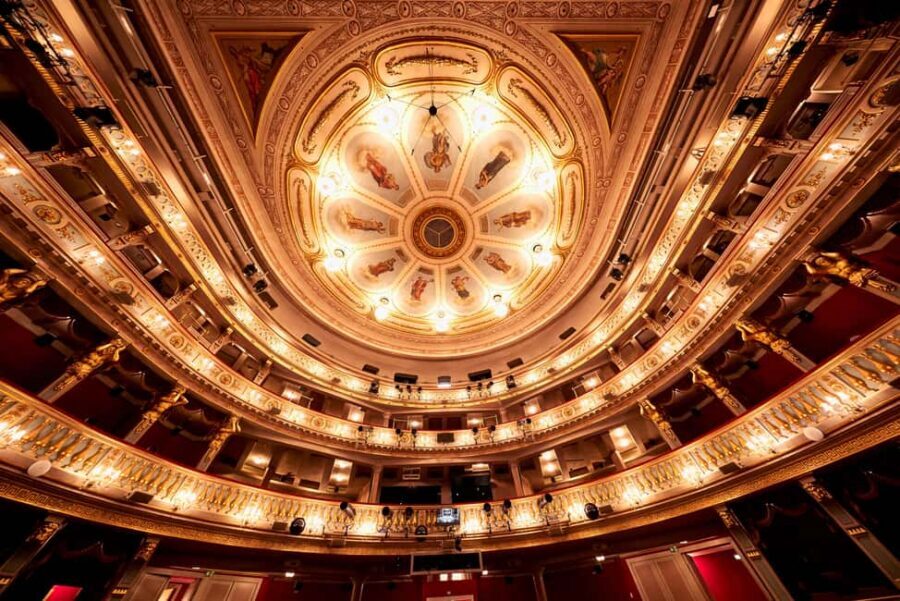
Next you’ll spend time in the auditorium—because opera is a “whole-room” experience. It’s not just what happens onstage. It’s the distance, the angles, and the way sightlines shape how performers and singers connect with the audience.
What I like about the auditorium stop is that it gives you a new reference point. After you see how the space is built, you’ll understand why certain productions can feel intimate even in a formal hall, and why staging choices look different depending on where you’re sitting. Even if you don’t know the technical terms, your eyes pick up the logic fast.
This stop also helps you appreciate why the theatre has kept its importance for so long. Opera houses live or die by their spaces—the acoustics, the staging geometry, and the comfort of the audience experience. The tour doesn’t demand that you be a theatre expert. It just helps you look like one.
Tip for your photos: aim for wide shots from places the guide allows. You’ll get better context shots than close-ups, and you’ll remember the room more accurately later.
Going up to Heaven: the new foyer balcony over Naschmarkt
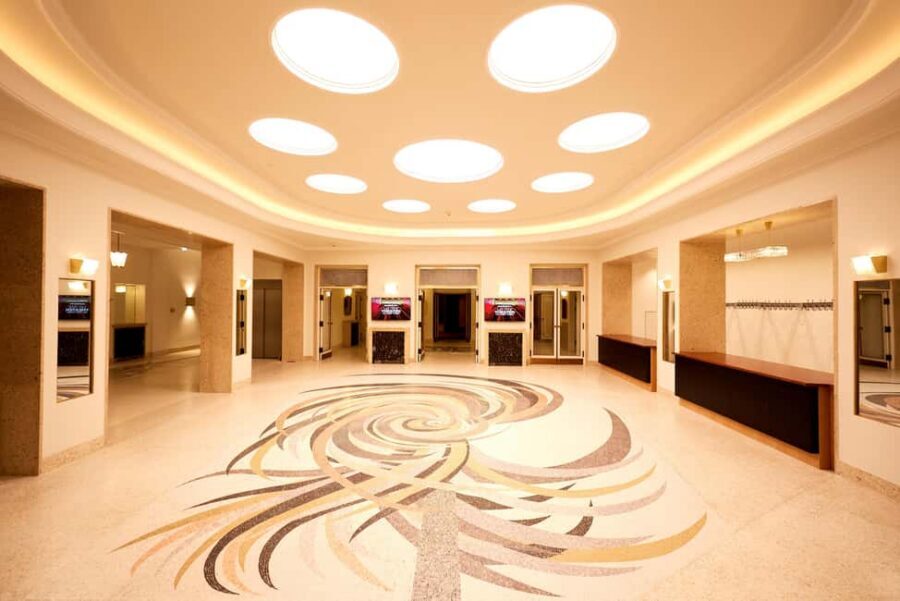
One of the most memorable parts is the climb to the new foyer called Heaven. This isn’t just a decorative add-on. It’s a “pause and look” moment that breaks the usual pattern of seeing Vienna only from streets and viewpoints.
From the Heaven balcony, you get a view over Naschmarkt. That matters because it places the theatre back into the city. You’re seeing the opera house as part of a neighborhood, not as a separate bubble of culture. If you’re eating or strolling around Naschmarkt later, this view gives you instant orientation.
Also, this is a smart contrast. Backstage is all function and movement. The auditorium is about performance. Heaven is about perspective. It’s where the tour shifts from “how it works” to “where it sits.”
If you care about photos, bring your camera mindset here. The balcony view is the kind of shot you’ll use again—because it has both city energy and theatre identity in one frame.
200 years of artistic milestones: from Schikaneder to Fidelio and today
The tour ties the theatre’s story to major milestones across roughly the last 200 years. You’ll hear that the theatre has hosted historic world premieres, including Beethoven’s only opera, Fidelio. That’s the kind of detail that changes the way you think about a place. It stops being “a nice opera building” and starts feeling like a venue with real creative stakes.
Another key moment: the theatre reopened in 2006 as the new opera house of the City of Vienna, and it’s been setting new artistic standards since then. That’s important for you because it tells you this isn’t just a heritage site. It’s an active institution that has modernized while staying connected to its roots.
When the guide talks about artistic highlights and current shows, you get a sense of continuity. The theatre’s story isn’t a straight line of past glory. It’s more like a relay race: each era takes the building forward and leaves something behind—new productions, new audience expectations, new standards for what opera should sound and feel like.
For me, that’s the strongest way to experience it. You leave understanding the building’s identity and also the present-day rhythm.

Small-group pace in a 1-hour format (and how to make it worth it)
This tour lasts about 1 hour, and it’s a small group, max 10 participants. That time matters. You won’t get a full behind-the-scenes “everything room-by-room” experience, but you also won’t get trapped in a long march with no payoff.
Your best strategy is simple: be ready to listen and move. Wear comfortable shoes. Backstage routes can be more demanding than street walking, especially when you’re stopping to look and hear explanations. And because the tour is guided in German or English, choose your language carefully if you’re fluent enough to enjoy the nuances.
Also, do not treat the meeting time as casual. One of the practical lessons from people’s experiences: the meeting point directions can be unclear, and arriving late can cost you the tour. The safe move is to show up early with time to find the entrance confidently.
Price and value: why $10 is a steal here
At $10 per person for roughly one hour, this tour competes with things that are just sightseeing. You’re paying for access (backstage), guided context (history and artistic highlights), and a special viewpoint (Heaven balcony over Naschmarkt).
Here’s why that combination is good value:
- Access is the hardest part to DIY. Getting into backstage spaces isn’t the kind of thing you stumble into.
- A guide makes the history usable. Hearing the story is what helps the building “click.”
- The Heaven balcony view is the sort of bonus you don’t get on most quick theatre photos stops.
If you’re spending a day around central Vienna and want one culture-focused activity that also gives you a great perspective shot, this is one of the more cost-friendly ways to do it.
Who should book this backstage tour
You’ll likely love it if you:
- Want more than a quick look at an opera house
- Like Vienna history but prefer it explained in plain language
- Enjoy backstage stories and how productions come together
- Want a view of Naschmarkt without stacking another separate viewpoint stop
You should think twice if you:
- Need wheelchair access (backstage is not barrier-free)
- Hate moving through crowded areas where you can’t slow down much
- Prefer purely visual tours with minimal talking (this is guided and story-driven)
It’s also a good “first operahouse” activity. If you’re planning to attend a performance later, this tour helps you understand what you’re walking into.
FAQ
FAQ
How long is the Theater an der Wien Backstage Tour?
It lasts about 1 hour.
Where is the tour located?
The tour is in Vienna, Austria, at Theater an der Wien.
How much does it cost?
The price is $10 per person.
What’s included in the tour?
You get a backstage tour, a visit to the auditorium, access to the new foyer Heaven, and a view over Naschmarkt, with a guided tour and historical insights.
What languages are available?
The tour is guided in German or English.
Is the tour wheelchair accessible?
No. The backstage area is not barrier-free, and it’s not suitable for wheelchair users.
What group size is this tour?
It’s a small group limited to 10 participants.
What can I see from the Heaven balcony?
You’ll have a view over Naschmarkt.
Can I cancel or change my plans?
Free cancellation is available up to 24 hours in advance for a full refund.
Is there flexibility in payment?
Yes. You can reserve now and pay later.
Should you book this backstage tour?
If you want a short, high-value theatre experience, I’d book it. For $10 and about an hour, you get the backstage access, a guided historical thread that takes you from 1801 to the modern reopening in 2006, and that distinct bonus: Heaven and its balcony view over Naschmarkt.
Just plan carefully: because it’s not barrier-free and meeting logistics can be tricky, give yourself time to find the meeting spot and arrive with a buffer. If that works for you, this is a smart way to see Vienna’s opera world from the inside.