REVIEW · VIENNA
Vienna tours for you with locals
Book on GetYourGuide →Operated by Guide from Vienna - RAXI Tours · Bookable on GetYourGuide
Vienna’s legends live in plain sight. This private, mostly-flat stroll through the Greek Quarter connects myth, plague-era hope, and the beginnings of printing in Vienna—all tied to specific streets and buildings you can actually point to as you walk.
I especially like the way the tour blends old stories (alchemists, Augustin, the basilisk saga) with concrete architecture, like the oldest residential tower in Vienna and Art Nouveau facades around Fleischmarkt. One thing to consider: it’s not suitable for wheelchair users, and you’ll be outside the whole time, rain or shine.
In This Review
- Key highlights worth planning for
- The Greek Quarter starts near Stubentor and feels strangely close
- Augustin, plague hope, and the neighborhood’s myth-to-history loop
- Fleischmarkt and Art Nouveau facades most people miss
- Griechengasse: a border on the Danube that shaped movement and meaning
- Schönlaterngasse legends and Lugeck’s printing-press story
- The oldest residential tower in Vienna: not just a photo spot
- The “mostly unknown” part: what you’ll notice during the walk
- Headsets and a private group make the stories easier to catch
- Easy pace, rain or shine: when the 2 hours actually works
- Where it starts and where you’ll finish inside the First District
- Price at about $23: why the value can be excellent
- Who should book this tour, and who might prefer a different style
- Should you book Vienna tours for you with locals?
- FAQ
- How long is the tour?
- Is this a private tour?
- What language is the guide available in?
- Where do we meet?
- Where does the tour end?
- Is the tour underground?
- Does the tour include pickup?
- Is it suitable for wheelchair users?
Key highlights worth planning for
- Augustin’s legend tied to hope, survival, and the neighborhood’s identity
- Oldest residential tower in Vienna as a real, walk-by landmark
- Basilisk and alchemist lore that turns street corners into story stops
- Art Nouveau around Fleischmarkt that most visitors never notice
- Printing-house history linked to early bookmaking and the Habsburg era
The Greek Quarter starts near Stubentor and feels strangely close
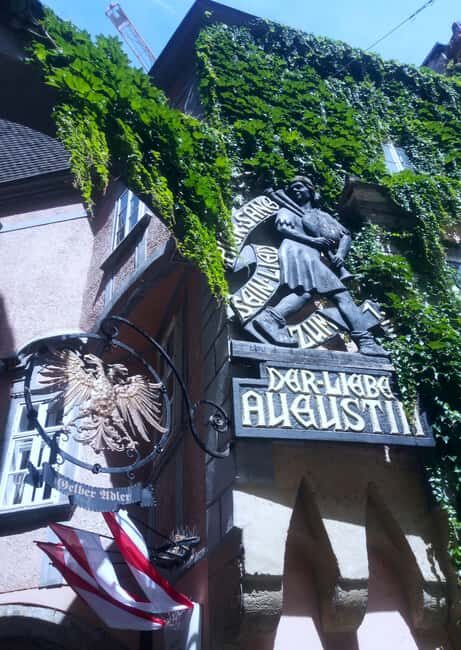
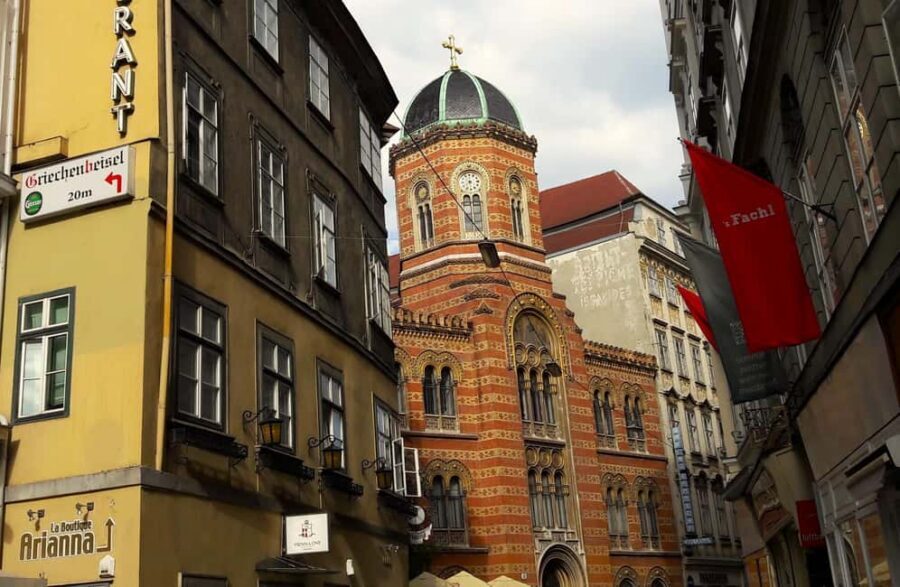
You’ll meet around the Dr. Karl Lueger monument near Stubentor, then head straight into the First District’s Greek Quarter. What makes this area special is that it’s not just famous landmarks on a postcard route. It’s a web of streets where legends and everyday city life overlap.
This is the kind of tour where the “where” matters as much as the “what.” You’re walking through spots connected to hope during the plague, steps toward Greek independence, early printing activity, and even the medieval-era idea of scientists and alchemists. If you like Vienna as a living puzzle, you’ll enjoy how the guide strings the clues together.
You should also know the pacing is gentle. The tour is designed as an easy walk—not strenuous—so you can focus on details instead of conserving energy.
You can also read our reviews of more tours and experiences in Vienna.

Augustin, plague hope, and the neighborhood’s myth-to-history loop
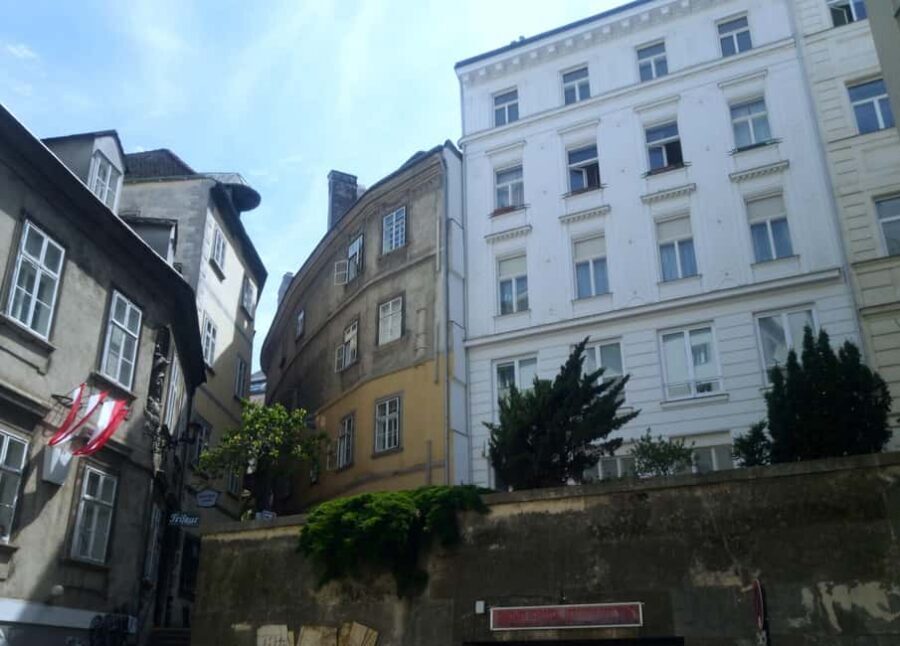
One of the tour’s strengths is how it uses legend as a way to explain Vienna’s history, not replace it. The Greek Quarter is described as a place where Augustin becomes a symbol—hope to survive the plague, and a reason people held onto faith when life got hard. Then those stories expand outward into broader themes tied to the city’s links with Greek independence and cultural life.
You’ll hear how Greek merchants and thinkers were part of this story in the 18th century. In practice, the guide points you toward churches, tavern-like spots, and the world of printing that shaped how ideas spread. That matters because it turns “Greek Quarter” from a name into a timeline you can mentally walk through.
A practical tip: keep an eye on the street names the guide emphasizes—they’re part of the lesson. When you learn what a place is connected to, returning on your own later feels easier. You’ll also be able to look at the architecture with a sharper question: not just what it looks like, but why it’s here.
Fleischmarkt and Art Nouveau facades most people miss
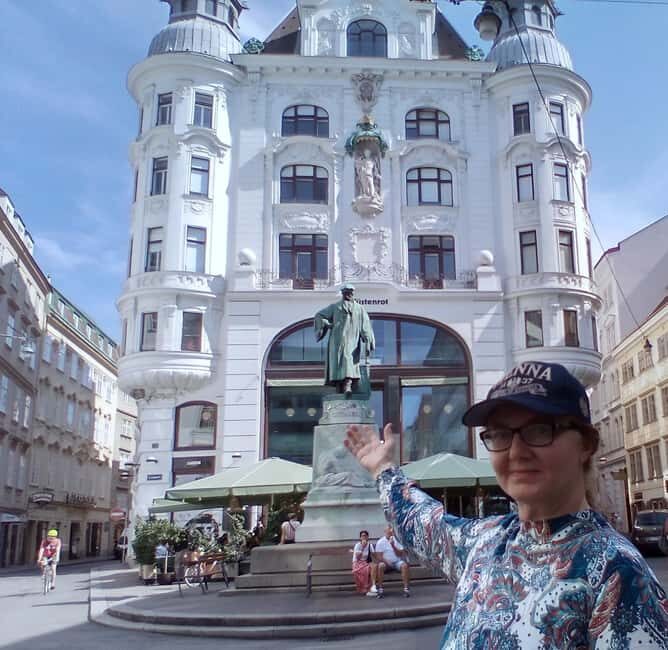
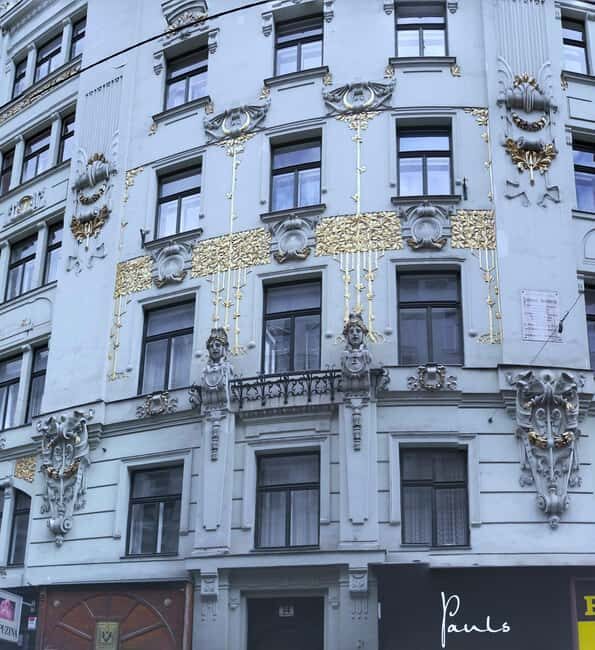
At Fleischmarkt, you’ll focus on architecture—especially Art Nouveau buildings that are largely off the standard tourist radar. The tour doesn’t treat the style as decoration. It connects the visual world of these facades to the neighborhood’s connections with early printing houses.
That connection is useful because it gives you a “reason to notice.” If you tend to skim street-level details, this section trains your eyes. Instead of only admiring pretty ornament, you’ll learn what those buildings were tied to and how the printing-world influence shaped the area.
Another detail worth your attention: this part includes relationships to early bookmaking. In other words, you’re not just chasing aesthetics—you’re building a mental map of how ideas, commerce, and design traveled through the city. If you like stories that connect the artistic and the practical, Fleischmarkt is a strong stop.
Griechengasse: a border on the Danube that shaped movement and meaning
Griechengasse becomes one of those streets that feels small until you learn what it used to do. Here, the tour frames the area as a border zone on the Danube, which explains why the neighborhood carried layered identities.
Why does that matter for you on the walk? Because borders change everything: who passes through, what languages and goods appear, and how a city organizes itself around movement. When the guide ties this street to Danube-era context, the rest of the tour clicks into place—legends make more sense when you understand the traffic of people and ideas around them.
You’ll also get a feel for the area as lived-in space, not an outdoor museum. The guide’s approach gives you a way to keep asking questions after the 2 hours are over: What else happened here because this was a meeting point? It’s a good habit to take into your independent exploring.
Schönlaterngasse legends and Lugeck’s printing-press story
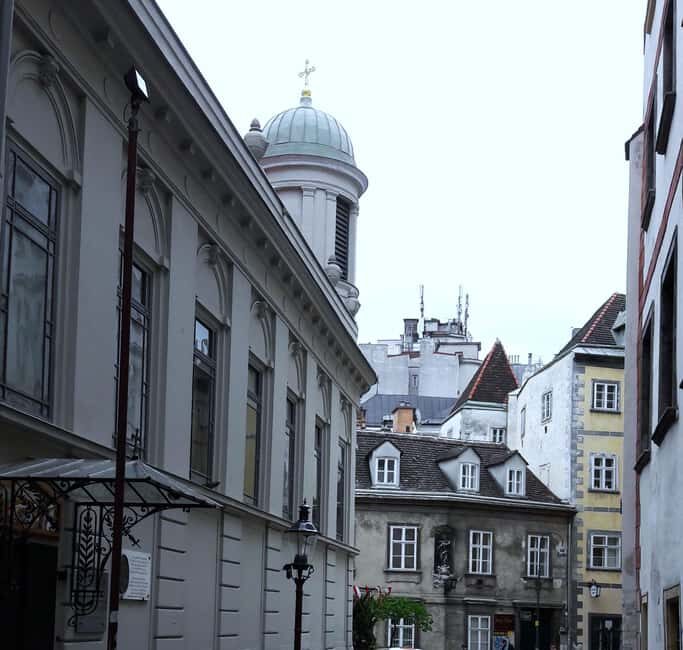
As the walk continues, the guide shifts from street context to story-driven details. Schönlaterngasse is used for legends, while Lugeck connects the history of Vienna’s printing press with real historical facts from the beginning of the Habsburg monarchy.
This is where the tour’s “legend + facts” format works especially well. The guide doesn’t dump myths as random trivia. Instead, the stories act like labels on the map. You learn why certain tales gained traction in a place linked to books, learning, and medieval-style science talk (including alchemist lore).
Lugeck is also where you get a clearer sense of how power and publishing interacted—how ideas were shaped by institutions and rule. If you’ve ever wondered why Vienna feels so serious about culture, this section gives you one plausible reason: printing was a serious business, and whoever controlled ideas had influence.
One note: the tour highlights the saga of the basilisk as part of this legend thread. You might find yourself wanting to retell it on the walk back to your hotel because it makes the neighborhood feel theatrical—but in a distinctly Vienna way.


The oldest residential tower in Vienna: not just a photo spot
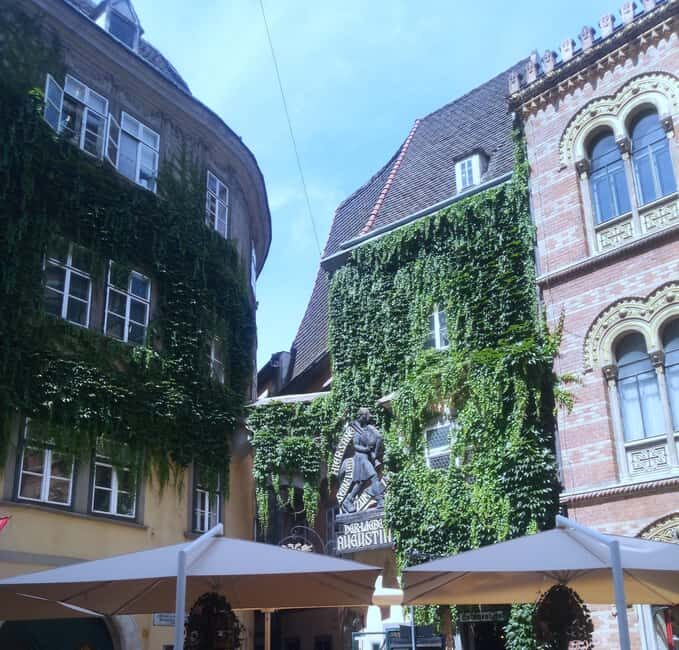
Vienna has plenty of towers. The difference here is that the tour brings you to the oldest residential tower in Vienna. That turns the visit from a quick glance into something more meaningful: you’re looking at a piece of living history tied to how people actually inhabited the city.
A residential tower is a good anchor for the whole tour, because it’s the opposite of abstract history. You can stand there, look around, and imagine the daily life behind it. And because this tour is all about linking legend to specific places, that’s a win. You’re not collecting stories in your head; you’re attaching them to physical context.
If you enjoy history that you can point at—street by street—this is one of the best payoffs of the 2-hour format.
The “mostly unknown” part: what you’ll notice during the walk
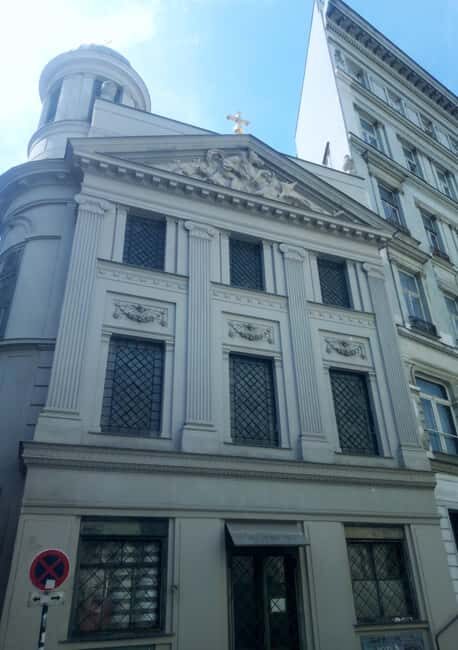
The tour’s theme is mysterious legends plus a mix of very old and new architecture. That sounds broad, but the way it’s executed is concrete: you’re guided to façades, street segments, and specific landmarks with explanations that connect them to the printing world and the Greek Quarter’s cultural role.
Based on the tour experience descriptions, you’ll likely see more than you’d catch on your own. People highlight things like architectural fronts and even secret passageways in the area—details that are hard to discover without a local guide telling you where to look.
Also, one practical bonus is that many guides in this style end with helpful material. In this case, you can expect a map of the historic center of Vienna with marked locations you learned about during the walk. That’s not just a souvenir. It helps you make your next day’s sightseeing smarter instead of wandering by random instinct.
Headsets and a private group make the stories easier to catch
This tour uses a silent guide system with headsets, which is a big deal in Vienna’s lively streets. It keeps the experience clear even if you’re near traffic or group noise. It also means you can stay focused on listening without turning your head every time someone passes.
You also get a private tour, which generally means fewer interruptions and more room for questions. One of the best outcomes of a private format is that the guide can respond to your curiosity instead of sticking to a rigid script for a larger group.
You should know two constraints. First, it’s not an underground tour—so you’re walking outside and you’re using the city’s surface cues to follow the story. Second, recording the guide’s explanations isn’t allowed, since the tour is protected by copyright. If you like taking notes, bring a pen or rely on your phone’s typing instead of recording audio.
Easy pace, rain or shine: when the 2 hours actually works
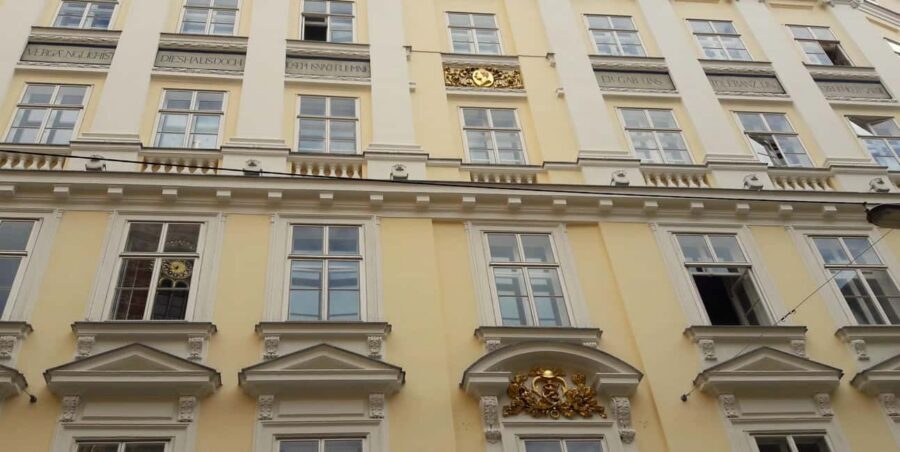
A 2-hour tour sounds short, and here it’s short in the useful way. The guide keeps the walking light, so you can fit it between other plans without feeling wrecked afterward.
It also runs rain or shine, so you’re not betting your schedule on weather. That’s a good setup if you’re traveling with limited flexibility. Just dress for the conditions, because you’re not ducking into underground spaces for cover.
Pickup is an option, but only in a limited, realistic way: you can meet at your hotel lobby or at agreed public transport stations, and the transfer uses public transport. Car or bus pickup isn’t offered, so plan for a normal Vienna meeting rhythm rather than a chauffeured one.
Where it starts and where you’ll finish inside the First District
You begin near Stubentor at the Dr. Karl Lueger monument. The walk then ends with drop-offs at Lugeck 6 and Parlament Österreich. Finishing near these points is handy because it places you back in the flow of central Vienna sightseeing.
If you like to build a day with momentum, this is a strong structure: a guided story-walk at the start, then open time afterward near major sights where you can keep exploring on your own.
Price at about $23: why the value can be excellent
At $23 per person for a 2-hour private walk, the value is mainly about what you get for your attention. In many cities, private history tours cost far more for the same time window. Here, you’re paying for local context—legends linked to real locations, plus architectural cues like Art Nouveau at Fleischmarkt and the oldest residential tower.
You’re also getting the quiet infrastructure of headsets and a silent-guide setup, which reduces friction. And because the walk is designed to be easy and story-heavy, it’s a cost-effective way to get a lot of context without spending a whole day.
The real question isn’t only price—it’s whether you like your history told through place. If you enjoy connecting street names, façades, and myths, this tour offers a lot of structure for a low price.
Who should book this tour, and who might prefer a different style
This experience is a great match if you:
- like Vienna on foot but don’t want an all-day endurance test
- enjoy legends with a grounded sense of location
- want architecture explanations that don’t require specialist knowledge
It may be less suitable if you:
- need wheelchair access (the tour isn’t designed for it)
- want a purely museum-style tour rather than a street narrative
For first-timers in Vienna, it’s also a smart choice because it gives you a story map of an area that most people walk past without realizing what’s there.
Should you book Vienna tours for you with locals?
I’d book it if you’re the type of traveler who likes learning how a neighborhood got its identity—through legends, printing, and street-level architecture you can revisit later. The mix of Augustin and basilisk lore, Art Nouveau around Fleischmarkt, and printing-history links gives you multiple entry points, even if you’re not a hardcore history buff.
It’s also a low-risk plan for a short stay. Two hours is manageable, the pace is easy, and the headsets help you actually catch the story while you’re walking.
If that style sounds like your kind of Vienna, this is a strong pick.
FAQ
How long is the tour?
The tour lasts 2 hours.
Is this a private tour?
Yes, it’s a private tour.
What language is the guide available in?
The guide offers tours in German and English.
Where do we meet?
You meet around the Dr. Karl Lueger monument near the subway station Stubentor.
Where does the tour end?
You have two drop-off locations: Lugeck 6 and Parlament Österreich.
Is the tour underground?
No. This is not an underground tour.
Does the tour include pickup?
Pickup is optional. It uses public transport to meet in your hotel lobby or at agreed public transport stations (no car or bus pickup).
Is it suitable for wheelchair users?
No, it is not suitable for wheelchair users.