Vienna reveals itself in puzzle-sized bites. I like how this CityRiddler experience mixes app riddles with real streets and landmarks, so you’re not just sightseeing—you’re solving. I also love the way the route pulls you toward story-heavy spots like Blutgasse, instead of the usual shortcut from one big monument to the next.
You do need to be comfortable with an app-based scavenger hunt style. One potential drawback: a few stops have admission tickets that are not included, so you may want to budget a bit extra if you plan to go inside everything.
In This Review
- Key Highlights You’ll Actually Feel
- A 2-Hour Walk-Plus-Think Route in Vienna’s Core
- Meeting Point and End Point: Annagasse to Freyung
- Price and Value: What $23.67 Buys You
- How the CityRiddler App Changes the Way You See Vienna
- Blutgasse (Blood Alley): Riddle First, Then Meaning
- Basiliskenhaus: Following the Trail of the Basilisk
- St. Rupert’s Church (Ruprechtskirche): Oldest Church, Correct Expectation
- Anker Clock: More Than a Pretty Face
- Rauhensteingasse: Street Names That Reveal How Vienna Thinks
- Backerstrasse No. 2 and Fleischmarkt District: Where History Costs Extra
- Judenplatz Holocaust Memorial: Remembering Through Place
- Timing, Pacing, and Weather: Two Things That Matter
- Who This Tour Suits Best (And Who Might Prefer Something Else)
- Should You Book CityRiddler’s Vienna Puzzle Walk?
- FAQ
- How long is the CityRiddler Vienna experience?
- What language is the tour offered in?
- Where does the tour start and end?
- Do I need to pay for admission tickets during the tour?
- What do I do during the tour?
- Can I pause the experience during the tour?
- How big is the group?
- Is the tour near public transportation?
- What’s the cancellation policy?
- Does the tour run in bad weather?
Key Highlights You’ll Actually Feel
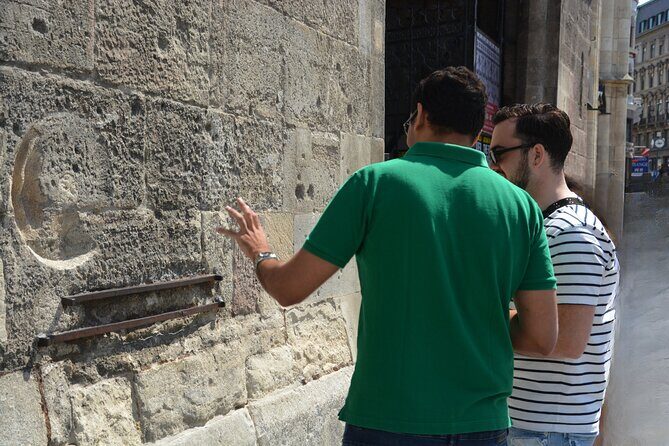
- App-led puzzles at Blutgasse (Blood Alley) that start with a riddle, then switch to historical context and fun facts
- Legends tied to physical places, from the Basilisk story in Basiliskenhaus to medieval tales around Backerstrasse No. 2
- Ruprechtskirche as a true Vienna alternate, billed as the oldest church in Vienna (and definitely not St. Stephen’s Cathedral)
- Anker Clock interpretation, including what it represents—great if you like symbolism, not just architecture
- Street-name history at Rauhensteingasse, a small detail that makes Vienna feel more understandable
- Judenplatz Holocaust Memorial, grounded in the history of Vienna’s Jewish community
A 2-Hour Walk-Plus-Think Route in Vienna’s Core
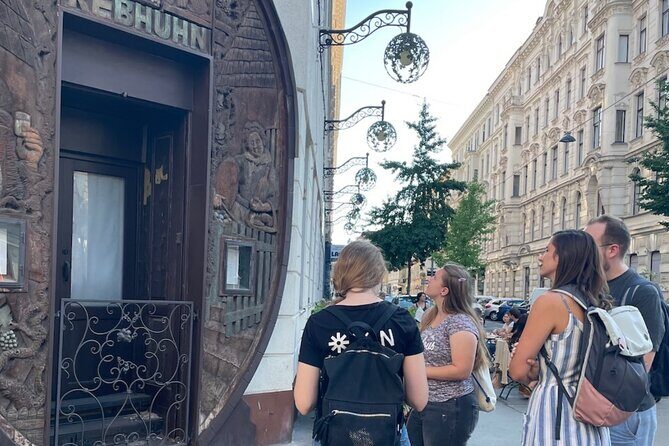
This is a 2-hour city-center experience built around a simple idea: you follow a route, solve small puzzles on your phone, and then get the story behind what you’re looking at. It’s compact enough that you can fit it into almost any sightseeing day, even if you’re also visiting museums or palaces later.
The pacing is practical. Stops are scheduled for about 15 minutes each, and the app approach encourages you to slow down at the exact moments you’d otherwise rush through.
You can also read our reviews of more tours and experiences in Vienna.

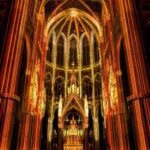
Meeting Point and End Point: Annagasse to Freyung
You start at Annagasse 10, 1010 Wien and finish at Freyung, 1010 Wien. That matters because it shapes your day: you’re not doing a loop that leaves you right back where you began—you end in a classic central area where it’s easy to keep walking for cafés, sights, or transit connections.
The meeting and ending points are both in the inner city, and the tour is described as being near public transportation, which makes it easier to plan around trains or trams without turning your day into a logistics puzzle.
Price and Value: What $23.67 Buys You
At $23.67 per person for about two hours, you’re paying for a guide-style experience without a human guide spending the whole time talking at you. The “currency” is your time and phone interaction: you get the route, the puzzle structure, and the historical storytelling that explains what you’re seeing.
You should also think about value in terms of admissions. Some stops are free, but others have admission tickets not included, so your total spend may be a little higher if you decide to enter every site on the schedule.
How the CityRiddler App Changes the Way You See Vienna
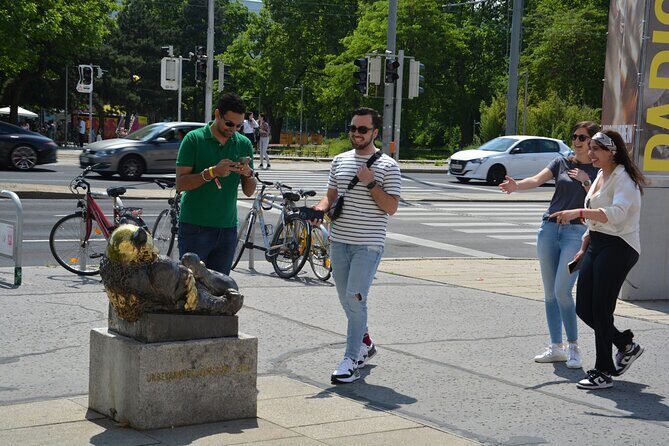
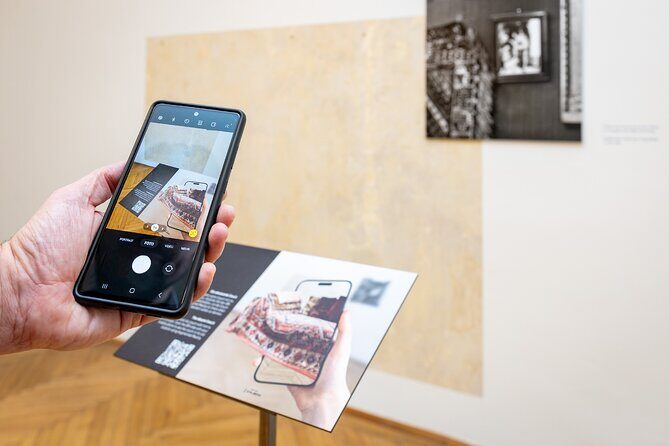
This tour is offered in English, and it’s designed around using the app at each stage. You’re guided through the route and asked to solve riddles as you go—so your attention stays on the details you might otherwise miss.
One of the best parts of this format is flexibility. The app experience is described as easy to use, and you can pause when you want to rest, catch your breath, or take a photo without losing the thread of the story.
Also, because it’s small-group by design with a maximum group size of 50, it tends to feel more manageable than the big-bus style of touring. Service animals are allowed too, which is a comfort factor for anyone traveling with a companion animal.
Blutgasse (Blood Alley): Riddle First, Then Meaning
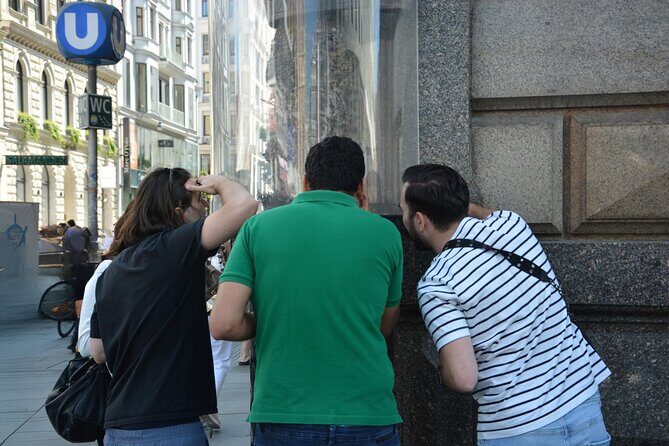
Blutgasse is the kind of name that makes you look twice. You’ll start here with an app-guided puzzle that leads you to the Blood Alley area, and you’ll solve the riddle first. After that, you get the history and fun facts tied to the alley itself.
Why this stop works so well: it turns a small street into a narrative. Instead of reading a plaque for a minute and moving on, you’re learning through a mini challenge, which helps the details stick.
The main consideration is that this stop leans into story discovery rather than deep museum-level content. If you want long interior viewing times, you may want to pair this with another attraction later in the day.


Basiliskenhaus: Following the Trail of the Basilisk
Next comes Basiliskenhaus, where you’ll hear the question at the center of the stop: who killed the Basilisk, and what’s the history behind it. The premise is legend-driven, but it’s still connected to the actual location and its significance in the city’s storytelling.
This is a great fit if you like Vienna as more than palaces and formal façades. It also gives you permission to treat the city like a collection of clues—exactly the mindset that makes the rest of the walk fun.
If you’re not into legends at all, you might skim this one a little faster. But even then, it’s still a chance to see a historic building and learn why locals would have told these stories.
St. Rupert’s Church (Ruprechtskirche): Oldest Church, Correct Expectation
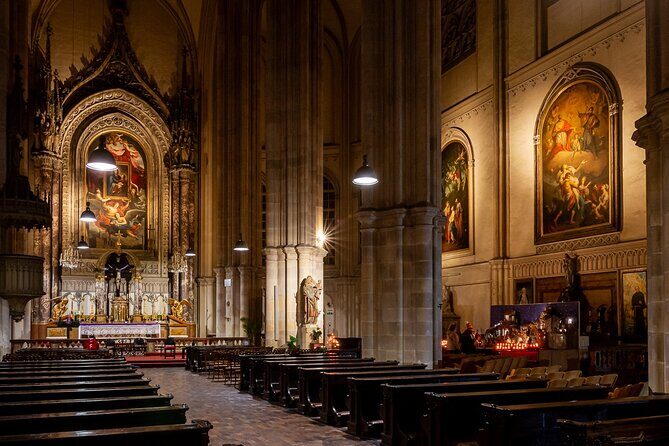
At St. Rupert’s Church (Ruprechtskirche), the key tip is that it’s the oldest church in Vienna—and not St. Stephen’s Cathedral. That quick correction matters, because a lot of people arrive with the wrong mental image of what they’re about to see.
This stop feels like a reset for the route. After legend and alley stories, you get a more grounded piece of Vienna’s religious and architectural timeline. Even if you’re not the biggest church person, the “oldest in Vienna” framing gives you a reason to slow down and look carefully.
The potential drawback: if you want quiet time, this is still a scheduled stop within a puzzle flow, so expect a bit of movement rather than a long, unstructured visit.
Anker Clock: More Than a Pretty Face
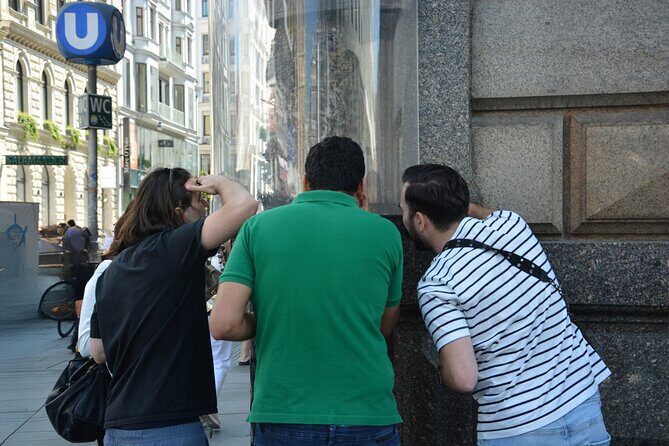
The Anker Clock is billed as the most beautiful clock in Vienna, and the experience here is about meaning as much as aesthetics. You’ll learn what it represents, not just that it exists.
This is one of those stops that upgrades a quick photo moment into real understanding. Clocks are full of symbolism, and getting the explanation at the right time makes the details feel intentional instead of decorative.
If you’re a symbolism person, you’ll love this one. If you’re trying to see everything in record time, it’s still worth staying through the explanation because that’s where the value is.
Rauhensteingasse: Street Names That Reveal How Vienna Thinks
At Rauhensteingasse, you’ll learn how streets of Vienna were named centuries ago. This sounds small, but it’s a powerful way to understand a city: names preserve old jobs, old neighborhoods, and old ways of organizing space.
This stop also works as a breather between bigger stories. It’s not about a single building legend; it’s about the city as a system. Once you understand that, you start noticing names everywhere during the rest of your trip.
The only “watch out” is that if you’re expecting a dramatic spectacle, this one might feel quieter. But if you like cultural clues, it’s excellent.
Backerstrasse No. 2 and Fleischmarkt District: Where History Costs Extra
Two stops on the route list admission tickets as not included:
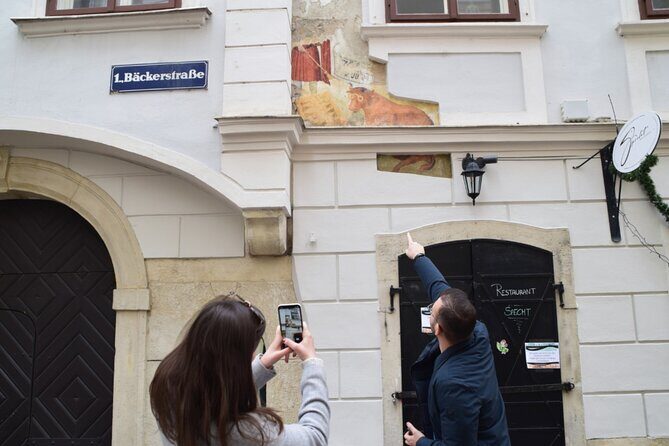
- Backerstrasse No. 2, where you’ll learn one of the interesting stories and legends from medieval ages in Vienna
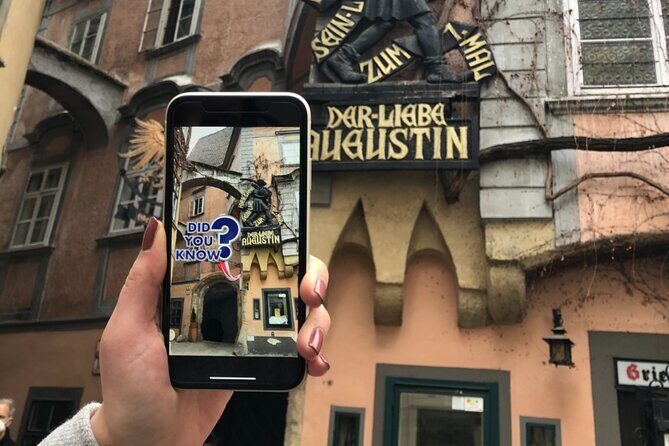
- Fleischmarkt District, where you’ll explore one of the oldest restaurants in Vienna and the story of Augustin
This is where planning pays off. If you want the full experience, you may need to buy entry for these sites. If you prefer a lower-cost day, you can still enjoy the surrounding area and the narrative, but you’ll want to decide in advance which interiors you truly care about.
Why these two stops are valuable even when tickets are involved: they connect legends and everyday life. A medieval legend in a specific address is different from a generic “Vienna was old” statement. And the Augustin story adds a human-thread angle to the restaurant district.
Judenplatz Holocaust Memorial: Remembering Through Place
The final major narrative stop is Judenplatz Holocaust Memorial. Here, you’ll discover the important history of the Jewish community in Vienna.
This section is the tone shift on the whole walk. It moves from legend and local lore into remembrance and historical responsibility. Even though the scheduled stop is short, the focus is clear: this isn’t just scenery, it’s a place to learn and reflect.
If you have a sensitive streak or you tend to spend extra time reading, this might take a little longer than the scheduled window. That’s where the app pause feature can help you adjust your pace without losing the tour structure.
Timing, Pacing, and Weather: Two Things That Matter
The tour runs for about 2 hours, with stop timing that adds up neatly for a city-center walk. That makes it a good option when you want structure but not a full-day commitment.
One more practical point: the experience requires good weather. Vienna days can swing fast, so if clouds or rain roll in, plan to check conditions and be ready for a change of date or a refund if it gets canceled due to poor weather.
Who This Tour Suits Best (And Who Might Prefer Something Else)
I think this experience is ideal if you enjoy:
- turning a walk into a game
- learning facts through story beats
- city center sightseeing without spending hours in one building
It’s also a good choice if you’re visiting with friends and you like friendly competition. The app format gives you a shared activity, which can make the route feel lighter even when topics get heavy—especially since the tone shift at Judenplatz is handled as part of the sequence, not tacked on as an afterthought.
This may not be the best fit if you strongly prefer a classic guided lecture with no phone interaction. Also, if paying extra admissions at the ticketed stops will stress your budget, you’ll want to decide which interiors you’re prioritizing.
Should You Book CityRiddler’s Vienna Puzzle Walk?
Book it if you want a smart, story-driven way to see Vienna’s center in about two hours—especially if you like apps that are easy to use and puzzles that keep you engaged. The route hits a nice mix: alley legend (Blutgasse), building mystery (Basiliskenhaus), religious heritage (Ruprechtskirche), a symbolic landmark (Anker Clock), street-name history (Rauhensteingasse), medieval lore and dining culture (Backerstrasse No. 2 and Fleischmarkt District), and a meaningful historical stop at Judenplatz.
Hold off if you want zero extra costs beyond the base price or if you dislike puzzle-style sightseeing. Since a few stops have admission tickets not included, your final experience may depend on what you choose to enter.
FAQ
How long is the CityRiddler Vienna experience?
It’s approximately 2 hours.
What language is the tour offered in?
The tour is offered in English.
Where does the tour start and end?
It starts at Annagasse 10, 1010 Wien, Austria and ends at Freyung, 1010 Wien, Austria.
Do I need to pay for admission tickets during the tour?
Some stops include free admission tickets, while others list admission tickets as not included (Backerstrasse No. 2, Fleischmarkt District, and Judenplatz Holocaust Memorial).
What do I do during the tour?
You use the CityRiddler app to follow the route and solve riddles at the different stops.
Can I pause the experience during the tour?
Yes, the tour can be paused in the app, so you can take a break.
How big is the group?
The tour has a maximum of 50 people.
Is the tour near public transportation?
Yes, it’s described as near public transportation.
What’s the cancellation policy?
You can cancel for a full refund up to 24 hours in advance of the experience start time.
Does the tour run in bad weather?
The experience requires good weather. If it’s canceled due to poor weather, you’ll be offered a different date or a full refund.