REVIEW · VIENNA
Freud – Inside the mind of a Genius
Book on Viator →Operated by Gems of Vienna · Bookable on Viator
Freud in Vienna can feel like stepping into a workbench of ideas. This guided walking tour takes you through the places tied to Sigmund Freud’s study and neighborhood life, then ends at the Sigmund Freud Museum where you’ll see the setting behind his story.
I really like how the route links medicine, schooling, and local connections instead of treating Freud like a statue. You also get a small-group format, capped at 10, so questions don’t get lost in a crowd.
One thing to think about: the museum ticket is not included, so you’ll need to plan extra time and budget for your entry.
In This Review
- Key Things That Make This Freud Tour Work
- A 10-Person Walk Through Freud’s Vienna
- Start at Universität Wien: Courtyard Views and Late-19th-Century Medicine
- Votivkirche Area: Friends, Bright Minds, and the Social Web
- Old University Quarter: Where Study Lived in Everyday Streets
- Finish at Sigmund Freud Museum on Berggasse 19
- Why the Guide Makes a Difference (Especially in a Freud Tour)
- Price and Value: What $45.38 Buys You in Real Life
- Timing, Meeting Point, and Getting There Without Stress
- Who This Tour Is Best For
- Quick Reality Check Before You Go
- Should You Book Freud – Inside the Mind of a Genius?
- FAQ
- How long is the Freud walking tour?
- Where does the tour start?
- What time does it start?
- How much does it cost?
- Is the Sigmund Freud Museum ticket included?
- Are tickets needed for the earlier stops?
- How big are the groups?
- Is the tour near public transportation?
- Is there a cancellation refund policy?
- Is it okay for people with moderate physical fitness needs?
Key Things That Make This Freud Tour Work
- A 10-person cap keeps the pace human and the Q&A actually useful.
- You start at the University of Vienna and move forward in time to Freud’s late-19th-century world.
- The walk uses real neighborhood context, including the Votivkirche area where Freud had contacts.
- The tour ends at Berggasse 19, tying the route to Freud’s longer home life.
- Only the final stop requires a separate museum ticket, while earlier stops are free.
A 10-Person Walk Through Freud’s Vienna
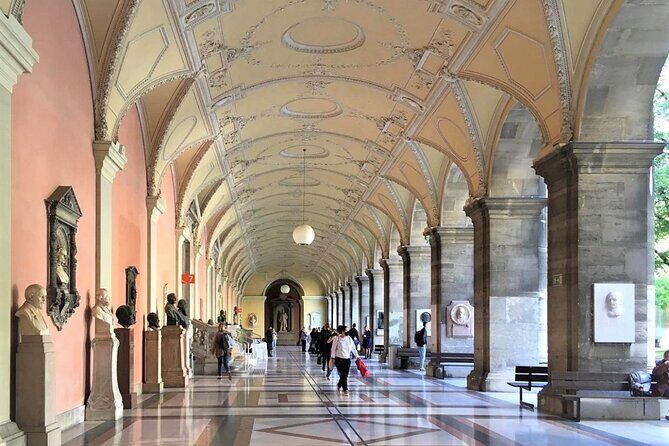
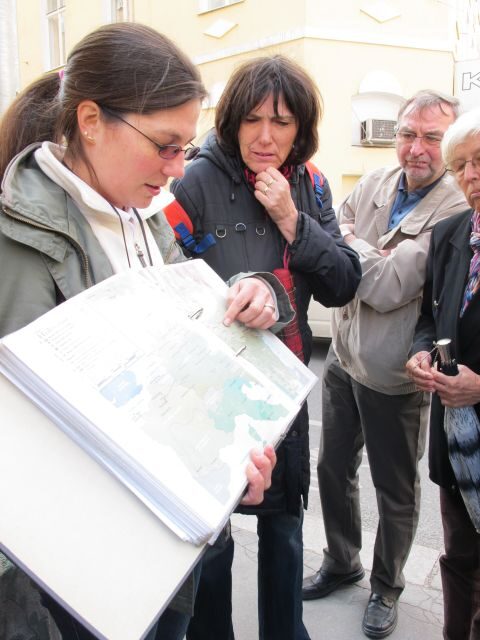
This is the kind of tour I like for “thinking people.” Not because it’s heavy, but because it’s grounded. You’re not racing through a checklist. You’re walking Vienna’s streets with a guide who connects the geography to the questions Freud was asking.
The small group size is more than a comfort perk. It changes how you experience the talk. When you’re with just a handful of people, your guide can slow down for the “wait, how did that work?” moments. And yes, you’ll probably want to ask those moments—Freud’s life can be fascinating, but also messy and controversial, like real people.
You’ll be out for about two hours, and the walking is set up for moderate physical fitness. If you’re comfortable with an easy-to-steady city pace, you should be fine.
You can also read our reviews of more tours and experiences in Vienna.
Start at Universität Wien: Courtyard Views and Late-19th-Century Medicine
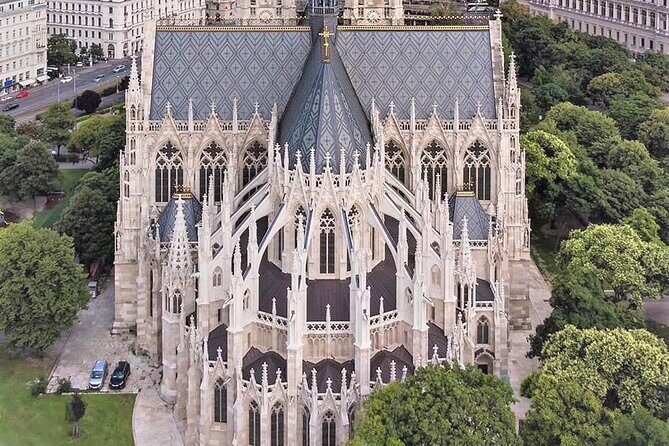
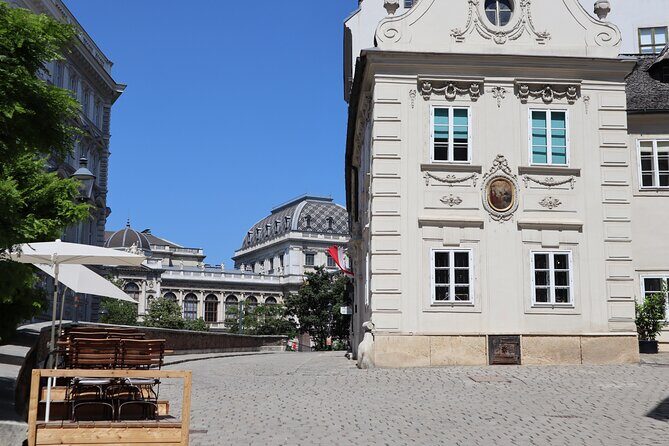
Your tour begins at Universität Wien near Universitätsring, a fitting start because the University isn’t just a landmark—it’s part of the training and thinking world that fed Freud’s era. You’ll take in the courtyard of the University of Vienna, then look at what “medicine” meant in the late 1800s.
The best part here is the way your guide frames the setting. Universities like this don’t simply look impressive; they shaped how people learned, what counted as respectable knowledge, and how future physicians formed their instincts. Even if you’re not a medical history person, you’ll likely appreciate the shift from abstract ideas to practical study—why the location matters.
This stop also stays simple logistically: it’s timed around about 15 minutes, and there’s no admission ticket required for the courtyard visit.
Practical note: courtyards and older campus buildings can be great for quick photo moments, but also a little echo-y. If you want clean audio for your recordings, stand where you can hear your guide clearly.
Votivkirche Area: Friends, Bright Minds, and the Social Web
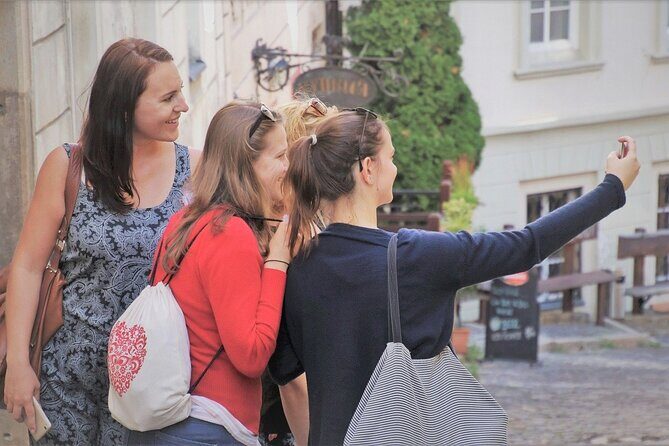
Next you’ll head to the Votivkirche neighborhood area, and this stop is where the tour starts to feel more like a lived-in story. Freud isn’t presented only as an isolated thinker. You’re nudged toward the idea that he moved through networks—friends, colleagues, and neighbors who helped shape his world.
Your guide will point you toward what the neighborhood offered in Freud’s time, including the kinds of people he found there. The question-and-answer style works well on the street: you hear a clue, you look at the surroundings, and you start building a mental map of who Freud might have encountered and why that mattered.
This segment is about 10 minutes, and again it’s set up as free entry for the viewing points. So it’s a nice “short stop, high meaning” moment.
If you’re the type who likes character-driven history, this is one of the best times to lean in. Vienna in that era wasn’t just grand buildings—it was also conversations, introductions, and the everyday social engine around institutions.
Old University Quarter: Where Study Lived in Everyday Streets
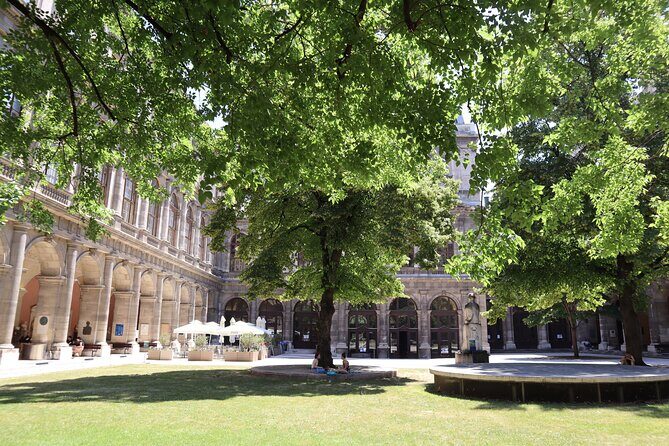
After Votivkirche, you’ll move to the Old University Quarter, stepping into the kind of area where students and young professionals used to spend time. Here, you’re asked a practical question: what did medicine look like back then, and how would someone study and practice inside a city like this?
The value of this stop is that it bridges the gap between the dramatic ideas and the real day-to-day learning environment. You’ll look at the “old quarter” atmosphere while your guide explains the medical context tied to Freud’s study period. Even without technical details, the location helps you feel what it means for an intellectual to be shaped by the streets and institutions around them.
This stop runs around 15 minutes and also keeps things straightforward with no admission ticket required for the included viewing.
Consider this your “thinking workshop” stop. If you’ve been taking in the sights, slow down here. You’ll get more out of it if you focus on how your guide connects what you see to how Freud learned.
Finish at Sigmund Freud Museum on Berggasse 19
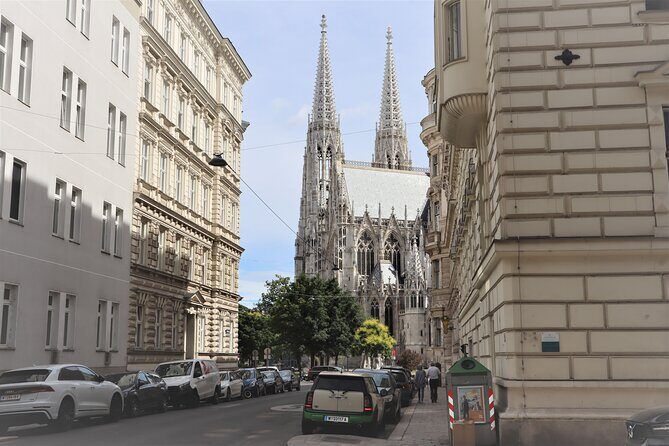
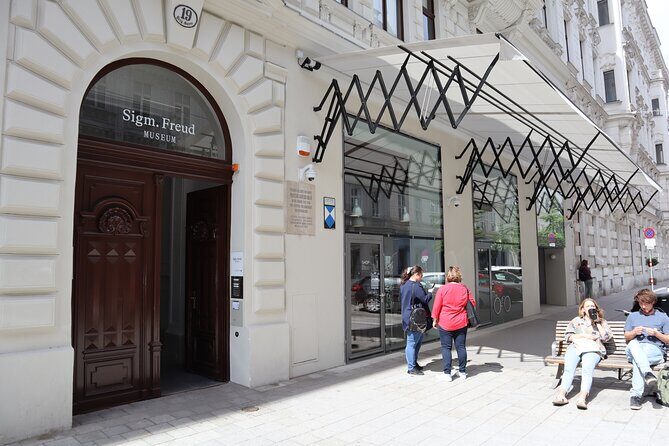
The tour ends at the Sigmund Freud Museum at Berggasse 19—the place where Freud lived for so many years, up until he was forced to leave. This is your payoff stop: the walk leads you here so the story isn’t floating in space.
Important detail: the museum ticket is not included. So you’ll want to decide in advance whether you’ll go straight in after the tour ends, or whether you’ll schedule a separate visit later.
What I like about ending here is that it turns your mental timeline into something physical. You’re not only hearing about Freud—you’re standing at the address that anchors the “how did life and history collide?” question. Your guide sets up the museum visit by raising the why behind the forced departure and the impact on his family, then you continue at the museum at your own pace.
This is also the easiest place to tailor your experience. If you want a deeper dive, spend more time inside. If you prefer a quick overview, you can keep moving. Either way, you control the level.

Why the Guide Makes a Difference (Especially in a Freud Tour)
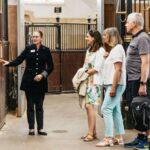
Freud can trigger two extremes in a tour setting: people either get overly reverent and vague, or they get defensive and oversimplify. The format here helps avoid both. With a small group and a guided walking approach, the talk can stay specific and readable without turning into a lecture.
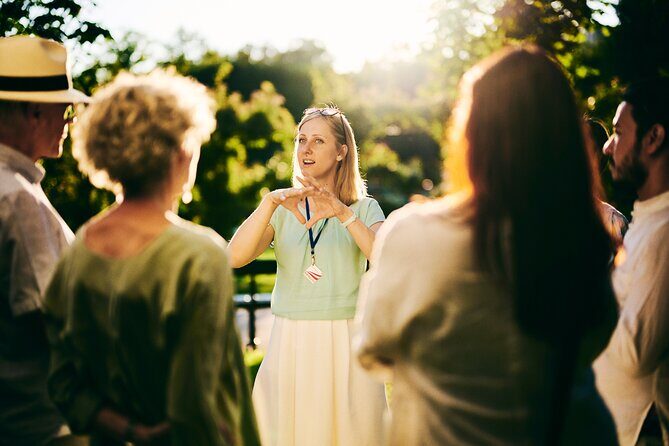
I also appreciated the energy that a guide named Lisa Marie brought in the experience. The style that shows up in descriptions of her guiding is exactly what you want for a Freud topic: well-informed, entertaining, and clear enough that even controversial ideas don’t feel like homework.
That combination matters because this tour isn’t trying to force a single opinion about Freud. Instead, it helps you understand the roots of the work—how a troubled mind and personal experiences can shape theories, questions, and the way an era talked about psychology.
And that’s the sweet spot: you don’t leave with only dates. You leave with a sense of how context feeds ideas.
Price and Value: What $45.38 Buys You in Real Life
The price is $45.38 per person, and here’s the value logic I think you can trust.
You’re paying for:
- A live guided walk through multiple historically linked stops
- A small group limit of 10, which usually improves the quality of interaction
- Included time at three viewing stops where admission tickets are free
What you’re not paying for:
- The Sigmund Freud Museum ticket
So the math is simple. If you plan to visit the museum anyway, this tour often feels like a smart “lead-in” rather than extra sightseeing. You’ll arrive at the museum with more context, which can make exhibits click faster.
Also, two hours is a comfortable length. You’re not signing up for an all-afternoon commitment, but you’re getting a structured route that reduces the guesswork of figuring out where to start and how to connect the dots.
Timing, Meeting Point, and Getting There Without Stress
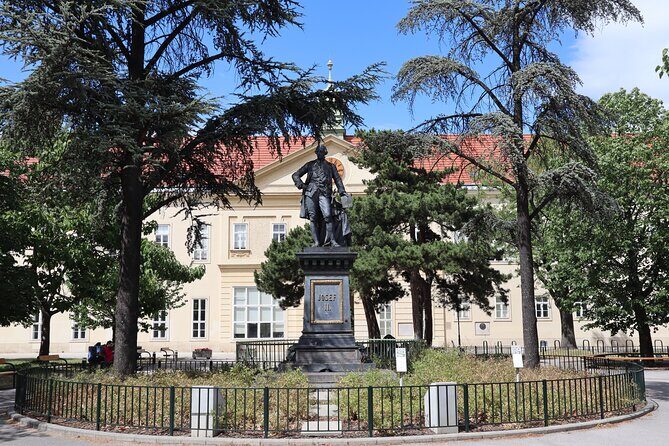
The tour starts at 2:00 pm. You’ll meet at Universität Wien Studienzulassung, Universitätsring 1, 1010 Wien. It ends at Berggasse 19, 1090 Wien at the museum.
A big practical win: it’s near public transportation, so you’re not forced into long pre-walk transfers. Still, I recommend arriving a few minutes early. With a route that begins at a university and ends at a museum, you’ll want a clean start time so the guide can keep the flow.
Because you’ll be walking, plan for normal city footwear and weather layering. Vienna weather can change its mind quickly, and your only real variable time here is whether you go into the museum right away.
Who This Tour Is Best For
You’ll enjoy this most if:
- You want Vienna context for Freud rather than just biographical highlights
- You like guided walking tours where the route explains the story
- You have even a light interest in psychology, medicine, or intellectual history
- You prefer smaller groups and more conversation
This is also a good fit if you’re a student or professional in psychology or related fields and you like seeing the “where” behind the “what.” The setting matters here. It helps you understand why Freud’s ideas emerged in a specific time and place, not in a vacuum.
If you want a tour that’s only about monuments and art, this may feel too intellectual. But if you like history with real human texture—friends, institutions, and the pressure of a life lived in public—this fits well.
Quick Reality Check Before You Go
This tour is intentionally tight and focused. You’ll cover several linked locations, but it’s not designed to replace the museum. Think of it as the route that prepares you for the museum visit.
Also, because the museum ticket is separate, decide ahead of time how long you’ll want to spend inside. If you show up and feel rushed, you might leave with fewer takeaways than you could have.
Should You Book Freud – Inside the Mind of a Genius?
If you’re curious about Freud and you like tours that connect ideas to place, I’d book it. The combination of a small group, well-chosen stops, and a final anchor at Berggasse 19 gives you a strong “story with legs.”
Book it especially if:
- You plan to visit the Sigmund Freud Museum anyway
- You want a guide who keeps the tone readable and interesting
- You like walking tours that feel personal instead of crowded
Skip it if:
- You’re not interested in the Freud-medicine-intellectual angle
- You only want included attractions and don’t want to add a museum ticket cost
FAQ
How long is the Freud walking tour?
It’s about 2 hours in total.
Where does the tour start?
The meeting point is Universität Wien Studienzulassung, Universitätsring 1, 1010 Wien, Austria.
What time does it start?
It starts at 2:00 pm.
How much does it cost?
The price is $45.38 per person.
Is the Sigmund Freud Museum ticket included?
No. The tour ends at the Sigmund Freud Museum, but the ticket is not included.
Are tickets needed for the earlier stops?
The stops at the University of Vienna courtyard, Votivkirche area, and the Old University Quarter are listed as free for admission.
How big are the groups?
The tour caps at 10 travelers, which keeps it more intimate.
Is the tour near public transportation?
Yes, it’s listed as near public transportation.
Is there a cancellation refund policy?
Yes. You can cancel for a full refund up to 24 hours before the experience start time.
Is it okay for people with moderate physical fitness needs?
The tour notes moderate physical fitness as the level needed, so it’s best if you can handle a steady walking city route.