REVIEW · VIENNA
Hallstatt Day Trip from Vienna
Book on Viator →Operated by Vienna Sightseeing Tours · Bookable on Viator
Hallstatt looks like a postcard, but the day trip works best when you know what you’re buying: a long day for big scenery and a guided head start in a famous town. The payoff is simple—a Hallstatt walking tour that explains how salt wealth shaped everything, plus a lake boat ride (seasonal) or the winter ossuary visit, depending on when you go.
One big thing I like is that the guide gives context, not just directions. Another is the built-in structure: you’re not left guessing what to see first in a place this small and this popular. The main drawback to weigh is the timing: expect plenty of bus time, and only a few focused hours on-site.
In This Review
- Key Takeaways Before You Go
- Getting From Vienna: Plan for the 3.5-Hour Each-Way Coach Ride
- The Guided Walking Tour in Hallstatt: Why Salt Changes Everything
- Lake Hallstättersee by Boat (April–October): The Best Way In
- Hallstatt Ossuary in Winter (November–March): The Bone House Visit
- Free Time in Town: Market Square, the Church, and Lunch on Your Own
- Price and Value: Does $136.33 Cover Enough?
- Tour Logistics That Actually Affect Your Day
- Who Should Book This Hallstatt Day Trip?
- Should You Book This Hallstatt Day Trip from Vienna?
- FAQ
- How long is the Hallstatt day trip from Vienna?
- Where does the tour start and end?
- What time does the tour start?
- Is hotel pickup available?
- What’s included on the tour?
- Do I pay for lunch?
- Does everyone visit the boat or the ossuary?
- How long do we spend at Hallstatt?
- Is the tour suitable for kids?
- What’s the cancellation window?
Key Takeaways Before You Go
- 7,000 years of salt-powered Hallstatt: The guided walk sets the story fast, so you’re not wandering blind.
- Seasonal highlight included: Boat across Lake Hallstättersee in April–October; Ossuary visit in November–March.
- A very full day format: Depart 7:15 am, return late—great for sightseeing, less great for people who hate coach travel.
- Crowds are part of the package: The town is tiny, so plan for slow movement, especially in peak season.
- Guides can make or break it: Names like Theodora and Stefan show up in feedback as standouts.
- Free time is real, but scheduled: You’ll get room for lunch and wandering, then the group moves on.
Getting From Vienna: Plan for the 3.5-Hour Each-Way Coach Ride
This trip is built around the drive. You meet at the Vienna State Opera (Opernring 2) at 7:15 am, and you’ll start with about a 3.5-hour coach ride to Hallstatt. That’s not a minor detail. By the time you reach the lake, you’ll have already spent a good chunk of your day in transit. On the return, you’re doing it again, with additional time lost to rest stops.
That said, the journey itself is part of the experience. You get a steady stream of countryside views, and you’ll have a guide on board who can turn the bus time into something useful rather than just seat-warming. In reviews, I saw clear patterns: guests who said the guide made the route interesting tended to rate the day higher.
Two practical notes. First, snacks help. Multiple comments flagged overpriced rest-stop food and long breaks, so having something in your bag keeps you from feeling forced into the local convenience store tax. Second, start thinking about meeting points early. When groups are moving on a fixed schedule, it only takes one missed cue to feel rushed.
If you’re booking with hotel pickup, it only works from selected hotels and it happens 30–60 minutes before the 7:15 start. That means you should plan your morning around pickup timing, not around your own breakfast schedule.
A few more Vienna tours and experiences worth a look

The Guided Walking Tour in Hallstatt: Why Salt Changes Everything
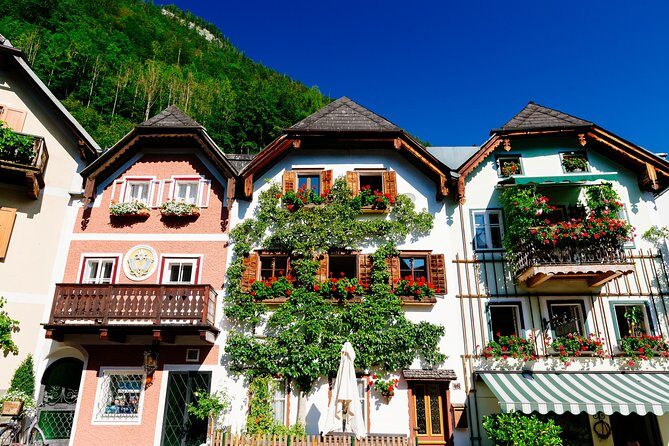
Your first real time in Hallstatt is the guided walking tour, roughly 40 minutes. This is where the day gets its value. The guide walks you through what the town became over thousands of years—about 7,000 years of settlement—and ties it to the salt chambers that made the region wealthy.
What I like about this approach is that it gives you a way to read the town. Hallstatt isn’t huge, so it’s easy to treat it like a scenic backdrop. The walking tour helps you notice the patterns—where wealth would have concentrated, how the town’s story evolved, and why salt mattered more than tourism branding ever could.
The best walking-tour moments also tend to be the details that connect past and present. In feedback, people praised guides for clear explanations and memorable commentary—especially when the guide balanced history with small practical tips for how to enjoy the view without constantly retracing your steps.
One consideration: because the tour is short, it’s not a deep academic lecture. If you want to slow-walk every side street, you’ll still rely on your own free time afterward. But as a first introduction, it’s a strong use of limited hours.
Lake Hallstättersee by Boat (April–October): The Best Way In
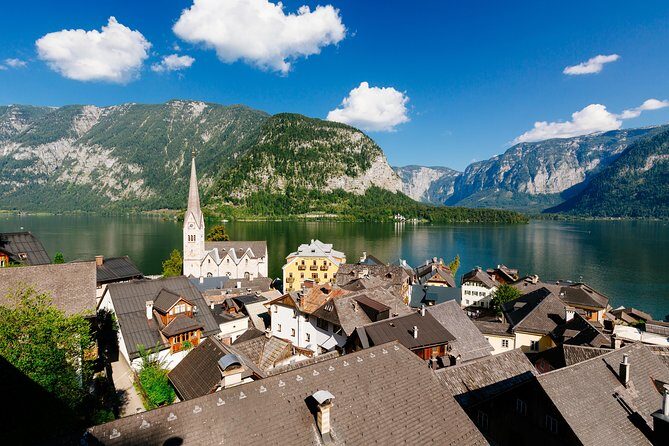
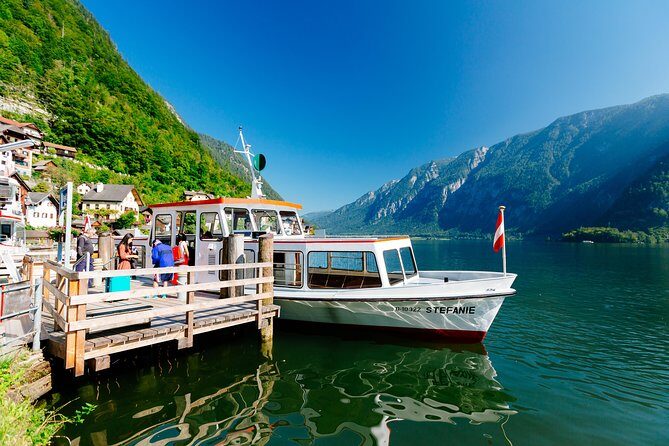
In warmer months, the highlight after your walk is a boat ride across Lake Hallstättersee. This is included from April through October, and it’s exactly the kind of activity that turns a “pretty town” into a memorable experience.
Why it works: Hallstatt’s best angles come from water. From shore, you’re stuck with the town’s immediate perspective and crowd flow. On the lake, the water line changes everything—you get a cleaner frame of the village with the mountains rising behind it, and you can take photos without constantly edging around people who stop suddenly on narrow lanes.
One thing to watch: your boat day still follows the group schedule. If your priority is photos, keep your expectations realistic. You’ll likely want your phone/camera ready at the right moments, but you won’t control timing like an independent boat hire would.
A couple winter-leaning notes from feedback actually help here. People who visited in low season said the experience felt more peaceful, while those going in summer noted crowded conditions and still-limited time on the ground. The boat ride is one reason the tour still earns strong ratings even when Hallstatt feels packed.
Hallstatt Ossuary in Winter (November–March): The Bone House Visit
If you visit November through March, the lake boat ride switches to a visit to the Hallstatt Ossuary (the Bone House), located in St Michael’s Chapel. This stop runs about 30 minutes, and it’s included.
The details are striking. The ossuary dates back to the 12th century, and it holds around 1,200 human skulls, with 610 hand-painted and arranged in family groups. If you’re the type who likes history that’s specific rather than vague, this is the kind of stop that sticks in your memory.
Is it for everyone? No. If you dislike morbid or themed exhibits, treat this as a “know your limits” choice. You don’t need to force it. But if you can handle it, it’s also one of those experiences that quickly separates a casual visit from something more meaningful—especially in winter when the village atmosphere changes and the lake view isn’t the main event.
Also, the ossuary visit tends to be a set piece. You’ll have far less choice in how you experience it than you would with free walking time. The upside is that it fills your schedule with a strong seasonal story, not just more strolling.
Free Time in Town: Market Square, the Church, and Lunch on Your Own
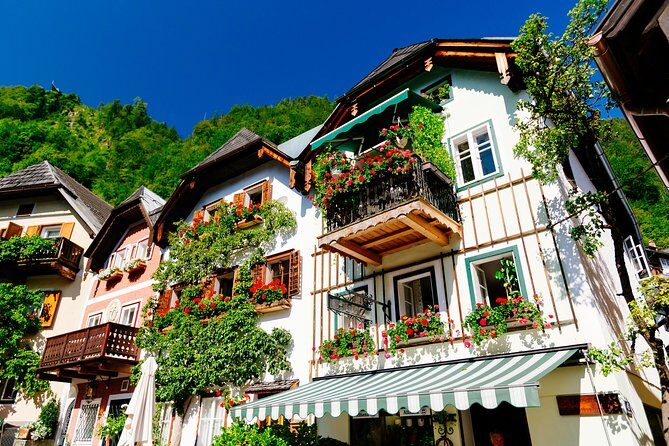
After the guided segment (and boat or ossuary, depending on season), you’ll get free time to explore Hallstatt and handle lunch on your own. Your tour doesn’t include food, so budget for cafés and restaurants if you want something more than snacks you brought.
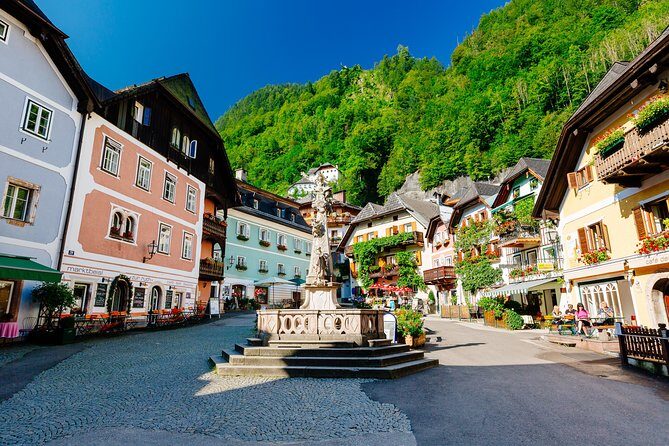
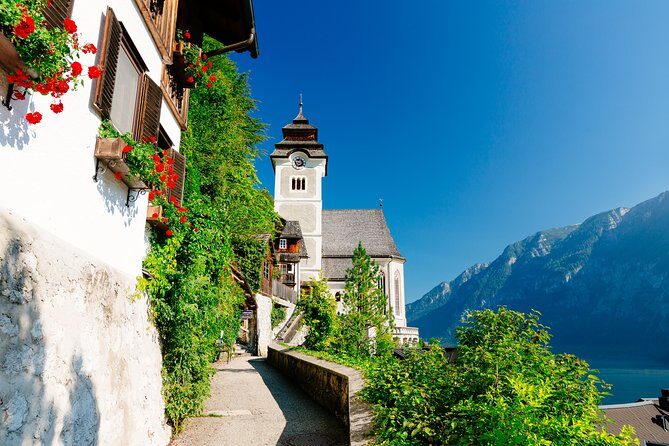
Hallstatt’s center concentrates the good stuff quickly. You can spend your free time around the UNESCO World Heritage market square, where you’ll find cozy cafés, restaurants, and souvenir shopping. This is also where the “Hallstatt vibe” is easiest to feel—view, walkability, and the sense that the town is built for lingering even when you don’t have much time.
You’ll also pass by the Evangelical Church, built as a house of prayer on 30 October 1785. It’s a nice anchor point because it helps you orient yourself: once you find the church area, you can work outward toward the market square and back again without getting turned around.
Crowds matter here. Hallstatt is compact, so it can feel like everyone is trying to stand on the same spot at once. In feedback, I saw both extremes—people who loved the atmosphere and people who said it was too crowded to move easily. My practical suggestion is simple: choose one direction to walk, then commit to it. Don’t bounce randomly. If you want photos, walk a bit away from the densest lanes so you’re not fighting foot traffic.
If winter is your season, dress for cold weather. Some comments recommended snow-friendly gear like snow shoes, which makes sense because icy sidewalks can turn “quick stroll” into a careful shuffle.




Price and Value: Does $136.33 Cover Enough?
At $136.33 per person, this isn’t a budget day trip. The value question comes down to what’s included and what you’d otherwise have to arrange yourself.
You’re paying for:
- Round-trip transport by coach from central Vienna
- A guided walking tour through Hallstatt (around 40 minutes)
- A seasonal included activity: boat ride on the lake (April–October) or ossuary (November–March)
- A mobile ticket and support for a group schedule
If you tried to do it on your own, you’d still need a long transit plan and you’d likely end up paying for a guided explanation if you want context rather than just photos. The included seasonal activity is also a big deal. In summer, the lake boat portion is a natural “yes.” In winter, the ossuary gives you a clear seasonal reason to go beyond scenery.
So I’d call the price fair for first-timers who want the stress removed. If you already know Hallstatt well, love slow independent pacing, and hate group schedules, you might feel the cost isn’t matched by time on the ground. The strongest ratings tended to come from people who found the commentary helpful and appreciated the organized flow.
There’s also a timing element. This tour is commonly booked about 34 days in advance, which usually means you should plan ahead if you want a specific date in peak season.
Tour Logistics That Actually Affect Your Day

This is where the small details can save you from a frustrating day.
Meeting time and location: You start at 7:15 am at Vienna State Opera. That’s early enough that you’ll want a smooth morning routine. If you’re doing hotel pickup, confirm the pickup window since it happens 30–60 minutes before departure.
Group size: Maximum 100 travelers. That’s big enough to create crowding in Hallstatt and on bus aisles, but small enough that you’re generally still in a managed group rather than an endless crowd.
Language and format: The tour is offered in English, includes a guide, and uses a mobile ticket. If you’re traveling with devices, make sure your ticket is accessible offline in case of weak connectivity.
Time pacing: The day is long—about 13 hours total—because you’re commuting to a far-away highlight from Vienna. In feedback, some people said the free time in Hallstatt felt short, while others loved having just enough time to enjoy the view and then retreat before it got even more hectic.
Weather expectations: Hallstatt changes with the season. Summer brings the lake and more crowds. Winter brings the ossuary and colder walking conditions. Pack accordingly and you’ll enjoy the day more.
Who Should Book This Hallstatt Day Trip?
This tour suits you if you:
- Want an easy one-day way to see one of Austria’s most photographed places
- Like history framed by a guided walk, not just wandering
- Plan to visit in April–October for the lake ride, or November–March for the ossuary
- Can handle a long coach day without needing hours of independent pacing
You might skip it if you:
- Get cranky about long drives and rest-stop breaks
- Prefer a relaxed visit where you control your own route for 6–8 hours
- Want a town experience without crowds and schedules (Hallstatt is famous, so it’s usually busy)
If you do book, keep your expectations aligned with the format. This isn’t a “stay all day in Hallstatt” trip. It’s a structured sightseeing day with a couple standout components that are worth the commute.
Should You Book This Hallstatt Day Trip from Vienna?
I’d book it if your goal is a high-impact Hallstatt visit with minimal planning. The walking tour context plus the seasonal included highlight (boat or ossuary) is the winning combo. And if you land with a guide who makes the commentary fun—names like Theodora and Stefan came up in feedback—your time will feel sharper, not longer.
Don’t book it if you’re hoping for a slow, independent day. Between the early start, the coach time, and the fact that Hallstatt is small, you’ll likely feel rushed if you’re the type who needs long stretches of unstructured time.
FAQ
How long is the Hallstatt day trip from Vienna?
The trip runs about 13 hours (approx.), including travel time.
Where does the tour start and end?
The start and end point is Vienna State Opera, Opernring 2, 1010 Wien, Austria.
What time does the tour start?
The start time is 7:15 am.
Is hotel pickup available?
Hotel pickup is available only from selected hotels. You need to contact the operator by mail at least 24 hours in advance to check if your hotel qualifies.
What’s included on the tour?
It includes a guided walk through Hallstatt, a boat ride across Lake Hallstättersee (April–October), or the ossuary visit (November–March), plus hotel pickup if requested.
Do I pay for lunch?
Food and drinks are not included, so you’ll need to pay for lunch and snacks on your own.
Does everyone visit the boat or the ossuary?
No. The boat ride is included only from April to October, while the ossuary is included only from November to March.
How long do we spend at Hallstatt?
You’ll have free time to explore after the guided portions, but the exact on-the-ground time varies because the day includes travel and set stops.
Is the tour suitable for kids?
Children must be accompanied by an adult.
What’s the cancellation window?
Free cancellation is available up to 24 hours in advance for a full refund.