Vienna smells amazing when you’re making it. This shared cooking class in a local apartment turns classic Austrian comfort food into a hands-on lesson, not a spectator show. I really like the at-home setting (the group cooks where generations of the family lived) and the chance to cook as much as possible yourself, including the big hits: potato soup, schnitzel, and apple strudel.
You should know one practical consideration up front: this is inside someone’s apartment, so stairs are part of the deal. There’s no elevator, and you may need to carry a stroller upstairs if you bring one.
In This Review
- Schnitzel and Strudel in a Real Vienna Apartment (Not a Demo Kitchen)
- What You’ll Cook: Old Viennese Potato Soup, Chicken Schnitzel, Apple Strudel
- Starter: Old Viennese Potato Soup
- Main: Chicken Schnitzel with Potato Salad and Cucumber Salad
- Dessert: Apple Strudel (Made with Homemade Pastry and Whipped Cream)
- How the 3-Hour Class Works: Learn, Cook, Then Eat Together
- Austrian Techniques You’ll Actually Use Again
- Crispy Schnitzel You Can Recreate
- Old-Fashioned Potato Soup Comfort
- Apple Strudel: A Dessert Project, Not a Mystery
- Food, Dietary Needs, and the Real Limits
- Your Group, Your Coach: Why Small Numbers Matter
- Location Details That Affect Your Day
- Price and Value: Is $144.18 Worth It?
- Who Should Book This Cooking Class
- Should You Book This Schnitzel and Strudel Class?
- FAQ
- Is the class taught in English?
- What dishes are included in the cooking class?
- How long is the cooking class?
- Where does the class take place?
- Can I bring my own alcohol?
- Are dietary restrictions possible?
- What is the group size?
- Is there elevator access?
Schnitzel and Strudel in a Real Vienna Apartment (Not a Demo Kitchen)
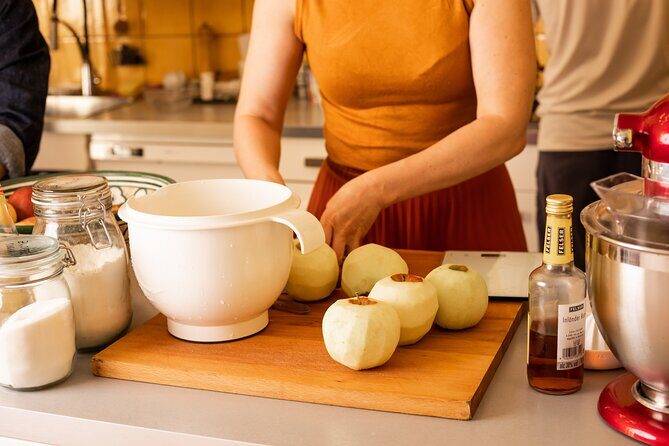
The meeting point is at Neumanngasse 7 in Vienna, and the class takes place in the host’s apartment. That alone changes the feel of the experience. Instead of walking into a commercial cooking space, you step into an everyday home where Austrian recipes have been passed down for a long time.
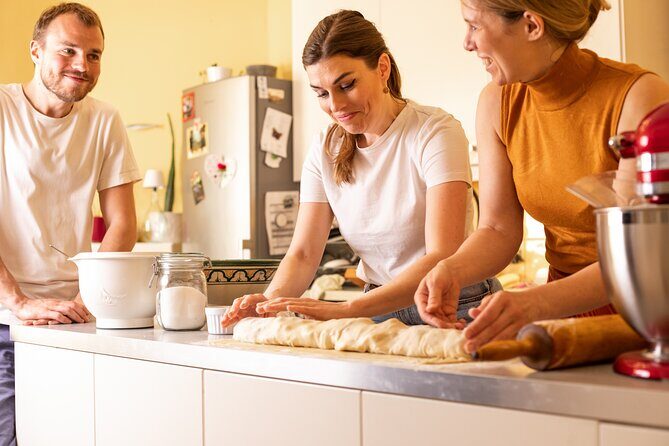
The best part is that you’re not just watching someone cook. The format is designed so you can take part in the process, and that’s what makes this practical for your own kitchen later. Across recent sessions, the guides named for clear, friendly instruction (including Lena, Nina, and Leah) are praised for checking in with everyone while still giving you room to do the actual work.
The class also has a “small group” vibe. It’s offered in English, with groups between 2 and 12 participants, and the max is listed as 6 travelers for this activity. That matters because hands-on cooking gets harder in big groups where you’re waiting your turn.
What You’ll Cook: Old Viennese Potato Soup, Chicken Schnitzel, Apple Strudel
This class centers on three dishes that basically summarize Austrian home cooking:
You can also read our reviews of more cooking classes in Vienna

Starter: Old Viennese Potato Soup
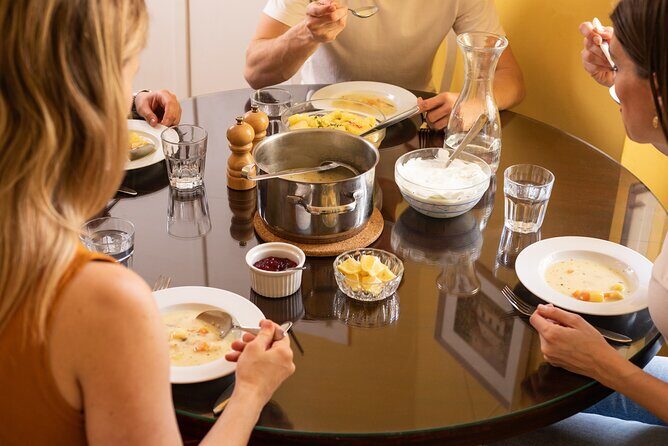
You’ll make Viennese potato soup using the host’s grandmother-style recipe. Potato soup sounds simple, but it’s a great training dish because it teaches you how the base should taste, how the texture develops, and what “comfort” means in Austrian cooking: hearty, filling, and built for everyday meals.
If you’ve never cooked Austrian food before, this starter helps you understand the flavor direction of the menu before you move to frying and baking.
Main: Chicken Schnitzel with Potato Salad and Cucumber Salad
The main course is chicken schnitzel served with potato salad and a cucumber salad. You’ll also eat it with lingonberry jam and a slice of lemon, which is one of those Austrian touches that makes the meal feel complete.
Two things make this main practical:
- Schnitzel is teachable. You can copy the steps at home if you understand the rhythm and timing.
- The sides help the meal make sense as a plate, not just a technique exercise. The salads add crunch and brightness so the schnitzel doesn’t feel heavy.
One note from the menu info: most dishes contain meat. The host can arrange vegetarian, lactose-free, or gluten-free options, but vegan is not possible, and a gluten-free apple strudel can’t be made.
Dessert: Apple Strudel (Made with Homemade Pastry and Whipped Cream)
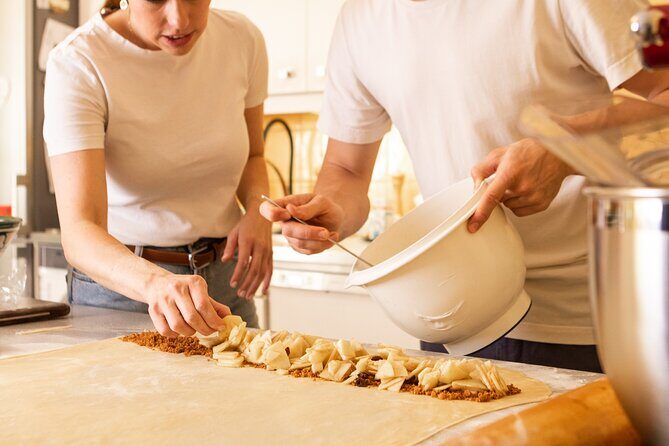
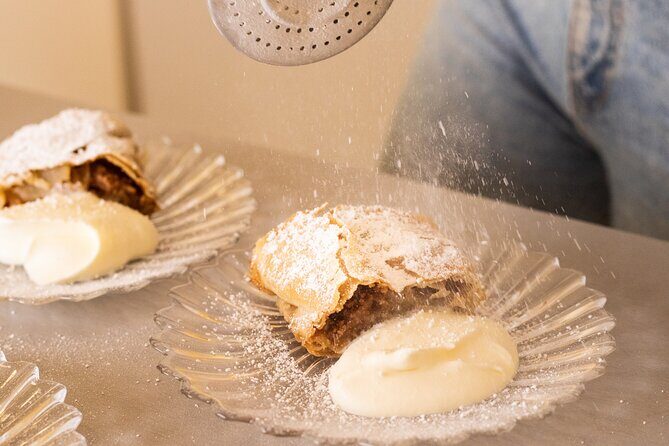
The dessert is apple strudel with home-made pastry and whipped cream. This is the part that usually feels most impressive to non-cooks, but it’s also the part that best shows why the class is structured for beginners and intermediates.
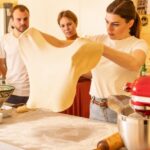
If you’re dreaming of getting strudel dough right, this class is aimed at helping you build confidence, not just admire results. And because strudel is more technique than ingredient shopping, the experience is genuinely useful for recreating it later.
How the 3-Hour Class Works: Learn, Cook, Then Eat Together
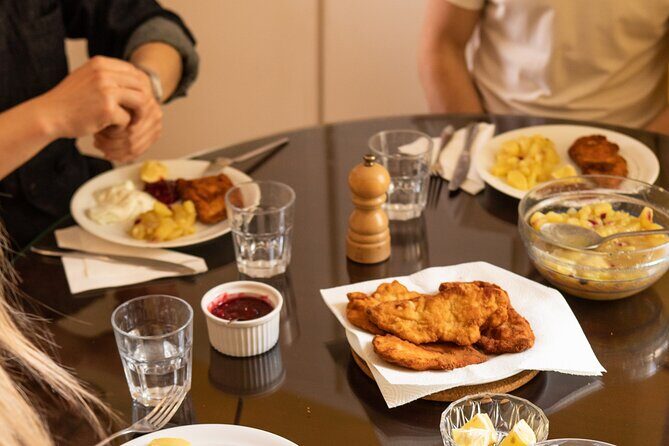
The class runs about 3 hours and follows a clear flow. It typically starts with a short orientation to Austrian cuisine, then you’ll go dish by dish through the menu.
Here’s what that usually means in practice:
- You’ll get context first (what the dish is, how it’s served, what “right” looks and tastes like).
- Then you cook in stages, so you’re never stuck for long with nothing to do.
- Finally, everyone sits down to eat the food you made.
That last part is more important than it sounds. You don’t just take home recipes on a clipboard. You taste what you made while the flavors are fresh and the lesson is still in your head.
A practical heads-up: because groups can vary and the class is limited, how much you do can depend on participant count. On busier days (when there are more people within the allowed range), you might find you focus on one component more than another. The upside is that instruction is still clear, and you’ll leave with enough understanding to repeat the recipes at home.
A few more Vienna tours and experiences worth a look





Austrian Techniques You’ll Actually Use Again
The class sells itself on schnitzel and strudel, but the value is bigger: you’re learning Austrian cooking logic.
Crispy Schnitzel You Can Recreate
Schnitzel lives and dies by technique. The host’s approach is designed so you can learn the method for making schnitzel crispy and keeping it juicy. That balance is exactly what most home cooks struggle with when they try again later.
What I find useful about this kind of lesson is that it doesn’t stop at ingredients. You’re taught the “do this, then this” sequence. Once you’ve done it with guidance, the steps become repeatable.
Old-Fashioned Potato Soup Comfort
Potato soup is the kind of dish that teaches you to trust how it develops. You can’t fix a soup by adding one magic ingredient at the end. You learn how thickness, seasoning, and texture come together through cooking—skills that carry over to other soups and stews.
Apple Strudel: A Dessert Project, Not a Mystery
Strudel can feel intimidating because it’s linked to baking shows and fancy restaurants. This class brings it back to earth. You’ll work with homemade pastry, then finish the dessert with apple filling and serve it with whipped cream.
Also, remember the restriction: vegan isn’t possible here, and gluten-free strudel pastry can’t be made. If that matters for you, check early before you book.
Food, Dietary Needs, and the Real Limits
If you want the class to work for your needs, it’s good that the host can arrange alternatives. The data says you can request:
- Vegetarian
- Lactose-free
- Gluten-free (with the important exception of the apple strudel pastry)
The one hard limit is vegan, and the class also can’t do gluten-free apple strudel. So if your dietary requirement includes vegan or gluten-free dessert, you’ll want to align your expectations before you arrive.
Alcohol is another practical point: you may bring your own, but alcoholic beverages aren’t included.
Your Group, Your Coach: Why Small Numbers Matter
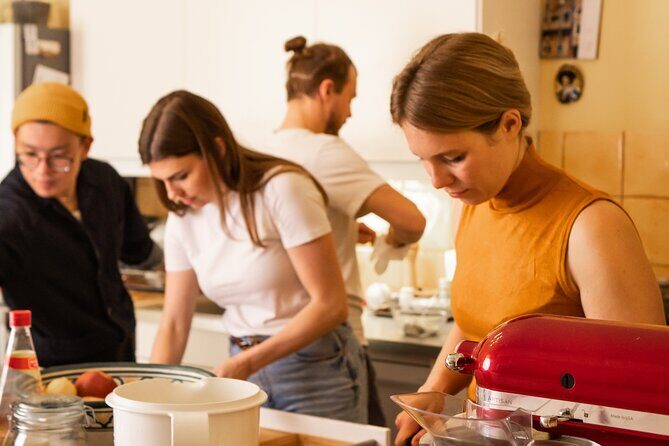
Groups are kept small, with 2 to 12 participants listed, and a maximum of 6 travelers for this activity. That’s not just a comfort thing. It affects how much you can do.
People who like hands-on cooking generally care about two things:
- You get time to practice steps.
- You can ask questions before you mess something up.
The guides are described as organized and friendly about it—checking in with everyone while still letting you move your hands through the work.
Also, it’s an English class. The menu content and instruction are geared for English speakers, which is a huge plus if you’re in Vienna with only basic German.
Location Details That Affect Your Day
This is Vienna, and the meeting point is in a neighborhood that’s easy to reach by public transportation. You’re starting at Neumanngasse 7, and the class ends back at the meeting point.
Two small logistics points to keep in mind:
- The building has no elevator.
- You can leave a stroller inside the apartment, but you’ll have to carry it upstairs.
If you’re traveling with kids, this class is explicitly family-welcome. Service animals are also allowed.
Price and Value: Is $144.18 Worth It?
At $144.18 per person, this isn’t a budget activity. But it can be good value if you compare it to what you’d pay to eat well and what you’d pay for cooking instruction in a private home setting.
Here’s what’s included:
- A 2- or 3-course meal (depending on the number of participants)
- Coffee or tea
- Kitchen equipment
- An English (and German) guide
What you’re buying is not just food. You’re buying:
- Guided technique for schnitzel and strudel
- The chance to cook your own meal
- An authentic home setting that feels like Vienna, not like a tourist production
If you love food experiences where you learn skills you’ll reuse, the price starts to make sense. If you’re only looking for a quick bite, you might find this feels pricey. But if you enjoy cooking—or you’ve always wanted to—this is the kind of class that can stick with you long after the meal is finished.
Who Should Book This Cooking Class
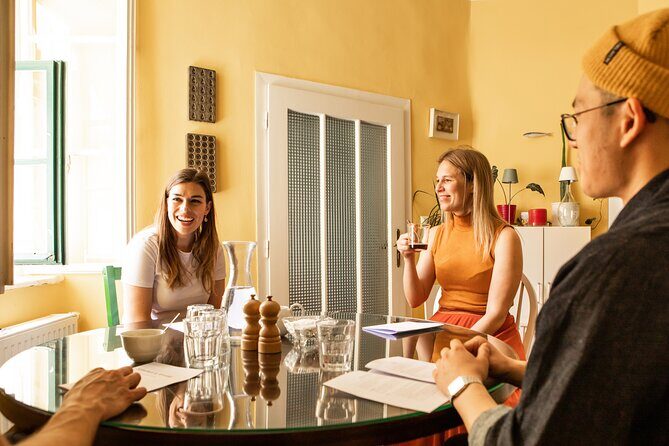
This fits best if you want a friendly, hands-on Austrian meal with a real local home feel.
You’ll probably enjoy it most if you:
- Want a beginner-friendly way to learn schnitzel and strudel
- Like interactive food experiences more than food tours
- Prefer smaller groups and clear instruction in English
- Want recipes you can actually recreate at home
It may be less ideal if you:
- Need a fully vegan class (not possible)
- Need gluten-free apple strudel (not available)
- Strongly dislike apartment stair access
Should You Book This Schnitzel and Strudel Class?
I think you should book it if you’re the type who wants to leave Vienna with a skill, not just a souvenir. The class is built around classic dishes, taught in an apartment setting with a family-recipe vibe, and it emphasizes doing the cooking yourself.
Book with extra care if dietary needs include vegan or gluten-free dessert, since those options are limited. And if you have mobility concerns, plan around the fact that there’s no elevator.
If that all works for you, this is a satisfying, practical Vienna experience: learn the method, cook the meal, then eat it together like it’s a regular home day.
FAQ
Is the class taught in English?
Yes. The class is held in English, and the guide can also use German.
What dishes are included in the cooking class?
The class menu includes Viennese potato soup, chicken schnitzel served with potato salad and cucumber salad (with lingonberry jam and lemon), and apple strudel for dessert.
How long is the cooking class?
The duration is about 3 hours.
Where does the class take place?
It takes place in the host’s apartment. The meeting point is Neumanngasse 7, 1040 Wien, Austria, and the experience ends back at the same location.
Can I bring my own alcohol?
Yes, you may bring your own alcohol. Alcoholic beverages are not included.
Are dietary restrictions possible?
The host can arrange vegetarian, lactose-free, or gluten-free classes. Vegan is not possible, and gluten-free apple strudel cannot be made.
What is the group size?
Groups are between 2 and 12 participants, and the activity has a maximum of 6 travelers.
Is there elevator access?
No. The building does not have an elevator, so you may need to use stairs.