REVIEW · VIENNA
Taste and Tour Small Organic Wineries with a Winemaker
Book on Viator →Operated by Kapitel Zwei Wine · Bookable on Viator
If you like your wine with real stories, this one delivers. This small-organic winery tour links Krems, Kamptal, and the hills along the Danube with actual winemakers, plus tastings that show how choices in the vineyard turn into what’s in your glass. My favorite part is the way you go beyond sales talk—at each stop, you learn what they’re trying to do (and why) with organic farming and careful cellar decisions. The only downside to keep in mind: the tour includes some walking and cellar steps, so it’s not a fit if you struggle going down into a wine cellar or prefer everything flat and spacious.
You also get a good pacing mix for a day trip: about 2.5 hours of wine-focused time and roughly 30 minutes of driving between locations, so you’re not stuck bouncing around in a van. It’s billed as a private experience, so the guide can slow down for questions and adjust the tastings to your interests—exactly what wine people want when they’re trying to understand the “why,” not just collect bottles.
In This Review
- Key highlights you’ll feel right away
- Krems and the Danube: how the route sets the tone
- What $114.02 buys for 3 hours of craft wine
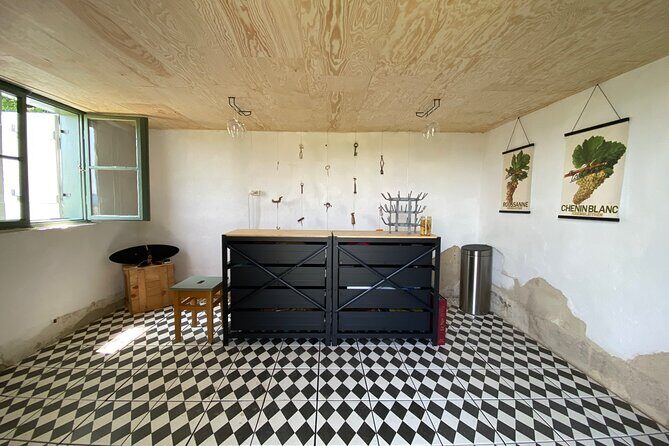
- Stop 1: Kapitel Zwei in Kremsleithen and the amphora idea
- Stop 2: Mantlerhof’s organic Grüner Veltliner focus near the Kamp
- Stop 3: Feldtheorie in Schoenberg am Kamp and the science-to-terroir story
- Stop 4: WeinSchach and Pet Nat sparkling wine experiments
- Stop 5: Ausblick am Welterbesteig for a 360-degree wine finish
- The guide experience: pace, access, and tailored questions
- Who this tour suits best (and who should skip it)
- Should you book this Danube wine tour?
- FAQ
- FAQ
- How long is the wine tour in total?
- Where does the tour start in Krems?
- Does the tour include pickup or help meeting you in transit?
- What language is the tour offered in?
- Is this tour private?
- What kind of winery experiences and spaces should I expect?
- Is it suitable for people who can’t walk down into a cellar?
- What are the operating hours during the listed season?
- What’s the cancellation policy?
Key highlights you’ll feel right away
- Winemaker-level access at multiple stops with hands-on explanations rather than a lecture
- Organic and sustainability themes that show up in both vineyard choices and cellar methods
- Amphora and steel aging at Kapitel Zwei, including French grape varietals grown in Austria
- Pet Nat experimentation at WeinSchach, with biologically worked sparkling wine production
- A final vineyard viewpoint walk that ties the day’s scenery to what’s happening in the vines
Krems and the Danube: how the route sets the tone
This tour is built around the Donau River corridor, and that matters more than it sounds. The vineyards here don’t sit in a random postcard spot—they climb, slope, and breathe with the river’s influence. The driving segments are short, and the tour time stays long enough that the experience feels like a proper wine day, not a hurried check-list.
You’ll also get a sense of how Austrian wine regions connect geographically. From Krems to Kamptal-adjacent areas, you see different cultural “styles” of winemaking even when the grape logic is similar: site, farming choices, and timing.
If you’re basing yourself in Vienna, the day trip works nicely. You can take a direct train to Krems (the ride along the Danube is part of the fun), and the meeting point is right by Bahnhofpl. 2, 3500 Krems an der Donau. If rail doesn’t fit, you can also coordinate to meet at the boat station when arriving by boat from Vienna.
You can also read our reviews of more tours and experiences in Vienna.
What $114.02 buys for 3 hours of craft wine
On paper, the price is easy to compare. In practice, the value comes from what’s included in that time: multiple stops, small producers, and frequent explanations that help you taste with context.
At this price, you’re not paying for a big bus experience or a mass-produced tasting hall. You’re paying for an itinerary that changes the way you look at Austrian wine. For example, Kapitel Zwei is a micro-winery built around an experiment—French varietals aged in amphora and steel. Mantlerhof is a longer-running family operation focused on organic Grüner Veltliner. Feldtheorie is a “learned science + lived terroir” story. WeinSchach is about sparkling wine experiments and Pet Nat ambition.
Also, the pacing matters. Spending about 30 minutes driving and 2.5 hours touring means you get to taste and talk without the “arrival, pour, exit” feeling. That’s why this feels like a winemaker conversation tour rather than a winery circuit.
Stop 1: Kapitel Zwei in Kremsleithen and the amphora idea
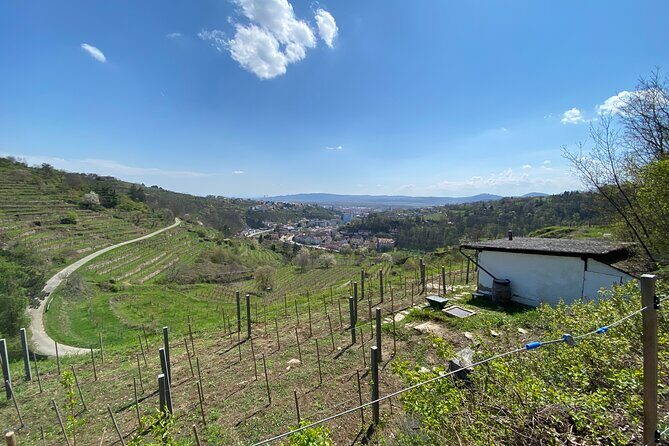
The day starts by climbing up from sea level about 400 meters, rolling through winding wine roads. Then you arrive at Kapitel Zwei Wine, a micro-winery in Krems an der Donau that treats winemaking like a careful experiment.
Here’s what makes this stop interesting even if you’re not an advanced wine nerd:
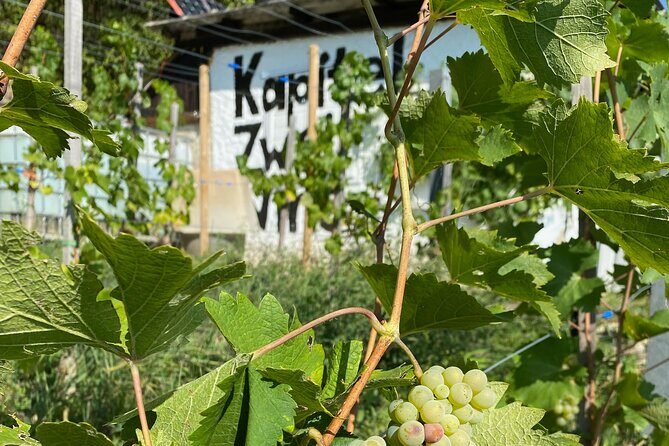
- They grow French grape varietals in an Austrian setting, including Chenin Blanc, Roussanne, and Sémillon.
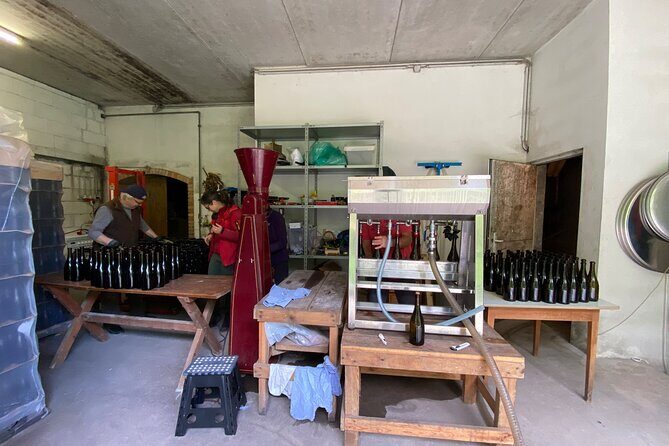
- They age the wine in amphora and steel tanks, which can shift texture, aromatics, and how the wine settles in the bottle.
- The grapes come from a single vineyard site, the ried called Kremsleithen, handpicked to preserve quality from the vine.
Kremsleithen itself has strong “place” signals. It was abandoned decades ago and replanted in May 2022, so you’re seeing a vineyard that’s still in the early chapters of its current life. The site sits about 300 meters above sea level, with loamy, sandy soil and clay, and it traces written records back to 1266. Even if you only remember one thing from this stop, remember that vineyard history and recent replanting coexist here.
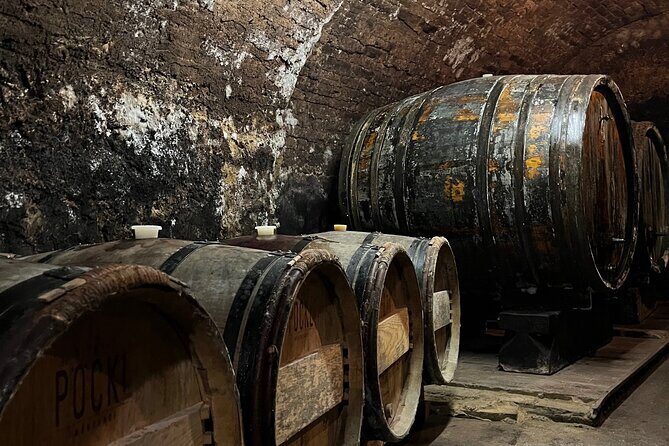
Practical note: this is also the first place where you’re likely to move from bright outdoors into cellar or smaller interior spaces. The experience is not built for people who want wide-open rooms, and it’s not ideal if you can’t manage walking down into a cellar.
Stop 2: Mantlerhof’s organic Grüner Veltliner focus near the Kamp
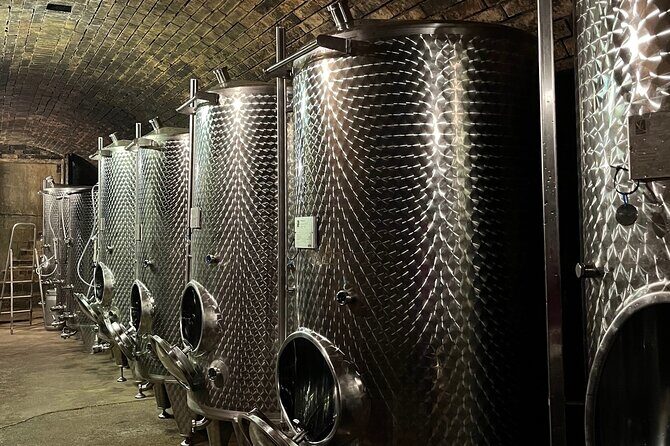
Mantlerhof sits in Gedersdorf, near the river Kamp right before it merges with the Danube. The views can be part of the lesson: to the west, you may see lights from Krems, and to the east, you might glimpse the towers of Grafenegg. That “rivers meet, vineyards respond” geography is part of why the region’s wines feel distinctive.
Inside the stop, the setting blends old-world charm with a working-family winery. You approach a village center near a pond, then find an old manor with an early Classicist facade—Mantlerhof itself. The family story runs deep: winemaking roots go back to 1365, and the Mantler family has worked the property for over 200 years.
From a wine-lover perspective, the key detail is focus. They work 15 hectares of vineyards and produce long-lasting organic wines, with a particular emphasis on Grüner Veltliner and Roter Veltliner. That doesn’t mean they only make one type of bottle, but it does mean the operation is built around mastering a clear set of varietal possibilities.
Why this stop is great for your palate:
- You get to taste organic wines from a producer with a clear identity.
- You can compare how farming choices show up in the glass versus the more “experimental” approach at Kapitel Zwei.
Time check: this stop runs about 45 minutes, which is long enough for both tasting and explanation. If you tend to ask lots of questions (or you want your guide to slow down), this is a good place for it.
Stop 3: Feldtheorie in Schoenberg am Kamp and the science-to-terroir story
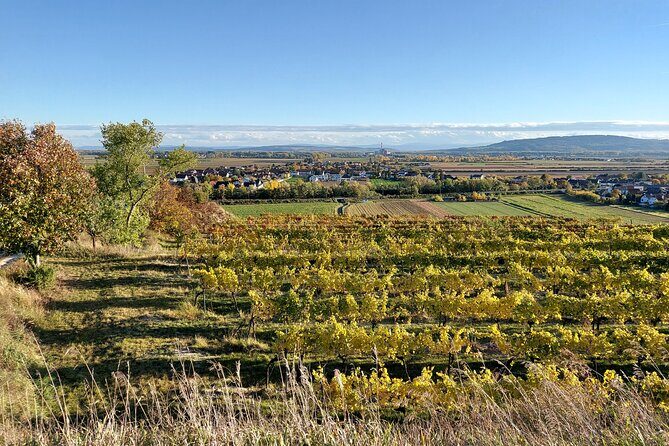
At Schoenberg am Kamp, you meet the people behind Weingut Feldtheorie: Ulrike Filp and Robert Bormuth. Their origin story is a practical clue to how they think about wine. During studies in natural sciences, they developed a love for wine on a trip to New Zealand. Later, they did internships in Germany, Australia, and Austria, then settled in Wachau.
Then the Kamptal chapter begins. When the chance came to buy vineyard parcels in neighboring Kamptal, they leaned in. Together they work in the cellar and vineyards with one goal stated plainly: to pass along the uniqueness of Kamptal through their wines.
If you like wine explanations that connect dots, this stop delivers. It’s not just about listing steps. It’s about how training, geography, and patience shape decisions that end up in the bottle.
What to expect in the tasting room mindset:
- More emphasis on the relationship between site and outcome.
- An explanation style that’s approachable, not stiff.
Timing is about 30 minutes here, so it’s a shorter “focus stop” compared with Mantlerhof. Still, it’s long enough for a real back-and-forth if you’re the type who wants to understand why a specific choice was made.

Stop 4: WeinSchach and Pet Nat sparkling wine experiments
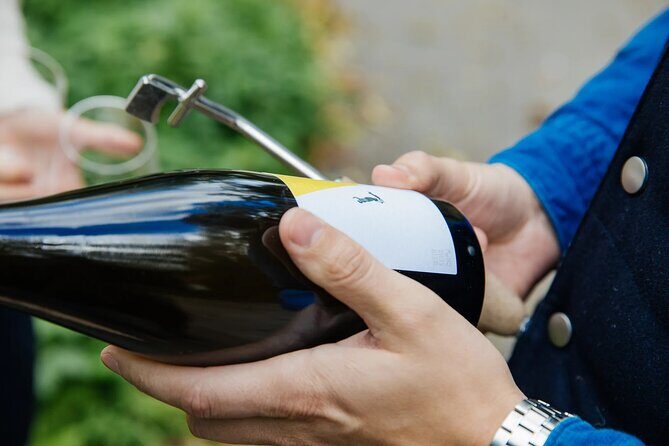
Langenlois is where the mood shifts toward sparkling wine with an experimental edge. You visit WeinSchach, a winery built around a simple philosophy: nature has what extraordinary wine needs. They aim for wine to unfold freely in the bottle, then they work toward their goal: a Pet Nat that competes in ambition with the best sparkling wines in the world.
This is where you learn something that changes how you look at Pet Nat. They aren’t chasing one fixed formula. They describe it as experimentation—digging into possibilities, even if that sometimes means returning to earlier steps to understand what went wrong or what could work better.
Production-wise, they work biologically, and they harvest and handle sparkling wine with care. Hand harvesting is part of the process, and they also mention being de-gorged. The core theme is control without forcing the wine to behave like it’s from a factory line.
Time here is about 40 minutes, which is perfect for sparkling wine learning without turning it into a blur. Expect the tasting to help you understand how a Pet Nat can feel different from classic-method sparkling experiences—even if you already like bubbles.
Stop 5: Ausblick am Welterbesteig for a 360-degree wine finish
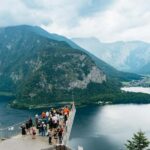
The tour ends with an easy, short walk—about 7 to 10 minutes—through vineyards toward a viewpoint at Ausblick am Welterbesteig. This final step is more than scenery. It’s your chance to “map” what you tasted onto what you see: slope, river direction, and how villages fit into the vine patterns.
In a region like this, it’s easy to think wine is just bottled alcohol. The viewpoint fights that instinct. You start to see how the physical setting encourages different outcomes in the vineyard and the cellar.
Just keep expectations realistic: it’s a small walk, but it still counts. If you’re already close to your limit for the day, save your energy for the viewpoint and keep your pace steady.
The guide experience: pace, access, and tailored questions
This kind of tour wins because it slows down the conversation. Many experiences “offer tastings,” but not all of them treat tasting as a learning tool. Here, the vibe is that you can ask what you want, and the guide will connect the dots to what you’re tasting.
In particular, the experience is praised for being intimate and authentic, with winemakers present and explanations that focus on intent and sustainability. I like that you’re not pushed through stops in a hurry. If you’re the type who wants to understand the difference between amphora aging versus steel, or why organic farming choices matter for long-lasting wines, this format supports that curiosity.
Also, because it’s private, you’re not sharing attention with strangers who barely care about the cellar. If you’re traveling solo, that can make the day feel like you hired a local wine tutor for the afternoon.
Who this tour suits best (and who should skip it)
This tour fits well if you:
- Want organic and small-producer wine experiences rather than big-name tourist tastings
- Like learning why choices are made in vineyard and cellar
- Enjoy walking through vineyards and a short cellar descent
- Prefer a small group or private format where you can ask questions
It’s not the best match if you:
- Can’t manage walking down into a cellar
- Dislike smaller rooms or tight winery spaces
- Want a purely sightseeing day with minimal wine talk
If you’re sensitive to pacing, remember: you’ll drive between stops. The tour is structured, so you won’t be stuck in one place for hours, but you should still plan for movement.
Should you book this Danube wine tour?
Yes, if your idea of a great Vienna wine day is craft, not crowds. This is one of those tours where the stops feel like real working wineries and the conversations help you taste with meaning. You’ll come away with a clearer sense of how the region works: vineyard slope and soils, organic practices, aging choices, and the ambition behind Pet Nat experiments.
Book it especially if you’re the kind of wine traveler who loves details like amphora aging, ried-specific handpicking, and the logic of making Grüner Veltliner and Roter Veltliner with a consistent organic philosophy. If you’re a comfort-first traveler who hates cellar stairs or prefers big airy spaces, you’ll likely feel out of place.
If you’re on the fence, a good rule is this: if you enjoy asking questions and you don’t mind a bit of walking, this tour is worth the trip.
FAQ
FAQ
How long is the wine tour in total?
It lasts about 3 hours (approx.).
Where does the tour start in Krems?
The meeting point is Bahnhofpl. 2, 3500 Krems an der Donau, Austria.
Does the tour include pickup or help meeting you in transit?
Pickup is offered, and the host says they can be flexible about where and when to meet. If you stay in Vienna, you can take a direct train to Krems and meet at the train station, or coordinate meeting if arriving by boat.
What language is the tour offered in?
The tour is offered in English.
Is this tour private?
Yes. It’s a private tour/activity, so only your group participates.
What kind of winery experiences and spaces should I expect?
You’ll visit small wineries and likely move through cellar areas. The tour also includes some hiking and a short walk at the end.
Is it suitable for people who can’t walk down into a cellar?
No. It’s not recommended for travelers who can’t walk down into a cellar.
What are the operating hours during the listed season?
From 11/01/2025 to 10/31/2026, it runs Monday to Saturday from 12:00 PM to 7:00 PM.
What’s the cancellation policy?
Free cancellation is available. You can cancel up to 24 hours in advance of the experience for a full refund. If you cancel less than 24 hours before the start time, the amount paid isn’t refunded.